
21 min 06 sec
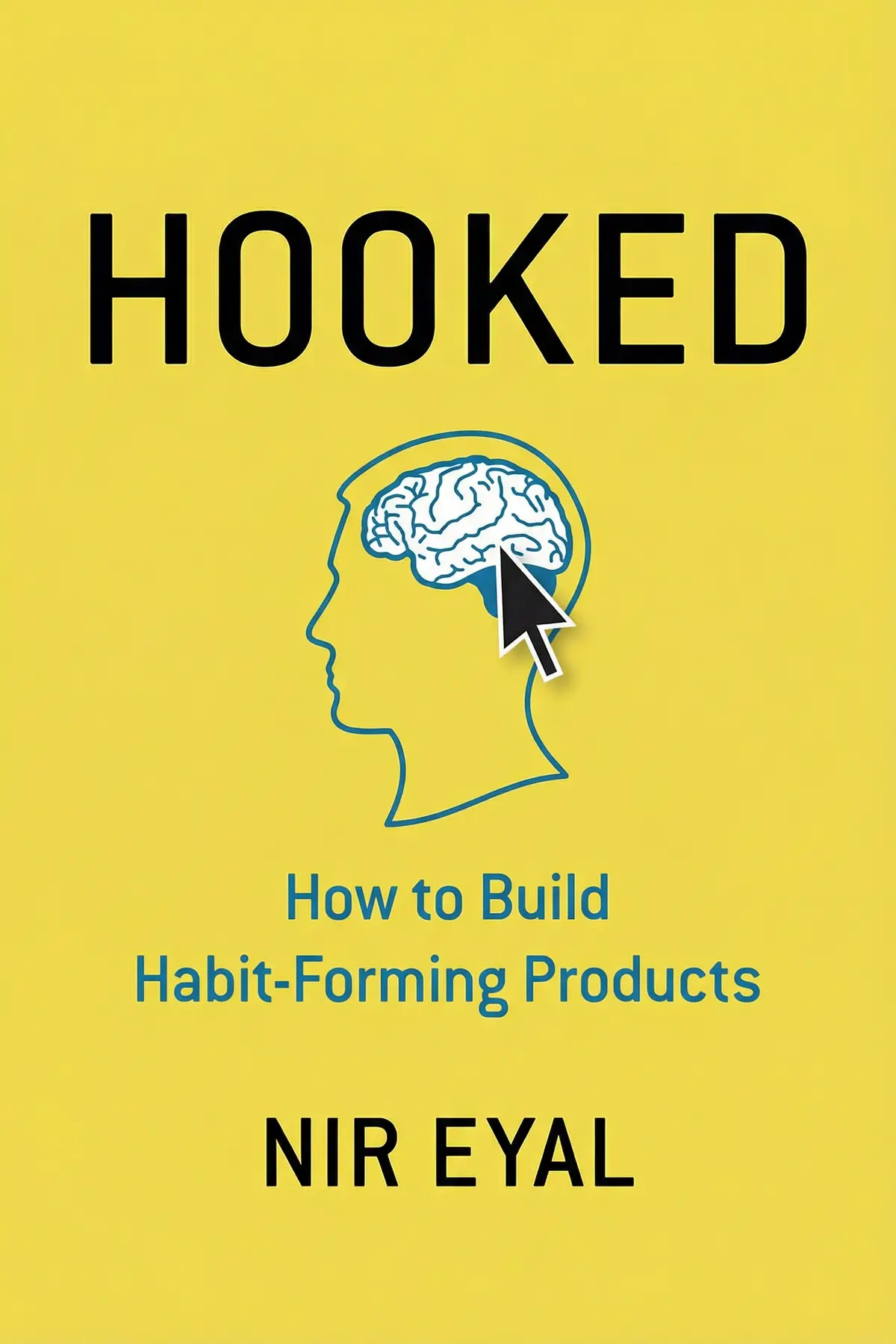
Rethinking Prestige Branding: Secrets of the Ueber-Brands
Modern branding has moved beyond mere exclusivity. Wolfgang Schaefer and J.P. Kuehlwein explore how Ueber-Brands create prestige through authentic narratives, social responsibility, and a self-defined sense of excellence that resonates with today's consumers.
Table of Content
1. Introduction
1 min 59 sec
In the past, the concept of prestige was relatively simple. It was defined by a high price tag, a sense of exclusivity, and a certain level of distance from the average consumer. If a product was expensive enough and rare enough, it was prestigious. But the world has changed. Today, the old rules of luxury are being rewritten by a new class of companies that the authors call Ueber-Brands. These are brands that don’t just follow the market; they lead it by creating their own rules and defining excellence on their own terms.
Think about the diversity of brands that capture our imagination today. You might see a world-famous fashion house and a disruptor in the energy drink market and assume they have nothing in common. Yet, beneath the surface, they are powered by the same seven fundamental principles. These principles allow them to transcend the typical cycle of hype and commoditization. They manage to stay relevant, desirable, and deeply meaningful to their customers in an era where consumers are more skeptical and better informed than ever before.
This exploration isn’t just for those in the luxury sector. It is a guide for any business that wants to move beyond being a mere utility and become a hero in the eyes of its audience. We are going to look at how the leveling of the playing field through technology has forced brands to find new ways to stand out. We will explore the shift from exclusivity to a more nuanced balance of belonging. Most importantly, we will uncover how a brand can move from being a seller of goods to a teller of myths, creating a narrative that people don’t just buy into, but want to be a part of. The journey ahead will show you how to transform a company into a modern prestige powerhouse by focusing on authenticity, mission, and the art of the seductive un-sell.
2. The Evolution of Status and Information
2 min 38 sec
Traditional markers of luxury like high prices are no longer enough to guarantee prestige in a world where access is democratized.
3. The Power of Self-Defined Excellence
2 min 28 sec
Ueber-Brands don’t compete on generic terms; they create their own standards and live by their own rules.
4. Establishing a Unique Mission
2 min 34 sec
A prestigious brand must have a goal that transcends profit, even if that goal risks alienating some potential customers.
5. Navigating the Velvet Rope of Exclusivity
2 min 40 sec
Successful brands maintain prestige by balancing the desire to belong with a carefully curated sense of exclusivity.
6. Crafting the Brand Myth
2 min 22 sec
Beyond just products, modern prestige relies on powerful storytelling that turns a company into a hero.
7. Delivering on the Hype through Ritual
2 min 27 sec
The product must not only meet high expectations but also be presented as a ‘holy grail’ through unique consumer rituals.
8. Internal Culture and Measured Growth
2 min 32 sec
Prestige is maintained by aligning internal operations with the brand myth and resisting the urge for rapid, uncontrolled expansion.
9. Conclusion
1 min 26 sec
The transition from traditional prestige to the world of Ueber-Brands represents a fundamental shift in how we value products and companies. We have moved from a world where status was bought through high prices and exclusivity to one where it is earned through authenticity, knowledge, and purpose. The seven secrets we’ve explored—from defining a self-governed mission to creating a brand myth and maintaining a velvet-rope balance—provide a blueprint for any brand that aspires to be more than a commodity.
As you look to apply these ideas, remember that the credibility of your brand is defined as much by what you *refuse* to do as by what you do. An Ueber-Brand has clear boundaries. If your mission is built on ethical fashion, you must be willing to walk away from profitable trends like fur, even if they are currently popular. This consistency is what builds true trust. By staying focused on your unique myth and delivering a product experience that feels like a ritual, you can create a brand that doesn’t just survive the changes in the market but thrives because of them. In the end, prestige isn’t about being better than the competition; it’s about being so uniquely yourself that the competition becomes irrelevant. Use these principles to find your brand’s soul, tell its story, and build a community that believes in your mission as much as you do.
About this book
What is this book about?
At first glance, a high-fashion house like Hermès and a high-energy beverage brand like Red Bull might seem to occupy completely different worlds. However, Rethinking Prestige Branding reveals that they share a secret DNA. This book identifies seven core principles that distinguish what the authors call Ueber-Brands—companies that transcend traditional luxury and mass-market categories to become cultural icons. The promise of this work is to provide a roadmap for any brand seeking to elevate its status. Instead of relying on the old-school markers of prestige, such as inflated price tags and artificial scarcity, modern success requires a shift toward authenticity, purpose, and myth-making. The authors explain how technology has democratized luxury, making traditional exclusivity obsolete. In its place, they propose a new model where knowledge, ethical transparency, and a self-defined mission create a magnetic pull that attracts devoted followers. By following the strategies laid out in these chapters, business leaders and marketers can learn how to build a brand that doesn't just sell products but offers meaning and a sense of belonging.
Book Information
About the Author
Wolfgang Schaefer
Wolfgang Schaefer is chief strategy officer for advertising agency SelectNY. He has years of experience in developing global brand strategies for European, American and Asian markets. He is also the cofounder of Ueber-Brands Consulting. JP Kuehlwein is brand director for Procter & Gamble and a lauded business leader, strategy expert and brand builder. He is a cofounder of Ueber-Brands Consulting.
Ratings & Reviews
Ratings at a glance
What people think
Listeners find that this work offers excellent perspectives on brand-building fundamentals through pertinent illustrations and captivating case studies. They also value its contemporary take on developing a brand, with one listener drawing attention to the user-friendly brand elevation model. Additionally, the text effectively showcases mythical storytelling and is written well enough to provide an entertaining reading experience.
Top reviews
Sakura
This book provides a masterclass in how modern desire is manufactured in an age where traditional quality claims no longer move the needle. Schaefer and Kuehlwein move beyond simple luxury to define the Ueber-Brand, showing how companies like Patagonia and Apple create a sense of purpose that transcends the physical product. I was particularly struck by the longing and belonging paradox; it explains so much about why we crave exclusivity while wanting to feel part of a community. The seven principles are clearly laid out, though you really have to pay attention to the nuance to get the most out of them. It is not just for global CEOs; even an Etsy seller could learn how to weave a better narrative. The case studies are the real highlight, offering a peek behind the curtain of brands that have achieved mythical status through incredible storytelling.
Show morePensuda
Finally got around to reading this and I am genuinely impressed by the depth of research involved. It is rare to find a business book that balances high-level theory with such engaging, often funny, case studies. The way they describe the quasi non-materialist marketing of Patagonia really clicked for me; it is about having a soul, not just a logo. I loved the section on Alexander McQueen at the Met, illustrating how the line between art and consumer goods has basically vanished. The authors have a subtle sarcasm that makes the more corporate sections much easier to digest. It is an essential guide for anyone who wants to understand why certain brands become cult-like obsessions while others just fade away. This book is a prestige product in its own right.
Show moreNam
Wow, what a refreshing take on the psychology of desire. Instead of just talking about price points and demographics, Schaefer and Kuehlwein look at how brands become mythical entities. The idea that a brand should have a mission where they can't sleep until they find the perfect dye or ingredient is such a great way to frame authenticity. I particularly liked the analysis of how Chanel No. 5 manages to be both inclusive for the masses and exclusive for the elite. The writing is smooth and the Ueber-Brand model is easy to follow once you get into the rhythm of the book. It has definitely shifted how I look at my own purchasing habits and the brands I choose to support. Brilliant and insightful.
Show moreHenry
After hearing about Ueber-Brands for years, I finally dug into the source material. This is easily one of the most insightful books on modern marketing I have read in a long time. It perfectly captures how the definition of prestige has evolved from status symbol to identity marker. The case studies are diverse, ranging from the miracle broth of skin care to the rugged ethos of outdoor gear. I loved the 77 questions section; it is a fantastic tool for any business owner, whether you are running a global corporation or a small shop on Etsy. The book successfully argues that purpose beats performance every time in the eyes of the modern consumer. It is a detailed tale that is a lot more than a dry, theoretical textbook. Highly recommended.
Show moreJackson
Ever wonder why people pay a massive premium for gourmet vodka that is specifically designed to taste like nothing? This book explores that exact mystery, using Grey Goose and Red Bull to illustrate how prestige has shifted from material wealth to something more spiritual and rebellious. The authors do a great job of explaining the BoBo culture—how we want the freedoms of a bohemian lifestyle without giving up our corporate paychecks. Some of the early chapters felt a bit like a dry marketing presentation, especially the stuff about cave paintings, but once they hit their stride, the insights are gold. It’s a fascinating look at how storytelling turns a basic commodity into a legend. Truly worth the read for the Don't Buy This Jacket analysis alone. It makes you realize that being part of history is the ultimate sales pitch.
Show moreBenjamin
As a marketing professional, I found the 77 questions at the end of the book to be worth the cover price alone. They act as a practical audit for any brand trying to increase its allure. While the writing can get a bit academic and dense in the middle, the Ueber-Brand framework is incredibly relevant for today's market. I appreciated the deep dive into the miracle broth of La Mer and how it uses a physicist’s lab accident to create a modern myth. My only gripe is that it sometimes feels like the authors are trying a bit too hard to be clever with their Enlightened Capitalism sidebars. Still, the breakdown of how to balance prestige with accessibility is something every brand manager needs to understand. It is a very solid addition to any business library.
Show moreNiphon
The shift from shiny gold luxury to a more mission-driven prestige is the core of this book, and the authors explain it beautifully. I found the concept of un-selling particularly interesting—the idea that a brand like Patagonia can tell people NOT to buy their products and end up more successful because of it. It is all about authenticity and the rebellious spirit of the creators. The book is well-written, though it occasionally veers into slightly clunky territory with its structure. I would have liked to see more diverse examples outside of the usual high-end fashion and tech giants, but the principles are definitely universal. It makes you rethink everything you thought you knew about why we buy what we buy. It's a handy tool for anyone in a marketing department.
Show moreFang
Picked this up on a recommendation and while it is a bit clunky in the beginning, it eventually turns into a page-turner. The authors have a knack for pinning down social trends that you have vaguely noticed but could not quite name. For instance, the Bourgeois Bohemians culture explanation was a lightbulb moment for me. I also enjoyed the behind the scenes feel of the case studies, like the one about the Freitag bags made from recycled truck tarps. It shows that prestige is not just about being expensive; it is about being real and having a story worth telling. A few sections felt a little cheesy, but the overall strategy and the 7 principles are incredibly sound. This is a landmark book for understanding modern brand building.
Show moreTeng
To be fair, the content is solid, but the delivery is a bit of a slog. I was really excited to learn about Ueber-Brands, but the book gets off to a very rocky start with a lot of marketing speak about the Renaissance and cavemen. I almost put it down in the first thirty pages because it felt like a Power Point presentation at a mid-tier hotel convention. However, if you push through, the actual analysis of brands like Chanel and Hermes is quite brilliant. They nail the observation that modern prestige is about being part of a history or a mission rather than just showing off a price tag. It is a bit too much like a textbook for my casual reading taste, but the insights are undeniably accurate for today’s market.
Show moreLars
Not what I expected from the blurb. I was looking for a practical guide to branding, but this felt more like a dense sociological study mixed with some very corporate-retreat style philosophy. The chapter on Enlightened Capitalism made me roll my eyes—if a company is donating to charity just to boost sales, is it really enlightened? The authors use a lot of fancy words to describe things that feel like common sense if you have worked in advertising for more than a week. There are some okay stories in here about Nespresso and Estee Lauder, but I found myself skimming a lot of the fluff to get to the actual points. It put me to sleep in a few places. Maybe it is just not for my specific professional needs.
Show moreReaders also enjoyed


AUDIO SUMMARY AVAILABLE
Listen to Rethinking Prestige Branding in 15 minutes
Get the key ideas from Rethinking Prestige Branding by Wolfgang Schaefer, plus 5,000+ more titles in English and Thai.
- 5,000+ titles
- Listen as much as you want
- 7-day free trial
- Cancel anytime







