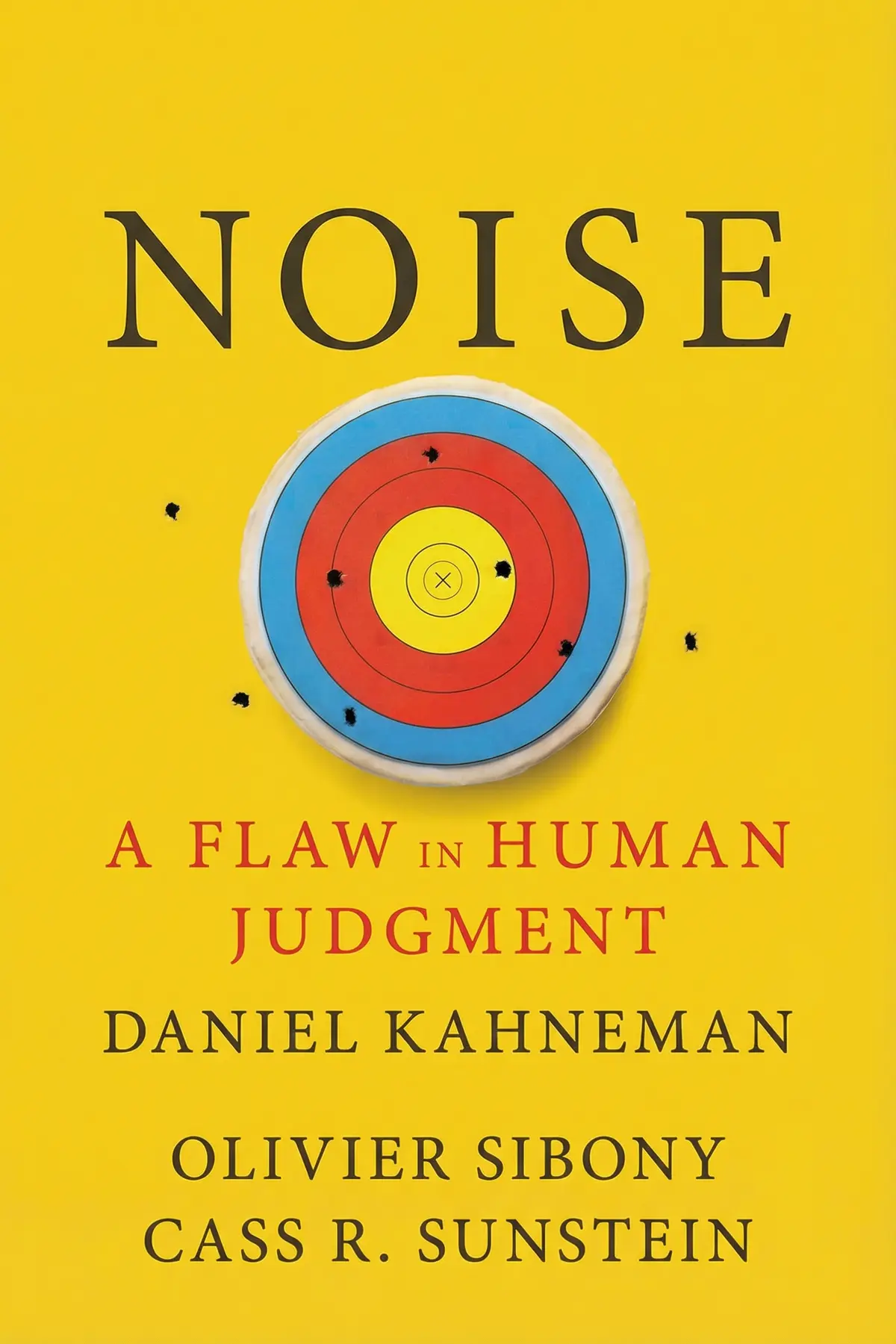
Noise: A Flaw in Human Judgment
Daniel Kahneman
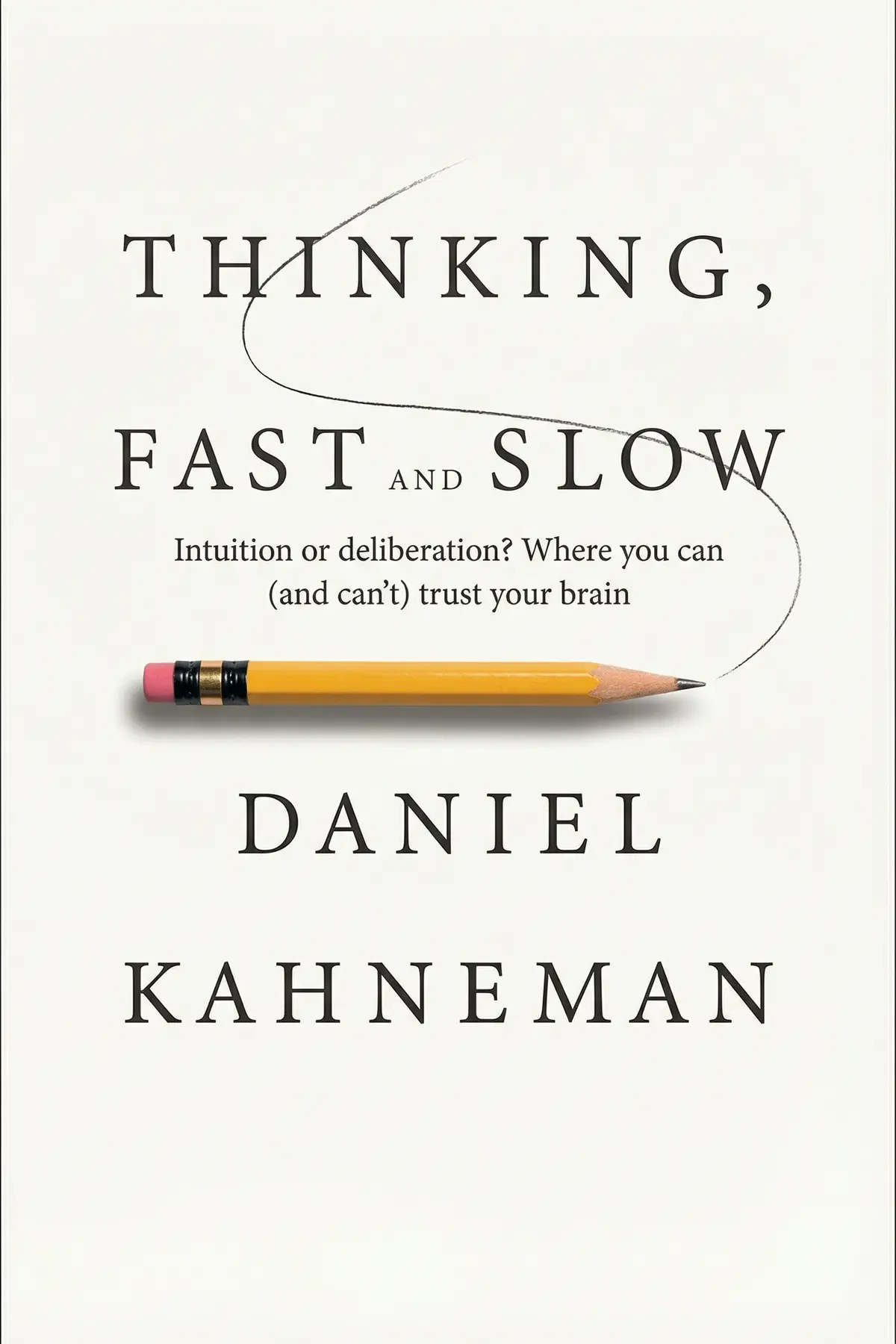
A deep dive into the dual-system architecture of the human mind, explaining why we make irrational choices and how our internal biases shape our reality, logic, and daily decisions.
2 min 00 sec
Have you ever wondered why you sometimes make a decision in a split second, while other times you find yourself agonizing over a choice for hours? Deep within the human mind, a constant and invisible drama is unfolding. It is a story featuring two primary characters, each with its own personality, strengths, and glaring flaws. These two characters are what we call System 1 and System 2, and their constant interaction is what determines everything from the grocery brands you choose to the way you judge the character of a new acquaintance.
System 1 is the impulsive one. It is fast, automatic, and emotional. It operates on instinct, making snap judgments before you even realize you’ve processed any information. Think of it as your brain’s autopilot. On the other hand, we have System 2—the slow, methodical, and logical thinker. This is the part of your mind that handles complex math problems, maintains self-control, and weighs the pros and cons of a long-term investment. While we like to believe that System 2 is the one in charge, the reality is often quite the opposite. Most of the time, the intuitive System 1 is running the show, and the logical System 2 is simply following along, often too lazy to double-check the work of its faster counterpart.
In this exploration, we are going to pull back the curtain on this mental partnership. We will see how these two systems cooperate and collide, why our brains are naturally prone to certain types of errors, and how the architecture of our thoughts influences our behavior in ways we never suspected. By understanding the mechanics of how we think, we can start to see where we can—and where we definitely shouldn’t—trust our own brains. This isn’t just about psychology; it’s about the very core of what it means to be a human being navigating a complex, and often confusing, world. Let’s begin by looking at how these two systems actually define our everyday reality.
2 min 15 sec
Our minds are governed by two distinct systems: one that is lightning-fast and intuitive, and another that is slow and deliberate. Their interaction shapes every decision we make.
2 min 11 sec
Human beings are naturally inclined to take the path of least resistance when thinking. This cognitive laziness often leads to predictable mistakes in judgment.
2 min 08 sec
Our environment and the words we encounter can subtly influence our behavior and thoughts without us ever realizing it’s happening.
1 min 56 sec
The human mind is a machine for jumping to conclusions. We often build complete narratives about people and situations based on very little evidence.
2 min 04 sec
To handle the complexities of life, we use mental shortcuts called heuristics. While helpful, these shortcuts can lead to significant biases.
2 min 22 sec
Human intuition is notoriously bad at handling numbers and probability, leading us to ignore basic facts in favor of interesting stories.
2 min 01 sec
We have two versions of ourselves: one that lives through experiences and another that remembers them. Surprisingly, they rarely agree on how an event felt.
2 min 14 sec
The amount of effort your brain is currently exerting changes how you perceive the world. Feeling comfortable makes you creative but also less critical.
2 min 04 sec
How a choice is worded can completely change the decision we make, even when the underlying facts remain the same.
2 min 32 sec
Traditional economics assumes we are perfectly rational beings, but psychology shows that we are deeply influenced by emotion and loss aversion.
2 min 08 sec
Our brains create complete mental pictures to explain the world, which gives us a false sense of certainty. Learning to use data over intuition is the key to better forecasting.
1 min 52 sec
As we have seen, the human mind is a fascinating and often contradictory place. We are not the perfectly rational beings we often imagine ourselves to be. Instead, we are the product of an intricate dance between an ancient, instinctive system and a modern, logical one. While System 1 allows us to navigate the world with speed and grace, it also leaves us vulnerable to a host of cognitive biases, from the halo effect to loss aversion. System 2 is our best defense against these errors, yet it is often too lazy or too occupied to intervene.
So, what can we take away from this journey into the architecture of thought? The first step is awareness. Simply knowing that these biases exist—recognizing when you are being primed or when you are falling for a framing trick—is a powerful tool. When you find yourself feeling absolutely certain about a snap judgment, take a breath. Ask yourself: am I answering the right question? Am I being swayed by a vivid story instead of the actual statistics? By consciously forcing yourself into a state of cognitive strain when the stakes are high, you can engage your logical mind and avoid the pitfalls of intuition.
Finally, remember that your environment and your mood are constantly shaping your thoughts. If you need to be creative, lean into that state of cognitive ease. But if you are making a life-changing decision, look for the ‘outside view.’ Seek out the data, trust the base rates, and be wary of the stories your remembering self wants to tell. By understanding the fast and slow rhythms of your own brain, you can begin to make choices that are not just impulsive reactions, but well-considered steps toward the life you truly want to lead. The drama in your mind will always continue, but you now have the tools to be a much more informed spectator—and a much wiser lead actor.
This exploration breaks down the internal conflict between our fast, intuitive impulses and our slow, logical deliberations. It reveals the invisible forces that guide our judgments, from the way we perceive risk to the errors we make when interpreting statistics. By examining the interplay of two distinct mental systems, the book provides a framework for understanding human behavior. It offers the promise of improved decision-making by teaching us how to recognize cognitive pitfalls and when to step back from our first instincts.
Daniel Kahneman, PhD, won the Nobel Prize in Economics in 2002. He is the Senior Scholar at the Woodrow Wilson School of Public and International Affairs, Professor of Psychology and Public Affairs Emeritus at the Woodrow Wilson School, Eugene Higgins Professor of Psychology Emeritus at Princeton University, and a fellow of the Center for Rationality at the Hebrew University in Jerusalem.
Daniel Kahneman
Listeners consider this work an incredible experience that is accessible and skillfully composed, with one mentioning its suitability for a general audience. Furthermore, the content offers an elegant look at the mechanics of human thought, clarifying the ways our minds reach conclusions, and listeners prize its significant observations on behavioral patterns. They also value how easy it is to follow, as one listener characterizes it as a non-stop good read.
Daniel Kahneman is essentially explaining why we are all suckers for a good story over cold, hard data. This book provides a beautiful overview of the human process of thinking, stripping away the illusion that we are rational actors. I loved the way he describes his work with Amos Tversky; it adds a personal touch to what could have been a very dry academic text. Not gonna lie, I used to trust my 'gut' for everything, but after reading about how easily System 1 is fooled by simple framing, I’ve become much more cautious. The writing is surprisingly accessible for a Nobel Prize winner, making complex psychological theories feel like dinner party conversation. It is a non-stop good read that challenges your ego. Even if you aren't into math, the sections on why we fear loss more than we value gain are absolutely eye-opening for daily life.
Show moreEver wonder why you make the same stupid mistakes over and over again? This book is the ultimate manual for the human brain, revealing the hidden biases that dictate our lives without us even realizing it. Kahneman takes us on a ground-breaking tour of the mind, explaining how our 'System 1' jumps to conclusions while 'System 2' sleeps on the job. The truth is, we are far less rational than we like to believe. I found the section on 'What You See Is All There Is' (WYSIATI) particularly profound because it explains so much about modern political discourse and stereotypes. Despite being written by a scientist, it remains aggressively accessible to a lay audience. It’s one of those rare books that makes you feel smarter and more humble at the same time. This should be required reading in every high school curriculum to help people understand their own mental limitations.
Show moreThe way Kahneman distills decades of psychological research into a narrative about our internal 'Systems' is nothing short of a masterclass. I’ve always been interested in why smart people make bad decisions, and this book provides the most comprehensive answer I’ve ever found. It explains everything from why we overpay for insurance to how priming can influence our behavior without our knowledge. It’s a beautiful overview of the human process of thinking. While some readers complain about the length, I felt the depth was necessary to truly dismantle our overconfidence in our own logic. The anecdotes about his late friend Amos add a layer of humanity to the data that I really appreciated. In my experience, this is the kind of book you need to read with a highlighter in hand. It’s not just a book; it’s an intellectual journey that reframes your entire world.
Show moreIt’s rare to find a book that legitimately changes how you view every interaction, from buying a car to judging a person’s character. Kahneman’s work on heuristics and biases is legendary for a reason—it’s practical, scientifically sound, and deeply relatable. I loved the experiment about the 'invisible gorilla' of the mind; it perfectly illustrates how our focused System 2 can make us blind to the obvious. The writing is clear and the concepts are illustrated with problems you can try yourself, which makes the learning process active. Frankly, anyone who works in management, finance, or marketing should be forced to read this. It exposes how much we rely on luck while falsely attributing our success to skill. It’s an amazing read that is easy to understand despite the heavy subject matter. I’ve recommended it to everyone I know who wants to understand the 'why' behind human choices.
Show moreAfter hearing so much hype about this for years, I finally dove in and I must say, it lived up to every bit of the praise. This is not just a psychology book; it’s a roadmap for navigating a world filled with misinformation and snap judgments. The distinction between fast, emotional thinking and slow, logical thinking is such a simple framework, yet it explains almost every cognitive error we make. I particularly enjoyed the sections on how we are influenced by 'anchoring' and why we struggle to understand regression to the mean. To be fair, it is a thick book, and some might find the detailed descriptions of experiments a bit much. But for those who want to see the 'how' and 'why' behind the theories, it’s a goldmine. Kahneman’s tone is authoritative yet conversational, making you feel like you’re learning from a wise mentor rather than a cold textbook.
Show moreFinally got around to this behemoth after it sat on my shelf for a year. Truth is, the book is a masterclass in behavioral economics that fundamentally changes how you perceive your own mind. Kahneman breaks everything down into System 1—the fast, intuitive part of our brain—and System 2, the lazy but logical side. It is a demanding but rewarding lift. While the author's research on priming and cognitive illusions is fascinating, the middle section on statistics can feel a bit repetitive. I found myself nodding along to his insights about the halo effect and why we constantly overvalue our own intuition despite evidence to the contrary. To be fair, it is a long read that requires focus, and some of the chapters feel like they could have been condensed. However, the sheer density of wisdom regarding how we make decisions makes it essential for anyone curious about human nature.
Show morePicking this up as a fan of 'Blink' by Malcolm Gladwell was an interesting experience because Kahneman actually provides the rigorous science behind those intuitive snap judgments. The book is well-written and provides a fascinating look at the interplay between our fast and slow cognitive systems. To be fair, some of the experiments regarding Bernoulli’s errors and prospect theory felt like I was back in a college statistics lecture. It can get a bit technical, which might scare off someone looking for a light self-help read. However, if you hang in there, the rewards are immense. I especially liked the discussion on how we remember experiences versus how we actually live them—the 'experiencing self' vs. the 'remembering self.' It’s a dense meal of a book, but it’s one that stays with you long after you’ve turned the final page. Just be prepared to take it slow.
Show moreWhat a beautiful, humbling commentary on human nature this turned out to be. I started reading it to improve my business decisions, but I ended up reflecting on how I judge people in my personal life too. The chapters on the halo effect and the law of small numbers were particularly convicting. My only real gripe is that the book gets quite repetitive toward the end, especially when he starts rehashing the genesis of prospect theory. Some of the sections feel like they were written for an academic journal rather than a general audience. Still, the core message is so powerful that it outweighs the occasional dry patch. It teaches you to slow down and engage your System 2 when the stakes are high. It’s a meaningful insight into human behavior that actually has the potential to make you a more deliberate, thoughtful person.
Show moreLook, the insights regarding our inability to grasp basic probability are vital, yet the delivery is often unremittingly dry. I appreciated the core thesis of the two systems, but the book overstays its welcome by a few hundred pages. Frankly, it felt like Kahneman was trying to squeeze every single experiment he ever conducted into one volume, leading to a lot of circular anecdotes. If you enjoy endless algebraic word problems and hearing about the author's stint with the Israeli Air Defense Force, you might love this. For me, the pacing was a struggle. There are brilliant moments here, especially regarding the 'planning fallacy' and how we overestimate our ability to predict the future. However, you could probably read the first few chapters and the conclusion to get 90% of the value. It’s a significant contribution to the field, but it’s a slog to finish.
Show moreThis book could have been a fifty-page pamphlet and I would have walked away with the exact same amount of knowledge. Personally, I found the writing style to be incredibly tedious and repetitive. Kahneman is clearly a genius, but he lacks the ability to cut to the chase, often burying his points under mountains of regression analysis. I was expecting a practical guide on how to think better, but instead, I got a series of academic papers dressed up as a popular science book. The constant mention of his Nobel Prize felt a bit self-indulgent after the third time. If your idea of a good time is talking Bayesian theory with a clinical psychologist, then this is definitely for you. For the average reader looking for actionable advice, this is just too much white noise and not enough substance. I ended up skimming the last third just to be done with it.
Show more
William J. Bernstein

Deborah Gruenfeld
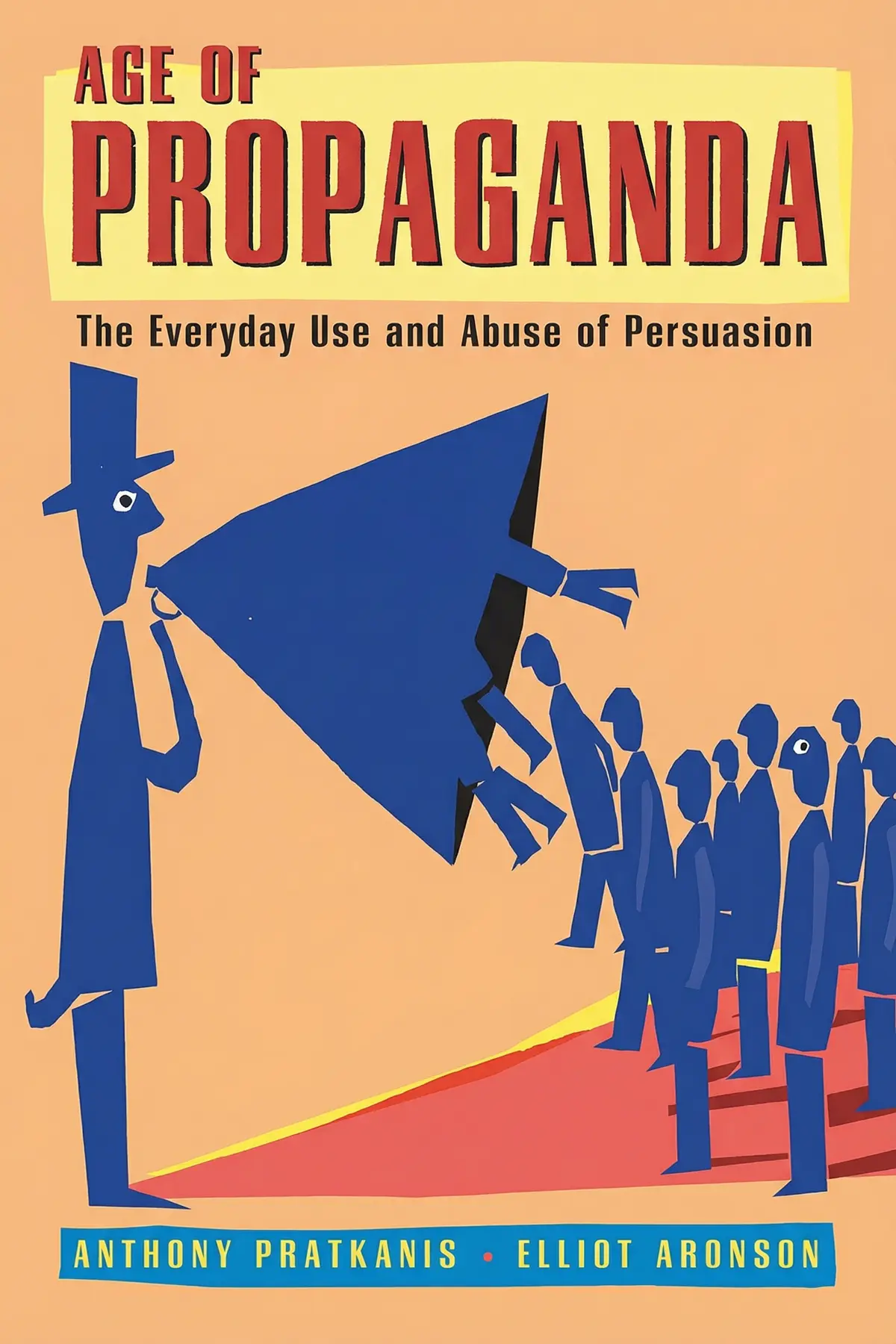
Anthony Pratkanis
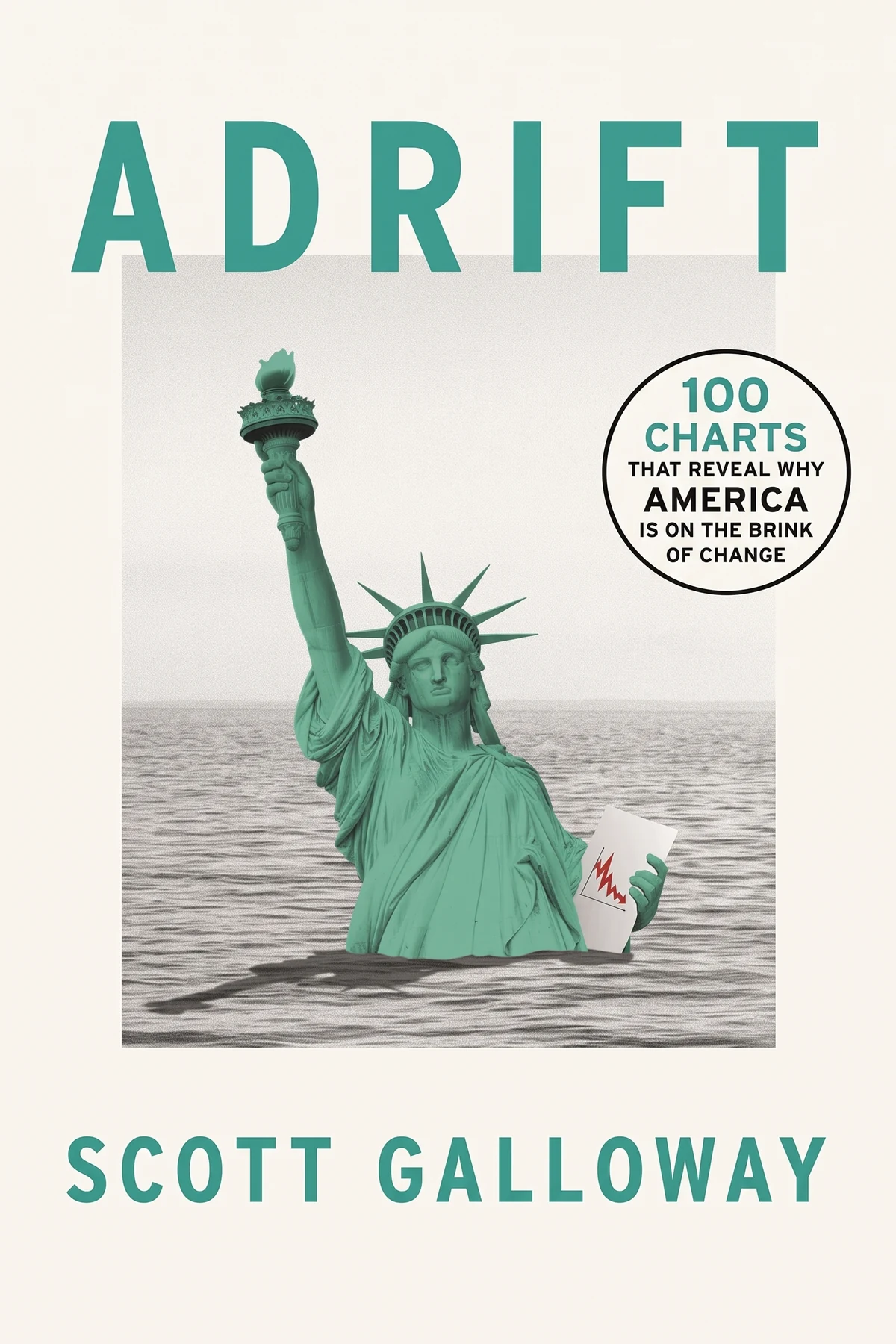
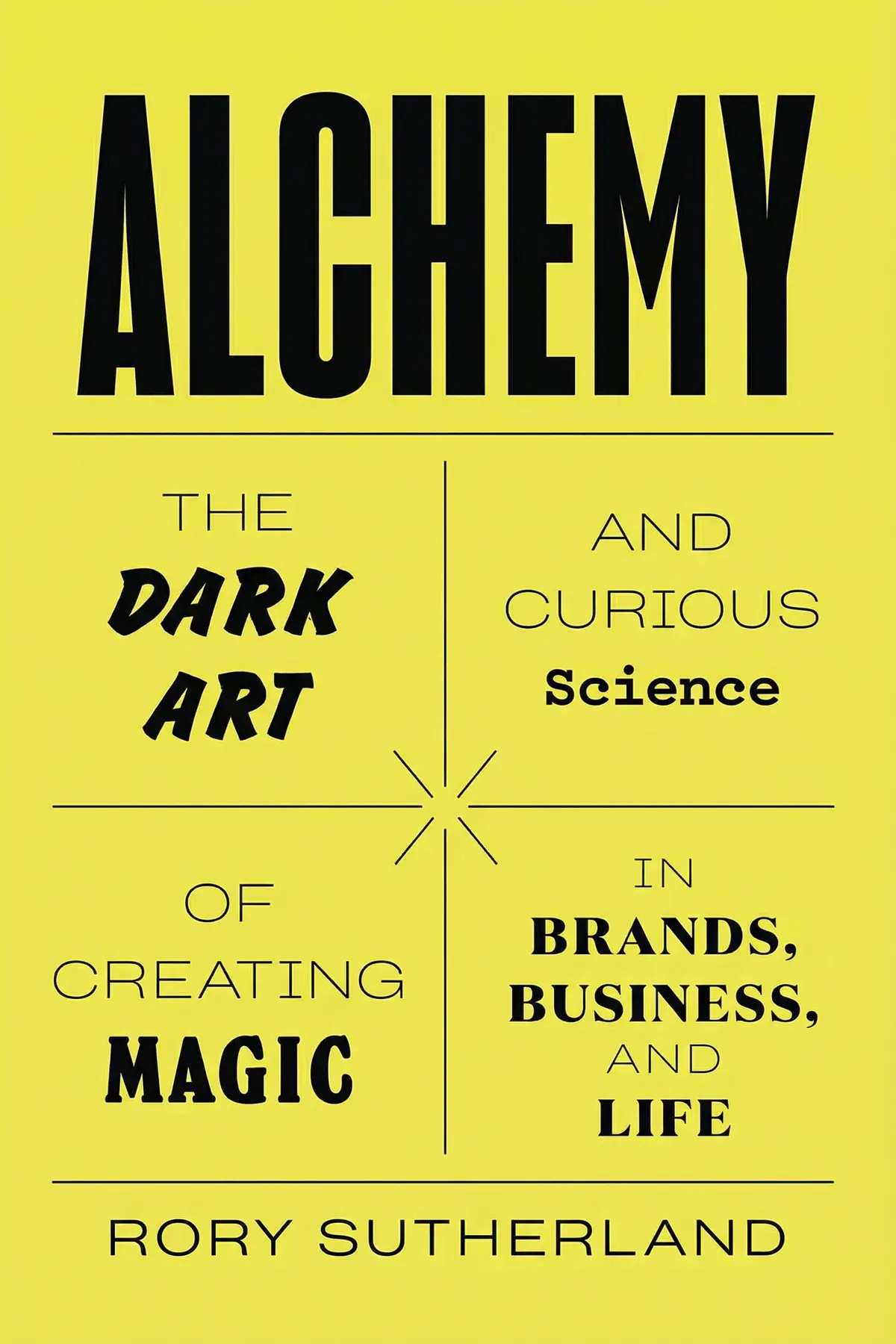
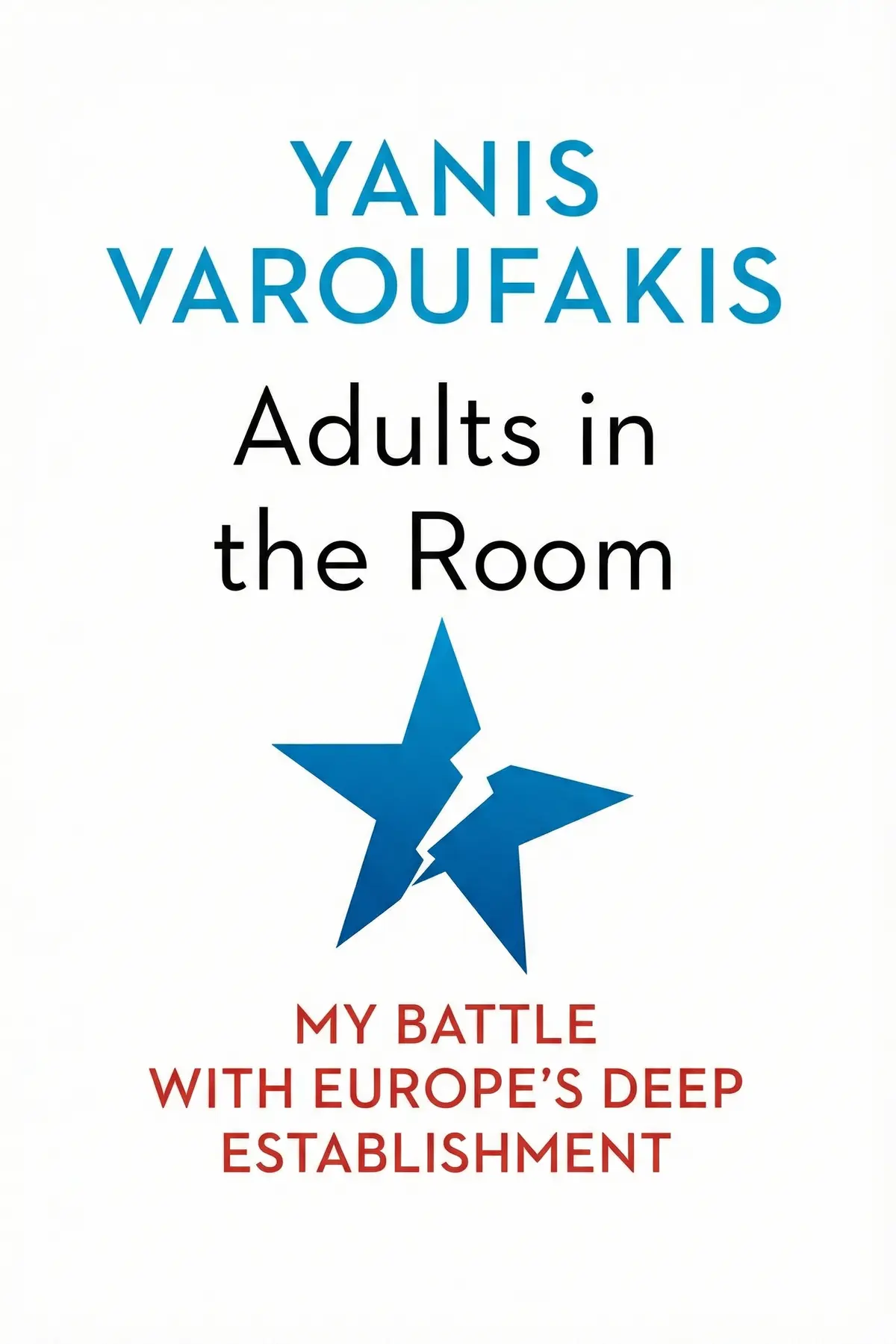
Yanis Varoufakis
AUDIO SUMMARY AVAILABLE
Get the key ideas from Thinking, Fast and Slow by Daniel Kahneman, plus 5,000+ more titles in English and Thai.