
A Bigger Prize: How We Can Do Better Than the Competition
Margaret Heffernan
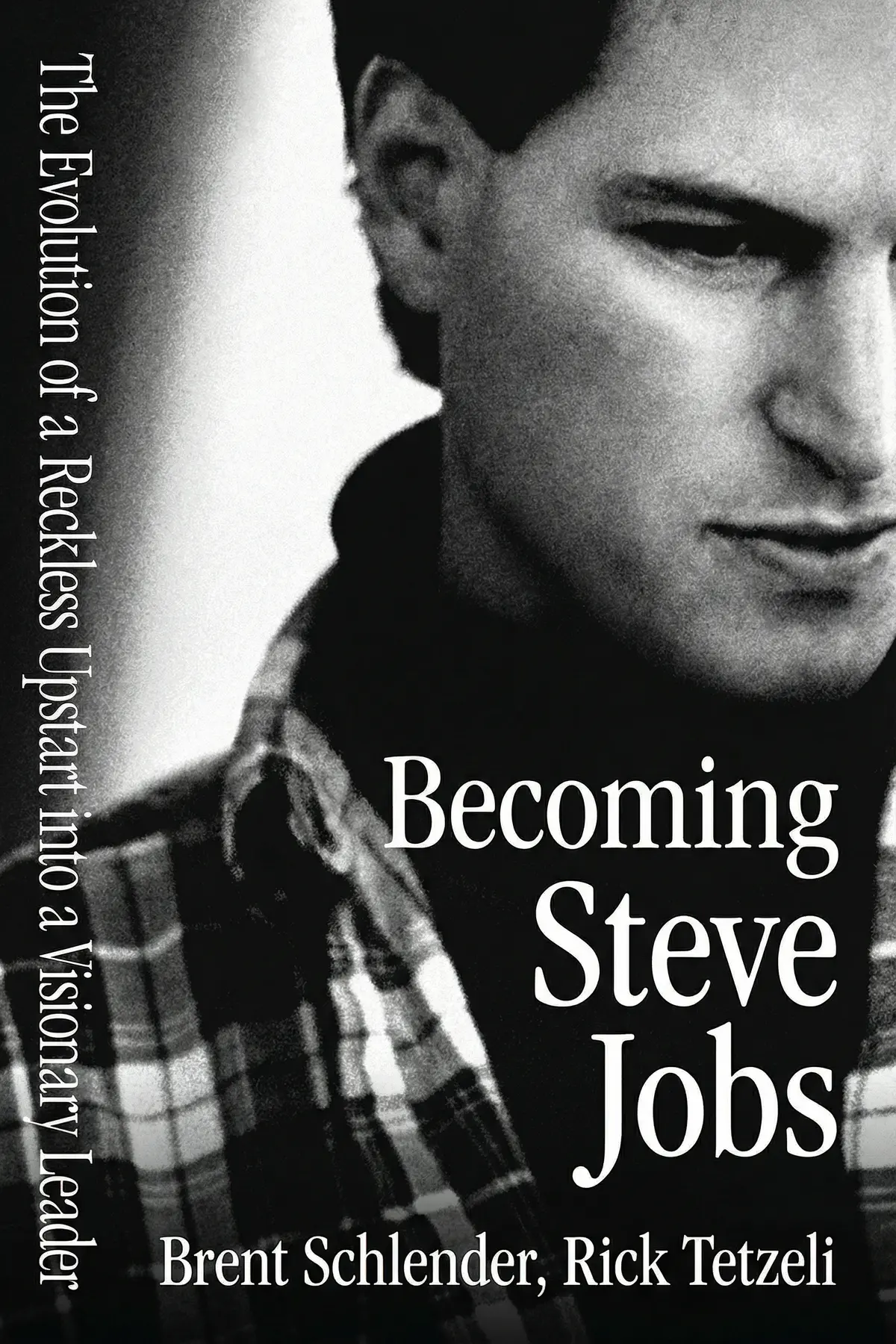
Discover the profound transformation of Steve Jobs, from a volatile young entrepreneur into the visionary leader who revolutionized multiple industries and redefined how we interact with technology and design.
1 min 24 sec
When we think of the modern world of technology, one name stands above almost all others as a symbol of pure innovation and uncompromising design: Steve Jobs. To the public, he often appeared as a kind of secular saint of the digital age, a wizard who could conjure up devices like the iPhone and the Mac that seemed to change everything overnight. But the image we have of the mature, world-conquering CEO of Apple didn’t emerge fully formed. It was forged through decades of trial, error, and often painful personal growth.
In this exploration of his life, we aren’t just looking at a timeline of product launches. Instead, we are tracing a much more interesting throughline: the evolution of a human being. We will see how a reckless, often abrasive young man, who was once cast out of the very company he founded, eventually returned with a new set of skills and a refined perspective. We’ll look at the influence of his upbringing, the crushing failures of his middle years, and the unexpected lessons he learned at places like Pixar. By looking at the man behind the myth, we can begin to understand how Jobs became the leader capable of building the most valuable company on the planet. This is the story of how a brilliant but flawed upstart grew into the visionary we remember today.
2 min 41 sec
Explore how a young boy’s relationship with his father and early access to high-tech environments planted the seeds for a lifelong obsession with quality.
2 min 26 sec
Discover how a young company moved from a suburban garage to the forefront of a burgeoning industry through strategic investment and a focus on user experience.
2 min 05 sec
Learn how a string of high-profile failures and a volatile leadership style led to a dramatic showdown that forced Jobs out of the company he helped build.
2 min 14 sec
Follow Jobs into the ‘wilderness years’ as he attempts to build a new computer company and learns the hard way that innovation requires more than just high prices.
2 min 13 sec
See how a struggling animation studio helped Jobs discover the importance of empowering creative talent and step away from micromanagement.
2 min 05 sec
Witness the dramatic return of Steve Jobs to Apple as he slashes the product line and restores the company’s focus on excellence.
2 min 06 sec
Trace the strategic shift that moved Apple beyond the desktop and into the pockets of millions of consumers through the power of digital music.
2 min 06 sec
Examine the secret development and world-changing launch of the device that combined a phone, an iPod, and a computer into a single masterpiece.
2 min 17 sec
Follow the final years of Jobs’s life as he battles illness while simultaneously launching the iPad and preparing Apple for a future without him.
2 min 05 sec
The life of Steve Jobs is often reduced to a series of iconic product launches and soundbites from keynote speeches. But as we have seen, the true story is much more complex and far more human. It is the narrative of a man who possessed an almost supernatural intuition for the future, but who had to stumble, fall, and eventually lose his way before he could truly learn how to lead. The young man who founded Apple was undeniably brilliant, but he was also immature, often causing as much friction as he did innovation. It was through the ‘wilderness years’—the struggles of NeXT and the unexpected creative freedom of Pixar—that he developed the emotional intelligence and strategic discipline that would define his second act at Apple.
When Jobs returned to the company in 1997, he didn’t just bring back a new operating system; he brought back a new perspective on what it means to build a lasting institution. He learned to focus on what truly matters, to simplify the complex, and to trust the talented people around him. His journey reminds us that even the most gifted individuals are not finished products from the start. Greatness often requires a willingness to evolve and the resilience to turn rejection into a learning opportunity.
As we look at the world today, we see Jobs’s influence everywhere—in the phones in our pockets, the way we consume media, and the very aesthetic of modern design. But perhaps his most important legacy isn’t a specific piece of hardware. It is the idea that technology should be an extension of human creativity, crafted with the same care as the back of a wooden cabinet. He proved that a company could be both immensely profitable and uncompromisingly artistic. Steve Jobs taught us that the goal isn’t just to make things that work, but to make things that are worthy of the people who use them. His story is a powerful reminder that while innovation drives the world forward, it is the maturation of the innovator that ultimately changes it.
This narrative explores the complex evolution of Steve Jobs, moving beyond the common tropes of his brilliance or his temperament to uncover how he actually learned to lead. It tracks his journey from the early days of Apple to his painful exile, his formative years at NeXT and Pixar, and his triumphant return to save a dying company. The book promises a deeper understanding of the maturation process that allowed Jobs to channel his perfectionism and intensity into some of the most successful consumer products in history. It provides an intimate look at the relationships, failures, and hard-won insights that shaped the man behind the iPhone, the iPad, and the modern Apple ethos.
Brent Schlender covered Steve Jobs for the Wall Street Journal and Fortune for over two decades. As a primary chronicler of the personal-computer revolution, he interviewed Jobs on many occasions. Rick Tetzeli has written about technology for more than twenty years and currently serves as the executive editor of Fast Company. He is also the former deputy editor of Fortune and editor of Entertainment Weekly.
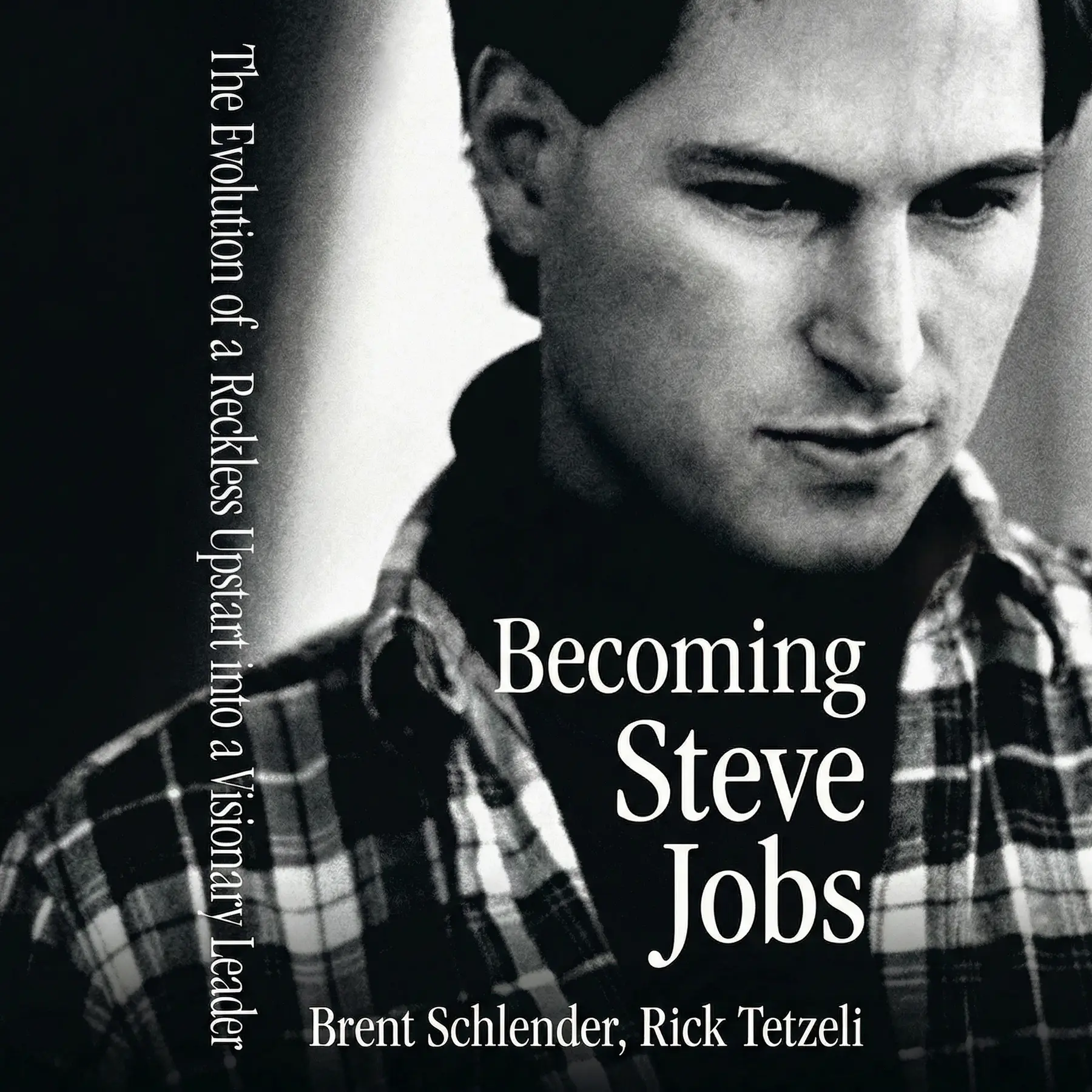
Listeners consider this biography of Steve Jobs a vital resource for entrepreneurs, valuing its meticulous investigation and even-handed portrayal of the technology visionary. This work shares various new stories and delivers a personal perspective on Jobs' life; one listener remarks on its ability to clarify his internal complexities. Listeners also admire the caliber of the writing, with one specifically noting the author's unbiased tone and describing the book as more authentic than competing biographies.
Brent Schlender brings a level of access that other biographers simply couldn't touch. By focusing on the 'wilderness years' at NeXT and Pixar, the authors successfully dismantle the myth that Jobs was just a born genius who never changed. Frankly, I found the analysis of how Ed Catmull mentored him to be the most enlightening part of the entire narrative. It wasn't just about his temper; it was about his evolution into a leader who knew how to foster creativity. This is a far more humanizing portrait than the Isaacson book, which often felt like a collection of anecdotes rather than a cohesive story of growth. If you want to understand why Apple succeeded the second time around, this is the text you need.
Show moreWow, what an incredible journey through the life of a man I thought I already knew everything about. This biography manages to find the human heart behind the black turtleneck and the high-stakes product launches. I loved the focus on his personal life and the way his family helped round off his sharpest edges over time. In my experience, most business books are dry, but this reads like a masterclass in character development. The transition from the 'incorrigible punk' to the focused leader of the 2000s is handled with such nuance and care. It’s emotional, informative, and ultimately a beautiful tribute to a legendary figure. I finished the last chapter feeling like I finally understood the 'why' behind his most controversial decisions.
Show moreAs someone who has followed the tech industry for decades, I can confidently say this is the best Steve Jobs biography available. Brent Schlender had a unique vantage point as a journalist who actually spent time with Jobs during his most transformative years. This isn't just a list of accomplishments; it's a deep dive into the psychology of a man who refused to stand still. The narrative about his 'second act' is particularly strong, showing how he utilized the technology from NeXT to revolutionize the entire industry. Not gonna lie, I was moved by the descriptions of his final days and the legacy he left behind at Pixar and Apple. It’s a thorough, beautifully written account that captures the essence of a very difficult but undeniably brilliant human being.
Show morePicked this up on a whim and ended up staying up until 2 AM finishing it. The level of detail regarding his work at Atari and his early influences was something I hadn't seen covered so effectively before. It feels much more intimate than other biographies, likely because the author actually knew him for over twenty years. I loved the way the book explained his shift from micromanaging every tiny project to focusing on the big picture vision. It’s an inspiring reminder that failure isn't the end, but often the beginning of something much greater. This is the definitive portrait of Jobs—warts and all—and it’s far superior to the big, white authorized biography. Truly a masterclass in biographical writing.
Show moreFinally got around to finishing this and it really changed my perspective on the whole Apple saga. Most people focus on the early days or the iPhone era, but this book spends significant time on his failures, which I found deeply refreshing. It’s a must-read for entrepreneurs because it shows that even the most iconic visionaries have to learn how to manage people effectively. Look, Jobs was still a difficult person, but you see him maturing through his work with the creative minds at Pixar. The writing style is engaging and feels much more objective than other biographies I’ve encountered. My only gripe is that it drags slightly in the middle sections concerning corporate logistics, but the overall payoff is worth the investment.
Show moreThe chapter on Pixar alone is worth the price of admission here. It’s fascinating to see how a side project actually became the crucible where Jobs learned the leadership skills necessary to save Apple from bankruptcy. To be fair, the book can be a bit dense if you aren't interested in the minutiae of 90s computing history. However, the intimate look at his collaboration with Jony Ive provides a balanced approach that was missing from previous accounts. I appreciated that the authors didn't shy away from his complexities while still highlighting his unmatched brilliance. It’s a high-quality piece of journalism that feels far more honest than the rushed biographies that came out immediately after his passing.
Show moreAfter hearing so much about the Apple executive team's endorsement of this specific book, I had to see what the fuss was about. It definitely delivers on its promise to show the 'becoming' aspect of his career. You see a man who was fired from his own company and forced to confront his own ego in a way that is truly humbling. The authors do a great job of connecting the dots between his early failures and his later triumphs. Personally, I found the sections on his relationship with Bill Gates to be some of the most compelling parts of the narrative. It’s a well-researched, intimate look at a tech visionary that manages to stay grounded in reality. A few parts felt repetitive, but the insight into his underlying complexities made it a worthwhile read.
Show moreTo be fair, no single book can capture a person as complex as Steve Jobs, but this one comes pretty close. It moves past the 'genius/jerk' binary and explores how he actually grew into the role of a world-class CEO. I especially liked the focus on his 'essentialism' and how he learned to say no to good ideas so he could say yes to great ones. The writing is top-notch and keeps a steady pace, even when diving into technical details about operating systems. While it leans a bit positive, it doesn't completely ignore his 'warts,' which makes the success story feel much more earned. It's a balanced, insightful look at a man who changed the world, and I'd recommend it to anyone interested in the history of Silicon Valley.
Show moreIs this book better than the authorized biography? That seems to be the big debate, but I’m not entirely convinced it’s the definitive answer. While the authors provide plenty of untold stories that paint a complex picture of the man, the tone sometimes feels a bit too protective of his legacy. Truth is, I felt like Schlender was trying a little too hard to convince me that Jobs had become a 'nice guy' in his later years. The research is undeniably thorough, and the details about the NeXT operating system were fascinating for a tech geek like me. However, I missed the raw, unfiltered edge that other books provided. It’s a solid read for fans, but maybe a bit too polished for those looking for the cold, hard truth.
Show moreNot what I expected given the massive hype surrounding the release. I felt like I was reading a defense attorney’s closing argument rather than a balanced biography of a very flawed individual. Gotta say, I found the constant comparisons to the Isaacson book to be a bit distracting and petty. While there are some new anecdotes, a lot of this territory has been covered extensively in other documentaries and articles over the last decade. The authors clearly had a close relationship with Jobs, which is a double-edged sword; you get intimacy, but you lose the critical distance necessary for a truly objective portrait. If you’re a die-hard Apple fan, you’ll love it, but I was looking for something with a bit more bite.
Show moreMargaret Heffernan

Masaji Ishikawa

Ben Macintyre


James Shapiro
AUDIO SUMMARY AVAILABLE
Get the key ideas from Becoming Steve Jobs by Brent Schlender, plus 5,000+ more titles in English and Thai.







