
18 min 28 sec
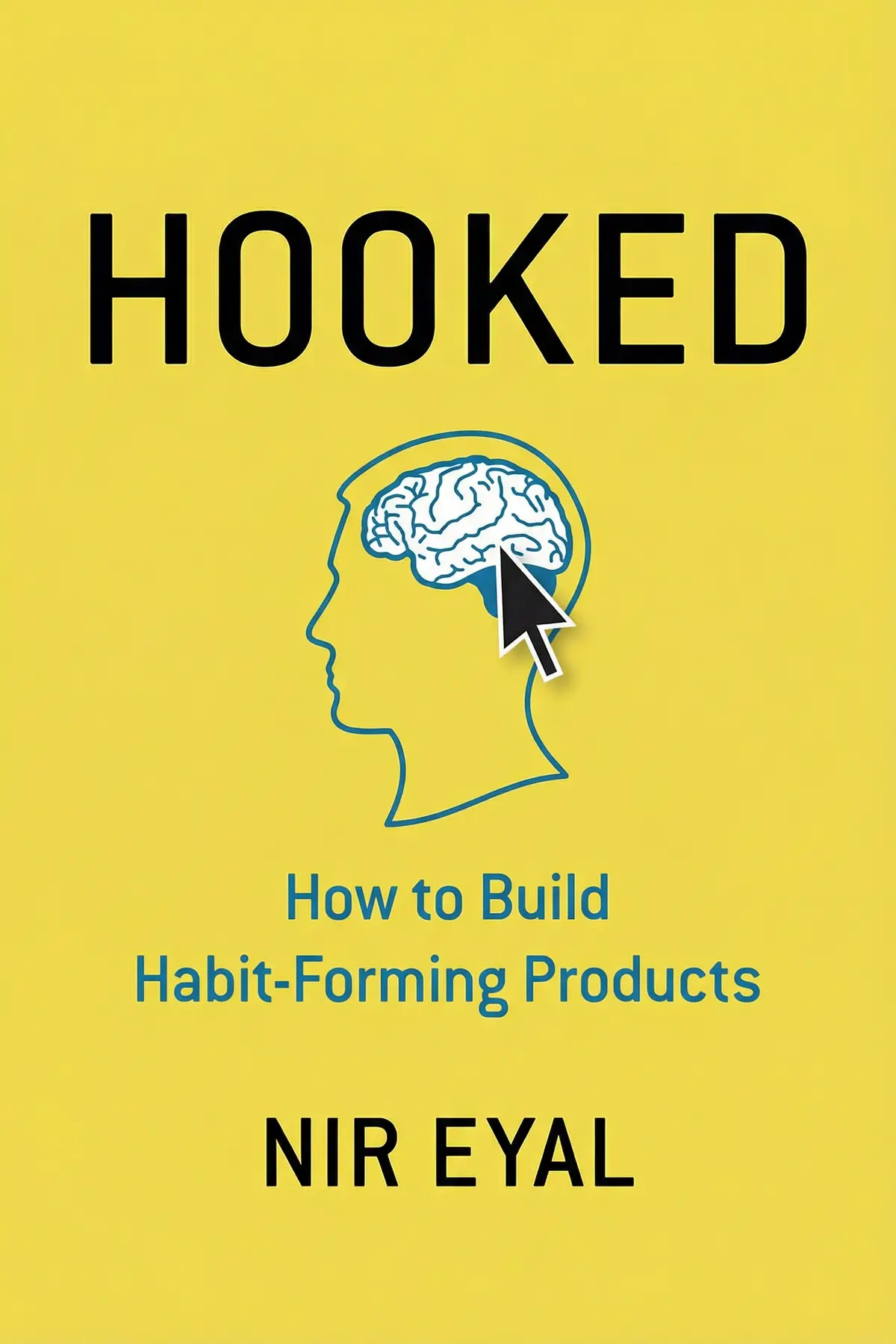
The Automatic Customer: Creating a Subscription Business in Any Industry
Discover how to transform any business into a recurring revenue powerhouse. John Warrillow reveals nine subscription models to stabilize cash flow, increase company valuation, and foster deep customer loyalty.
Table of Content
1. Introduction
1 min 33 sec
Imagine waking up on the first day of the month and knowing exactly how much money your business is going to make. For most business owners, this sounds like a dream. In the traditional world of commerce, the first of the month usually means starting over at zero. You have to go out, hunt for new leads, close new deals, and hope that your past clients decide to return. It is a grueling cycle that John Warrillow calls the transaction treadmill. It’s exhausting, unpredictable, and ultimately, it limits the value of everything you’ve built.
But there is a different way to operate. There is a way to turn that uncertainty into a predictable, steady stream of income that flows into your bank account whether you show up to the office or not. This is the power of the automatic customer. By shifting your focus from one-off sales to recurring subscriptions, you aren’t just selling a product; you are building a relationship that pays dividends over the long term. This isn’t just about software companies or magazines anymore. Every industry, from car washes to law firms, can find a way to implement a subscription model.
In this guide, we are going to explore why these models are so incredibly valuable, not just for your daily stress levels, but for the actual price tag of your company. We will walk through nine different frameworks you can use to reinvent your offerings and look at the hard numbers you need to track to ensure your subscription remains healthy. By the end, you’ll see that the future of business isn’t just about making the next sale; it’s about securing the next hundred sales in advance. Let’s look at how you can stop chasing customers and start automating them.
2. The Strategic Value of Predictability
1 min 56 sec
Uncover why recurring revenue is the ultimate secret to business valuation and why investors prefer subscriptions over massive, one-time windfalls.
3. Information-Based Subscription Models
2 min 03 sec
Explore how to monetize your expertise and specialized content through the Membership Website and All-You-Can-Eat Library frameworks.
4. Selling Access and Status
1 min 46 sec
Learn how the Private Club and Front-of-the-Line models leverage human psychology to turn privilege and convenience into recurring profit.
5. Physical Goods and the Element of Surprise
2 min 03 sec
Discover how the Consumables and Surprise Box models turn physical products into a habitual, automated part of a customer’s life.
6. Convenience and the Peace-of-Mind Factor
2 min 02 sec
Examine how the Simplifier and Peace-of-Mind models provide relief from the complexities and risks of modern life.
7. The Network Model and Scalable Value
1 min 50 sec
Understand how the Network model creates a business where the product actually becomes more valuable as more people subscribe.
8. Mastering the Essential Metrics
1 min 58 sec
Shift your focus from traditional accounting to the three numbers that determine the health and future of a subscription business.
9. Overcoming the Psychology of Subscription Fatigue
1 min 53 sec
Learn how to lower the barriers to entry and keep customers from feeling overwhelmed by too many monthly commitments.
10. Conclusion
1 min 24 sec
Building a business with automatic customers is about more than just changing your billing software; it’s a fundamental shift in how you view value and relationships. We’ve seen how recurring revenue can skyrocket your company’s valuation, provide unparalleled peace of mind for you as an owner, and allow you to focus on long-term growth rather than short-term survival. Whether you choose a content-based model, a service-based ‘Simplifier’ approach, or a high-status ‘Private Club,’ the core principle remains the same: solve a recurring problem for your customer in a way that is so seamless they never want to go back to the old way of doing things.
As you move forward, remember that the math is your best friend. Keep a close eye on your churn rate and ensure that the value you provide over a customer’s lifetime far outweighs what you spend to bring them in. Don’t be discouraged by subscription fatigue; instead, use it as a challenge to be more transparent, more useful, and more essential than your competitors. The transition might take time, and it might require you to sacrifice some short-term gains for long-term stability, but the reward is a business that is truly built to last. By turning your customers into automatic subscribers, you are not just securing your company’s future—you are creating the freedom to build a business that can thrive with or without your constant hustle. Now is the time to look at your current offerings and ask: how can I make this automatic?
About this book
What is this book about?
Many entrepreneurs struggle with the constant pressure of finding new customers every month just to keep the lights on. The Automatic Customer offers a strategic blueprint to escape this cycle by implementing subscription-based models. Whether you are a solo consultant or a large-scale manufacturer, the shift toward recurring revenue can fundamentally change the health of your business. This summary explores how to move away from one-off transactions and toward a model where revenue is predictable and automated. The book outlines nine distinct subscription frameworks that cater to different industries and customer needs. Beyond just the mechanics of billing, it delves into the vital metrics that define subscription success—like churn rate and customer lifetime value—and explains how these factors drastically increase the attractiveness of a company to potential buyers. The ultimate promise is a business that not only survives but thrives on autopilot, providing the owner with financial security and the freedom to scale effectively.
Book Information
About the Author
John Warrillow
John Warrillow is a prominent figure in the world of entrepreneurship and business valuation. He is the bestselling author of Built to Sell: Creating a Business That Can Thrive Without You, which focuses on making companies exit-ready. As the founder of The Value Builder System, Warrillow has dedicated his career to helping business owners enhance their company’s worth through proven frameworks and strategic shifts.
Ratings & Reviews
Ratings at a glance
What people think
Listeners find this book to be an essential read that delivers comprehensive insights through real-world case studies and actionable advice. They also value the way it analyzes the subscription business model, which helps them feel more capable of launching such ventures. Moreover, the material is highly accessible, and listeners consider it a top-tier resource for established companies, with one listener highlighting its specific utility in grasping the nuances of the rising subscription economy.
Top reviews
Satit
Finally got around to reading Warrillow’s follow-up to Built to Sell, and it’s a game-changer for anyone tired of the constant "eat what you kill" sales cycle. The book provides a crystal-clear roadmap for transforming a traditional business into a recurring revenue machine. I particularly loved the detailed breakdown of the nine different subscription models; it's not just about software or Netflix anymore. The case studies are incredibly practical and gave me the confidence to experiment with a "peace-of-mind" model for my own service company. It’s an easy, engaging read that demystifies complex metrics like LTV and churn. If you want to increase the value of your business, this is the blueprint you've been searching for. It’s rare to find a business book that is both visionary and immediately applicable.
Show moreGame
The chapter on the "Cash Suck vs. Cash Spigot" alone is worth the price of admission for this book. Warrillow brilliantly explains why subscription businesses often feel like they’re failing right before they explode into massive success. I’ve been struggling to explain to my partners why our initial acquisition costs are so high, and this book gave me the vocabulary and the data to back it up. The focus on the first 90 days of the customer journey—the onboarding period—changed how we approach our client relations entirely. Frankly, the writing style is so accessible that I finished the whole thing in two sittings. It's packed with insights that give you the confidence to stop chasing one-off sales and start building a real community of subscribers.
Show moreDao
Wow. This book completely shifted my perspective on what makes a company truly valuable. Before reading this, I was focused on top-line revenue, but Warrillow shows why that’s a vanity metric compared to the "Automatic Customer." The shift from a transaction-based mindset to a relationship-based one is explained with such conviction. I loved the section on "The Psychology of Selling a Subscription" because it addresses the main hurdle: how do you get people to say yes to a recurring fee? The advice to focus on a "10x value" rather than a small discount is a game-changer. Sentence by sentence, the book builds a compelling case that is hard to argue with. It's a quick read but one that I know I will be coming back to.
Show moreGung
Ever wonder why some companies sell for 10x earnings while others struggle to find a buyer at all? This book holds the answer. John Warrillow has a talent for taking complex financial concepts and making them feel like a casual conversation over coffee. The way he breaks down the math of the "Cash Spigot" changed the way I look at my bank balance every month. I particularly appreciated the advice on "spontaneous gifts" to reduce churn; it’s such a simple, human way to keep subscribers happy. This isn't just a book for tech startups; it’s for the plumber, the florist, and the consultant. It gives you the confidence to stop begging for the next sale and start building a predictable future.
Show moreMingkwan
As someone who operates a small consulting firm in Europe, I found the strategies here enlightening, even if the examples lean heavily toward the American market. Warrillow explains the "Automatic Customer" concept with such clarity that it makes you wonder why you haven't switched to recurring billing already. The math section toward the end—specifically the 3:1 LTV to CAC ratio—was a reality check that I desperately needed. Truth be told, I felt some of the anecdotes were a bit repetitive, and a few models seemed a bit forced. However, the overarching message about the "subscription economy" is impossible to ignore. It’s a solid 4-star read because it provides a structural framework that most business books lack. You’ll walk away with at least three or four "aha!" moments.
Show moreCharlotte
Picked this up on a whim, and it turned out to be a fantastic overview of how the subscription model is eating the world. Warrillow does a great job of categorizing different approaches, like the "Simplifier Model" and the "Front-of-the-Line" model, which opened my eyes to possibilities beyond just software. To be fair, some of the references to companies like Amazon Prime feel a bit dated now because we’ve seen them discussed a million times. Still, the way he connects these models to the actual valuation of a company is brilliant. I appreciated the warnings about "churn" and how it can quietly kill a growing business if you aren't paying attention. It’s a very practical guide that avoids unnecessary jargon.
Show moreNuk
My favorite takeaway from Warrillow’s work here is the idea that you shouldn't just offer a subscription as an option, but often as the only way to do business. That’s a bold move that requires a lot of guts, but the book provides the case studies to show why it works. It’s an insightful look at how to create "sticky" services that people can't imagine living without. I did find the sections on math and metrics like MRR and COGS to be a bit dry, but they are absolutely necessary if you want to take this seriously. The tone is professional yet encouraging, which I appreciated. My business is currently 100% project-based, and after finishing this, I’m already drawing up plans for a membership component to stabilize our cash flow.
Show moreChamnong
After hearing so much hype about this title, I have to say I’m a bit underwhelmed, especially compared to the author's previous work. While Built to Sell felt tight and punchy, this one feels slightly bloated with long-winded stories that illustrate very simple concepts. Do we really need an entire chapter to understand why convenience sells? The taxonomy of subscription types is helpful, but I found myself skimming through the middle sections just to get to the actionable data. It’s a decent primer for a novice who has never thought about recurring revenue, but if you’re already familiar with SaaS metrics, you might find the information a bit basic. Personally, I was hoping for more deep-dives into the psychological barriers of getting customers to commit. It's okay, but not the masterpiece everyone claims it is.
Show moreJoshua
To be fair, this is a solid introduction to the subscription economy, but it didn't quite live up to the "must-read" status for me. The 9 models are a useful way to brainstorm, but many of the categories overlap so much that the distinctions feel arbitrary. I also felt that the book was a bit too "American-centric," as many of the service-based examples wouldn't really translate well to other markets where labor costs or consumer habits are different. Not gonna lie, I was expecting more advanced tactics on reducing churn. Instead, it’s a bit more of a high-level strategic overview. It’s perfect for someone just starting their entrepreneurial journey or an old-school business owner looking to modernize.
Show moreApichat
Is this just an elaborate way to tell us that getting paid every month is better than getting paid once? I found the premise of this book to be quite predatory from a consumer standpoint, even if it is "good for business." The author spends a lot of time gushing over how Microsoft and other giants have "hooked" their customers, but he rarely touches on the frustration this causes for people who just want to own their products. The examples provided are purely anecdotal and don't provide enough raw data on net profits compared to traditional competitors. Look, I get it—recurring revenue is the holy grail for founders—but this book feels like a manual on how to chain your customers to your brand financially. If you’re looking for deep innovation or ethical marketing, you won't find much here.
Show moreReaders also enjoyed

7 Powers: The Foundations of Business Strategy
Hamilton Helmer
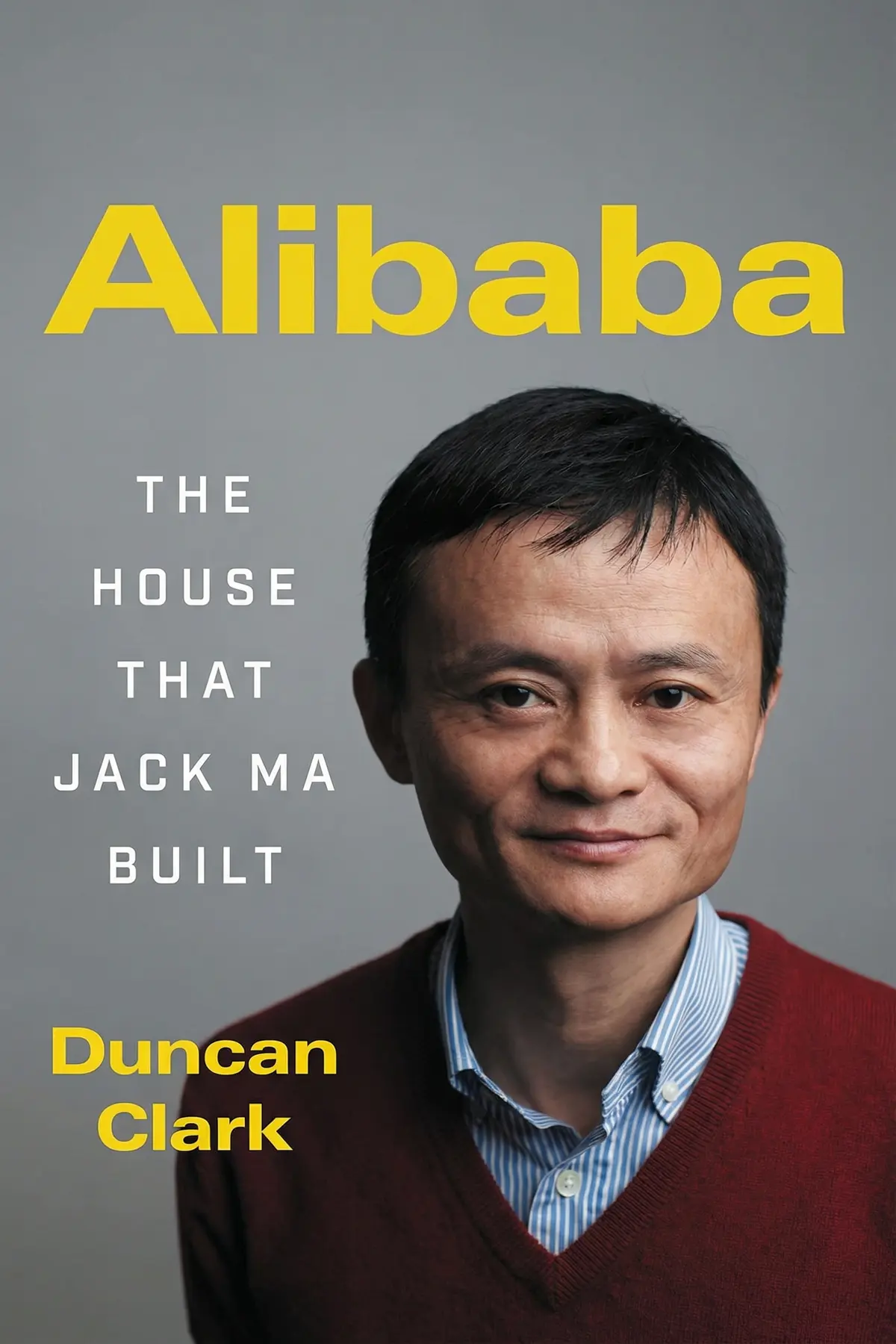
Alibaba: The House That Jack Ma Built
Duncan Clark
Bad Blood: Secrets and Lies in a Silicon Valley Startup
John Carreyrou
AUDIO SUMMARY AVAILABLE
Listen to The Automatic Customer in 15 minutes
Get the key ideas from The Automatic Customer by John Warrillow, plus 5,000+ more titles in English and Thai.
- 5,000+ titles
- Listen as much as you want
- 7-day free trial
- Cancel anytime







