
21 min 30 sec
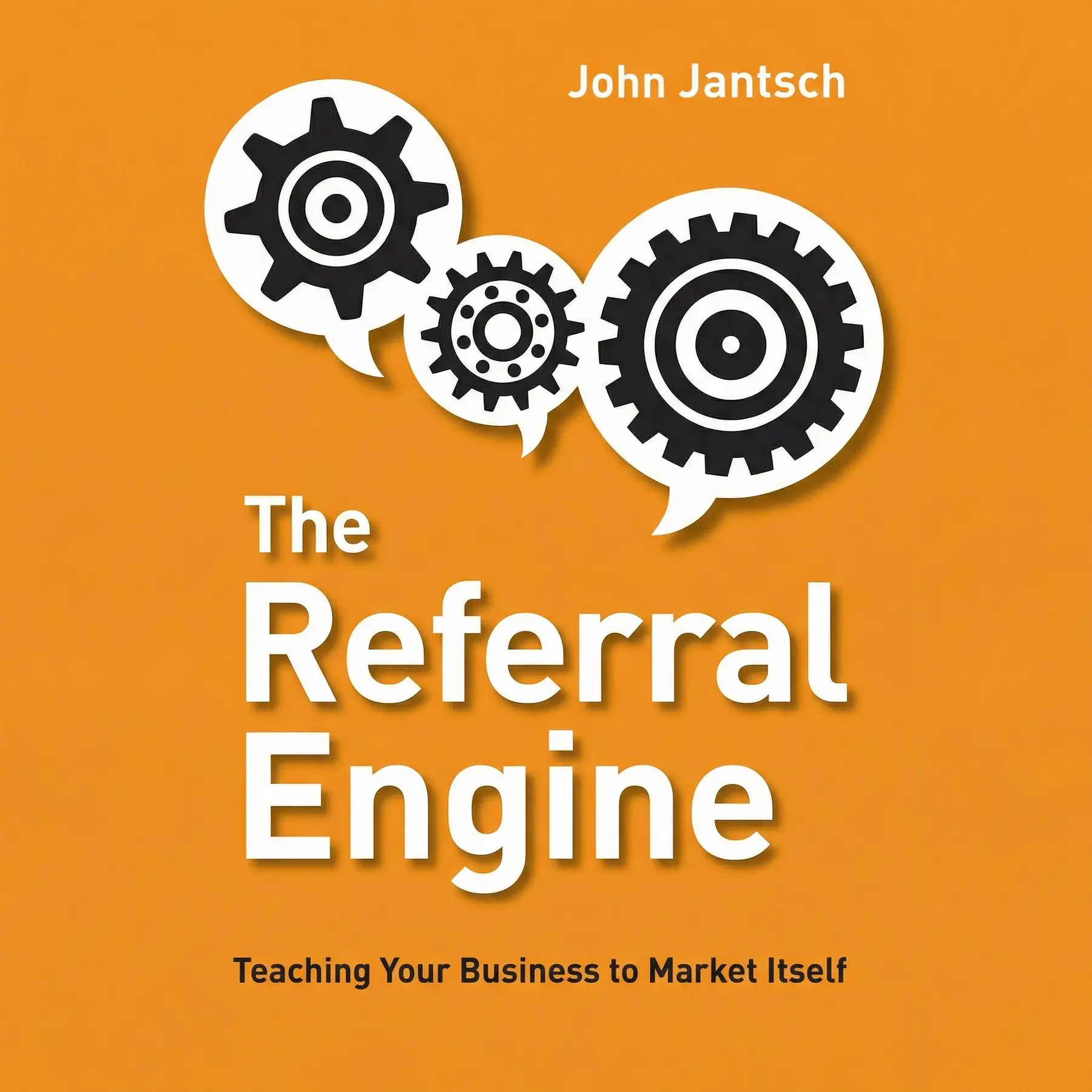
The Referral Engine: Teaching Your Business to Market Itself
By John Jantsch
The Referral Engine provides a comprehensive roadmap for transforming satisfied customers into active brand advocates. It demonstrates how to build a systematic marketing strategy that fuels consistent growth through the power of authentic recommendations.
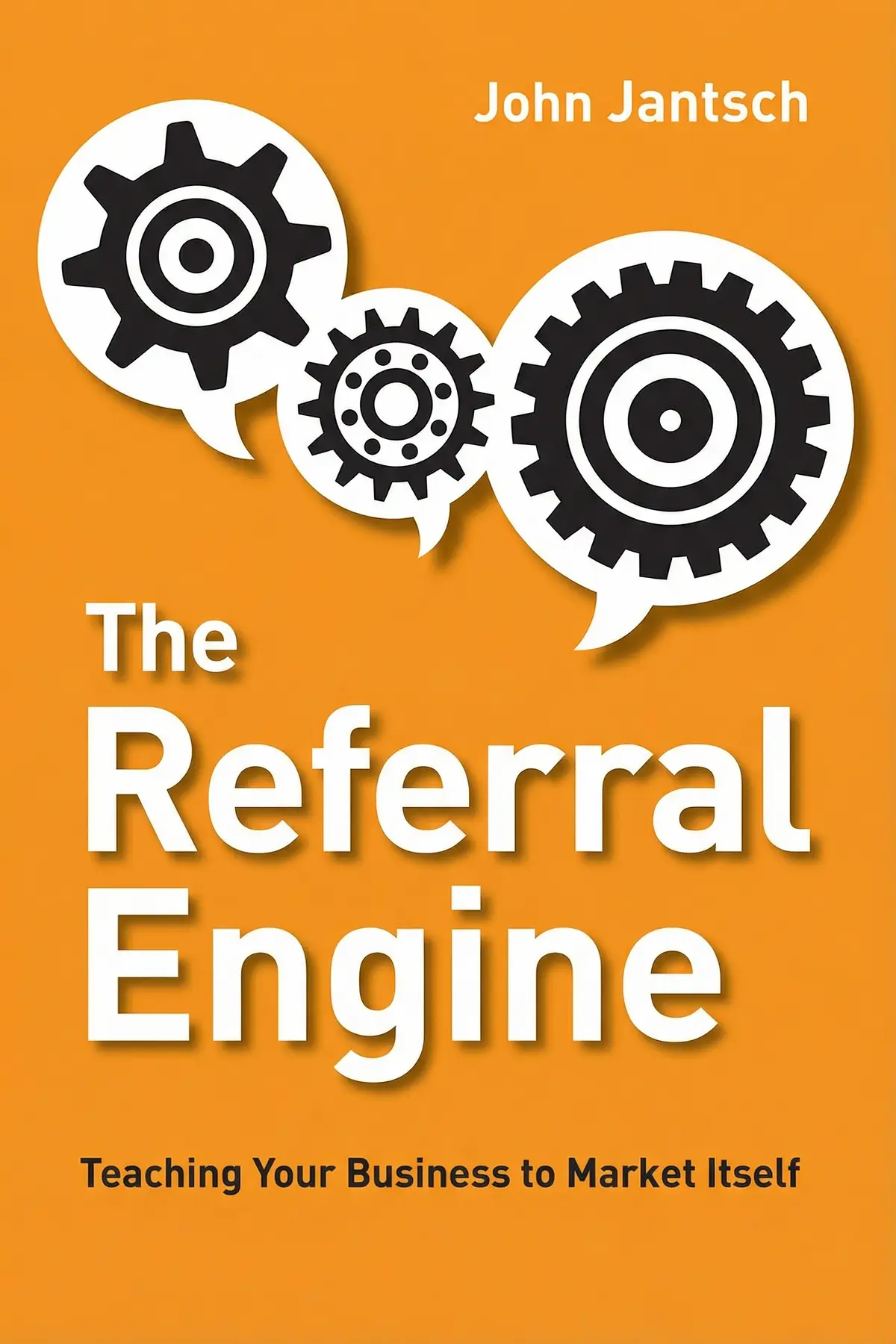
Table of Content
1. Introduction
1 min 39 sec
Every business owner knows the feeling of the endless marketing treadmill. You spend money on ads, you chase leads, and you hope that something sticks. But what if there was a way to make your business market itself? What if your growth wasn’t dependent on your next advertising spend, but on the enthusiasm of the people who already use your products? This is the core premise of the referral engine—a concept that moves marketing from a series of disjointed campaigns to a self-sustaining system of recommendations.
In this summary, we are going to explore how to shift your mindset from merely ‘getting customers’ to ‘creating advocates.’ We’ll dive into why human beings are actually hardwired to make referrals and how you can tap into that deep-seated biological drive. We will see that referrals aren’t just a happy accident; they are the result of a deliberate strategy built on trust, differentiation, and systematic follow-up.
The journey we are about to take covers six foundational elements that, when combined, create a powerful momentum for any company. We will look at how to find the right people to serve, how to educate them so they can represent you well, and how to build a network of partners who are just as invested in your success as you are. By the end of this exploration, you’ll understand that a referral-worthy business isn’t just one that does good work—it’s one that has built a bridge of trust so strong that customers feel compelled to cross it and bring their friends along. Let’s look at how to build that engine from the ground up.
2. The Biological Root of Referrals
2 min 13 sec
Discover why the urge to share recommendations is actually a survival mechanism rooted in our evolutionary history and the search for social validation.
3. Distinctive Identity and Purpose
2 min 14 sec
Explore how small innovations and a clear sense of mission can make your business stand out in a crowded, noisy marketplace.
4. Profiling the Perfect Customer
2 min 01 sec
Learn why the quest for more customers can actually hinder your growth if you aren’t targeting the specific individuals who align with your brand.
5. Educational Content as a Lead Tool
2 min 07 sec
Shift your marketing from selling to teaching by creating high-value content that empowers your customers and partners.
6. Strategic Exposure Through Expertise
2 min 00 sec
See how online targeting, public relations, and speaking engagements can amplify your message and build your reputation as an industry leader.
7. Merging the Digital and Personal
2 min 05 sec
Learn why the most successful modern businesses combine the scale of online marketing with the intimacy of face-to-face interactions.
8. Systems for Seamless Referrals
1 min 50 sec
Discover how to create a structured experience that makes it easy, and even rewarding, for your customers to recommend you.
9. The Power of Strategic Partnerships
1 min 55 sec
Expand your reach by collaborating with other businesses that serve the same audience but offer complementary services.
10. Nurturing a Culture of Gratitude
2 min 01 sec
Master the art of the follow-up by learning when to ask for referrals and how to properly thank those who support your business.
11. Conclusion
1 min 25 sec
Building a referral engine isn’t about finding a quick fix or a clever marketing hack. It is about a fundamental shift in how you view your relationship with your customers and your community. It requires moving from a transactional mindset to a relational one—building a business that is so trustworthy, so distinctive, and so helpful that people feel a social obligation to tell others about it.
As we’ve seen, this process involves everything from understanding the biological roots of trust to creating systematic ways for partners and customers to share your story. It’s about being deliberate with your content, your target audience, and your follow-up. When all these pieces come together, you stop chasing growth and start attracting it.
To put these ideas into immediate action, try creating a list of ‘trigger phrases.’ These are the specific things a prospective customer might say when they are experiencing the problem you solve, but they don’t yet know you are the solution. For instance, a software company might listen for someone saying, ‘I spend all day updating spreadsheets.’ Once you identify these phrases, share them with your salespeople and your referral partners. When they hear those words, they’ll know it’s the perfect time to fire up the engine and make a recommendation. Start building your engine today, and watch your business begin to market itself.
About this book
What is this book about?
This guide explores the transition from traditional, disruptive marketing to a referral-based model where your business naturally attracts new clients through word-of-mouth. It addresses the psychological reasons why people share information and how companies can tap into this biological drive by becoming truly referral-worthy. Readers will learn the practical steps to build a marketing system that relies on trust, education, and strategic partnerships. The book promises to provide a framework for identifying ideal customers, creating valuable content, and establishing automated processes that ensure your business is constantly being introduced to high-quality prospects without a massive advertising budget.
Book Information
About the Author
John Jantsch
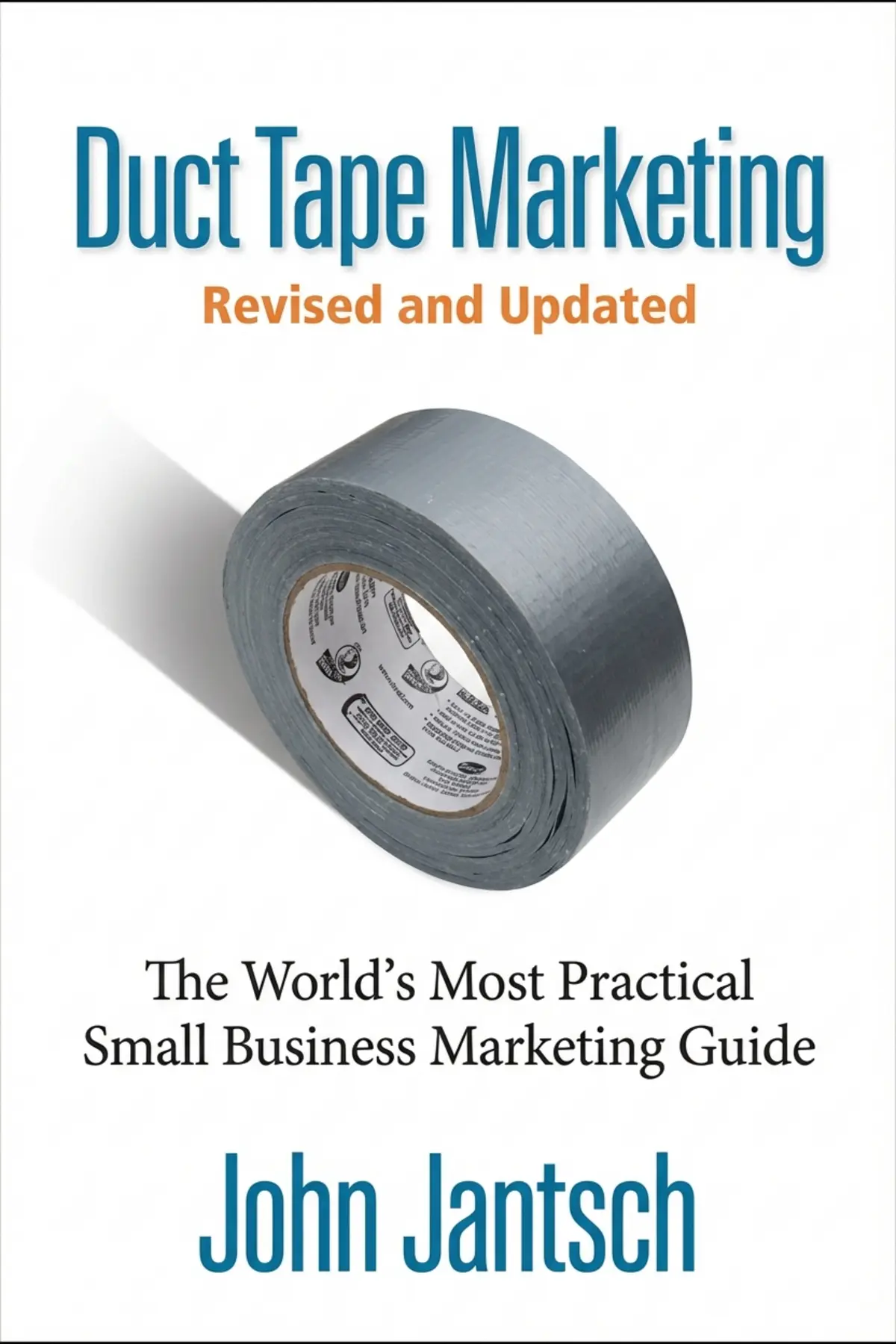
John Jantsch is a renowned marketing expert, consultant, and speaker who has dedicated his career to helping small businesses grow. He is the creator of the Duct Tape Marketing System and the author of several influential books, including Duct Tape Marketing and The Commitment Engine.
Ratings & Reviews
Ratings at a glance
What people think
Listeners find this book packed with useful tips and excellent information, viewing it as essential reading for business professionals. The material is accessible and offers a solid marketing structure, with one listener specifically noting its emphasis on modern marketing technologies. They also value the hands-on content, with one review highlighting "six totally actionable plans," and generally consider the guide well worth the money.
Top reviews
Ford
The concept of a systematic referral engine is exactly what my service-based business was missing. Jantsch breaks down the customer lifecycle into a clear progression: know, like, trust, try, buy, repeat, and finally, refer. This roadmap helped me identify exactly where I was losing people in the funnel before they ever reached the point of advocating for me. One of the best nuggets was the reminder that you aren't asking for a favor when requesting a referral; you’re offering a way for your client to help a friend. I’ve already started mapping out my touchpoints based on Chapter 3, and the results are promising. Even though it's an older title, the psychology behind why people make referrals remains unchanged. It’s a mandatory read for anyone who wants to stop chasing leads and start attracting them through social capital.
Show moreRatchanee
Wow, Jantsch really delivers a masterclass on how to guide prospects to your door without being pushy. The book argues that if you focus on being interesting and providing value, the referrals will naturally follow your systems. I was struck by the idea of creating turnkey tools for your referral sources so they know exactly how to talk about your services. This approach takes the pressure off the client and makes them feel like a hero for sharing your expertise with their own network. While it's true that some of the online examples have aged poorly, the advice on trigger phrases is absolutely brilliant. Once you learn to recognize when a prospect is signaling a need, your conversion rates will skyrocket. It’s a great read that shifts the focus from selling to serving, which is exactly how business should be.
Show moreYok
Finally got around to reading this, and it’s easily one of the most practical marketing books in my collection. I loved the Speed vs. Die Hard on a bus comparison for defining your business’s unique story—it’s such a simple way to stand out. The book is packed with real-world examples, like the IT firm that provided massages or the insurance agent who interviewed his best clients. These stories illustrate that you don't need a massive budget to be interesting; you just need a system. Truth is, most businesses are boring, so being even slightly different gives you a massive advantage. I’ve already started drafting my core talkable difference and re-evaluating my ideal customer profile based on Jantsch’s prompts. This isn't just a book about referrals; it’s a guide to running a better, more human-centric business.
Show moreSuthee
Ever wonder why some businesses seem to grow effortlessly while others struggle for every lead? This book provides the answer by explaining how to build a business that automatically refers business to itself. Jantsch’s focus on educational content is a game-changer for those of us who hate traditional, high-pressure sales tactics. By becoming a go-to resource, you build the kind of trust that makes a referral inevitable rather than an awkward request. In my experience, the strategic partner network advice is the most valuable part of the whole book, as it shows you how to leverage other people's audiences. While you'll need to ignore some of the older software recommendations, the psychological principles are rock solid. It’s well worth the money for the know, like, trust framework alone, which I've already started applying to my LinkedIn strategy.
Show moreHannah
Picked this up after hearing Jantsch on a podcast, and I have to say, the framework for building a systematic referral engine is genuinely solid. Instead of the tired old 4 Ps of marketing, he pivots to the 4 Cs: content, context, connection, and community. This shift feels much more aligned with how modern small businesses actually operate today. To be honest, some of the digital strategies mentioned feel like relics of a bygone era, especially the specific tools from the early 2010s. However, the core philosophy that educational content minimizes the need for selling is an evergreen truth that every entrepreneur should internalize. If you can get past the slightly dated tech references, there are at least half a dozen actionable plans you can implement immediately. It’s less about academic theory and more about street-level tactics for getting people to vouch for you.
Show moreSuthinee
As a small business owner, I found the practical nature of this book incredibly refreshing. It doesn't get bogged down in abstract concepts, but instead focuses on how to make your business talkable through specific, daily actions. I particularly liked the example of the restaurant that only serves one type of pizza per day to simplify the customer experience. Not gonna lie, it’s rare to find a business book that provides such a clear framework for delegation and process documentation. The open book management section was a bit of a curveball, yet it makes sense when you consider that empowered staff are more likely to generate buzz. My only gripe is that some of the website advice is ancient by today's standards. Still, the core message about building trust through education is something I will be implementing immediately.
Show moreTim
After hearing about this for years, I finally sat down with a copy, and the actionable content is indeed impressive. The book provides at least six totally actionable plans for different industries, ranging from financial planners to IT firms. I love the specific suggestion of Make-a-Referral Monday to build a habit of generosity within your professional circle. It reinforces the idea that the company takes care of the staff, and the staff takes care of the customer. Gotta say, the section on using PR to get buzz was surprisingly useful, even if the helpareporter site mentions are a bit dated now. Jantsch is a master at showing how to build a brand that people actually want to talk about. It’s a solid 4-star read for anyone looking to build a more sustainable lead generation system.
Show moreRuangrat
Is this book still relevant in 2024? That was the question on my mind as I flipped through chapters discussing outdated monitoring tools and blog tactics. Personally, I think it’s a mixed bag of evergreen wisdom and obsolete technical advice. The chapters on strategic partner networks are worth the price of admission alone, as they provide a blueprint for collaborating with complementary businesses. Yet, the writing can feel a bit repetitive, and the last few sections felt like they could have been condensed into a few blog posts. I did enjoy the mash-up phrase exercise for defining a core talkable difference—it really forced me to simplify my elevator pitch. If you are a fan of Jantsch’s Duct Tape Marketing, you’ll find some good reminders here, but don’t expect a cutting-edge digital strategy.
Show moreFinn
Frankly, I struggled to get through the first few chapters because the tone feels a bit too much like street-talk rather than a professional marketing guide. While some might find the casual style approachable, I was looking for a more rigorous academic perspective on consumer behavior. Much of the advice boils down to be interesting and do good work, which feels like common sense rather than a revolutionary system. Truth is, the book spends a massive amount of time on services and platforms that simply aren't relevant in the current social media landscape. I did appreciate the idea that your staff should be treated as your first line of marketing, but that wasn't enough to save it for me. It might be a decent entry point for someone brand new to the concept of networking, but seasoned owners will likely find it lacking.
Show moreIff
Look, I wanted to like this more, but I couldn't get past the feeling that I was reading a time capsule from 2010. The strategies for SEO and social media are so far behind the current curve that they almost feel misleading to a novice. To be fair, the author has a great reputation, and his Duct Tape philosophy is legendary, but this specific volume needs an update. There are some good insights about treating your best customers like a volunteer sales force, but they are buried under fluff. I found the layout of the book a bit disjointed, especially toward the end where it devolves into a list of oddball partnerships. It’s not a total waste of time, but you could probably get the same value from a 15-minute summary online. I’d recommend looking for more contemporary titles on referral marketing.
Show moreFeatured in
Readers also enjoyed
AUDIO SUMMARY AVAILABLE
Listen to The Referral Engine in 15 minutes
Get the key ideas from The Referral Engine by John Jantsch, plus 5,000+ more titles in English and Thai.
- 5,000+ titles
- Listen as much as you want
- 7-day free trial
- Cancel anytime







