
15 min 37 sec
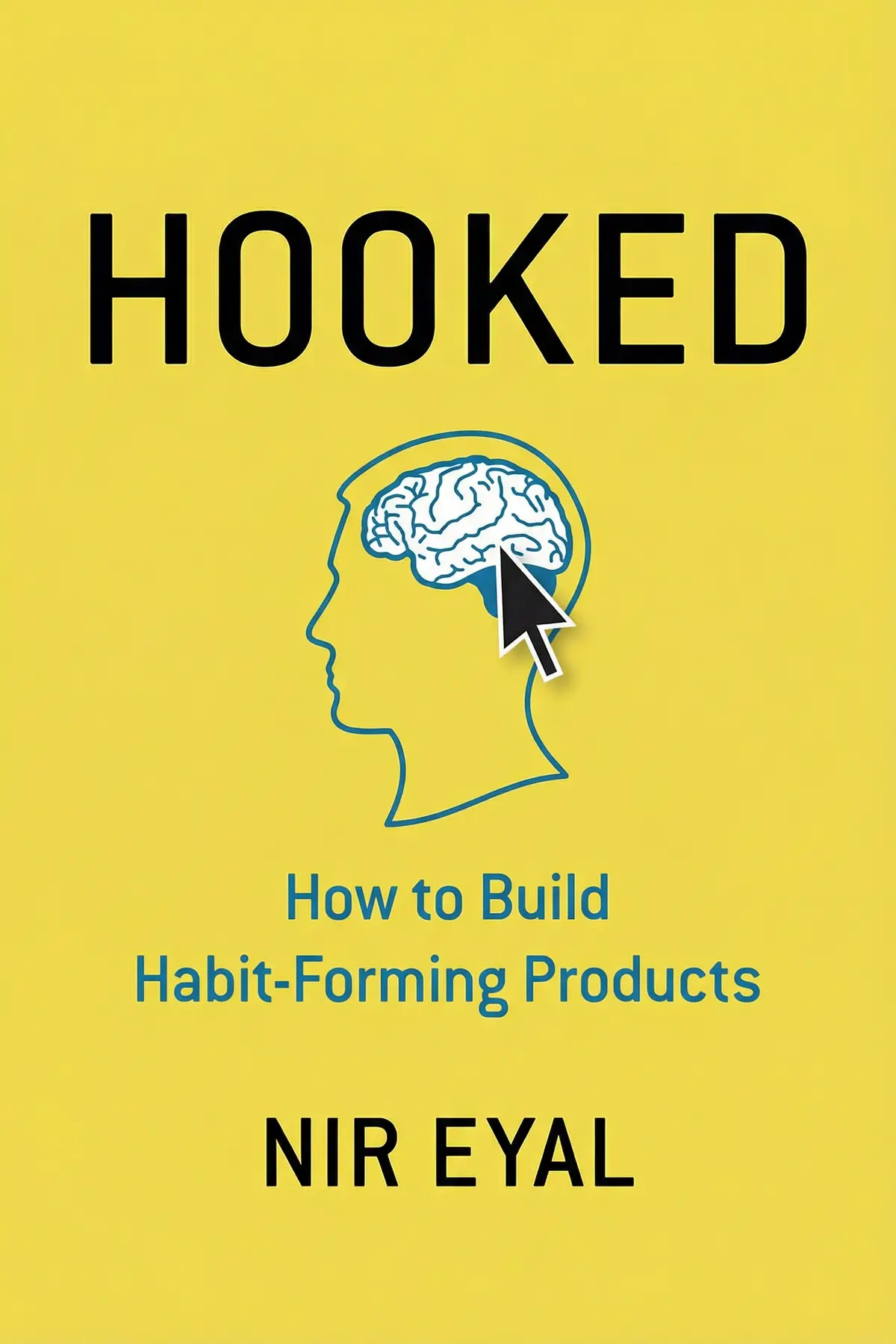
Cooking Up a Business: Lessons from Food Lovers Who Turned Their Passion into a Career and How You Can, Too
Cooking Up a Business offers a practical roadmap for aspiring food entrepreneurs, detailing how to turn a culinary passion into a thriving brand through resourcefulness, branding, and strategic marketing.
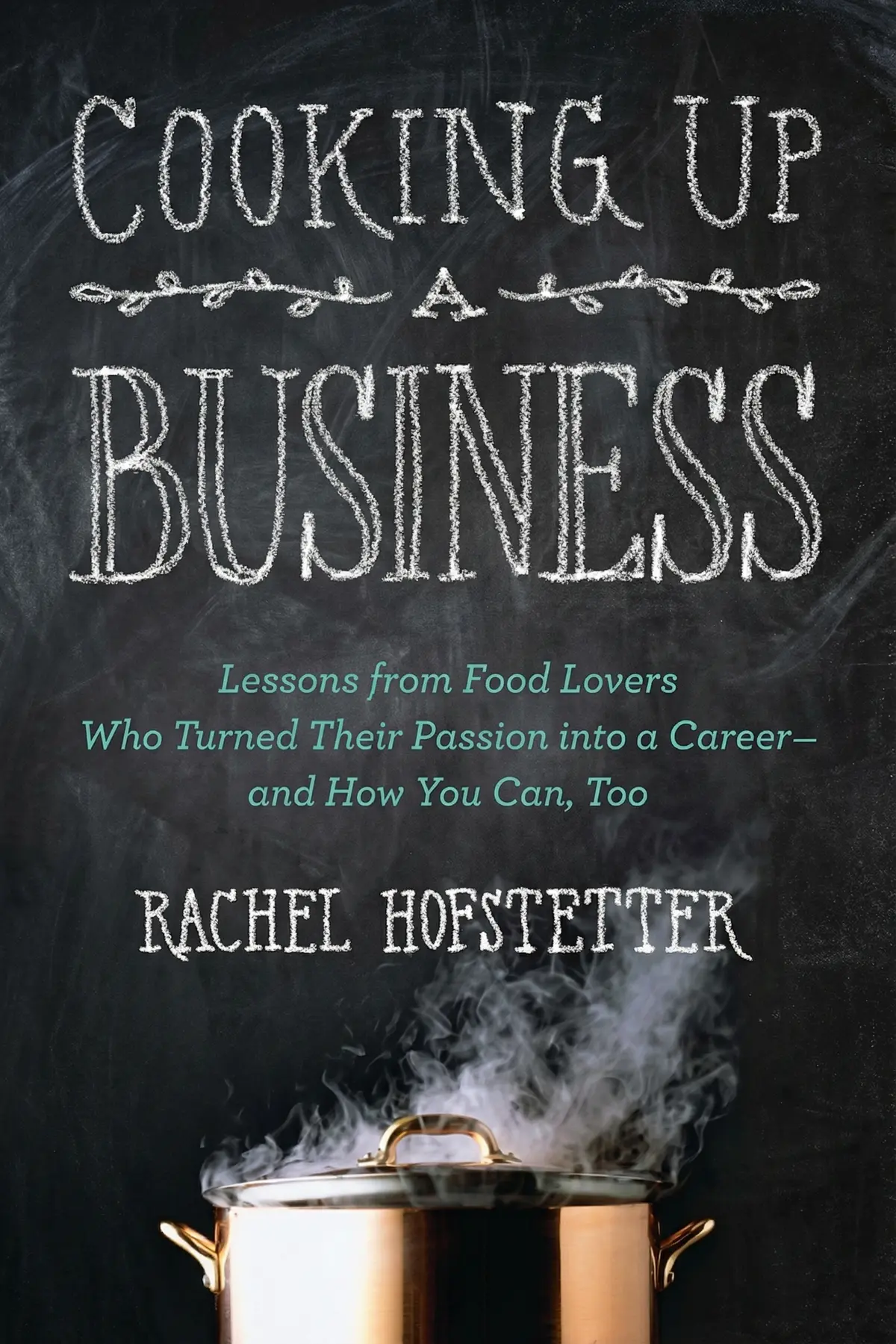
Table of Content
1. Introduction
1 min 36 sec
Every great food business starts with a single spark—a flavor that lingers on the tongue or a gap in the pantry that no current product seems to fill. Maybe you’re the person who watches culinary competitions and thinks, “I have a recipe that could beat that.” Or perhaps you’re the home cook who has perfected a granola or a sauce that friends and family beg for every holiday. But there is a massive gulf between a delicious kitchen experiment and a product sitting on a supermarket shelf. How do you bridge that gap? How do you move from your stovetop to a national supply chain?
This is the central question we explore in our look at Cooking Up a Business. We are diving into the collective wisdom of food entrepreneurs who have actually walked this path. These are individuals who didn’t necessarily start with millions of dollars or MBAs; they started with a passion for taste and a willingness to learn the hard lessons of the industry. Throughout this summary, we will see that the path to success in the food world is rarely a straight line. It involves pivoting when your first idea fails, getting creative when the bank says no, and finding the right way to scale without losing the quality that made your product special in the first place.
As we move through these lessons, think of this as your professional kitchen prep. We are going to look at the ingredients of a successful launch: from the resourcefulness needed in the early days to the branding strategies that keep customers coming back. Whether you want to disrupt the snack aisle or create a luxury chocolate line, the principles remain the same. It’s about meeting a need, telling a story, and having the persistence to keep going when the kitchen gets hot. Let’s look at how these founders turned their foodie dreams into professional realities.
2. Resourcefulness Over Revenue
2 min 07 sec
Think you need a massive bank account to start a food empire? Discover why starting small and selling before you produce might be your greatest advantage.
3. The Power of the Brand Story
2 min 08 sec
What happens when your product fails? Learn why a strong brand identity is more important than any single recipe.
4. The High Stakes of Scaling
2 min 15 sec
Growing a business is more than just making more food. Explore the logistical hurdles of moving from a home kitchen to a national factory.
5. Financing Through Partnerships
1 min 58 sec
When the bank says no, get creative. Learn how equity and smart retail relationships can fund your growth.
6. Identifying and Filling the Market Gap
2 min 08 sec
Success in food isn’t just about taste—it’s about utility. See how identifying a simple, unmet need can create a blockbuster brand.
7. Marketing Through Experience
2 min 00 sec
In a world of digital ads, the personal touch still wins. Discover why the humble free sample is your most powerful marketing tool.
8. Conclusion
1 min 25 sec
Building a food business is a journey that requires equal parts culinary passion and cold, hard business logic. As we’ve seen through these stories, the path from a home recipe to a national brand is paved with resourcefulness, a commitment to quality, and a deep understanding of the consumer’s needs. Whether it’s the founders of Love Grown Foods working through the night or Phil Anson pivoting to frozen burritos to survive federal regulations, the common thread is a refusal to give up when faced with the inevitable hurdles of the industry.
The throughline of these lessons is clear: your success depends on your ability to stay true to your brand’s core values while remaining flexible in your tactics. You don’t need a massive budget to start, but you do need a massive amount of heart and a willingness to get your hands dirty—literally and figuratively. You must be prepared to be the salesperson, the delivery driver, and the quality control officer all at once in the early days.
As you move forward with your own foodie dreams, remember that every giant in the grocery store once started as a single idea in someone’s kitchen. The difference between those who made it and those who didn’t often comes down to the willingness to learn from these trials. Start small, focus on solving a real problem for your customers, and never underestimate the power of a personal connection and a great-tasting sample. The world is always hungry for the next great flavor; now is the time to go out and cook it up.
About this book
What is this book about?
Have you ever tasted a product and thought you could do it better? Cooking Up a Business explores the journeys of successful food entrepreneurs who did exactly that. It moves beyond simple recipes to reveal the grit required to build a food empire from scratch. The book provides a behind-the-scenes look at the realities of the food industry, from the initial midnight cooking sessions to the complexities of national distribution. Listeners will learn how to navigate the common pitfalls of startup life, such as lack of funding and regulatory hurdles. The promise of the book is a clear, actionable guide that demystifies the process of scaling a kitchen-born idea into a household name. By examining real-world success stories, it illustrates how to maintain brand integrity while adapting to market demands, ensuring that your culinary dream doesn't just taste good, but also makes good business sense.
Book Information
About the Author
Rachel Hofstetter
Rachel Hofstetter is an avid food writer and contributor to magazines like O, The Oprah Magazine and Reader’s Digest. She is also the founder of Guesterly, a service that creates who’s who pamphlets for personal and corporate events.
Ratings & Reviews
Ratings at a glance
What people think
Listeners find this work both captivating and engrossing, offering actionable methods and helpful tips from start to finish. Furthermore, the material is educational and thoroughly investigated, featuring narratives that are consistently gripping. The guide is also motivating; specifically, one listener mentioned how it increases knowledge regarding various brands and wellness.
Top reviews
Benjamin
The chapter on Justin's Nut Butter really opened my eyes to the sheer grit required to scale a niche product. Rachel Hofstetter does a fantastic job of blending inspirational anecdotes with the nitty-gritty mechanics of distribution and UPC codes. While some might find the heavy focus on grocery-bound products narrow, I thought it provided a clear roadmap for anyone aiming for retail shelves. It’s a well-researched collection that makes you realize those household names didn’t just appear overnight by luck. To be fair, the 100-hour work week narrative is a bit exhausting to read about, but it feels authentic to the industry. If you are serious about launching a food brand, this offers a wealth of practical strategies that go beyond typical business school theory. It’s easily one of the most engaging manuals for entrepreneurs I’ve picked up this year.
Show moreRung
Wow. This is the exact kind of "insider" look I’ve been searching for as I contemplate my own small-scale food project. The book is incredibly well-researched and manages to make the dry parts of business—like logistics and scaling—feel genuinely exciting. Each chapter focuses on a different founder, giving you a diverse range of perspectives on what it takes to survive in a competitive market. I loved learning about the origins of Vosges Haut-Chocolat and seeing the creative risks Katrina Markoff took to build her brand. Personally, I didn't mind the focus on grocery products because that’s where the most complex challenges usually lie. The advice is actionable, the tone is encouraging, and the storytelling is top-notch. It’s a must-read for anyone who wants to turn a passion for healthy eating into a sustainable career.
Show moreHazel
Direct and insightful, this book offers a rare peek behind the curtain of the competitive food and beverage world. Hofstetter has clearly done her homework, providing a well-researched look at how different backgrounds and motivations can lead to the same goal: mass distribution. I loved the short summaries at the end of the chapters because they distill complex journeys into actionable tips. Whether you’re interested in the logistics of UPC codes or the creative side of brand identity, there’s something here for you. The stories of Justin’s Nut Butters and Popchips are especially captivating, showing how persistence pays off in the long run. It’s an inspiring collection that makes the daunting world of business feel a lot more manageable. This is exactly the kind of book I’ll be keeping on my desk for reference.
Show moreBella
Ever wonder how brands like Popchips or Hint Water actually get from a home kitchen to your local supermarket aisle? This book provides a fascinating deep dive into that journey, mapping out the implementation phase through the eyes of people who lived it. I appreciated how Hofstetter highlights the "what not to do" just as much as the triumphs. Frankly, some of the stories felt a bit out of reach since the founders had significant initial capital, but the core advice on branding and marketing is still universal. The organization of the book is a little choppy with advice sections breaking up the narrative flow, yet the content remains incredibly informative. It certainly raised my awareness about the ethics and logistics behind the food I consume daily. A solid choice for anyone with a creative spark and a hunger for success.
Show moreJan
After hearing so many people recommend this for foodies, I finally dove into Hofstetter’s collection of entrepreneur profiles. The way she traces the path from a simple idea to mass distribution is truly impressive and keeps the reader hooked. I found the section on Mary’s Gone Crackers particularly moving because it showed how a personal health struggle can transform into a massive market success. Look, the book isn't perfect; it definitely skips over the harsh financial realities of starting with zero dollars in the bank. Still, the practical strategies for managing retailers are gold for anyone actually in the trenches. It’s an inspiring read that makes you look at your pantry in a completely different light. Each story feels like a mini-mentorship session with a seasoned pro.
Show moreLucia
Finally got around to finishing this, and I have to say it’s a very solid resource for understanding the food industry’s landscape. The book covers everything from initial implementation to marketing, providing a well-rounded view of the entrepreneurial journey. I particularly enjoyed the chapters on Cameron Hughes and Evol, as they highlighted the importance of staying resourceful and creative. My only gripe is that the advice can be a bit repetitive across the different stories, but that also reinforces the core principles of success. It’s fascinating to see how these now-household names started as tiny operations in home kitchens or small offices. In my experience, these kinds of real-world examples are much more helpful than a dry textbook. It definitely gave me a new appreciation for the brands I see on my weekly shopping trips.
Show moreMoon
Picked this up on a whim and was pleasantly surprised by how much practical info was tucked inside these success stories. The book does a great job of humanizing the founders of brands like Kopali Organics and Love Grown Foods, making their success feel attainable. I appreciate the focus on "what not to do," which is a perspective often missing from these types of business books. Not gonna lie, some of the financial sections were a bit glossed over, but the branding advice is stellar. It’s an informative read that balances the technical aspects of the industry with the emotional highs and lows of being a founder. For anyone looking to turn a healthy eating passion into a business, this is a great starting point. Hofstetter’s style is accessible and keeps the momentum going.
Show moreAndrew
Not what I expected when I first grabbed this off the shelf, as I was hoping for more variety in the types of businesses covered. The book leans heavily toward consumer packaged goods meant for grocery stores, leaving very little space for restaurants or catering ventures. While the stories are captivating on their own, the "rah-rah" motivational tone occasionally felt a bit much for my taste. Truth is, many of the entrepreneurs featured seemed to come from positions of privilege, which makes their "bootstrap" stories feel slightly less relatable to the average reader. However, the summaries at the end of each chapter do offer some useful, bite-sized takeaways for any professional. It’s an okay read if you want a surface-level look at brand building, but it lacks the deep financial "nuts and bolts" I was craving.
Show moreJames
As someone who actually works in the culinary world, I had mixed feelings about the narrow scope presented here. While the profiles are fascinating and the writing is certainly engaging, the book really only cares about products destined for a grocery shelf. If you’re opening a bakery or a food truck, you’ll find that about 95% of this book isn't applicable to your daily struggle. The truth is, the organization of the chapters is a bit clunky, with photos that feel like filler rather than useful visual aids. However, I can't deny that the insights into brand values and consumer awareness are quite valuable. It’s a decent motivational tool, but it functions more as a "light" read than a comprehensive business manual. Useful for a specific niche, but definitely not the "all-in-one" guide it claims to be.
Show moreFinn
This book misses the mark for anyone who isn't already wealthy or looking to sell specifically to large supermarket chains. I found the structure quite disorganized, with advice sections that felt randomly shoved between story beats, disrupting my reading rhythm. Most of the examples are people who could easily raise six figures from their friends and family, which isn't the reality for most aspiring entrepreneurs. It treats a 100-hour work week as a mandatory badge of honor rather than a symptom of a broken system. To be fair, the brands mentioned are interesting, but the book feels more like a collection of PR profiles than a practical business guide. It glosses over the "how" and focuses way too much on the "rah-rah" success stories. If you want actual nuts and bolts for a small business, look elsewhere.
Show moreReaders also enjoyed
7 Powers: The Foundations of Business Strategy
Hamilton Helmer

Alibaba: The House That Jack Ma Built
Duncan Clark
Bad Blood: Secrets and Lies in a Silicon Valley Startup
John Carreyrou
AUDIO SUMMARY AVAILABLE
Listen to Cooking Up a Business in 15 minutes
Get the key ideas from Cooking Up a Business by Rachel Hofstetter, plus 5,000+ more titles in English and Thai.
- 5,000+ titles
- Listen as much as you want
- 7-day free trial
- Cancel anytime







