
14 min 59 sec
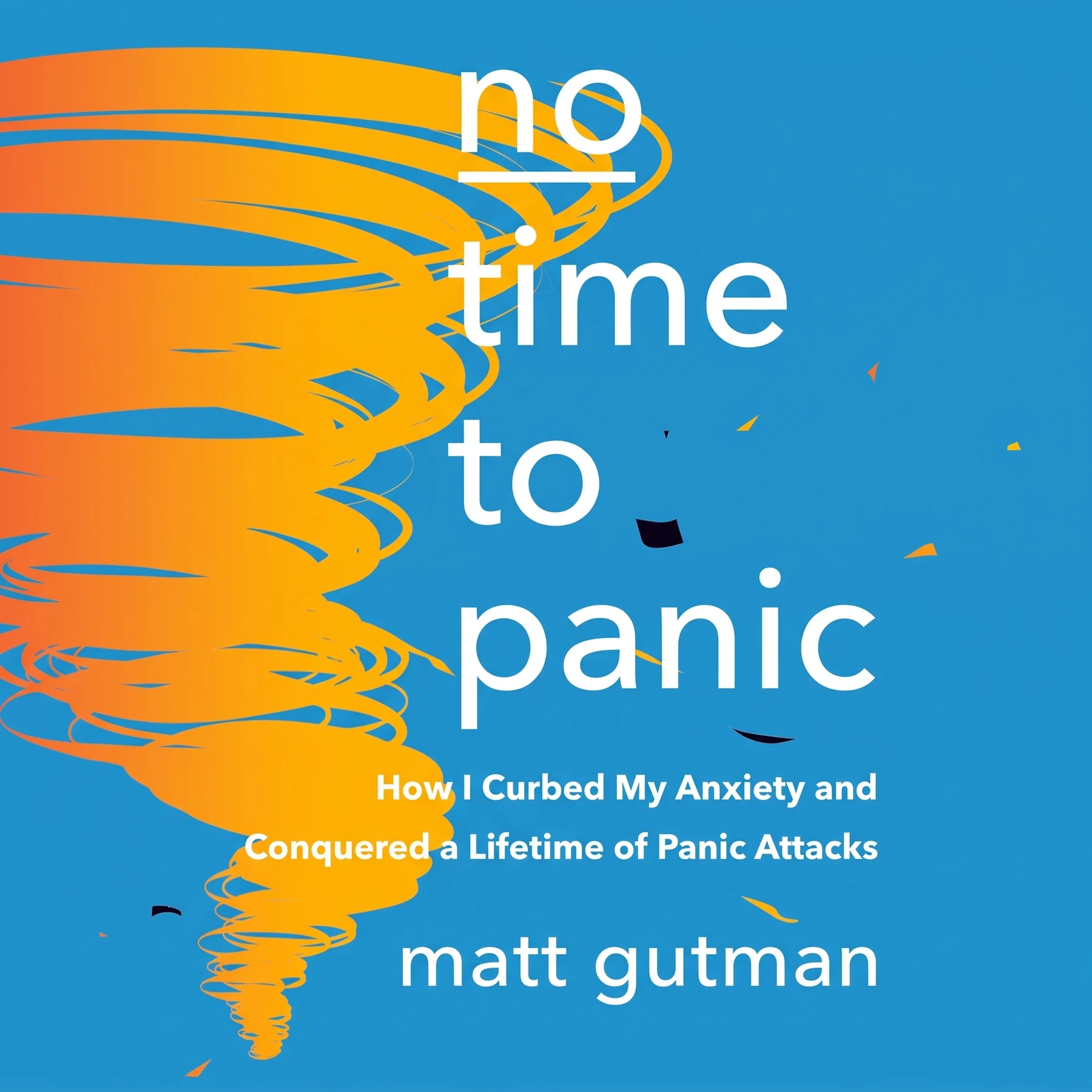
No Time to Panic: How I Curbed My Anxiety and Conquered a Lifetime of Panic Attacks
By Matt Gutman
ABC News correspondent Matt Gutman explores the science and personal toll of panic disorders, offering a candid look at his own struggle and the path toward managing overwhelming anxiety in high-pressure environments.
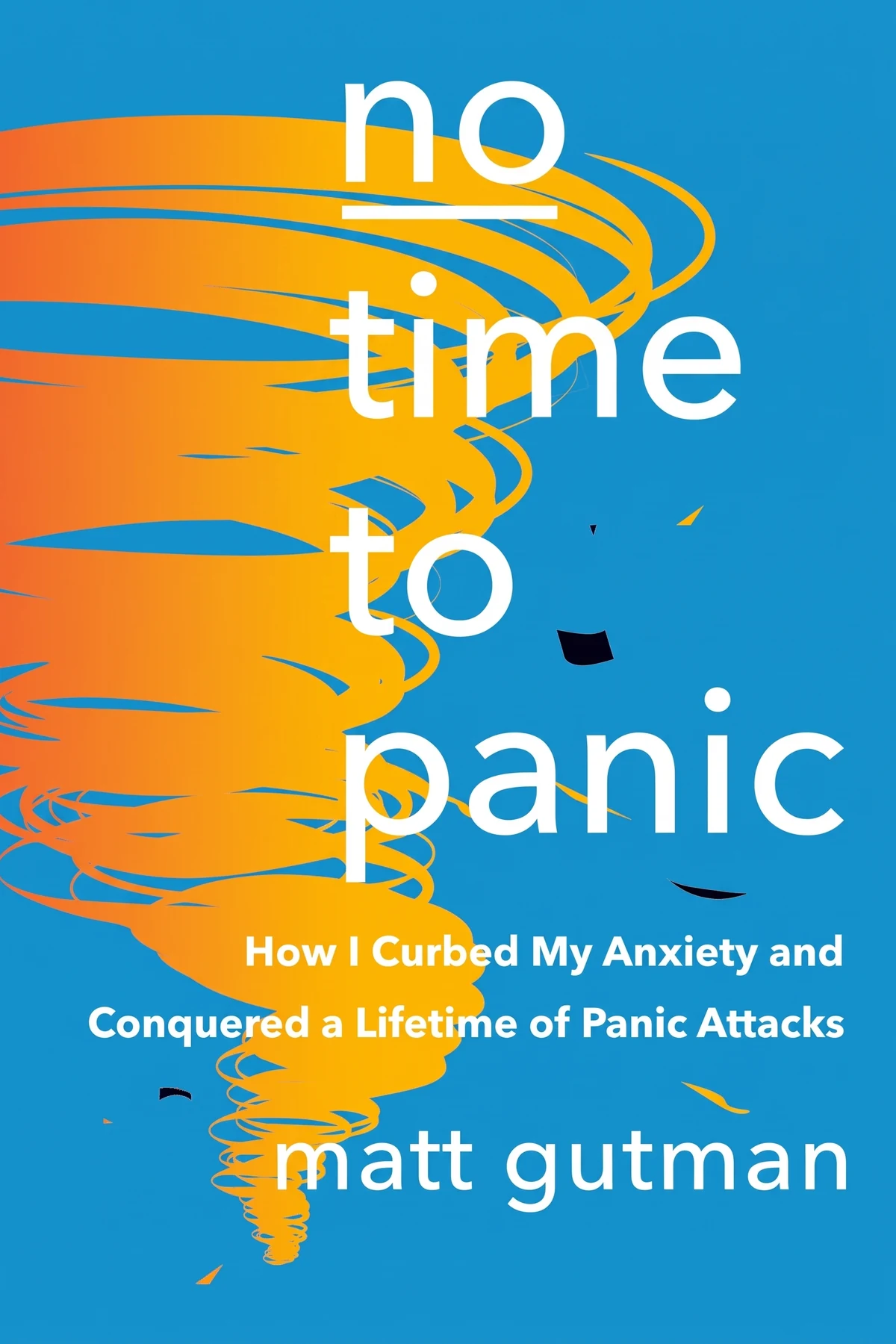
Table of Content
1. Introduction
1 min 34 sec
Imagine standing in front of millions of people, a microphone in your hand and a camera lens trained on your face. For Matt Gutman, this was just another day at the office. As a top correspondent for ABC News, he built a career on being the guy who goes where others won’t—conflict zones, natural disasters, and the scenes of heartbreaking tragedies. To the world, he was the embodiment of composure. But behind the scenes, Gutman was living a double life. For more than twenty years, he carried a secret that threatened to dismantle everything he had worked for: he was a prisoner to debilitating panic attacks.
This wasn’t just stage fright or a case of the nerves. These were visceral, full-body experiences that made him feel as though he were dying in the middle of a live broadcast. For a long time, he managed to white-knuckle his way through, hiding the tremors and the racing heart. But in early 2020, the facade finally cracked. During the chaotic coverage of a high-profile tragedy, his internal alarm system went off so loudly that he made a significant reporting error. That moment of public failure became the catalyst for a radical transformation.
In the following pages, we will explore Gutman’s quest to understand the machinery of fear. We’ll look at why our brains are wired to panic, how ancient survival instincts are poorly suited for modern stresses, and why breaking the silence around mental health is the most powerful tool we have. This is not just a memoir of a newsman; it’s a roadmap for anyone who has ever felt their own mind turn against them.
2. The Breaking Point and the Shadow of the Past
1 min 49 sec
A high-stakes reporting error during a national tragedy forced a seasoned journalist to face a hidden internal crisis that had been brewing for decades.
3. Decoding the Physiology of an Internal Alarm
2 min 02 sec
What feels like a death sentence is actually a biological misfire, where an ancient part of the brain takes the wheel and ignores logic.
4. The Evolutionary Burden of Human Anxiety
2 min 02 sec
Our ability to plan for the future gave our ancestors a survival edge, but it left modern humans with a unique capacity for chronic worry.
5. Breaking the Silence and Combatting the Stigma
1 min 59 sec
Despite how common panic attacks are, the lack of visible support systems makes many sufferers feel isolated and ashamed.
6. A Spectrum of Strategies for Recovery
2 min 04 sec
From traditional therapy to the frontier of psychedelic research, there is no single cure, but there are many paths to management.
7. The Power of Simple, Daily Resilience
2 min 04 sec
Managing panic often comes down to a few fundamental practices that help regulate the body and calm the mind in the heat of the moment.
8. Conclusion
1 min 25 sec
The journey from the height of professional success to the depth of a public breakdown and back again taught Matt Gutman that panic is not a life sentence. It is a complex, often misunderstood biological phenomenon that is deeply rooted in our evolutionary past and our personal histories. While the search for a singular, permanent cure for anxiety disorders may be ongoing, Gutman’s story proves that management and a high quality of life are absolutely possible.
The throughline of this exploration is clear: healing begins with the courage to be vulnerable. By stripping away the layers of secrecy and shame, we can see panic for what it really is—a misfiring alarm system. Through a combination of scientific understanding, therapeutic tools, and simple daily habits like breathing and exercise, we can learn to navigate the storms of our own minds.
Ultimately, the most important takeaway is that you are not alone. Whether you are a high-profile news correspondent or someone working a quiet job, the internal battle with anxiety is a shared human experience. By leaning into our support systems and allowing ourselves to feel our emotions fully, we can transform our relationship with fear. Panic might always be a part of the human condition, but it doesn’t have to be the pilot of your life. You have the power to ground yourself, to breathe, and to move forward, one minute at a time.
About this book
What is this book about?
For years, Matt Gutman was the face of fearless reporting, appearing on major news programs while secretly enduring terrifying internal collapses. No Time to Panic is an unfiltered examination of what happens when a professional communicator loses his voice to anxiety. It chronicles Gutman's journey from a high-profile on-air mistake to a deep dive into the biological and evolutionary roots of panic. The book promises a path through the shame and isolation that often accompany anxiety disorders. By consulting neurobiologists, therapists, and survivors, Gutman provides a comprehensive look at how the brain’s ancient defense mechanisms can misfire in the modern world. Listeners will gain an understanding of why panic feels like a mortal threat, why society still struggles to discuss it, and what practical steps—from cognitive behavioral techniques to emotional release—can help regain control. It is a story of vulnerability turned into a tool for resilience.
Book Information
About the Author
Matt Gutman
Matt Gutman is the chief national correspondent for ABC News. He regularly contributes to the network's flagship programs, including World News Tonight with David Muir, 20/20, Good Morning America, and Nightline.
Ratings & Reviews
Ratings at a glance
What people think
Listeners find the work highly informative, with one listener noting how it masterfully weaves science and research together. Furthermore, they characterize it as an incredible listen that is deeply personal and relatable, as one review emphasizes its bravery and vulnerability. The book also receives positive feedback for its honesty, and listeners report that it helped them with their anxiety.
Top reviews
Paiboon
Watching Matt Gutman on ABC News for years, I never would have guessed the internal storm he was weathering behind the camera. This book is an incredibly brave deep-dive into the mechanics of panic, triggered by that heart-wrenching moment during the Kobe Bryant coverage. Gutman doesn't just tell us he was scared; he uses his journalistic skills to dismantle the very nature of fear. I found the sections on the evolutionary roots of anxiety particularly enlightening, especially the interviews with Robert Sapolsky. It’s rare to find a memoir that balances such raw vulnerability with hard science. While he explores some intense treatments like psychedelics, the core of the book remains grounded in the human experience. Frankly, his honesty about the stigma he felt in his career is something many professionals need to hear. This is a vital resource for anyone who feels like they are drowning in their own adrenaline.
Show moreKom
Finally, someone has captured exactly what it feels like to have your body betray you in real-time. Gutman’s description of his first panic attack during his college thesis defense had me nodding in painful recognition. This isn't just a book for people who have panic attacks; it's a book for anyone who wants to understand the human condition. The way he describes the ketamine void—feeling like a speck in a limitless void—was both terrifying and beautiful. I found his willingness to 'go there' with every type of therapy incredibly refreshing. He doesn't sugarcoat the process or pretend he's 'cured.' Instead, he offers a roadmap for management. His journalistic style ensures the science is accessible without being patronizing. This book is a beacon of hope for those of us who have spent years hiding our anxiety behind a 'fearless' exterior. Truly a remarkable and necessary read.
Show moreRania
Few people have the courage to admit their greatest weakness on a national stage, but Gutman does it with grace and grit. This book is a masterclass in vulnerability. He takes us from the high-stakes world of war reporting to the quiet, terrifying moments of internal collapse. I found the interviews with neurobiologists to be a brilliant addition, providing a necessary scaffold of facts for his emotional narrative. The way he links his childhood trauma to his adult panic was a 'lightbulb' moment for me. It’s not just a memoir; it’s a toolkit for survival. He writes with a sense of humor that keeps the heavy subject matter from feeling too bleak. Whether you’re a long-time sufferer or just someone interested in how the brain works, there is so much value here. This book is a loud, clear call to end the silence around panic disorders.
Show moreYam
Ever wonder why your brain treats a work presentation like a life-or-death encounter with a predator? Gutman’s exploration of the 'misfiring' emergency system in our brains explains this perfectly. The writing style is fast-paced and punchy, as you’d expect from a seasoned correspondent, yet it stays deeply personal. I loved how he reframed the physical sensations of panic—the sweating, the racing heart, the 'blackout'—into something manageable through understanding. His journey through CBT and even ketamine therapy was fascinating, even if I’ll never try the latter myself. The six key takeaways at the end are actually practical and not just fluff. It’s a solid blend of a personal memoir and a scientific inquiry. Some parts felt a little repetitive, but the emotional core is strong enough to keep you turning the pages. A very informative read for those of us who live in our heads too much.
Show moreJeeranan
Matt Gutman brings a reporter’s eye to his own internal chaos in a way that feels both clinical and deeply personal. I was struck by his description of the 2020 Kobe Bryant tragedy as the catalyst for his reckoning. It takes a lot of guts to admit that a professional failure was actually a mental health crisis. The book masterfully weaves together his personal anecdotes with heavy-hitting research on stress hormones like cortisol and adrenaline. I appreciated that he didn't provide a 'magic pill' solution, acknowledging instead that managing panic is a lifelong process of trial and error. His honesty about the shame and invisibility of the disorder is powerful. Personally, I found the chapter on slow breathing and the therapeutic nature of crying to be the most relatable. It’s a well-researched, courageous account that definitely helps break down the stigma surrounding men’s mental health.
Show moreTun
Picked this up on a whim after seeing an interview, and I was surprised by how much I connected with Gutman’s struggle. The book moves quickly, mirroring the frantic energy of the panic attacks he describes. I particularly liked the section on the evolutionary roots of anxiety; it made me feel less 'broken' to know my brain is just doing what it evolved to do millions of years ago. To be fair, some of the psychedelic stuff felt a bit out there, but I respect his commitment to finding an answer. He’s very open about the shame he felt, which is something I haven't seen many men talk about so publicly. The advice on exercise and endorphins is a bit cliché, but he backs it up with enough data to make it feel fresh. It’s a courageous and honest account that I’ve already recommended to a few friends.
Show moreKamol
As a long-time anxiety sufferer, I appreciated the sheer variety of treatments Gutman explored throughout his journey. He doesn't just stick to the safe stuff; he really puts himself through the wringer to find out what works. Some might find his tone a bit intense, but it feels authentic to someone who has spent twenty years in a state of high alert. The book is informative without being dry, weaving science and research together with a very personal narrative. I did feel that he occasionally glossed over the financial costs of these treatments, which might frustrate some readers. However, his ultimate message—that small steps can lead to significant change—is incredibly empowering. The focus on reframing crying and finding a 'safe' person to talk to is something I will definitely take away from this. A solid, helpful, and very brave book.
Show morePridi
The first half of this book is absolutely gripping, especially the visceral description of his on-air breakdown during the Kobe Bryant tragedy. Gutman is a talented writer when he is describing the 'freeze' response and the sheer terror of a public panic attack. However, the book lost me a bit when it shifted into the long-winded sections about experimental drug treatments. While interesting from a journalistic perspective, it felt less applicable to my own life. I also struggled with the pacing; some chapters felt like they were just filler to justify a full-length book. Truth is, it might have worked better as a series of long-form articles. Still, his six takeaways for combating panic are genuinely helpful and grounded in reality. It’s a decent read if you want to understand the physiology of fear, but be prepared for some sections that feel a bit self-indulgent.
Show moreFon
I really wanted to like this book because I suffer from GAD, but I found the author’s tone frequently off-putting and a bit pompous. Look, I understand he was suffering, but most of the 'solutions' he pursues are completely inaccessible to the average person. He spends so much time on high-end psychedelic retreats and specialized consultations that it starts to feel like a travelogue for the wealthy rather than a guidebook for the anxious. To be fair, the history of where fear stems from was interesting, but the narrative itself felt like a long PR exercise to explain away his professional mistakes. He seems to lack a certain level of self-awareness regarding his privilege throughout the journey. I also found it strange how he glossed over his use of traditional medication until much later in the book. It just didn't resonate with my own struggles at all.
Show moreNiramai
This felt more like a calculated image-rehabilitation tour than a genuine memoir about mental health. The prose is clunky and follows a boring 'and then I did this' structure that reads like a long-winded cover letter. I found it incredibly difficult to sympathize with a narrator who comes across as so self-congratulatory and navel-gazing. He claims to have tried everything, yet he dismisses standard treatments almost immediately if they don't seem 'exciting' enough. His descriptions of his psychedelic trips were particularly painful to read; he seems to have no real imagination or ability to look inward. The way he talks about others with debilitating anxiety felt patronizing, as if his experience was somehow more 'noble' because it happened on television. Not gonna lie, I’m embarrassed for him. There are much better books on panic disorder out there that don't involve this much ego.
Show moreReaders also enjoyed
ADHD an A-Z: Figuring It Out Step by Step
Leanne Maskell

Agent Sonya: The Spy Next Door
Ben Macintyre

A Different Kind of Power: A Memoir
Jacinda Ardern

Alexander Hamilton
Ron Chernow
A Higher Loyalty: Truth, Lies and Leadership
James Comey
AUDIO SUMMARY AVAILABLE
Listen to No Time to Panic in 15 minutes
Get the key ideas from No Time to Panic by Matt Gutman, plus 5,000+ more titles in English and Thai.
- 5,000+ titles
- Listen as much as you want
- 7-day free trial
- Cancel anytime







