
A Short History of Nearly Everything
Bill Bryson
Explore the revolutionary world of CRISPR gene editing. Jennifer A. Doudna and Samuel H. Sternberg detail how this powerful tool can rewrite the code of life, offering cures for diseases while raising profound ethical dilemmas.
1 min 59 sec
For the entire history of our species, we have been at the mercy of our genetic inheritance. From the color of our eyes to our vulnerability to terminal illnesses, the blueprint of our lives was written in an indelible ink. We could observe it, we could study it, but we could never truly change it. That has all changed. We are currently standing at a pivotal moment in human history, an era where the very code of life is no longer a fixed script but a document that we can edit, revise, and rewrite. This is the world of CRISPR, a technology that has cracked open the mystery of creation and handed the pen to us.
In this exploration of the gene-editing revolution, we are going to look at how a discovery made in the microscopic world of bacteria has given us the power to control evolution itself. It is a story of immense wonder—the prospect of curing cancer, ending hereditary suffering, and securing the world’s food supply. But it is also a story that should give us pause. When we gain the ability to choose the traits of our children or modify the environment at a molecular level, we aren’t just practicing medicine anymore; we are stepping into a role that was previously reserved for nature or the divine.
Through the eyes of Jennifer A. Doudna and Samuel H. Sternberg, we will journey through the laboratory breakthroughs that led to this moment. We will see why CRISPR is so much more effective than any tool that came before it and why it has spread through the scientific community with such speed. Most importantly, we will grapple with the ‘unthinkable power’ mentioned in the book’s title. As you listen, consider the throughline of this narrative: we now possess a tool that can fix the mistakes of nature, but the wisdom to use that tool responsibly is something we must still develop. This is not just a scientific update; it is a fundamental shift in what it means to be human.
2 min 47 sec
What if the body could fix its own fatal errors? Discover how a rare biological accident revealed that our genetic destinies might not be as permanent as once thought.
2 min 30 sec
Before we can rewrite the book of life, we have to learn its alphabet. Explore the elegant, four-letter code that determines every physical trait we possess.
2 min 28 sec
Nature’s most powerful editing tool wasn’t invented in a lab; it was discovered in the immune systems of bacteria fighting for survival.
2 min 24 sec
Learn how a 2012 landmark study transformed a bacterial defense mechanism into the most efficient gene-editing tool ever created.
2 min 28 sec
Gene editing isn’t just for hospitals. See how CRISPR is poised to save our crops and change the way we raise livestock.
2 min 21 sec
From curing HIV to preventing cancer, CRISPR offers a new frontier in the fight against our most stubborn medical foes.
2 min 24 sec
With great power comes a dark potential. Explore the ethical dilemmas that kept the pioneers of CRISPR awake at night.
2 min 24 sec
How should society regulate a technology that can rewrite our future? Discover the three pillars of safety, ethics, and regulation.
1 min 39 sec
As we conclude this journey through the world of CRISPR, we are left with a profound sense of both possibility and responsibility. We have moved from being passive observers of the genetic code to active participants in its creation. Jennifer A. Doudna and Samuel H. Sternberg have shown us that the power to edit DNA is not just a scientific milestone; it is a turning point for our species. We now have the potential to erase the ‘misspellings’ that cause thousands of diseases, to secure our food supply against a changing climate, and to alleviate human suffering on a scale never before imagined.
Yet, the throughline of this summary remains a cautionary one. The ease and low cost of CRISPR mean that the ‘unthinkable power’ to control evolution is now widely available. As we have seen, the line between curing a disease and creating a designer trait is thin and blurry. The choices we make in the coming years regarding germline editing will resonate for centuries, affecting not just the people alive today, but every generation that follows.
The actionable takeaway here is the need for collective wisdom. Science can provide the tools, but it cannot provide the values. It is up to us—as an educated and engaged public—to ensure that this technology is used to enhance our shared humanity rather than divide it. We must advocate for transparent regulation, ethical scrutiny, and equitable access. We have cracked the code of creation; now, we must show that we are wise enough to handle the secrets we’ve found.
A Crack in Creation provides an insider’s look at the development of CRISPR, one of the most significant scientific breakthroughs in modern history. The book explains how this technology allows scientists to edit DNA with unprecedented precision, potentially eradicating hereditary illnesses and transforming global food production. Beyond the technical achievements, the authors explore the immense responsibility that comes with such power. They examine the possibility of designer babies and the ethical boundaries of human intervention in evolution. This summary offers a guide to both the miraculous possibilities and the daunting moral questions that humanity must now answer as we gain the ability to rewrite our own genetic destiny.
Jennifer A. Doudna, PhD, is a professor of chemistry and molecular and cell biology at the University of California, Berkeley. She is a leading international expert on CRISPR biology and genome engineering. Samuel H. Sternberg, PhD, is a biochemist and the author of a number of high-profile scientific publications on CRISPR technology. He is the recipient of the Scaring Award and the Harold M. Weintraub Graduate Student Award.
Listeners find this work both absorbing and skillfully crafted, praising its remarkable clarity when detailing intricate biological concepts. Furthermore, they value how it offers a fundamental grasp of CRISPR techniques and the sophisticated realm of gene editing. It also functions as a superb primer on the scientific world, with one listener mentioning how it perfectly conveys the excitement of making new discoveries. Listeners characterize the text as deeply stimulating and view it as a necessary read for any thoughtful person.
Rarely does a book capture the sheer electricity of a scientific breakthrough while remaining so grounded in the mechanics of the research. Doudna and Sternberg have crafted a narrative that feels like a front-row seat to the most significant biological revolution of our time. I was particularly struck by how they deconstructed the complex bacterial defense systems—nature’s original 'find and replace' tool—without losing the reader in jargon. It’s a masterclass in science communication that turns a dense topic like CRISPR-Cas9 into a gripping page-turner. Frankly, the implications for curing genetic diseases like sickle cell anemia are breathtaking, yet the authors don't shy away from the 'god-mode' ethics that keep them up at night. It is a necessary primer for anyone wanting to understand how we are about to rewrite the code of life itself. The sense of responsibility and wonder in Doudna’s voice is palpable throughout.
Show moreWhat an urgent, essential read for every thinking person in the 21st century. The authors take a technology that sounds like science fiction and demonstrate exactly how it is already being used in labs across the globe. I was riveted by the story of how a small discovery about yogurt cultures led to a tool that can cure blindness and cancer. Not gonna lie, the sections on the 'gene bomb' and militarized microbes were terrifying to contemplate. Doudna’s transparency about her own nightmares regarding the misuse of CRISPR is refreshing and adds a layer of morality often missing from academic texts. This book isn't just about biology; it’s about the burden of knowledge. Every chapter left me questioning where we should draw the line between healing and enhancement. Absolutely a must-read for anyone curious about the future of humanity.
Show moreThe chapter on the bacterial immune system was a total revelation for me. I’ve read about CRISPR in the news, but I never truly understood the mechanics until I picked this up. The writing is crisp and the pace is surprisingly fast for a science-heavy book. I particularly enjoyed the way Doudna describes the collaborative nature of discovery—it really dispels the myth of the lone genius. To be honest, the potential for using this technology to create 'super crops' that could end world hunger is the kind of hope we need right now. On the flip side, the sections on germ-line editing made my skin crawl. It’s a brilliant, thought-provoking journey that makes you realize we are standing at a major crossroads in history. If you only read one science book this year, make it this one.
Show moreFinally got around to reading this and wow, the hype is real. Doudna has a way of explaining DNA and the central dogma that makes it feel like a thrilling detective story. I was especially fascinated by the 'gene drive' concept and the potential to wipe out malaria-carrying mosquitoes, even with the terrifying ecological risks involved. The book does an amazing job of showing how science is a global effort, shifting from labs in California to trials in China. It’s definitely a wake-up call for society to start having these ethical conversations before the technology outpaces our laws. To be frank, the sheer speed of this breakthrough is both inspiring and deeply unsettling. This is a clear, engaging, and vital piece of writing for anyone who wants a glimpse into the next century of medicine.
Show moreJennifer Doudna manages to weave her personal journey with the technical evolution of gene editing in a way that feels both intimate and expansive. The first half is a fascinating look at the 'aha' moments in the lab, though some might find the detailed molecular biology a bit heavy going. Truth is, the book excels most when it pivots to the ethical minefield of germ-line modification and the potential for designer babies. I found the discussion on the 'gene drive'—the ability to essentially force a trait through an entire species—to be particularly chilling. It really forces you to confront the reality that the genie is out of the bottle. While some of the diagrams felt a bit redundant and didn't add much clarity, the prose itself is exceptionally clear. This is foundational reading for understanding our biotech future.
Show moreAs a casual science reader, I was worried this would be way over my head, but the layman’s explanations are actually quite approachable. The way the authors describe Cas9 whizzing around the nucleus like a search engine for DNA made it click for me instantly. Gotta say, I appreciated the historical context of previous methods like TALENs, which helped me understand why CRISPR is such a massive leap forward in terms of cost and precision. The book does a great job of highlighting the global nature of this research. However, I did find some of the 'hand-wringing' over ethics to be a bit repetitive by the end of the book. I would have preferred more examples of current agricultural successes instead of just hypothetical fears. Still, it’s a very engaging read that demystifies a world-changing technology.
Show moreEver wonder how close we really are to Gattaca-style engineering? This book provides a sobering and detailed answer. Doudna and Sternberg explain the biophysics of gene editing with incredible clarity, making the 'cut and paste' metaphor feel tangible. I found the discussion on CRISPR’s origins in the ancient war between bacteria and viruses to be the most compelling part of the book. It’s wild to think that our greatest medical tool was adapted from a primitive immune system. The authors do a great job of balancing the optimism of curing hereditary diseases with the grim reality of unintended consequences. In my experience, it’s rare to find a book that captures both the technical 'how' and the philosophical 'why' so effectively. It really drives home the fact that we are the first species capable of directing its own evolution.
Show moreWhile the first half was a brilliant recap of the discovery process, the second half felt like it could have gone much deeper into the actual policy solutions. I liked how the book explained the difference between somatic and germ cells, but I was left wanting more concrete predictions for the next decade. Look, the personal anecdotes were a nice touch to humanize the research, but at times they distracted from the urgency of the ethical debate. Also, I have to agree with others that the illustrations were somewhat disappointing; they often failed to clarify the very concepts they were meant to simplify. However, the explanation of how bacteria 'record' viral DNA is genuinely fascinating and easy to follow. It’s a solid 3-star read that provides a good introduction but lacks the punch I expected regarding future societal impacts.
Show moreLooking back, I appreciated the clarity of the explanations, but I felt the book underdelivered on the promise of examining future implications in depth. The first half is a fantastic textbook-style history of gene editing, but the second half felt a bit repetitive in its ethical warnings. I would have liked to see more concrete case studies on how different countries are currently regulating the technology. In my view, the 'personal touch' was a bit hit-or-miss; sometimes it added flavor, but other times it felt like filler. And those diagrams? They were almost completely pointless. That being said, the core information about how CRISPR works is top-notch and very accessible to someone without a PhD. It's a decent overview, but I’m still searching for a more rigorous look at the long-term ecological risks of gene drives.
Show moreTo be fair, I struggled to get through this one because of the overly personal narrative style. I was hoping for a more objective, technical deep-dive into the CRISPR-Cas9 mechanism, but instead, I got a lot of 'I felt' and 'I wondered.' Personally, I’m just not interested in the scientist’s life story; I just want the data. The diagrams were also quite basic and didn't help me visualize the molecular machinery any better than the text did. It felt a bit like the book was trying too hard to be a memoir when it should have stayed a science book. Even the ethical sections felt a bit like an undergraduate seminar rather than a rigorous analysis. If you like your science mixed with a lot of personal reflection, you’ll love it, but for me, it was a bit of a slog. It’s an important topic, but the delivery just wasn't for me.
Show moreBill Bryson
Jeff Hawkins
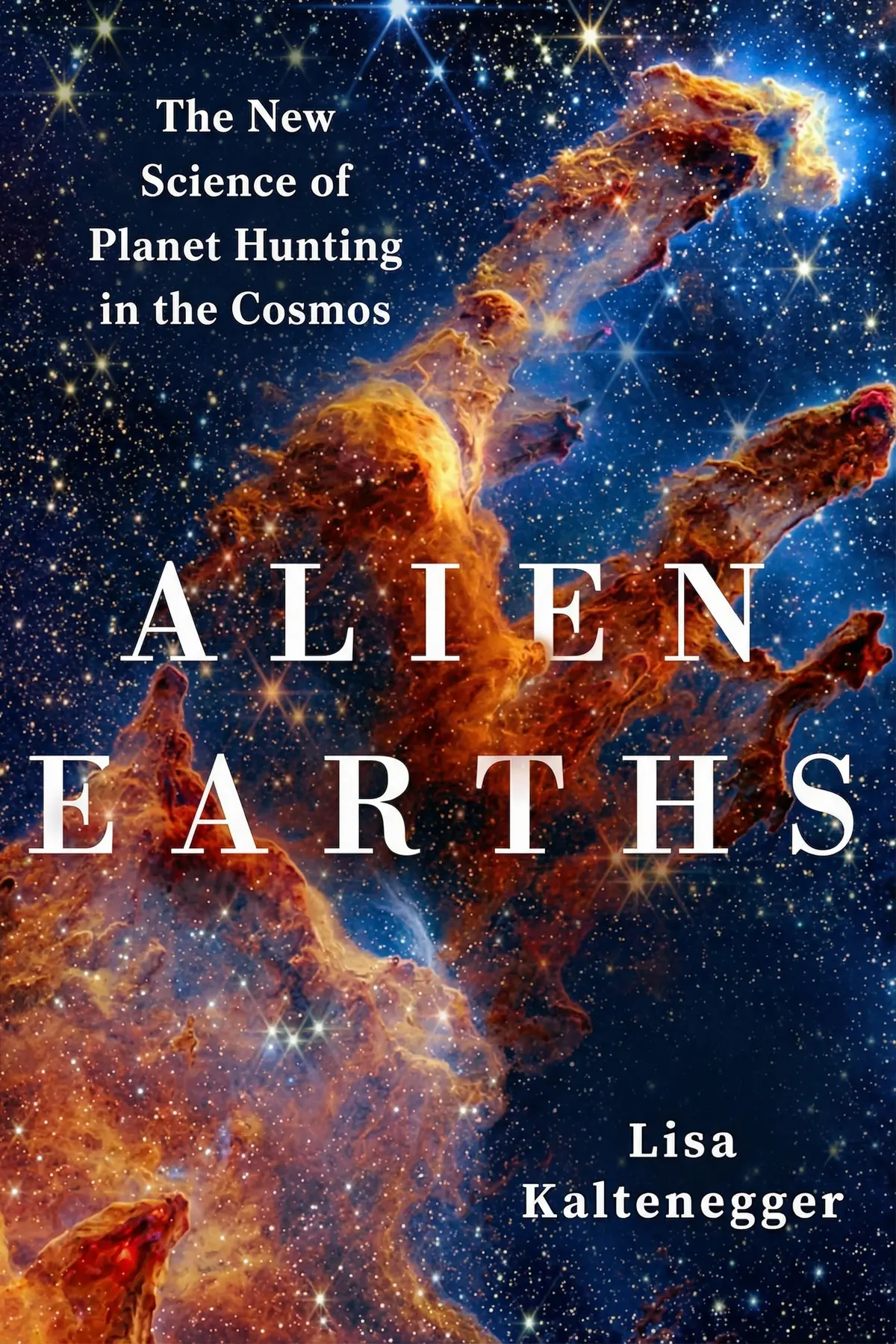
Lisa Kaltenegger
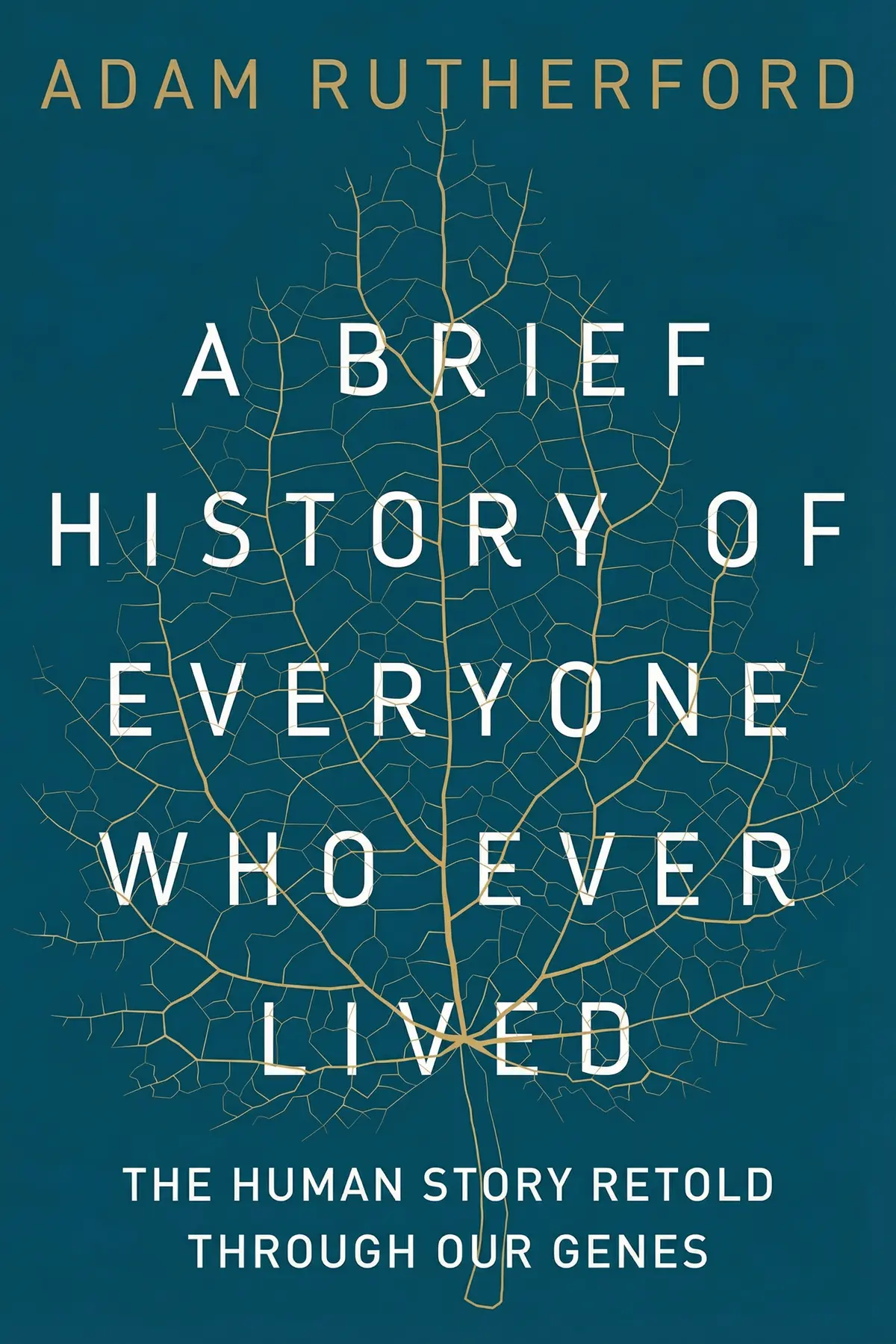
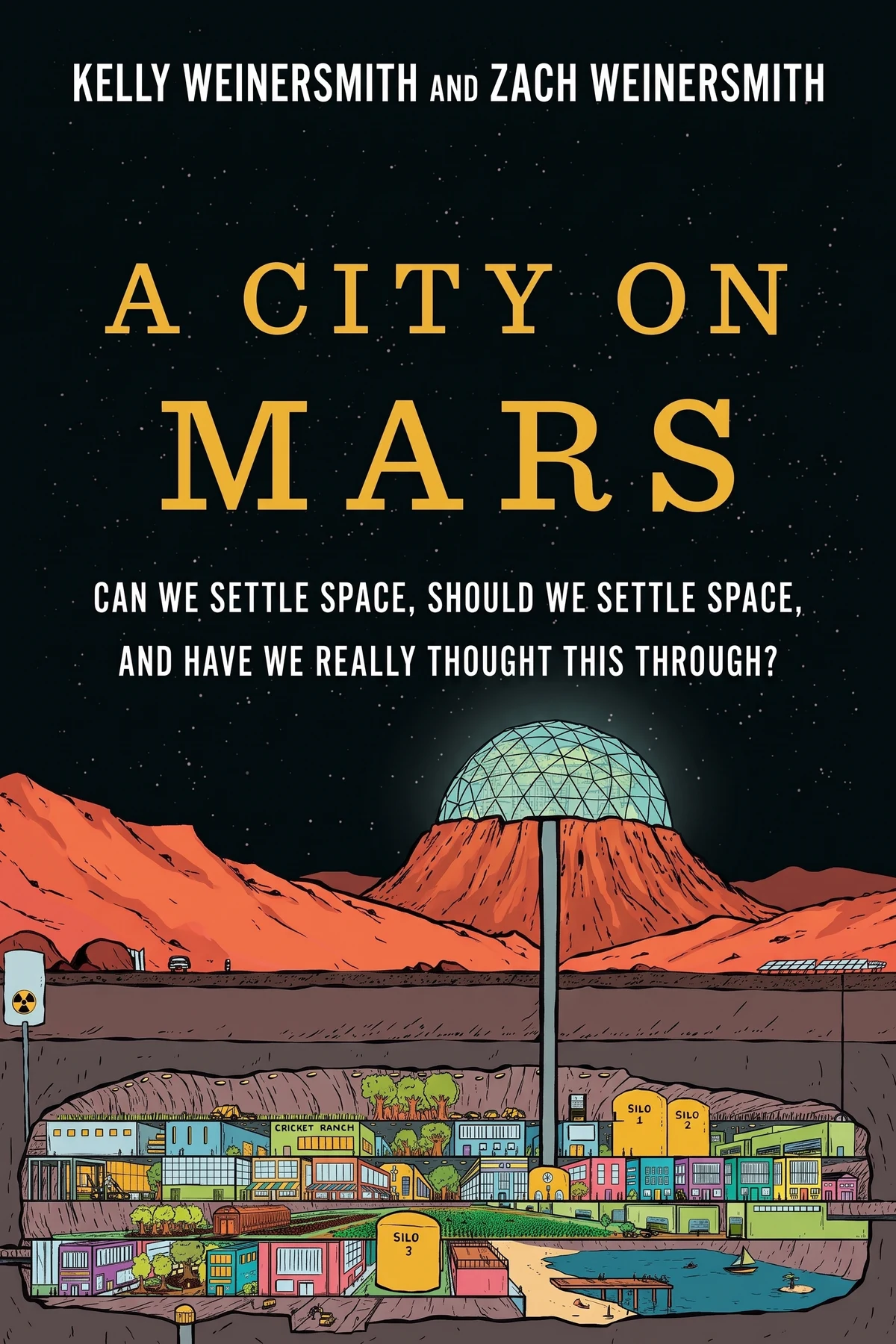
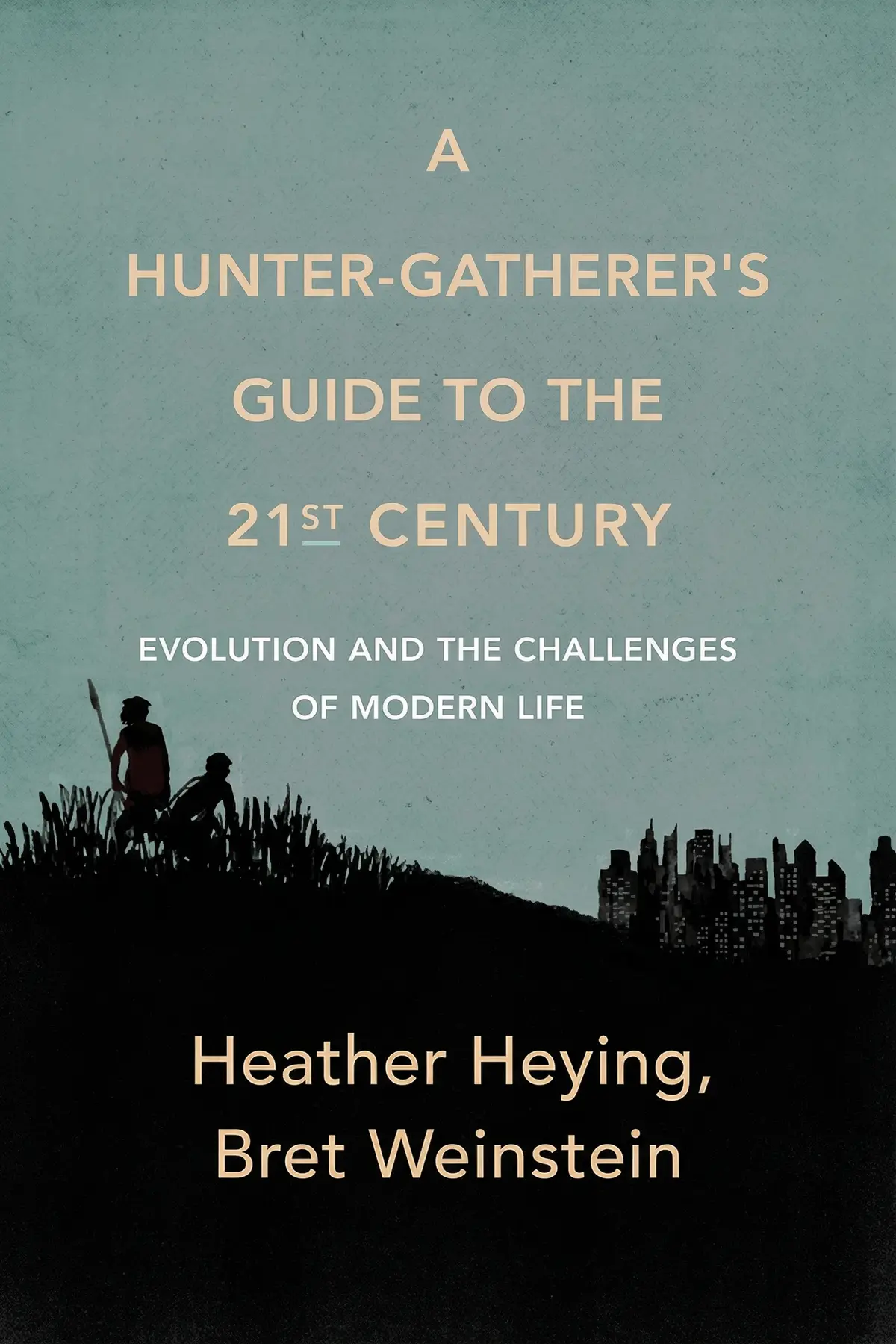
J. Craig Venter
AUDIO SUMMARY AVAILABLE
Get the key ideas from A Crack in Creation by Jennifer A. Doudna, plus 5,000+ more titles in English and Thai.







