11 min 47 sec
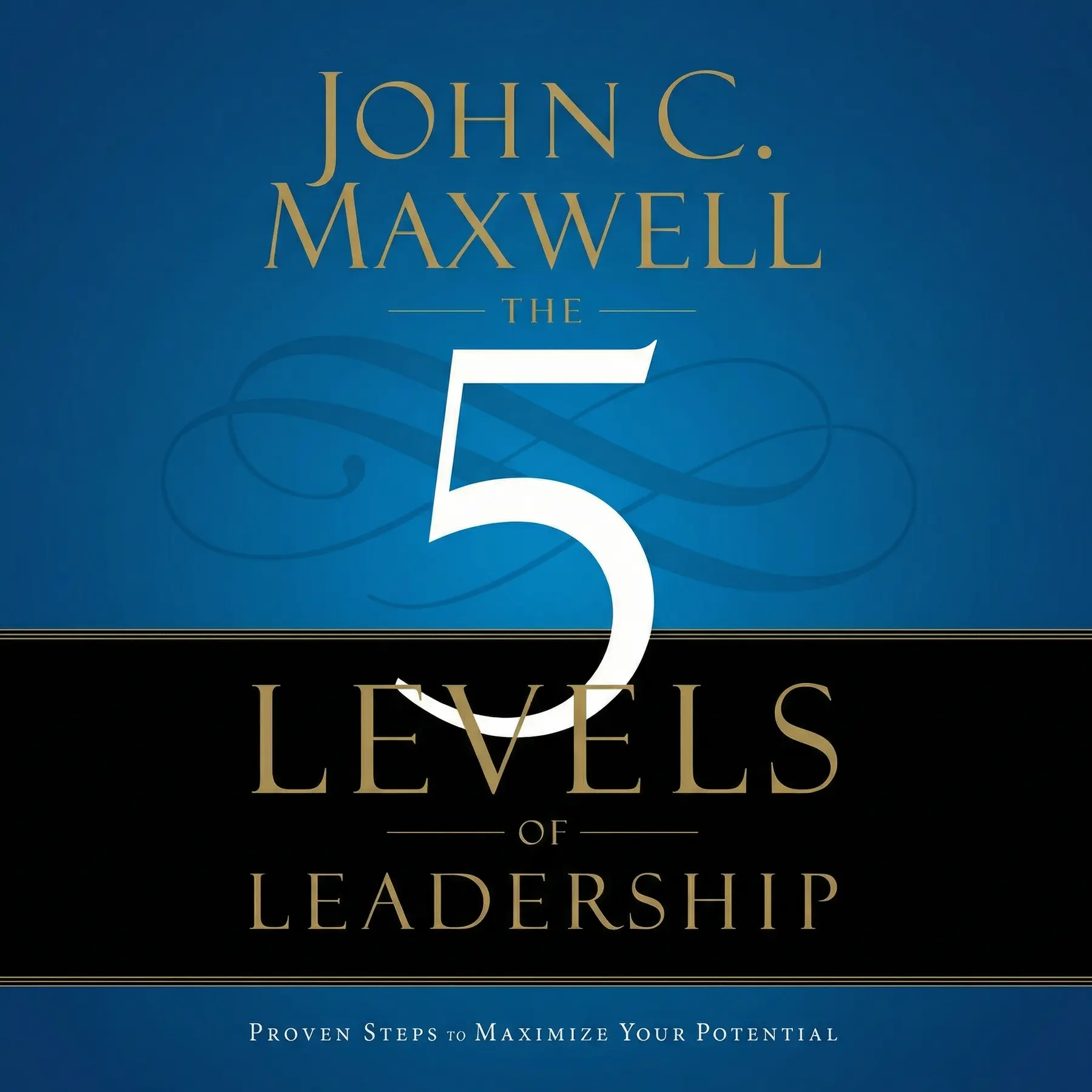
5 Levels of Leadership: Proven Steps to Maximize your Potential
John C. Maxwell presents a transformative framework for personal and professional growth, detailing five distinct stages of influence that move a leader from basic authority to a legacy of profound impact.
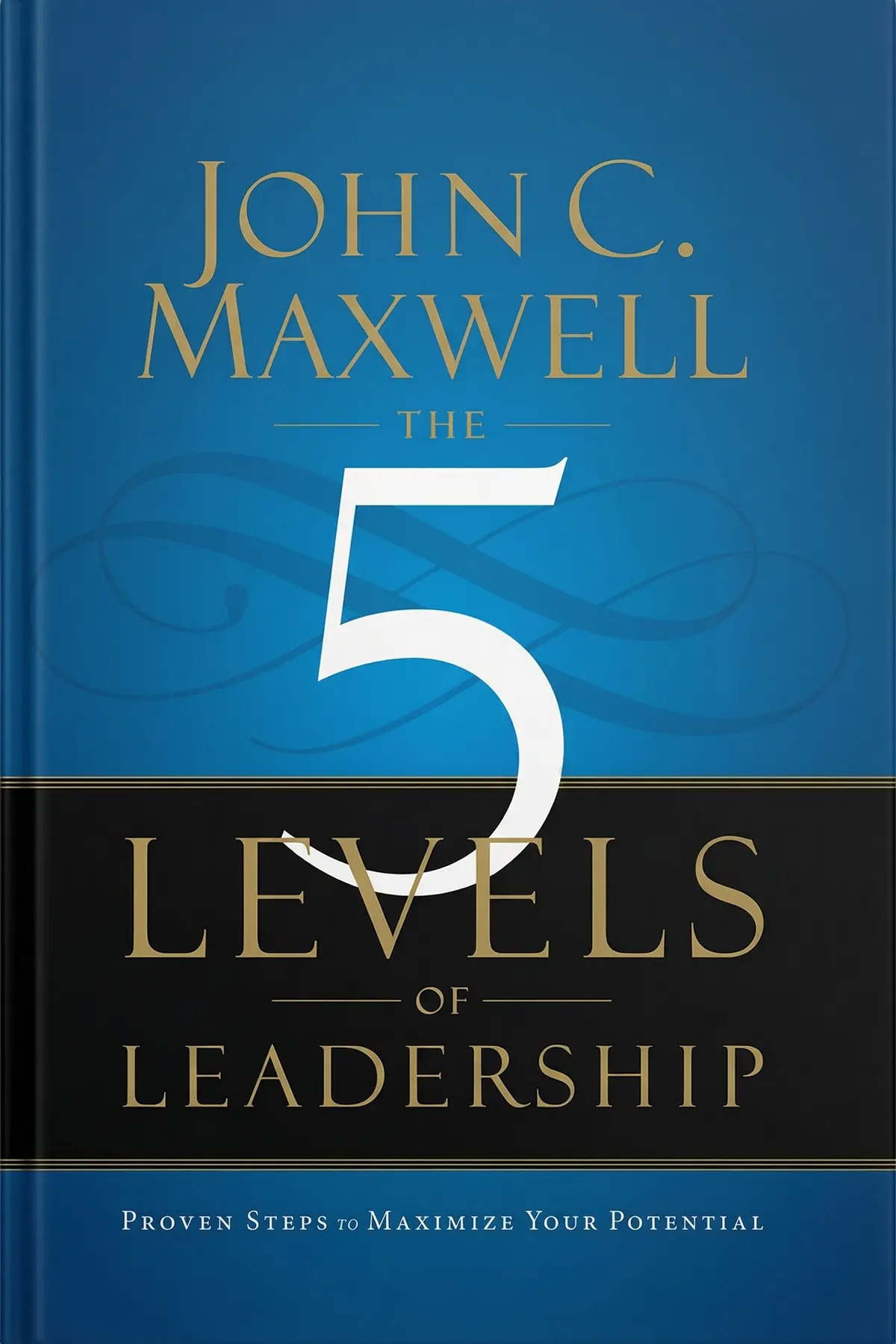
Table of Content
1. Introduction
1 min 29 sec
Most of us have, at some point, encountered the ‘manager by title’—the individual who believes their authority begins and ends with the nameplate on their desk. They lean on their rank to get things done, yet they often struggle to inspire genuine commitment from those they supervise. This reveals a fundamental truth about human interaction: a position of power is not the same thing as true leadership. Real leadership is a journey, a sequence of transitions that shift the focus from the leader’s ego to the growth of the entire organization.
In this exploration of John C. Maxwell’s framework, we dive into a five-step ladder that defines how influence is actually earned and maintained. We’ll see that leadership is more like a craft that must be practiced than a gift one is born with. It’s about navigating the ‘stormy seas’ of the modern business world not just by holding the rudder, but by charting a course that the rest of the crew actually wants to follow.
Through this journey, we will uncover how to move past the limitations of formal authority and embrace the power of relationships, the momentum of collective results, and the profound responsibility of developing the next generation of pioneers. By the end of this discussion, you’ll understand the throughline that connects every great leader: the realization that your ultimate success is measured by the success of those you lead. Let’s begin by looking at the very first step of this ladder and why it’s often the most dangerous place to get stuck.
2. The Limitations of Positional Authority
1 min 46 sec
Relying solely on a job title creates a fragile foundation for influence and often results in a team that provides only the bare minimum effort.
3. Earning Permission Through Relationships
1 min 44 sec
True leadership begins when people choose to follow you because of the trust and mutual respect you have cultivated within the team.
4. Producing Results and Building Momentum
1 min 52 sec
Successful leaders prove their worth by delivering tangible outcomes, which fosters a sense of collective accomplishment and team synergy.
5. The Power of Developing People
1 min 43 sec
Long-term organizational success is only possible when a leader shifts their focus from personal productivity to the growth of their staff.
6. Leaving a Legacy at the Pinnacle
1 min 55 sec
The highest form of leadership involves creating a self-sustaining culture by developing leaders who, in turn, go on to mentor others.
7. Conclusion
1 min 18 sec
As we have seen, leadership is a journey that moves from the rigid authority of a job title to the fluid, expansive influence of character and legacy. It begins with the simple realization that having permission to lead is far more powerful than having the right to command. By building trust, delivering results, and investing deeply in the potential of others, you transform a workplace into a community of high-achievers.
The throughline of these five levels is the gradual shift from ‘me’ to ‘we.’ A positional leader is preoccupied with their own status, while a Pinnacle leader is preoccupied with the success of the next generation. This evolution requires a constant willingness to learn and a deep humility to put the team’s needs above your own ego.
As you look to apply these lessons, start by truly listening. In our busy lives, we often ask how someone is doing without waiting for a real answer. As a leader, make it your mission to pay attention to the body language and the underlying feelings of your team. Be genuine in your interest and consistent in your values. By doing so, you begin the climb from Level 1 toward a leadership style that doesn’t just get results, but leaves a lasting mark on the lives of everyone you touch.
About this book
What is this book about?
This summary explores the foundational philosophy that leadership is not a static destination or a title on a door, but a dynamic, five-stage process of building influence. It promises to guide you through the journey from Level 1, where people follow because they must, up to Level 5, where people follow because of who you are and what you represent. By examining the shifts from positional authority to relational trust, results-driven production, and eventually the development of other leaders, this work provides a roadmap for anyone looking to maximize their potential. It highlights how focusing on human connection and mentorship creates a sustainable culture of excellence that outlasts any individual career.
Book Information
About the Author
John C. Maxwell
John C. Maxwell is a prolific, best-selling author whose career is dedicated to the study and teaching of leadership. He is the founder and head of EQUIP, a non-profit organization that specializes in leadership development globally. Prior to his work as an author and consultant, Maxwell served as a reverend, an experience that helped shape his relationship-based approach to guiding others.
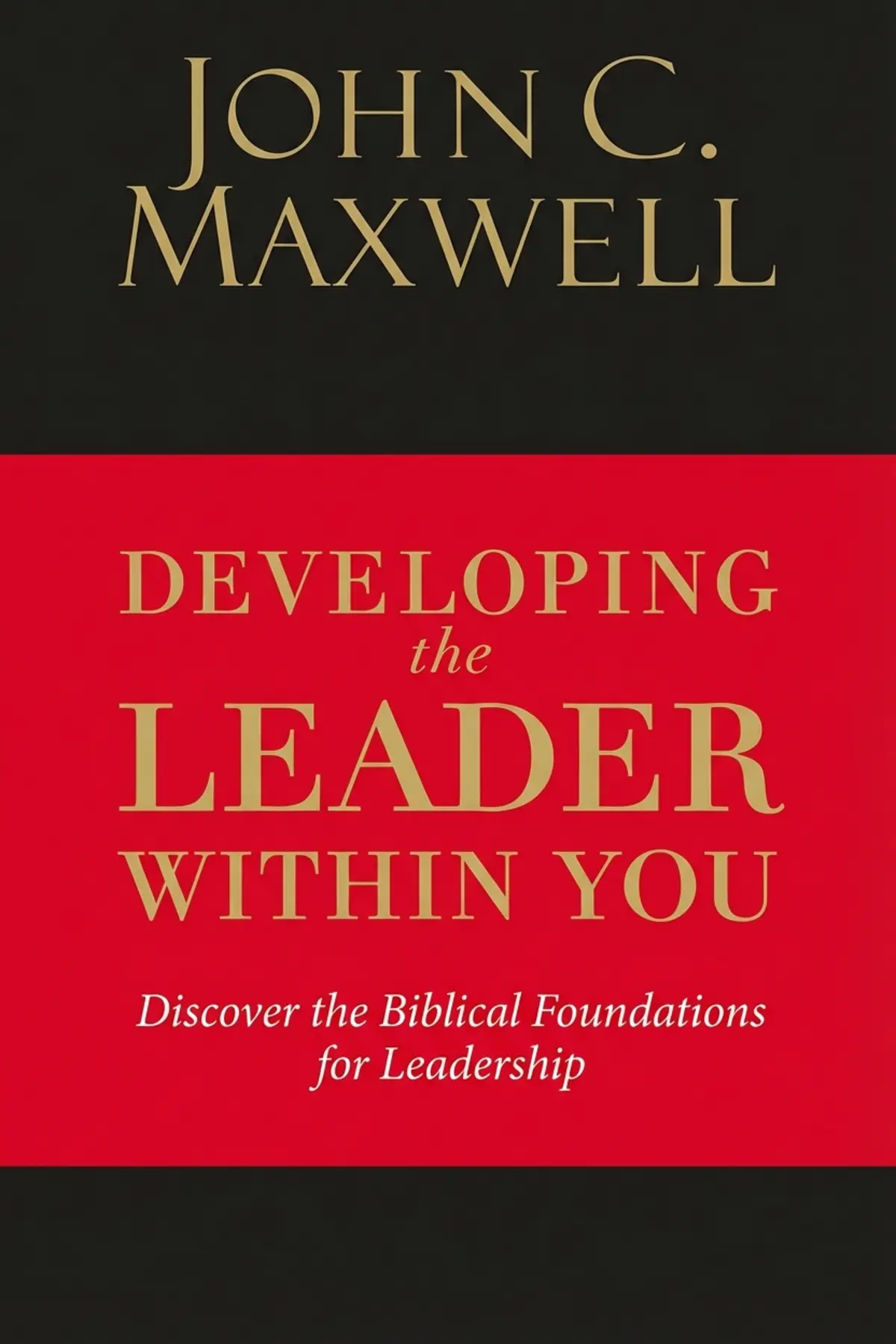
Developing the Leader Within You
John C. Maxwell
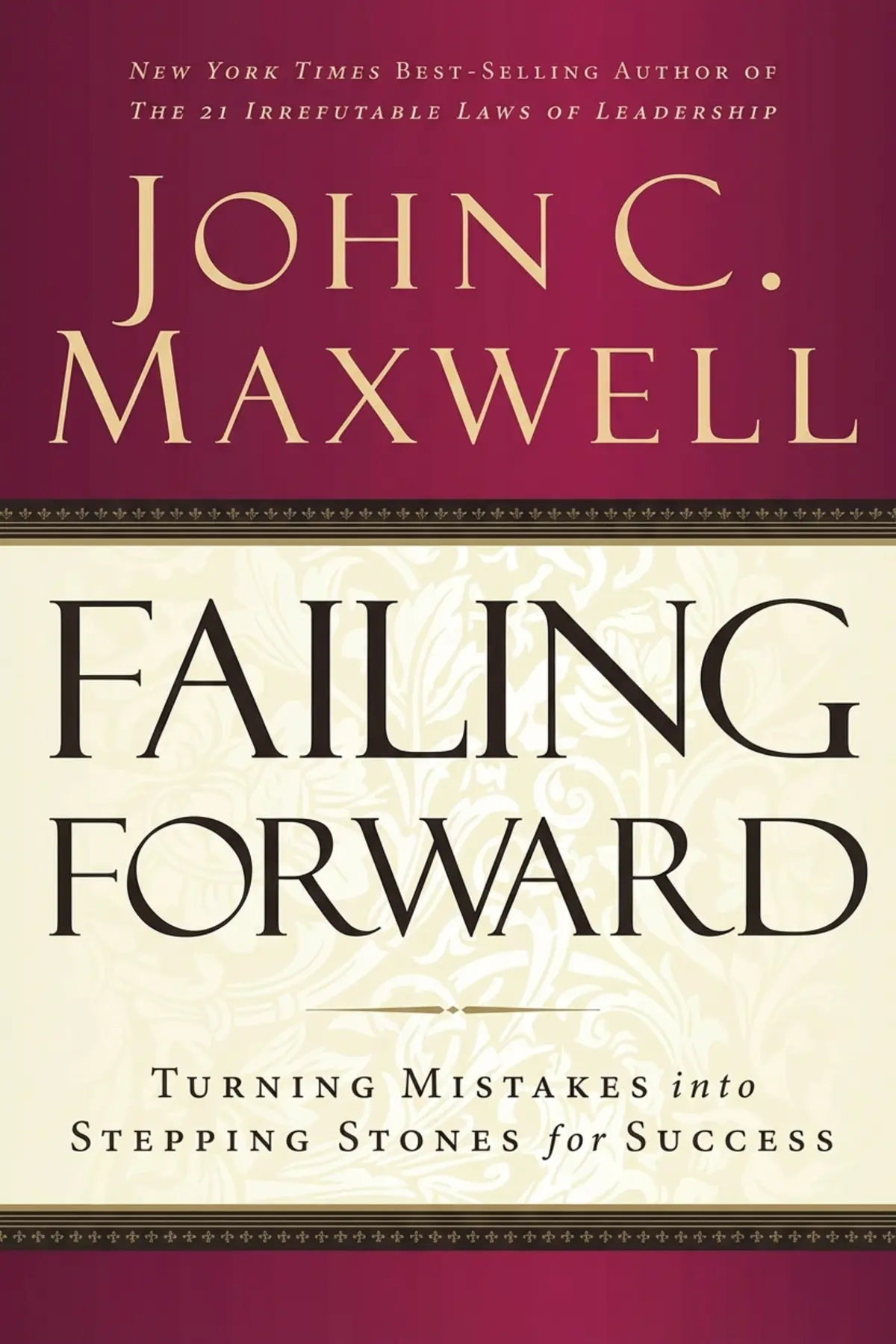
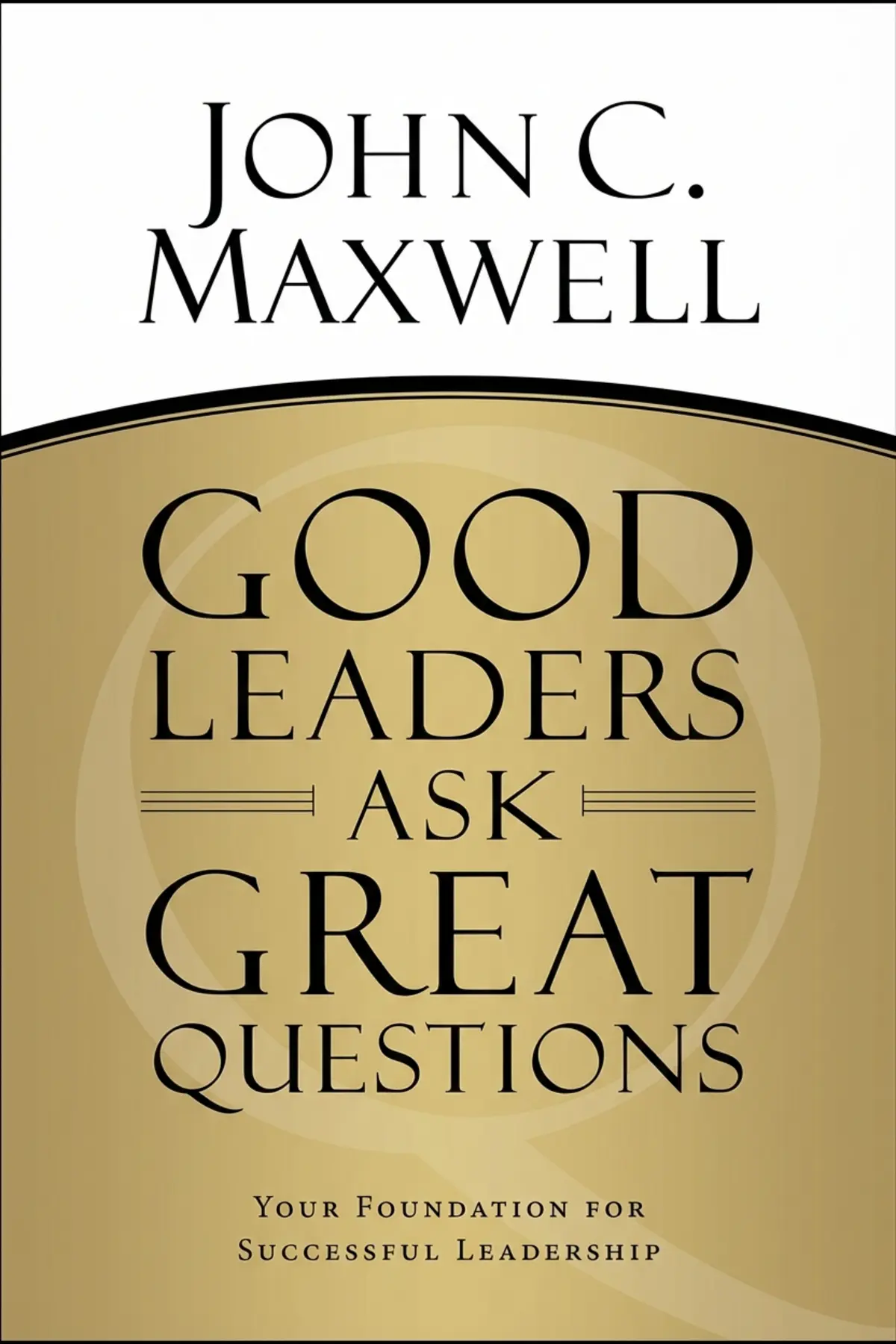
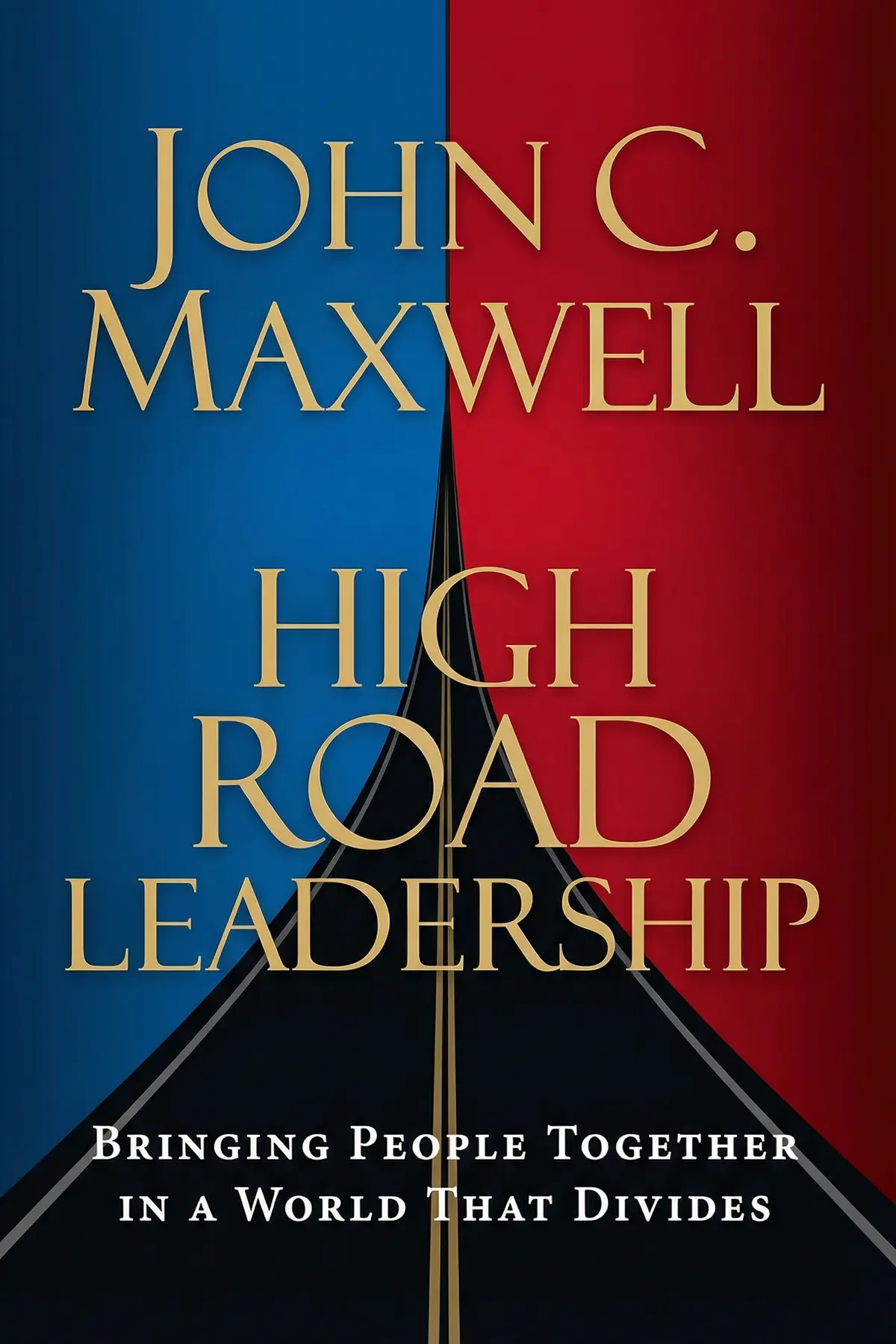
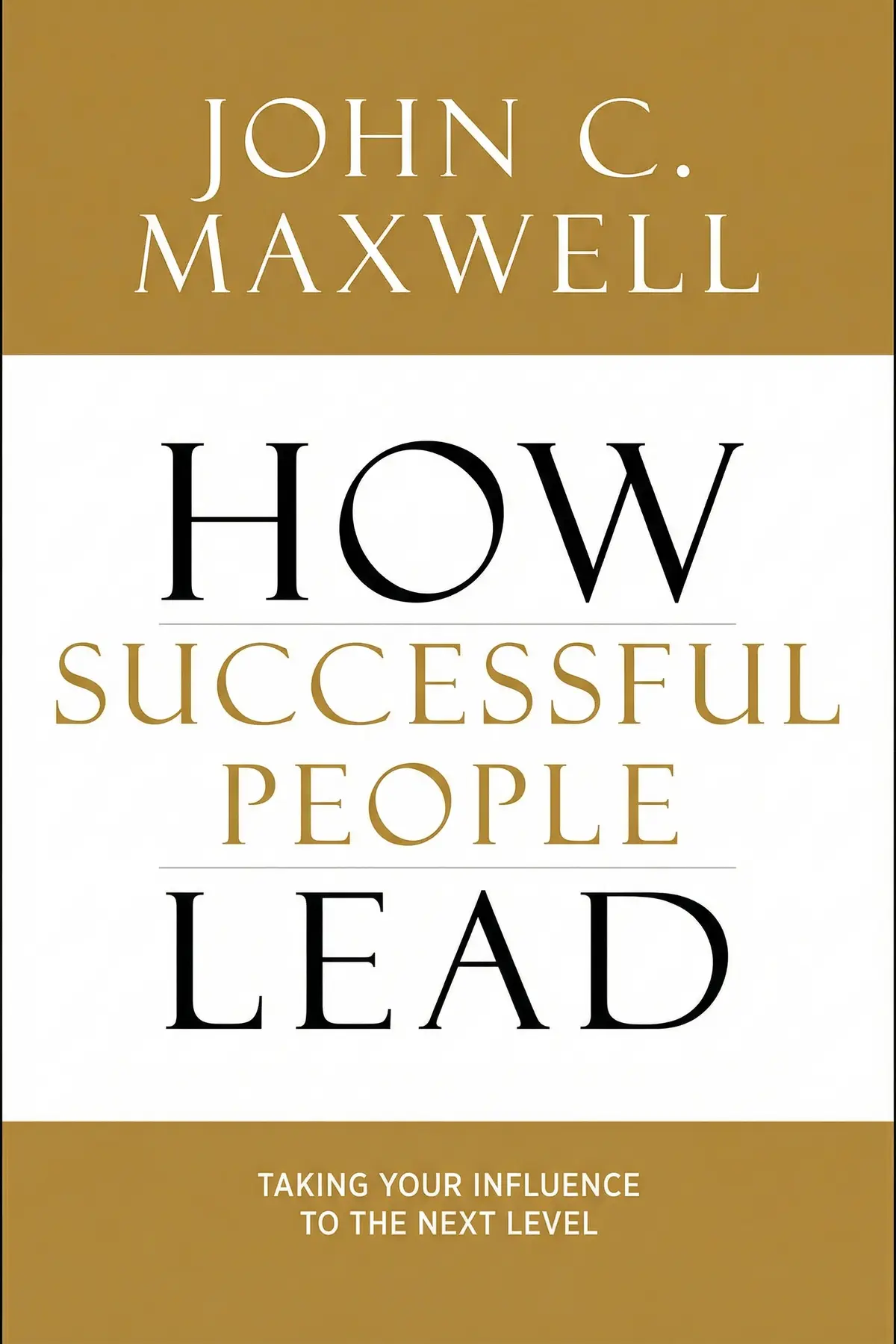
Leadership 101: What Every Leader Needs to Know
John C. Maxwell
No Limits: Blow the CAP Off Your Capacity
John C. Maxwell
Ratings & Reviews
Ratings at a glance
What people think
Listeners find this leadership guide accessible and articulate, with one observer noting its suitability for those advancing their careers. The work successfully highlights the traits of effective leaders and blends theory with real-world instances, making it highly useful for those in middle management. Listeners value the book's encouraging tone, as one highlights its focus on perspective and impact, and find the material easy to grasp with direct actions to apply. They appreciate the possibilities for personal growth, with one mentioning its ability to reshape individuals who desire improvement, and consider it a worthwhile acquisition.
Top reviews
Manee
Stepping into a director role last year made me realize positional authority gets you basically zero genuine buy-in. Maxwell’s breakdown of the transition from Permission to Production hit home hard. You can’t just rely on a title on an org chart and expect people to give their best work. What resonated most was the emphasis on personal development in Level 4—shifting your mindset from 'how do I hit targets' to 'how do I build successors.' It's an accessible blueprint that translates high-level corporate leadership theory into daily habits. While some stories lean a bit old-school, the roadmap itself is pure gold for anyone managing teams.
Show morePisit
Stop managing tasks and start investing in your people. That single takeaway fundamentally restructured how I run our weekly one-on-ones. So many supervisors get permanently stuck at Level 1, clinging desperately to their managerial titles because they have no clue how to foster authentic trust. Maxwell does an exceptional job articulating why real authority is granted by your direct reports, not handed down from HR. The distinction between merely producing results and multiplying leaders around you was deeply convicting. Look, is the prose style slightly repetitive at times? Sure. But the actionable steps on delegating and relationship-building make it worth every penny for any middle manager trying to evolve.
Show moreJoseph
This book held up an uncomfortable mirror to my blind spots. For years, I secretly believed that hitting our quarterly sales goals gave me the right to lead, essentially camping out at Level 3 while wondering why turnover stayed frustratingly high. Reading the section on Level 4—People Development—was a humbling punch to the gut. Realizing that I had prioritized my own output over cultivating the careers of my team forced an immediate operational overhaul. Maxwell writes with a warmth and directness that challenges your ego without sounding patronizing. A genuinely transformative guide for anyone humble enough to admit they still have plenty of room to grow.
Show moreAria
Pure gold for anyone tired of bloated academic textbooks that offer zero real-world advice. What Maxwell nails is the psychological progression: people follow you first because they have to, then because they want to, then because of what you deliver, and finally because of how you elevate them. That sequential logic is so simple, yet almost nobody in upper management actually practices it. The practical exercises throughout the chapters gave me immediate talking points for our quarterly 360 reviews. It changed our internal culture within months. If you want dense statistical analysis, look elsewhere, but if you want actionable wisdom on motivating humans, grab a copy immediately.
Show moreLook
Ever wonder why certain bosses command unwavering loyalty while others can barely get an email answered? Maxwell answers that question with clarity and nuance. The transition from Level 4 to Level 5 (The Pinnacle) highlights what legacy truly means in a professional setting: it’s not about how indispensable you make yourself, but how smoothly the organization thrives after you step away. I’ve read dozens of management manifestos, but few outline the internal character required to elevate peers with this kind of conviction. It is motivating, deeply human, and filled with micro-adjustments you can test the next morning at the office. An essential desk companion.
Show moreThitima
Having mentored junior supervisors for the better part of a decade, I find this framework incredibly handy as a diagnostic tool. Most emerging leads crash out because they confuse compliance with true commitment. Maxwell's jump from Level 2 (Permission) to Level 3 (Production) explains that exact phenomenon: your team might genuinely like you, but without competence and momentum, morale eventually craters. The diagnostic questions at the end of each stage offer great practical utility during performance reviews. I’ll admit his folksy, pastoral cadence isn’t for everyone, and a few examples feel dated. Still, as a clear, no-nonsense roadmap for growing beyond basic task delegation, it delivers solid value.
Show moreEarn
As a newly minted engineering lead with zero prior management training, this provided the scaffolding I desperately lacked. When you shift from technical contributor to people manager, nobody tells you that your hard skills suddenly matter far less than interpersonal trust. Maxwell’s concept of 'permission-based' leadership helped me stop dictating technical specs and start building relational capital with senior developers who had more tenure than me. My only real critique is the heavy reliance on patriarchal corporate figures for case studies—it definitely reflects a narrower corporate worldview. Even so, the tiered progression is intuitive, practical, and remarkably effective for surviving your first year in leadership.
Show moreGabriel
Picked this up on a colleague's recommendation after feeling completely stuck in my current supervisory role. Not gonna lie, I rolled my eyes initially at how cheesy the five P's seemed on the contents page. But as you dig in, the psychological insights into team dynamics are surprisingly sharp. The warning signs outlined for leaders who rely solely on position (Level 1) described my previous toxic boss with scary accuracy. It helped me identify why my own team was dragging its feet despite decent bonuses. The writing can be repetitive and Maxwell definitely loves quoting himself, but the core wisdom on servant leadership remains unmatched.
Show moreAmara
The five-stage model makes sense on paper, but the execution feels painfully familiar if you consume any business literature at all. Maxwell organizes everything neatly around 'P' words—Position, Permission, Production, People Development, Pinnacle—which makes for tidy PowerPoint slides, but the actual depth is relatively thin. In my experience, real workplace politics and cross-functional silos are far messier than these tidy chapters suggest. Plus, the roster of historical anecdotes heavily favors mid-century corporate executives. To be fair, it’s an easy weekend read and gives rookie supervisors a decent vocabulary, yet don't expect groundbreaking organizational psychology here.
Show moreSumalee
Required reading for a company retreat, and it felt like a massive exercise in stating the obvious. The core premise boils down to: don’t be a tyrant with a job title, treat your staff decently, get results, and train others. Did we really need several hundred pages of repetitive alliteration to grasp basic human decency in an office? Frankly, the endless parade of quotes from dead generals and corporate titans got tiresome fast, and the subtle pivot toward preacher-style moralizing near the conclusion felt out of place for modern professional coaching. If you want rigorous, data-driven organizational leadership, pick up Amy Edmondson or Daniel Kahneman instead of this surface-skimming corporate sermon.
Show more
Readers also enjoyed

A Bigger Prize: How We Can Do Better Than the Competition
Margaret Heffernan
A Year with Peter Drucker: 52 Weeks of Coaching for Leadership Effectiveness
Joseph A. Maciariello
Acting with Power: Why We Are More Powerful Than We Believe
Deborah Gruenfeld
AUDIO SUMMARY AVAILABLE
Listen to 5 Levels of Leadership in 15 minutes
Get the key ideas from 5 Levels of Leadership by John C. Maxwell, plus 5,000+ more titles in English and Thai.
- 5,000+ titles
- Listen as much as you want
- 7-day free trial
- Cancel anytime