
15 min 25 sec
The Cult of We: WeWork, Adam Neumann, and the Great Startup Delusion
An deep dive into the meteoric rise and dramatic downfall of WeWork, exposing the culture of excess, the illusion of tech-sector innovation, and the unchecked ego of founder Adam Neumann.
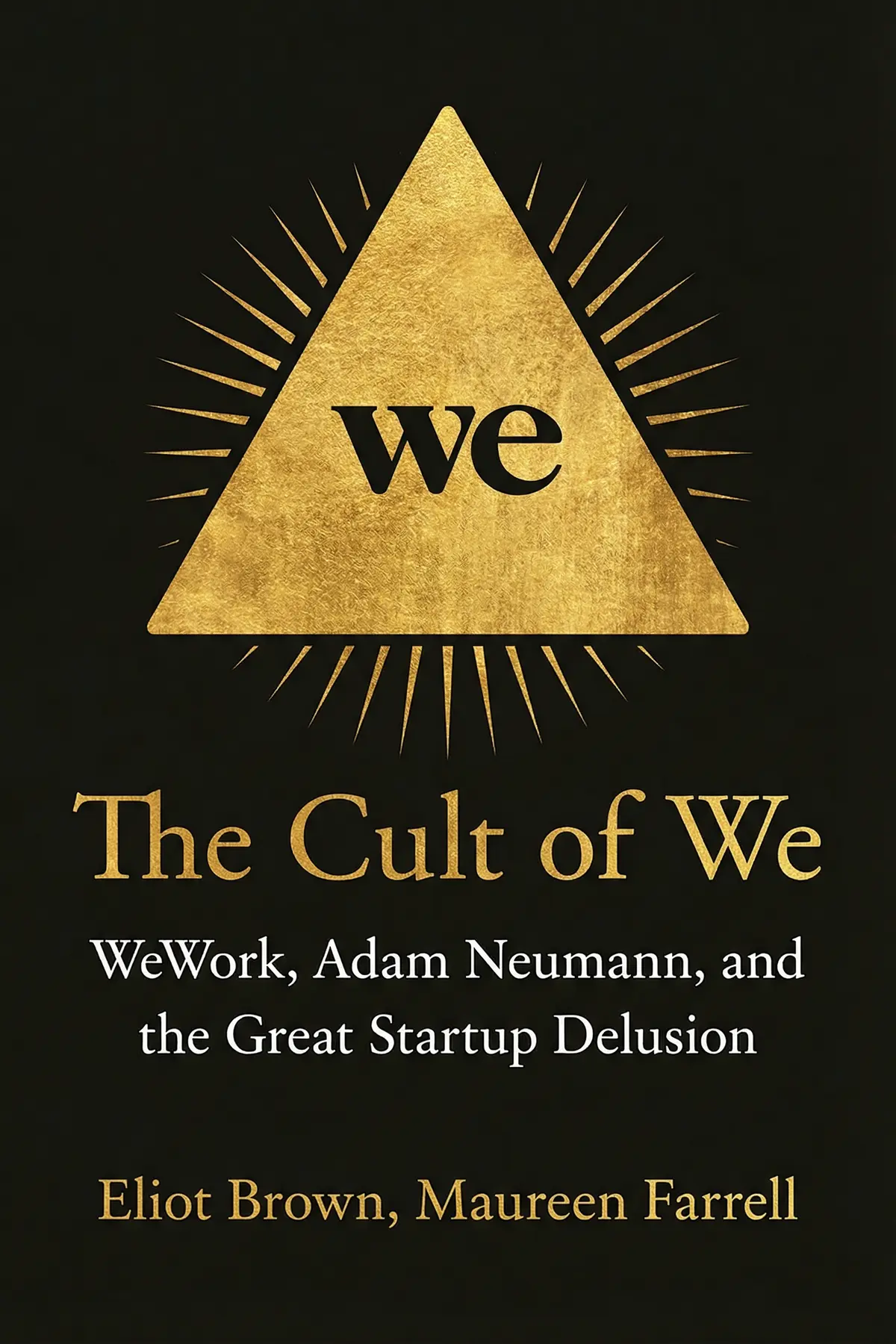
Table of Content
1. Introduction
1 min 47 sec
In the annals of corporate history, few stories are as mesmerizing or as cautionary as the rise and fall of WeWork. It is a tale that begins not just with a business plan, but with a philosophy—a promise to change the very way people live and connect. At its center was Adam Neumann, a man whose charisma seemed capable of bending reality itself. For a time, it appeared he had succeeded. He took the mundane concept of shared office space and wrapped it in a layer of spiritual ambition, convincing some of the world’s most sophisticated investors that his company was not just a real estate venture, but a movement designed to ‘elevate the world’s consciousness.’
But as we peel back the layers of this story, we find a startling gap between the image projected to the public and the reality unfolding behind the glass walls of its trendy offices. This summary explores the internal mechanics of a company that grew too fast, spent too much, and was led by a founder who eventually came to believe his own myth. We will look at how WeWork managed to achieve a staggering valuation of $47 billion, making it one of the most valuable private companies in the world, only to see that value evaporate in a matter of weeks when the light of public scrutiny was finally turned on.
Through the lens of this narrative, we see the broader trends of the modern venture capital landscape: the obsession with hyper-growth, the worship of the ‘visionary’ founder, and the danger of ignoring basic financial principles in favor of a compelling story. This is not just a book about a single company; it is a study of a culture that allowed such a phenomenon to exist. As we walk through the key moments of this journey, from the early days of a single floor in Brooklyn to the private jets and the failed IPO, we will see the red flags that were ignored and the systemic issues that led to one of the most public corporate collapses in recent memory.
2. The Power of the Prophetic Founder
1 min 57 sec
Explore how Adam Neumann used his magnetic personality to transform a simple desk-rental business into a multibillion-dollar spiritual movement that captivated global investors.
3. The Strategic Illusion of Tech Innovation
2 min 00 sec
Uncover the clever branding and accounting tricks used to convince the market that a traditional real estate firm deserved the high valuation of a software giant.
4. The SoftBank Catalyst and the Growth Trap
2 min 04 sec
See how a historic partnership with Masayoshi Son provided the massive capital that accelerated WeWork’s growth but ultimately fueled its most reckless impulses.
5. A Culture of Excess and Blurred Boundaries
2 min 03 sec
Step inside the high-octane, party-centric internal world where the lines between professional success and personal indulgence were non-existent.
6. Governance Failures and Self-Dealing
2 min 02 sec
Investigate the shocking lack of oversight that allowed the founder to treat the company as a personal piggy bank and create a web of conflicts of interest.
7. The Brutal Reality of the Public Market
1 min 58 sec
Relive the dramatic weeks surrounding the failed IPO, as the company’s private mythology crumbled under the cold logic of public investors.
8. Conclusion
1 min 34 sec
The story of WeWork and its charismatic founder serves as a modern-day myth about the perils of the ‘unicorn’ era. It highlights a period in business history where growth was prioritized over sustainability, and where a compelling narrative could substitute for a viable business model. The authors, through their meticulous reporting, show us that while charisma can build a brand and attract billions in capital, it cannot change the fundamental laws of economics. A company that spends more than it makes and lacks clear governance will eventually face a reckoning, no matter how much it claims to be changing the world.
As we look back on the debris of WeWork’s failed IPO, the lesson is clear: due diligence matters. For investors, the story is a reminder to look past the hype and the visionary rhetoric to the actual numbers. For entrepreneurs, it is a lesson in the importance of building a solid foundation and maintaining a culture of accountability. The ‘Cult of We’ may have disbanded, but the systemic issues that allowed it to thrive—the worship of the founder and the pursuit of growth at any cost—remain present in our economic landscape.
Ultimately, the rise and fall of WeWork is a testament to the power of storytelling. Adam Neumann told a story that people wanted to believe: a story of connection, purpose, and endless prosperity. But a story is only as strong as the reality it represents. When the two diverged, the collapse was inevitable. By studying this journey, we gain a better understanding of the thin line between a visionary and a charlatan, and we learn that the most important thing a company can build is not just a community, but a sustainable future.
About this book
What is this book about?
The Cult of We offers a comprehensive look at the spectacular collapse of one of the most highly valued startups in history. It traces the journey of WeWork from its humble beginnings in Brooklyn to its peak as a $47 billion global phenomenon, and finally to its disastrous attempt to go public. The narrative centers on Adam Neumann, a charismatic leader who managed to convince savvy investors that his shared-office company was a world-changing technology platform. This account explores the toxic combination of visionary ambition and financial recklessness. It details how the company’s culture became a mirror of its founder’s whims, fueled by billions of dollars in venture capital and a lack of traditional oversight. The promise of the book is to reveal the mechanics of the 'unicorn' era, showing how hype can override reality and why the fall of such companies is often as rapid as their ascent.
Book Information
About the Author
Eliot Brown
Eliot Brown joined the Wall Street Journal in 2010 to cover commercial real estate in the wake of the financial crisis. Today he reports on startups and venture capital. He previously covered economic development and local politics at the New York Observer. Maureen Farrell has been a reporter at the Wall Street Journal since 2013. She previously covered deals, bankruptcy, and startups at Forbes, Debtwire, and Mergermarket. She’s a recipient of the Newswomen's Club of New York's Nellie Bly Award.
Ratings & Reviews
Ratings at a glance
What people think
Listeners find the account to be a gripping story and a captivating read, characterized by outstanding writing and highly specific, high-quality reporting. They also like the way the text clarifies vital financial ideas and offers a worldwide viewpoint. Additionally, the work is lauded for its humorous elements and its ability to shock. Conversely, listeners express differing perspectives on the narrative's treatment of growth.
Top reviews
Siraporn
The sheer audacity of Adam Neumann is laid bare in this meticulously researched account of the WeWork disaster. Brown and Farrell bring their Wall Street Journal expertise to the table, making complex IPO mechanics and venture capital valuations remarkably accessible to the average reader. While it occasionally dives deep into the financial weeds, the narrative never loses sight of the central absurdity of the "community" being sold. Seeing Masayoshi Son and Softbank get played by a man selling office space as a "consciousness shift" is both hilarious and terrifying. It’s a sobering look at how FOMO can blind even the most seasoned investors. Some might find the prose a bit journalistic and dry in sections, but the facts are so wild they carry the weight. Truly a definitive account.
Show moreSirirat
How does a real estate company convince the world it's a tech giant worth $47 billion? This book answers that question with shocking clarity and a healthy dose of schadenfreude. Adam Neumann’s ability to sell a "Volkswagen Beetle as a super Ferrari" is the core of this tale, and the details of his excess are mind-blowing. From the $60 million private jet to the constant tequila-soaked meetings, the level of corporate waste is staggering. I appreciated the global context provided, especially the involvement of the Saudi sovereign wealth fund. It’s a compelling story that makes you question the sanity of the entire Silicon Valley ecosystem. Every chapter left me more furious than the last, which is the mark of great investigative journalism.
Show moreLuckana
Wow, what a wild ride through the landscape of corporate greed and delusional leadership. The Cult of We is a brilliant piece of investigative journalism that manages to be both informative and darkly funny. I loved the specific anecdotes about the office culture, particularly the mandatory summer camps and the bizarre hiring practices. Neumann comes across as a mesmerizing figure, even if he was clearly out of his depth. The authors handle the technical aspects of the WeWork valuation with ease, ensuring the reader understands exactly how the bubble was inflated. It’s a bit long-winded in the middle, but the payoff during the collapse is spectacular. This is essential reading for understanding the 2010s tech bubble.
Show moreChaiwat
This reads like a modern Greek tragedy dressed in a Patagonia vest. The rise of WeWork was fueled by a level of hubris that is almost hard to believe, yet the authors document every tequila shot and private jet flight with cold, hard evidence. I was particularly fascinated by the $1 billion golden parachute Neumann received while his employees' stock options turned into worthless paper. It makes you furious. The writing is sharp, though it definitely prioritizes the 'how' of the money over the 'why' of the personalities involved. It’s a must-read for anyone interested in the current state of venture capital and the dangers of founder-worship. Incredible reporting that stays with you long after you finish.
Show moreSarawut
The authors do a brilliant job of untangling the web of financial shenanigans that turned a desk-rental business into a "state of consciousness." Everything about this story is unbelievable, from the weed-filled jet flights to the way the company tried to trademark the word "We." Brown and Farrell write with a clear, authoritative voice that makes even the most complex fiscal concepts easy to grasp. I especially appreciated the ending, which highlights how little has actually changed in the venture capital world. It’s a frustrating, fascinating, and ultimately essential account of one of the greatest corporate fiascos of our time. If you want to understand the reality behind the hype, read this book.
Show moreLevi
As someone who followed the WeWork crash in the news, I thought I knew everything, but this book proved me wrong with its incredible depth. The authors do a fantastic job of explaining the "secret sauce" that wasn't actually secret—it was just real estate masquerading as tech. I was particularly gripped by the sections on Rebekah Neumann’s influence and how her search for "meaning" led to some of the company's most bizarre diversions like WeGrow. My only gripe is that it can feel a bit like a series of interconnected WSJ articles, which makes the pacing drag during the mid-section. However, the breakdown of the failed IPO is pure comedy. It's a fascinating study of hubris and the cult of the founder.
Show moreBella
Finally got around to reading this after watching the WeCrashed series, and the reporting here is just on another level. The authors provide a much broader perspective than the show, focusing heavily on the enablers in the banking world. It was enlightening to see how many people should have known better but were blinded by greed. The book is very well-written, though it leans heavily into the financial side of things. I did find the transition between the early growth years and the final collapse a bit abrupt. Still, the level of detail regarding Masayoshi Son’s erratic investment strategy makes this a must-read for anyone interested in high finance. It’s a wild ride that feels like a train wreck you can’t look away from.
Show moreSamira
Truth is, the most shocking part isn't even Adam Neumann's erratic behavior—it's the 'smart' money that enabled him every step of the way. This book provides a global perspective on how billions flowed from Softbank into a house of cards. I found the sections on Masa Son particularly illuminating; his desire to find the next Alibaba led him to ignore every glaring red flag. The authors balance the "tech-bro" partying with a serious analysis of why this was allowed to happen. It’s a bit heavy on the financial jargon toward the middle, which might slow down casual readers, but the pay-off during the failed IPO chapters is worth the effort. A very solid four-star read.
Show moreNora
If you're looking for a page-turner like Bad Blood, you might find yourself a bit disappointed by the heavy focus on IPO logistics and venture capital math. The research is clearly stellar, but at times I felt like I was sitting through an economics lecture rather than reading a corporate thriller. To be fair, the authors are financial reporters, so they excel at explaining why the money moved the way it did. I just wish there was a bit more focus on the human drama and the boots-on-the-ground perspective of the employees. It’s a solid, informative read that provides all the facts, but it lacks the narrative punch I was hoping for after watching the documentaries.
Show moreOwen
Maybe it’s just me, but I struggled to stay engaged with the endless descriptions of investment rounds and board meetings. I picked this up hoping for a character-driven drama about the Neumanns, but it felt more like reading a very long series of business reports. To be fair, the reporting is top-notch and clearly very thorough, but the "human element" gets buried under mountains of data. If you love the minutiae of corporate governance, you’ll probably enjoy this. For me, it was too clinical and lacked the propulsive, juicy energy found in other Silicon Valley expose books. It’s informative, just not very entertaining for a casual reader.
Show moreReaders also enjoyed

7 Powers: The Foundations of Business Strategy
Hamilton Helmer

Alibaba: The House That Jack Ma Built
Duncan Clark
Bad Blood: Secrets and Lies in a Silicon Valley Startup
John Carreyrou
AUDIO SUMMARY AVAILABLE
Listen to The Cult of We in 15 minutes
Get the key ideas from The Cult of We by Eliot Brown, plus 5,000+ more titles in English and Thai.
- 5,000+ titles
- Listen as much as you want
- 7-day free trial
- Cancel anytime







