
18 min 47 sec
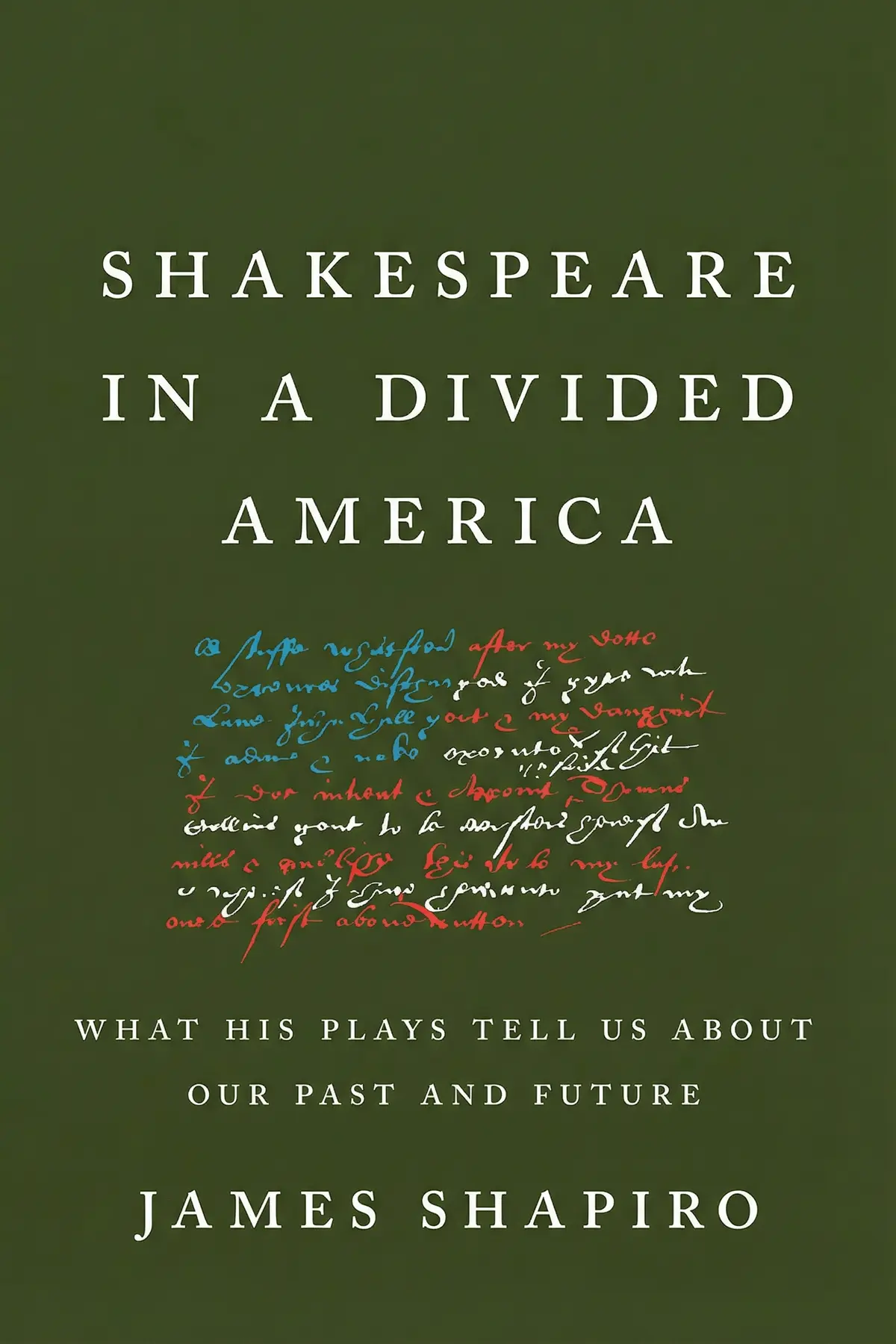
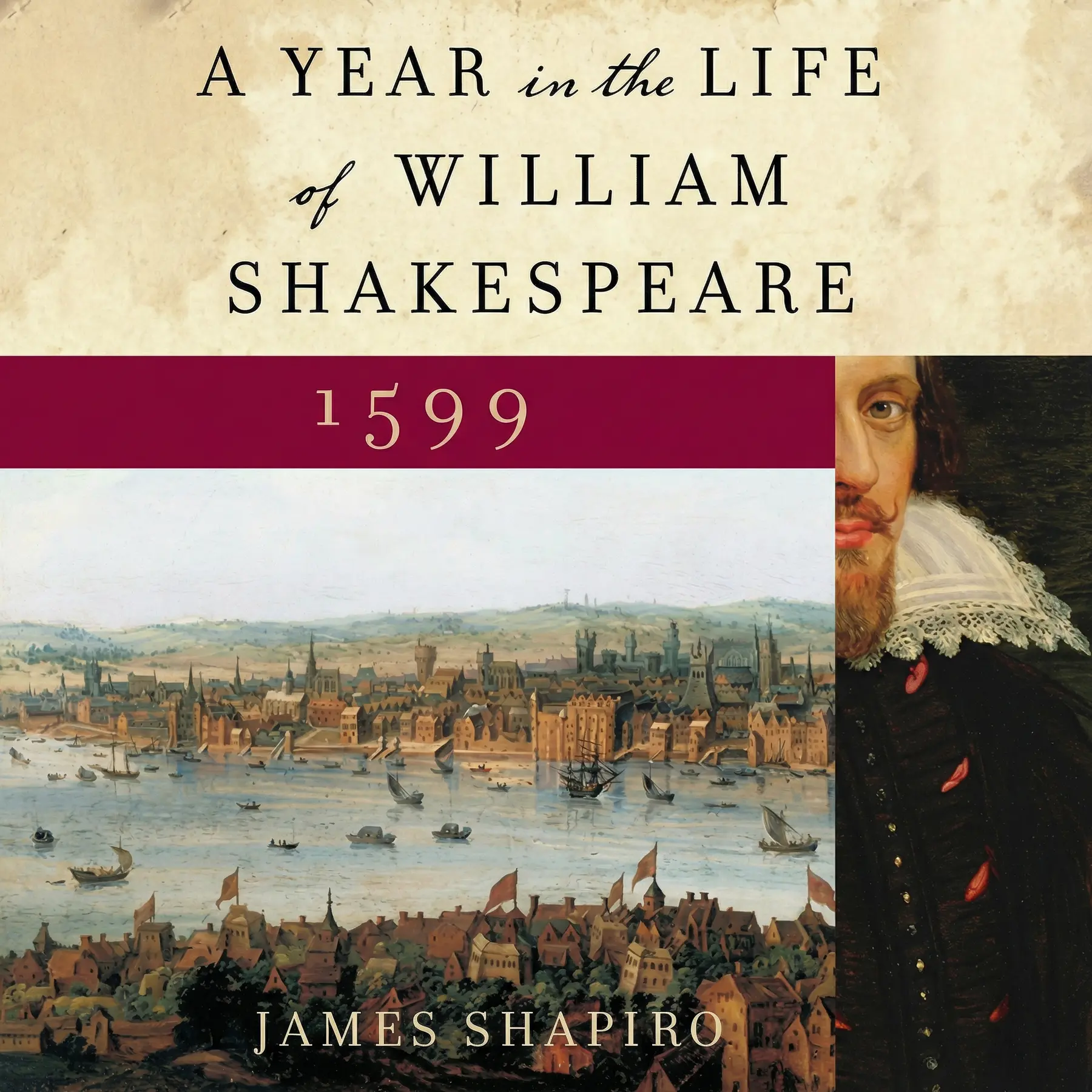
A Year in the Life of William Shakespeare: 1599
Explore the pivotal year of 1599, when William Shakespeare transformed from a successful playwright into a legendary cultural icon amidst the political turmoil and creative pressures of Elizabethan London.
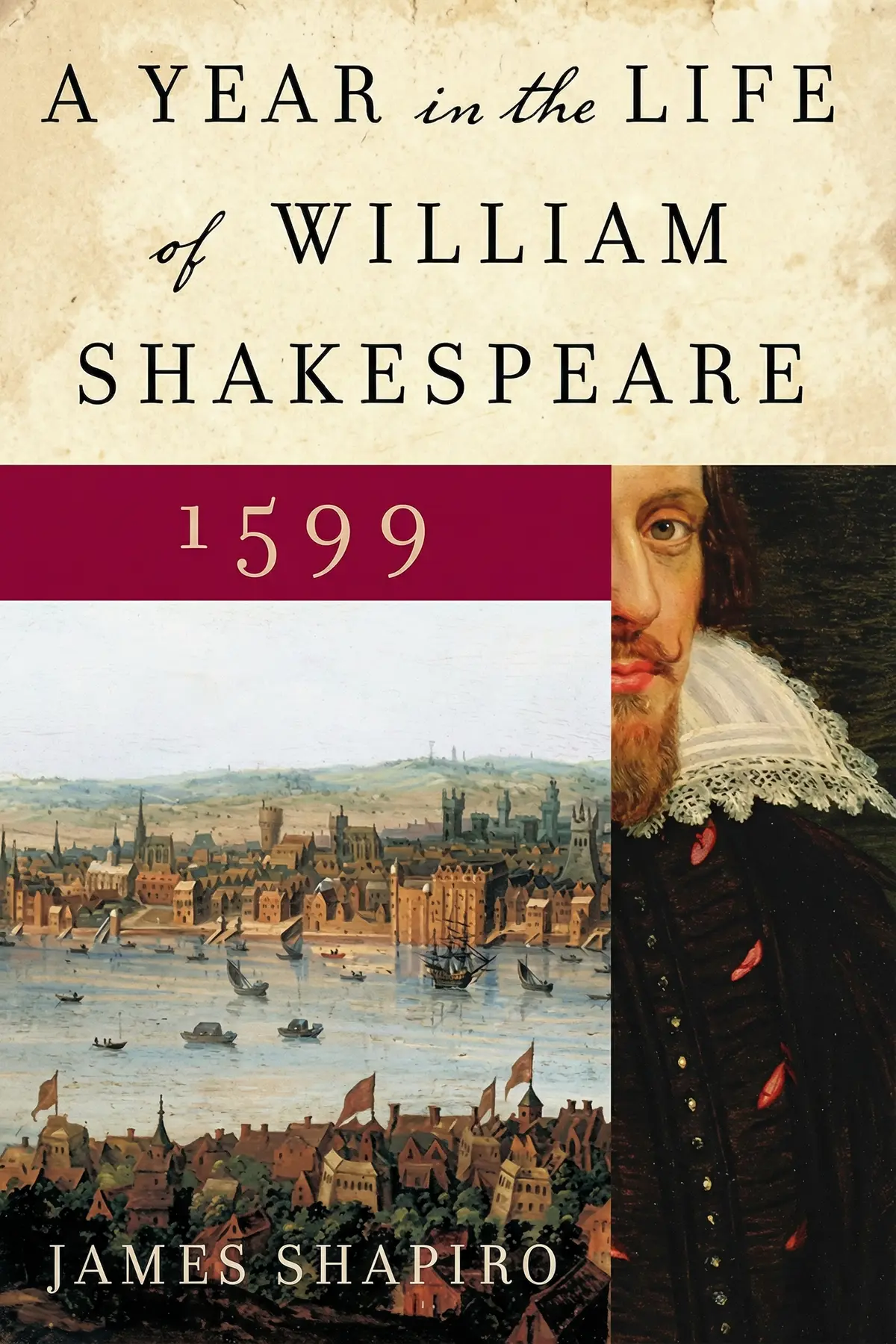
Table of Content
1. Introduction
1 min 47 sec
When we think of William Shakespeare today, we often think of him as a figure who stands above time itself. We see his plays as timeless explorations of the human soul, touching on themes of love, betrayal, and ambition that feel just as relevant in a modern skyscraper as they did in a candlelit Elizabethan theater. But while his work is certainly universal, Shakespeare himself was very much a man of his own era. He didn’t write in a vacuum; he wrote in a world of political intrigue, religious upheaval, and constant financial pressure. To truly appreciate the depth of his genius, we have to step back into the world he actually lived in.
There is perhaps no better way to do this than by looking at one specific, incredibly dense year: 1599. This was a year of massive shifts for England and for Shakespeare personally. It was the year the Globe Theatre was built, the year the city of London lived in fear of a Spanish invasion, and the year Shakespeare began to produce the works that would define his legacy. In the pages that follow, we are going to walk through the muddy streets of Southwark, listen to the echoes of political debate in the taverns, and see how the events of the day poured directly onto the pages of his scripts.
This isn’t just a biography of a writer; it’s a portrait of a specific moment in history when theater was the most powerful medium of the age. We’ll see how Shakespeare managed to balance his roles as a creative visionary and a practical businessman. We’ll explore how he captured the anxieties of a nation on the brink of change and turned them into art that would survive for centuries. By understanding the throughline of 1599, we gain a new perspective on why his characters behave the way they do and how a series of wise investments and timely insights secured his place in history.
2. The Thriving but Dangerous Theater Scene
2 min 24 sec
In the late 1590s, London was obsessed with the stage, yet the industry faced constant threats from local authorities and a sudden shortage of top-tier writing talent.
3. The Gamble of the Globe
2 min 20 sec
Taking a massive financial risk, Shakespeare and his partners decided to build their own theater, a move that would change their social status and financial destiny forever.
4. A Nation Divided by Faith and War
2 min 05 sec
The religious transformations of the 16th century placed England on a collision course with Spain, creating an atmosphere of constant tension and looming conflict.
5. Writing Through the Panic of Invasion
2 min 08 sec
As rumors of a new Spanish Armada gripped London, Shakespeare used the theater to reflect the city’s collective anxiety and military fervor.
6. The Dangerous Question of Assassination
2 min 05 sec
Through the story of Julius Caesar, Shakespeare tackled the most explosive political topic of his time: when, if ever, is it right to overthrow a leader?
7. Shakespeare the Strategic Investor
2 min 01 sec
Away from the lights of the stage, Shakespeare was a shrewd and sometimes controversial businessman who used his wealth to build a mini-empire in his hometown.
8. A Brand is Born at the Globe
2 min 19 sec
By the end of 1599, the name Shakespeare had become a powerful marketing tool, transforming the theater industry and establishing his permanent dominance.
9. Conclusion
1 min 38 sec
The year 1599 was much more than just a calendar date in the life of William Shakespeare; it was the crucible in which his legacy was forged. Through the combination of creative genius and sharp business acumen, he navigated a period of intense national anxiety and turned it into a foundation for his future success. The building of the Globe Theatre wasn’t just a construction project—it was a declaration of independence that allowed Shakespeare and his partners to control their own destiny and profit from their own labor.
As we’ve seen, the plays he wrote during this time were deeply intertwined with the reality of his world. The fear of Spanish galleons on the horizon, the bitter debates over religious loyalty, and the dangerous questions about the limits of royal power all found their way onto his stage. By addressing the specific concerns of his 1599 audience, Shakespeare ended up creating something that transcended his time. He showed us that the best way to speak to the future is to be intensely present in the now.
The final lesson of Shakespeare’s 1599 is one of resilience and adaptation. He didn’t let the threat of war or the closing of theaters stop him; he invested in himself and his company. He understood the pulse of his city and used his art to give people a way to process their fears. Today, when we watch a Shakespeare play, we are seeing the results of that one extraordinary year. We are seeing a man who was ‘of an age’—deeply involved in the politics and commerce of his time—and who, because of that very involvement, became a writer ‘for all time.’ As you move forward, consider how the pressures and challenges of your own ‘1599’ might be the very things that push you toward your greatest achievements.
About this book
What is this book about?
This summary takes a deep dive into a single, transformative year in the life of the world’s most famous playwright. By focusing on 1599, we see William Shakespeare not as a distant historical figure, but as a working artist and savvy businessman navigating a world of intense uncertainty. The year was marked by the construction of the Globe Theatre, the persistent threat of Spanish invasion, and a looming succession crisis in the English monarchy. Through this lens, we explore how Shakespeare’s environment shaped his greatest works, including Henry V, Julius Caesar, and Hamlet. We see how the religious shifts of the Reformation and the social tensions of his hometown of Stratford influenced his perspective. Ultimately, this is the story of how a specific moment in history provided the perfect conditions for a genius to cement his legacy and change the world of literature forever.
Book Information
About the Author
James Shapiro
James Shapiro is a professor of English literature at Columbia University, New York, and one of the world’s leading experts on Shakespeare. He has written numerous books on Elizabethan drama and poetry as well as the highly acclaimed study of authorship, Contested Will: Who Wrote Shakespeare? Shapiro’s A Year in the Life of William Shakespeare: 1599 won both the 2006 Samuel Johnson Prize and the 2006 Theatre Book Prize.
Ratings & Reviews
Ratings at a glance
What people think
Listeners find this work both captivating and skillfully composed, though one listener mentions it has the feel of a history textbook. It offers deep examinations of four specific plays while exploring the political landscape of Elizabethan England in 1599, successfully humanizing Shakespeare and his era. The author’s method is highly valued, with one review emphasizing the superb job in blending history.
Top reviews
Suphan
Ever wonder how a single year could define a legacy? Shapiro captures 1599 with such vividness that you can almost smell the timber of the newly constructed Globe theatre. Instead of a dry, cradle-to-grave biography, we get a surgical slice of time where Shakespeare’s genius truly crystallized. The backdrop of the Irish rebellion and the threat of a Spanish Armada adds a layer of tension that makes his writing feel like a desperate act of survival. I particularly loved the analysis of Henry V and the shifting political landscape. It's a masterful blend of historical detective work and literary appreciation. Some might find the deep dives into Elizabethan politics a bit dense, but for me, it provided the essential marrow of the plays. A towering achievement in non-fiction.
Show moreEmma
Wow. What a stunning piece of scholarship that reads like a gripping narrative. I was captivated by the account of the company literally dismantling their old theater to sneak it across the river under the cover of darkness. Shapiro treats 1599 as the pivot point where Shakespeare stopped writing popular hits and started crafting enduring masterpieces. The connection between the Irish wars and the shifting tone of the history plays was a 'lightbulb' moment for me. Personally, I think the analysis of the Ides of March in relation to contemporary London politics is worth the price of admission alone. It’s rare to find a book that balances such dazzling erudition with a genuine sense of storytelling. This is easily the best thing I’ve read on Shakespeare in years.
Show moreAlice
Picked this up on a whim and was pleasantly surprised by how much I learned about the actual business of theater. We often think of Shakespeare as this isolated genius, but Shapiro reminds us he was a partner in the Globe with real financial stakes. The drama surrounding the censorship of the time makes you realize how dangerous it was to write for the stage. Look, the chapter on Hamlet is incredibly detailed—perhaps a bit too much for a casual reader—but it’s fascinating to see the play’s evolution in real-time. The transition away from the 'post-play jigs' of Will Kemp into the more somber, psychological depth of the later plays is a great thread throughout. It’s a smart, well-constructed look at a genius at work.
Show moreTitiluck
The chapter on the construction of the Globe alone makes this a five-star read. Shapiro’s ability to weave the mundane details of Elizabethan life—like Shakespeare’s beer-making or his lack of interest in the East India Company—with the lofty themes of his greatest tragedies is just brilliant. It makes the man feel tangible. The discussion on how the Irish conflict mirrored the civil strife in Julius Caesar changed how I view that play entirely. Frankly, this is how history should be written: specific, grounded, and deeply aware of the cultural currents flowing beneath the surface. It’s a monumental task to find something new to say about Shakespeare, but Shapiro has done it here with grace and immense skill. A must-read for any history buff.
Show moreKanchana
After hearing this won the Baillie Gifford 'Winner of Winners' prize, I had high expectations, and it did not disappoint. This isn't your standard, boring biography; it’s a vibrant snapshot of a world in flux. Shakespeare is presented not as a statue, but as a working writer reacting to the collapse of chivalry and the aging of a Queen. The breakdown of the Aristotelian tragic model into something more 'irreconcilable' was a fascinating point that really stuck with me. While the narrative does lean on some 'informed speculation,' it always feels rooted in deep research. I walked away with a much richer understanding of why 1599 was the year that truly made Shakespeare the legend he is today. Absolutely brilliant and highly recommended.
Show morePrasarn
Finally got around to this after hearing so much about Shapiro’s 'micro-history' approach. It’s fascinating to see how the departure of the clown Will Kemp signaled a massive shift in Shakespeare’s creative direction toward more complex, demanding tragedies. The author does an incredible job connecting the dots between the Earl of Essex’s disastrous campaign in Ireland and the themes of power and betrayal in Julius Caesar. My only gripe is that it occasionally feels a bit like a history textbook, especially when detailing the logistics of the East India Company. However, the way it reconstructs the physical move of the Theater across the Thames is pulse-pounding stuff. If you want to understand why Hamlet is the way it is, you need to read this. It grounds the Bard in a very real, very messy world.
Show moreSarawut
Shapiro’s deep dive into 1599 is a revelatory experience for anyone who thinks they know the Bard. By focusing on a year of transition—the building of the Globe and the writing of four major plays—the author peels back the curtain on the Elizabethan creative process. The way he juxtaposes the aging Queen Elizabeth’s unpredictability with the rising censorship of the time is brilliant. You start to see the plays not just as art, but as careful political maneuvers. I was particularly struck by the discussion of the Spanish threat and how it influenced the drafting of Hamlet. It’s a dense book, and admittedly, the literary criticism can get a bit academic at times. Still, the historical context provided here is absolutely top-notch and essential for any theater lover.
Show moreSun
This book is an ambitious project, but the heavy reliance on phrases like 'Shakespeare must have felt' or 'it is likely that' started to grate on me after a while. I appreciate the historical rigor Shapiro brings to the table, yet I found the speculation regarding Shakespeare’s personal life in Stratford to be a bit thin compared to the robust political analysis. The sections on As You Like It were a highlight, offering a fresh perspective on how pastoral comedy served as a foil to the grim realities of late Elizabethan England. Truth be told, it’s a demanding read that requires a solid grasp of the plays to fully appreciate the nuances. It’s definitely not a 'Shakespeare 101' book, but it offers plenty of meat for those already familiar with his canon.
Show moreOrm
As someone who hasn't read Henry V since high school, I struggled a bit with some of the more technical play evaluations. Shapiro assumes a high level of familiarity with the text, which is fair, but it made some sections a bit of a hurdle for me. However, the historical backdrop of 1599—the 'year of the Armada' that never quite happened and the rising tension in London—was genuinely engaging. The book does an excellent job of showing how Shakespeare invested in his home life in Stratford while his career in London exploded. I wish there had been more about the Sonnets during this period, as they felt like a missed opportunity for further insight. Overall, it’s a solid, informative read, even if it occasionally lapses into academic density.
Show moreJames
Not what I expected, to be perfectly frank. While the historical research into the Earl of Essex and the Irish rebellion is clearly exhaustive, the book frequently feels buried under its own weight. I found the constant 'may have' and 'we can imagine' scenarios to be frustratingly speculative for a work of non-fiction. There are moments where the literary analysis of Julius Caesar and As You Like It is insightful, but it’s often interrupted by tedious details about malt investments and land disputes. It felt less like a biography and more like a collection of loosely connected essays on Elizabethan culture. If you aren't an absolute Shakespeare obsessive or a history scholar, this might feel like a bit of a slog. It just didn't hold my interest.
Show moreReaders also enjoyed

A Life Decoded: My Genome: My Life
J. Craig Venter
All Creatures Great and Small
James Herriot
A Splendid Exchange: How Trade Shaped the World
William J. Bernstein

A Long Way Gone: Memoirs of a Boy Soldier
Ishmael Beah
Age of Anger: A History of the Present
Pankaj Mishra
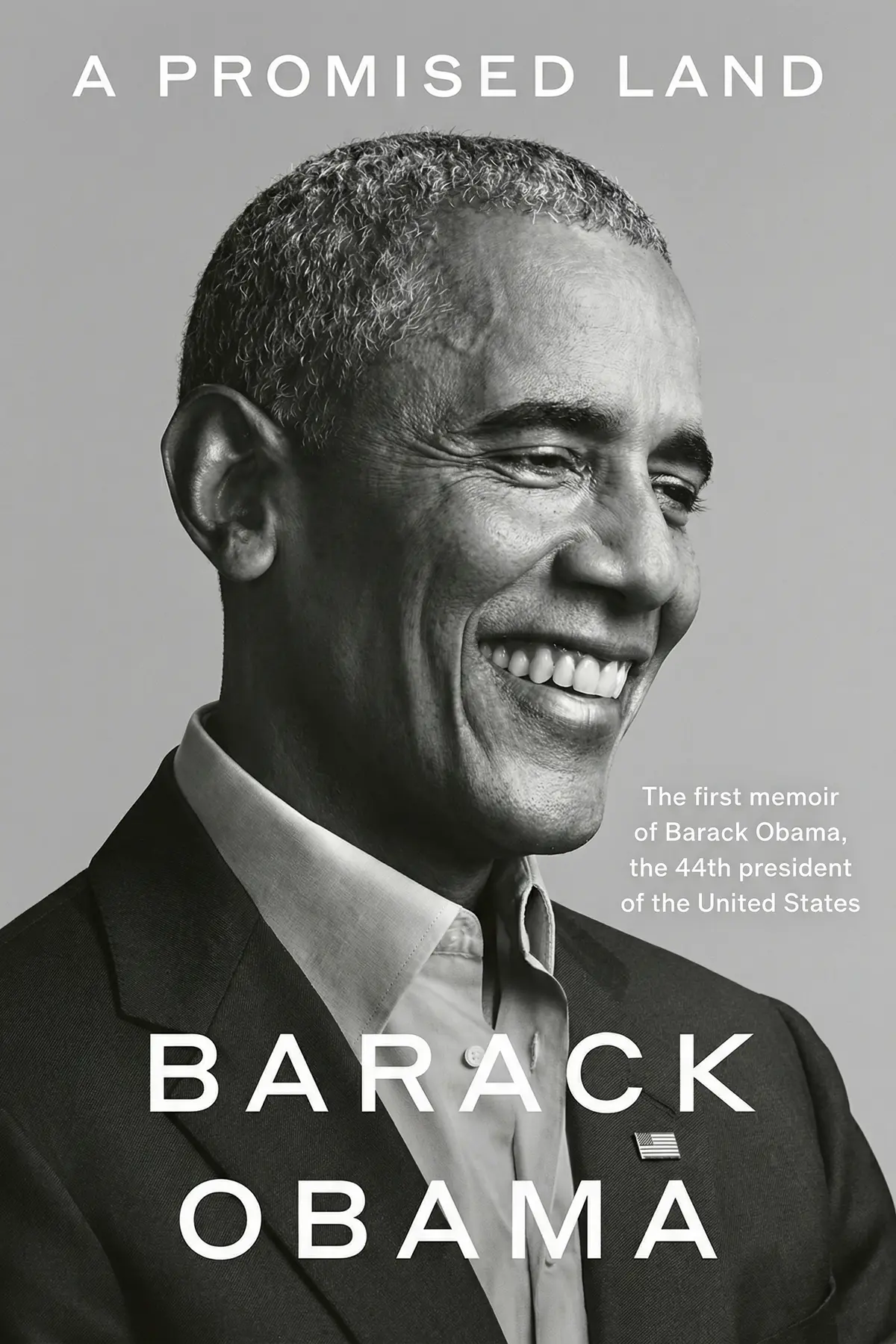
A Promised Land
Barack Obama
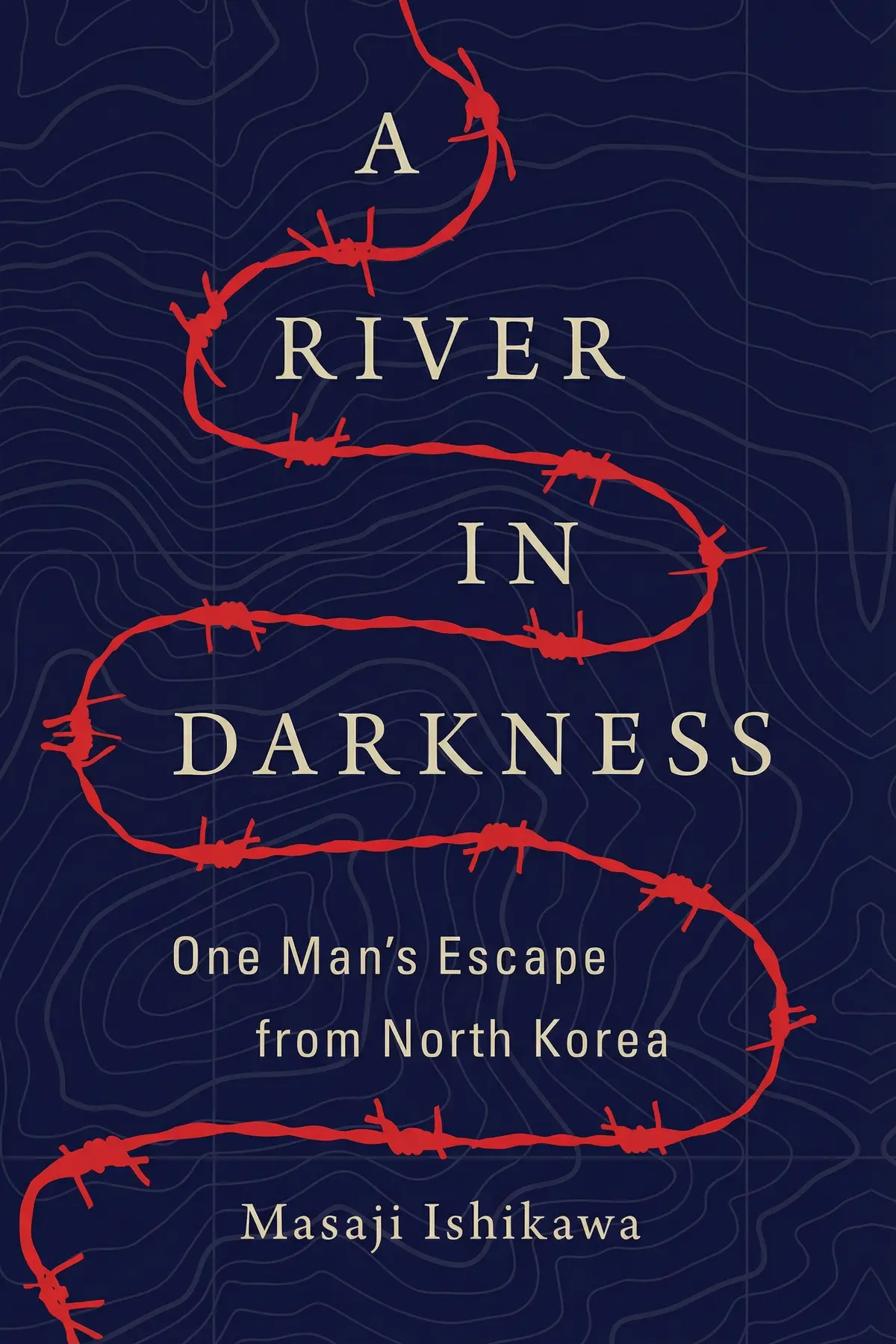
A River in Darkness: One Man’s Escape from North Korea
Masaji Ishikawa
AUDIO SUMMARY AVAILABLE
Listen to A Year in the Life of William Shakespeare in 15 minutes
Get the key ideas from A Year in the Life of William Shakespeare by James Shapiro, plus 5,000+ more titles in English and Thai.
- 5,000+ titles
- Listen as much as you want
- 7-day free trial
- Cancel anytime







