
15 min 34 sec
Bourbon Empire: The Past and Future of America's Whiskey
Bourbon Empire explores the gritty evolution of America’s signature spirit. From frontier origins and political scandals to global luxury, it reveals how whiskey shaped a nation’s economy, culture, and identity.
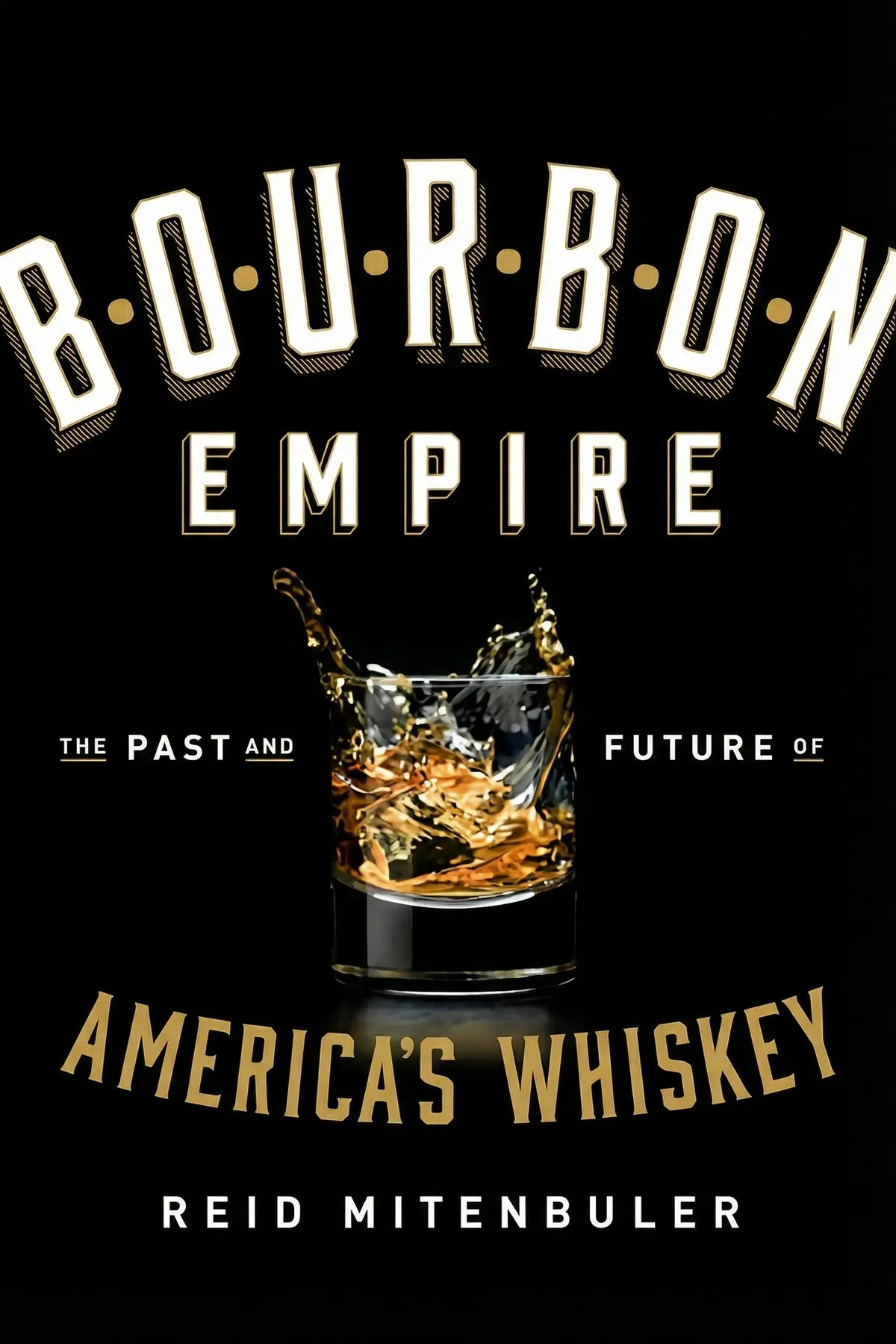
Table of Content
1. Introduction
1 min 30 sec
When you look at a bottle of bourbon, you might see a rustic label depicting a small distillery tucked away in the hills of Kentucky. You might imagine a family-run operation where recipes are passed down through generations of master distillers who care more about craft than profit. It is a compelling image, one that evokes a sense of timeless American tradition and rugged independence. However, the reality behind that amber liquid is far more complex, gritty, and intertwined with the very foundations of the United States.
Bourbon Empire takes us on a journey that begins in the damp swamps of the early colonies and winds its way through the corridors of power in Washington, D.C. This isn’t just a story about how to make a drink; it’s a story about how a drink helped make a country. It is a chronicle of greedy lobbyists, thirsty pioneers, and bureaucrats who weren’t afraid to get their hands dirty. Over the next few sections, we are going to peel back the marketing myths and look at the real forces that shaped American whiskey.
We will explore why bourbon is legally distinct from other spirits and how those laws were actually born from a desire for corporate dominance. We will see how the American Revolution gave birth to the whiskey industry as rum supplies dried up, and how the government’s attempts to control this liquid gold often led to rebellion and even death. By the end of this exploration, you’ll understand that every sip of bourbon contains a drop of American history, from the high-stakes world of modern capitalism to the desperate days of Prohibition. Let’s pour a glass and dive into the fascinating, sometimes dark, and always spirited evolution of the Bourbon Empire.
2. Defining the Identity of a Spirit
1 min 54 sec
Explore the strict legal requirements that separate bourbon from ordinary whiskey and the corporate maneuvering that cemented its status as an American icon.
3. The Revolutionary Shift from Rum to Whiskey
1 min 41 sec
Discover how the American struggle for independence turned a colonial preference for rum into a patriotic passion for home-grown corn whiskey.
4. The Illusion of the Craft Distillery
1 min 53 sec
Uncover the reality of the modern whiskey market, where a few massive corporations use heritage branding to hide their dominance over the industry.
5. Scandal and the Infamous Whiskey Ring
1 min 36 sec
Relive a period of rampant corruption where whiskey producers and government officials conspired to defraud the nation in a massive tax-evasion scheme.
6. The Poisonous Legacy of Prohibition
1 min 44 sec
Learn about the dark era of the Eighteenth Amendment, when the government’s war on alcohol led to dangerous bootlegging and thousands of deaths.
7. Rebuilding the Empire and the War Effort
1 min 53 sec
Witness the post-Prohibition era as the Big Four companies consolidated power and eventually united to support the American cause during World War II.
8. The Vodka Threat and the Luxury Rebirth
1 min 46 sec
See how bourbon survived a mid-century crisis when it was nearly replaced by vodka, only to be saved by a brilliant shift toward high-end luxury.
9. Conclusion
1 min 37 sec
The history of bourbon is much like the spirit itself: it is dark, complex, and full of surprising notes. We have seen how it evolved from a rough, frontier medicine into a multibillion-dollar empire through a combination of political maneuvering, economic necessity, and clever branding. It has survived taxes, rebellions, scandals, and even a decade-long ban, emerging each time as a more permanent fixture of American life. While the labels on the bottles might tell a story of small-town tradition, we now know that the true story is one of hardened capitalism and a relentless drive for survival.
What can we take away from this journey? Perhaps the most important lesson is to look beyond the surface of the products we consume. Whether it’s the 51 percent corn requirement or the strategic move to luxury branding, every aspect of bourbon has been carefully crafted by history. It reminds us that even our most cherished traditions are often the result of very practical, and sometimes unsavory, human ambitions.
The next time you find yourself with a glass of bourbon, don’t just gulp it down. Take a moment to really appreciate the liquid in front of you. Think about the centuries of trial and error, the farmers who fought for their livelihoods, and the distillers who had to reinvent themselves to stay relevant in a changing world. In a modern life that often feels fast and disposable, a good bourbon takes years to reach its peak. Let that be an invitation to slow down. Savor the complexity, respect the craftsmanship, and remember that you are drinking a piece of the American story. That is the true legacy of the Bourbon Empire.
About this book
What is this book about?
Bourbon Empire is a deep dive into the liquid history of the United States. While many people see bourbon as a simple cocktail ingredient or a relaxing evening pour, this narrative reveals it as a mirror of American capitalism and survival. The book traces the spirit’s journey from the earliest corn-based distillations in the Virginia wilderness to the multi-billion-dollar global industry it is today. You will go behind the labels of famous brands to discover the truth about the massive corporations that control the market and the clever marketing strategies used to create the illusion of small-town tradition. The promise of this story is a greater understanding of how politics, war, and greed transformed a harsh frontier drink into a refined symbol of status. You’ll learn about the intense lobbying efforts that legally defined bourbon, the dark days of Prohibition when the government took drastic and dangerous measures to stop drinkers, and the surprising way vodka nearly wiped out the American whiskey industry. Whether you are a connoisseur or a history enthusiast, this account provides a fresh perspective on the complex relationship between a nation and its favorite spirit.
Book Information
About the Author
Reid Mitenbuler
Reid Mitenbuler is an author based in New York who specializes in the intersection of drink culture and history. He has contributed his expertise to various prestigious publications, including Slate, Whiskey Advocate, Saveur, and The Atlantic. Bourbon Empire is his first book, establishing his voice as a meticulous chronicler of the American spirit industry.
Ratings & Reviews
Ratings at a glance
What people think
Listeners find this work exceptionally well-researched and full of information regarding bourbon’s past, featuring numerous anecdotes and interesting details throughout. The prose is superb and the narrative is captivating, with one listener observing how it integrates American politics and lifestyles. They value its accessibility, as one person describes it as a clear-cut history of the liquor, while another emphasizes its focus on economic forces. Listeners prize the book's expertise on the beverage, with one mentioning how it illustrates the deep importance and influence of whiskey.
Top reviews
Maria
Few spirits carry as much cultural weight as bourbon, and Mitenbuler does a masterful job of untangling the myths from the actual liquid in this book. I was particularly gripped by the sections on the 1897 Bottled-in-Bond Act, which transformed the government into a guarantor of whiskey quality. It’s fascinating how the industry’s 'history' is often just a marketing ruse designed to sell a specific image of Kentucky. The author’s deep dive into how 'sourcing' works for non-distiller producers was eye-opening for someone who prides themselves on knowing their labels. While the bibliography is massive, the prose itself remains incredibly fluid and accessible throughout. It feels like a definitive biography of the American spirit, covering everything from Hamilton’s controversial whiskey tax to the birth of NASCAR. If you want to understand why we drink what we drink, this is the book to grab.
Show morePrapaiwan
Finally got around to reading this micro-history, and it is essentially a biography of the American dream itself, warts and all. Mitenbuler expertly traces the spirit from its rugged, backwoods origins to the massive corporate shenanigans that define the modern market. I was fascinated by the explanation of why Kentucky became the epicenter of the industry, despite other states having the same limestone-filtered water. The way he debunked the 'ancient family recipe' myth while still respecting the craft was brilliant. It’s a rip-roaring account that covers the Revolutionary War, the dark days of Prohibition, and the eventual resurgence of the brand. Every chapter offers some new piece of trivia that I immediately wanted to share with my friends. For any history lover, this is an essential staple for your bookshelf.
Show morePacharapol
The chapter comparing the climate of Kentucky to the humidity of Scotland was worth the price of admission alone. Mitenbuler provides a gorgeous deep dive into the science of aging, explaining how alcohol breaks down lignin and vanillin to create those classic butterscotch notes. I loved how he connected the julep’s origins to ancient Arabic 'julab' rosewater. It’s rare to find a book that is this well-researched yet remains such a smooth, entertaining read. The bibliography is massive, which usually scares me off, but the writing is so engaging that you hardly notice the density of information. Whether he's discussing the 'Mexican Itch' or the corruption of the Whiskey Ring, Mitenbuler keeps the narrative moving at a brisk pace. This is easily the best whiskey history I’ve encountered in years.
Show morePing
Picked this up on a whim and was immediately sucked into the grit and grime of early American distilling. The way the author links the evolution of bourbon to the 'gobble, gulp, and go' work ethic of the United States is brilliant. It’s not just about the drink; it’s about how we shaped our laws and our identity around it. From the medicinal whiskey of Prohibition to the high-stakes world of Pappy Van Winkle, the story never stops being interesting. I appreciated the advice on how to store bottles—keep that air out!—and the blunt assessment of vodka as the opposite of bourbon’s character. This is a great micro-history that feels both personal and expansive. If you enjoy learning about the hidden forces behind everyday products, you will find this absolutely compelling.
Show moreNathan
As a casual fan of the 'biography-of-a-thing' genre, I was surprised by how much I didn’t know about my favorite nightcap. The connection between bourbon and the birth of Walgreens was a genuine 'aha!' moment for me. Mitenbuler writes with a wonderful style that weaves through US politics and changing social lifestyles with ease. I particularly liked the technical explanations of why white oak barrels are essentially the 'low and slow' barbecue of the spirits world. My only minor gripe is that the book occasionally drifts away from bourbon into general American history, which might frustrate those looking for a tighter focus. Still, the storytelling is engaging and the anecdotes about F. Scott Fitzgerald and the Kentucky Derby keep things moving. It's a solid 4-star read that pairs perfectly with a neat pour.
Show moreJai
Ever wonder why your 'artisan' bourbon might actually be mass-produced in a factory that makes torpedo fuel? This book pulls back the curtain on the marketing ruses of the spirits industry in a way that is both cynical and deeply informative. Frankly, I was shocked to learn how much of the flavor is just a result of the barrel acting as a solvent on the wood. The distinction between column stills and pot stills was explained clearly without getting too bogged down in chemistry. I did find the sections on NASCAR and bootleggers a bit more interesting than the corporate merger talk, but it all serves the larger story. It’s an easy-to-follow history that manages to be both a smooth read and a thorough investigation. A must-read for anyone who cares about the provenance of their liquor.
Show moreYui
Gotta say, the marketing myths surrounding 'ancient family recipes' are thoroughly debunked here, and it’s about time someone did it. The book is an excellent look at how American whiskey is tied to the nation’s growth, from the first president’s distillery to the modern global empire. I particularly enjoyed the bits about 'sour mash' and how it's actually a standard methodology rather than a secret style. To be fair, there are some moments where the prose feels a bit like it's looping back on itself, but the strength of the anecdotes carries it through. Learning about the 'rednecks' of the Scots border and their loud-talking 'craik' was a highlight. It’s a thorough, thoughtful account that doesn't shy away from the criminal activities that helped build the industry.
Show moreThawee
Is it possible for a book to be both deeply researched and strangely unfocused at the same time? To be fair, I enjoyed the early chapters detailing the Scots-Irish influence and the etymology of terms like 'redneck' and 'cracker.' However, the narrative starts to feel quite repetitive by the halfway mark. I noticed several sentences that seemed almost verbatim from earlier sections, making me wonder if the editing process was a bit rushed. The middle portion regarding the transition to corporate distilling gets a little dry, and the excitement of the Whiskey Rebellion era fades into a slog of economic data. It’s a decent enough read if you’re a history buff who doesn’t mind some circularity, but casual drinkers might find it a bit too dense. I liked it, but I didn't love it as much as I hoped I would.
Show morePalm
Not what I expected from a book about booze, as it reads more like an economic history than a tasting guide. Personally, I found the historical origins of the original distilleries absolutely fascinating, but my interest waned as the timeline approached the present day. The book gets very technical about grain neutral spirits and column still mechanics, which might be a bit much for the average reader. Also, the author’s tone can be a little repetitive when he’s hammering home the point that bourbon history is mostly invented by marketers. It is a very interesting read if you like learning about things you typically don’t give much thought to, but it’s not exactly a page-turner. I don't even drink bourbon, yet I found the research compelling enough to finish.
Show moreThongchai
The truth is, I wanted to love this, but the narrative felt like a rough draft that skipped the final polish. I’m an avid bourbon enthusiast, yet I struggled to stay engaged when the author kept repeating the same points about marketing versus reality every few pages. It reads more like a collection of disjointed notes than a cohesive history of American whiskey. Honestly, you would probably get a better education on the subject by just taking the tours at the Jack Daniels or Jim Beam distilleries in person. The lack of a strong editorial hand is palpable here, and it makes the 300+ pages feel twice as long as they actually are. While the research is clearly there, the execution left me feeling frustrated and ready to reach for a bottle instead of the next chapter.
Show moreReaders also enjoyed
A Year in the Life of William Shakespeare: 1599
James Shapiro
Age of Anger: A History of the Present
Pankaj Mishra
1491: New Revelations of the Americas Before Columbus
Charles C. Mann
Agent Sonya: The Spy Next Door
Ben Macintyre

A Biography of Loneliness: The History of an Emotion
Fay Bound Alberti
Alexander Hamilton
Ron Chernow
1929: Inside the Greatest Crash in Wall Street History--and How It
Andrew Ross Sorkin
AUDIO SUMMARY AVAILABLE
Listen to Bourbon Empire in 15 minutes
Get the key ideas from Bourbon Empire by Reid Mitenbuler, plus 5,000+ more titles in English and Thai.
- 5,000+ titles
- Listen as much as you want
- 7-day free trial
- Cancel anytime







