
20 min 10 sec
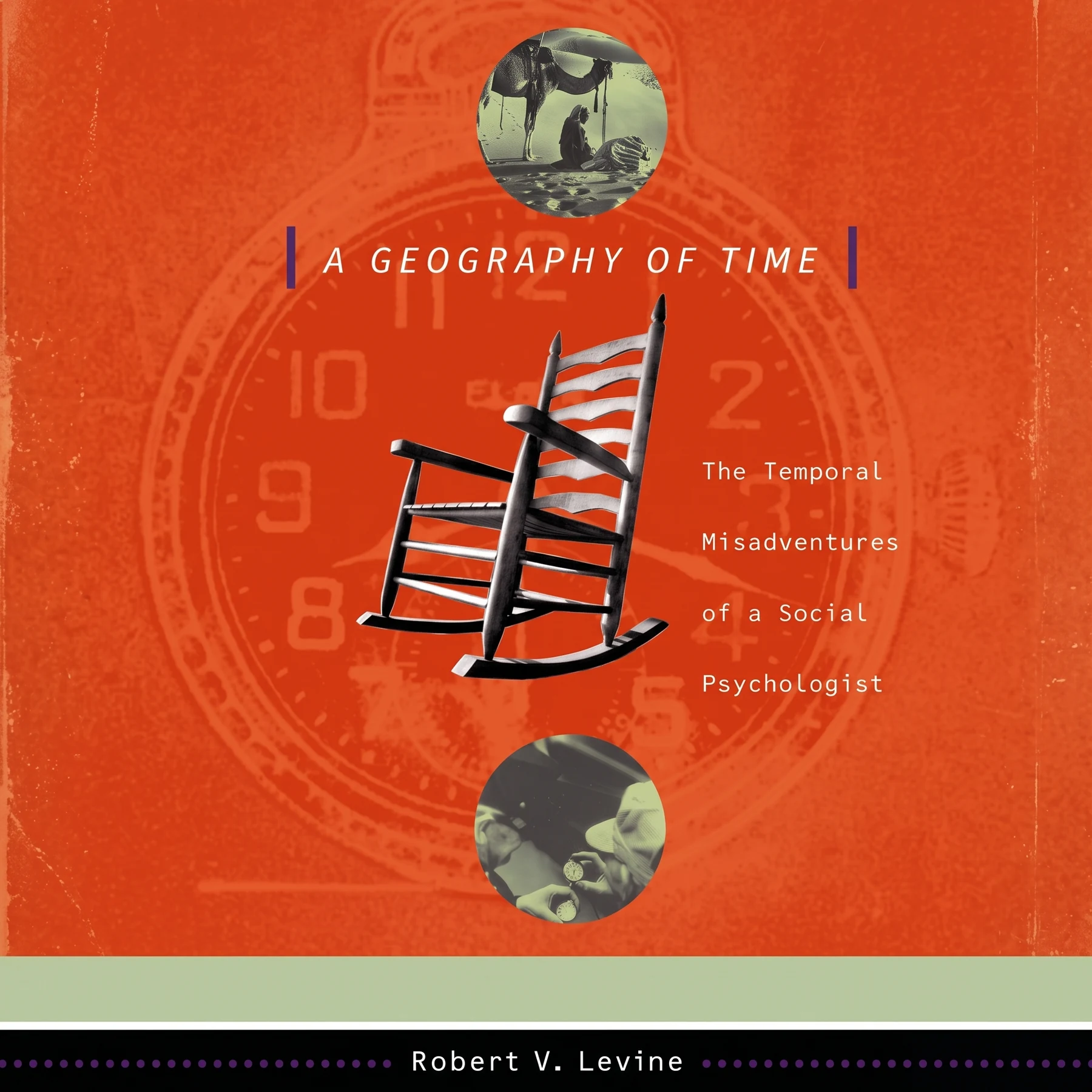
A Geography of Time: The Temporal Misadventures of a Social Psychologist
Explore how different cultures perceive and utilize time. This summary examines the global pace of life, the history of clocks, and how our social environments influence our health and happiness.
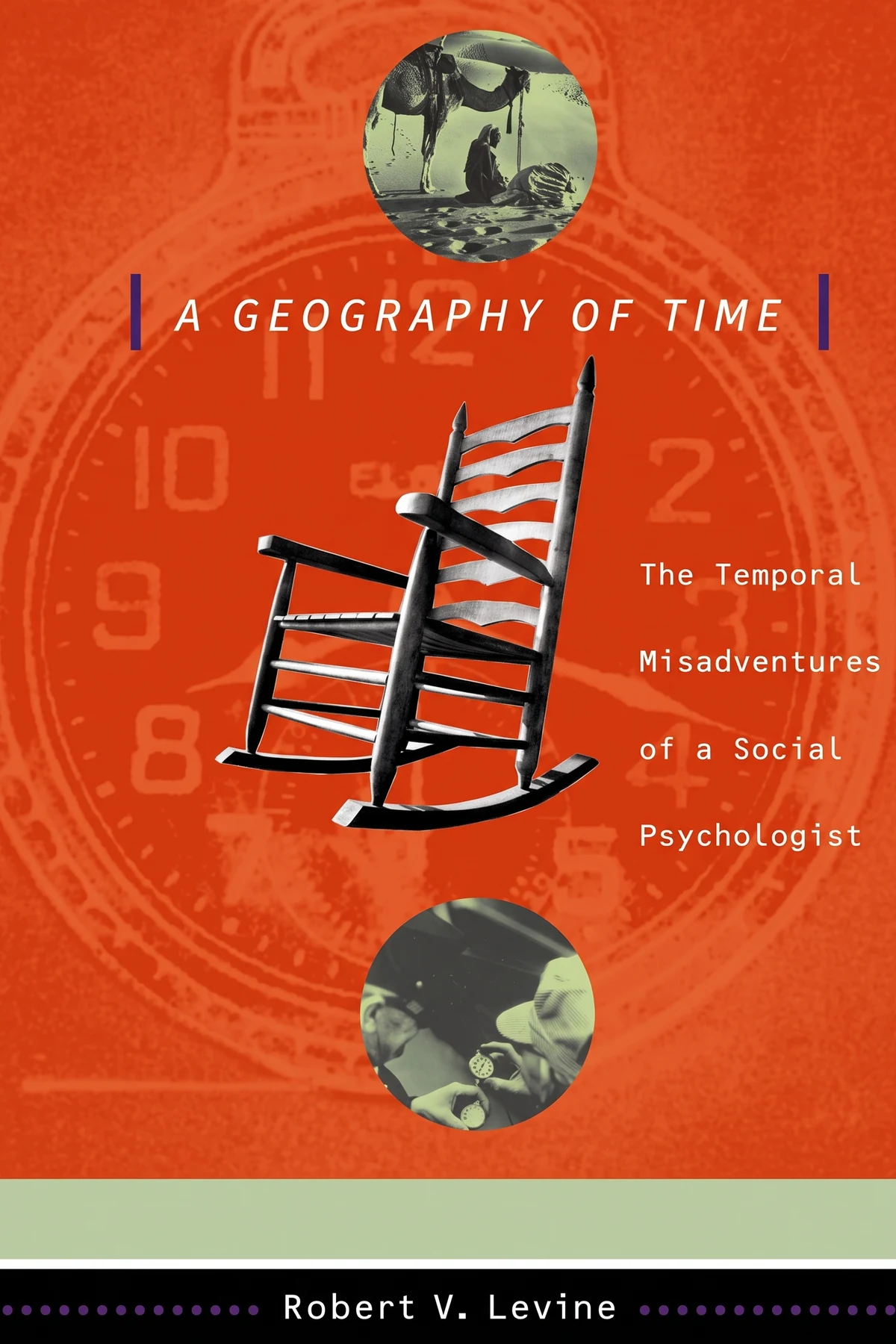
Table of Content
1. Introduction
1 min 48 sec
Think for a moment about the last time you felt truly out of sync with the world around you. Perhaps you were visiting a bustling metropolis where everyone seemed to be sprinting to an invisible finish line, or maybe you found yourself in a sleepy coastal village where the very idea of a schedule felt like a foreign language. We often talk about culture in terms of food, art, or history, but there is an invisible dimension that shapes our lives just as profoundly: the dimension of time.
In our exploration of Robert N. Levine’s work, we are going to look at what he calls the geography of time. This isn’t just about time zones or GMT offsets. It is about the internal heartbeat of a society—the shared expectations of how fast life should move, how long a task should take, and how much value we place on a single minute. As Albert Einstein famously noted, time is relative, but that relativity isn’t just a matter of physics and black holes. It’s a social reality. An hour in a high-stress office in Manhattan feels fundamentally different from an hour spent on a porch in the rural South.
Throughout this summary, we will travel through the history of how human beings went from living by the sun to being governed by the wrist-bound ‘handcuffs’ of the modern clock. We will see how wealth, climate, and technology conspire to speed us up, and we will look at the hard data behind which countries are the world’s speed demons and which are its slow-paced philosophers. Most importantly, we will examine the consequences of these tempos—how they affect our hearts, our happiness, and our willingness to help a stranger in need. By the end, you’ll have a new set of tools to navigate the global landscape of time, allowing you to master your own rhythm rather than being a slave to the ticking of a machine.
2. The Concept of Social Tempo
2 min 17 sec
Discover how the hidden pulse of a society dictates everything from the speed of your walk to the depth of your conversations.
3. The Evolution of Timekeeping
2 min 13 sec
Trace the journey from the natural movements of the sun to the mechanical precision that eventually standardized our lives.
4. The Standardization of the World
2 min 04 sec
How the expansion of the railroads forced a chaotic world of local times into a unified, rigid global system.
5. The Psychology of Time Perception
2 min 08 sec
Explore why time flies when you’re having fun and drags when you’re bored, and how your personality affects your internal clock.
6. Mapping the Global Pace of Life
2 min 04 sec
Take a look at the data-driven rankings that reveal which countries are the fastest and slowest on the planet.
7. Health, Happiness, and the Fast Lane
2 min 01 sec
Investigate the surprising paradox where the fastest cities are often both the most stressed and the most satisfied.
8. The Great Divide: Clock Time vs. Event Time
1 min 53 sec
Understand the fundamental difference between living by the numbers and living by the natural conclusion of an activity.
9. Developing Time Literacy
2 min 00 sec
Learn how to master the skill of adjusting your internal pace to match the world around you, leading to a more balanced life.
10. Conclusion
1 min 42 sec
As we wrap up our journey through the geography of time, it’s worth reflecting on how much of our daily stress comes from trying to force a single, rigid rhythm onto a world that is naturally diverse. Robert N. Levine’s research shows us that there is no ‘correct’ way to manage time. Switzerland isn’t ‘better’ because it’s fast, and Brazil isn’t ‘worse’ because it’s slow. They are simply different responses to the environments, economies, and histories that shaped them.
The most important takeaway is that while we may live in a world governed by synchronized clocks and global markets, we still have the power to choose our own tempo. We can recognize the ‘hurry sickness’ that comes from perpetual rushing and choose to step out of the race when necessary. We can also appreciate the productivity that a fast pace allows without letting it destroy our health. The key is adaptability. By practicing time literacy, we can move through different cultures and social circles with ease, understanding that a late arrival might be an insult in one place and a gesture of relaxed friendship in another.
Ultimately, time is our most precious and finite resource. We can spend our lives chasing the second hand of a clock, or we can learn to listen to the rhythms of our own bodies and the needs of our communities. The goal isn’t to find more time—it’s to find more life within the time we have. Whether you decide to speed up to achieve your dreams or slow down to savor a sunset, remember that the clock is just a tool. You are the one who decides how the music of your life will be played. Take a deep breath, look at the world around you, and find the beat that feels just right.
About this book
What is this book about?
A Geography of Time explores the invisible yet powerful forces that dictate the tempo of our lives. Social psychologist Robert N. Levine takes readers on a global journey to investigate why some cultures seem perpetually rushed while others embrace a more leisurely flow. By measuring walking speeds, postal efficiency, and clock accuracy across thirty-one countries, the book uncovers the economic, environmental, and psychological factors that shape our relationship with the clock. The book promises a deeper understanding of the clash between 'clock time' and 'event time.' It moves beyond simple observations of punctuality to analyze the profound impact that a culture’s pace has on the physical well-being and social fabric of its citizens. From the high-pressure workweeks of Japan to the relaxed streets of Brazil, Levine provides a framework for 'time literacy,' helping readers adapt to different cultural rhythms and find a personal balance that fosters both productivity and peace of mind.
Book Information
About the Author
Robert V. Levine
Robert V. Levine is a distinguished social psychologist and professor emeritus at California State University, Fresno. He is widely recognized for his pioneering research into time perception, cross-cultural behavior, and the pace of life. His work blends rigorous psychological methodology with observant cultural analysis, making complex social dynamics accessible and engaging for a broad audience throughout his career.
Ratings & Reviews
Ratings at a glance
What people think
Listeners consider the work highly educational, emphasizing its value in comprehending diverse global societies. They are also impressed by how easy it is to read, with one listener pointing out its practical applications for global commerce. Furthermore, the book is praised for its deep cultural observations; one listener portrayed it as an intriguing voyage through various civilizations, and another remarked on how different societies manage their time.
Top reviews
Aurora
Ever wonder why New York feels like a pressure cooker while a stroll in Brazil feels like an eternity? Robert Levine tackles this brilliantly by mapping out the 'geography' of our internal and external rhythms. I found his breakdown of 'event time' versus 'clock time' particularly enlightening for my own cross-cultural work. It’s not just about being late or on time; it’s about a fundamental worldview that dictates how societies function. Frankly, the book is incredibly readable and avoids the dry, academic slog you might expect from a psychology text. While some of the research feels a bit older, the core message about how tempo affects our hearts and minds remains incredibly relevant. It’s a fascinating journey that forces you to question your own frantic pace. I highly recommend it for travelers.
Show moreIsaiah
Wow, this was a total eye-opener. I never considered that the 'tempo' of my city could be directly linked to my health. Levine’s exploration of 'hurry sickness' hit home for me. I live in a fast-paced city. It’s fascinating how social support can actually mitigate the physical toll of a high-speed life in places like Japan. This book didn't just teach me about other cultures; it made me want to slow down. I loved it. The section on how colder climates tend to move faster was particularly interesting. It makes so much sense when you think about it. Absolutely essential reading for the modern age. I’ve been recommending it to all my stressed-out friends.
Show moreNew
Picked this up before a work trip to Tokyo and it really changed how I view my schedule. It’s easy to get frustrated with different cultural paces, but Levine explains the 'silent language' that governs these interactions. The book is an informative guide for anyone working in international business who needs to understand why a deadline in Japan means something different than one in Mexico. I appreciated the conversational tone, though I did notice a few typos and some repetitive phrasing toward the end. Truth is, we often ignore how much the environment—like climate or economy—dictates our speed. This isn't just pop science; it's a practical tool for navigating a globalized world where everyone is running on a different clock. It is worth the read.
Show moreCarter
The chapter on the historical shift from 'event time' to 'clock time' was easily the highlight for me. Levine does a great job explaining how industrialization and the rise of the railroad forced a standardized rhythm onto a world that once followed the sun. It makes you realize that our obsession with punctuality is a relatively recent invention, not a biological necessity. Personally, I enjoyed the mix of personal anecdotes and the 31-country study, even if the results for places like Ireland and Italy were surprising. The writing is accessible, though the 'hurry sickness' sections felt a little like a self-help book from the 90s. Still, it’s a solid deep dive into a dimension of life we usually take for granted. It provides a much-needed perspective shift.
Show moreLillian
As someone who struggles with 'hurry sickness,' reading this felt like a much-needed therapy session. Levine’s personal epiphany after returning from Brazil really resonated with me—the realization that we often fill our lives with 'shoulds' that don't actually matter. I found the section on 'time literacy' extremely helpful for my own personal growth. It’s about learning to shift gears rather than just racing toward the finish line every single day. The book is peppered with funny stories about waiting in line or making appointments that anyone who has traveled will recognize. While it could use an update to reflect how smartphones have changed our perception of time, the psychological insights remain quite sharp. It's a thoughtful, humanizing look at our most precious resource. Good for the soul.
Show moreSau
Look, if you’re doing business abroad, this should be required reading on your flight. Understanding the difference between a 'fast' culture like Switzerland and a 'slow' one like Indonesia is vital. It’s the difference between success and a disaster. Levine provides a great framework for understanding these invisible boundaries. I particularly liked the discussion on how 'time equals money' in industrialized nations versus the 'event-based' focus elsewhere. Not gonna lie, some of the scientific rigor is a bit light. He relies on stories more than statistics. But for a general audience, the readability is top-notch. It helped me realize that my own sense of urgency isn't universal. It's just a habit. This is a very helpful resource for global citizens.
Show moreMan
After hearing about the 'walking speed' study, I had to see the full results for myself. Levine’s research into 31 different countries provides a unique window into the soul of a nation. It’s fascinating to see how something as simple as how fast people walk or how accurate the public clocks are can reveal so much about a society’s values. Some of the findings, like Italy being one of the fastest, really challenged my existing stereotypes. Actually, the book is a bit of a mixed bag—part travelogue, part history lesson, and part social experiment. Personally, I would have preferred more of the latter and fewer personal musings. Still, the overall experience was very rewarding and it’s a quick, informative read for anyone curious about the human condition. It’s quite a journey.
Show moreConnor
I’ll be honest, Levine is a decent storyteller, but I wanted more hard data to back up his grand claims. He spends a lot of time on amusing misunderstandings in places like Pakistan or Brazil, which are fun, but he struggles with causality. Why do cultures develop these specific time senses? His answer often feels like 'because that's their culture,' which doesn't really explain anything. In my experience, the book is definitely informative and gives a good overview of how the Western world became so clock-obsessed. However, the lack of control groups in his experiments—like the Salt Lake City example—left me feeling skeptical about his broader scientific conclusions. It’s a decent introductory text, but don't expect a rigorous academic treatise. It is fine for a casual Sunday read.
Show moreNiphon
Finally got around to this classic, yet I can't shake the feeling it's trapped in the late nineties. Some of the terminology used to describe different ethnic groups feels incredibly dated, and the lack of digital-age context is noticeable. That said, the core observations about 'walking speed' and post office efficiency in different countries are still quite entertaining. Gotta say, Levine’s writing is a bit flat at times, and I spotted several glaring typos that an editor should have caught. It’s an okay read if you’re interested in the history of timekeeping or basic social psychology. Just be prepared for a lot of anecdotes about the author’s time in Brazil which, while sweet, start to feel repetitive after a while. It’s a bit shallow in parts.
Show moreEnd
Not what I expected from a social psychologist, to be honest. While the premise is fantastic, Levine relies far too heavily on anecdotal fluff rather than rigorous empirical evidence. I found his logic regarding the 'fastest' cities quite flawed. He ignores obvious variables like smoking when discussing heart disease in Salt Lake City. The research feels decades out of date. He frequently references studies from the fifties that don't reflect our modern, hyper-connected reality. To be fair, his descriptions of life in Brazil are charming. They don't justify a whole book of 'cultural relativism' though. It’s a light read. But if you’re looking for hard science, you’ll likely find this a waste of your time. It failed to deliver on its scientific promise.
Show moreReaders also enjoyed


59 Seconds: Change Your Life in Under a Minute
Richard Wiseman
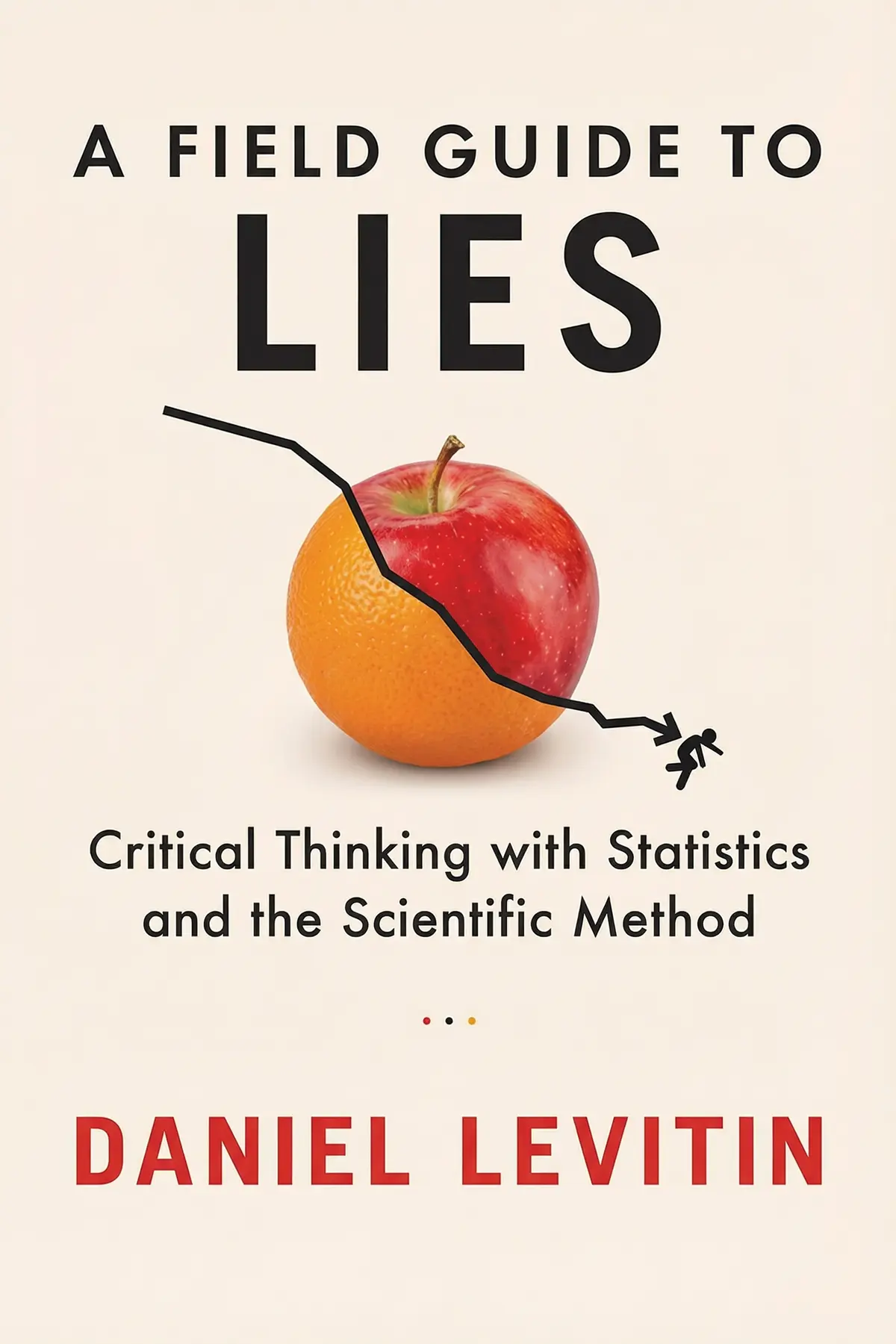

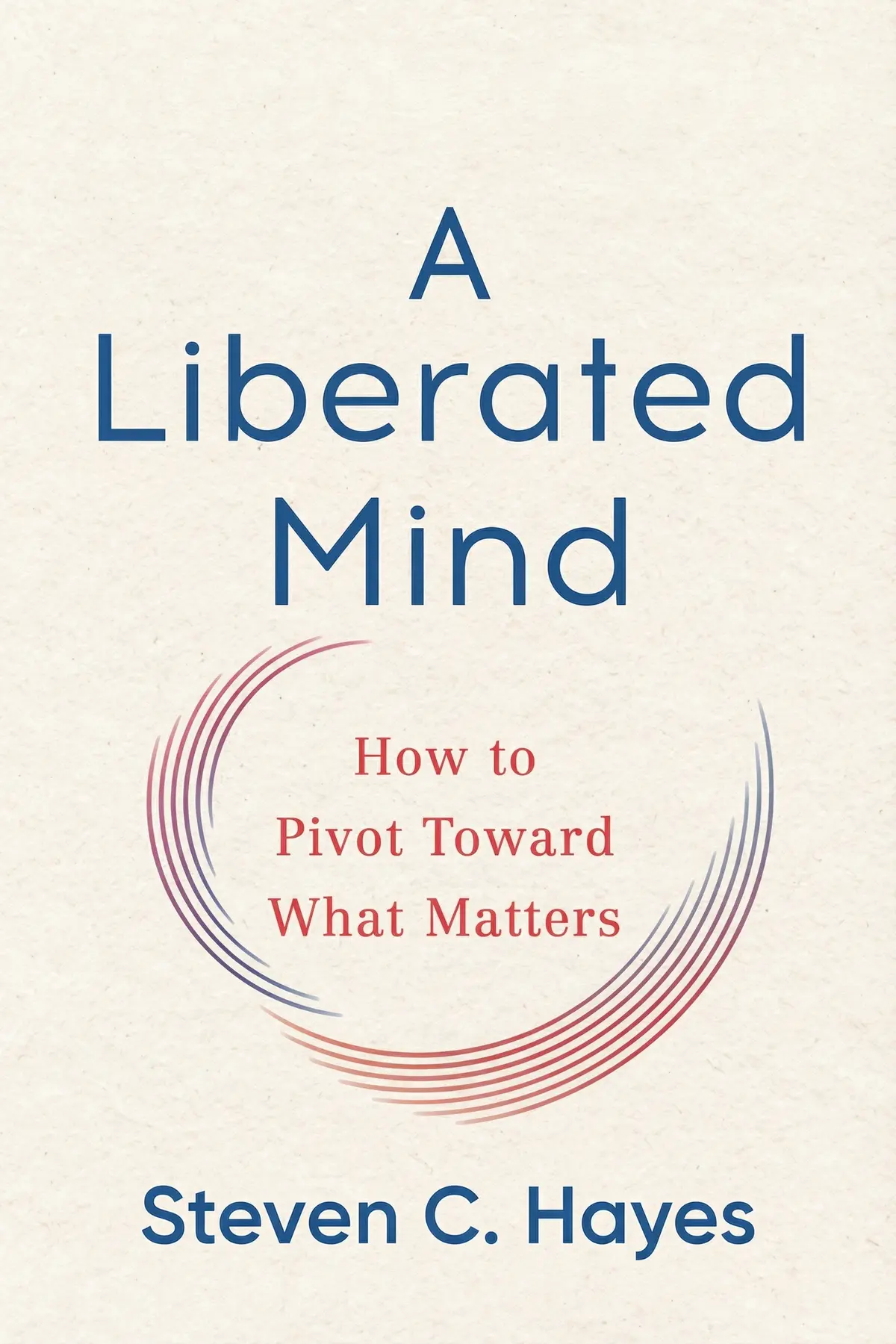
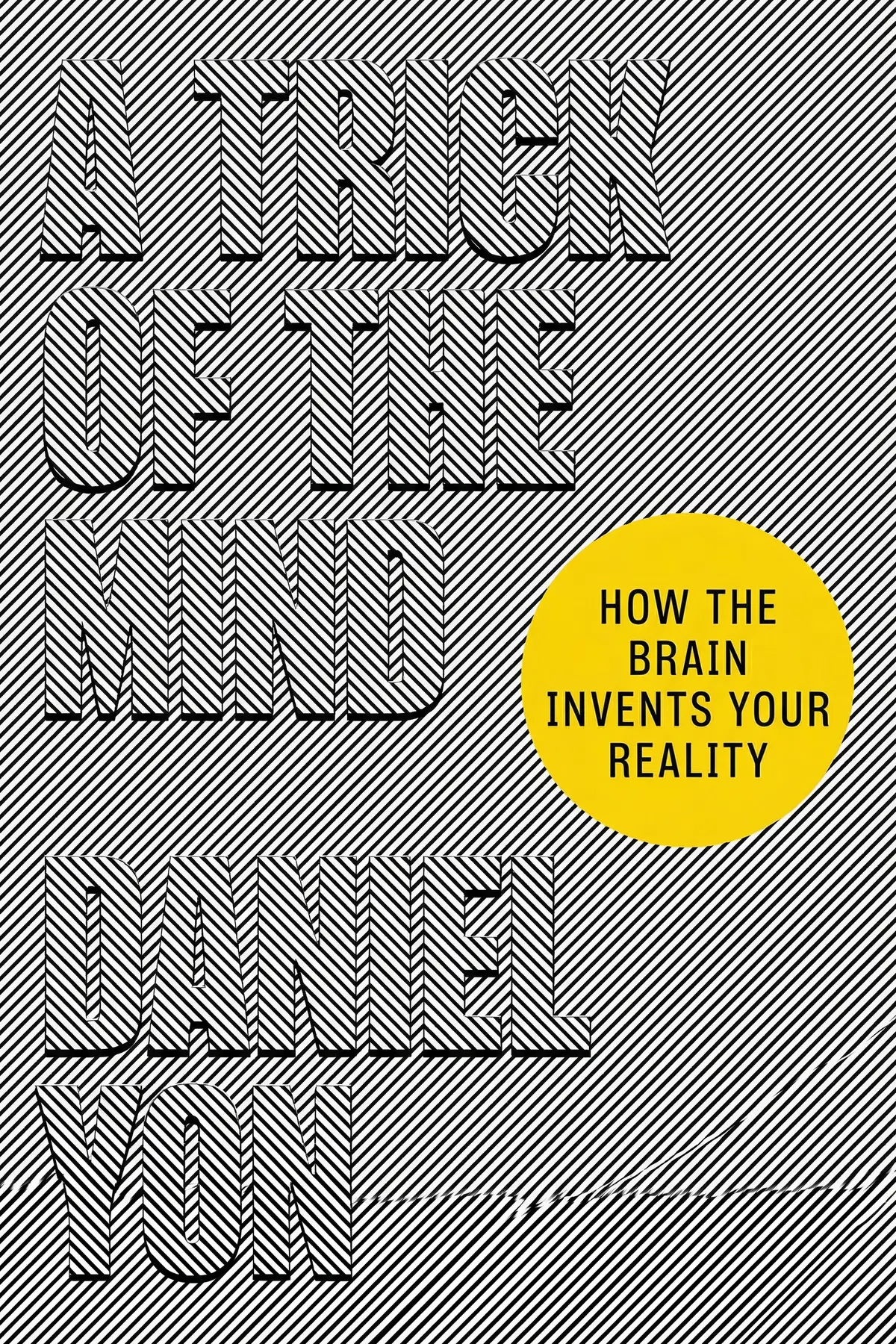
A Liberated Mind: How to Pivot Toward What Matters
Steven C. Hayes
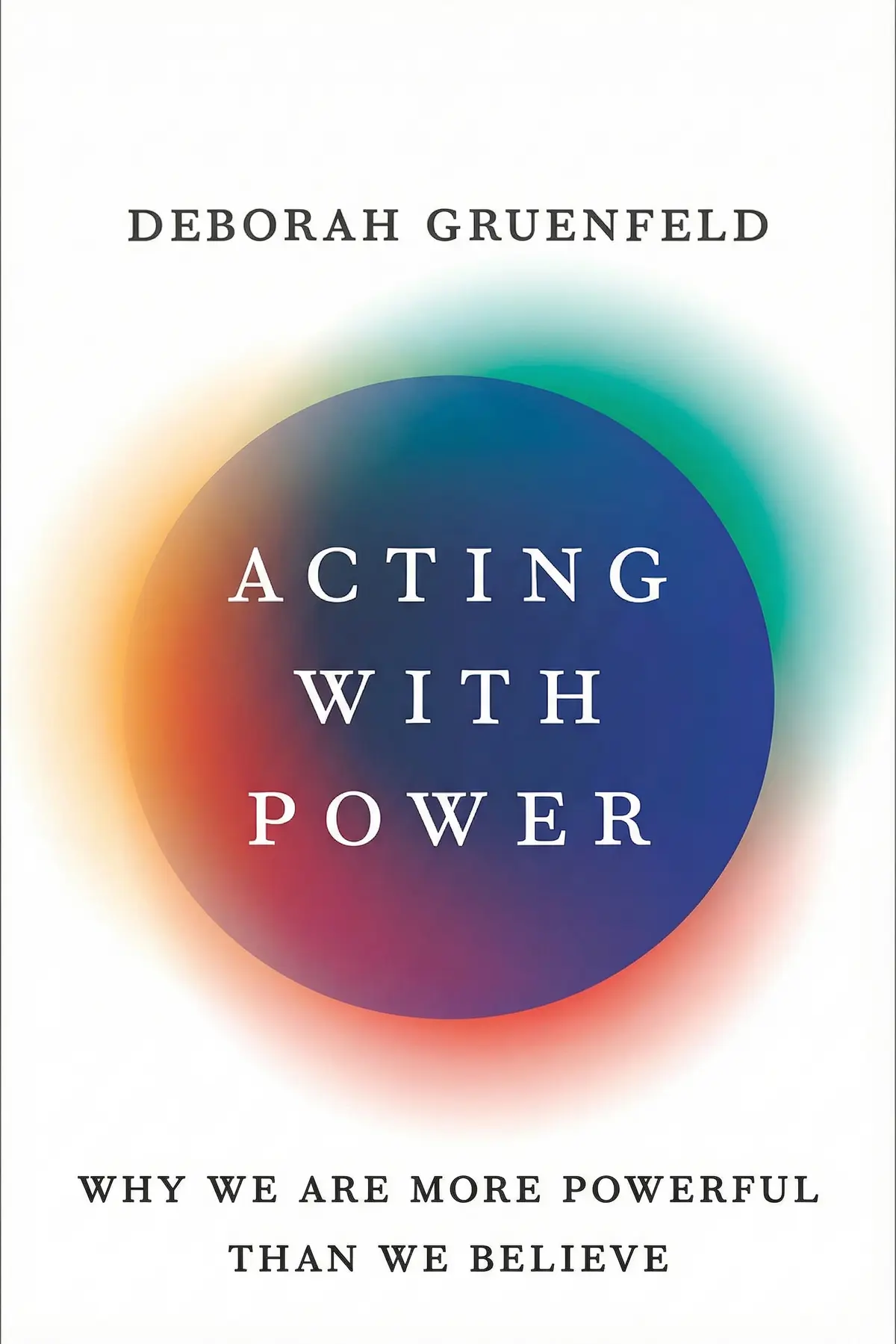
Acting with Power: Why We Are More Powerful Than We Believe
Deborah Gruenfeld
AUDIO SUMMARY AVAILABLE
Listen to A Geography of Time in 15 minutes
Get the key ideas from A Geography of Time by Robert V. Levine, plus 5,000+ more titles in English and Thai.
- 5,000+ titles
- Listen as much as you want
- 7-day free trial
- Cancel anytime







