
19 min 23 sec
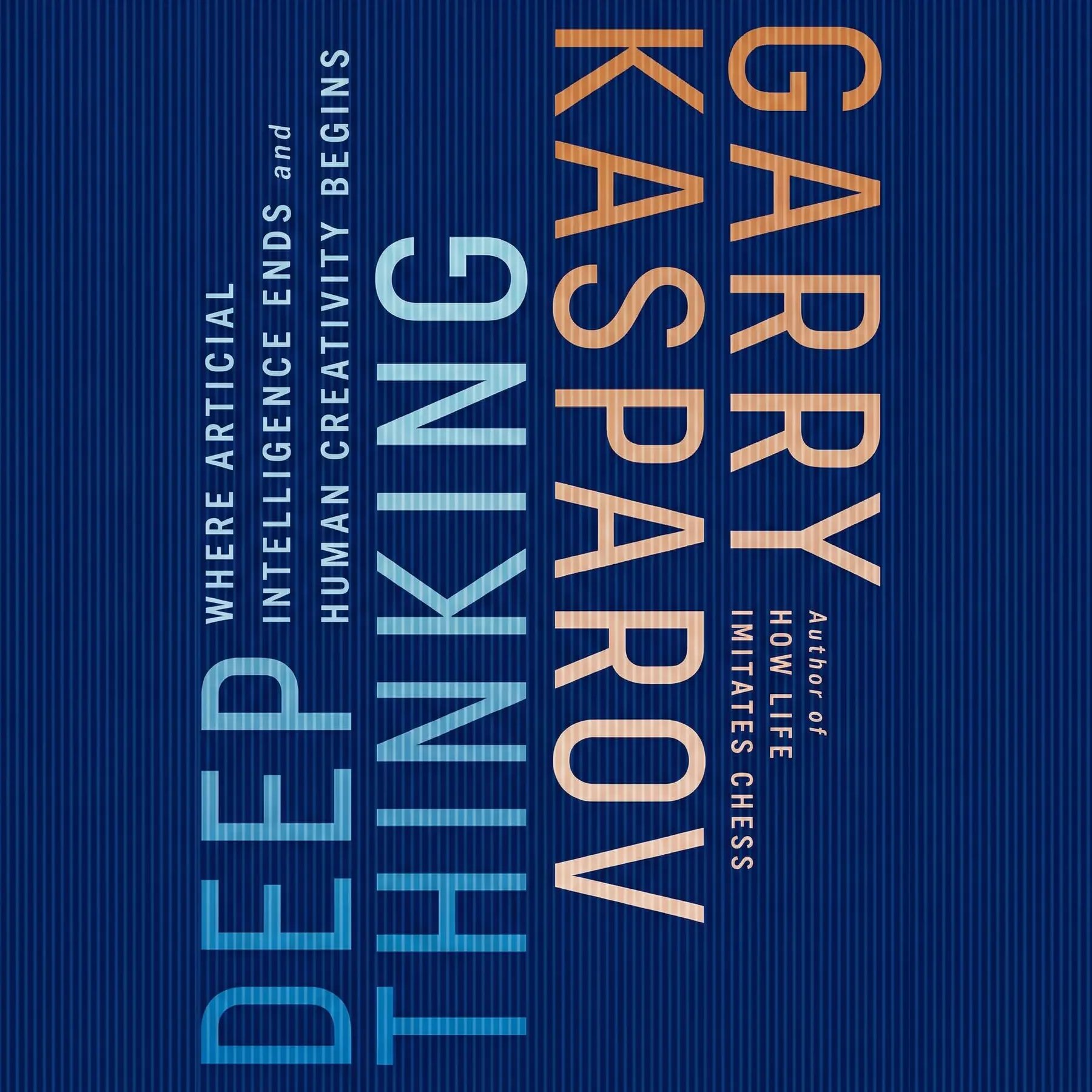
Deep Thinking: Where Artificial Intelligence Ends and Human Creativity Begins
A legendary chess champion explores his historic defeat to IBM’s Deep Blue, analyzing the evolution of artificial intelligence and the enduring power of human creativity in a machine-dominated world.
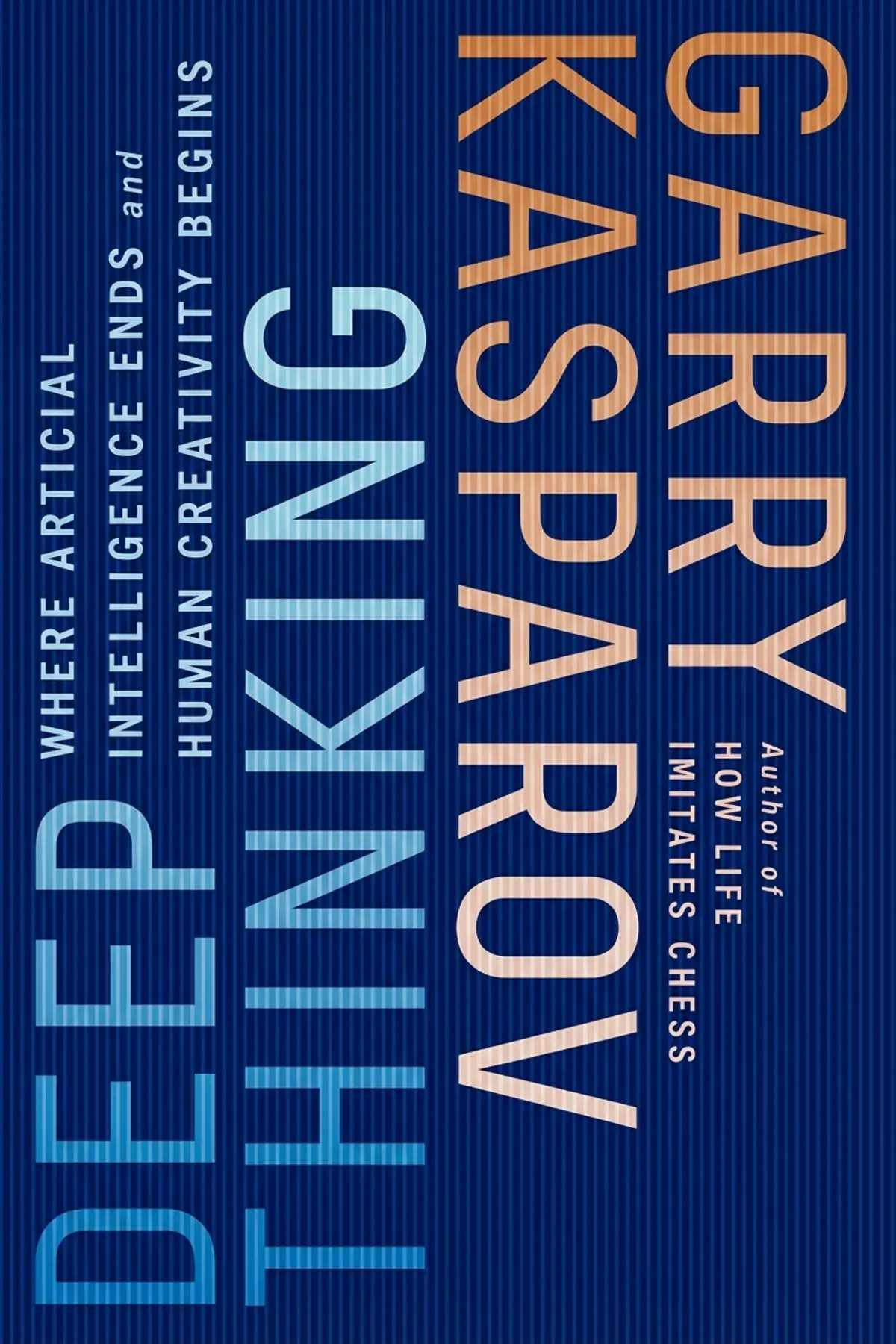
Table of Content
1. Introduction
1 min 39 sec
In the mid-1990s, the world watched as a singular event redefined our understanding of intelligence. On one side of the board sat Garry Kasparov, a man who had dominated the world of chess with a level of intensity and brilliance that seemed untouchable. On the other side was a tower of silicon and wires known as Deep Blue. This wasn’t just a game; it was a watershed moment for the human race. It forced us to ask: what happens to the human spirit when our most complex intellectual pursuits are mastered by a machine?
This summary dives into the heart of that struggle, but it does much more than recount a famous match. It explores the cultural history of chess, the rapid-fire evolution of computer science, and the philosophical shifts we must make as artificial intelligence becomes more integrated into our lives. We often struggle to see the big picture when technology changes the world in real-time. It’s like being caught in a storm; you know things are shifting, but you can’t see where the wind is blowing.
Through Kasparov’s unique perspective, we get to step back and examine the information revolution that has unfolded over the last half-century. We’ll see how machines went from failing to play a simple game to out-calculating the greatest minds on earth. More importantly, we’ll look at why this isn’t something to fear. By understanding how the mechanics of chess mirror the mechanics of AI, we can better grasp the future of our technological world. From the schoolyards of Russia to the laboratories of IBM, this is a journey through the past, present, and future of deep thinking.
2. The Cultural Perception of Chess
2 min 18 sec
Discover how a single game can be viewed as either a social handicap or a prestigious athletic pursuit depending on where you were born.
3. The Evolution of Digital Competitors
2 min 07 sec
Trace the journey of computer intelligence from a thousand-pound machine that could barely move a pawn to a digital force that rivals grandmasters.
4. Automation and the Human Labor Force
1 min 56 sec
Explore why the replacement of human jobs by machines is a centuries-old story that usually ends with a higher quality of life.
5. The Shift in Machine Learning
1 min 44 sec
Learn how modern AI is moving beyond pre-programmed rules to discover its own strategies and questions.
6. Human Emotion versus Machine Logic
1 min 58 sec
Examine the invisible factor that often decides a chess match: the psychological toll of pressure and anxiety.
7. The Power and Peril of Brute Force
2 min 02 sec
See why having more data isn’t always the same as having more wisdom, even for the world’s most advanced programs.
8. The Historic Defeat to Deep Blue
2 min 01 sec
Step inside the mind of a world champion as he realizes the era of human dominance in chess is coming to an end.
9. Ethics, Technicians, and the New Rules of Play
2 min 04 sec
Uncover the strange history of cheating in chess and how it has evolved from yogurt distractions to digital interference.
10. Conclusion
1 min 34 sec
The story of Garry Kasparov and Deep Blue is often told as a tale of human defeat, but in ‘Deep Thinking,’ we see it as a story of human progress. We have reached a point where artificial intelligence has surpassed us in many areas of brute calculation and logical strategy. However, this doesn’t mean human intelligence is obsolete. Instead, it means our role is changing. We are moving from being the sole performers of tasks to being the architects of systems that can perform those tasks better than we ever could.
The future of AI isn’t just about faster processors or bigger datasets; it’s about the shift from machines that provide answers to machines that help us ask better questions. As computers take over the ‘solved’ problems of the world—like the 64 squares of a chessboard—we are forced to look outward at the messy, complex, and creative challenges that define the human experience.
The takeaway is clear: we should not fear the rise of the machine, but rather embrace the opportunity to work alongside it. By delegating the mechanical and the repetitive to our silicon creations, we reclaim our time and mental energy for the things that truly matter. Whether it’s solving global crises or creating works of art, the next era of history will be defined by what happens when human creativity begins where artificial intelligence ends. The board is set, and the next move is ours.
About this book
What is this book about?
Deep Thinking explores the fascinating intersection of human intellect and machine processing through the lens of high-stakes chess. Garry Kasparov provides an intimate look at his legendary matches against Deep Blue, using these encounters as a foundation to discuss the broader history and future of artificial intelligence. The book moves beyond mere memoir, investigating how computers have evolved from primitive calculators to systems capable of outperforming world champions. Kasparov addresses the anxieties surrounding automation and job displacement, offering a perspective that favors adaptation over fear. He explains the technical breakthroughs, such as the alpha-beta algorithm and brute-force processing, that allowed machines to conquer a game once thought to be the pinnacle of human intuition. Ultimately, the book promises a deeper understanding of our relationship with technology, suggesting that the end of human dominance in certain tasks is actually the beginning of a new era of creative collaboration.
Book Information
About the Author
Garry Kasparov
Garry Kasparov dominated the world of competitive chess for many years after winning his first World Chess Championship in 1985. He is considered to be one of the greatest ever players of the game. He is also a human rights activist and a popular public speaker. As an author, he has contributed to publications such as the Wall Street Journal. His other books include How Life Imitates Chess, and Winter is Coming.
Ratings & Reviews
Ratings at a glance
What people think
Listeners find the book accessible and well-constructed, with one listener noting it serves as a must-read for AI enthusiasts. It provides an extensive look at the brain's capabilities, as one listener points out the thorough research. They also value the storytelling; one review focuses on the Deep Blue match while another praises Kasparov’s chess expertise. The writing strikes a careful balance between optimism and realism.
Top reviews
Aim
As a lifelong chess enthusiast, I found Kasparov’s reflections on the "Drosophila of AI" absolutely gripping. He doesn't just recount his games; he dives into the philosophical implications of our relationship with machines. The storytelling regarding the 1997 match against Deep Blue is tense and cinematic, yet he maintains a balanced perspective on why he eventually failed. To be fair, some readers might find the technical chess analysis a bit dense if they aren't players. However, his vision for human-machine collaboration remains incredibly optimistic and practical. This isn't just a bitter memoir about a loss; it's a forward-looking manifesto on how technology can actually amplify our creative potential. Kasparov is as sharp as ever here, blending history with a profound look at the human brain's capabilities.
Show moreAisha
Wow, Garry Kasparov is just as sharp with a pen as he is on the board. This book offers a thorough overview of how machines eventually surpassed human capabilities in the world's most intellectual game. Personally, I loved the way he framed AI as a tool for augmenting human creativity rather than just a threat to our existence. The narrative of his battle against IBM is filled with drama, and the psychological insights are worth the price of admission alone. To be fair, he doesn't shy away from admitting his own flaws and mistakes during that stressful period. It’s rare to find a book that is both a compelling autobiography and a serious look at technology. Highly recommended for thinkers.
Show moreChokdee
Garry provides a unique perspective that only a world champion could offer on the evolution of machine intelligence. This book is beautifully designed and meticulously edited, making it a joy to read from start to finish. I was fascinated by the concept of "Advanced Chess," where humans and computers work together to play better than either could alone. It’s a very practical and mature take on a subject that is often dominated by fear-mongering and doom-and-gloom scenarios. Kasparov’s intellect really shines through in every chapter, especially when he discusses the limits of brute force search and the value of human intuition. If you follow chess or technology, you will find this incredibly rewarding. It’s a truly deep overview of human capability.
Show moreNarumon
After hearing so much about the 1997 match, it was great to finally get the story directly from the source. Kasparov doesn't just talk about winning or losing; he talks about what it means to be human in the age of machines. The book is well-written and maintains a perfect balance between nostalgia and looking toward the horizon. I was particularly struck by his argument that technology should free us to be more creative rather than just making us redundant. Gotta say, the research into the history of AI was much more thorough than I expected from a sports memoir. It’s an instant favorite for me and a must-read for anyone curious about our digital future. His optimism is contagious.
Show moreMattanee
Finally got around to reading this and I was pleasantly surprised by the depth of research involved. Kasparov does a great job of explaining how the human brain functions differently compared to the brute force of a silicon chip. The chapters exploring the psychological pressure of top-level competition were particularly fascinating to me. Look, he is definitely a bit arrogant at times, but he earned that right by being the best in the world for twenty years. The writing strikes a delicate balance between realism regarding job displacement and optimism for the future of humanity. My only real gripe is that the focus on Deep Blue feels a bit repetitive by the end of the book. Still, it is a must-read for anyone interested in the intersection of sports and tech.
Show moreChatri
Picked this up for the AI insights, and I stayed for the incredible history of human-machine competition. Kasparov is an eloquent writer who manages to explain complex algorithms without losing the reader in jargon. I especially liked the section comparing the fear of self-driving cars to the initial public distrust of automated elevators. It shows a deep understanding of human nature and our fear of the unknown. Truth is, the book could have been about 50 pages shorter if he hadn't focused so much on the IBM conspiracy theories. Despite the occasional ego-tripping, there is a lot of wisdom here about how we should prepare for a future shared with intelligent machines. The writing maintains a great pace.
Show moreMarasri
The title is somewhat deceptive because this is much more of a personal memoir than a comprehensive treatise on "Deep Thinking." If you aren't already a chess aficionado, you might struggle through the move-by-move breakdowns of his matches. Frankly, it feels like Kasparov is still trying to justify his loss to IBM, even decades later. There are lingering accusations of human intervention that feel a bit like sour grapes. While the sections on the history of AI are well-written, the machine learning aspects feel slightly outdated by today's standards. I enjoyed the parts about automated elevators and societal shifts, but the book sags considerably in the middle sections. It’s a decent read for history, but maybe not for those seeking cutting-edge IT insights.
Show moreElise
Ever wonder what it feels like to lose your identity to a machine? Kasparov explores this through his own experience, and while the storytelling is compelling, the book lacks a cohesive structure. One minute you’re reading about the Soviet Union’s chess machine, and the next you’re hearing about Siri and Alexa. It’s an interesting mix, but the transition between memoir and tech analysis is often jarring. In my experience, the technical chess talk was a bit too heavy for a general audience. He makes some great points about how we adapt to new technology, but the bitterness regarding Deep Blue’s logs remains a distraction. It’s a fine book, just not the deep AI masterpiece I was anticipating.
Show moreHana
Truth is, I found the first half far more engaging than the second. The history of how programmers tried to "teach" machines to play chess is a fantastic look at early computer science. However, once the book gets into the weeds of the 1997 rematch, it becomes a repetitive loop of complaints and justifications. Kasparov is a genius, no doubt, but his writing reflects a man who is still deeply wounded by his defeat. The segments on "Moravec's Paradox" and how humans and machines can work together are the real highlights. It’s a readable book with some great research, but you have to filter out a lot of personal drama to get to the good stuff. Not much to learn if you're already an expert.
Show moreAnong
Not what I expected at all. I was hoping for a book about modern AI applications in creative fields, but instead, I got a long-winded justification for why a chess player lost a match in 1997. The whole thing reads like one giant excuse, and it's obvious he hasn't moved on from the IBM defeat despite saying otherwise. If you aren't a serious chess player, the technical descriptions of specific moves will be totally lost on you. To be honest, I felt swindled by the promising title and the marketing blurb. The final chapter on the future of AI is interesting, but it feels tacked on at the end as an afterthought. Save your money unless you really love chess history.
Show moreReaders also enjoyed

AUDIO SUMMARY AVAILABLE
Listen to Deep Thinking in 15 minutes
Get the key ideas from Deep Thinking by Garry Kasparov, plus 5,000+ more titles in English and Thai.
- 5,000+ titles
- Listen as much as you want
- 7-day free trial
- Cancel anytime







