
27 min 25 sec
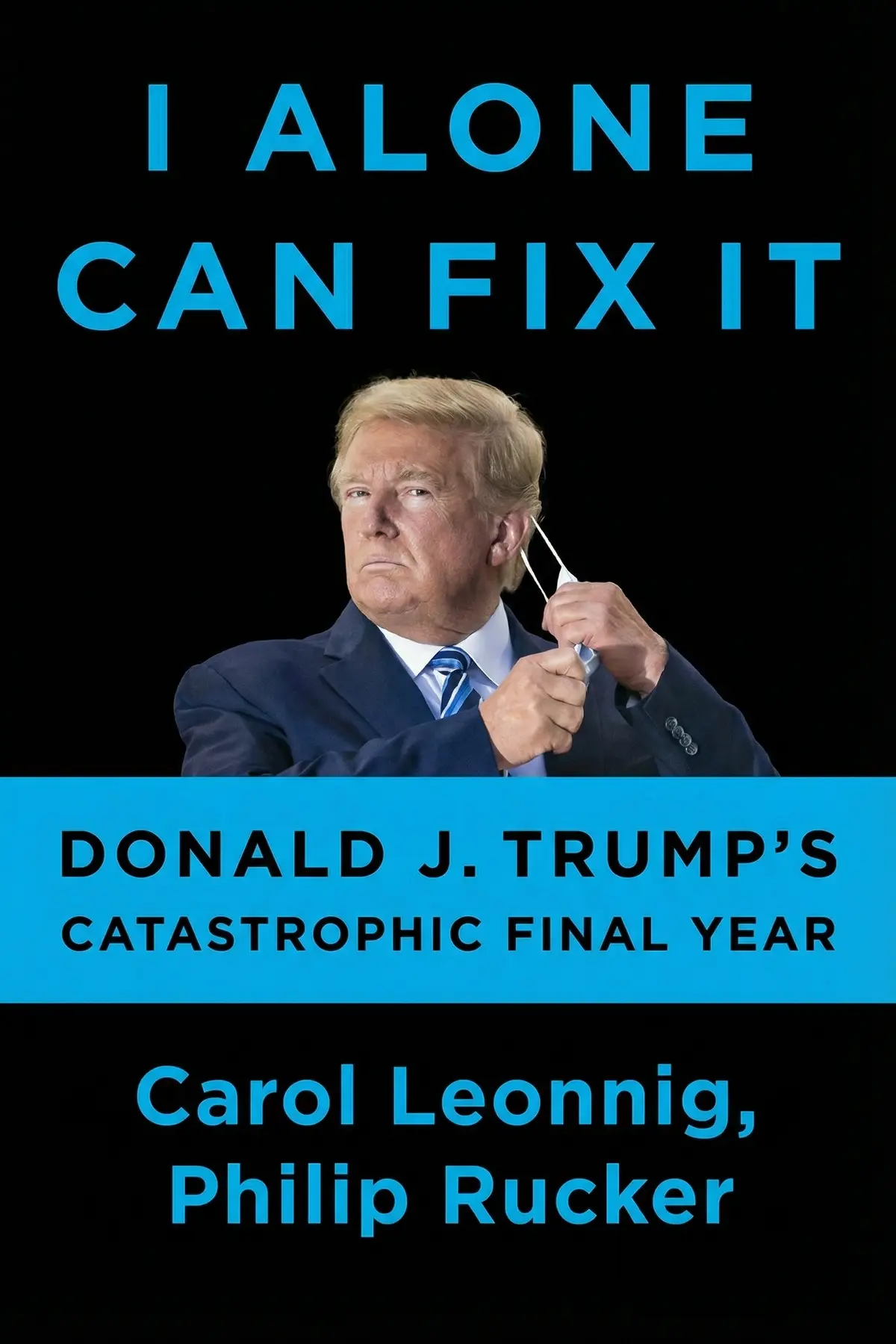
A Very Stable Genius: Donald J. Trump's Testing of America
A Very Stable Genius offers a detailed investigation into the internal dynamics of the Trump administration, revealing the clashes between an impulsive leader and the institutional frameworks of American democracy.
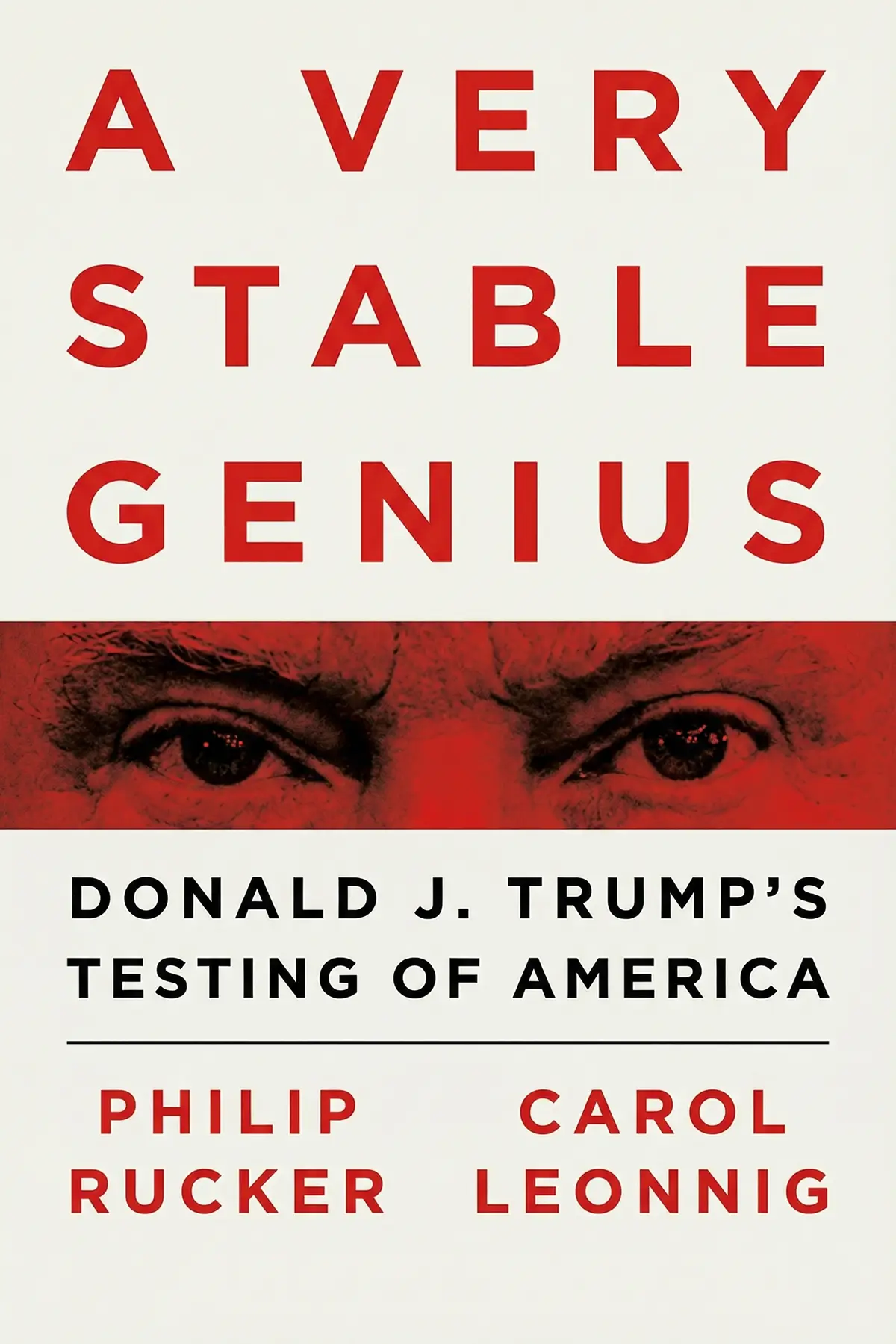
Table of Content
1. Introduction
2 min 06 sec
The moment Donald J. Trump stepped onto the stage at the 2016 Republican National Convention, it was clear that the rules of American political discourse had fundamentally shifted. Historically, acceptance speeches served as a bridge—a way for a candidate to pivot from the divisiveness of a primary to the inclusive language of a general election. Most nominees leaned on the collective ‘we,’ invoking shared American heritage and the humility required of the office. But Trump chose a different path. His rhetoric was centered on the ‘I.’ He presented himself as a singular solution to a broken system, famously declaring that he alone possessed the knowledge and the will to fix the nation’s problems. This wasn’t just campaign hyperbole; it was a blueprint for a presidency driven by a deep-seated belief in personal instinct over institutional wisdom.
In the years that followed, this ‘one-man show’ approach created a whirlwind of activity that often left even the most seasoned political observers breathless. For journalists Carol Leonnig and Philip Rucker, the pace of news was so relentless that the deeper patterns were often obscured by the daily headlines. They realized that to truly understand the impact of this administration, one had to pause and look at the aggregate of these events. Their work pulls back the curtain on the first three years of the Trump White House, providing an intimate look at how a president who prioritized his own perspective above all else interacted with the massive, complex machinery of the American government.
Through this narrative, we see a recurring theme: the constant friction between a leader who viewed the world through a transactional, personal lens and a set of institutions—military, diplomatic, and legal—that were designed to function on expertise and long-term strategy. We are going to explore the defining moments of this era, from the windowless briefing rooms of the Pentagon to the global stages of G7 summits. We will see how this presidency tested the durability of democratic norms and changed the way America is viewed by both its allies and its adversaries. This is not just a collection of anecdotes; it is a look at the throughline of a presidency that sought to redefine the very nature of executive power.
2. The Collision of Military Protocol and Presidential Impulsivity
3 min 28 sec
Discover the shocking moment in a secure Pentagon briefing room where the President’s rejection of global alliances left the nation’s top military leaders in stunned silence.
3. A Consistent Pattern of Historical and Geographic Blind Spots
3 min 14 sec
What happens when a world leader is unfamiliar with the basic history of his own country? Examine the moments that left advisors questioning the President’s foundational knowledge.
4. The Dysfunctional Dynamic of Management through Humiliation
3 min 06 sec
Explore the grueling reality of life inside the White House, where expertise was often met with mockery and loyalty was a one-way street.
5. Diplomacy by Impulse and the Undermining of Strategic Policy
3 min 05 sec
How a single phone call can dismantle years of military strategy. Witness the moments when the President bypassed his entire advisory team to make snap decisions.
6. The Personal Bond with Putin and the Rejection of Intelligence
2 min 45 sec
Examine the unprecedented moment in Helsinki when an American president chose the word of a foreign adversary over the findings of his own intelligence agencies.
7. Straining the Foundations of the Atlantic Alliance
2 min 40 sec
From shouting matches with the British Prime Minister to threats of leaving NATO, see how the ‘America First’ doctrine played out on the world stage.
8. The Mueller Report and the Struggle Over Public Perception
2 min 46 sec
Go beyond the headlines to understand how a complex legal investigation into election interference was ultimately reduced to a battle of political spin.
9. Institutional Resilience and the Lessons of a Presidency Tested
2 min 25 sec
Reflect on the broader implications of an administration that challenged every norm of American governance and what it means for the future of the republic.
10. Conclusion
1 min 50 sec
As we conclude this journey through the first three years of Donald Trump’s presidency, the picture that emerges is one of a nation’s foundations being rigorously tested. We have seen a leadership style that prioritized personal loyalty over institutional expertise, transactional gains over long-term alliances, and a singular narrative over complex facts. Whether it was the explosive meetings in the Pentagon’s inner sanctum or the shocking dismissals of intelligence findings in Helsinki, the recurring theme was a president who believed his instincts were the ultimate authority.
This narrative doesn’t just chronicle a series of controversial events; it highlights a fundamental shift in the American executive branch. The ‘adults in the room’—the seasoned generals and career diplomats—largely found that their efforts to provide stability were met with mockery or circumvention. The Mueller Report, which many expected to be a final word on the administration’s conduct, instead became a masterclass in how a determined leader can shape public perception to overcome documented misconduct. It was an era where the traditional guardrails of government were often bypassed by a single tweet or a late-night phone call.
The throughline of this summary is the resilience, and the vulnerability, of the American system. The institutions of the United States—the military, the diplomatic corps, and the legal framework—survived this period, but they were undeniably changed by it. As we look forward, the legacy of this ‘stable genius’ approach to governance serves as a reminder that the health of a democracy depends not just on its laws, but on the shared norms and historical understandings of those who lead it. The ultimate takeaway is a call to recognize the importance of institutional stability and the role that expertise, history, and diplomacy play in maintaining a balanced and secure republic.
About this book
What is this book about?
This summary provides a behind-the-scenes look at the first three years of Donald Trump’s presidency, focusing on the friction between his personal leadership style and the traditional norms of government. It chronicles specific, high-stakes moments ranging from tense meetings at the Pentagon to diplomatic ruptures at international summits. Readers will explore how the President’s preference for instinct over expert briefing reshaped America’s foreign policy and internal management. The promise of this exploration is a clearer understanding of the 'stress test' applied to the United States' executive branch. By examining the accounts of those who served in the administration, the text highlights the challenges faced by military leaders, cabinet members, and intelligence officials as they navigated an environment defined by volatility and a departure from historical precedent. It is a study of power, institutional resilience, and the personal temperament of a man who sought to transform the American system from the inside out.
Book Information
About the Author
Philip Rucker
Carol Leonnig is a seasoned investigative reporter for the Washington Post and a three-time Pulitzer Prize winner, recognized for her work on the Secret Service and Russian election interference. She is also a contributor to NBC News and MSNBC. Philip Rucker serves as the White House Bureau Chief at the Washington Post and shared a Pulitzer Prize in 2018 for reporting on Russian meddling in the U.S. election. He is a prominent political analyst for NBC News and MSNBC.
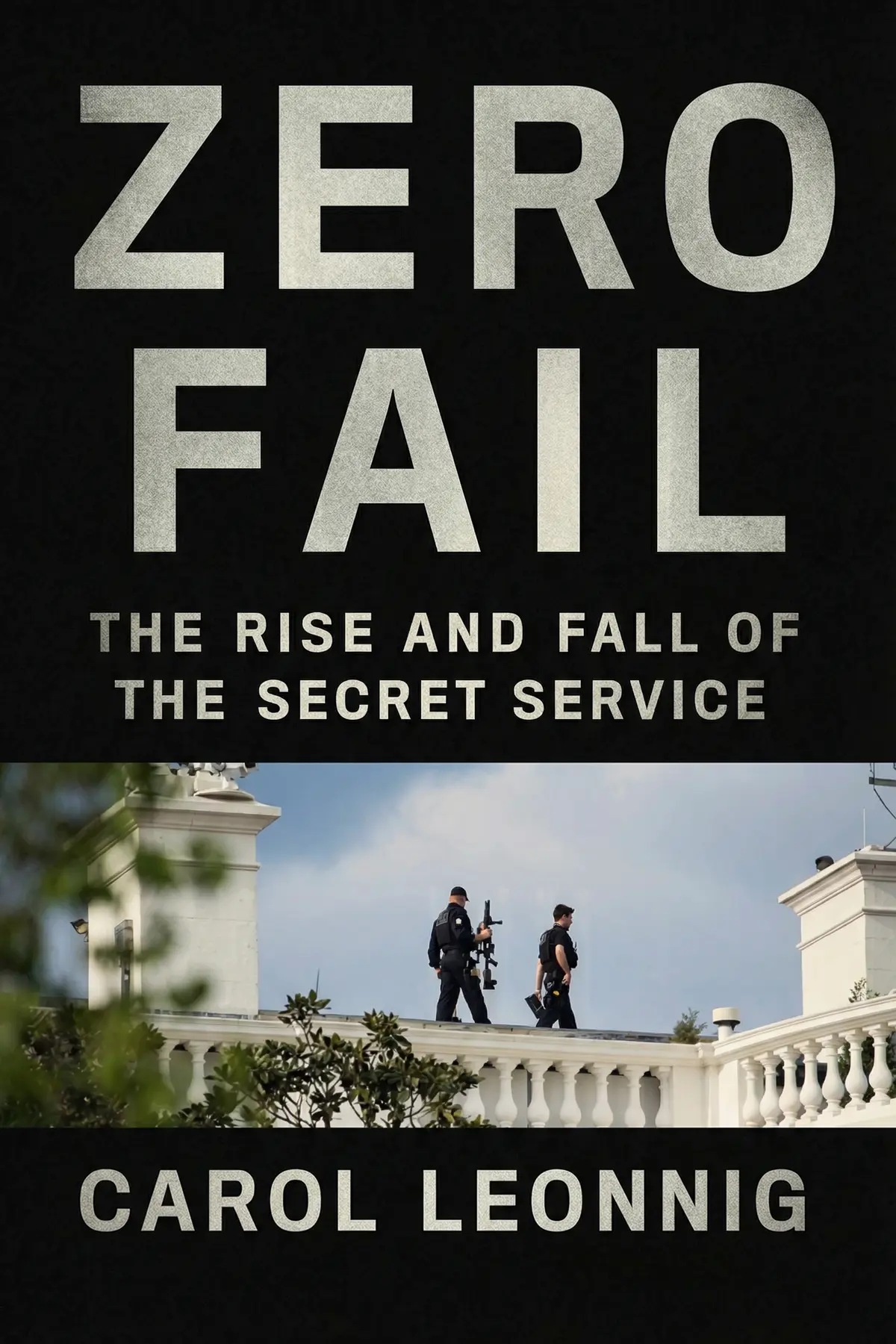
Zero Fail: The Rise and Fall of the Secret Service
Carol Leonnig
Ratings & Reviews
Ratings at a glance
What people think
Listeners find this work to be a compelling and thoroughly investigated chronicle of the Trump presidency, noting that the granular reporting offers profound insight into various events. The writing is skillfully executed, and listeners value the efficient tempo and honest storytelling. Though reactions to the material are varied, several listeners characterize the subject matter as quite alarming.
Top reviews
Somsak
Wow, this was an absolute gut-punch of a read that manages to be both terrifying and impossible to put down. It feels like a "Scrapbook of the Damned," cataloging one crisis after another with the cold precision of master journalists. I was particularly struck by the way they frame the Bannon "flood the gates with bullshit" strategy. It explains so much about why the public felt so perpetually overwhelmed. The book isn't just a list of scandals; it’s a psychological profile of an administration where expertise was treated with suspicion. Some parts are genuinely frightening when you consider how close the country came to total institutional collapse. It’s a masterful piece of reporting that deserves all the praise it’s received.
Show moreSirirat
The chapter detailing the meeting in "The Tank" at the Pentagon is worth the price of admission alone. Seeing the juxtaposition between the Joint Chiefs’ strategic worldview and the president’s transactional perspective was both fascinating and deeply alarming. Rucker and Leonnig have a gift for taking these high-stakes moments and making them feel incredibly immediate. I appreciated that they didn't just rely on gossip, but focused on how these interactions affected actual policy and national security. The book moves at a breakneck pace despite being quite long and detailed. It’s a chilling depiction of what happens when a leader refuses to learn the basics of the job. Truly a riveting piece of non-fiction.
Show moreHang
Frankly, the level of access and the meticulous sourcing in this book make it the definitive record of a very turbulent era in American politics. Rucker and Leonnig manage to cut through the "deluge of bullshit" that characterized the administration’s communication style. They present the facts with a directness that makes the implications of Trump’s actions unavoidable. I was especially gripped by the details of how the administration rolled back environmental guidelines under the cover of more sensationalist headlines. It’s a reminder that while we were focused on the tweets, significant policy shifts were happening in the shadows. This is top-tier investigative journalism that feels like a thriller but is, unfortunately, entirely true. Highly recommended.
Show moreAnna
Picked this up thinking I’d already heard every possible story about the 45th president, but Rucker and Leonnig proved me wrong. Their meticulous reporting unearths several "oh shit" moments that I had completely forgotten or missed in the daily news cycle. The passage regarding Trump’s apparent lack of knowledge about Pearl Harbor felt particularly jarring and well-documented. While the prose is direct and the narrative is tight, the authors do occasionally seem a bit too enamored with the traditional DC establishment. It's a sobering look at how the guardrails of democracy were tested by a leader who viewed loyalty as a one-way street. Even if you're feeling "Trump fatigue," this collection of facts is essential for understanding the chaos.
Show moreJoseph
To be fair, if you are a political junkie who spent the last few years glued to Twitter, you might find a lot of this to be retreading familiar ground. The writing is undeniably crisp and the sourcing is clearly professional, as you’d expect from Pulitzer winners. However, I didn’t feel like I gained a massive amount of new insight that hadn't already been covered in various tell-all pieces or news cycles. There are a few fresh nuggets, like the details on the Mueller probe's missed opportunities, but much of the book serves as a high-end summary. It remains a great historical record for someone wanting a single, chronological account of the chaos.
Show moreGin
After hearing the buzz around these Pulitzer-winning authors, I expected a high level of journalism, and they certainly delivered on that front. The way they break down the internal power struggles between the "adults in the room" and the true believers is incredibly well-crafted. I gotta say, the descriptions of Rex Tillerson’s frustration and his eventual exit were some of the most compelling parts of the narrative. My only real gripe is that the authors sometimes take a near-reverential tone toward the military and the Pentagon apparatus. It felt a bit lopsided at times, as if those institutions were beyond any critique themselves. Despite that, the book is an excellent, concisely paced account of the first three years.
Show moreDuang
As someone who finds the inner workings of Washington fascinating, this deep dive into the Trump administration’s decision-making process was eye-opening. The authors do a great job of showing how the vetting process was essentially scrapped in favor of finding people who looked good on television. It explains so much of the high turnover, including the bizarre eleven-day stint of Anthony Scaramucci. I found the section on the Ukraine call and the subsequent impeachment lead-up to be the most cohesive part of the book. It ties together many disparate threads into a clear, if frightening, picture of executive overreach. It’s not an easy read emotionally, but it’s a necessary one for anyone concerned about the future of our political system.
Show moreNarut
Ever wonder how a White House functions when the person at the top values personal loyalty over institutional expertise? This book provides a vivid, often painful answer to that question through dozens of firsthand accounts. Look, the truth is that many of these stories were already public, but seeing them arranged in this order makes the cumulative impact much heavier. I particularly liked the focus on the early transition days and how chaotic the initial staffing decisions truly were. The authors write with a certain level of gravitas that makes even the most absurd moments feel significant. It’s a well-researched account that provides a deep understanding of why the administration operated the way it did. A bit long, but definitely worth it.
Show moreTippawan
Finally got around to finishing this, and I’m struck by how the authors manage to maintain a tight narrative despite the sheer volume of scandals they had to cover. It’s an excellently crafted book that doesn't just list events but explains the context behind them. I found the ending, which discusses the choice Republicans faced during impeachment, to be incredibly poignant and haunting. The book highlights the tension between career mobility and the "fate of history" in a way that feels very relevant today. It is a frightening read, but it’s also a truthful narrative that avoids unnecessary hyperbole. Rucker and Leonnig have done a massive service by documenting these years with such clarity. It really puts the "stable genius" claim to the test.
Show morePla
Not what I expected from such highly-touted reporters, as the book felt more like a compilation of leaked grievances than a cohesive historical analysis. Personally, I found the heavy reliance on anonymous sources to be a bit exhausting after a while, even if the reasoning behind them is clear. It often felt like the authors were just giving a platform to former staffers who wanted to polish their own reputations after being fired. While the writing is technically proficient, the constant sense of "scandal of the week" made it hard to discern a larger, objective picture. I was looking for more depth and perhaps more distance from the subjects. It’s well-researched, but the narrative felt very one-sided and somewhat repetitive by the halfway point.
Show moreReaders also enjoyed
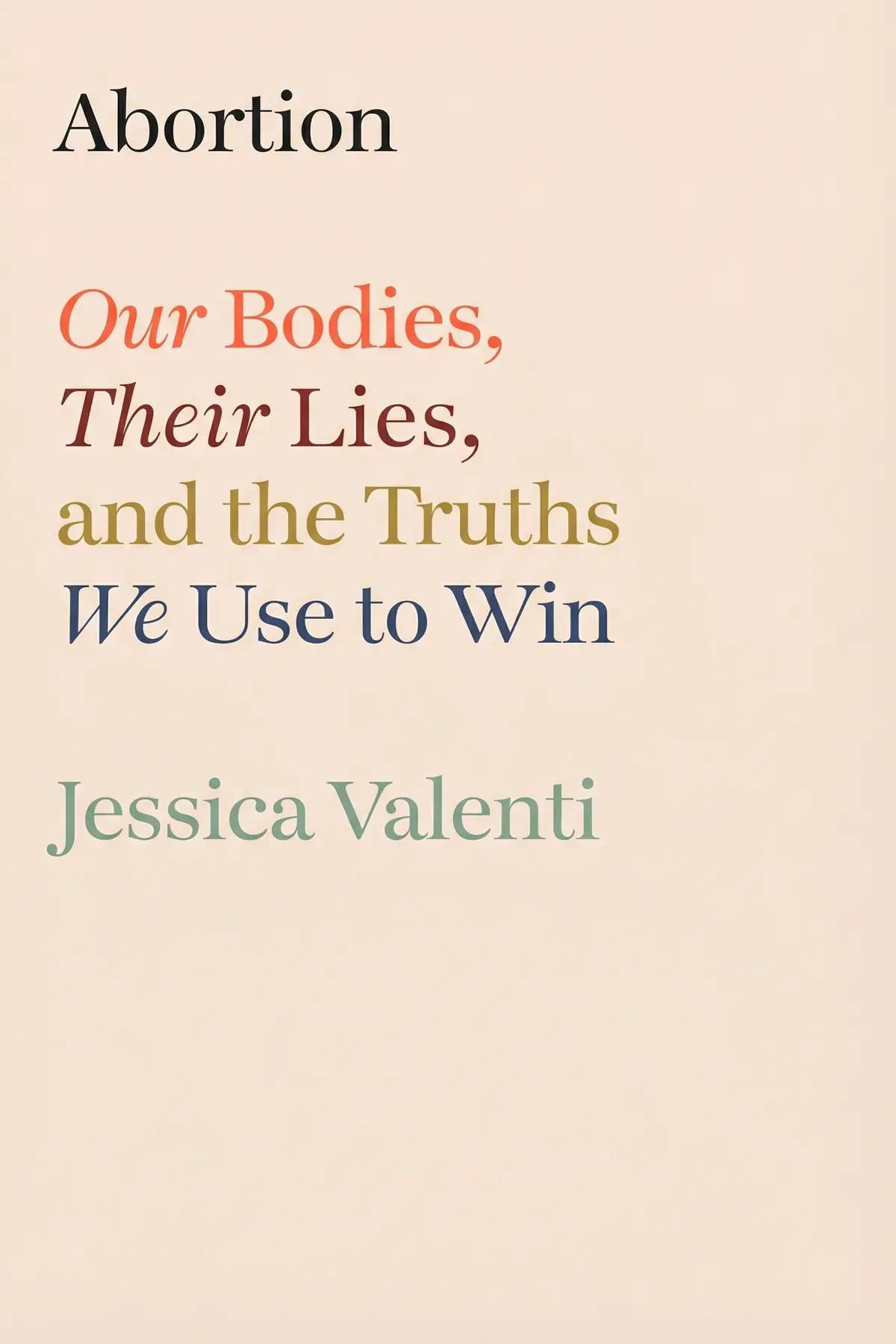
Abortion: Our Bodies, Their Lies, and the Truths We Use to
Jessica Valenti

Adults in The Room: My Battle With Europe’s Deep Establishment
Yanis Varoufakis
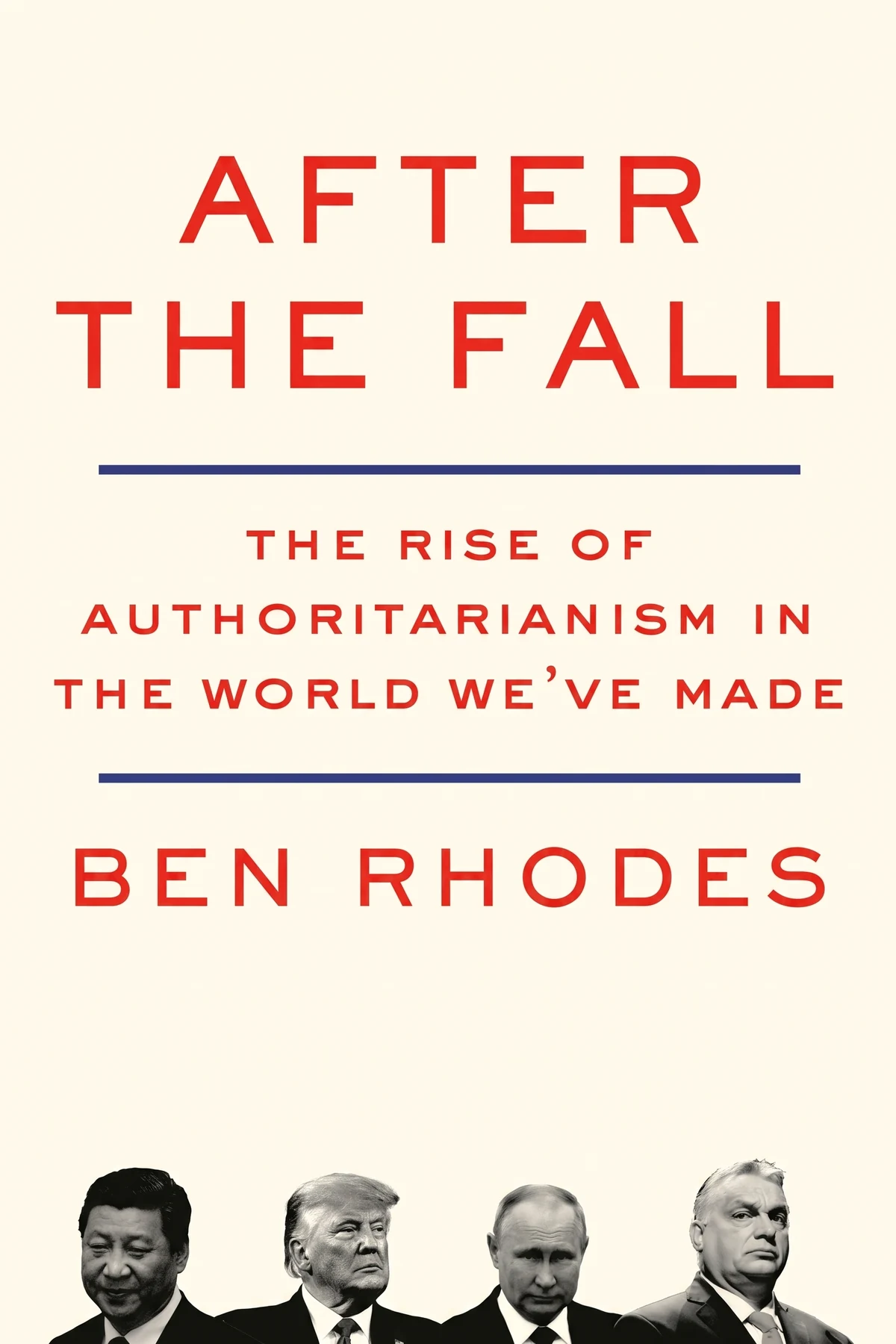
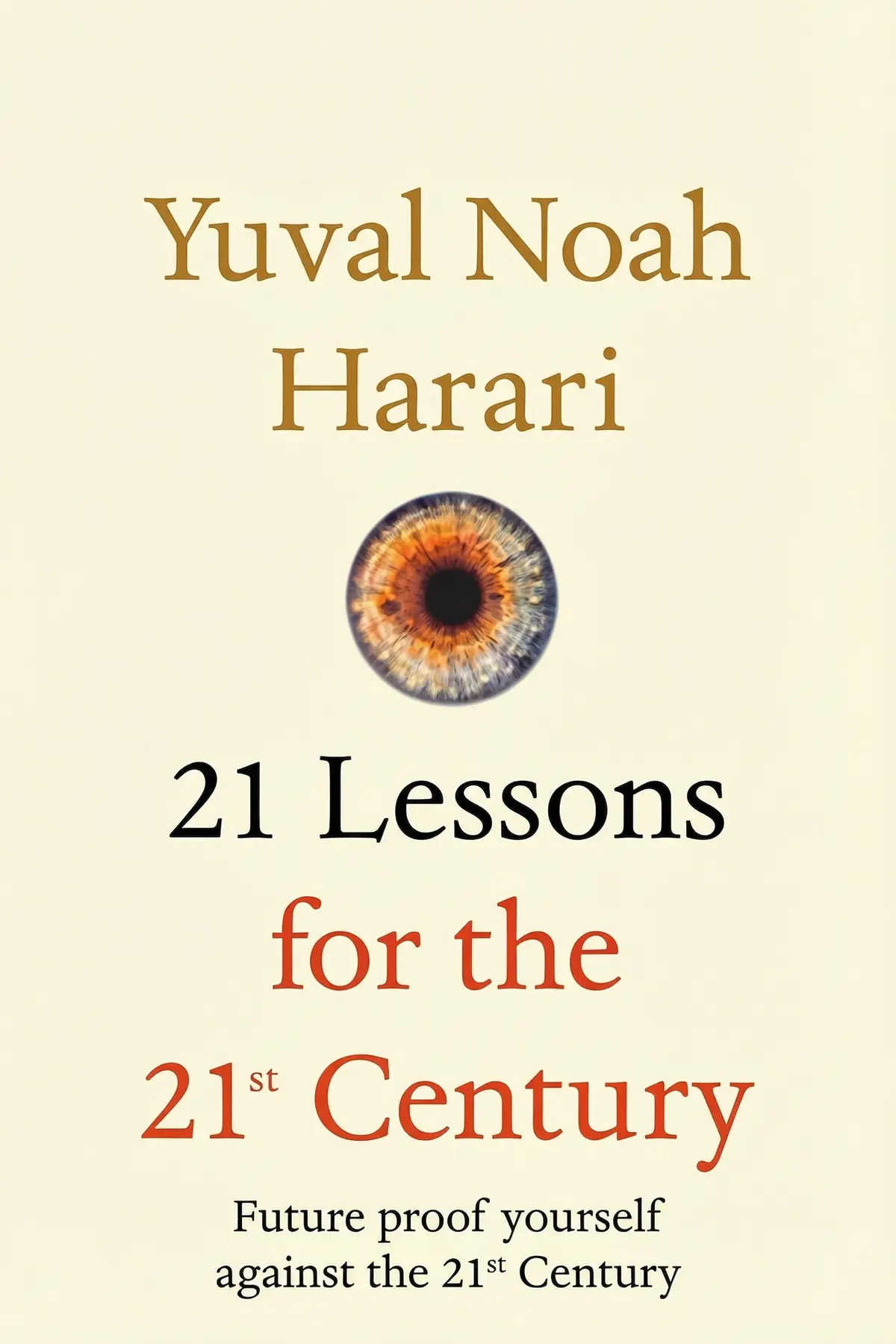
21 Lessons for the 21st Century
Yuval Noah Harari
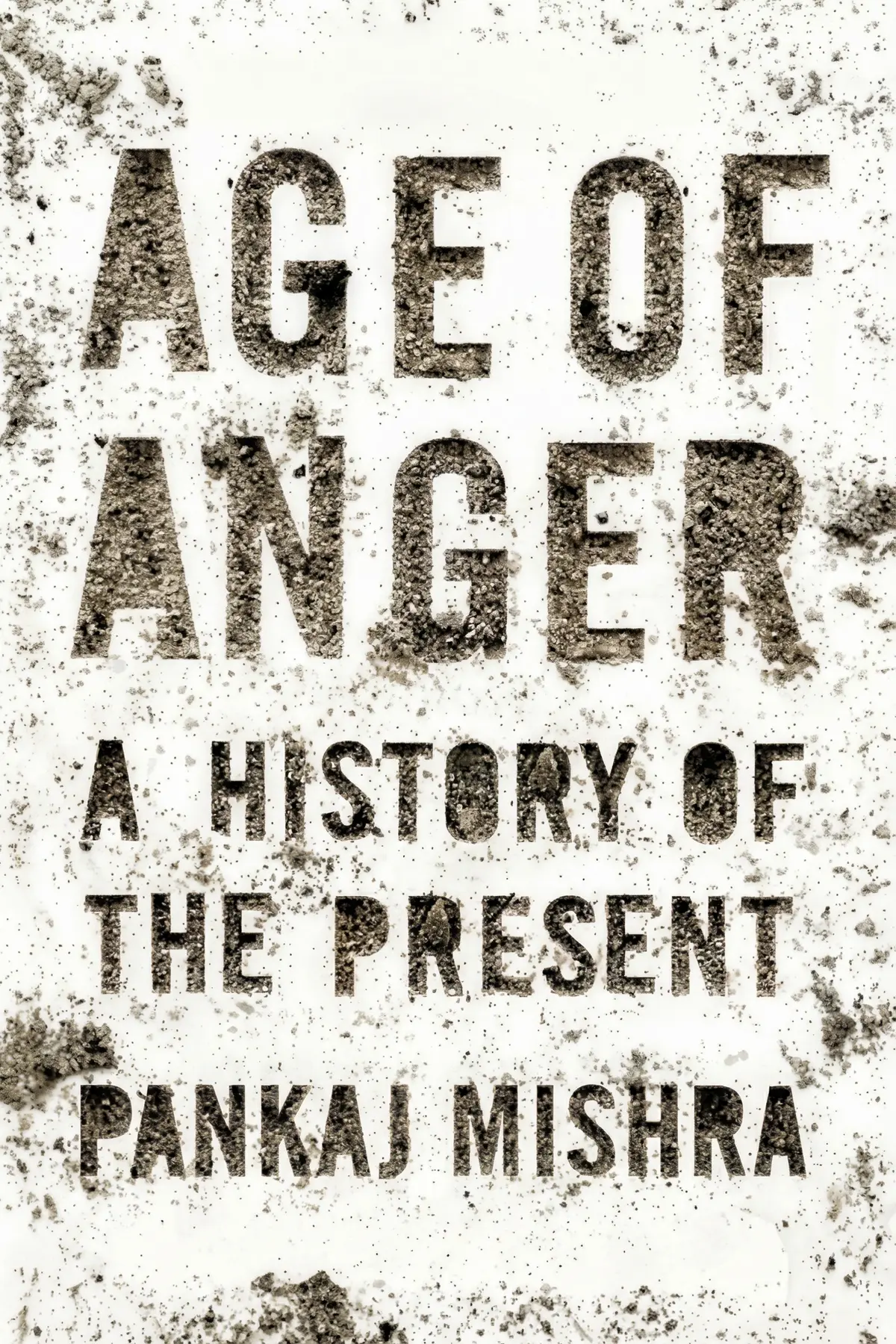
Age of Anger: A History of the Present
Pankaj Mishra

A Different Kind of Power: A Memoir
Jacinda Ardern
Age of Propaganda: The Everyday Use and Abuse of Persuasion
Anthony Pratkanis
A Higher Loyalty: Truth, Lies and Leadership
James Comey


AUDIO SUMMARY AVAILABLE
Listen to A Very Stable Genius in 15 minutes
Get the key ideas from A Very Stable Genius by Philip Rucker, plus 5,000+ more titles in English and Thai.
- 5,000+ titles
- Listen as much as you want
- 7-day free trial
- Cancel anytime







