
31 min 46 sec
Disability Visibility: First-Person Stories from the Twenty-First Century
By Alice Wong
Explore a profound collection of first-person accounts that redefine disability. This summary amplifies voices of activists and artists, challenging societal barriers and celebrating the power of community, interdependence, and radical visibility.
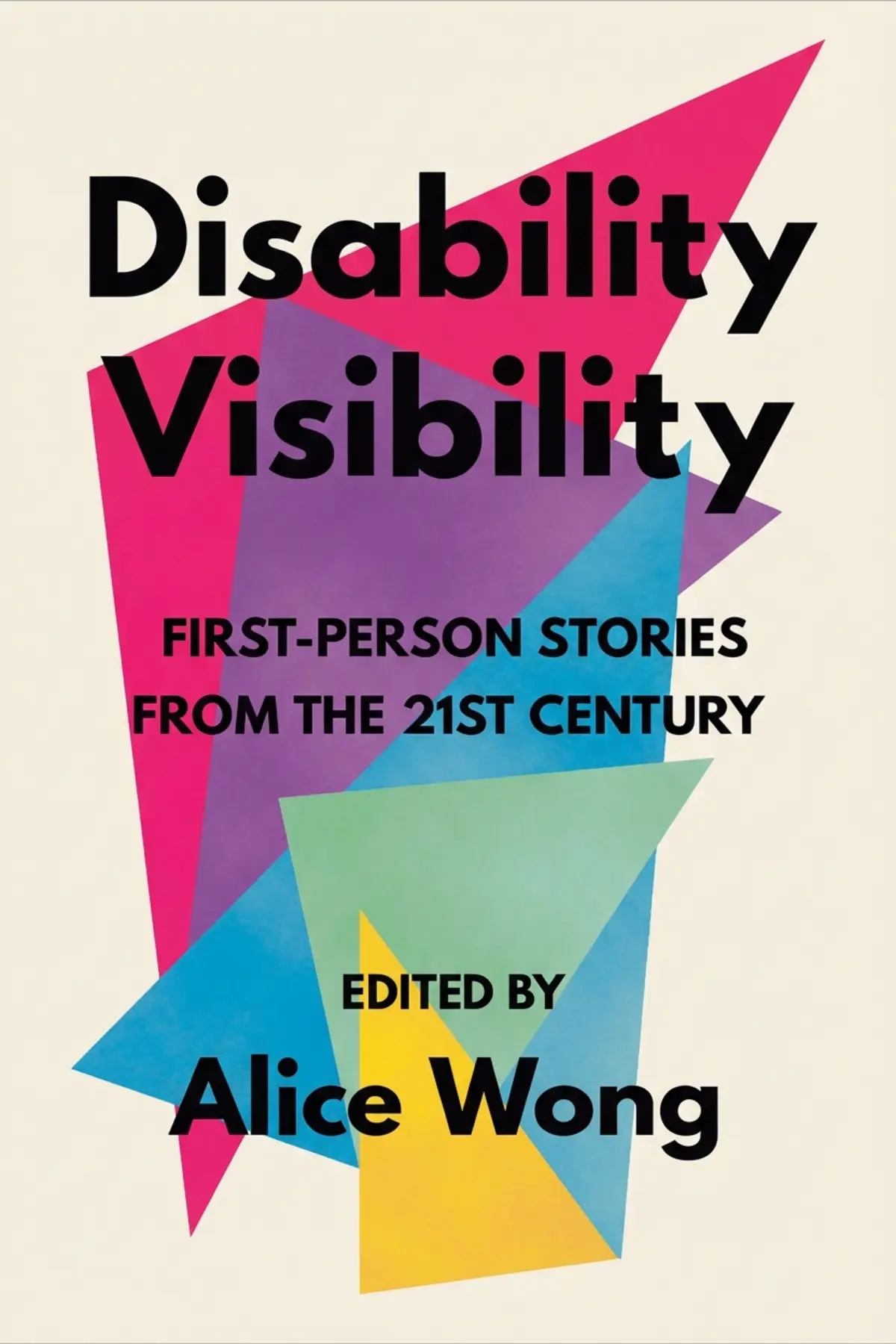
Table of Content
1. Introduction
1 min 54 sec
Welcome to an exploration of the vast and varied landscape of human experience. When we talk about disability, we often fall into the trap of looking for a single definition or a universal story. But the truth is far more complex and colorful. Disability isn’t just a medical diagnosis or a set of limitations; it’s a culture, a community, and a unique way of navigating a world that wasn’t always built with everyone in mind.
In this summary, we are diving deep into a collection of voices curated by activist Alice Wong. Wong has spent her life making sure that disabled people are seen and heard on their own terms. She recognizes that for too long, the stories told about disability have been written by people who don’t actually live it. This has created a skewed perspective where disability is either a tragedy to be overcome or a saintly inspiration for others.
We’re going to step away from those tired tropes. Instead, we’ll look at what it really means to move through the world in a body or mind that deviates from the so-called norm. We will explore how visibility can be a revolutionary act, how the search for a ‘cure’ can sometimes do more harm than good, and why the struggle for racial justice is inseparable from the fight for disability rights.
This isn’t just about learning facts; it’s about shifting our throughline from ‘fixing’ individuals to fixing the systems that exclude them. We’ll hear about astronomers who hear the stars, artists who use fashion to reclaim their bodies, and advocates who fight for the simple right to live in their own communities. By the end of this journey, you’ll have a new framework for understanding interdependence—the idea that we all need each other, and that our collective strength lies in our diversity. So, let’s open our ears and our hearts to these essential perspectives and see the world through a much wider lens.
2. The Necessity of Authentic Media Representation
2 min 58 sec
Discover why the stories we see on screen matter and how a lack of diversity in the publishing and media industries shapes our collective understanding of disability.
3. Deconstructing the Devaluation of Disabled Lives
2 min 48 sec
Explore the challenging conversation around the inherent worth of a person and why societal prejudices often mistake themselves for objective facts.
4. The Hidden Costs of the Search for a Cure
2 min 41 sec
Investigate how the constant pressure to ‘fix’ a disability can become a barrier to actually living a full and meaningful life.
5. Fashion as a Tool for Radical Self-Expression
2 min 43 sec
See how custom clothing and bold design choices are helping disabled and queer individuals reclaim their visibility and celebrate their unique bodies.
6. The Truth About Mental Health and the Creative Process
2 min 44 sec
Unpack the romanticized myth of the ‘suffering artist’ and learn how proper support and medication can actually empower, rather than stifle, creativity.
7. The Intersection of Disability Rights and Racial Justice
2 min 40 sec
Explore why the fight for Black lives must include a focus on disability and how erasing these identities harms the most vulnerable members of our society.
8. Innovation Through the Lens of Accessibility
2 min 50 sec
Discover how the unique perspectives of disabled scientists and creators lead to breakthroughs that benefit everyone, from stargazing to everyday technology.
9. Confronting the Legacy of Colonialism in Healthcare
2 min 49 sec
Examine the systemic barriers faced by Indigenous communities in the medical system and how history continues to impact their health and sovereignty.
10. The Power of Autonomy and Community Living
2 min 47 sec
Learn why the era of large-scale institutions for the intellectually disabled must end and how community support fosters true independence.
11. Interdependence and the Creation of Crip Spaces
2 min 57 sec
Understand the radical potential of spaces designed by and for the disabled community, where the focus shifts from ‘fixing’ to mutual care and connection.
12. Conclusion
1 min 55 sec
As we reach the end of this journey through the landscape of disability visibility, it’s worth reflecting on the throughline that connects all these diverse stories. We’ve seen that disability is far more than a medical condition; it is a rich identity, a political force, and a source of profound innovation. From the courtrooms where Harriet McBryde Johnson defended her right to exist to the stages where Alice Sheppard redefines movement, these voices call us to look beyond our preconceived notions of ‘normal.’
The central message is clear: true visibility requires us to dismantle the ableist and racist structures that limit human potential. It asks us to move away from the obsession with ‘curing’ or ‘fixing’ individuals and toward a commitment to fixing our communities. When we value disability as a unique perspective, we open the door to a more creative, resilient, and compassionate world. We begin to understand that the barriers people face are not in their bodies, but in the stairs, the systems, and the stigmas we allow to persist.
So, what can we take away from this? Perhaps the most powerful lesson is the beauty of interdependence. We are all, at various times in our lives, in need of support. By acknowledging this, we can begin to build our own care networks. Don’t wait for a crisis to practice mutual aid. Start now by being honest about your own needs and being present for the needs of others. Whether it’s helping a neighbor with a task they find difficult or simply learning to ask for help yourself, these small acts of connection are the building blocks of a more just society. When we stop trying to be perfectly independent and start being beautifully interdependent, we create a world where everyone truly belongs.
About this book
What is this book about?
Disability Visibility is a transformative journey through the diverse lived experiences of people within the disability community. Rather than viewing disability as a problem to be solved or a tragedy to be pitied, this work presents it as a vibrant, complex identity. Through a series of personal essays, it dismantles the ableist structures that permeate media, politics, and healthcare, offering instead a vision of a world built on care and mutual support. Readers will discover the power of personal storytelling in the fight for equity. From the intersection of racial justice and disability rights to the innovative ways technology can be used to listen to the stars, these stories provide a roadmap for challenging the status-care. The promise of this summary is to broaden your perspective, helping you move beyond superficial definitions of accessibility and toward a deeper understanding of what it means to truly see and value every human life.
Book Information
About the Author
Alice Wong
Alice Wong is a prominent disabled activist, media maker, and research consultant who has dedicated her career to amplifying marginalized voices. She is the visionary founder and director of the Disability Visibility Project and serves as the coproducer of the Disability Visibility podcast. Her expertise and advocacy led to her appointment to the National Council on Disability by President Barack Obama, where she served from 2013 to 2015.
Ratings & Reviews
Ratings at a glance
What people think
Listeners find this work both intriguing and enlightening, featuring a superb compilation of first-hand accounts from individuals across the disability spectrum. It is considered an impactful and practical resource, with one listener observing how the narrative reveals the world through each contributor’s unique perspective. They value its significance in fostering disability awareness, and one review notes how it challenges able-bodied people to truly grasp these issues. The book also receives praise for its smooth flow and readability, while one listener described it as a masterfully curated collection of short pieces.
Top reviews
Supranee
Picked this up on a whim after seeing it on so many 'must-read' lists, and it truly lived up to the hype. This book doesn’t just ask for your attention; it demands that you rethink every preconceived notion you have about the human body and modern society. I was particularly struck by the raw honesty in the essay about the isolation of being Deaf in prison, which was a harrowing look at systemic neglect. The sheer variety of voices here creates a tapestry that proves disability is absolutely not a monolith. While some pieces are short and punchy, others dive deep into complex political arguments like the anti-abortion bill debate. It is a masterfully curated collection that provides a window into worlds most able-bodied people never even consider. I feel like I've gained a lifetime of perspective in just a few hundred pages.
Show moreSaranya
Finally got around to finishing this, and I’m already planning on buying three more copies for my family members. Alice Wong has done something incredible here by centering voices that are usually pushed to the absolute margins of our culture. I loved how the book moved beyond just 'inspiration porn' and tackled the messy, gritty reality of living in an ableist world. The essay on the NYC paratransit service was a real eye-opener for me regarding the daily logistical hurdles people face. Not gonna lie, some of the anger in these pages is intense, but it is entirely justified and necessary for the reader to sit with. This isn't a book meant to make you feel comfortable; it’s meant to make you see. Every page offers a new way of looking at the world through the eyes of someone else. It's powerful, essential, and brilliantly paced.
Show moreNoah
Wow, what a punch to the gut this was. This collection is a perfect example of why we need more disabled editors like Alice Wong in the publishing world. She has curated a group of writers who are unapologetically themselves, sharing stories about everything from indigenous experiences to the terrifying reality of eugenics. I found the 'Connecting' section particularly moving because it highlighted the community these individuals have cultivated for themselves. It really challenges the idea that being disabled is a solitary or tragic experience. Instead, it shows a vibrant, political, and diverse movement. Each essay is a short burst of insight that lingers in your mind long after you've closed the book. If you want to understand what disability visibility actually means in 2024, start here. It is an absolute must-read for everyone.
Show morePranee
Ever wonder why certain voices are consistently left out of the mainstream conversation? This book answers that by giving the microphone to those who have been silenced for too long. Personally, I found the diversity of identities—POC, queer, trans, and various religions—to be the book's greatest strength. It shows that disability doesn't exist in a vacuum. The writing is vulnerable and bold, refusing to sugarcoat the struggles of navigating a world built for the able-bodied. I loved the essay on parenting with a disability because it addressed such a specific, human experience that we rarely see in media. Alice Wong has put together something that feels like a manifesto for a new generation. It’s enlightening, frustrating, and beautiful all at once. I cannot recommend this enough to anyone who values human rights and storytelling.
Show moreSing
After hearing so much about this anthology, I was excited to see the heavy focus on intersectionality, specifically how race and gender identity overlap with disability. The truth is, the American healthcare system is an abomination, and several authors articulate that nightmare with surgical precision. I particularly enjoyed the debate-style essay regarding disability advocates and abortion; it was clear, articulate, and challenged my own thinking. My only real gripe is that I wished there was more representation of mental illness and invisible disabilities, as those felt a bit glossed over in favor of physical conditions. Still, the writing style is generally accessible and the pacing is quick enough to keep you engaged throughout. It’s a stellar introduction to disability justice for anyone who wants to move past surface-level awareness. These stories are bold, honest, and deeply needed right now.
Show moreLars
To be fair, I didn't think I would get through a 300-page essay collection this quickly, but the variety of perspectives kept me hooked. Each author brings a unique flavor to the table, and while some are more polished than others, they all feel incredibly authentic. I especially appreciated the sections on activism and the political nature of just existing in a body that society deems 'unproductive.' There were moments where the writing felt a bit cringy or overly academic, but the stronger essays more than made up for it. The piece on the isolation of being Deaf in prison is something I will never forget; it was truly powerful. I left this book feeling more self-aware of my own internalised ableism. It’s a great resource for anyone looking to broaden their worldview. Definitely worth your time.
Show moreDiego
In my experience, anthologies can be hit or miss, but this one is mostly a hit. The essays serve as sharp, clear glimpses into the vast spectrum of the disabled experience in America. I was fascinated by the discussions on identity and whether a disability is an intrinsic part of who someone is or just a hurdle they face. Some authors were incredibly articulate and persuasive, particularly when discussing the treatment of indigenous people. However, I did agree with some other reviewers that the organization of the book felt a bit loose. I would have preferred sections based on topics like 'Work' or 'Healthcare' to really tie the narratives together. Despite that, the individual stories are so compelling that I found myself highlighting passages on almost every page. It’s a useful, eye-opening read.
Show moreZoey
Look, I really wanted to love this entire collection, but the flow felt incredibly disjointed to me. While I appreciated the essays on their own as glimpses into a vast world, the four sections—Being, Becoming, Doing, and Connecting—felt somewhat arbitrary and didn't help tie the themes together. Some of the writing was brilliant, like Jessica Slice’s piece on parenting with a disability, which was incredibly vulnerable and self-aware. However, other entries felt like unedited, chaotic ramblings that lacked a clear point or a call to action. I was expecting more specific discussions on things like navigating the healthcare system or the nuances of invisible illness. To be fair, it’s a necessary book for the shelf, but it’s a bit of a mixed bag in terms of quality. I would recommend picking and choosing certain essays rather than reading it straight through.
Show moreIce
The truth is that I have very complicated feelings about this book. On one hand, I think it’s wonderful that this collection exists and provides such a platform for disabled writers. On the other hand, I struggled with the writing quality in several of the essays, which felt a bit like incoherent ramblings. I wanted more 'debate style' essays like the one about the anti-abortion bill, which offered a really clear and logical argument. Instead, a lot of the book felt like it was just shouting at the reader without giving them a way to connect. I didn't feel like I learned much about the actual implications of different disabilities, as many authors didn't even specify what their conditions were. It's an important book for visibility, but as a literary work, it felt a bit unfinished and in need of tighter editing.
Show moreNit
Frankly, I found the execution of this anthology to be quite disappointing despite the vital importance of the subject matter. I was expecting a collection of essays that would help me understand the daily lived experience of disability, but much of the writing in the first half felt like undirected, inarticulate anger. It felt more like a series of blog posts or journal entries than a cohesive, edited book. At times, the tone was so condescending and patronising that it actually discouraged me from wanting to engage further. There was so much focus on being 'loud and proud' that the actual storytelling got lost in the shuffle. Why weren't there more essays on the specifics of relating to friends and partners, or the struggle of dealing with doctors? It felt like the book was trying to be too many things at once and ended up lacking a clear focus.
Show moreReaders also enjoyed
A Biography of Loneliness: The History of an Emotion
Fay Bound Alberti
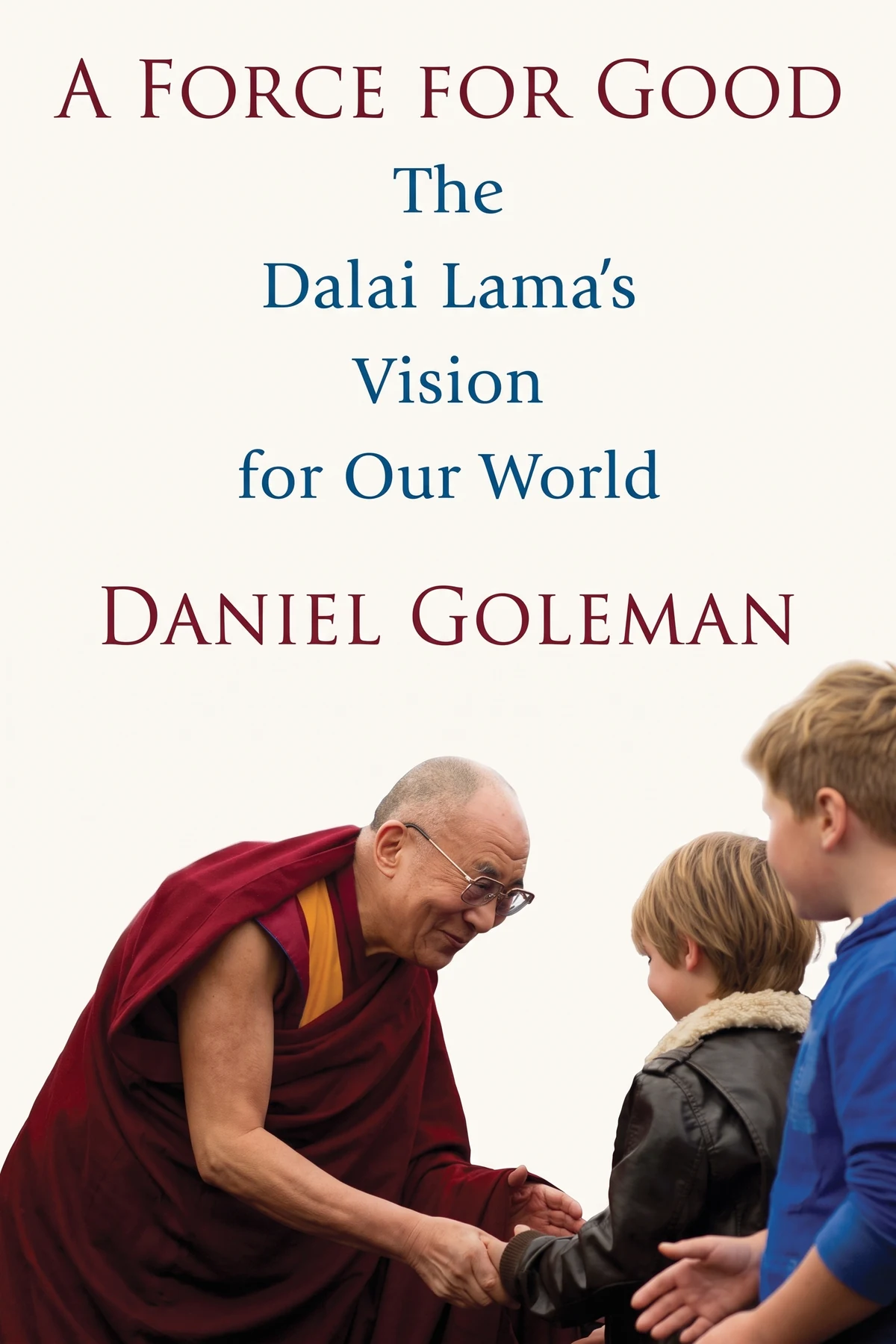
A Force for Good: The Dalai Lama's Vision for Our World
Daniel Goleman
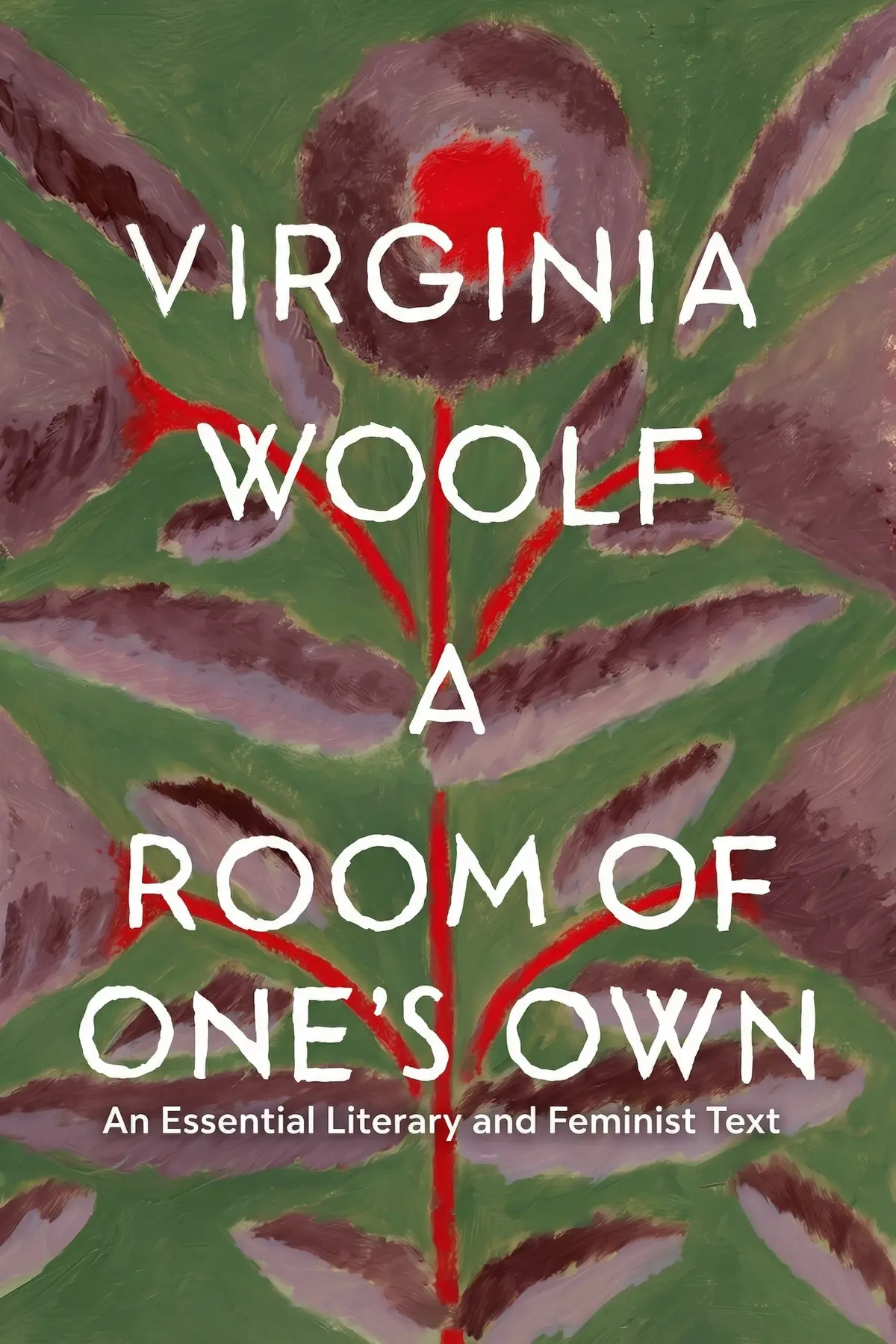
A Room of One’s Own
Virginia Woolf
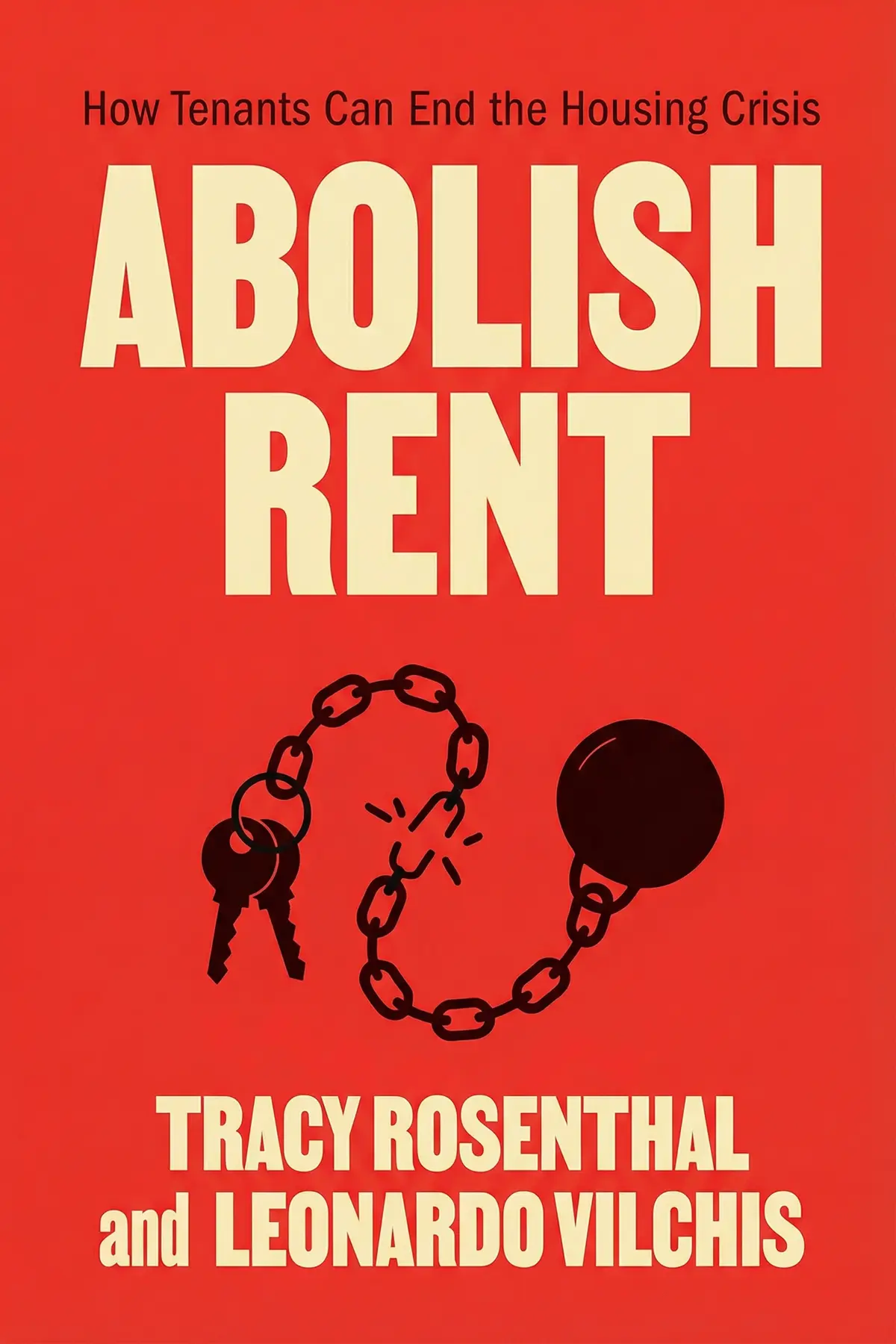
Abolish Rent: How Tenants Can End the Housing Crisis
Tracy Rosenthal
Abortion: Our Bodies, Their Lies, and the Truths We Use to
Jessica Valenti
Afropean: Notes From Black Europe
Johny Pitts
AUDIO SUMMARY AVAILABLE
Listen to Disability Visibility in 15 minutes
Get the key ideas from Disability Visibility by Alice Wong, plus 5,000+ more titles in English and Thai.
- 5,000+ titles
- Listen as much as you want
- 7-day free trial
- Cancel anytime







