
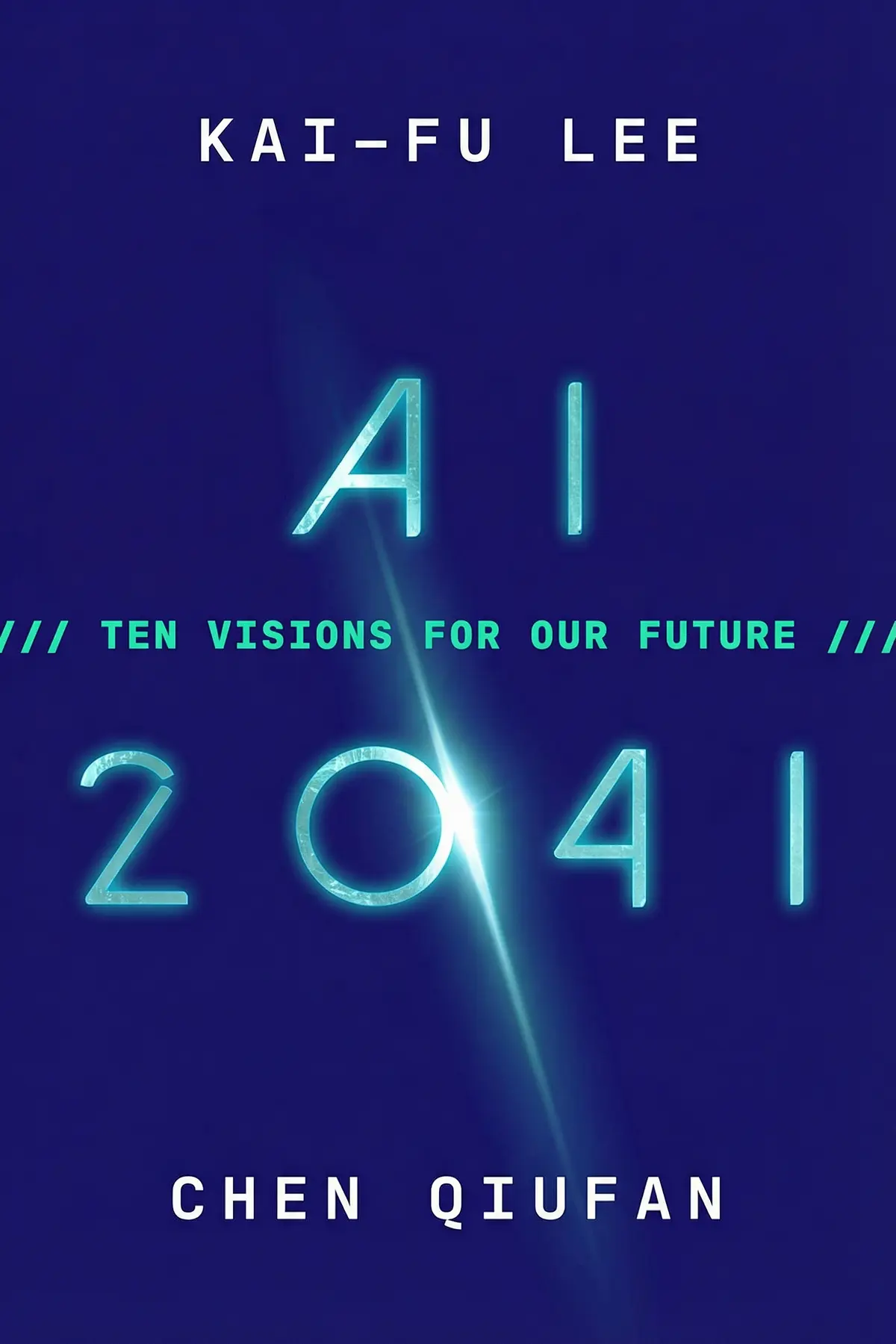
AI 2041: Ten Visions for Our Future
Kai-Fu Lee
Explore the shifting landscape of global technology as China challenges Silicon Valley for dominance. This analysis examines the rise of artificial intelligence and its profound impact on the future of labor and humanity.
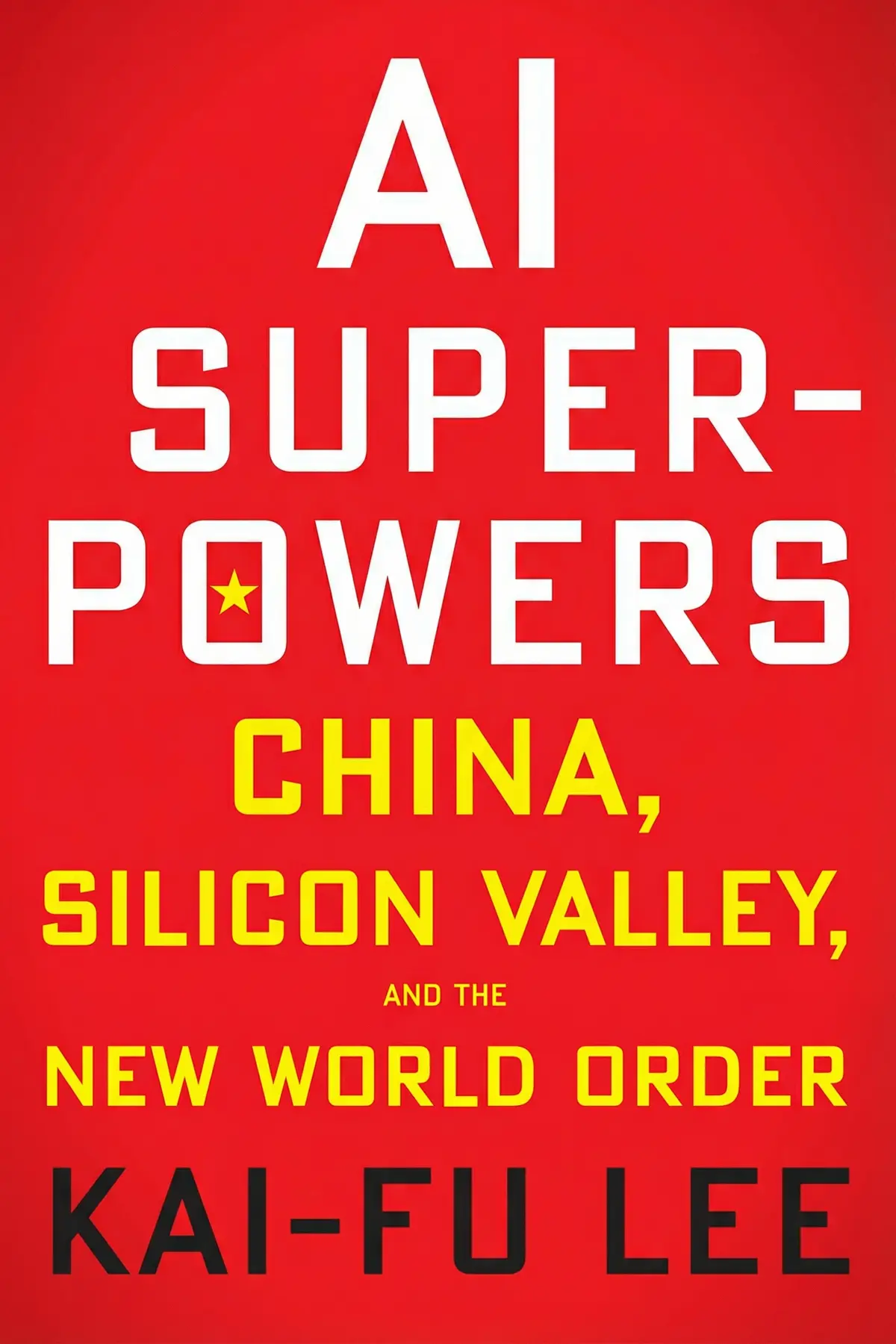
1 min 54 sec
Imagine a world where your morning commute is handled by a silent, autonomous vehicle, where your doctor’s diagnosis is supplemented by an algorithm with access to every medical journal ever written, and where your shopping list is predicted before you even realize you’re low on milk. This isn’t a scene from a distant sci-fi movie; it is the reality currently being constructed by the world’s two most powerful nations. For years, Silicon Valley has been the heart of innovation, but today, a new challenger has emerged with the scale and the will to redefine the global order.
We are standing at a pivotal moment in human history, often referred to as the second Industrial Revolution. But unlike the first one, which was powered by steam and coal, this revolution is powered by data and artificial intelligence. The question isn’t just about who will build the best software; it’s about which culture and which economic system will best adapt to a world where machines can think, learn, and act.
In this journey through the world of artificial intelligence, we will explore why the traditional advantages of American tech giants are being challenged by a tireless, data-rich environment in China. We’ll look at the breakthrough technology—deep learning—that changed everything, and we will break down the four waves of AI that are currently washing over our society.
But more than just a book about technology and geopolitics, this is a story about the human spirit. It’s about what happens when our identities, often tied to our productivity and our jobs, are challenged by automation. Through the lens of an industry veteran who has seen both sides of the Pacific, we’ll discover a path forward that isn’t just about survival, but about thriving in a way that celebrates our unique capacity for love and empathy. Let’s dive into the fascinating, high-stakes world of the AI revolution.
2 min 20 sec
Discover why the world has moved past the era of major AI breakthroughs into a phase where the real power lies in execution and massive amounts of data.
2 min 26 sec
Explore how China’s history of ‘copycat’ technology created a generation of battle-hardened gladiators ready to conquer the global AI market.
2 min 17 sec
Understand why China’s massive population and integrated mobile ecosystem make it the ‘Saudi Arabia of data’ in the AI age.
2 min 58 sec
Walk through the four distinct stages of AI development to see how technology will gradually move from our screens into our physical environment.
2 min 27 sec
Examine the sobering reality of how AI could automate nearly half of our current jobs and why this revolution is different from those in the past.
2 min 30 sec
Learn from the author’s personal health crisis why the future of AI must be centered on human connection and the things machines can never do.
2 min 04 sec
The rise of artificial intelligence is often framed as a cold, technical race between two global superpowers. And while the geopolitical stakes are undeniably high, the ultimate impact of this technology will be felt in our homes, our workplaces, and our very sense of self. We are moving toward a world where the boundaries between the digital and the physical are dissolving, and where the definition of ‘work’ is being radically rewritten.
China’s unique path—from a culture of imitation to a culture of fierce innovation fueled by an ocean of data—has created a formidable competitor to the American tech establishment. This competition will undoubtedly accelerate the pace of change, bringing us closer to the four waves of AI faster than many expect. We will see incredible gains in efficiency and wealth, but we will also face the profound challenge of mass job displacement and a potential crisis of human purpose.
However, as we have seen, the future is not yet written. The threat of automation provides us with a rare opportunity to pause and reflect on what we truly value. If we choose to use the wealth and the time provided by AI to reinvest in the ‘care economy’—rewarding empathy, creativity, and community building—we can create a society that is not only more efficient but more humane.
The lesson of the AI revolution is that while machines can optimize, only humans can love. By letting go of our obsession with being ‘productive’ like machines, we can finally embrace our potential to be compassionate like humans. As we navigate the complex path ahead, let us remember that the most powerful superpower isn’t artificial intelligence—it’s the human heart’s capacity for connection. The true promise of AI is not that it will replace us, but that it will free us to be more of who we were always meant to be.
For decades, the United States has been the undisputed leader of the technological frontier, but a new era is dawning. In this exploration of the global landscape, the focus shifts to China’s rapid transformation from a country of imitators to a powerhouse of innovation. Driven by massive data, government support, and a uniquely competitive entrepreneurial spirit, China is positioned to become a co-equal—or perhaps the superior—superpower in the field of artificial intelligence. This summary delves into the four distinct waves of AI development, explaining how each will reshape our daily lives, from how we shop to how we receive medical care. It also addresses the looming crisis of automation, providing a nuanced perspective on job displacement that goes beyond simple optimism or doom-mongering. Ultimately, the narrative moves from cold technology to a deeply personal reflection on what makes us human. It offers a hopeful vision for a future where machines handle the routine while people reclaim their capacity for care, community, and connection.
Kai-Fu Lee has an extensive history within the tech industry. He has a degree in computer science from Columbia University and a PhD from Carnegie Mellon. He’s also worked as an executive for Apple, Microsoft, and SGI. More recently, he was president of Google China before launching his own venture capitalist firm, Sinovation, in 2009.
Kai-Fu Lee
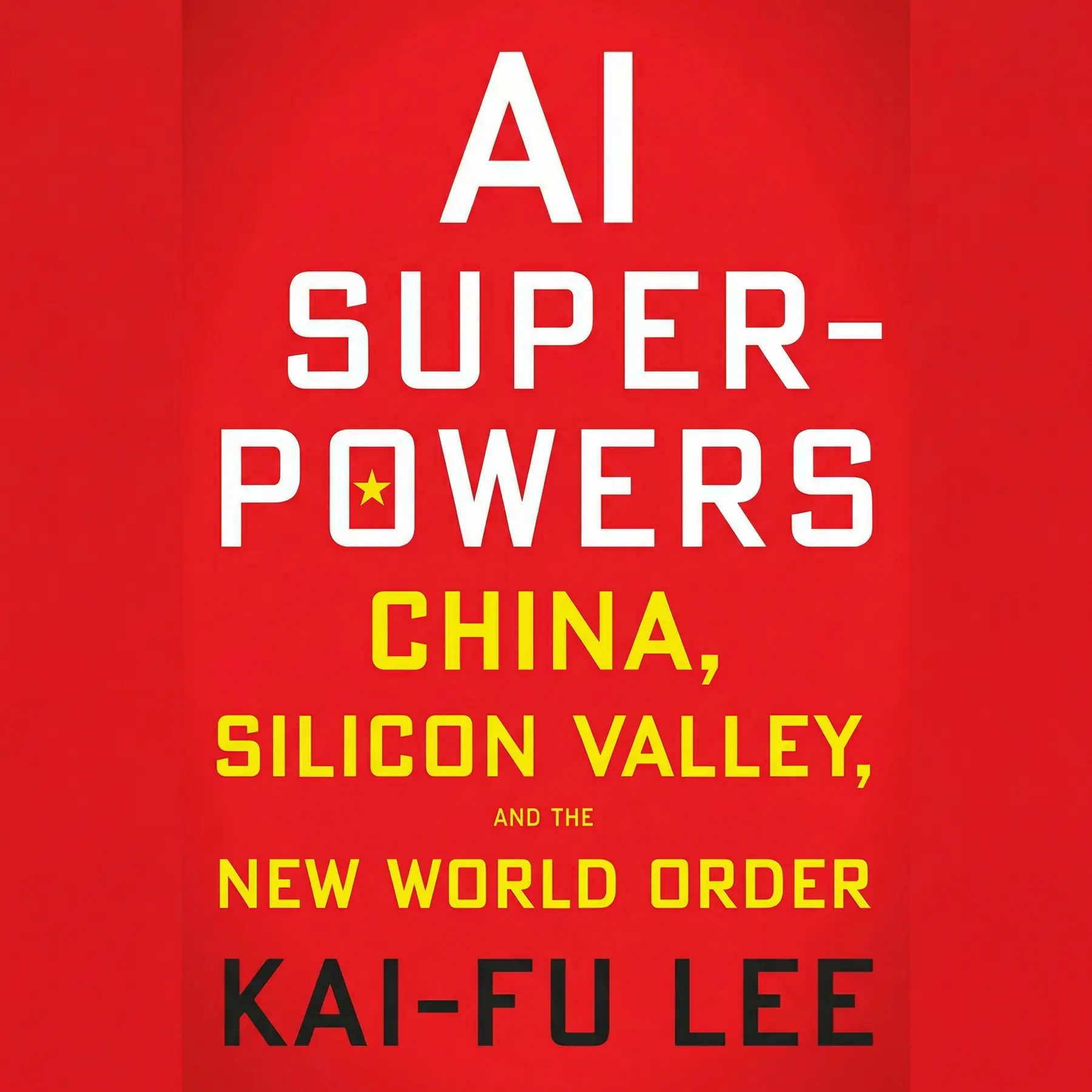
Listeners find the work provides significant observations regarding AI history and enjoy its efficient, brief structure. Furthermore, the prose is expertly written, and listeners appreciate the human-centered perspective applied to the subject. The text also delivers a gripping story and solid outlook on what’s ahead, with one listener pointing out its geopolitical context for AI. Listeners feel the material is a valuable use of their time, with one mentioning its cost-effectiveness for consumers.
This book provides a masterclass in the shifting global landscape of technology and economic power. Kai-Fu Lee leverages his incredible background at Google and Apple to explain why China has moved from a copycat culture to a world-class innovator. He argues that data is the new oil, and China currently possesses the biggest reserves on the planet. I found the sections on the 'four waves' of AI development particularly enlightening for understanding where we are heading as a species. While some readers might find his optimism about the Chinese model jarring, his logic regarding implementation over pure research is hard to ignore. It’s a well-crafted narrative that perfectly balances technical trends with profound societal impacts. Every policy maker and tech enthusiast should have this on their shelf to understand the 21st-century's defining struggle.
Show moreWhat separates this from other dry tech books is the profound humanistic approach the author takes halfway through. About two-thirds of the way through, Lee shifts from geopolitical strategy to his personal battle with stage IV lymphoma. This experience clearly changed his outlook on what machines can and cannot do for us in the long run. He argues that while AI will replace many routine tasks, it can never replicate true human compassion or love. This realization shapes his proposals for a new social contract to handle the coming job displacement crisis. It’s an emotional and thought-provoking read that goes far beyond just algorithms and market shares. I walked away feeling both terrified of the economic shifts and hopeful about our inherent human potential to adapt.
Show moreWow, Kai-Fu Lee has written something that feels like an urgent briefing for the entire world. The way he describes the 2017 AlphaGo victory as China’s 'Sputnik moment' really puts current technological tensions into perspective. This isn’t just a book about robots; it’s about a fundamental shift in economic power and our social structure. I loved the concise format and how he categorized AI into four distinct waves to make the future feel tangible. It helped me visualize the timeline of when these changes will actually hit our daily lives and our bank accounts. The book is exceptionally well-crafted, blending high-level strategy with grounded examples of Chinese super-apps like WeChat. If you want to know where the global economy is going, you really need to read this now.
Show moreThe chapter on the four waves of AI alone makes this book worth the price of admission. Lee categorizes the evolution of the technology in a way that is incredibly easy for anyone to follow. You move from internet AI and business AI to perception and autonomous systems with total clarity. His writing style is fluid and keeps the reader engaged, even when discussing complex economic shifts or historical failures. Personally, I found the discussion on the 'un-marketable' value of human care to be the most touching part of the narrative. It’s rare to find a high-level tech executive who writes with this much heart and vulnerability. Highly recommended for anyone curious about the intersection of technology, politics, and our collective human future.
Show morePicked this up on a whim after seeing it mentioned in a tech newsletter during my morning commute. It’s surprisingly quick to get through, which I appreciated given how dense this topic can often become. Lee does a great job of breaking down complex concepts like deep learning into something a layperson can easily grasp. To be fair, he definitely has a pro-China lean, but that’s exactly why the perspective is so valuable for a Western reader. We often live in a Silicon Valley bubble and ignore the 'gladiatorial' competition happening in the East. My only minor gripe is that the middle sections occasionally feel a bit like a PR piece for his venture capital firm. Still, the historical context and the 'Sputnik moment' of AlphaGo are top-notch additions.
Show moreAfter hearing so much about the 'AI arms race,' I wanted to understand the actual mechanics of the competition between nations. Lee delivers a compelling narrative that highlights how the US excels in research while China thrives on rapid implementation. His breakdown of how white-collar jobs—like radiologists or underwriters—are just as vulnerable as blue-collar ones was particularly eye-opening. The writing style is punchy and accessible, making it easy to digest the entire book in just a few sittings. I didn’t agree with every single conclusion, especially his take on data privacy and government integration, but his perspective remains essential. It’s a very cost-effective way to get a high-level education on a topic that will define the next fifty years of human history.
Show moreFinally got around to reading this after seeing it on several 'best of' lists for the year. It manages to deliver a very compelling narrative about the future of global power without getting bogged down in academic jargon. To be fair, Lee's predictions about the speed of automation are quite alarming and might keep you up at night. I found his perspective on the geopolitical context of AI to be the most valuable part of the whole experience. It’s a well-crafted look at how the rivalry between the US and China will shape our lives. Even if you aren't a 'tech person,' the sections on job displacement are relevant to everyone in the workforce today. It is definitely worth the read for the perspective shift alone.
Show moreEver wonder why China suddenly seems to be winning at tech despite starting so far behind? Lee explains that the secret sauce isn’t just government support, but a culture of hyper-competition and massive data collection. He contrasts the 'mission-driven' Silicon Valley with 'market-driven' Chinese entrepreneurs who will do whatever it takes to win. This book provides a much-needed geopolitical context for the AI debate that we often miss in Western media. It’s not just about who has the best math, but who can deploy the technology the fastest to the most people. I appreciated the humanistic lens he uses to look at the future of work after his health scare. It’s a sobering but necessary look at how the global hierarchy is currently being rewritten.
Show moreTruth is, Kai-Fu Lee has a unique perspective that almost no one else in the industry can offer. Having led divisions at Apple, Microsoft, and Google, he understands the Western mindset perfectly while being an insider in the Chinese boom. However, the book feels a bit lopsided, focusing heavily on his own successes and the inevitability of Chinese dominance. The writing is well-crafted, but it often glosses over the ethical concerns of the surveillance state he describes so casually. Not gonna lie, I expected more technical depth regarding the limitations of deep learning, rather than just its business applications. It serves as a good perspective on the future, but it should be read alongside other more critical tech analyses. It's an interesting, quick read that sparks debate even if you don't agree with the premise.
Show moreWhile the insights into the Chinese tech scene are fascinating, the book left me wanting much more technical substance and less personal fluff. It starts strong, detailing the intense competition in China’s startup world, but quickly devolves into a repetitive memoir. By the final chapters, it felt more like a long cover letter for Lee's current investment portfolio than an objective analysis. The pivot to discussing his health felt disconnected from the earlier rigorous analysis of global superpowers and economic models. Frankly, the solutions he proposes for massive job loss, like paying people to care for others, felt incredibly idealistic and economically underdeveloped. It’s a decent introductory text for absolute beginners, but industry experts will likely find it a little light on data and heavy on anecdotes.
Show more
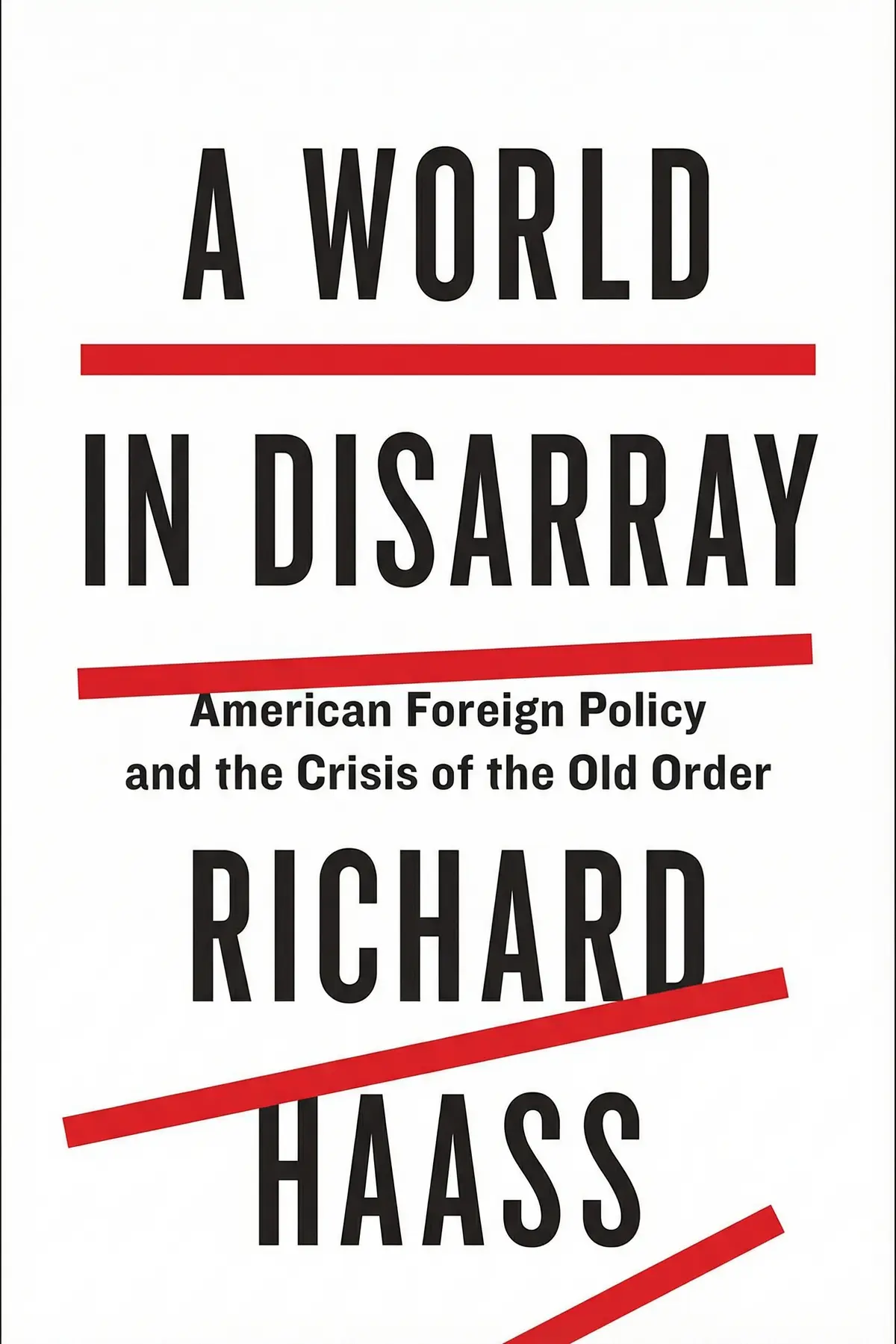
Kai-Fu Lee

Tracy Rosenthal
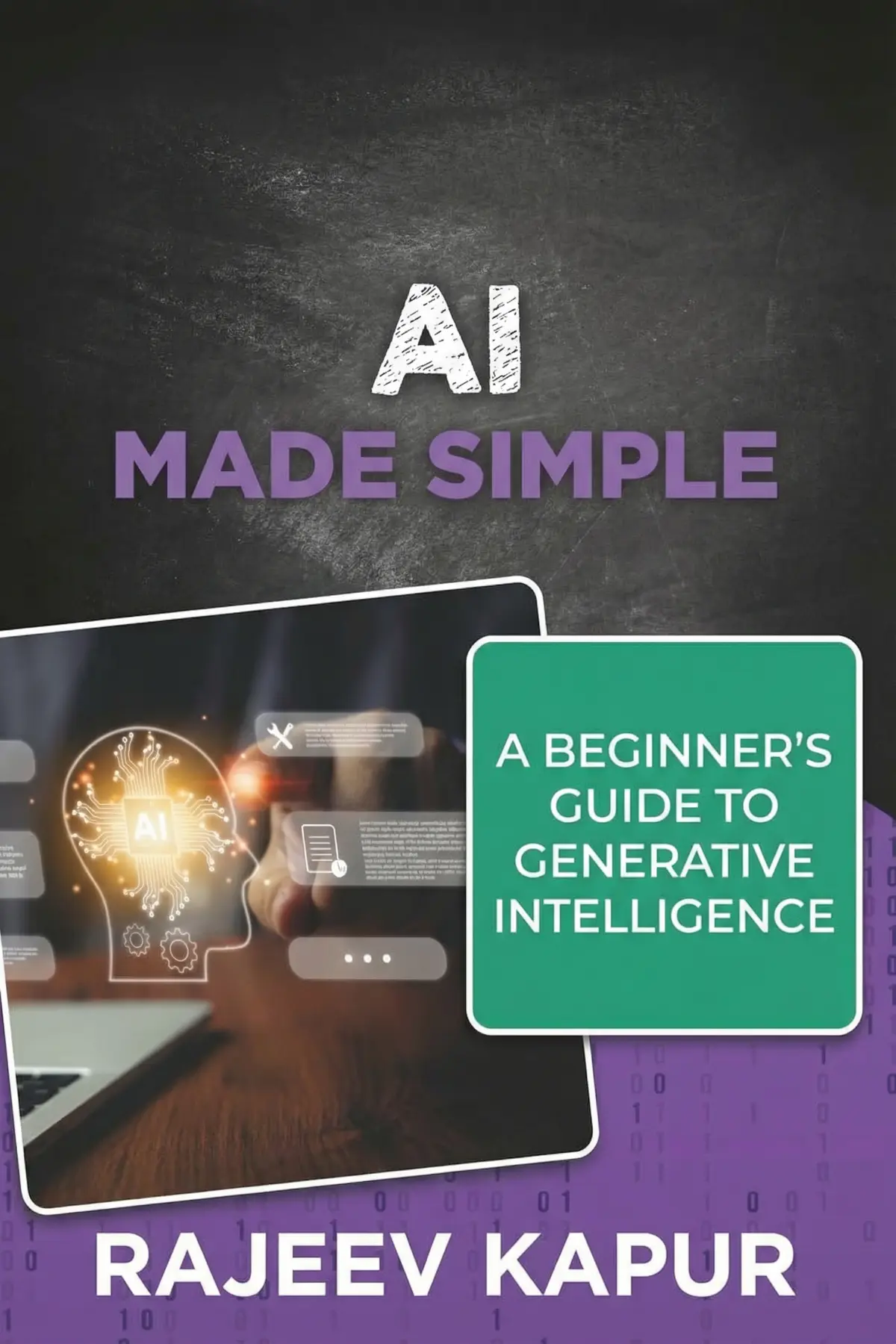
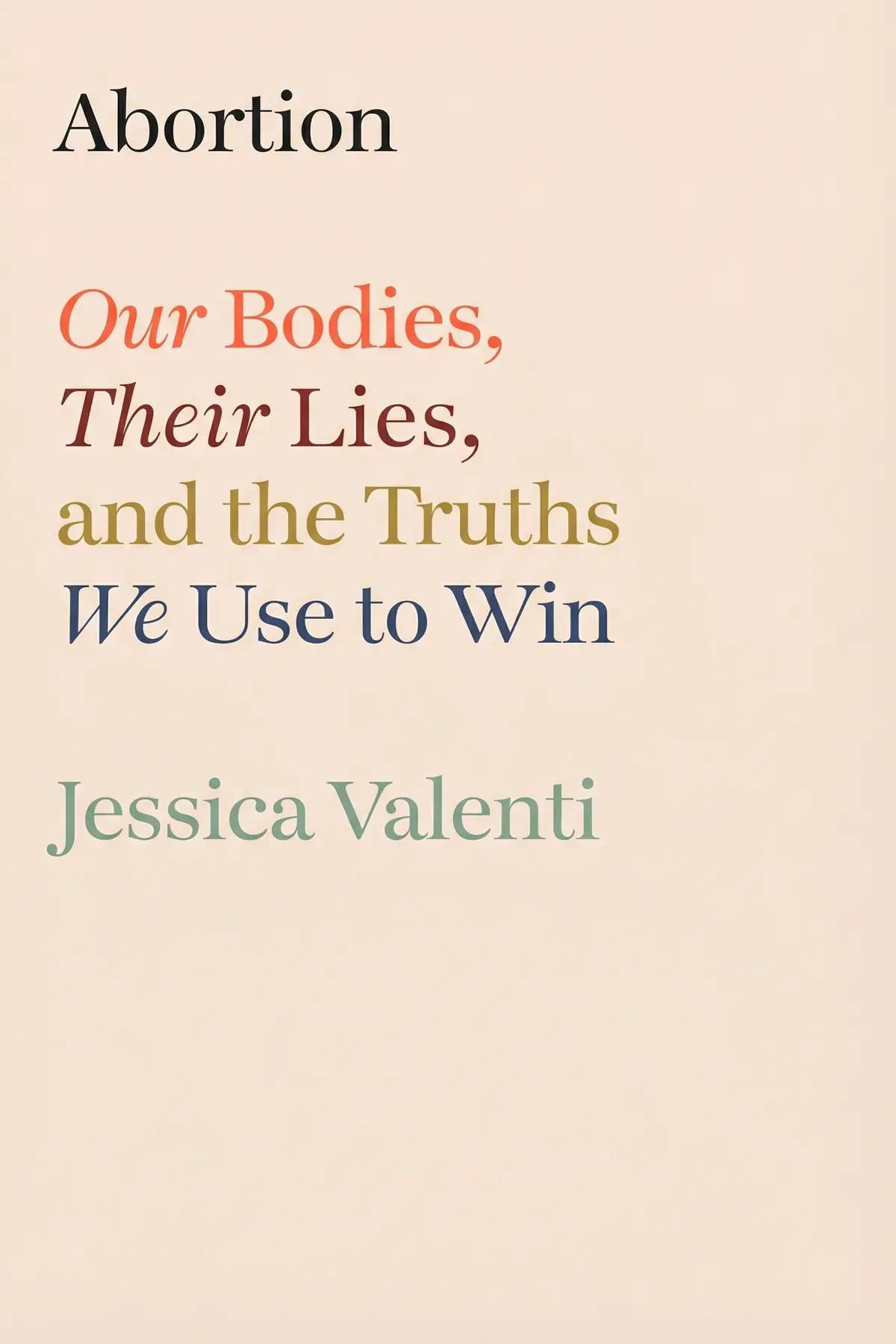
Jessica Valenti
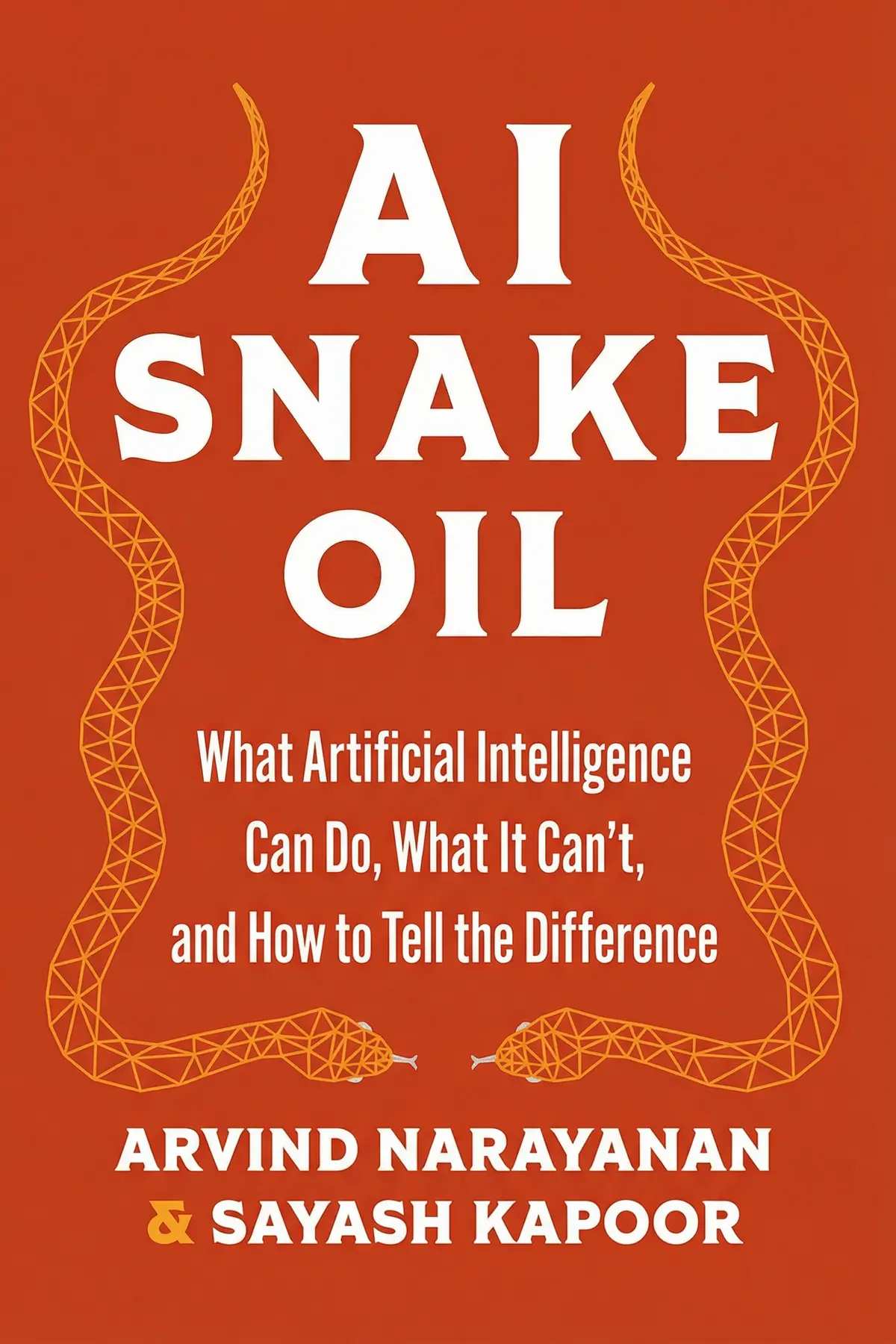

Yanis Varoufakis
AUDIO SUMMARY AVAILABLE
Get the key ideas from AI Superpowers by Kai-Fu Lee, plus 5,000+ more titles in English and Thai.







