
19 min 27 sec
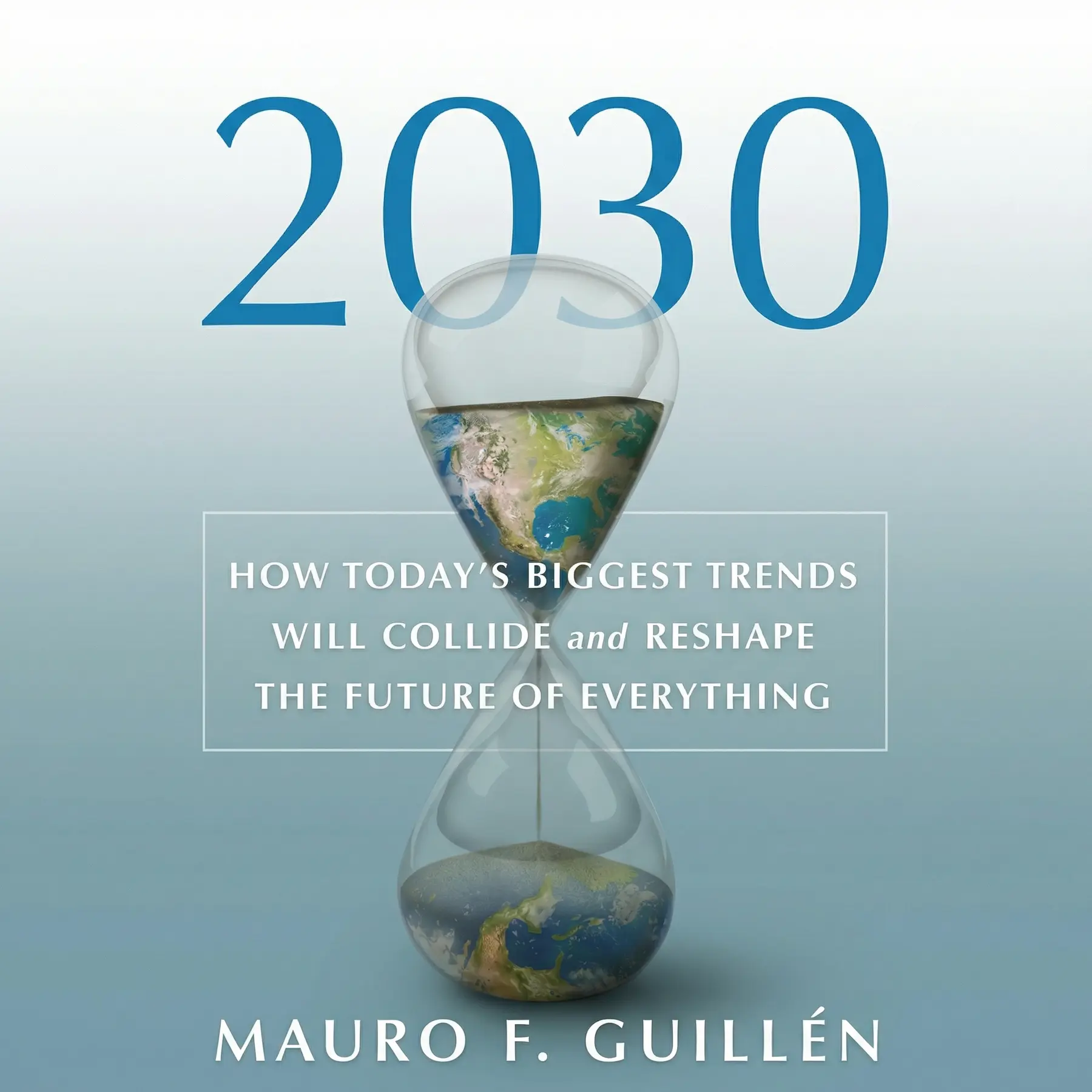
2030: How Today's Biggest Trends Will Collide and Reshape the Future of Everything
Explore the massive demographic, economic, and technological shifts arriving by the next decade. This summary reveals how aging populations, emerging markets, and the sharing economy will fundamentally redefine our global society.
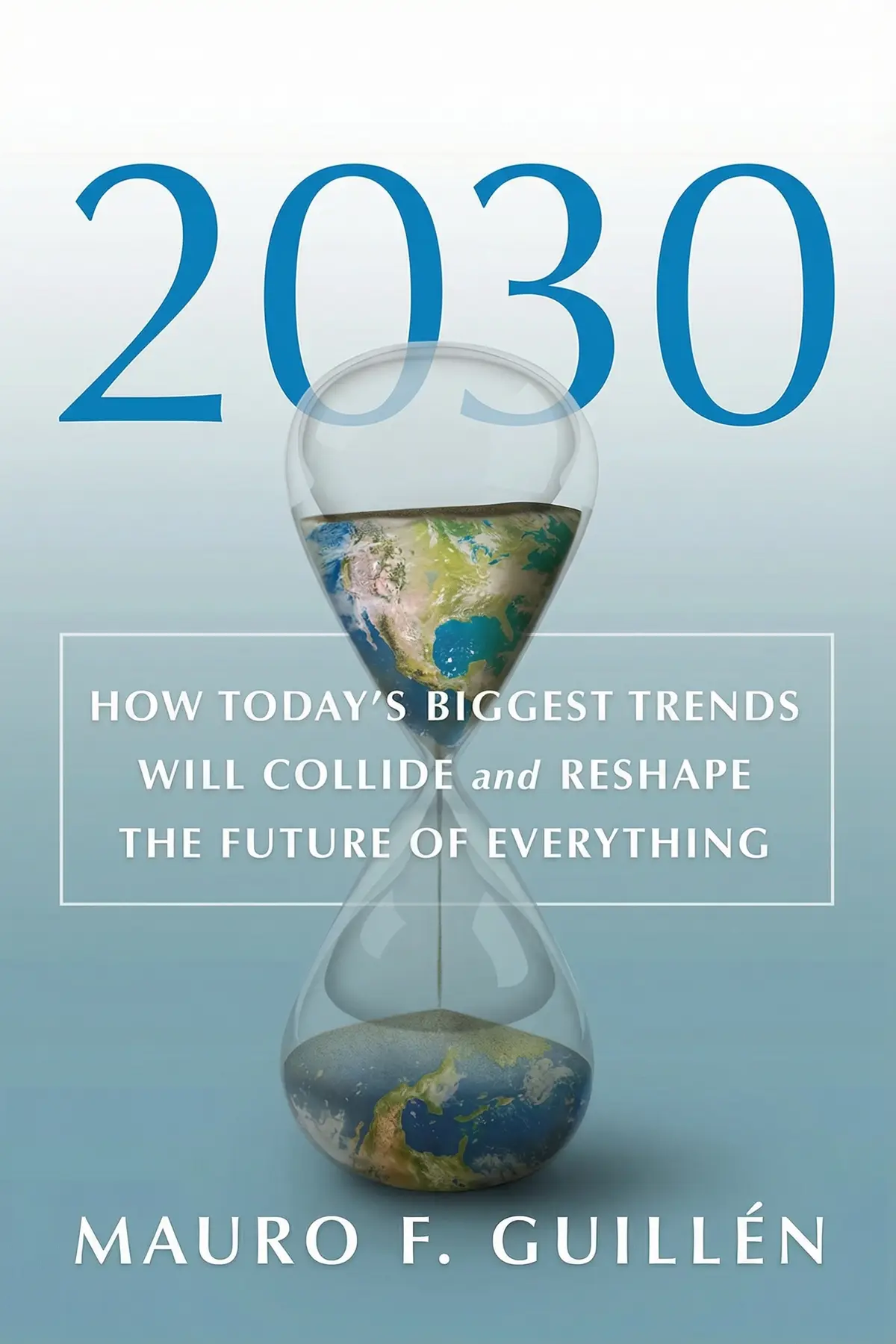
Table of Content
1. Introduction
1 min 48 sec
As we look toward the horizon of the next decade, many of us feel a sense of profound uncertainty. We live in a time defined by rapid change and unexpected disruptions, leaving us to wonder what the world will actually look like just a few years from now. Predicting the future with absolute certainty is a fool’s errand, yet we are not entirely in the dark. By examining the powerful trends already in motion today—shifts in how many children we have, where we live, how we spend our money, and which technologies we embrace—we can begin to sketch a vivid portrait of our collective future.
By the time we reach the year 2030, the global landscape will have undergone a fundamental transformation. We are moving toward a reality where the traditional structures of the twentieth century no longer apply. Imagine a world where the most influential consumers are over the age of sixty, where the middle class has migrated almost entirely to the East, and where the very concept of owning a car or a home has been replaced by a system of collaborative access. This isn’t science fiction; it is the logical conclusion of the path we are currently traveling.
In this exploration, we will dive deep into the convergences that are reshaping our lives. We will look at why the decreasing birth rate is creating a demographic drought in some regions while fueling a boom in others. We will see how the rise of female wealth is changing the nature of global investment and why our cities must become more than just concrete jungles if they are to survive a changing climate. The goal is to move beyond the headlines and understand the underlying forces that will define the coming decade. By the end of this journey, you will have a much clearer sense of the challenges and opportunities that await us in the year 2030, allowing you to prepare for a world that is, in a word, different.
2. The Global Shift in Birth Rates
2 min 13 sec
Discover why the world is moving from a fear of overpopulation to a looming baby drought that will force a radical rethink of our economic systems.
3. The Economic Power of the Gray Market
2 min 07 sec
Learn how the aging population is becoming a massive, untapped financial force that most businesses are currently failing to address.
4. The Rebirth and Relocation of the Middle Class
1 min 56 sec
The traditional engine of the global economy is changing its address, as the middle class in Asia prepares to outspend its Western counterparts.
5. Women Holding the Reins of Global Wealth
1 min 59 sec
A massive transfer of wealth is underway, placing more than half of the world’s assets in the hands of women for the first time in history.
6. The Necessity of Urban Transformation
1 min 57 sec
As cities become the front lines of the climate crisis, they must reinvent themselves as green hubs to survive rising temperatures and sea levels.
7. A New Wave of Technological Breakthroughs
2 min 03 sec
From robot surgeons to waterless toilets, the next decade will be defined by innovations that solve real-world problems in unexpected ways.
8. The Rise of the Sharing Economy
1 min 55 sec
Ownership is becoming a thing of the past as younger generations prioritize access and flexibility over the burden of possessing assets.
9. The Maturity of Cryptocurrency and Blockchain
1 min 51 sec
Go beyond the hype of Bitcoin to understand how blockchain technology could soon secure everything from our votes to our diamond purchases.
10. Conclusion
1 min 38 sec
As we stand on the threshold of 2030, it is clear that the world is not just changing; it is being rebuilt. The convergence of a ‘graying’ population in the West, a burgeoning youth population in Africa, the rise of female wealth, and the shift of the middle class to the East creates a global map that looks nothing like the one we grew up with. When you add the disruptive power of the sharing economy, the maturity of blockchain, and the urgent need for cities to go green, the scale of the transformation becomes truly staggering. These are not isolated events; they are a single, interconnected web of change.
Success in the coming decade will require a new kind of literacy—one that involves looking at the world through a broader lens. We must learn to anticipate the needs of an older population, respect the cultural nuances of emerging markets, and embrace a life defined by access rather than possession. The most important lesson as we head into this future is the need for intentional adaptation. Just like the toy company Lego, which struggled when it tried to do too much but thrived when it returned to its core mission while modernizing its approach, we must stay true to our values while being flexible in our methods.
The year 2030 will bring challenges that seem daunting, from the climate crisis to demographic droughts. But within those challenges lie the seeds of incredible opportunity. By understanding these trends now, we can move from being passive observers of the future to active participants in its creation. The world of 2030 is coming, and with the right preparation, it is a world in which we can all thrive.
About this book
What is this book about?
The world of the near future is not a mere extension of today; it is a landscape being reshaped by the collision of several massive trends. From the dramatic decline in birth rates in the West to the explosive growth of the African population, the human map is changing. Meanwhile, wealth is shifting from traditional powerhouses to the global middle class in Asia and into the hands of women worldwide. This summary provides a roadmap for navigating these disruptions. It explores how the aging "gray market" will become an economic titan, why the sharing economy will replace traditional ownership, and how technologies like blockchain and vertical farming offer solutions to our most pressing environmental and financial crises. The promise is clear: by understanding these convergences now, individuals and businesses can prepare for a world that will look unrecognizable by the year 2030.
Book Information
About the Author
Mauro F. Guillén
Mauro F. Guillén is a distinguished sociologist and a leading authority on global market trajectories. He holds the Zandman Professorship in International Management at the Wharton School of the University of Pennsylvania. His expertise has reached a massive global audience, with more than 100,000 students participating in his acclaimed online courses.
Ratings & Reviews
Ratings at a glance
What people think
Listeners find the work thoroughly researched and an engaging read, offering a superb look at upcoming global trends. They value how easy it is to digest and consider the content quite impactful. However, the specific prose style receives mixed reactions from listeners.
Top reviews
Wei
This was a fascinating look into the near future. The statistic that we will soon have more grandparents than grandchildren really stuck with me. It’s a fundamental shift that will change everything from housing to healthcare. Guillén writes in a way that is very impactful without being overly academic or dry. I personally felt that his 'lateral thinking' approach is exactly what we need in a world that’s changing this fast. The book is well-researched and covers a lot of ground, including some great insights into the 'sharing economy.' It really made me rethink how I'm planning for my own retirement and what the world might look like for the next generation. Highly recommended for anyone who wants to stay ahead of the curve.
Show moreRungrat
Wow. Just wow. I didn't realize how much the world was changing right under our noses. The chapter on the 'sharing economy' and 'Neo-Marxism' was provocative in all the right ways. Guillén uses clear, simple language to explain really complex global shifts. I loved the focus on the three T’s: Talent, Tolerance, and Technology. It’s a very optimistic book, which I think we need right now. It might not be for everyone, especially if you hate economics, but I found it incredibly impactful. It has totally changed how I look at my career and my investments. The clock is ticking, and this book gave me the tools to start preparing for 2030 today.
Show moreSing
Guillén has undertaken a daunting task and succeeded in making it accessible. The way he explains the collision of these trends—how aging populations in the West will rely on the growth of the middle class in the East—is brilliant. I personally appreciated the 'lateral thinking' advice at the end. It's practical stuff for entrepreneurs and anyone trying to navigate a gig-heavy world. Some might say it’s too optimistic, but I found the perspective refreshing. It’s a well-researched, interesting read that doesn't get bogged down in too much technical jargon. Definitely one of the better 'future' books I've read in a long time. It really makes you think about the legacy we're leaving.
Show moreHugo
I honestly found 2030 to be a pretty eye-opening read, even if some of the concepts felt familiar. Guillén does a fantastic job of weaving together diverse threads like declining birth rates and the massive shift in wealth toward women. It’s not just about tech; it’s about the human element of economics. I particularly liked the section on how the middle class is exploding in Asia and Africa while stagnating here in the West. It makes you realize how much our worldview is still stuck in the 20th century. The writing style is very accessible, which I appreciated, although it occasionally felt like he was rushing through complex topics to keep the pace up. If you're looking for a solid overview of where we're headed, this is a great starting point.
Show moreSuwit
A very timely and thoughtful contribution to the genre. What I liked most was that Guillén doesn't just focus on the 'flashy' stuff like AI and robots. Instead, he looks at the quiet shifts in demographics and wealth that are going to hit us like a tidal wave. The postscript about the pandemic was especially helpful; it shows how COVID-119 acted as an accelerator for many of these trends. I did feel that some chapters were a bit repetitive, and he relies heavily on anecdotes that don't always feel fully fleshed out. Still, it’s a very readable book that provides a great overview of the challenges we’re about to face. It’s a solid 4 stars from me.
Show moreUraiwan
I received this as a gift and I'm glad I read it. The author makes a compelling case for why the 'rules of the game' are changing permanently. The shift of the global market toward Asian and African consumers is something we really need to start paying more attention to in the West. I found the writing style to be punchy and engaging, though some sentences were a bit long-winded. Honestly, it’s a bit scary to think that 2030 is only a few years away and we are still arguing about old-world problems. This book is a much-needed wake-up call. It’s not perfect—some of the claims about women’s happiness seemed based on shaky data—but the overall message is very powerful.
Show moreWit
As a market researcher, I might not be the target audience for this book. Most of the demographic trends regarding the aging population and declining fertility are things I deal with daily. That said, I did find the section on cryptocurrency and blockchain applications to be quite well-researched. Guillén’s take on how blockchain could help with things like gun control or protecting endangered species was a creative touch I hadn't considered. However, the book's reliance on 'lateral thinking' felt a bit like a self-help gimmick by the end. It’s a decent overview for a casual reader, but if you’re already immersed in global economics, you probably won’t find many 'aha!' moments.
Show moreChamp
Eh. This wasn't exactly what I expected. I was hoping for more of a 'crystal ball' look at daily life in 2030, but it felt more like a textbook on global economics. Personally, I found the chapters on fertility and the middle class a bit slow, though the section on women owning more than half of the world's wealth by 2030 was definitely interesting. I felt like the author was a bit of a 'cockeyed optimist,' which is fine, but it occasionally felt like he was ignoring the massive downsides of these trends. The mention of Airbnb as a disruptor felt a bit dated given everything that’s happened recently, but I suppose that’s the risk with books about the future. It’s okay, just not my favorite.
Show moreApichat
I wanted to like this, but it felt incredibly US-centric and a bit disorganized. The title promises a deep dive into the year 2030, but it mostly feels like a collection of current events and buzzwords like the 'gig economy' and 'AI' thrown into a blender. Honestly, reading it felt like being at a party where everyone is slightly drunk and trying to sound smarter than they are by quoting headlines. He compares urbanization numbers from 1969 to 2020 without adjusting for the global population doubling, which felt like bending statistics to fit a specific narrative. I also found the constant personal testimonials a bit distracting and superficial. It might work for someone who doesn't follow the news at all, but for me, there was nothing truly revolutionary here.
Show moreLillian
This book felt rushed. The author bombards you with viral buzzwords—nanotechnology, gender pay gap, climate change—without ever really going deep into any of them. I felt like I was reading a collection of LinkedIn articles rather than a cohesive book. There were moments where he would jump from talking about urbanization to suddenly discussing cancer treatments, and the connection just wasn't there. Also, as someone living outside the US, the American-centric bias was pretty distracting. He ignores a lot of the great work done by people like Hans Rosling or Yuval Noah Harari, which makes his own conclusions feel less authoritative. If you want a real analysis of the future, look elsewhere.
Show moreReaders also enjoyed
1929: Inside the Greatest Crash in Wall Street History--and How It
Andrew Ross Sorkin
23 Things They Don’t Tell You About Capitalism
Ha-Joon Chang
A Little History of Economics
Niall Kishtainy
A Splendid Exchange: How Trade Shaped the World
William J. Bernstein
21 Lessons for the 21st Century
Yuval Noah Harari
AUDIO SUMMARY AVAILABLE
Listen to 2030 in 15 minutes
Get the key ideas from 2030 by Mauro F. Guillén, plus 5,000+ more titles in English and Thai.
- 5,000+ titles
- Listen as much as you want
- 7-day free trial
- Cancel anytime







