
15 min 22 sec
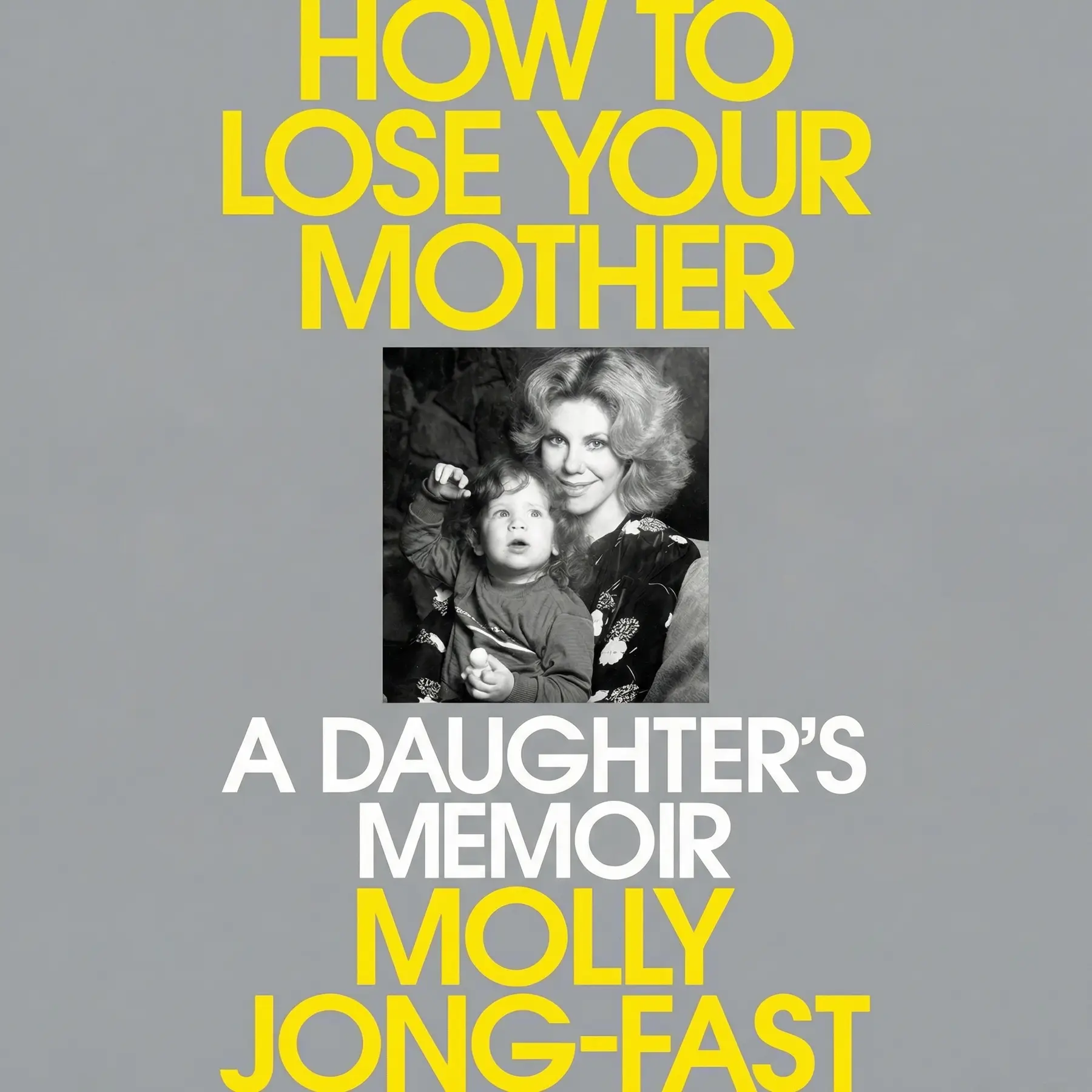
How to Lose Your Mother: A Daughter's Memoir
A poignant and candid exploration of family legacy, addiction, and the heavy mantle of caregiving. Molly Jong-Fast recounts the complex process of saying goodbye to her famous mother while confronting her own life’s crises.
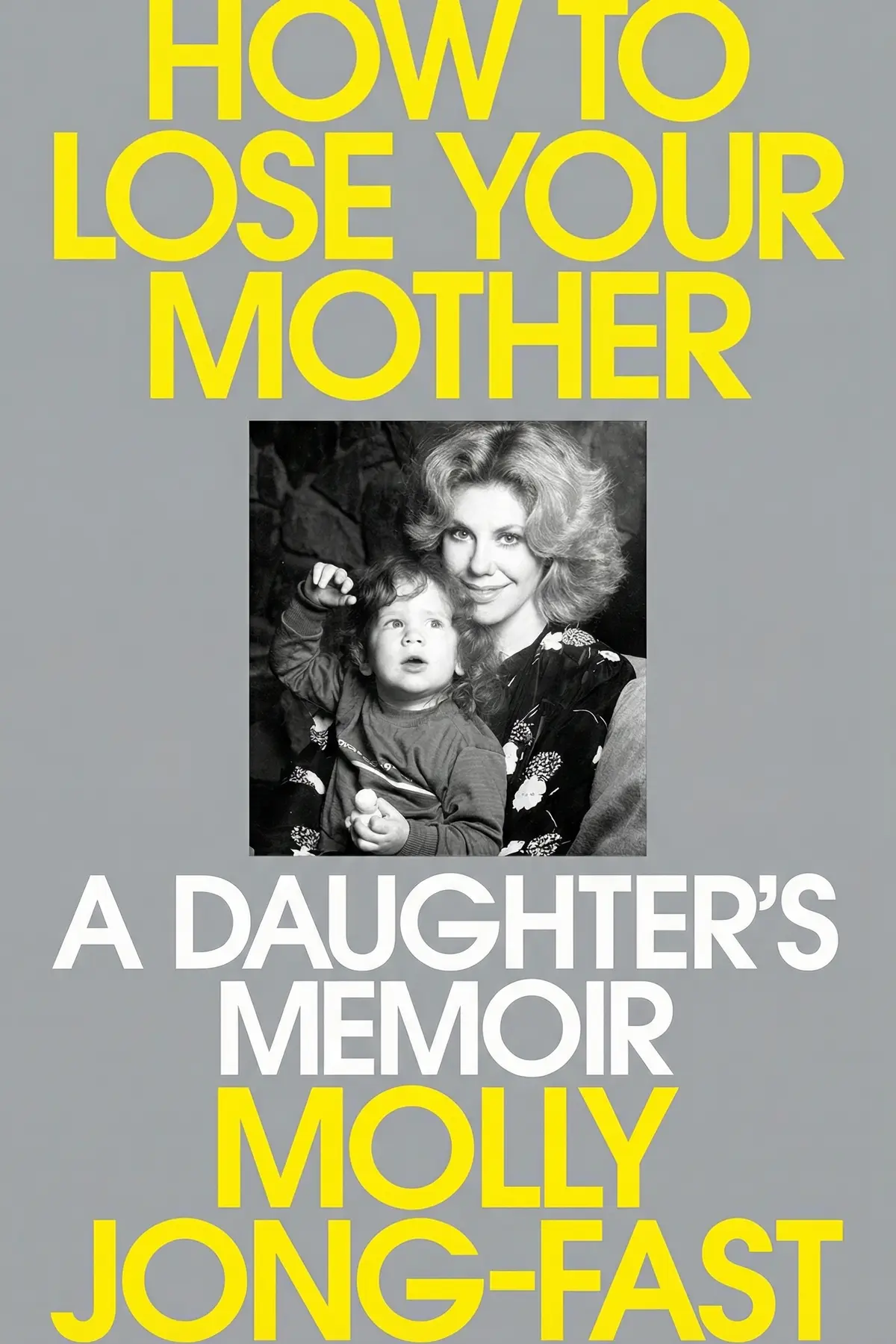
Table of Content
1. Introduction
1 min 35 sec
For many people, the idea of having a famous parent seems like a dream—a life filled with glamor, access, and recognition. But for Molly Jong-Fast, the daughter of the iconic feminist writer Erica Jong, fame was less of a benefit and more like a heavy fog that permeated every corner of her home. Growing up in the wake of her mother’s massive success with the novel Fear of Flying, Molly discovered early on that a parent who belongs to the world often has very little left over for their own child.
How to Lose Your Mother is not just a story about celebrity; it is a profound throughline about the messy, often painful transition into true adulthood. It explores that specific moment in life when the roles are reversed, and the child who was once neglected becomes the primary caretaker for the parent who failed them. It is a journey through the complex terrain of memory, addiction, and the stark realities of illness.
In this summary, we will walk through the author’s attempt to reconcile her childhood resentment with her adult responsibilities. We will see how a family built on literary performance handles the quiet, unglamorous reality of cognitive decline. Through crises of both the mind and the body, we find a narrative about what it means to finally grow up, to let go of the parents we wished we had, and to show up for the ones we actually have. It’s a story about finding stability in the midst of a storm and discovering that sometimes, the most heroic thing you can do is simply be the person who stays and does the work.
2. The Weight of a Public Persona
2 min 42 sec
Imagine living with a mother who isn’t just a parent, but a cultural phenomenon. Discover how global fame can create an emotional vacuum within the home.
3. The Architecture of a Chaotic Childhood
2 min 40 sec
From bohemian shacks to pink townhouses, a child navigates a world of shifting parental figures and the struggle of hidden disabilities.
4. The Double Catastrophe of 2020
2 min 18 sec
What happens when you are forced to become a parent to your parents while your own partner’s life hangs in the balance?
5. The Collapse of the Literary Myth
2 min 14 sec
Peeling back the layers of a famous life often reveals a startling truth: the grand facade was built on a foundation of debt and denial.
6. Finding Peace in the Wreckage
2 min 23 sec
Discover how the finality of loss and the miracle of recovery lead to a new understanding of what it means to be a daughter.
7. Conclusion
1 min 30 sec
How to Lose Your Mother is a testament to the fact that we often find our greatest strength in the roles we never wanted to play. Molly Jong-Fast’s journey takes us from the glitzy, chaotic world of 1970s literary fame to the quiet, sterile hallways of a modern nursing home, showing us that no amount of public acclaim can shield a family from the universal challenges of aging and illness.
The throughline of this story is the transformation of a daughter. She moves from a place of deep-seated resentment and the ‘specialness’ of being a celebrity’s child to the grounded reality of being a wife, a mother, and a caregiver. She teaches us that acceptance isn’t about liking what happened or pretending the past was perfect; it’s about acknowledging the reality of the present and doing what needs to be done.
The actionable takeaway here is that we must eventually stop waiting for our parents to give us the apologies or the validation we think we need. True maturity begins when we decide to provide for others what was perhaps not provided for us. By embracing the responsibility of care, we don’t just help those who are declining—we liberate ourselves from the shadows of our upbringing. As you reflect on your own family dynamics, consider where you might be holding onto a version of a parent that no longer exists, and how much peace you might find if you simply meet them where they are today.
About this book
What is this book about?
How to Lose Your Mother is a deeply personal memoir that explores the intersection of fame, family dynamics, and the inevitable transitions of adulthood. It chronicles the life of Molly Jong-Fast, who grew up as the daughter of the revolutionary feminist author Erica Jong. The book delves into the peculiarities of a childhood spent in the shadow of a global icon, where emotional neglect often wore the mask of bohemian freedom. As the narrative shifts into the present, it details a period of overwhelming crisis where the author must navigate her mother’s descent into dementia while simultaneously supporting her husband through a terrifying cancer diagnosis. It promises an unflinching look at the role of the caregiver, the dismantling of a parental legacy, and the hard-won peace that comes from accepting people as they are. Ultimately, it is a story about finding one's own voice when the world expects you to be a mere echo of someone else.
Book Information
About the Author
Molly Jong-Fast
Molly Jong-Fast is an American writer, journalist, and political commentator. She is the daughter of acclaimed novelist Erica Jong and granddaughter of writer Howard Fast. Her own writing appears regularly in the Atlantic, Vanity Fair, and MSNBC. She also hosts the podcasts The New Abnormal and Fast Politics. Her other books include Normal Girl and The Social Climber’s Handbook.
Ratings & Reviews
Ratings at a glance
What people think
Listeners find this memoir to be a sincere and gripping work, labeling it an essential, intimate read. Many appreciate the caliber of the prose, with one listener highlighting the author's skill in portraying life's humanity. Listeners characterize the narrative as both poignant and highly resonant, with one listener mentioning there is not a dull moment throughout. The plot sparks varying opinions; while some consider it an unmissable tale, others view it as negative and self-pitying. Listeners also value the humor woven into the book.
Top reviews
Riley
Molly Jong-Fast has written something incredibly brave and heartrending here. It is a staggering look at what she calls her 'annus horribilis,' where she had to navigate her mother’s dementia and her husband’s terrifying pancreatic cancer diagnosis simultaneously. Most memoirs about famous parents feel like polished PR, but this is a raw, jagged, and darkly humorous account of what it’s like to be the daughter of a literary icon who was often more interested in herself than her child. I found the sections on placing Erica in a nursing home to be profoundly relatable for anyone in the sandwich generation. Her prose is sharp and fast-paced. She doesn't hold back on the messy, unflattering parts of caregiving. You really feel the weight of her grief. It’s a must-read for anyone who has ever felt like they were parenting their own parent while their own world was falling apart.
Show moreJavier
Wow, I didn't expect to laugh so much at a book about dementia and cancer, but Jong-Fast’s humor is a lifesaver. This memoir is a masterclass in capturing the humanity of life's worst moments. As someone who also cared for a difficult parent, I felt seen by every page of this. She perfectly describes that weird guilt of writing about a parent who is still here but mentally gone. The 'annus horribilis' framing makes the stakes feel incredibly high throughout. It’s heartrending. It’s sharp. It’s a story not to be missed. I finished it in two sittings because I just couldn't put it down. Molly has a way of making her very specific, high-society problems feel universally human. This is easily one of the most honest books I've read this year.
Show moreOm
Rarely do you find a writer who can dissect their own upbringing with such surgical precision and wit. Jong-Fast’s account of her family’s decline is both a searing critique of the 'me generation' and a tender look at the bonds that refuse to break. I loved the way she wove her mother’s literary legacy into the narrative. It’s not just a book about losing a mother; it’s about losing the version of the mother you always hoped you’d finally get. Her honesty about the relief of the nursing home was so taboo and yet so necessary to hear. The writing quality is top-notch. She has a gift for metaphors that are both hilarious and devastating. This is an essential read for anyone struggling with the complexities of caregiving. It’s brilliant, biting, and ultimately very human. I'll be thinking about this one for a long time.
Show moreBee
Navigating the 'annus horribilis' of 2023 through this lens was a jarring yet compelling experience. Jong-Fast captures the specific, exhausting geography of dysfunction that comes with being the child of a celebrity like Erica Jong. I particularly appreciated the unflinching honesty regarding her husband Matt’s cancer battle; those scenes provided a much-needed emotional grounding against the more flighty reflections on her childhood. Her writing style is distinct—often semi-sarcastic and biting—which helps balance the heavier themes of terminal illness and cognitive decline. While some might find her tone a bit elitist, I think it’s just an honest reflection of her reality. She isn't trying to be 'everywoman,' and that's okay. The book succeeds because it doesn't try to wrap the trauma in a neat bow. Life is messy, and this memoir is the proof.
Show moreKob
As someone who also dealt with a narcissistic parent, I found Jong-Fast’s bluntness quite refreshing. She manages to describe the impossible task of caring for a mother who never really cared for her with a mix of vitriol and deep-seated love. The parallel storylines of her mother’s dementia and her husband’s pancreatic cancer are handled with a surprising amount of grace, even when the humor turns dark. Look, it's not a 'nice' book, but it's an honest one. I loved the details about the East 94th Street brownstone and the chaotic Italian trips. It paints a vivid picture of a very specific kind of New York bohemian life. My only complaint is that it felt a bit rushed toward the end. I wanted more reflection on how she’s processing everything now that the dust has settled. Still, it’s a very strong, very readable memoir.
Show moreRapee
Finally got around to this after seeing Molly on cable news, and it’s much more vulnerable than her political persona suggests. She does a great job illustrating how you never really escape an unhappy childhood. The 2023 timeline is intense. Watching her juggle a husband with cancer and a mother with dementia is exhausting just to read about. I appreciated her descriptions of the material reality of their lives—the shopping at Bergdorf’s and the 'haunted' apartments. It adds a layer of ethnographic detail that makes the world feel real. While I found her tone a bit flighty at times, it felt authentic to her experience of being overwhelmed. Some of the meaner remarks about her mother made me wince, but then again, caregiving isn't pretty. It’s a solid 4-star read that offers a unique perspective on a very famous family.
Show moreWoravit
The content itself is undeniably heavy, but I struggled significantly with the audiobook delivery. Jong-Fast narrates it herself, and her voice has a very repetitive downward intonation that becomes distracting after the first few chapters. It’s a shame, because the story of her mother’s decline into dementia and the loss of her stepfather to Parkinson’s is quite moving. However, the tone often veers into a sort of 'valley girl' cadence that felt mismatched with the gravity of the subject matter. To be fair, her descriptions of the 'zipless' legacy she inherited are fascinating. There are moments of genuine wit that shine through the gloom. If you are interested in literary history or the complexities of narcissistic parenting, pick up the print version instead. The audio performance just didn't work for me, as it felt more like a performance than a genuine sharing of experience.
Show moreNook
Truth is, this book sits in a strange middle ground between a celebrity tell-all and a legitimate grief study. There are parts that are deeply moving, especially when she discusses her husband Matt's health crisis and the terror of potentially losing him. However, the sections about her mother often felt repetitive. We get it—Erica Jong was a narcissist who was obsessed with her own fame. After a while, the complaints about being left with nannies started to feel a bit thin given the obvious wealth and opportunity she had. I appreciated the self-deprecating humor, but I wish there had been more insight into how she’s breaking these patterns with her own children. It’s a fast read and certainly never dull, but I'm not sure it offers the 'universality' the jacket blurb promises. It's a 3.5 for me, rounded down for the occasionally solipsistic tone.
Show morePrae
Maybe it’s just me, but the constant name-dropping and references to extreme privilege made it nearly impossible to connect with the actual tragedy of the story. I went into this expecting a deep meditation on grief, but what I got felt more like a 250-page trauma dump lacking any real self-awareness. Jong-Fast spends so much time complaining about her mother’s narcissism that she fails to see how much she has inherited that exact trait. The way she writes about her mother—who is still alive and suffering with dementia—feels unnecessarily callous and mean-spirited. It’s hard to feel bad for someone who keeps reminding you how wealthy and connected they are while they complain about their 'unhappy' childhood in a Manhattan brownstone. Frankly, this felt like a private journal that should have stayed in her therapist's office rather than being published for the public to consume.
Show moreAhmed
Is it still a memoir if it feels more like an public airing of grievances against a woman who can no longer defend herself? I found the tone of disdain here to be a bit much. Jong-Fast repeatedly acknowledges she is saying 'mean things,' but then continues to say them anyway. Using your mother’s dementia as a platform to relitigate childhood slights feels exploitative, especially when that mother is Erica Jong. The name-dropping of 70s icons felt like an affectation to prove her relevance. There’s very little growth or catharsis offered to the reader. It just felt like a repetitive cycle of rumination and resentment. The writing is technically fine, but the lack of empathy for her mother’s current state made it a very uncomfortable read. I wanted to like this, but I ended up feeling like I’d just eavesdropped on a therapy session that I wasn't supposed to hear.
Show moreReaders also enjoyed
Agent Sonya: The Spy Next Door
Ben Macintyre
A Different Kind of Power: A Memoir
Jacinda Ardern
Alexander Hamilton
Ron Chernow
A Higher Loyalty: Truth, Lies and Leadership
James Comey
Alexander the Great
Philip Freeman
Ali: A Life
Jonathan Eig
A Life Decoded: My Genome: My Life
J. Craig Venter
AUDIO SUMMARY AVAILABLE
Listen to How to Lose Your Mother in 15 minutes
Get the key ideas from How to Lose Your Mother by Molly Jong-Fast, plus 5,000+ more titles in English and Thai.
- 5,000+ titles
- Listen as much as you want
- 7-day free trial
- Cancel anytime







