
A Guide to the Good Life: The Ancient Art of Stoic Joy
William B. Irvine
Break free from the traditional career grind. This guide redefines the concept of hustling as a strategic way to build individual agency, generate sustainable momentum, and find genuine purpose in your professional life.
1 min 28 sec
Think about the last time you felt truly excited about your Monday morning. For many people, that feeling is a distant memory or perhaps something they have never experienced at all. We are often told that if we just follow the standard path—get the degree, take the safe job, and pay our dues—we will eventually find satisfaction. But for a huge portion of the workforce, that promise feels increasingly like a myth.
This is where the concept of the hustle comes in. Now, before you think of shady dealings or working twenty hours a day until you collapse, let’s redefine the term. In the context of our journey today, hustling isn’t about being a workaholic or tricking people. It’s about agency. It’s about making those small, strategic adjustments that allow you to reclaim your life from a system that often feels rigged against individual creativity and freedom.
In this summary, we are going to explore how to move beyond the mundane and start building a life fueled by three specific forces: money, meaning, and momentum. We will look at why the current economic landscape makes traditional paths so difficult and how you can forge a new one. We’ll discuss the psychological barriers that keep us ‘renting’ our dreams instead of owning them, and we’ll lay out a practical framework for showing the world what you are truly capable of. If you’ve ever felt like you were meant for more than just a repetitive slog, this exploration of the modern hustle is your roadmap to a different kind of success.
1 min 47 sec
Traditional education and career structures are leaving most people in debt and disengaged. Discover why the ‘safe’ route is no longer working for the modern world.
1 min 37 sec
Hustling is not about scamming; it is a vital strategy for balancing your financial needs with your creative and personal fulfillment.
1 min 35 sec
Are you living your life or someone else’s? Learn the difference between accepting a pre-packaged career and taking true ownership of your destiny.
1 min 41 sec
Success rarely happens in one giant leap. Discover how small movements and staying power can actually manufacture your own luck.
1 min 48 sec
Your internal world dictates your external success. Learn how to align your emotions, your perspective, and your daily routines to fuel your progress.
2 min 00 sec
Forget the standard resume. Learn how to create a dynamic ‘POP’ that proves your worth and attracts the right opportunities.
1 min 26 sec
As we wrap up this look into the power of the hustle, it’s important to remember that the life you want is rarely something that will be handed to you. The traditional paths that once led to stability are crumbling, but in their place is an incredible opportunity for those willing to take the lead. Hustling is the tool that allows you to bridge the gap between where you are and where you want to be. It is the combination of persistent effort, strategic thinking, and the courage to follow your own internal compass.
You now have a framework for this journey. You know how to spot the traps of the ‘rented’ dream, how to use the Three Unseen Laws to guide your internal growth, and how to build a Personal Opportunity Portfolio that showcases your true value to the world. But all the knowledge in the world doesn’t matter if you don’t take the first step.
Here is a simple way to start today: Find a mirror and take a long, honest look at yourself. Ask yourself, ‘What are my unique talents that I am currently leaving on the table?’ Don’t think about what your boss wants or what your degree says you should do. Think about what you are actually good at and what brings you that spark of meaning. Once you identify those talents, you’ve found the foundation of your hustle. Start small, stay in motion, and remember that every significant change begins with the decision to stop waiting for permission and start creating your own momentum. The world is waiting for your unique contribution—it’s time to get out there and hustle.
Many people find themselves trapped in a cycle of debt and unfulfilling work, feeling like the traditional promise of a stable career is no longer attainable. This book offers a blueprint for navigating this rigged system by embracing a new definition of the hustle. It is not about exploitation or burnout; instead, it is a method for combining money, meaning, and momentum to create a life of your own design. Through a mix of psychological shifts and practical frameworks, the authors explain how to move away from 'renting' someone else's dream to 'owning' your own. You will discover the unseen laws that govern successful endeavors and learn how to build a portfolio that showcases your potential and credibility. Ultimately, the book promises to help you find the courage to take calculated risks and the persistence to turn obstacles into lucky breaks.
Neil Patel is a prominent entrepreneur and digital marketing expert who advises major brands like NBC and HP. He co-founded successful platforms such as Crazy Egg and Hello Bar. Patrick Vlaskovits is a bestselling author and the head of Superpowered Inc., whose work has appeared in the Harvard Business Review. Jonas Koffler is a media consultant and writer who specializes in advising leaders and organizations on innovation and strategic growth.
Listeners find this book loaded with practical insights and value its inspiring nature, while one listener specifically mentions its effective methods for transforming abstract concepts into tangible results. They view it as a swift, entertaining read that avoids the typical dryness of business literature, and one listener observes that it is rooted in sound fundamentals. Feedback on the narrative approach is varied, and several listeners believe the title is a poor use of their time and resources.
Picked this up because I was feeling stuck in a career rut, and the concept of the 'Cycle of Suck' hit me right where I lived. The authors do a fantastic job of breaking down how to build a Personal Opportunity Portfolio (POP) rather than just polishing a dusty old resume. I loved the 10-minute rule—it’s such a simple, low-friction way to overcome that initial paralysis we all feel when starting something new. Frankly, the advice on taking 'byte-sized' risks made the idea of entrepreneurship feel attainable rather than terrifying. While some of the personal stories felt a bit flashy, the core message about balancing money, meaning, and momentum is exactly what I needed to hear. It’s not just about working harder; it’s about working with a specific kind of intent. If you are serious about owning your dreams instead of renting them from a 'landlord' society, this is a must-read with a notebook in hand.
Show moreWow, this book really challenged my definition of what it means to be a 'hustler' in today's economy. I used to think of it as a negative term, but Patel, Vlaskovits, and Koffler redefine it as a form of sovereignty over your own life. The section on 'manufactured luck' was a total eye-opener for me—it’s about putting yourself in the path of opportunity rather than just waiting for a lightning strike. I found myself tearing up at the stories of people who refused to let their past define their present. The advice to 'own your dreams, don't rent them' is something I've started telling my kids. It’s packed with actionable info, from NLP terms to sleep experiments, making it feel more like a laboratory manual for your life than a dry business book. If you're tired of the drudgery of the 40-hour work week, read this now.
Show moreEver wonder why some people just seem to 'get lucky' while you’re grinding away at a 9-to-5 you loathe? Patel and his co-authors argue that luck is actually manufactured through momentum, and that perspective shift was worth the price of the book alone. I particularly liked the distinction between 'hustle luck' and 'quirky luck.' The writing style is very punchy and direct, which kept me engaged through the chapters on skill-stacking and risk diversification. I’ll admit, the tone gets a little dry in the middle sections, but the actionable tools for turning abstract ideas into reality are genuinely helpful. It’s not another boring business manual; it feels more like a conversation with a mentor who isn't afraid to tell you that you're playing it too safe. Definitely a solid addition to the self-help genre, even if a few of the anecdotes feel a bit self-congratulatory.
Show moreFinally got around to reading this, and I actually appreciated the structured way they formalized 'hustling' into a repeatable system. By picking apart money, momentum, and meaning, the authors provide a roadmap for people who want to transition out of the 'Cycle of Suck.' I’ve been stuck in a 'meh' job for years, and the chapter on 'repairing the meh in your heart' actually hit home. The book encourages taking byte-sized risks to build immunity to failure, which is a much more realistic approach than the typical 'quit your job and follow your passion' nonsense. While I found the Ursula Burns case study a bit oversimplified, the overall message about personal agency is powerful. The 'Personal Opportunity Portfolio' is a great concept that I've already started implementing. It’s a fast-paced read that manages to be both practical and highly motivational for the modern worker.
Show moreAfter hearing an excerpt about the 'Cycle of Suck,' I knew I had to grab a copy of this. The authors have a very specific voice—casual, slightly edgy, and very focused on the 'now.' I loved the concept of 'Hormesis' and building up a resistance to risk through small stressors. It’s a very pragmatic way to look at career growth. My only real complaint is that some of the chapters toward the end lean a bit too heavily into the self-help industry's favorite tropes. Still, the core idea that 'doing the wrong thing is a prerequisite for finding the right thing' is a great reminder for any perfectionist. The book is an excellent catalyst for action. It’s less about the 'why' and more about the 'how,' which is exactly what I needed to stop overthinking and start doing.
Show moreTo be fair, the core idea about never stopping the grind is solid, but this really could have been a long-form blog post rather than a full book. The authors use a lot of millennial cliches and startup-speak that can feel a bit repetitive after the first fifty pages. I did appreciate the framework of the 'Three Laws of Hustle,' especially the focus on 'moving with purpose' rather than just being busy. It's a quick, easy read that offers a decent push for anyone who needs a kick in the pants to start a side project. Still, much of the advice feels basic if you’ve already read any modern business literature. It's anecdotal and casual, which makes it accessible, but don't expect deep, groundbreaking philosophical insights. It serves its purpose as a motivational tool, but it doesn't quite reinvent the wheel. It's a 'get-moving' book, not a 'deep-thinking' book.
Show moreAs someone who follows Neil Patel's marketing content, I had high expectations for this book, but the result was a bit of a mixed bag. On one hand, the 'Three Unseen Laws of Hustle' provide a decent framework for anyone looking to break out of mediocrity. On the other hand, the storytelling can be hit or miss—some examples are inspiring, while others feel like elitist posturing. The bit about skipping the taxi line at CES was particularly distasteful and didn't align with the 'meaningful work' theme they tried to establish later. That being said, the 10-minute rule is a gem for productivity. It’s a book full of 'startup-y' cliches, but if you can look past the occasionally arrogant tone, there is some practical value here. It's good for a one-time read to get your energy up, but it lacks the depth of a classic business text.
Show moreFrankly, this feels like a typical self-help book that’s been rebranded for the Silicon Valley crowd. The advice is largely common sense: work hard, take risks, and meet people. However, the way they categorize these concepts into the 'Four-Fold Path' and 'Hustle Luck' makes it a bit more digestible than your average motivational speaker's rant. I enjoyed the casual tone for the most part, though the 'douchebro' vibes in the Vegas stories were definitely present. It’s a helpful guide for millennials who feel paralyzed by the sheer number of choices available to them. The 10-minute rule alone makes it worth a skim if you can find it at the library. It's not a life-changing masterpiece, but it's a solid 3-star read that will give you a temporary boost of energy to finally start that side hustle you've been talking about.
Show moreThe taxi line anecdote at the Venetian really ruined the vibe for me and made it hard to take the rest of the advice seriously. Labeling people waiting in line as 'sheeple' just because they follow basic social contracts is peak 'douchebro' energy. It’s disappointing because I actually agree with the premise that we shouldn't wait for permission to succeed. However, the book often crosses the line from being 'bold' to just being entitled. The bootstrap argument regarding Ursula Burns also felt incredibly tone-deaf to the realities of systemic issues. To be fair, there are some decent takeaways about 'hustle luck' and manufacturing your own opportunities through small actions. But the delivery is wrapped in such an arrogant, tech-startup-bro wrapper that I struggled to finish it. It felt less like a guide to meaningful work and more like a manifesto for cutting corners and ignoring everyone else’s needs.
Show moreNot what I expected at all, and I honestly found the writing style incredibly grating. The authors seem to delight in their own cleverness, especially when describing how they jumped a taxi queue while looking down on 'sheeple' who follow rules. This kind of 'hustle' isn't inspiring—it’s just selfish and lacks any sense of community or social awareness. Beyond the problematic tone, the content itself is extremely thin. It's packed with overused quotes from famous people and 'weird' suggestions that feel like they were pulled from a generic startup Twitter feed. I found it nearly impossible to get through the dry, anecdotal fluff to find any actual substance. Calling 'overwhelm' a noun doesn't make the advice profound; it just makes it trendy. I regret spending money on this when I could have found better, more ethical advice for free on any decent career blog.
Show moreWilliam B. Irvine
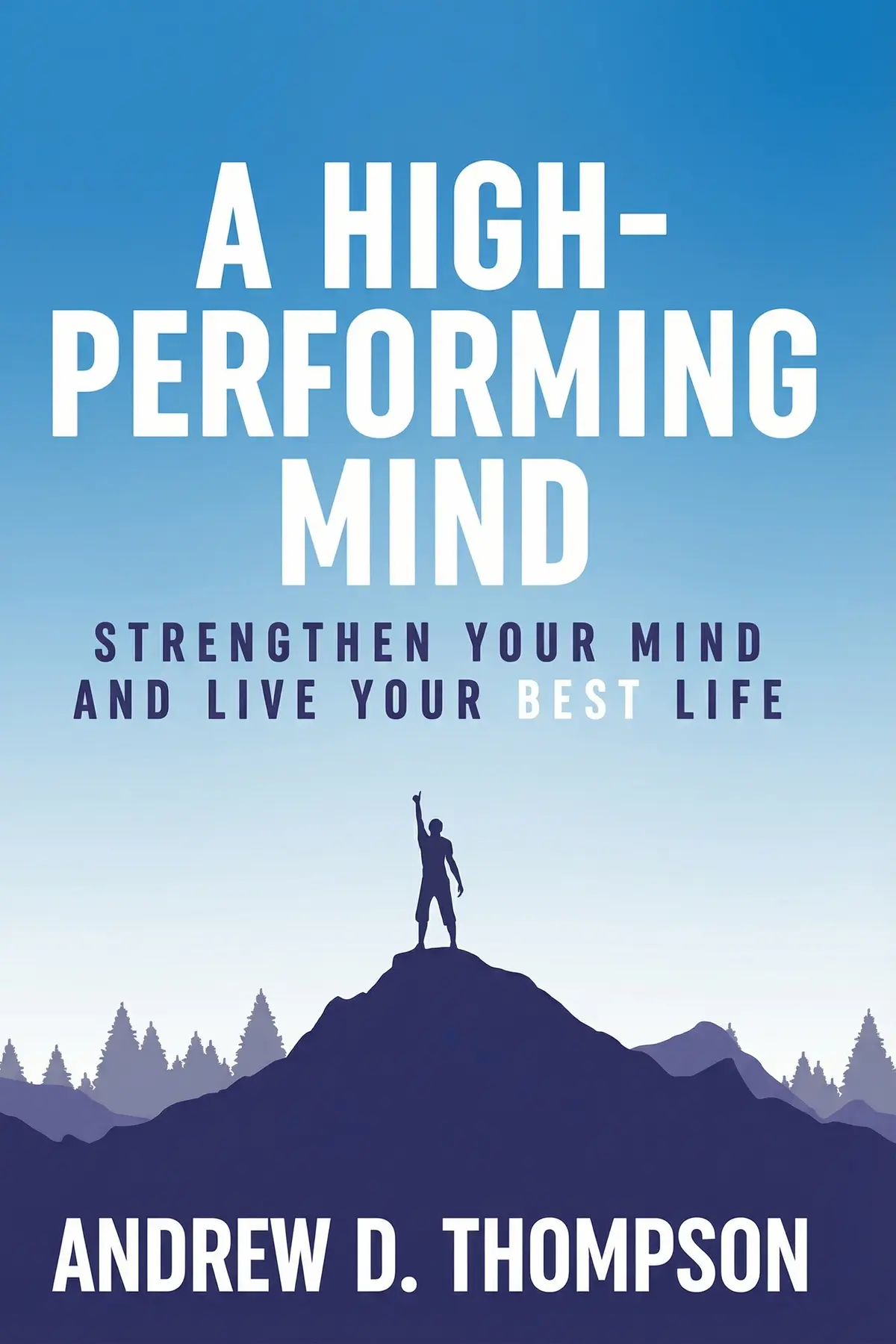
Andrew D. Thompson
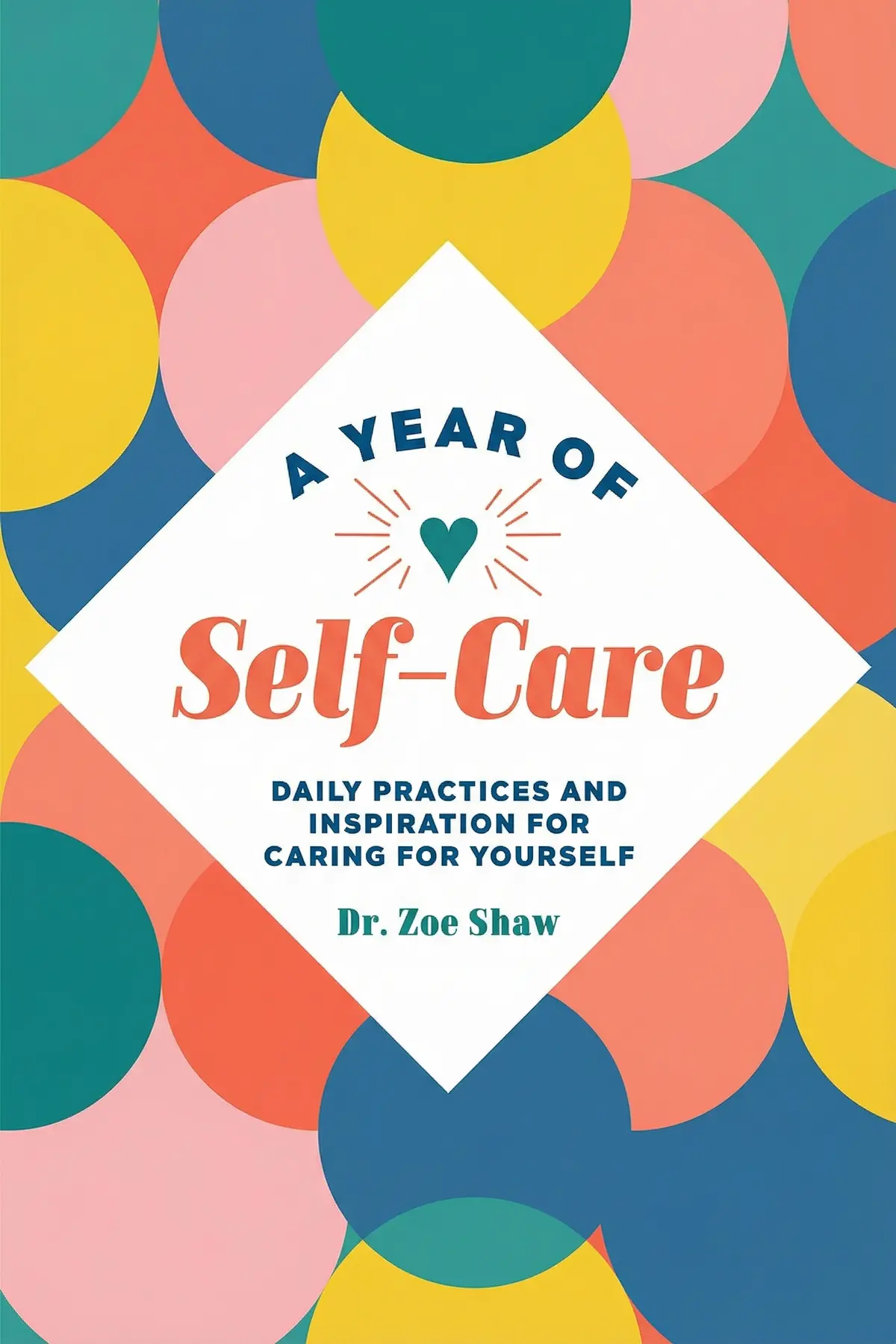
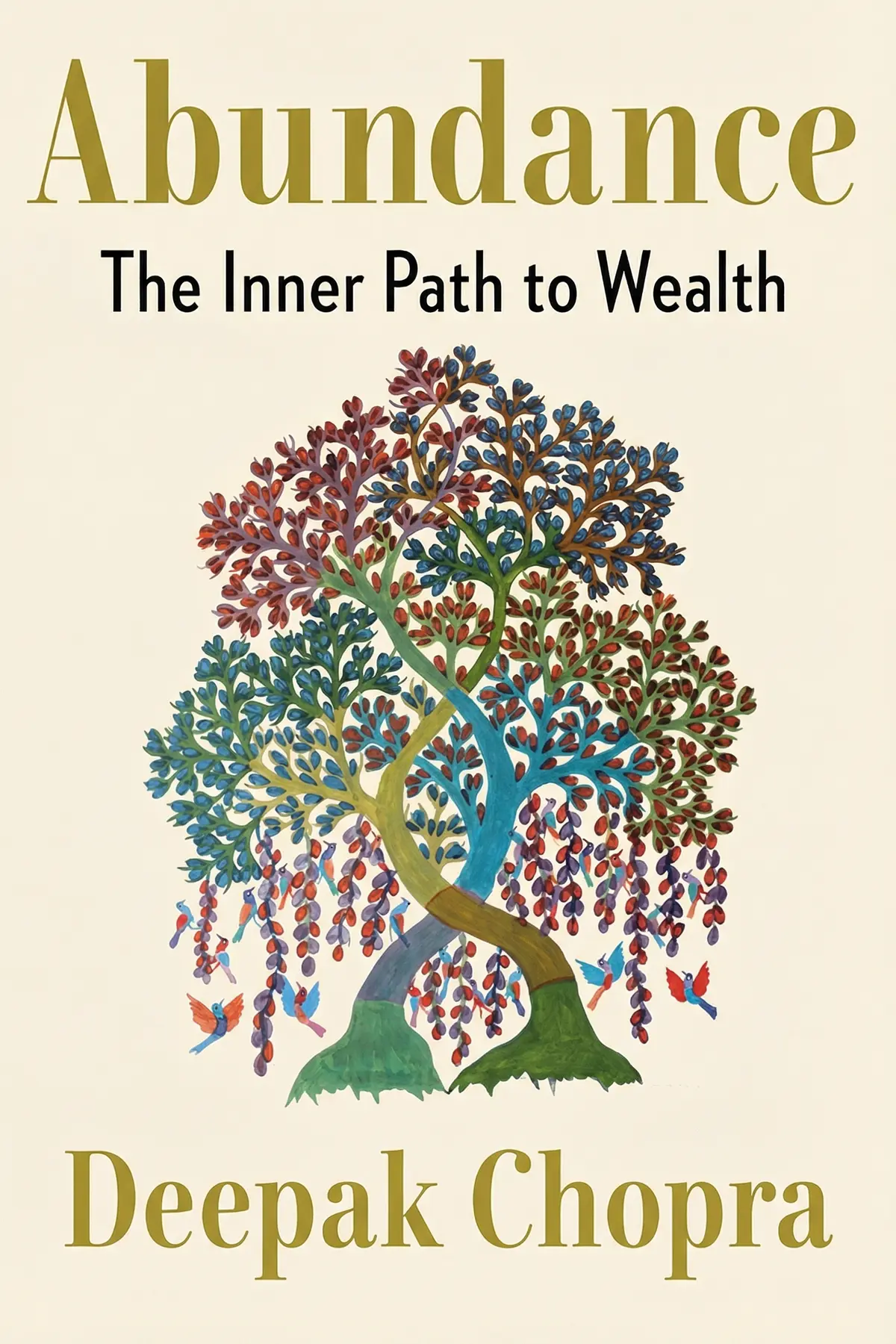
Deepak Chopra
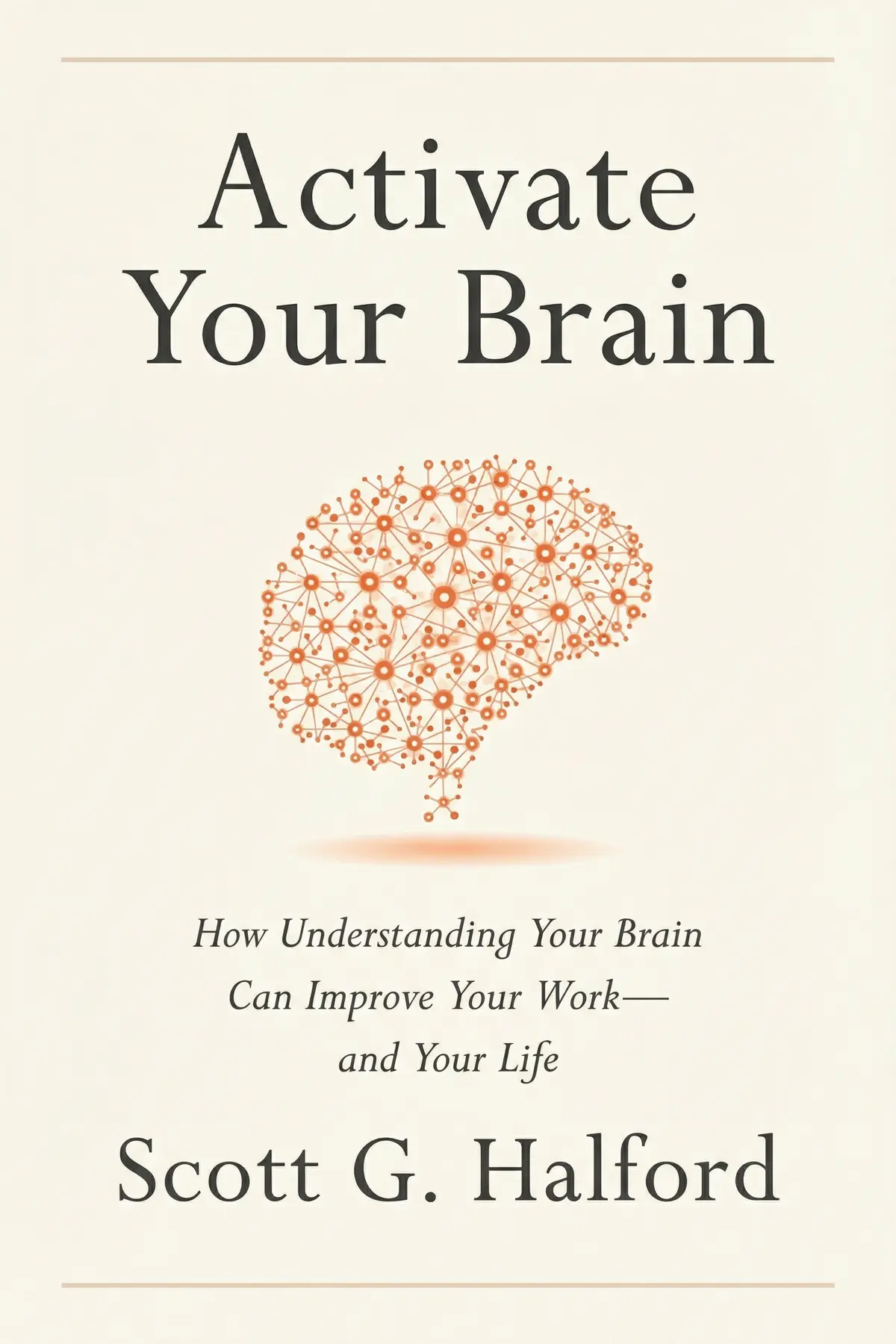
Robin Ryan
Richard Wiseman
AUDIO SUMMARY AVAILABLE
Get the key ideas from Hustle by Neil Patel, plus 5,000+ more titles in English and Thai.







