

A River in Darkness: One Man’s Escape from North Korea
Masaji Ishikawa
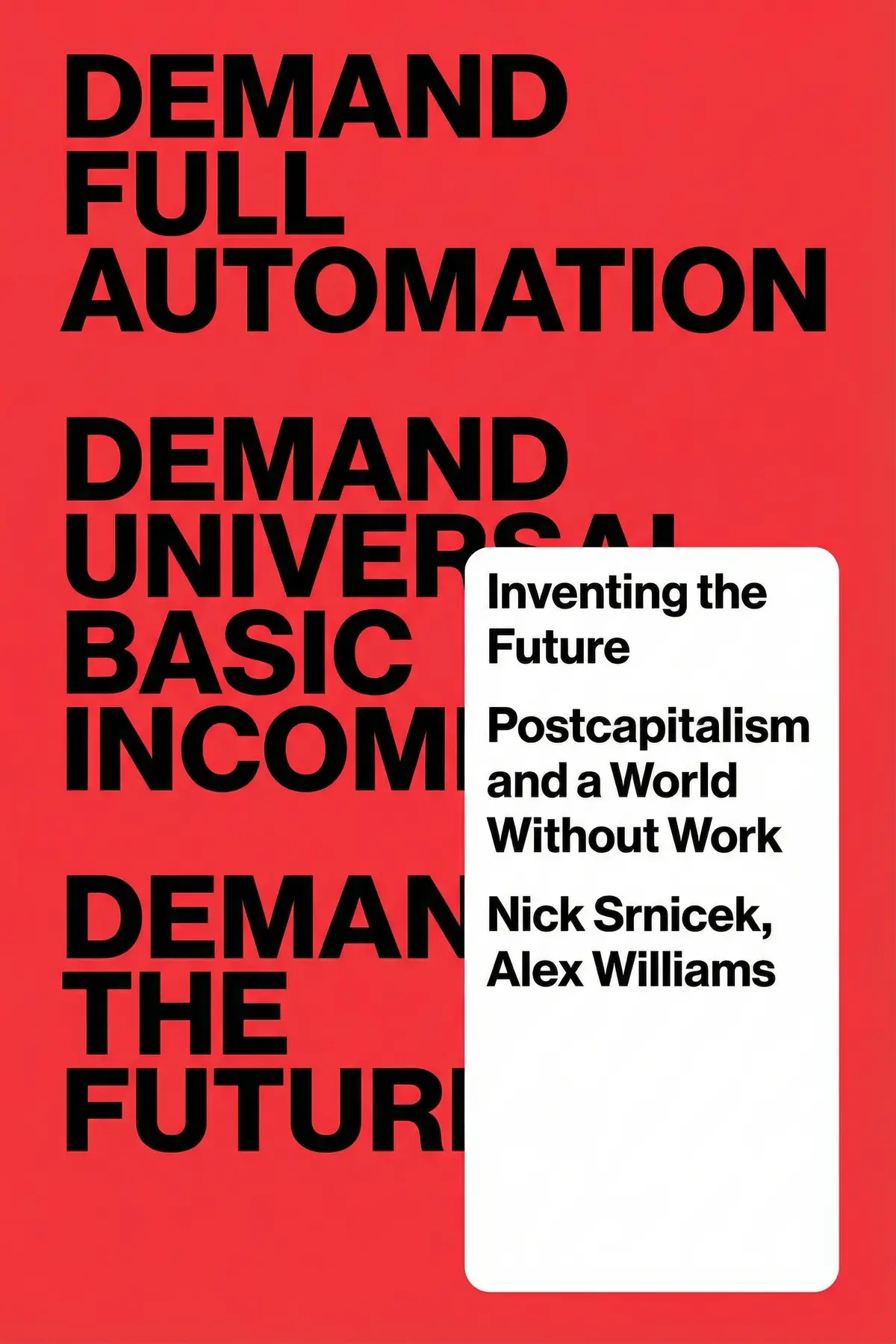
Inventing the Future offers a bold roadmap for moving beyond capitalism. It explores how the left can utilize automation and universal basic income to create a world defined by freedom rather than labor.
1 min 42 sec
In the modern era, we are often told that there is no alternative to the current economic system. We see the world through the lens of neoliberalism—a world of constant competition, self-branding, and a never-ending grind of labor. When we feel the weight of this system, our natural instinct is to resist. We take to the streets in protest, we occupy public squares, or we try to make ethical choices at the grocery store by choosing fair-trade coffee or local produce. These actions feel meaningful in the moment, providing a sense of community and moral clarity. But if we step back and look at the trajectory of history over the last several decades, we have to ask ourselves: how much have these actions actually changed the underlying structures of power?
The reality is that while these grassroots efforts are heartfelt, they often lack the scale and strategic depth required to confront a globalized, highly complex capitalist system. This brings us to the central thesis of our discussion. To truly transform society, we must move beyond the limitations of localism and immediate gratification. We need a vision that is as ambitious and technologically advanced as the systems we wish to replace. This summary will guide you through a provocative exploration of how we can reclaim the future. We will examine why current forms of activism often fall short, how our opponents successfully reshaped the world, and why the rise of robots might actually be the key to human liberation. By the end, you will see a path toward a post-work society—a world where the primary goal is not just survival, but the flourishing of human potential through universal basic income and full automation. It is time to stop simply reacting to the present and start consciously building the future.
2 min 31 sec
Traditional forms of protest often provide emotional satisfaction but fail to create lasting structural change because they prioritize local action over global strategy.
2 min 29 sec
The modern world is so intricate that our brains struggle to grasp it, leading us to seek simple, local solutions that don’t address systemic issues.
2 min 22 sec
Neoliberalism didn’t become dominant by accident; it was a carefully planned, decades-long intellectual project that eventually captured the global imagination.
2 min 13 sec
The left must move away from its fear of hierarchy and organization, adopting the same long-term strategic tools that made neoliberalism successful.
2 min 21 sec
As automation threatens more than half of all current jobs, our traditional reliance on labor as the center of identity and survival is reaching a breaking point.
2 min 25 sec
By embracing automation and implementing Universal Basic Income, we can decouple survival from labor and redefine what it means to live a fulfilling life.
1 min 30 sec
As we have explored, the path to a better world requires a fundamental departure from the way we currently approach politics. We cannot rely on the small-scale, reactive tactics of folk politics to solve global, systemic crises. Instead, we must learn from the successes of the past and build a long-term strategic vision that is capable of challenging the dominance of neoliberalism. This means embracing complexity, building powerful intellectual and media institutions, and creating a new common sense that prioritizes human flourishing over market efficiency.
The coming wave of automation presents both a threat and an unprecedented opportunity. If we stay on our current course, it will likely lead to greater inequality and mass unemployment. But if we seize this moment to demand a post-work society, we can use these technological advances to liberate ourselves. A future defined by full automation and Universal Basic Income is not just a dream; it is a practical necessity for a world where traditional labor is becoming obsolete. The throughline of this journey is simple: we must stop trying to save the past and start inventing the future. This starts with rethinking our own identities and recognizing that our value as human beings is not defined by our output in a factory or an office. It is time to organize, to strategize, and to demand a world where everyone has the freedom to live a life of their own choosing. The tools are already in our hands; we only need the courage to use them.
The modern political landscape often feels stuck in a cycle of reactive protests and symbolic gestures that fail to produce systemic change. Inventing the Future challenges this status quo by identifying the limitations of what the authors call folk politics—a tendency to favor local, immediate, and emotional actions over long-term strategic planning. By analyzing how neoliberalism rose from a fringe intellectual movement to a global dominant force, the book provides a blueprint for how a new vision of the left can regain ground. At the heart of this vision is the embrace of technological advancement. Rather than fearing automation, the authors argue for its acceleration to liberate humanity from the necessity of work. Combined with the implementation of a universal basic income, this shift could dismantle the current capitalist structure and usher in a post-work society. The promise of the book is a future where human potential is no longer tethered to survival, but is instead free to pursue creative and meaningful lives on a sustainable planet.
Nick Srnicek is a lecturer at the City University of London and the author of Platform Capitalism. Alex Williams is also a lecturer of sociology at the City University of London. Together, they are leading voices in contemporary political and economic theory.
Listeners find the writing captivating and well-composed, with one person noting that it avoids academic jargon and theory speak. They value its daring outlook on the future of labor, with one listener characterizing it as an extraordinary opportunity to break the work ethic. The book's overall credibility draws a variety of responses from listeners.
After hearing so much buzz in leftist circles, I finally dove into Srnicek and Williams’ vision, and it’s truly refreshing. They move beyond the typical ‘occupy’ style protests—what they call folk politics—to argue for a scalable, long-term counter-hegemony. The writing is surprisingly clear for a theory-heavy book, avoiding the dense jargon that usually kills these discussions. I particularly loved the section on Universal Basic Income being a 'non-reformist reform' that doesn't just patch up capitalism but actively prepares us for something better. It’s a bold, visionary roadmap that treats technology as a tool for liberation rather than a threat to our survival. Truly, this is the kind of ambitious thinking the left has been missing for decades. It's a rare chance to see a political path that isn't just a list of grievances but a genuine plan.
Show morePicked this up because I’m tired of seeing activists win small battles only to lose the war against neoliberal hegemony. This book is a shot of adrenaline for the imagination. It’s not just about demanding higher wages; it’s about demanding the end of work as we know it. The authors’ breakdown of how the right-wing took over the cultural narrative is masterclass material. They successfully argue that we need to reclaim the idea of the 'future' from the tech-bros and the billionaires. Got to say, we've been conditioned to think change is impossible, but this book proves that 'common sense' is something that can be built and dismantled. It's essential reading for anyone ready to move beyond the politics of resistance and toward a world where technology serves the many.
Show moreWow, 250 pages of absolute vision. This is the first time I’ve read a leftist text that didn’t feel like it was mourning the 20th century. Instead of looking back at old unions and factory strikes, Srnicek and Williams look forward to a world where automation does the heavy lifting so humans can actually live. It’s a brave and necessary book that challenges the left to stop being so afraid of technology and large-scale institutions. The prose is punchy and lacks the usual theory-speak, making it a quick but deeply impactful read. If you’re tired of the doom-scrolling and want a reason to believe in a better civilization, this is the manifesto you need. It turns the idea of 'modernization' into something that could actually benefit us all. Straight fire.
Show moreFinally got around to reading this, and it’s a necessary antidote to the nostalgia that plagues current political discourse. Srnicek and Williams aren't interested in returning to a 1950s social democracy; they want to build something entirely new. Their analysis of why the left keeps losing—focusing on immediacy and feeling good over winning and strategy—is exactly the wake-up call we need. I appreciate how they tackle the 'work ethic' as a cultural construct rather than a natural law. It’s a smart, ambitious, and surprisingly readable book that doesn’t hide behind jargon. Even if you don't agree with every point on automation, the challenge they lay out is undeniable: we must invent the future or we will be victims of it. It’s easily one of the most provocative things I’ve read this year.
Show moreWhy does the modern left feel so stuck in reactive mode? This book tackles that question head-on by examining how neoliberalism went from a fringe ideology to the absolute common sense of our era. The authors argue that we need to build our own infrastructure and use automation to demand a world without work. While I found the specific policy prescriptions like the 30-hour work week compelling, I do wonder if they underestimate the raw power of the capitalist class to resist these changes. It’s incredibly smart and avoids being a dry academic text, though it can feel a bit optimistic about how easily we can repurpose existing tech. Still, it’s a vital read for anyone who wants to stop just protesting and start winning. It challenges the reader to think at a scale that is both terrifying and necessary.
Show moreGotta say, I found the critique of 'folk politics' to be the most biting part of this manifesto. We often fetishize local, immediate actions like farmers' markets or temporary occupations, but Srnicek and Williams rightly point out that these don’t scale against global capital. The book is an extraordinary opportunity to rethink the 'work ethic' that keeps us enslaved to meaningless jobs. To be fair, some of the transitions they suggest—like moving from our current mess to a full UBI—feel a bit like they’re skipping the hardest parts of the political struggle. However, the clarity of their prose makes these complex ideas accessible to anyone, not just academics. It's a pointer in the right direction for a movement that often feels lost in the woods and needs a map to the future.
Show moreAs someone who spends forty hours a week staring at a screen, the concept of a post-work society sounds like a dream. This book is an excellent primer on accelerationism without the weirder, more nihilistic parts of that movement. I loved the emphasis on 'non-reformist reforms'—small changes that actually shift the balance of power. My only real gripe is that they skip over a lot of historical nuance, particularly regarding how people transitioned from subsistence farming to urban labor. They make it sound a bit more seamless than it actually was. Regardless, the central argument for a UBI and full automation is presented with such clarity that it's hard not to feel inspired. It’s a visionary work that demands we rethink our lives. This isn't just a book; it's a theoretical grounding for a new era.
Show moreNot what I expected from a book about the future of labor. While I appreciate the historical deep-dive into how the Mont Pelerin Society shifted global discourse, the actual 'inventing' part felt a bit vague. They refuse to use the term socialism, opting instead for 'post-work,' which feels like an unnecessary concession to avoid scary labels. Furthermore, the reliance on automation as a silver bullet seems to ignore the massive environmental and resource costs of the machines they're praising. It’s an interesting intellectual exercise, but it lacks the grounded, gritty reality of actual class struggle. Truth is, it’s more of an academic provocation than a practical guide for organizers on the ground today. It feels like it was written in a faculty lounge rather than a community center, even if the ideas are polished.
Show moreLook, the authors clearly have a grasp on how neoliberalism became 'common sense,' but their own solutions feel a bit like academic wishful thinking. I struggled with the way they dismiss local organizing—what they call 'folk politics'—as if those communities haven't been the backbone of every major movement. They offer plenty of prescriptions (we must do this, we must do that) but the 'how' is remarkably thin on details. Personally, I found the focus on Universal Basic Income a bit naive, especially the idea that the ruling class would ever hand it over without a more traditional, perhaps more violent, struggle. It’s a well-written book and definitely sparks conversation, but it feels disconnected from the actual precarity of the working class. It’s a great vision, but I’m skeptical about the implementation.
Show moreThe chapter on automation is fascinating, yet I couldn't help but notice the blatant strawmanning of horizontalist movements. The authors seem to have a real chip on their shoulder regarding 'folk politics,' dismissing any localized or decentralized activism as inherently useless. It reeks of academic elitism to tell people on the ground that their mutual aid networks don't matter because they aren't 'scalable.' Frankly, the book feels more like a rationalization of disappointment with the Occupy movement than a constructive way forward. They spend so much time telling us what not to do that the actual roadmap for taking power remains a blurry mess of high-level theory. It’s too prescriptive and way too dismissive of the grassroots power that actually moves the needle in real life. I found the tone frustratingly condescending toward actual activists.
Show moreMasaji Ishikawa
John Rawls
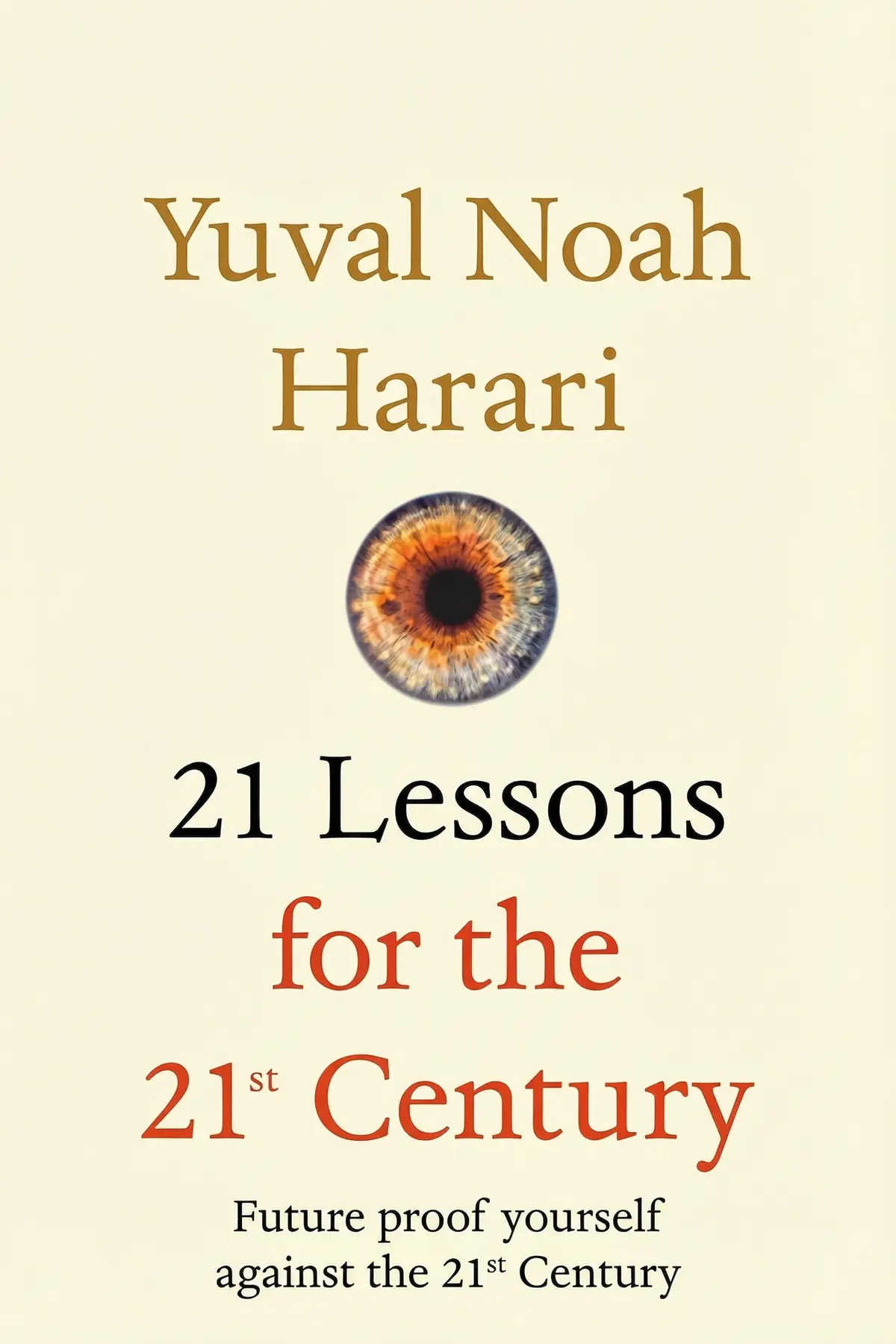
Yuval Noah Harari

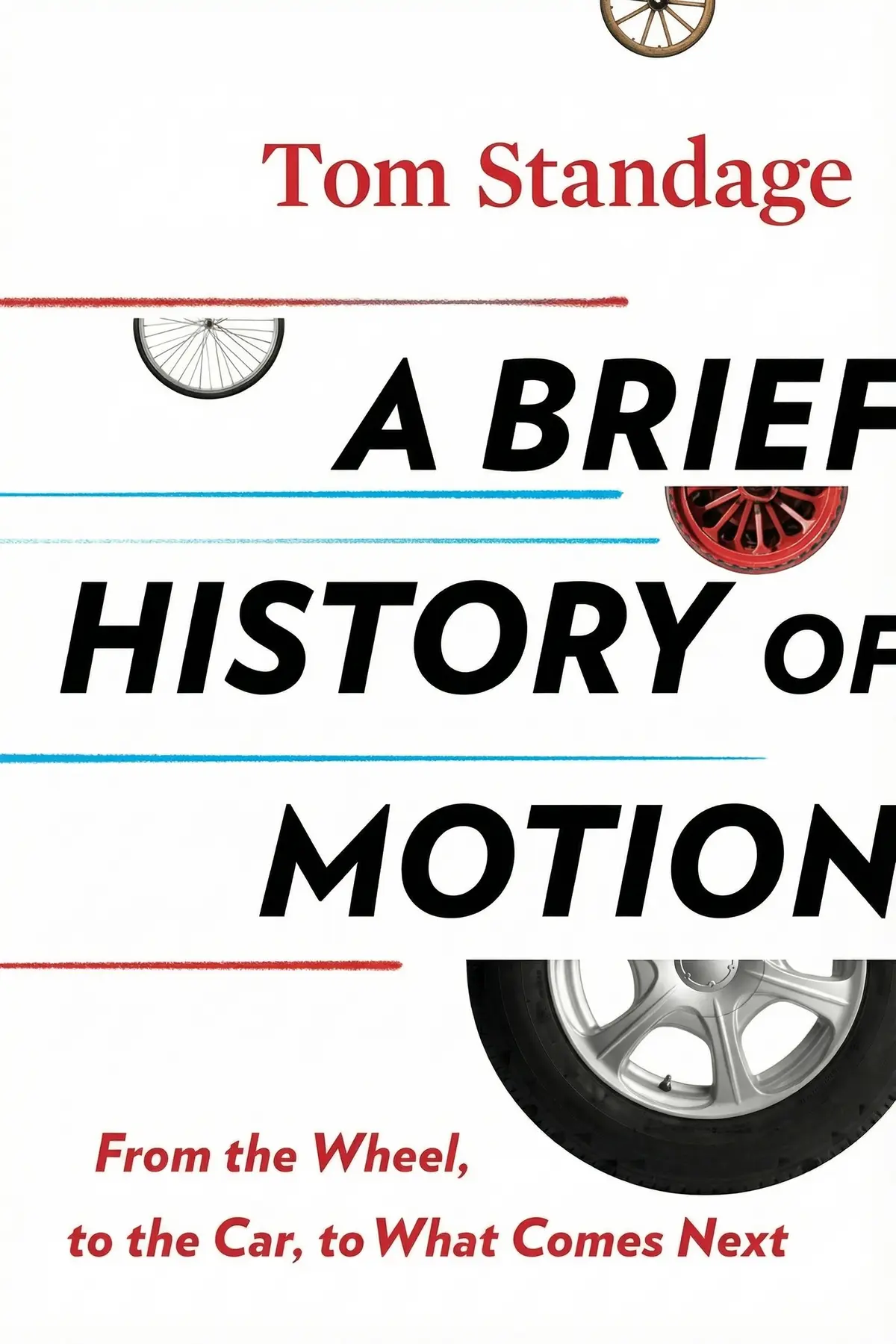

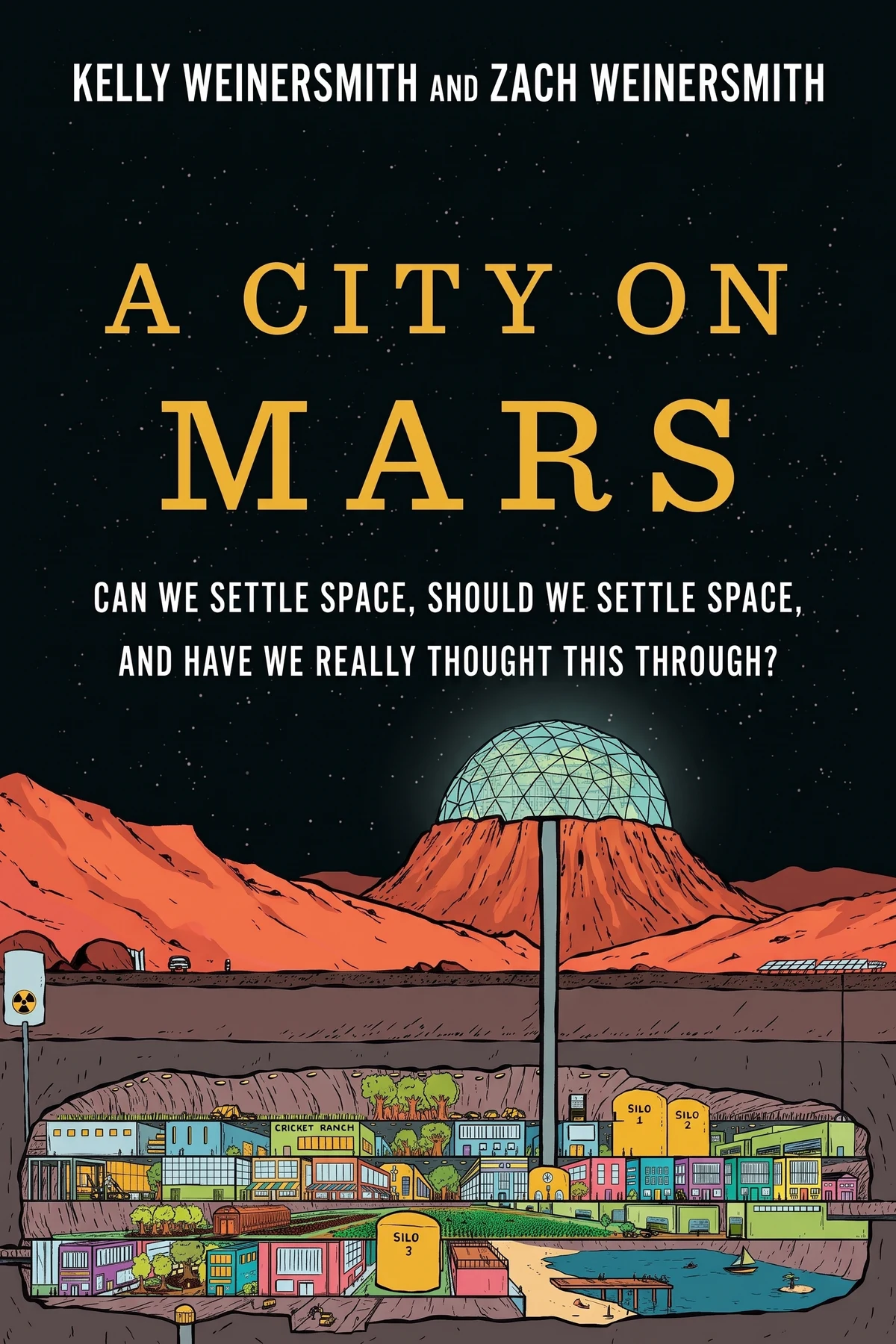
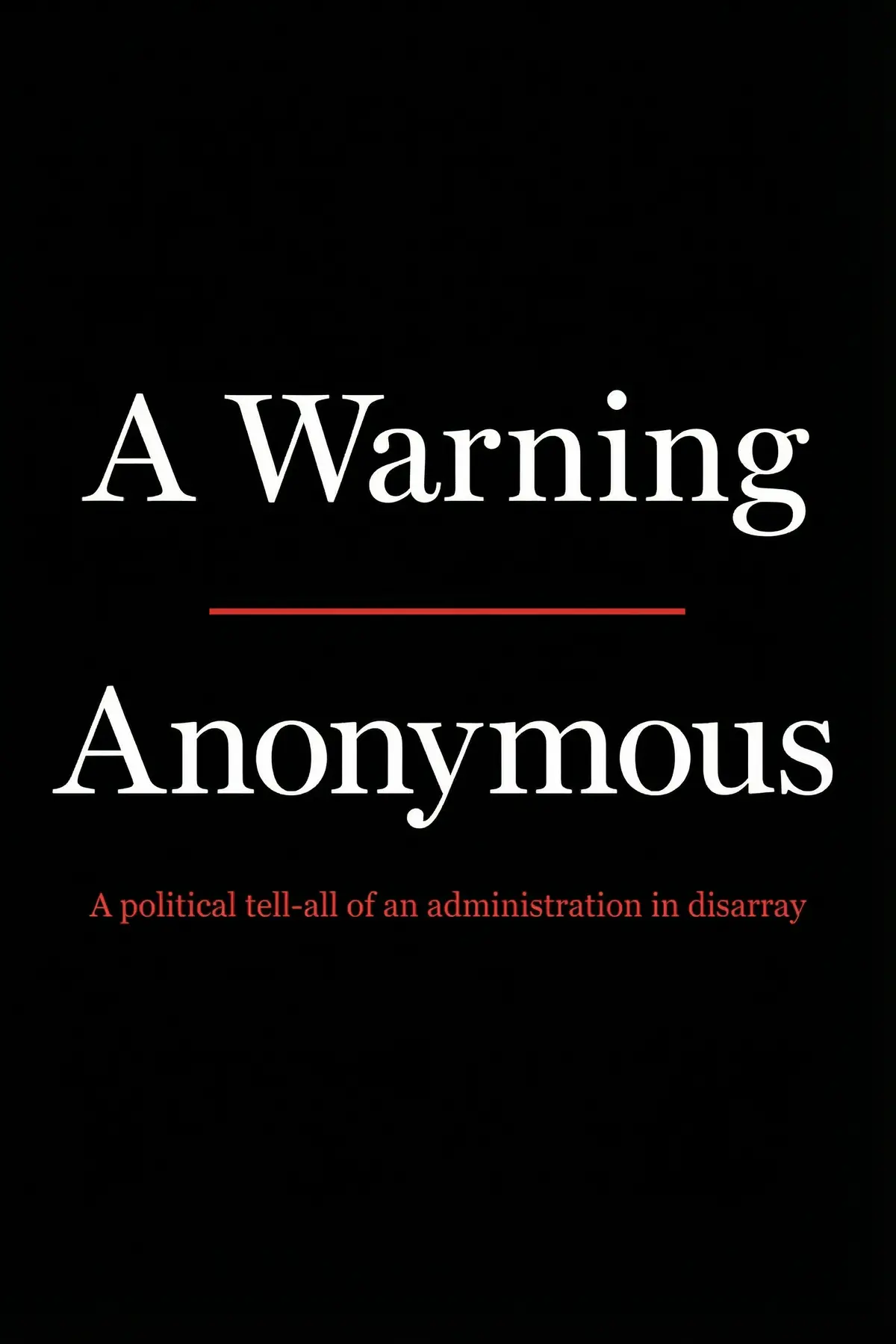
Miles Taylor
AUDIO SUMMARY AVAILABLE
Get the key ideas from Inventing the Future by Nick Srnicek, plus 5,000+ more titles in English and Thai.







