
16 min 07 sec
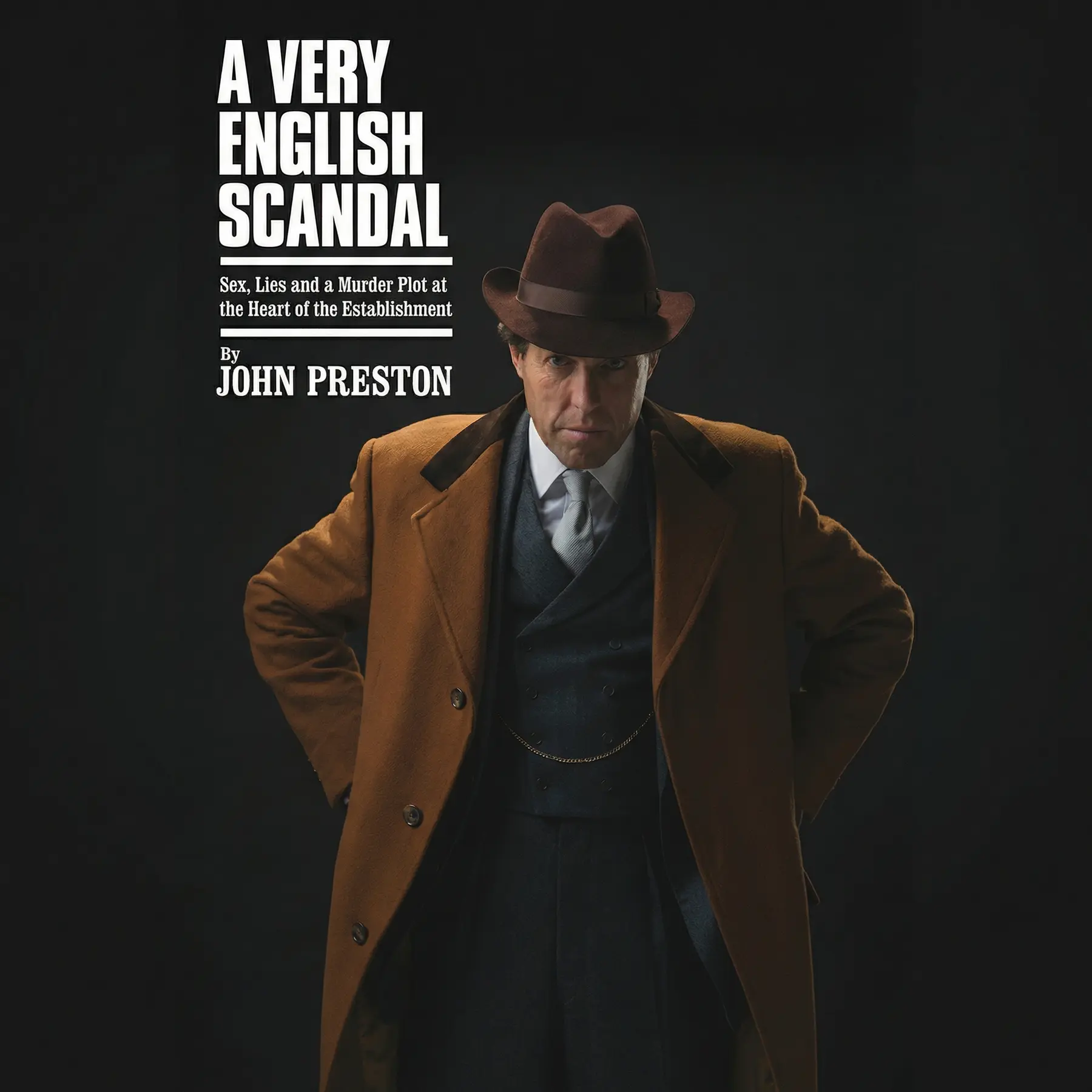
A Very English Scandal: Sex, Lies and a Murder Plot at the Heart of the Establishment
By John Preston
A Very English Scandal investigates the shocking downfall of Jeremy Thorpe, a prominent politician whose attempts to conceal a past affair led to a sensational murder trial and exposed systemic institutional bias.
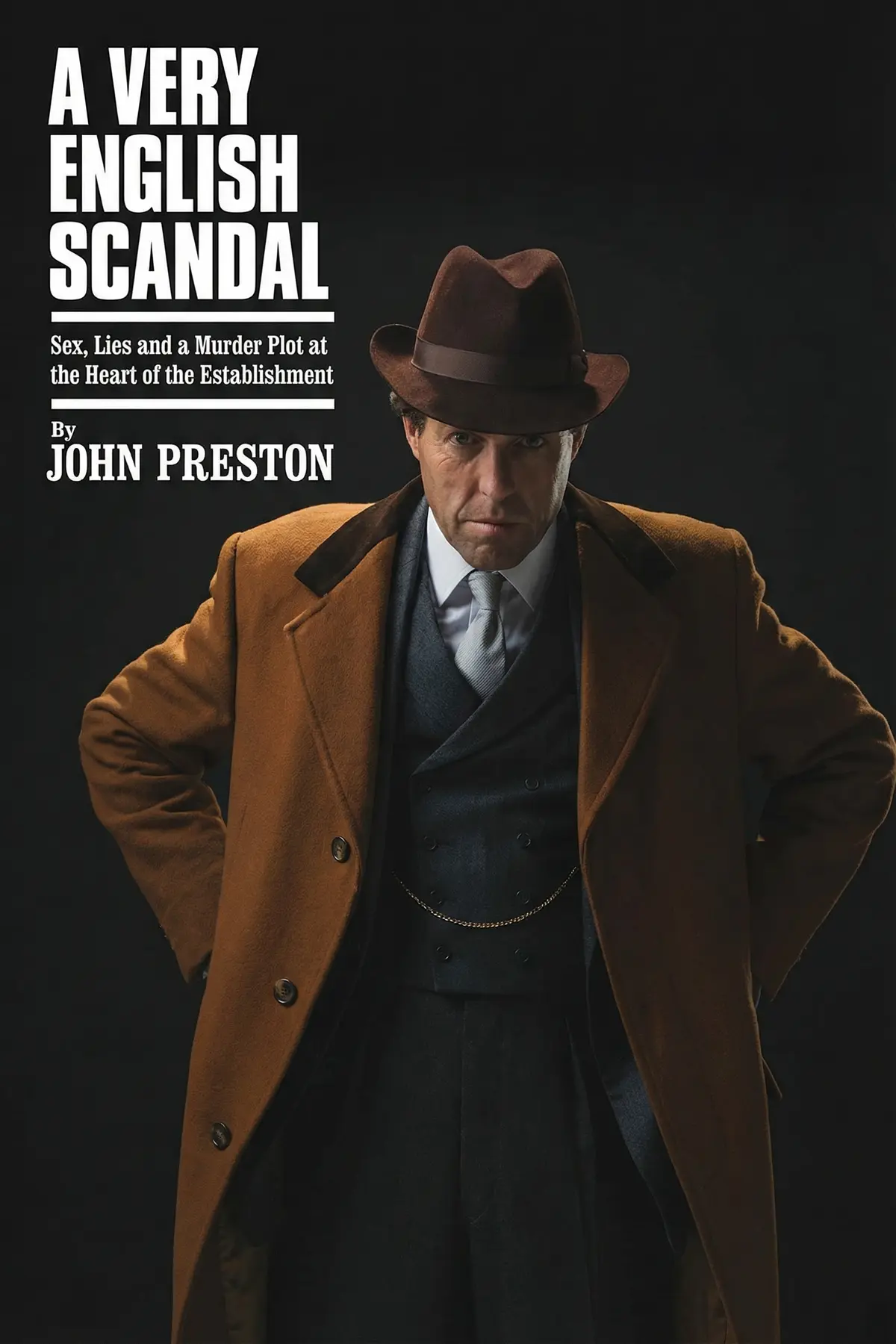
Table of Content
1. Introduction
1 min 18 sec
Imagine the British political landscape of the 1960s and 70s—a world of tailored suits, eloquent speeches, and an unshakable sense of decorum. For decades, the public was told that the United Kingdom possessed a legal system that was the envy of the globe, a bastion of fairness where the law applied equally to everyone, regardless of their social standing or political connections. This ideal suggested that whether you were a common citizen or a member of the ruling class, justice would be blind. Yet, as we delve into the story of Jeremy Thorpe, we begin to see the cracks in that polished veneer.
This is the story of a man who climbed to the very top of the political ladder while carrying a secret that was, at the time, not just scandalous but illegal. It is a narrative that shifts from the hallowed halls of Parliament to the foggy moors of South West England, involving a desperate plot to silence a witness through the most permanent means possible. As we move through this account, we will see how the levers of power were pulled to protect a prominent figure, and how the concept of the ‘Establishment’ functioned as a protective shield for those within its inner circle. The throughline here is the tension between public perception and private reality, and the lengths to which a system will go to preserve its own image of perfection, even when faced with evidence of a conspiracy to commit murder.
2. The Polished Facade of a Rising Star
1 min 43 sec
Jeremy Thorpe was the golden boy of British politics, but his public charisma masked a private life that was strictly forbidden by the laws of the era.
3. A Meeting That Sparked a Crisis
1 min 36 sec
A seemingly chance encounter with a young man named Norman Scott set a chain of events in motion that would haunt Thorpe for years.
4. The High Cost of Absolute Loyalty
1 min 56 sec
Thorpe relied on a small circle of devoted friends who were willing to cross ethical and legal lines to protect his reputation.
5. Diverting Funds for a Dark Purpose
1 min 38 sec
The plot to silence Scott required significant capital, leading to a financial deception involving high-level political donors.
6. The Chaos of a Botched Assassination
1 min 38 sec
The actual attempt on Norman Scott’s life was a series of errors that turned a grim plot into a public spectacle.
7. A Legal Spectacle Like No Other
1 min 39 sec
The ensuing trial of Jeremy Thorpe was a media circus that tested the limits of the British judicial system.
8. The Protective Shield of the Elite
1 min 37 sec
The outcome of the trial was heavily influenced by the invisible hand of the British Establishment, from the selection of the judge to the final jury instructions.
9. A Pattern of Protected Predators
1 min 42 sec
The Thorpe case was not an isolated incident but part of a larger, systemic tendency to prioritize the reputations of powerful men over justice for their victims.
10. Conclusion
1 min 20 sec
The saga of Jeremy Thorpe is more than just a historical footnote about a failed assassination and a sensational trial. It serves as a profound case study in the nature of power and the resilience of institutional bias. While Thorpe was acquitted in a court of law, the public revelation of his secrets effectively ended his political career, proving that even the most robust protective shield has its limits. However, the fact that he was able to avoid prison despite the overwhelming evidence of a conspiracy remains a troubling testament to the uneven application of justice.
What this story ultimately teaches us is that the ‘Establishment’ is not a formal organization, but a collective instinct among the elite to protect their own. Whether through the biased instructions of a judge or the strategic silencing of witnesses, the system demonstrated a remarkable ability to prioritize its reputation over the truth. As listeners, the takeaway is clear: we must remain vigilant and skeptical of any system that claims to be perfectly impartial while operating behind a veil of secrecy. True justice requires transparency and the courage to hold even the most charismatic and powerful figures to the same standards as everyone else. The Thorpe affair reminds us that beneath the most polished facade, there may be a world of secrets that the powerful will do almost anything to keep hidden.
About this book
What is this book about?
A Very English Scandal explores the dramatic and dark intersection of high-stakes politics and personal secrets in mid-twentieth-century Britain. At its heart is Jeremy Thorpe, the charismatic leader of the Liberal Party, who seemed destined for the highest offices in the land. However, beneath his polished exterior lay a hidden life that, if revealed, threatened to destroy everything he had built. When a former lover, Norman Scott, refused to remain silent, the situation escalated from quiet payoffs to a desperate and poorly executed conspiracy to commit murder. This account provides a deep dive into the mechanics of power, revealing how the British elite—often referred to as the Establishment—moved to protect one of their own. It is a story of how influence can warp the scales of justice, featuring a cast of characters ranging from bumbling hitmen to biased judges. Beyond the specific details of the Thorpe case, the book offers a broader promise: to show the reader the reality of how institutions prioritize their own survival and reputation over the fundamental principles of fairness and accountability.
Book Information
About the Author
John Preston
John Preston is an accomplished British author and journalist who previously served as the arts editor for both the Evening Standard and the Sunday Telegraph. His career in media includes a decade-long tenure as a television critic. In addition to his nonfiction work, he is known for his 2007 novel, The Dig.
Ratings & Reviews
Ratings at a glance
What people think
Listeners find the work compelling from the start and enjoy its intriguing window into recent historical events, with one listener highlighting how the author weaves the story into a gripping narrative of intensity. The prose is skillfully crafted and highly accessible, while also being extremely well-researched and more detailed than the mini-series adaptation. Furthermore, the book is written with great humor and features an incredible collection of seemingly intelligent people. However, the tempo draws varied reactions; some find it fast-paced while others note a slow start.
Top reviews
Kaen
Picked this up after watching the Ben Whishaw and Hugh Grant series, and I was surprised by how much more depth the book offers. While the show captures the campy tragedy, Preston provides a meticulous deep dive into the 1960s and 70s political landscape. He masterfully threads together the letters, the court papers, and the sheer absurdity of the Liberal Party’s internal workings. The narrative moves with the intensity of a thriller, yet it never loses sight of the historical gravity regarding the treatment of gay men at the time. It is a brilliant, well-crafted account of how the British establishment bends over backwards to protect its reputation. If you want the full, unvarnished story of the Norman Scott affair, this is the definitive version.
Show moreNiphon
John Preston has a real gift for making historical records read like a high-stakes thriller. This isn't just a chronicle of a trial; it's a character study of a man who believed himself untouchable. The 'nonfiction novel' style reminds me a lot of Truman Capote, where you get inside the heads of the players through reported conversations that feel remarkably authentic. The tragedy of the situation—not just the botched murder attempt but the ruined lives of everyone involved—is handled with a surprising amount of humor. The anecdotes about David Steel and the caravanning trip or the badger-obsessed MP add a layer of very English absurdity to the grim proceedings. Truly a standout piece of reportage.
Show morePichaya
Truth is stranger than fiction, especially when it involves the British Parliament in the 1970s. This book offers a fascinating glimpse into a moment when the establishment was beginning to crack under the weight of its own hypocrisy. Preston’s research is clearly exhaustive, yet he never lets the facts get in the way of a good story. The way he describes the atmosphere of 1970s London—the strikes, the blackouts, and the underlying sexual tension—is masterful. I found myself alternating between laughing at the absurdity of the plot and being genuinely appalled by the entitlement on display. It’s a fast-paced, highly engaging read that I couldn't put down.
Show moreKae
The level of detail here is staggering. Having seen the television adaptation first, I wasn't sure if the book would have anything new to offer, but Preston includes so much more context. The inclusion of the photographs in the hardcover edition really helps put a face to the names, especially the mercurial Norman Scott. It’s a well-crafted narrative that explores how a man’s fear of his own identity can lead to such a spectacular downfall. The ending leaves you with a lot to think about regarding justice and how the system is rigged for certain classes. It's easily one of the most readable non-fiction books I've encountered in years.
Show moreKru
Not what I expected from a political biography, to be fair. Instead of a dry recitation of dates and parliamentary votes, this reads like a bizarre caper filled with incredibly intelligent people making the stupidest possible decisions. Jeremy Thorpe is such a complex, entitled figure—a man who campaigned against apartheid while simultaneously plotting to eliminate an ex-lover who threatened his career. The secondary characters, particularly the hapless Peter Bessell, provide a sense of tragicomedy that kept me turning pages late into the night. It captures that specific British mixture of stuffiness and utter chaos perfectly. My only minor gripe is that the middle section gets a bit bogged down in legal back-and-forth, but the climax at the Old Bailey is worth the wait.
Show moreNora
Is it possible for a true story to feel this far-fetched? I had a vague knowledge of the Thorpe scandal, but Preston brings the 1970s back to life with incredible vividness. The stakes are palpable, especially considering homosexuality was still a criminal offense for much of the timeline. You really feel the desperation that drove the murder conspiracy. The book is well-researched, utilizing contemporary interviews to fill in the gaps that the newspapers missed. It’s a fascinating, albeit dark, look at how privilege and power can insulate a person from reality until the dog is shot and the secret is out.
Show moreDing
After hearing about the Jeremy Thorpe trial for years, I finally decided to get the full story. I was not disappointed. The writing is incredibly polished and accessible, making a complex legal and political web easy to follow. Preston doesn't just focus on the 'sex and scandal' aspect; he dives into the financial fraud and the sheer arrogance of those in power. It’s fascinating to see how the climate shifted from the early 60s to the late 70s. The book features an amazing cast of characters who are both brilliant and remarkably incompetent. Watching them stumble through a murder plot is both horrifying and hilarious. Highly recommended for fans of British history.
Show moreRungrat
Every page left me shaking my head at the utter incompetence of these supposedly brilliant men. Look, we all know politicians lie, but the sheer scale of the cover-up here is mind-blowing. The fact that the Liberal Party leader thought he could hire a hitman through a chain of bumbling associates is just incredible. Preston captures the 'Very English' nature of the scandal perfectly—it’s polite, it’s seedy, and it’s ultimately devastating. The trial scenes are particularly well-written, giving you a front-row seat to the legal gymnastics used to protect Thorpe’s reputation. It’s a gripping narrative of intensity that holds up a mirror to the double standards of the era.
Show morePong
While the core narrative is undeniably gripping, the start felt remarkably slow to me. Preston spends a lot of time on the early backgrounds of the minor players, which might test the patience of someone looking for immediate drama. However, once the relationship between Thorpe and Norman Scott takes center stage, the pacing picks up significantly. The details regarding Scott’s National Insurance card—a seemingly small thing that spiraled into a national crisis—were particularly enlightening. It's a solid 3-star read that eventually earns its keep, providing a sobering look at how the 'Old Boy' network operates in the shadows of the UK government.
Show moreTar
Frankly, I found the tone a bit too flippant for such a dark subject matter. There were moments where the author seemed more interested in cracking a joke about British eccentricities than addressing the genuine trauma involved. While the book is undoubtedly well-researched, the 'New Journalism' approach of recreating decades-old conversations felt more like historical fiction than actual biography. I preferred the parts that stuck to the documented evidence rather than the speculative internal monologues. It’s an interesting story, obviously, but the pacing felt uneven and the humor occasionally felt out of place given the attempted murder at the heart of the book.
Show moreReaders also enjoyed
21 Lessons for the 21st Century
Yuval Noah Harari
Age of Anger: A History of the Present
Pankaj Mishra

A Different Kind of Power: A Memoir
Jacinda Ardern
Age of Propaganda: The Everyday Use and Abuse of Persuasion
Anthony Pratkanis

A History of Iran: Empire of the Mind
Michael Axworthy
A Higher Loyalty: Truth, Lies and Leadership
James Comey
A History of the World in 6 Glasses
Tom Standage
AUDIO SUMMARY AVAILABLE
Listen to A Very English Scandal in 15 minutes
Get the key ideas from A Very English Scandal by John Preston, plus 5,000+ more titles in English and Thai.
- 5,000+ titles
- Listen as much as you want
- 7-day free trial
- Cancel anytime







