
19 min 41 sec
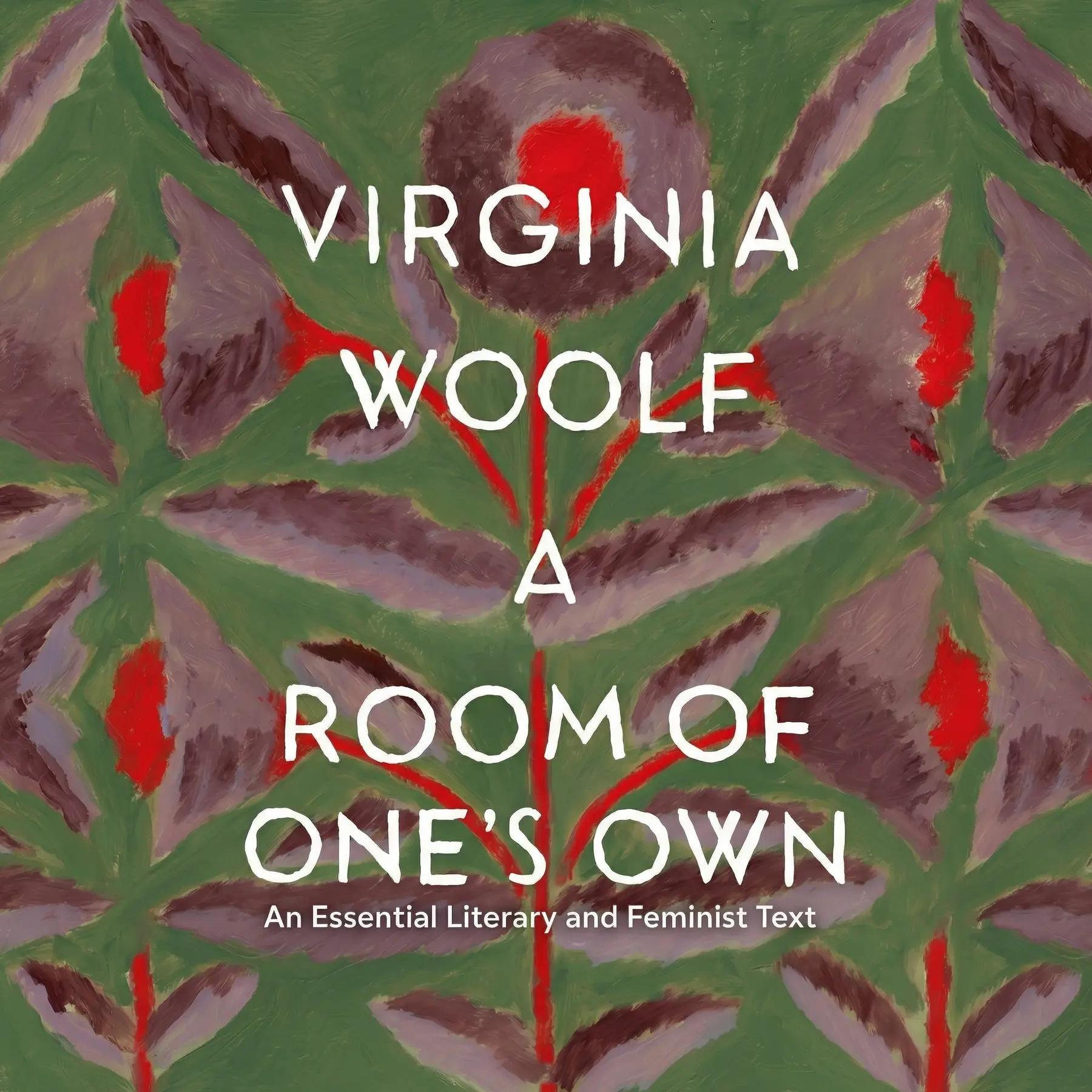
A Room of One’s Own
Virginia Woolf’s landmark essay explores the essential relationship between financial independence and creative freedom. She argues that for women to write fiction, they require a literal and metaphorical space of their own.
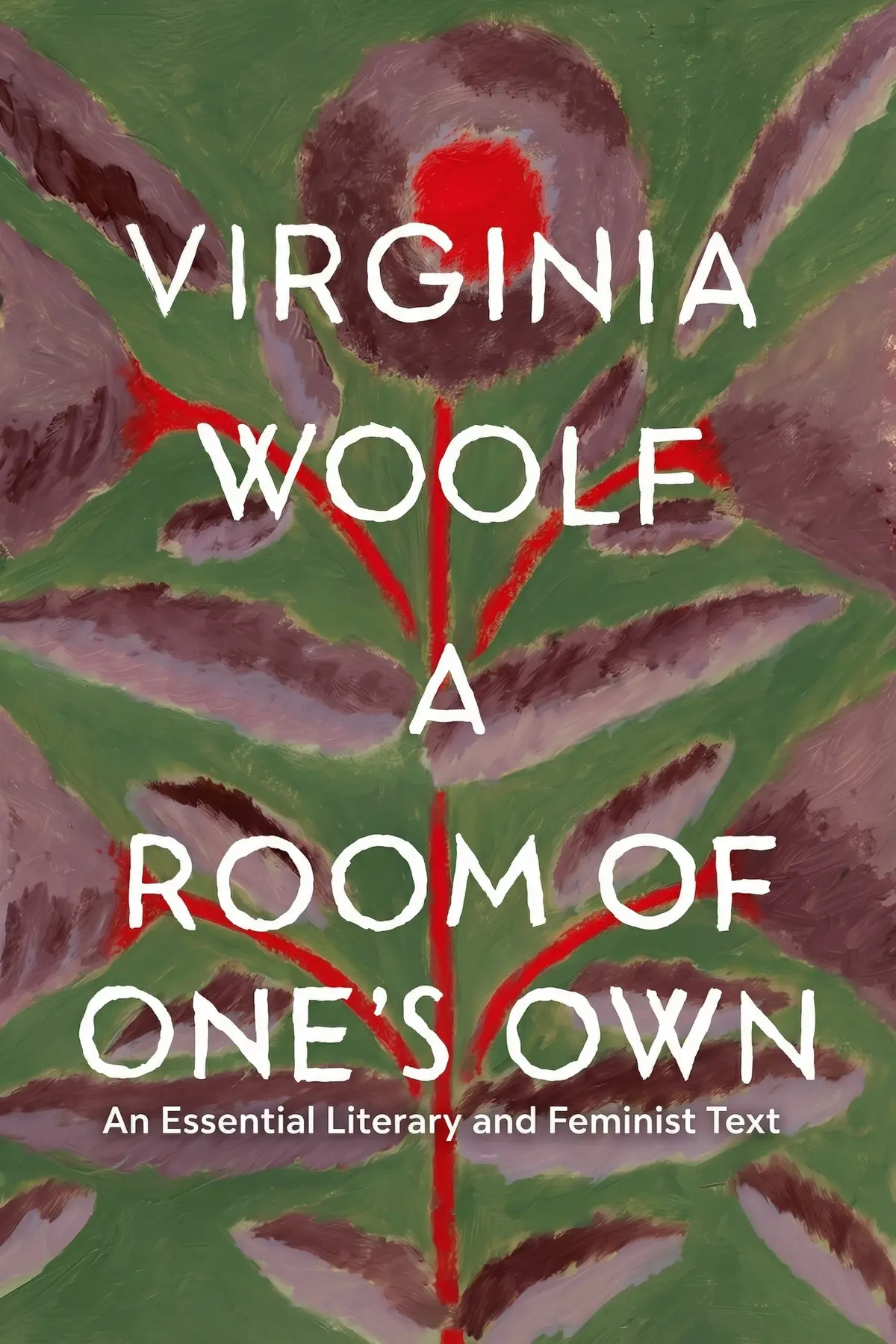
Table of Content
1. Introduction
1 min 51 sec
Have you ever wondered what actually allows a person to create something great? We often think of artistic genius as a bolt of lightning—a divine spark that strikes a lucky individual regardless of their circumstances. But Virginia Woolf, one of the most brilliant minds of the early twentieth century, suggests a much more grounded and perhaps more uncomfortable truth. In her seminal work, A Room of One’s Own, Woolf argues that creativity is not just a matter of talent; it is a matter of material reality. It is about having the literal space to think and the financial security to exist without the constant pressure of survival.
This summary explores a text that began as a series of lectures given to women at Cambridge University in the late 1920s. Woolf doesn’t just offer a dry history of literature; she takes us on a journey through the manicured lawns of elite colleges, the dusty archives of the British Library, and the quiet, often overlooked domestic spaces where women have spent their lives. She asks a fundamental question: Why has the literary canon been dominated by men for centuries? The answer, she finds, has less to do with innate ability and everything to do with social and economic structures.
As we walk through these ideas, we will see how the absence of a steady income and a private room has historically silenced women’s voices. We will also explore how the power dynamics between genders have shaped the way we view history and fiction. By the end, we’ll understand Woolf’s vision for a future where the mind can transcend the limitations of gender to reach a state of true, uninhibited creation. Let’s dive into the world Woolf builds—a world where the right to think is tied inextricably to the right to own.
2. The Economic Necessity of Art
2 min 58 sec
Discover why artistic greatness isn’t just about talent, but about the very specific conditions of financial security and physical privacy that have historically been denied to women.
3. The Mirror of Patriarchy
2 min 52 sec
Uncover how the literary world was built by men who used their writing as a tool to maintain a sense of superiority over the opposite sex.
4. The Tragedy of Judith Shakespeare
2 min 40 sec
Imagine the life of a woman with the same genius as William Shakespeare and see how social barriers would have led her to a very different end.
5. The Constraints of the Sitting Room
2 min 47 sec
Learn how the physical environment of the domestic home dictated the very genres and styles that women writers were forced to adopt.
6. The Revolution of the Modern Voice
2 min 23 sec
See how the 20th century opened new doors for women to write about the world—and each other—in ways that had never been seen before.
7. The Ideal of the Androgynous Mind
2 min 32 sec
Explore the highest form of creativity, where the artist moves beyond the limits of being ‘man’ or ‘woman’ to see the world as it truly is.
8. Conclusion
1 min 38 sec
As we conclude this exploration of Virginia Woolf’s masterpiece, the throughline becomes clear: art is not a luxury for the few, but a vital human expression that requires specific, earthly supports. Woolf’s journey from the restricted lawns of the university to the visionary concept of the androgynous mind reminds us that our social and economic structures are not just about money and power—they are the very walls of our creative potential.
The core takeaway is that for a person to reach the height of their intellectual and artistic capacity, they must be freed from the ‘heavy yoke’ of material dependence and social prejudice. For women, this has historically meant fighting for the right to an education, the right to earn a living, and the right to a space where they can exist without interruption. Woolf isn’t just asking for charity; she is demanding the conditions necessary for half of the human race to contribute its genius to the world.
So, what can we take into our own lives from this? Perhaps it is the reminder to value our own ‘private rooms’—whether they are physical spaces or mental boundaries. It is a call to recognize the subtle ways that society still tries to reflect us at a different size than we are. Woolf’s final challenge is to find that Judith Shakespeare who still lives within us, waiting for the right moment and the right conditions to finally speak her truth. By securing our independence and opening our minds, we move one step closer to a world where the only thing that matters is the brilliance of the thought itself.
About this book
What is this book about?
A Room of One’s Own is a foundational feminist text that investigates the historical and social barriers preventing women from achieving artistic excellence. Based on a series of lectures given at Cambridge University, Virginia Woolf uses a blend of fiction and philosophy to address why there have been so few female writers throughout history. She moves through the libraries and lawns of academic institutions to uncover a system designed to exclude women from the tools of intellectual production. The book promises a profound shift in perspective regarding the intersection of gender, wealth, and art. Woolf explains that genius does not bloom in a vacuum; it requires material security and the freedom to think without interruption. Through her famous exploration of Shakespeare’s imaginary sister and the concept of the androgynous mind, she provides a roadmap for how society might finally allow the female voice to flourish in the world of letters.
Book Information
About the Author
Virginia Woolf
Virginia Woolf was one of the most esteemed writers of the Modernist era. Her works include novels like Mrs Dalloway, To the Lighthouse, and Orlando – all of which are considered classics of Western literature and are known for their innovative narrative techniques.
Ratings & Reviews
Ratings at a glance
What people think
Listeners find the caliber of the writing exceptional, noting how it sharpens their perceptions and provides eye-opening insights into female authorship. The work is considered a vital read for women and a landmark of feminist literature, with one listener highlighting its clear depiction of how patriarchal society impacts women. Additionally, listeners value its unique perspective and relevance, as one listener mentions how it aids in understanding women’s history. However, reactions to the pacing are divided; while some describe it as a brilliant piece of work, others find it tiring.
Top reviews
Watcharee
Every woman should have this on her shelf, if only to understand the structural walls that were built around our ancestors' minds. Woolf’s core argument—that a woman needs money and a private room to write—seems almost too simple until you realize how revolutionary that was for 1929. The way she weaves the tragedy of 'Judith Shakespeare' shows the internal death of genius when it has no outlet. It’s not just a political essay; it’s a sensory experience that forces you to look at your own creative space differently. While some sections are a bit slow, the sheer brilliance of her wit more than makes up for the density of the prose. I finished this feeling revitalized and ready to demand my own 500 pounds a year. Truly an essential piece of feminist history that still feels incredibly relevant in our busy, modern world.
Show moreYaowaluk
The imagery of catching a thought like a fish only to have a man shoo you off the grass is perhaps the most perfect metaphor for the female experience I’ve ever encountered. This book elevated my senses and made me think about the history of literature as a series of closed doors. Woolf argues that genius needs freedom from resentment to truly flourish, and that only comes with independence. It’s a mind-opening look at how poverty and domesticity have stifled the female voice for centuries. I loved the concept of 'Shakespeare's Sister'—it’s heartbreaking and haunting. Even though it was written a hundred years ago, the struggle for a space that is entirely one’s own still resonates deeply. I’ll be thinking about this one for a very long time. It's the kind of book that changes how you see the world.
Show moreGin
It is rare for a book written a century ago to feel like it was whispered directly into my ear this morning. Woolf captured the exact feeling of trying to be creative while the world constantly demands your attention for 'more important' domestic tasks. The way she describes the difference between the lunch served at a men's college versus a women's college is a masterclass in using small details to highlight massive inequalities. This isn't just a dry essay; it’s a living, breathing piece of literature that demands your full attention. It’s mind-opening and provides such a clear perspective on how the patriarchy has historically stunted women's intellectual growth. I think every person, regardless of gender, should read this to understand the true cost of inequality. It is a brilliant, witty, and fierce defense of the female mind.
Show moreNam
Finally sat down with this classic after years of hearing the 'room of one's own' quote cited in every essay under the sun. I was surprised by how much of a narrative journey it actually is. Woolf doesn't just list demands; she takes you on a walk through a fictionalized university where she is literally pushed off the path by men. It’s a very polite, British way of saying 'the system is rigged,' and I loved that subtle sting. However, the stream-of-consciousness style makes it a bit of a workout for your brain. If you aren't used to long, winding sentences that loop back on themselves, you might find yourself re-reading pages. Still, her thoughts on the 'androgynous mind' were mind-opening and felt very ahead of their time. It’s a foundational text for a reason.
Show moreChamnong
Imagine sitting in a drafty hall in 1928 and hearing someone basically tell you that your lack of literary output isn't a lack of talent, but a lack of cold, hard cash. This book is essentially a transcript of a lecture, and the voice Woolf uses is so sharp and surprisingly funny. She calls out the patriarchy with such elegance that you almost miss how brutal the critique is. The sections where she discusses Jane Austen and the Brontës were my favorite, highlighting how they had to hide their work under blotting paper. My only gripe is that it feels a bit dated in its focus. It’s very much a 'white woman of means' perspective, but as a historical document of the feminist movement, it is absolutely vital. A must-read for any aspiring writer.
Show moreDimitri
After hearing so much about Woolf’s dense prose, I was pleasantly surprised by how sharp and funny this actually is. She has this way of being incredibly 'polite' while simultaneously stabbing the patriarchy right between the eyes with her fountain pen. The argument for 500 pounds and a room with a lock is so practical, yet it leads into a deep philosophy about the creative spirit. It isn't just about writing books; it's about the basic human need for solitude and self-determination. I did find some of the middle chapters about the history of the novel a bit dry, but the ending is such a powerful call to action. It’s an exhortation to young women to not waste the opportunities that their ancestors died to give them. A truly remarkable and stirring piece of work.
Show moreNathan
Honestly, the chapter on 'Judith' Shakespeare—the hypothetical sister who had the same genius but none of the opportunity—broke my heart. It’s such a powerful way to illustrate the systemic barriers women faced. Woolf is a fantastic storyteller, even when she’s writing nonfiction, and her prose often feels like poetry. The book is definitely an important piece of feminist literature, setting out how society essentially forced women into silence. My only hesitation is that she focuses so heavily on money as the only gateway to art. While she’s largely right, it makes her feminism feel a bit narrow and elitist at times. Still, the message of 'find your own voice' is timeless. It’s a beautifully written, thought-provoking lecture that manages to be both historical and prophetic.
Show moreLars
I've been meaning to read Woolf for ages, and starting with her non-fiction felt like the right move to understand her philosophy. The central idea that women need a room of their own with a lock on the door is so iconic, but seeing the context behind it was fascinating. She writes with a certain Romantic sensibility that is mixed with a very modern, piercing logic. I loved her take on how the 'greats' like Austen were forced to write in common sitting rooms, constantly interrupted. It makes you appreciate the literature we do have so much more. The book can be quite dense, and I had to look up several historical references to fully get what she was saying. Despite the occasional slow patch, it’s a brilliant exploration of the relationship between gender, money, and art.
Show moreRod
To be fair, reading this through a modern lens is a bit of a double-edged sword. On one hand, Woolf’s prose is beautiful and her analysis of why women have been excluded from history is piercingly accurate. On the other hand, the lack of intersectionality is glaring. She talks about the right to vote and financial independence, but ignores that these privileges weren't accessible to all women at the time. It’s a very colonial, upper-class viewpoint that can feel a bit exclusionary today. Also, the writing style is incredibly dense—I’m a native English speaker and I still struggled with the pacing. It’s an influential theory for sure, but I found it more tiresome to get through than I expected. Important, yes, but definitely a product of its specific time and social class.
Show moreMeen
Why does it take so long to get to the point? I respect the influence this book has had on feminist theory, but the stream-of-consciousness style is just not for me. It felt like I was wading through a thick fog of metaphors just to find a single clear argument. I agree with her thesis—women obviously need financial independence and their own space to create—but I don't think it needed 100+ pages of wandering around a college campus to say that. It’s a very slow and sometimes tiresome read that reflects a very specific, privileged lifestyle. If you enjoy literary analysis and don't mind a meandering pace, you'll probably love it. For me, it felt more like a chore than an inspiration. I'm glad I read it for the context, but I won't be picking it up again.
Show moreReaders also enjoyed

A Biography of Loneliness: The History of an Emotion
Fay Bound Alberti

A Force for Good: The Dalai Lama's Vision for Our World
Daniel Goleman

Abolish Rent: How Tenants Can End the Housing Crisis
Tracy Rosenthal
Abortion: Our Bodies, Their Lies, and the Truths We Use to
Jessica Valenti
AUDIO SUMMARY AVAILABLE
Listen to A Room of One’s Own in 15 minutes
Get the key ideas from A Room of One’s Own by Virginia Woolf, plus 5,000+ more titles in English and Thai.
- 5,000+ titles
- Listen as much as you want
- 7-day free trial
- Cancel anytime







