
ADHD an A-Z: Figuring It Out Step by Step
Leanne Maskell
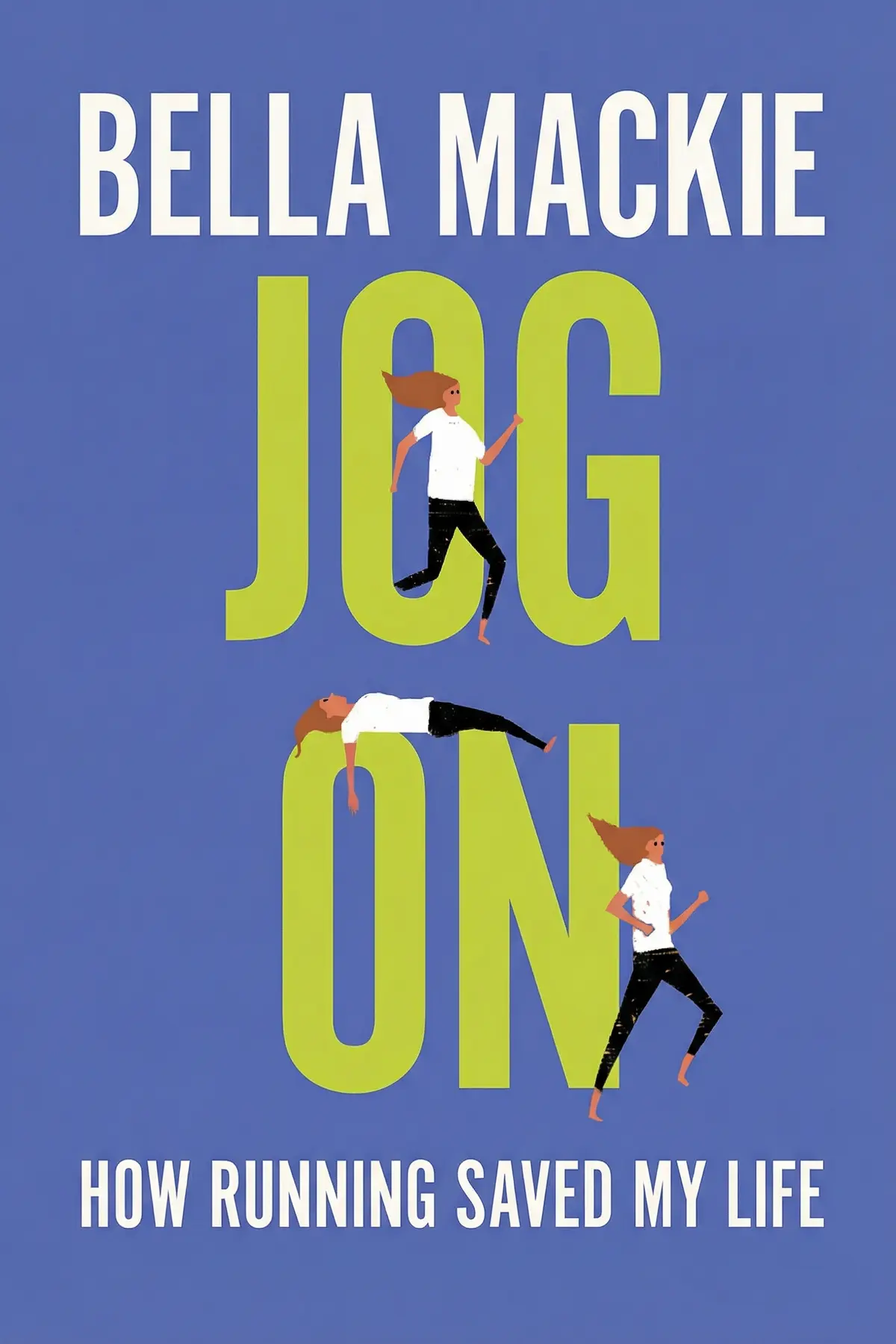
Discover a powerful narrative on how physical movement can serve as a lifeline during mental health crises. This account explores the transformative link between a consistent jogging routine and emotional resilience.
1 min 50 sec
We have all experienced those moments where the world feels like it is closing in. Perhaps it’s a deadline looming overhead, a difficult conversation we’ve been avoiding, or just the general weight of modern existence. But for some, that feeling isn’t a fleeting moment; it is a permanent resident in their minds. Imagine a life where your heart is constantly racing for no apparent reason, where your palms are perpetually damp with sweat, and where your thoughts are caught in a relentless, exhausting loop of negativity. This is the reality of severe anxiety, a condition that can strip away a person’s independence and joy until there is very little left.
In the story we are about to explore, we meet someone who reached the absolute edge of her endurance. Bella Mackie’s life was not just difficult; it had become a series of avoidances and fears that eventually culminated in a total collapse. However, in the midst of that darkness, she stumbled upon a remedy that was as simple as it was profound. It wasn’t a expensive retreat or a complicated therapy, but the act of putting on a pair of sneakers and heading out the door.
This isn’t just a story about fitness or losing weight. It is a deep dive into the profound connection between our physical bodies and our mental well-being. We will look at how the rhythm of a jog can actually rewire the way the brain processes stress. We will explore the science of why our bodies react the way they do when we are scared, and how we can use that same biology to find peace. Through this journey, we’ll see how a journey of a thousand miles—or even just three minutes in an alleyway—can truly save a life. By the end of this, you might just find yourself looking at your own front door as a gateway to a much calmer, more resilient version of yourself.
2 min 21 sec
Explore the roots of a life governed by fear, where even mundane sounds and sights can trigger a profound sense of dread from a very young age.
2 min 24 sec
Understand the terrifying symptoms of disassociation and how the mind creates a ‘bubble wrap’ layer between the sufferer and the world around them.
2 min 10 sec
Witness the moment of total breakdown that led to an impulsive and life-changing decision to try running in the most unlikely of places.
2 min 05 sec
See how the simple act of jogging through busy streets allowed someone to reclaim areas of their city that had been off-limits for years.
2 min 23 sec
Dive into the fascinating science of how exercise reconfigures the brain to better handle stress and manage the hormone cortisol.
2 min 16 sec
Discover why exercising in ‘green spaces’ provides a significant mental health boost compared to urban environments.
2 min 14 sec
Uncover the complex social and cultural reasons why many people, especially women and minorities, find it difficult to begin an exercise journey.
1 min 58 sec
Learn why running isn’t a magical cure, but a vital tool for long-term management and the importance of starting small.
1 min 53 sec
The story of Bella Mackie and her journey through the world of anxiety is a powerful testament to the resilience of the human spirit. It serves as a reminder that even when we are at our lowest point, even when our world has shrunk to the size of a single room, there is always a path forward. That path might be covered in pavement, it might be muddy, and it might be uphill, but it is there for the taking. We have explored how the simple act of running can act as a bridge, leading us from a state of paralyzed fear back into a world of color and connection.
We’ve seen the science—how exercise can lower cortisol, rewire our reaction to stress, and even physically change our brain structure. We’ve discussed the importance of nature and the need to break down the social barriers that keep people from moving. But perhaps the most important takeaway is the idea that we are not our thoughts. We are the ones who can observe those thoughts, and more importantly, we are the ones who can choose to move in spite of them. Running doesn’t just build muscle; it builds a sense of agency.
As you move forward from this summary, take the ‘actionable advice’ to heart: start small. If you’ve never run before, don’t worry about the distance or the speed. Just focus on the movement. Use the tools available to you, like training apps, and don’t be afraid to take it slow. Your mental health is a long-term project, not a short-term fix. By making movement a part of your daily life, you are giving yourself the best possible chance to live a life that is defined not by your fears, but by your strength. It’s time to lace up your shoes and see what’s waiting for you out there on the road. The first step is often the hardest, but it is also the most important one you will ever take.
This exploration delves into the deeply personal experience of living with severe anxiety and the unexpected tool that helped manage it: running. It follows the journey of a woman who found herself at a total breaking point, only to discover that the simple act of putting one foot in front of the other could silence the chaos in her mind. The narrative moves beyond just a personal story, incorporating scientific insights into how exercise affects the brain's chemistry. It examines the way movement helps us re-interpret physical stress signals and why the setting of our exercise—particularly the natural world—matters so much. Ultimately, it promises a realistic look at mental health, offering hope not through a magic cure, but through a sustainable and accessible practice of self-care. It’s an invitation to see exercise not as a chore, but as a form of mental medicine.
Bella Mackie is a prominent journalist and author who has contributed to several well-known publications. Before she shared her personal experiences in her debut book, she established a successful career writing for The Guardian, Vogue, and Vice magazine. Her work often bridges the gap between personal narrative and broader social observations.
Listeners find Bella Mackie’s candid account of her battle with anxiety to be a profoundly relatable and encouraging guide to the mental health advantages of physical activity. Though some listeners feel the narrative is occasionally repetitive, they value the author's down-to-earth perspective on beginning with small steps, and one listener noted that the book inspired them to start running for the first time. Furthermore, they appreciate the casual tone and the inclusion of supportive data and quotes that provide empathy to fellow sufferers. Many also mention that the actionable advice is truly beneficial for anyone wanting to utilize running as a method for self-care and mindfulness.
This book actually made me run for the first time in my adult life! I was totally sucked in by the blurb, and the content delivered exactly what I needed: a way to manage my anxiety that didn't feel like a chore. Bella writes with such incredible empathy and lack of pretension that you can't help but feel she’s in your corner. Her journey from divorce to 10Ks is moving without being sappy, and her humor made me snort out loud more than once. If you’re struggling with your mental health, please give this a try.
Show moreLook, if you’ve ever had a panic attack that left you feeling broken, you need to read this immediately. The author’s honesty about her "rollercoaster life" of high anxiety resonated with me on a level I wasn't prepared for. It’s not just a collection of "jogging is good" platitudes; it’s a deep dive into how exercise seeps into every other part of your life and opens it up. I highlighted so many passages in the second half of the book that it’s basically all yellow now. This is a multidimensional guide to reclaiming your headspace.
Show moreAfter hearing so many people talk about "Jog On," I decided to listen to the audiobook, and it was a revelation. Mackie’s delivery is so down-to-earth and sincere, making the "chat with a mate" vibe even stronger. I actually listened to it while out on my morning walks, and by the end of the week, those walks had turned into slow jogs. While she definitely repeats herself a few times—making the middle section feel a bit circular—the perspective on running as meditation is beautifully explained. It’s an unpretentious, inspiring, and deeply relatable guide that ignores the bullshit and focuses on what actually works.
Show moreFinally got around to reading this after seeing it everywhere, and I’m glad I did. Mackie nails the description of how crippling anxiety feels, capturing that sense of being stuck on the sofa while your brain spins out of control. Her approach to exercise is so refreshing because she doesn’t care about "wellness" or looking good; she just wants to survive. I did find it slightly repetitive toward the end, but the practical tips for using movement as a form of mindfulness were genuinely helpful for my own training. It’s an honest, gritty look at recovery.
Show morePicking up this book felt like a lifeline during a particularly anxious month. I loved that the author doesn't pretend to be a pro athlete, instead focusing on the messy reality of starting from zero. Her writing style is punchy and often funny, which balances out the heavier themes of depression and panic attacks. Some sections felt like they could have been condensed, but the overall message is so empowering that I didn't mind the occasional fluff. It’s a remarkable memoir that reminds us that our bodies are capable of much more than our minds believe.
Show moreTruth is, I never thought I’d enjoy a book about running since I usually find the sport incredibly boring. Yet, this isn't really a book about running; it's a book about survival and finding a mechanism to cope with life's sharpest edges. Mackie integrates research and quotes from figures like Jane Austen or Hillary Clinton in a way that feels organic rather than academic. While she occasionally rants a bit much about the "wellness industry" and the idea of giving up staples like sugar, her central thesis about the mind-body connection is spot on. It’s a motivating read for anyone who feels intimidated by the gym.
Show moreAs someone who already jogs, I found this to be a bit of a mixed bag. Bella Mackie is a great writer with a witty, conversational voice that makes you feel like you’re chatting with a friend over coffee. However, the book suffers from a circular narrative that made me feel like I was experiencing déjà vu every other chapter. There are some excellent takeaways regarding the "runner’s high," yet the constant dismissal of wellness culture felt a bit forced and unnecessary. It's an okay read if you need a gentle nudge, though don't expect a linear progression.
Show moreDid anyone else find the structure a bit messy? I really loved the bits about her initial struggle—that relatable moment of not being able to run for sixty seconds—but then it devolved into a lot of "samey" advice. I appreciate her lack of pretension because the running world is often way too competitive and focused on gear or marathons. That said, I struggled to stay engaged during the middle section where the focus shifted to facts and figures rather than her own feelings. It’s definitely a solid choice for someone in a dark place, but as a piece of literature, it’s just fine.
Show moreFrankly, this book could have been an essay. While I appreciate Mackie’s vulnerability regarding her divorce and mental health struggles, the content becomes agonizingly repetitive after the first fifty pages. She makes the same point about running and anxiety over and over again without adding new layers. I was looking for a deeper personal connection, but the narrative felt bogged down by cold statistics and external quotes that pulled me away from her journey. It's a nice sentiment, but the execution felt thin and stretched.
Show moreNot what I expected at all. I thought this would be a practical "how-to" guide for beginners, but instead, it felt like a sluggish slog through a diary. It took me three weeks to get through the first few chapters because the narrative just didn't move. To be fair, I know people find her story inspiring, but for me, it was incredibly dull and lacked a cohesive structure. My book club chose this, and honestly, we all ended up abandoning it before the halfway mark. It felt uninspiring when I wanted something to actually get me off the couch.
Show moreLeanne Maskell
Alcoholics Anonymous World Services
Jonathan Eig
Steven C. Hayes
AUDIO SUMMARY AVAILABLE
Get the key ideas from Jog On by Bella Mackie, plus 5,000+ more titles in English and Thai.







