
21 min 43 sec
Advice Not Given: A Guide to Getting Over Yourself
By Mark Epstein
Psychiatrist Mark Epstein reveals how the ancient wisdom of the Eightfold Path complements modern psychotherapy, offering a practical guide to dismantling the ego and finding emotional clarity through meditation.
Table of Content
1. Introduction
1 min 58 sec
Modern life often feels like a relentless stream of demands, a digital and social barrage that leaves little room for quiet contemplation. Whether it is the pressure of a career, the complexities of our intimate relationships, or the quiet buzz of existential dread, many of us spend our lives in a state of high alert. Traditionally, we have turned to psychotherapy to untangle these knots, seeking the guidance of a professional to help us navigate our inner landscape. But there is another ancient tradition that addresses these same issues from a different angle, one that requires no office visits and carries no hourly fee: meditation.
Mark Epstein stands at a unique crossroads in this conversation. As a licensed psychotherapist working in the heart of New York City, he sees the stress of the modern world up close every single day. Yet, he is also a dedicated practitioner of Buddhist meditation. For Epstein, these two worlds are not separate; they are complementary tools designed to achieve the same goal: helping us see the truth of our lives more clearly. This summary explores the synergy between clinical insight and spiritual practice, demonstrating how meditation can act as a form of self-directed therapy.
Over the next few chapters, we will look at how the simple act of sitting still can dismantle the obsessive thought patterns that keep us stuck in the past or worried about the future. We will explore the common misconceptions that lead people to use mindfulness as an escape, rather than an engagement with reality. From the physical benefits of concentration to the deep emotional healing found in breaking free from long-held narratives, the throughline here is the ego. We learn that by getting over ourselves—by loosening the grip of the ‘I’ that constantly judges and worries—we can find a more resilient and peaceful way of being in the world. Whether you are a seasoned meditator or someone who has never tried to sit in silence, the insights ahead offer a new perspective on how to live more fully in the only moment we actually have: the present.
2. The Art of Dwelling in the Now
2 min 35 sec
Discover why our brains naturally resist the present moment and how starting with a simple sound-based practice can help anchor you in the reality of your current experience.
3. Engaging with the Mundane Realities of Life
2 min 15 sec
Meditation is often misunderstood as an escape from reality, but true practice involves bringing awareness to even the most basic and unpleasant aspects of our daily existence.
4. The Role and Limits of Mindfulness
2 min 08 sec
Understand why mindfulness is a helpful starting point but why obsessing over the practice can actually become a hindrance to your spiritual and psychological progress.
5. The Power of Concentration
2 min 21 sec
Explore how dedicated concentration meditation can physically and mentally transform your response to stress, using the ancient metaphor of refining gold.
6. Creating a Gap Between Emotion and Reaction
2 min 09 sec
Learn how meditation functions like psychotherapy by helping you identify recurring negative self-talk and creating the space needed to choose a healthier response.
7. Shifting from Mind to Consciousness
2 min 14 sec
Using an ancient Chinese parable and a modern clinical case, discover how to pacify an anxious mind by shifting focus from your thoughts to your actual awareness.
8. Uncovering the Truth Behind Relationship Conflict
2 min 03 sec
Meditation provides the emotional distance necessary to see that our anger toward others is often a mask for deeper, unaddressed personal needs.
9. Dismantling Long-Held Misconceptions
2 min 15 sec
Discover how the repetitive clarity of meditation can help you deconstruct the false stories you’ve told yourself for decades, leading to profound liberation.
10. Conclusion
1 min 45 sec
As we have seen, the path to a more fulfilling life does not require us to choose between the clinical insights of Western psychology and the spiritual practices of the East. Instead, Mark Epstein shows us that these two traditions are deeply intertwined. Meditation is more than just a way to relax; it is a complementary practice to psychotherapy that allows us to take charge of our own mental health. By developing a regular practice, we can achieve a more honest understanding of our internal world, identifying the repetitive thought patterns and ego-driven narratives that hold us back.
Throughout this journey, we have explored how staying in the present moment, engaging with mundane reality, and developing deep concentration can physically and mentally reshape our experience. We have seen through the stories of people like Kate and Martha that the ‘advice not given’ is often the most important: that the answers to our problems aren’t found in avoiding them, but in observing them with a steady, non-judgmental mind. By creating a gap between our emotions and our reactions, we gain the freedom to choose a new way of being.
To put these ideas into practice, start with a simple commitment to yourself: don’t try too hard. The paradox of meditation is that effort is often counterproductive. If you find your mind wandering, don’t judge yourself and don’t force it back. Simply acknowledge the drift and return to your focus as gently as possible. If your breathing is shallow or your body is tense, don’t try to fix it right away—just observe it. By learning to watch your life without the constant need to control or judge it, you begin the process of getting over yourself. In that space, you will find a version of yourself that is more resilient, more compassionate, and far more present.
About this book
What is this book about?
Advice Not Given explores the profound intersection between Western psychiatry and Buddhist philosophy. Mark Epstein, a seasoned psychiatrist and long-time meditator, argues that our modern struggles with anxiety, self-doubt, and relationship friction often stem from a rigid, overactive ego. By integrating the core tenets of Buddhism into the therapeutic process, we can learn to observe our internal narratives without being controlled by them. The book promises a path toward a more authentic existence. It moves beyond the idea of meditation as a mere relaxation tool, presenting it instead as a rigorous method for psychological discovery. Readers will learn how concentration and mindfulness can help identify negative thought patterns, bridge the gap between stimulus and reaction, and resolve long-standing emotional wounds. Ultimately, Epstein offers a framework for getting over yourself—not by ignoring your problems, but by engaging with them with newfound presence and compassion.
Book Information
About the Author
Mark Epstein
Mark Epstein is a New York City-based psychiatrist who has spent decades exploring the synergy between psychotherapy and Buddhist meditation. Drawing on his clinical practice and his personal spiritual journey, he has become a leading voice in the dialogue between Eastern and Western approaches to the mind. He is also the author of several acclaimed books, including The Trauma of Everyday Life.
Ratings & Reviews
Ratings at a glance
What people think
Listeners find the work beneficial and well-crafted, with many valuing its perspectives on Buddhism and how to navigate life's challenges. It is characterized as an accessible yet thought-provoking listen, and one listener points out its skillful blending of Buddhism and psychotherapy. The book features quality anecdotes and acts as a helpful resource, with one listener highlighting its practical approach to coping. Listeners express differing views regarding the book's overall length.
Top reviews
Araya
The chapter on Right Speech changed my entire perspective on how I interact with myself. Gotta say, I never realized that the way I talk to my own mind is just as important as how I speak to others. Epstein uses his background in Freudian psychotherapy to breathe new life into the Eightfold Path, making it feel applicable to 21st-century neuroses. It is a short, punchy read that doesn't waste your time with fluff. Some might find the patient stories a bit repetitive, but I found them essential for grounded understanding. The idea that we are human because of our suffering, not in spite of it, really stuck with me. If you’re tired of the sugary version of mindfulness and want something that actually addresses the ego, this is it. It’s an easy read that manages to challenge your fundamental worldview in under 200 pages. Highly recommended for those seeking a deeper psychological bridge.
Show moreOscar
Mindfulness isn't always the warm, grounding bath that modern wellness influencers sell us. Not gonna lie, I was relieved to see Epstein acknowledge that meditation can be deeply unsettling. It brings down the walls we’ve built to survive, and sometimes what’s behind those walls is scary. This book isn't a panacea for a bad job or a sudden loss. Instead, it’s a guide on how to stay present when things suck. I loved the breakdown of Right View and how it applies to our inner monologue. Don't be a jerk to yourself! That sounds so simple, yet it's the hardest thing to practice. The book is skillfully written and serves as a vital reminder that the goal isn't 'perfection.' The goal is to be awake to the unexpected. This is one of those rare books I’ll keep on my nightstand to revisit when my ego starts acting up again.
Show moreAnucha
Ever wonder why your ego constantly screams for attention? Epstein tackles this head-on by framing the Buddhist path as a way to 'get over yourself.' Look, it isn't always a comfortable read, but it is a necessary one. I appreciated the insight that the ego is a tool that often becomes a cage. The stories about his patients illustrate how we hide behind our practices—like the man who used mindfulness to ignore his wife at dinner. That specific anecdote hit home for me. We often use 'spirituality' as a shield rather than a bridge. The book is brief, which I liked, though I do wish he had dived deeper into the 'Right Effort' section. It felt a little vague compared to the rest. Still, it’s a solid guide for anyone trying to navigate life's inevitable suffering without becoming a total jerk to themselves.
Show moreDylan
Mark Epstein manages to weave the Eightfold Path into modern therapeutic sessions with surprising ease. I found his discussion on 'Right Concentration' particularly enlightening. He argues that concentration should loosen the ego's grip, not just provide an escape from the world. Personally, I've used meditation as a protective wall before, and this book called me out on that. It's a provocative interpretation that forces you to look at your motivations. The writing is accessible and friendly, never feeling like a lecture from on high. My only gripe is that some of the therapeutic stories felt a little detached from the Buddhist lessons he was trying to illustrate. Still, the core message about the ego being the root of our suffering is delivered effectively. It’s a thought-provoking read that I’ve already recommended to a couple of friends in therapy.
Show moreYok
After hearing about Epstein’s work for years, I was glad to find his tone so accessible and human. This isn't a book about reaching some antiseptic state of perfection. It’s about being willing to linger on suffering long enough to actually understand it. Frankly, most of us spend our lives running away from discomfort, but this book argues for staying put. I especially liked the section on Right Motivation—engaging fully with life rather than trying to purify it. The prose is clear, though some sentences are a bit long-winded and academic. It's a skillful blend of two very different worlds. Even if you aren't into Freud, there is plenty of wisdom here about the stories we tell ourselves. It’s an easy read that offers practical coping mechanisms without promising a quick fix. Solid 4 stars for being both grounded and aspirational.
Show moreSamart
This book is a compact guide for those tired of the 'newspaper' version of mindfulness that’s everywhere lately. Instead of just telling you to breathe and relax, Epstein explains why your ego is making you miserable. The title 'Advice Not Given' is perfect because it reflects the subtle way he guides the reader. Truth is, the most important lessons are the ones you realize yourself through the practice. I found the stories about his patients to be the highlight, even if the one about Reich was a bit odd. They provide a 'real-world' mirror for the Buddhist concepts. It’s a short book, but it gives you a lot to ponder. If you want a mix of Freud and Buddha that doesn't feel like a textbook, give this a shot. It helped me realize that being 'special' is often just a fancy way of being stressed.
Show moreKomsan
Finally got around to reading this and found the section on 'Right Action' particularly resonant. Epstein frames it as behaving ritualistically to bypass the ego's demand for instant gratification. That’s a powerful way to look at daily habits. The book isn't very long, which makes the density of the ideas easier to digest. To be fair, it’s not a manual on how to meditate; it’s more of a philosophy on how to live. I appreciated the honesty about how mindfulness can be 'too much' without professional support. It’s a refreshing change from the usual 'just meditate your problems away' narrative. While I didn't love every chapter—the one on Right Effort felt a bit fuzzy—the overall impact was positive. It’s a well-written, insightful guide for anyone dealing with the challenges of everyday life. Definitely worth a spot on your shelf.
Show moreAisha
Picked this up on a whim because I wanted a bridge between Western therapy and Eastern meditation. In my experience, the book serves as a decent introduction but lacks a certain 'meatiness' I was hoping for. The blending of Freud and Buddha is a fascinating concept, yet it feels a bit surface-level in places. It’s not as practical as Jon Kabat-Zinn’s work, nor as academic as other psychological texts. To be fair, Epstein writes beautifully, and the book flows well. I just didn't walk away feeling like I had a new toolkit. I learned that the ego is the source of my stress—shocker—but the 'how-to' of dismantling it felt thin. It’s a good 'commuter read' for someone new to these ideas. If you’ve already read extensively in this niche, you might find yourself skimming a lot. It's okay, just not revolutionary.
Show moreFang
As someone who prefers a more traditional approach to Buddhism, this felt a little too much like 'pop psychology' at times. I appreciate what Epstein is trying to do by making these ancient concepts accessible. However, I found myself agreeing with other reviewers who suggested just reading the original sutras. The author's takes on the Eightfold Path are interesting, but they are heavily filtered through a Freudian lens that doesn't always fit. For instance, the section on Right Livelihood felt a bit more like a career coaching session than a spiritual teaching. Not that the advice is bad—it’s actually quite helpful—it just lacks the 'airtight' feel of traditional dharma. It's a short read, and the patient stories are well-told, but it left me wanting more substance. It’s a 3-star read for me: good for a flight, but maybe not for a deep study.
Show moreTaw
Honestly, the title promised a punch that the actual text failed to deliver. I found the book incredibly boring and struggled to stay engaged with the repetitive patient anecdotes. Frankly, the author’s inclusion of Wilhelm Reich teaching a patient how to flirt felt bizarre and poorly explained. Why include such a controversial figure without addressing the darker allegations surrounding his practice? It felt like a distraction from the actual Buddhist teachings. If you are looking for a rigorous exploration of the Dhammapada or Zen, this will likely feel like lightweight, new-age nonsense. The writing style is fine, but the content lacks the scientific weight of someone like Robert Wright. Truth is, I spent most of the time wondering when he would get to the 'advice.' It’s a side-eye from me for sure. Skip this and go straight to the primary sources if you want real depth.
Show moreReaders also enjoyed
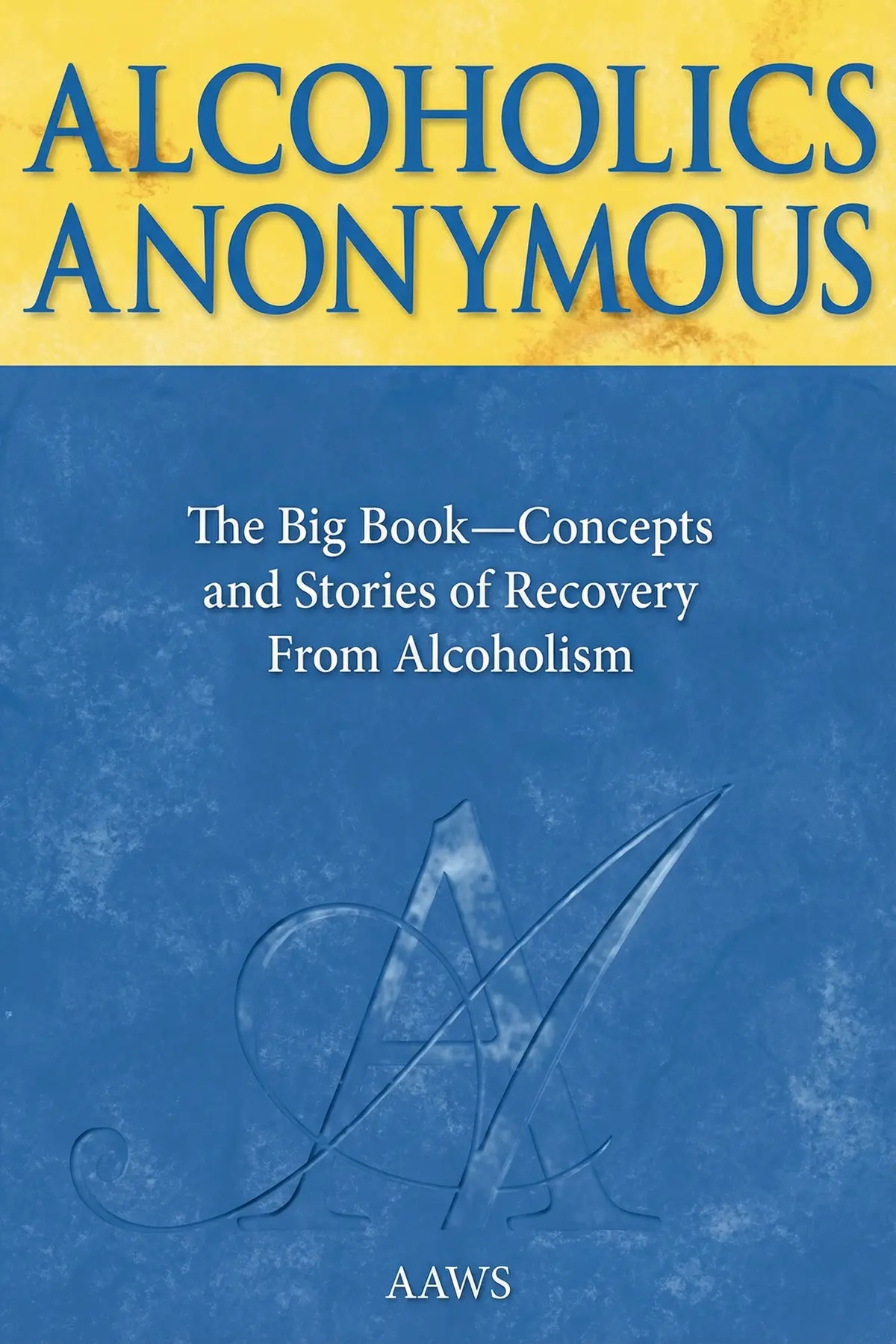
Alcoholics Anonymous
Alcoholics Anonymous World Services
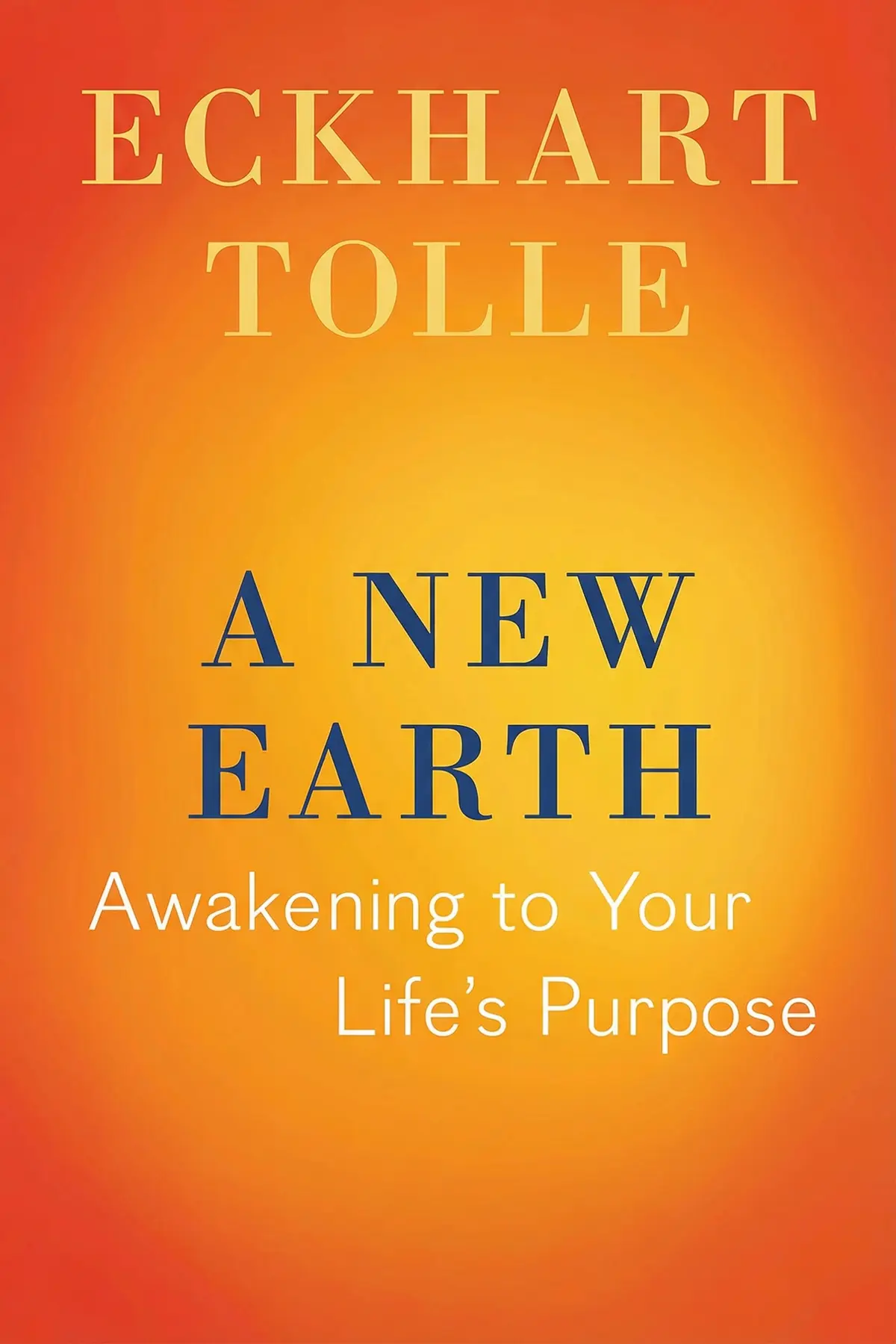
A New Earth: Awakening to Your Life’s Purpose
Eckhart Tolle

A Liberated Mind: How to Pivot Toward What Matters
Steven C. Hayes
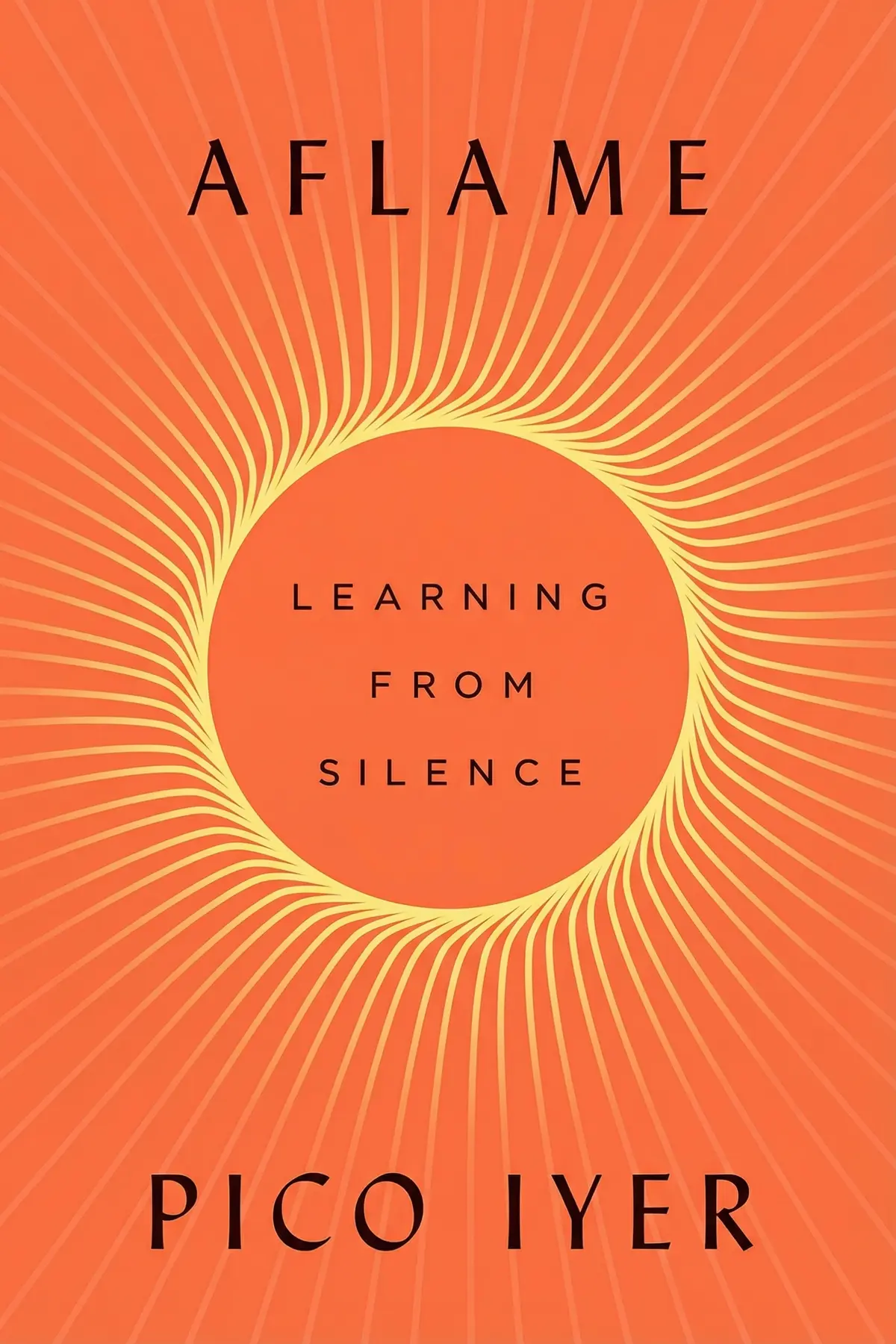
Aflame: Learning from Silence
Pico Iyer
AUDIO SUMMARY AVAILABLE
Listen to Advice Not Given in 15 minutes
Get the key ideas from Advice Not Given by Mark Epstein, plus 5,000+ more titles in English and Thai.
- 5,000+ titles
- Listen as much as you want
- 7-day free trial
- Cancel anytime







