
14 min 06 sec
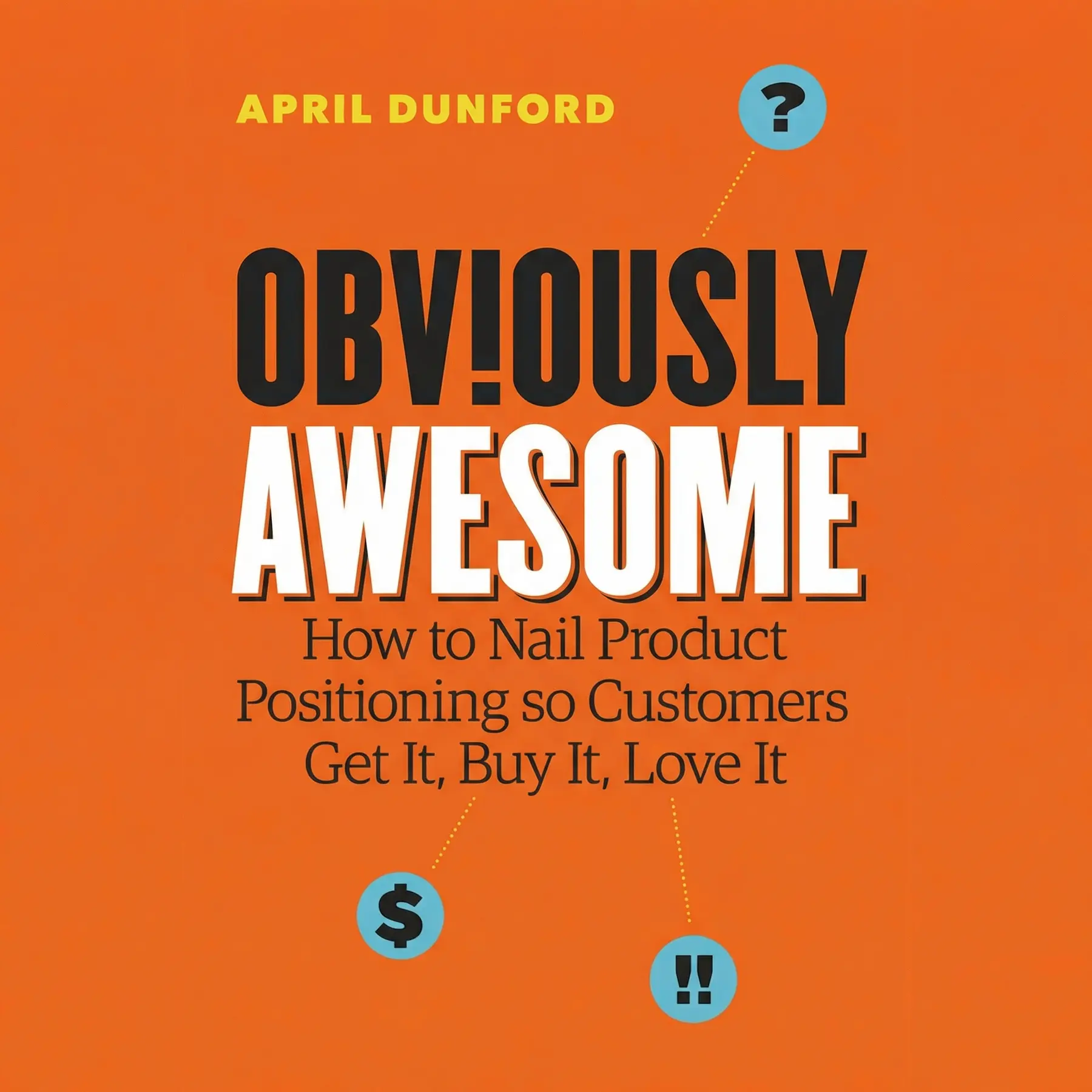
Obviously Awesome: How to Nail Product Positioning so Customers Get It, Buy It, Love It
Obviously Awesome explores the critical art of product positioning. It provides a structured ten-step framework to ensure your product is placed in a context where its unique value is instantly clear to customers.
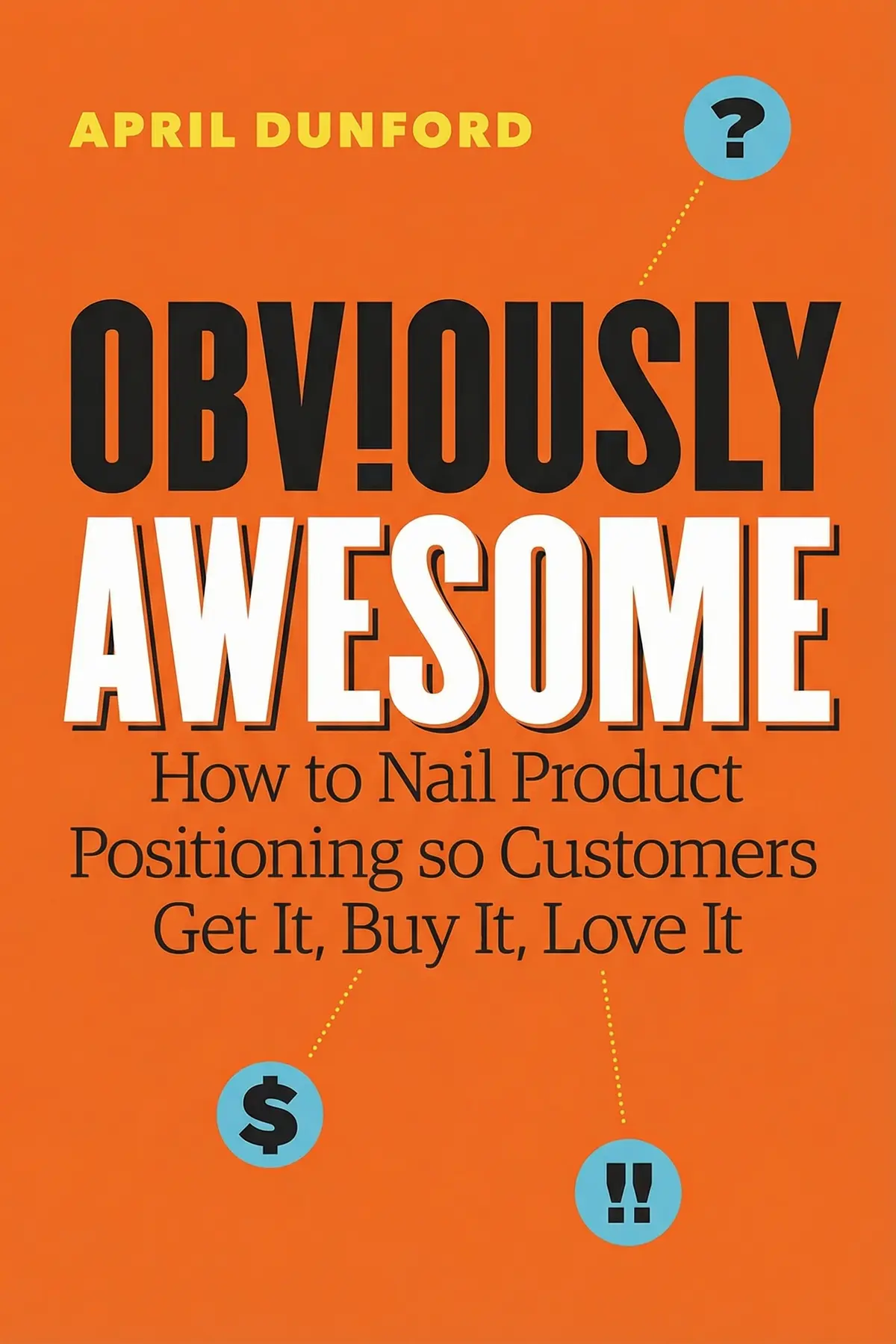
Table of Content
1. Introduction
1 min 43 sec
Imagine, for a moment, one of the most talented violinists in the world. This musician can play the most complex compositions with breathtaking skill and emotion. Now, imagine this virtuoso standing in the middle of a busy subway station during rush hour. As the commuters hurry past, most don’t even turn their heads. They see a street performer, not a world-class artist. Despite the undeniable quality of the music, the setting is all wrong. The audience expects a distraction, not a masterpiece, and so the value of the performance is lost in the noise.
This scenario perfectly captures the challenge of product positioning. You might have the most innovative, well-designed product on the market, but if you present it in the wrong context, your potential customers will simply walk on by. They won’t see the value because they aren’t looking for it in that specific way. Positioning is the strategic exercise of moving that violinist from the subway platform to a grand concert hall. It’s about setting the stage so that your audience knows exactly what they are looking at, why it matters, and why they should pay attention.
In this exploration of Obviously Awesome by April Dunford, we are going to dive into a methodical, ten-step process designed to pull your product out of the shadows. We will look at how to stop relying on luck and start using a repeatable framework to define your market category, highlight your unique strengths, and ensure that when a customer sees your product, its value is—as the title suggests—obviously awesome.
2. The Strategic Architecture of Context
2 min 03 sec
Discover why great products often fail due to a lack of clarity and how the five pillars of positioning can transform customer perception.
3. Identifying Your True Believers and Aligning the Team
1 min 54 sec
Learn how to find your most passionate customers and why a cross-functional team is essential for defining your product’s place in the market.
4. Mapping Competition and Unique Differentiators
1 min 37 sec
Explore why your biggest competitor might be a simple spreadsheet and how to isolate the features that make you truly unique.
5. Translating Features into Customer Value
1 min 48 sec
Understand the vital shift from ‘what it is’ to ‘what it does’ and how to group your strengths into value clusters.
6. Targeting the Right Market and Choosing Your Frame
2 min 00 sec
Learn how to define your ideal customer profile and pick the market category that makes your success inevitable.
7. Leveraging Trends and Cementing the Strategy
2 min 00 sec
Discover how to use market trends to boost your relevance and how to turn your positioning into an actionable blueprint for the whole company.
8. Conclusion
1 min 01 sec
Mastering product positioning is the difference between a product that struggles for every sale and one that feels like an inevitable success. As we’ve seen through April Dunford’s ten-step framework, it all comes down to context. By carefully identifying your best customers, isolating your truly unique strengths, and picking the right market frame, you stop fighting the market and start leading it.
Effective positioning takes the guesswork out of your business. It aligns your team, sharpens your marketing, and makes your sales process significantly more efficient. The goal is simple but profound: to make the value of your offering so clear and so compelling that your target audience doesn’t just understand it—they can’t imagine living without it. As you move forward, keep the image of the subway violinist in mind. Don’t let your genius go unnoticed. Take the time to build the right stage, find the right audience, and make your product’s brilliance obviously awesome.
About this book
What is this book about?
Have you ever wondered why some groundbreaking products fail to gain traction while mediocre ones dominate the market? The answer usually lies in positioning—the hidden force that determines how customers perceive and value what you sell. In this summary of Obviously Awesome, you will discover that great marketing isn't just about catchy slogans; it’s about providing the right context so that your product’s brilliance becomes undeniable. Author April Dunford breaks down the mystery of positioning into a repeatable, ten-step process. You will learn how to identify your most enthusiastic customers, isolate the features that truly set you apart, and choose a market category that plays to your strengths. Whether you are battling a market leader or carving out a brand-new niche, this guide provides the tactical roadmap needed to turn a confusing offering into a must-have solution that customers love and competitors fear.
Book Information
About the Author
April Dunford
April Dunford has over two decades of experience in marketing. She’s known for her expertise in positioning B2B technology and effectively taking these products to market. Dunford is also a sought-after consultant, speaker, and advisor within the tech industry.
Ratings & Reviews
Ratings at a glance
What people think
Listeners find this work to be a mandatory read for entrepreneurs and marketing experts, providing a potent 10-step method for crafting significant product positioning. The guide delivers an uncomplicated, accessible explanation of the core methodology, featuring real-world examples and effective tactics. Listeners value the succinct writing style and methodical framework, regarding it as an indispensable asset for marketers and product leads.
Top reviews
Cha
As someone who has spent years in tech marketing, I’ve never seen positioning explained this clearly. Most business books are 300 pages of fluff, but this one cuts straight to the chase. The concept of the "market category" was a huge lightbulb moment for me. We often think our product is unique, but customers are always going to compare us to something, whether it’s a spreadsheet or a legacy competitor. Truth is, if you don’t pick your category, your customers will pick it for you, and they’ll probably get it wrong. This is essential reading for every product manager out there.
Show moreIvan
Wow. This book completely changed how I look at our sales deck. We were falling into that classic trap of explaining our features for twenty minutes before the customer even understood what we were. April Dunford explains that positioning is basically "context setting" for your product. If you tell someone you’re a "database," they expect one thing; if you say you’re a "data warehouse," they expect another. It’s simple, but getting it right is incredibly hard. This book gives you the tools to stop flailing around and start being deliberate about your market.
Show moreMo
The chapter on market categories alone is worth the price of the book. I love the example of the "dietary muffin" vs the "paleo snack." It perfectly illustrates how the same product can be viewed totally differently depending on the label you give it. April Dunford has a way of making complex strategic decisions feel manageable. It’s a straightforward guide that doesn't hide behind academic jargon. Some people complain that it’s too short, but I think that’s its greatest strength. You can read it in an afternoon and start applying the 10 steps the next morning.
Show moreTar
Ever wonder why your current customers love you, but you can’t seem to close any new deals? That was exactly the problem I was facing before I found this book. It turns out our positioning was accidental. We were riding a "trend" without actually defining our core value. The 10-step process helped us narrow our focus to a specific subsegment where we could actually be #1. It’s a punchy, no-nonsense guide that belongs on the shelf of every founder. Personally, I wish I’d read this three years ago before we wasted so much money on vague marketing campaigns.
Show moreWachira
After hearing April on several podcasts, I knew I had to grab the book. It did not disappoint. The way she breaks down the "positioning statement" is far more practical than the old-school templates I learned in business school. Instead of hand-wavy definitions, you get a concrete recipe. You start with what the customer is using now, find your unique attributes, and map those to real value. It sounds simple, but this book shows you how easy it is to get it wrong. It’s become required reading for everyone on our marketing team.
Show moreEarn
In my experience, most business authors try to sound smart by making things complicated. This book does the opposite. It takes the "black box" of positioning and makes it accessible for everyone. It’s a short read, but every page is packed with insights about how to frame your product so that the value is obvious to the buyer. I particularly liked the advice on how to weave in current trends without letting them distract from your core offering. It’s a brilliant, tactical guide that focuses on the real work of avoiding market confusion. Highly recommended.
Show morePranee
Finally got around to reading this after seeing it everywhere on LinkedIn. It’s a very quick read—maybe a bit too quick given the price—but the 10-step positioning framework is solid. Dunford does a great job explaining why your product shouldn't just exist in a vacuum. I especially liked the part about how customers use "signals" to put your product in a mental box. My only gripe is that it feels a bit light on specific case studies to show the process in action across different industries. Still, if you’re struggling to explain what you do to prospects, this is a necessary roadmap for any marketing team.
Show moreDuang
Picked this up because our startup was struggling with a high churn rate among new sign-ups. The book helped us realize we were targeting the wrong "best-fit" customers. Dunford’s approach to identifying competitive alternatives—especially the "do nothing" or "DIY" options—was eye-opening. We always thought our competitors were other software companies, but our real competitor was just Excel. The writing style is very conversational and easy to digest. I would have appreciated more examples of the "bad" way to do things to help avoid common pitfalls, but the positive framework is excellent regardless.
Show moreAria
To be fair, the content is useful, but I found the physical book itself a bit frustrating. It’s advertised as 180 pages, but with the massive font, huge margins, and entire pages dedicated to single quotes, it’s closer to a long blog post than a deep dive. The 10-step process is a good starting point for beginners, but I felt like it lacked the nuance needed for complex B2B sales cycles. It makes identifying "value themes" sound like a twenty-minute exercise when it actually takes months of research. It’s a decent introduction, but expect to do a lot of heavy lifting on your own to make these steps work.
Show moreCameron
Not what I expected given the massive hype. Frankly, it felt like a very long advertisement for the author’s consulting services. Most of the advice feels like common sense packaged as a "secret" methodology. Yes, you need to know who your customers are and why they buy from you—that’s just Marketing 101. The book is very short and lacks any real depth or technical frameworks for those of us in highly niche scientific or engineering fields. If you’ve never read a marketing book before, you might find it helpful, but for experienced pros, it’s mostly fluff.
Show more
Readers also enjoyed


AUDIO SUMMARY AVAILABLE
Listen to Obviously Awesome in 15 minutes
Get the key ideas from Obviously Awesome by April Dunford, plus 5,000+ more titles in English and Thai.
- 5,000+ titles
- Listen as much as you want
- 7-day free trial
- Cancel anytime







