
28 min 45 sec
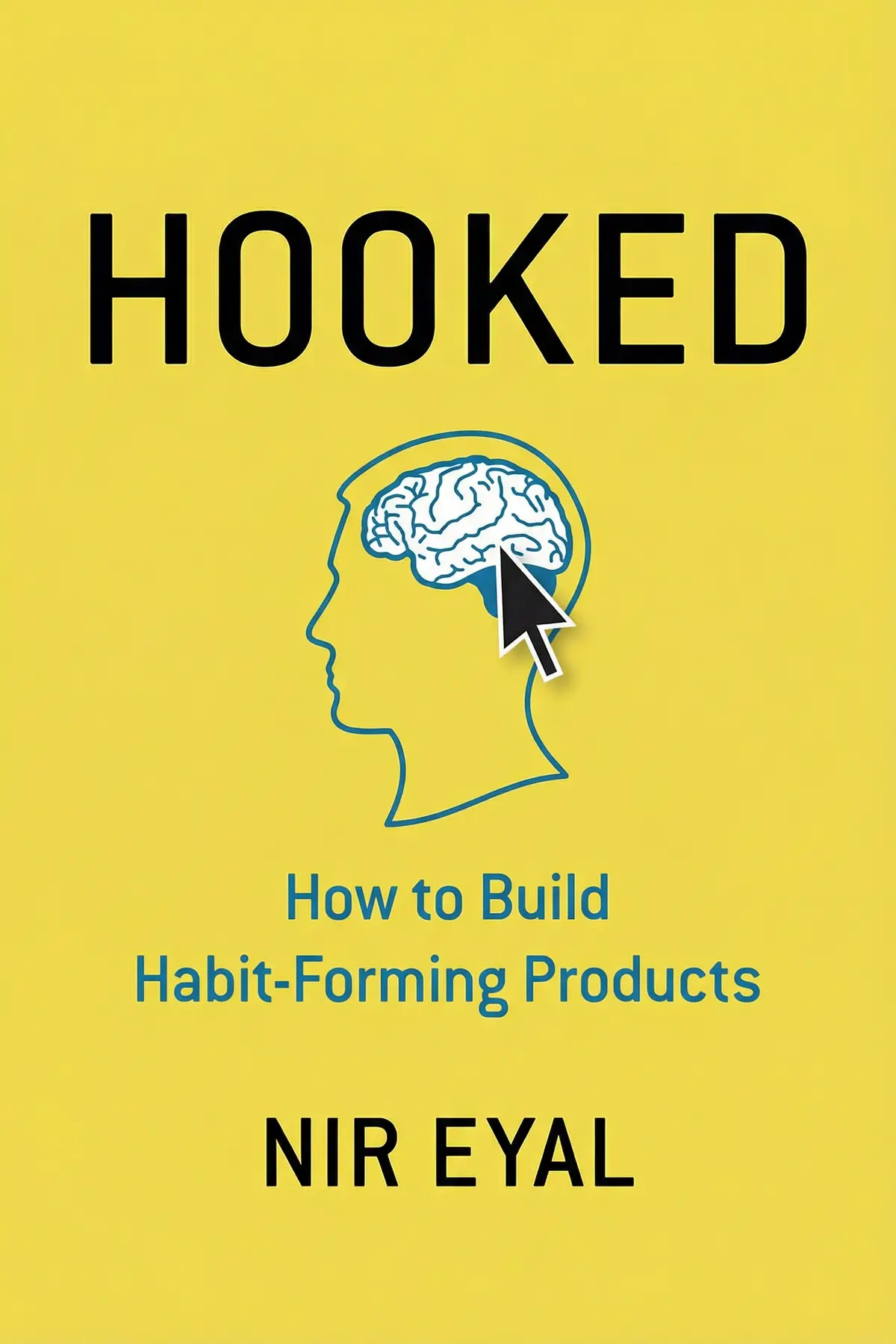
One Simple Idea: Turn Your Dreams into a Licensing Goldmine While Letting Others Do the Work
By Stephen Key
Stephen Key reveals how to bypass the complexities of traditional entrepreneurship. By leveraging licensing and simple product modifications, anyone can bring ideas to market quickly and profitably with minimal risk.
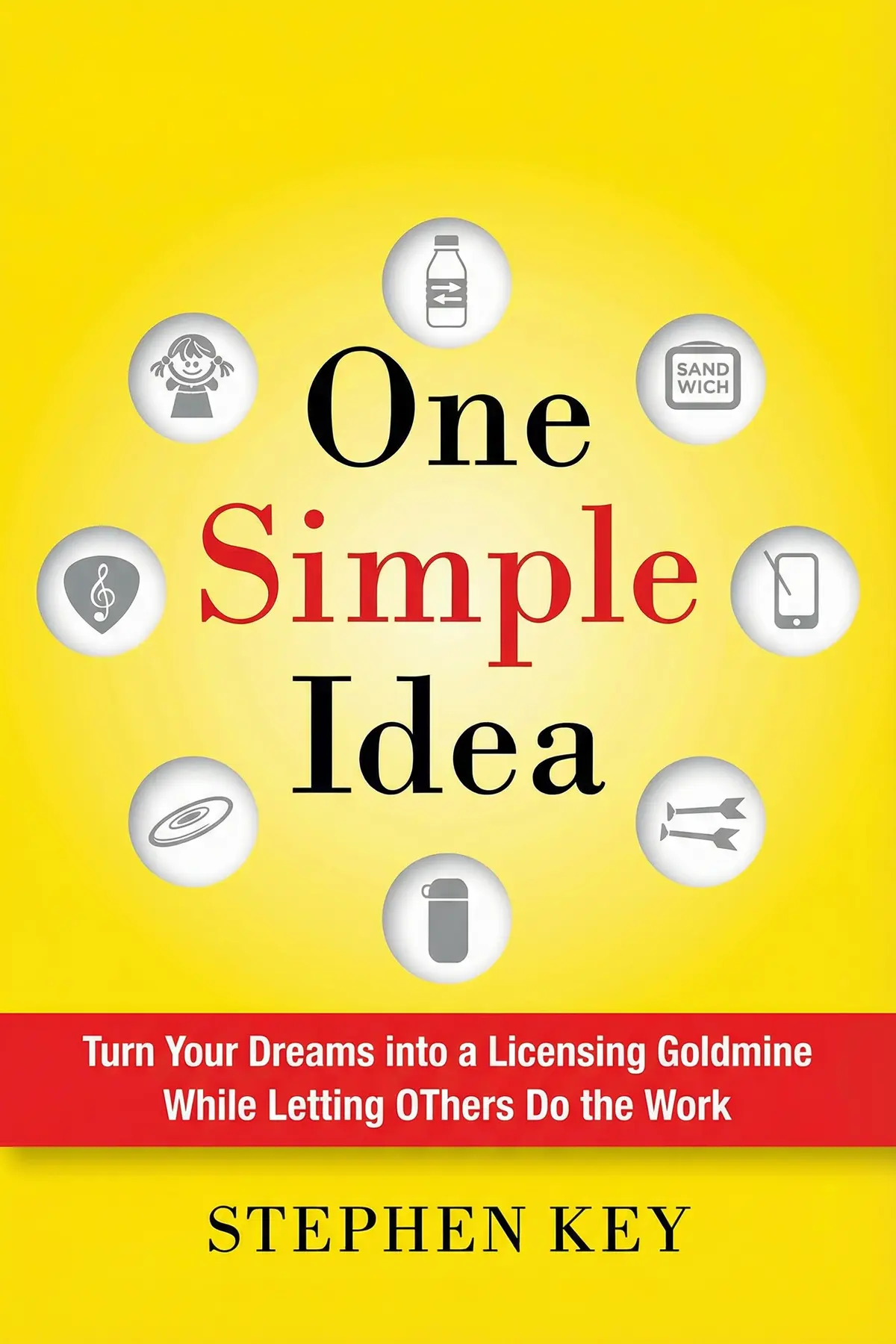
Table of Content
1. Introduction
1 min 44 sec
Have you ever walked through a store, looked at a product on the shelf, and thought to yourself, “I could have come up with that”? Or perhaps you’ve encountered a common household problem and realized there is a glaringly simple solution that no one has implemented yet. For many, these moments of inspiration are fleeting. They are dismissed as mere daydreams because the path from an idea to a finished product feels like an impossible mountain to climb. We often assume that to be an inventor or an entrepreneur, you need a laboratory, a team of engineers, and a massive bank account.
But what if the most effective way to enter the market wasn’t through radical, complex invention, but through one simple idea? That is the core throughline we are exploring today. The reality is that the most successful products are often not the ones that reinvent the wheel, but the ones that make the wheel just a little bit smoother. This summary is designed to demystify the process of bringing a product to life. We are going to look at how you can take a passion and turn it into a legitimate business entity by focusing on simplicity, lean operations, and the power of licensing.
Throughout this journey, we will answer the most pressing questions for any aspiring creator. We’ll look at what it truly takes to start a business from your own home, how to navigate the marketplace without getting overwhelmed by competition, and how to manage growth once your idea takes off. The goal here is to provide a practical roadmap that moves away from high-risk gambles and toward a strategy where you let others do the heavy lifting. By the time we’re done, you’ll see that the barrier to entry is much lower than you think, provided you have the right mindset and a willingness to stay persistent. So, let’s dive into how you can turn your creative sparks into a licensing goldmine.
2. Finding Opportunity and Mentorship
2 min 26 sec
Despite economic shifts, the consumer market remains a fertile ground for simple products. Success lies in identifying what customers desire and finding a guide to navigate the journey.
3. The Power of Passion and Responsibility
2 min 21 sec
Entrepreneurship is a learned skill fueled by an unyielding belief in your idea. Taking full ownership of every decision is the foundation of a lasting business.
4. Simplicity as a Strategy for Success
2 min 33 sec
Startups often fail by being too complex. By focusing on simple modifications to existing products, you can tap into established demand and lower your production risks.
5. Building a Lean Business Foundation
2 min 16 sec
A professional business doesn’t require a large office or a massive staff. A focused plan and a minimal digital setup are all you need to start.
6. Protecting Your Idea Through Speed and Relationships
2 min 33 sec
Traditional patents are often too slow and expensive for simple ideas. Intellectual property is best protected by being first to market and building strong alliances.
7. Strategic Funding and the Value of 'Free Money'
2 min 15 sec
Avoid the pressure of external debt by using personal funds when possible. Leverage non-equity sources like grants and crowdfunding to fuel growth without giving up control.
8. Mastering the Supply Chain
2 min 15 sec
Manufacturing is the backbone of your profit margin. Finding the right local partner and managing your inventory through clear metrics is essential for long-term survival.
9. The Shift to Pull Marketing
2 min 17 sec
Traditional advertising is often out of reach for startups. Success comes from ‘pull marketing’—building a brand that provides value and connects directly with the audience.
10. Retail Success and the Power of Service
2 min 04 sec
Getting onto store shelves requires a strategy of starting local and scaling slowly. Personal customer service is your greatest competitive advantage against larger rivals.
11. Managing Financial Health and Inventory
2 min 07 sec
As your business grows, tracking cash flow and inventory metrics becomes paramount. Realizing a profit requires strict financial discipline and careful coordination.
12. Scaling and Preparing for the Future
2 min 07 sec
Expansion should always complement your core brand. To maximize value, build your business with a clear ‘playbook’ that allows it to run smoothly without you.
13. Conclusion
1 min 47 sec
As we reach the end of this roadmap, the overarching message is clear: the path to entrepreneurship doesn’t have to be a complicated, high-stakes gamble. You don’t need a groundbreaking scientific discovery or a massive injection of venture capital to make your mark on the world. What you need is the willingness to find one simple idea, the passion to see it through, and the strategic sense to keep your operations lean.
We’ve seen that success often comes from evolution rather than revolution—taking what already works and making a clever modification that adds new value. By focusing on licensing and partnerships, you can let larger, more established companies handle the heavy lifting of production and distribution while you focus on what you do best: creating. We’ve also learned that in the modern world, being small and agile is a massive competitive advantage. You can move faster, connect more deeply with your customers, and use social media to build a brand without spending a fortune.
But perhaps the most important takeaway is the power of personal responsibility and mentorship. Don’t try to go it alone, and don’t wait for the ‘perfect’ time. The economy will always shift, and challenges will always arise. The difference between those who dream and those who succeed is the willingness to take action and the discipline to manage the details of the business, from finances to inventory.
So, as you step away from this summary, take a look around you. Look at the products you use every day and the small frustrations you encounter. Somewhere in those everyday moments is your one simple idea. Start small, stay persistent, and remember that you have the tools to build a profitable business from your own home. The door to the marketplace is open—all you have to do is walk through it with a simple plan and a commitment to seeing it through.
About this book
What is this book about?
Many people believe that starting a business requires a revolutionary invention and millions in venture capital. This summary challenges that myth, showing that the most successful ventures often begin with one simple idea. It focuses on the power of licensing and product evolution—taking existing, successful products and making small, meaningful improvements to them. By doing this, entrepreneurs can tap into established markets without having to educate consumers from scratch. The book provides a step-by-step roadmap for the modern creator, covering everything from the psychological mindset required for success to the practicalities of manufacturing and retail. It emphasizes lean operations, showing how to work from home, use social media for pull marketing, and protect intellectual property through speed and relationships rather than expensive legal battles. Ultimately, it is a guide for those who want to turn their creative dreams into a sustainable business while letting established companies handle the heavy lifting of production and distribution.
Book Information
About the Author
Stephen Key
Stephen Key is an expert on getting business ideas off the ground and has successfully licensed more than 20 simple ideas, generating billions of dollars of revenue. In One Simple Idea, Key shares the lessons he learned while starting, managing and growing his own small (later successful) company, Hot Picks.
Ratings & Reviews
Ratings at a glance
What people think
Listeners view this title as an essential resource for aspiring inventors, commending its thorough inclusion of vital details and sequential instructions for navigating the licensing world. The material is simple to grasp, and listeners feel it is a valuable investment for the price. They enjoy the inspiring tone, with one listener describing how it encourages everyday people to expand their vision, while others point out its actionable tips and useful strategies for brainstorming product concepts.
Top reviews
Talia
Stephen Key makes a compelling case for the 'renting' model of business, and frankly, it's a breath of fresh air for anyone tired of the typical startup grind. Instead of focusing on manufacturing or distribution, the author walks you through how to leverage existing companies to do the heavy lifting for you. I found the sections on sell sheets and 'doing your homework' on potential licensees particularly actionable. While the book can feel a bit repetitive at times, the core message—that your ideas have value without you needing to build a factory—is incredibly empowering for the average person. It’s a practical guide that demystifies the licensing world, even if some of the examples feel a bit specific to cheap consumer goods. Definitely a must-read if you want to understand the basics of intellectual property without a law degree.
Show morePruet
Finally got around to reading this, and it really flipped my perspective on what it means to be an 'inventor' in the modern world. Key strips away the mystery of patents and high-stakes manufacturing, replacing them with a streamlined system of 'renting' ideas to big brands. The focus on solving simple problems rather than trying to reinvent the wheel is a strategy that almost anyone can apply if they are observant enough. I loved the motivational tone because it makes the whole process feel attainable for someone without a massive bank account. Some people might find it a bit anecdotal, but the success stories provide the necessary context to see how these theories play out in reality. It’s more than just a business book; it’s a toolkit for changing how you view market needs.
Show moreGioia
I've been sitting on a product idea for three years because I was terrified of the legal costs and the complexity of starting a company. After reading this, I realized I was overcomplicating everything and that the path to market doesn't have to involve a million-dollar investment. Stephen Key’s strategy of using a $70 provisional patent to secure interest is a game-changer for the common person who wants to compete. The step-by-step guidance on how to reach out to potential buyers felt very practical and gave me the confidence to actually start making calls. While the book is definitely repetitive, I think that helps the core principles sink in so you don't forget the basics when things get tough. It’s an essential read for anyone who wants to turn their creativity into a paycheck.
Show moreNikolai
Ever wonder how those random kitchen gadgets or simple toys actually make it onto the shelves of big-box retailers? This book pulls back the curtain on that exact process, showing how a simple $70 provisional patent application can be the foundation of a real career. Stephen Key isn’t just some theorist; he’s clearly been in the trenches and knows exactly how to handle a cold call without losing your mind. The advice on creating a 'sell sheet' that catches a company's attention is worth the price of the book alone. My only gripe is that the author tends to plug his own coaching services quite a bit throughout the chapters. If you can look past the self-promotion, the actual strategy is solid for anyone looking to generate passive royalty income.
Show moreErn
As someone who always has 'million-dollar ideas' but zero manufacturing budget, this was exactly the roadmap I needed to see a different path forward. The book teaches you to prioritize your provisional patent over full utility patents, which is a huge cost-saver for anyone just starting out. I appreciated the blunt honesty about how many cold calls it actually takes to get a bite from a manufacturer. It isn't a 'get rich quick' scheme, despite what the catchy title might suggest to a casual reader browsing the shelves. Truth is, the success hinges entirely on your ability to execute the market research and identify the right licensees before you even pick up the phone. It’s a solid 4-star read that provides a usable framework, though it does lean heavily on the author's personal wins.
Show moreGin
Look, you aren't going to become a billionaire overnight by reading this, but the blueprint provided here for licensing is a legitimate way to enter the market. The author's 'One Simple Idea' approach is all about minimizing risk while maximizing the potential for passive income through royalties. I found the chapter on 'the life you can live' to be quite moving, as it encourages you to think bigger than just a 9-to-5 grind. However, the writing style is very casual and can sometimes feel like you're sitting through a sales pitch rather than a masterclass. The practical tips on using NDAs and protecting your work are great, even if the book ignores some of the more complex legal realities of modern business. It’s a great 'Phase 1' book for your invention journey.
Show moreBua
To be fair, the 'One Simple Idea' isn't exactly a secret, but Key explains the execution of licensing better than almost any other business author I've read. He makes you visualize the possibilities of a royalty-based lifestyle, which is great for staying motivated during the boring parts of market research. The focus on being first to market and creating a compelling visual through a sell sheet is advice that applies to more than just inventing. I did feel like some of the stories were a bit 'best-case scenario,' which might set unrealistic expectations for some readers who expect instant success. Still, the underlying tactics are sound and provide a clear path forward for anyone with a good idea and some grit. It’s not a perfect book, but it’s a very helpful one for the right audience.
Show morePla
The core concept here is gold, but the delivery is a bit repetitive and probably could have been summarized in a lengthy blog post. Key spends a lot of time dicing and slicing the same few ideas across multiple chapters, which makes the 250+ pages feel like a bit of a slog at times. However, I can't deny that the specific advice regarding the licensing process—especially the negotiation phase—is genuinely insightful for a beginner. If you are looking for high-tech research licensing, you might be disappointed as the focus is heavily on inexpensive consumer products. It’s an okay starting point for the uninitiated, but you’ll likely need to do significant outside research to actually pull this off. I liked the emphasis on being first to market, yet I wish there was more depth on the legal hurdles.
Show moreKamol
This book is basically an extended brochure for his coaching services, yet there are definitely some nuggets of wisdom buried in the self-promotion. I was particularly interested in the way he breaks down the difference between a product and an idea that solves a specific consumer desire. That distinction is vital. However, the book repeats its main points so frequently that I found myself skimming large sections by the time I hit chapter fifteen. It focuses very narrow-mindedly on simple, cheap products, so if your invention is a complex piece of machinery, look elsewhere for guidance. To be fair, for someone who has never heard of a sell sheet or a PPA, this is a decent introductory text. It just feels a bit bloated for the amount of unique information it actually conveys.
Show moreJai
Not what I expected based on the hype surrounding this title in the entrepreneurship community. While I appreciate the author's success, the book feels like one long advertisement for his consulting business and lacks the technical depth I was hoping for. Most of the advice is anecdotal, relying on the idea that because it worked for him twenty years ago, it will work for you exactly the same way today. The world of intellectual property and licensing has evolved, and some of the strategies here feel a bit dated or oversimplified for today's digital landscape. Honestly, the entire 200-page book could have been a 10-page PDF without losing any of the actual 'meat' or actionable steps. If you are brand new to the concept of royalties, you might get something out of it, but otherwise, a Google search will serve you better.
Show moreReaders also enjoyed
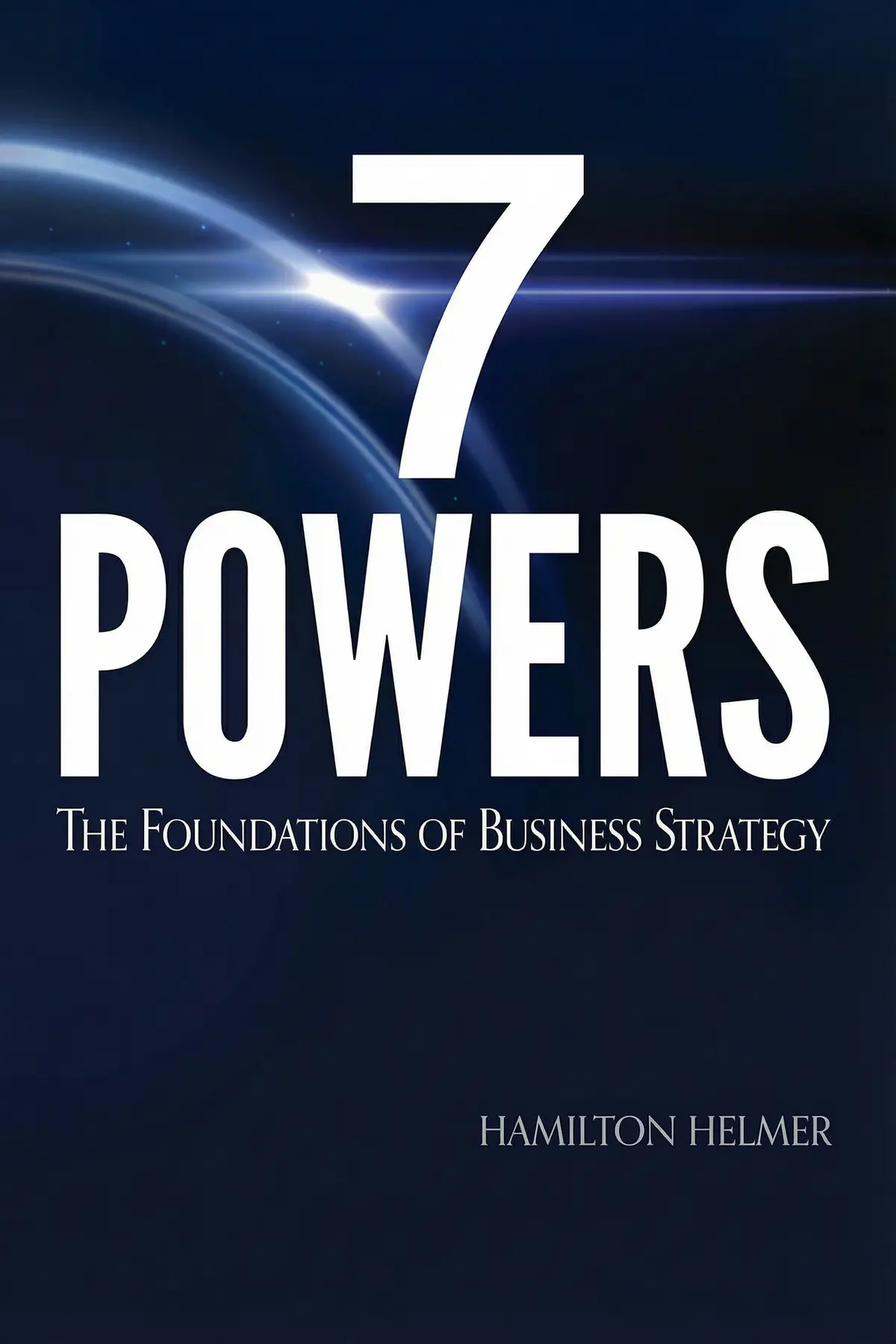
7 Powers: The Foundations of Business Strategy
Hamilton Helmer
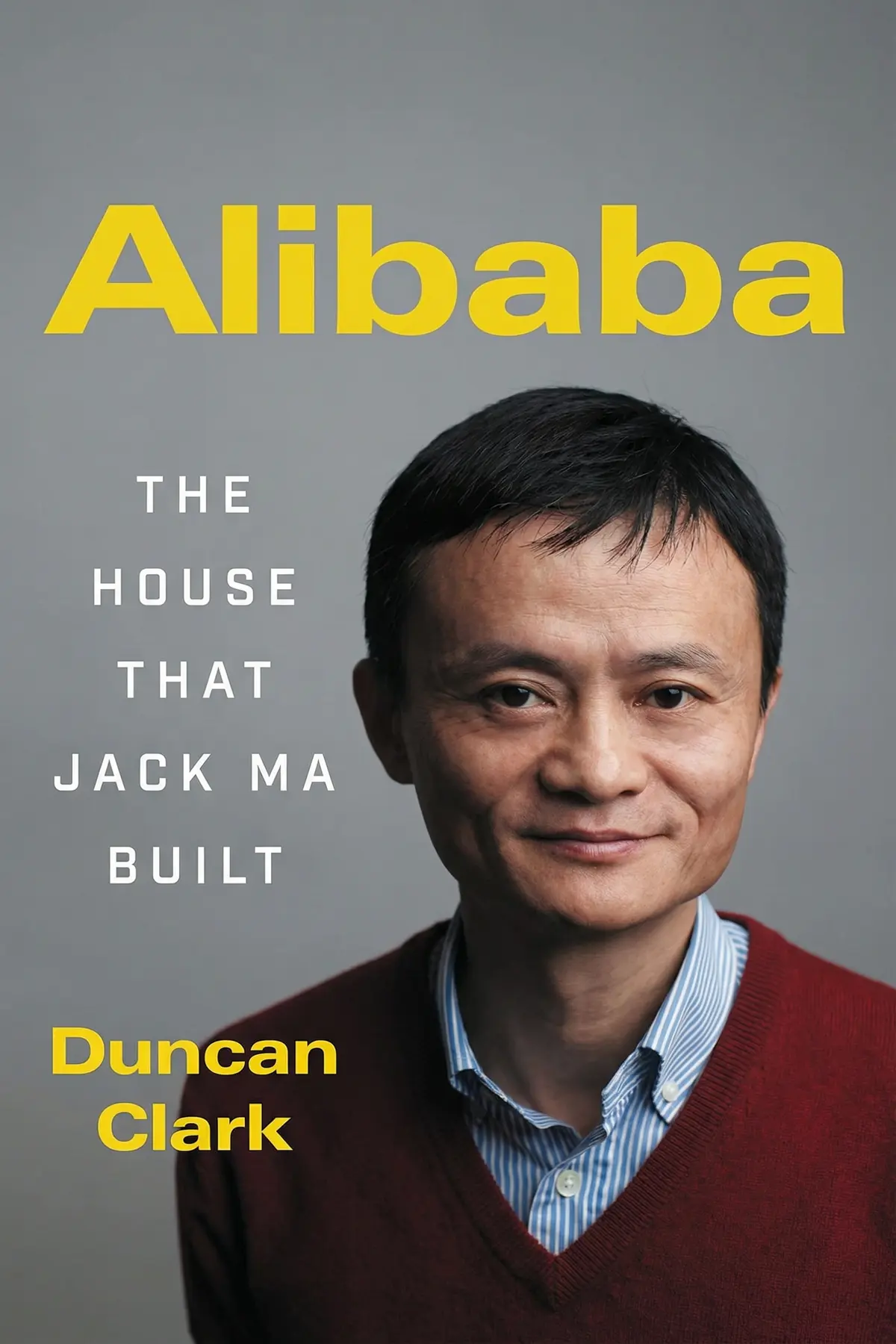
Alibaba: The House That Jack Ma Built
Duncan Clark
Bad Blood: Secrets and Lies in a Silicon Valley Startup
John Carreyrou
AUDIO SUMMARY AVAILABLE
Listen to One Simple Idea in 15 minutes
Get the key ideas from One Simple Idea by Stephen Key, plus 5,000+ more titles in English and Thai.
- 5,000+ titles
- Listen as much as you want
- 7-day free trial
- Cancel anytime







