
8 min 26 sec
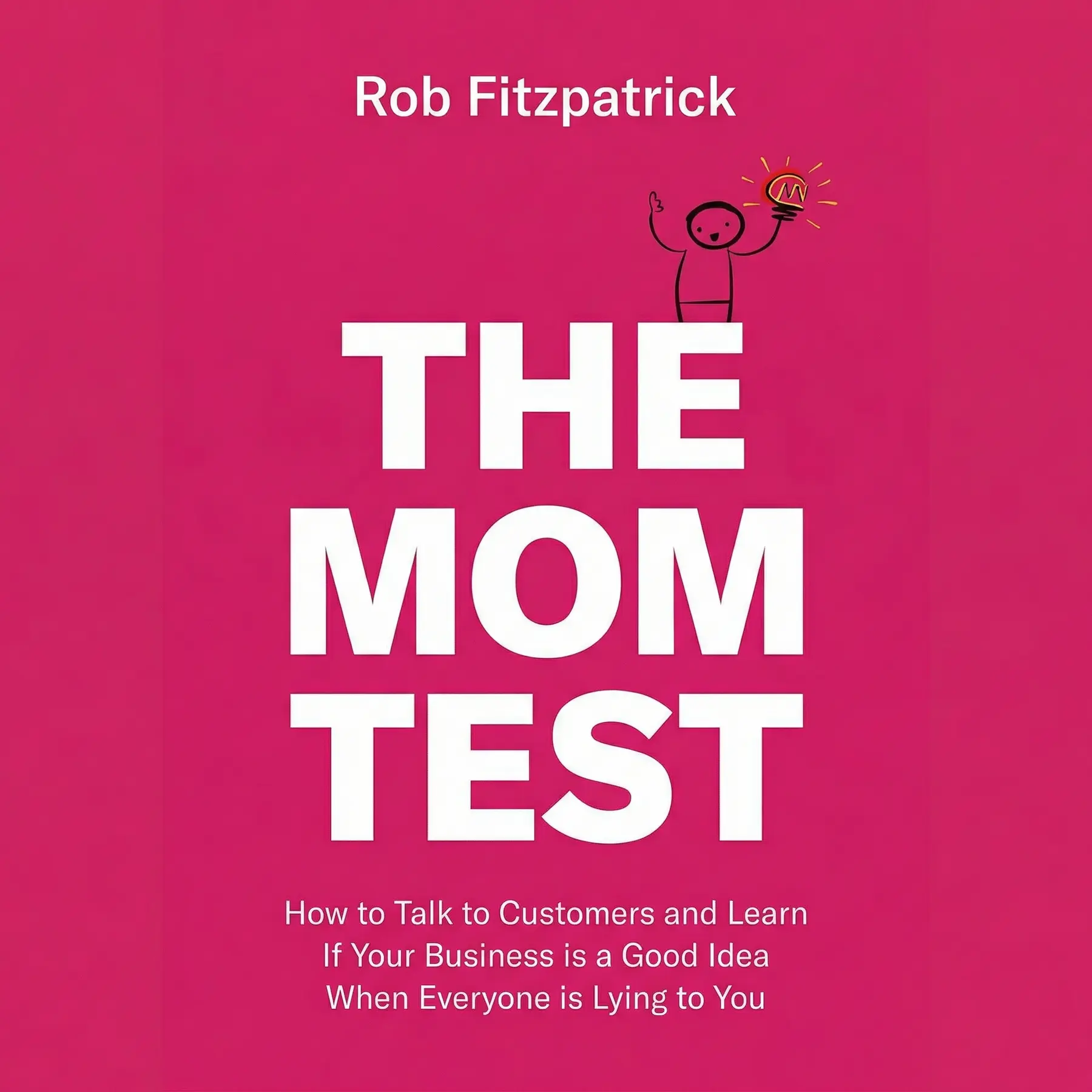
The Mom Test: How to Talk to Customers and Learn If Your Business is a Good Idea When Everyone is Lying to You
The Mom Test provides a practical framework for entrepreneurs to extract honest feedback from potential customers, ensuring business ideas are validated through objective data rather than polite, misleading compliments from others.
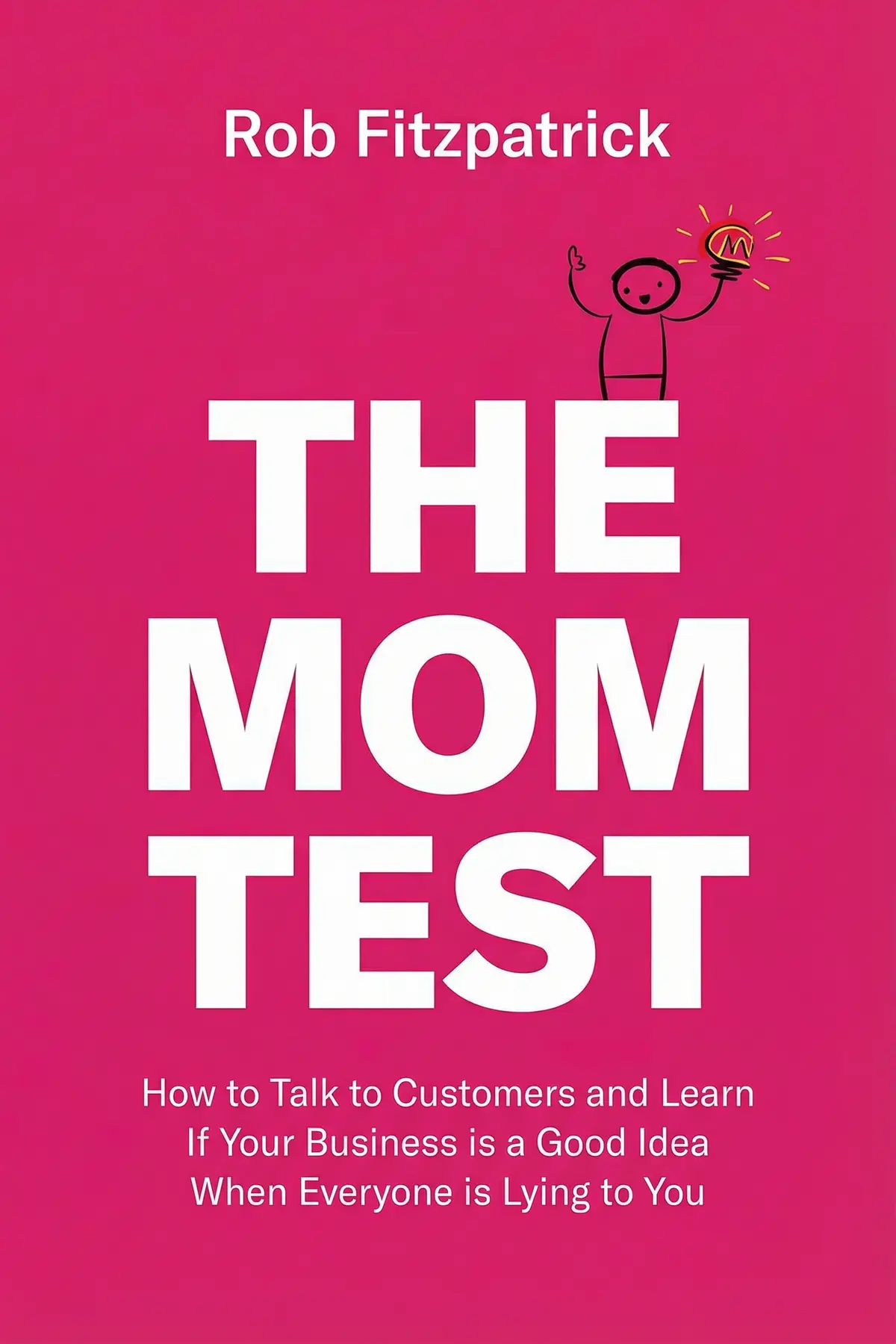
Table of Content
1. Introduction
1 min 18 sec
Imagine you’ve just hit upon a business idea that feels like a guaranteed home run. You’re excited, you’re driven, and naturally, you want to share it with the world. You start by talking to the people closest to you—your friends, your family, and maybe even some early mentors. They smile, they tell you it’s brilliant, and they encourage you to go for it. It feels like you’ve just received the green light you needed. But here is the harsh reality: those people are probably lying to you. Not because they are malicious, but because they care about you and don’t want to crush your spirit.
This is the fundamental problem that Rob Fitzpatrick addresses in his book. He calls it the ‘Mom Test’ because your mother is the person most likely to support any idea you have, no matter how flawed it is. If you ask her if your new app idea is good, she’ll say yes every time. The goal of this summary is to show you how to bypass this wall of polite encouragement to find the hard, actionable truths beneath. We will explore how to strip away the bias in your conversations, identify when you’re being fed ‘bad data,’ and ensure that your business is built on a foundation of genuine market need rather than empty compliments. By the end of this journey, you’ll have a roadmap for talking to anyone—even your mom—to find out if your business idea is a winner or a resource-draining mistake.
2. The Art of Investigating Problems Over Solutions
1 min 38 sec
Discover why the secret to a successful business isn’t talking about your product, but rather asking about the specific challenges your customers face daily.
3. Filtering Out the Noise of Polite Compliments
1 min 22 sec
Learn to recognize the difference between genuine interest and the polite ‘white lies’ that lead many entrepreneurs toward failure.
4. The Power of Hyper-Specific Customer Segments
1 min 23 sec
Broad markets lead to vague feedback; discover how narrowing your focus can provide the clarity needed to build a perfect product.
5. Designing Casual Conversations for Honest Insights
1 min 30 sec
Why formal meetings often kill the truth and how informal ‘chats’ can be your most effective research tool.
6. Conclusion
1 min 15 sec
The journey of an entrepreneur is often paved with well-meaning lies, but you don’t have to be a victim of them. The Mom Test isn’t just a set of rules for asking questions; it’s a fundamental shift in how you view the relationship between your idea and your potential customers. It reminds us that our job isn’t to convince people that our idea is good, but to discover whether the problem we are solving is real and significant enough for them to care about.
As you move forward, keep the throughline of this book in mind: seek the truth, not the ‘yes.’ When you talk to people, remember to leave your ego at the door. If you find out that no one actually has the problem you thought they did, that isn’t a failure—it’s a massive success because it prevents you from wasting your life on a ghost.
To put this into practice immediately, identify the three most important things you need to know to determine if your business will fail or succeed. Write these down as questions that focus on past actions, not future promises. The next time you find yourself in a conversation with a potential user, don’t mention your product. Just ask those three questions and listen. When you stop looking for approval and start looking for facts, you finally gain the clarity needed to build something that the world actually needs.
About this book
What is this book about?
Starting a new business often begins with a spark of excitement, but that enthusiasm can quickly lead to a dangerous trap: asking for feedback in a way that guarantees people will lie to you. Most entrepreneurs approach friends, family, and even potential customers with leading questions that practically demand a positive response. Because people generally want to be supportive and avoid conflict, they offer compliments and encouragement that feel like validation but are actually useless data. The Mom Test provides a solution to this problem by offering a set of rules for customer discovery. It teaches you how to design conversations that reveal the truth about your customers' lives and challenges, rather than their opinions on your specific solution. By focusing on past behavior and current struggles instead of hypothetical futures, you can determine if your idea has real-world value before you spend a single dollar on development. This guide is a promise to save you years of wasted effort by teaching you the art of asking questions that even your mom couldn't lie to.
Book Information
About the Author
Rob Fitzpatrick
Rob Fitzpatrick is a seasoned tech entrepreneur and a partner at Founder Centric. In his role, he collaborates with a wide range of institutions, including universities, established businesses, and start-ups funded by the European Union. His primary focus is on designing and delivering enhanced start-up education programs that help founders navigate the early stages of business development with practical, data-driven strategies.
Ratings & Reviews
Ratings at a glance
What people think
Listeners consider this title a vital resource that provides hands-on guidance and tangible tips, making it a mandatory guide for business owners. Furthermore, the material is accessible, succinct, and brief enough for a fast read. They value its worth, mentioning its ability to reduce expenses, and find it enjoyable, with one listener pointing out its successful method for conducting impactful dialogues.
Top reviews
Astrid
Finally got around to reading this gem after years of failed product pitches. The author lays out a framework that is remarkably easy to digest in one sitting. You learn quickly that most of your early conversations are just people being polite, which is essentially useless data for a founder. Instead of seeking validation, Fitzpatrick pushes you to hunt for specific past behaviors and hard facts. Gotta say, it’s a relief to have a guide that cuts through the 'nice' feedback to find the actual pain points. This book is a massive money-saver for anyone prone to overbuilding before they have even understood the customer's real workflow.
Show moreMoon
The core concept here is deceptively simple: your mother will lie to you because she loves you. However, the book isn't really about your mom; it's about the psychological biases that ruin customer interviews. By following the three main rules—talking about their life, asking for specifics, and listening more—you can actually uncover the truth. I found the list of 'good' versus 'bad' questions particularly enlightening because it highlights how easily we bias our own research. To be fair, the writing style is very casual, but the density of actionable insights is incredible. It’s an absolute must-read for any student of the lean startup methodology.
Show moreChloe
As a seasoned product manager, I have encountered dozens of books on customer development, but this one is the most practical by far. Fitzpatrick compares the interview process to an archaeological dig where the truth is fragile and easily destroyed by our own biases. The advice to avoid mentioning your solution until the very end of the process is counterintuitive but brilliant. It prevents the interviewee from just being 'nice' and forces them to focus on their own actual problems. Personally, I think the section on identifying 'pain points' versus 'compliments' should be mandatory reading for every new hire. It’s an entertaining, quick read that delivers more value than books triple its length.
Show moreJong
Is this the shortest business book in my library? Probably. Is it the most useful? Quite possibly. The author doesn't waste any time on fluff, delivering a masterclass in how to conduct meaningful conversations that lead to actual product-market fit. I loved the emphasis on gathering concrete facts rather than hypothetical opinions about the future. Asking 'would you buy this?' is a useless question, and now I finally understand why. The book provides specific tools to navigate these delicate interactions without leading the witness. If you are building anything new, stop and read this 122-page guide before you spend another dime.
Show moreAey
Stop everything and read this before you write a single line of code or hire a designer. This book teaches you how to talk to humans in a way that reveals whether they actually have a problem worth solving. Most entrepreneurs are just looking for a pat on the back, but this guide forces you to look for the cold, hard reality of the market. Not gonna lie, some of the realizations I had while reading were a bit painful because they highlighted my past mistakes. However, saving yourself from building a product no one wants is worth a little bruised ego. The advice is actionable, the examples are clear, and the ROI is astronomical.
Show moreDuangjai
Wow, I wish I had this five years ago when I was launching my first failed project. I spent so much time asking for opinions when I should have been asking about past behaviors and specific data points. The book is concise, easy to understand, and packed with concrete methods to solve the validation problem. It’s not just for founders; anyone who has to sell an idea internally or externally will benefit from these communication tactics. Fitzpatrick has a talent for making complex psychological concepts feel like common sense. Truly, this is an essential read for anyone who wants to build something people actually need.
Show moreAroha
Look, I used to pitch my startup idea to anyone who would listen, and I was constantly getting 'great job' emails that never turned into sales. This book explained exactly why that was happening: I was seeking approval rather than information. The chapter on shutting up for a few minutes to let the customer talk was a total game-changer for my sales process. If you don't know what the next steps are after a meeting, Fitzpatrick argues the meeting was a waste of time, and he's right. It’s a short, punchy read that avoids the typical filler found in most business literature. My only gripe is that some of the examples feel a bit repetitive.
Show moreSomchai
Truth is, I was skeptical about the title at first, but the content quickly won me over. The 'Mom Test' provides a framework to ensure your ideas are actually viable before you sink thousands of dollars into them. It focuses on digging into the customer’s world and understanding their specific actions rather than their vague desires. I appreciated the section on founder-led meetings; it’s vital to have the people building the product hearing the feedback directly. While the tone is a bit flip at times, the underlying logic is ironclad and deeply rooted in Steve Blank’s models. It’s an intelligent, no-nonsense approach to a very difficult phase of startup life.
Show moreMia
After hearing dozens of people rave about Rob Fitzpatrick’s methods, I decided to see what the fuss was about. The book is remarkably effective at teaching you how to strip away the 'fluff' from a conversation to get to the core facts. One of my favorite lessons was about deflecting compliments to dig deeper into a customer’s workflow. It turns out that a compliment is actually a signal that you've stopped learning and started pitching. My only minor complaint is that the 'Mom' metaphor can feel a bit thin over the course of the whole book. Still, the core strategies are invaluable for anyone trying to navigate the messy early stages of a startup.
Show moreSiriporn
While the tactical advice on interviewing is solid, the framing of the book feels incredibly dated and frankly insulting. Using 'moms' as a shorthand for people who aren't sharp enough to understand a business proposition is lazy and reinforces gross stereotypes about women in tech. I’m a mother and an entrepreneur, and I don't appreciate the implication that we are purely emotional creatures who can't handle a serious conversation. The lessons on excavating facts and avoiding the 'compliment trap' are useful, but you can find these strategies elsewhere without the baggage. Do better, Fitzpatrick; a new edition with a less condescending title is long overdue.
Show moreFeatured in
Readers also enjoyed

7 Powers: The Foundations of Business Strategy
Hamilton Helmer
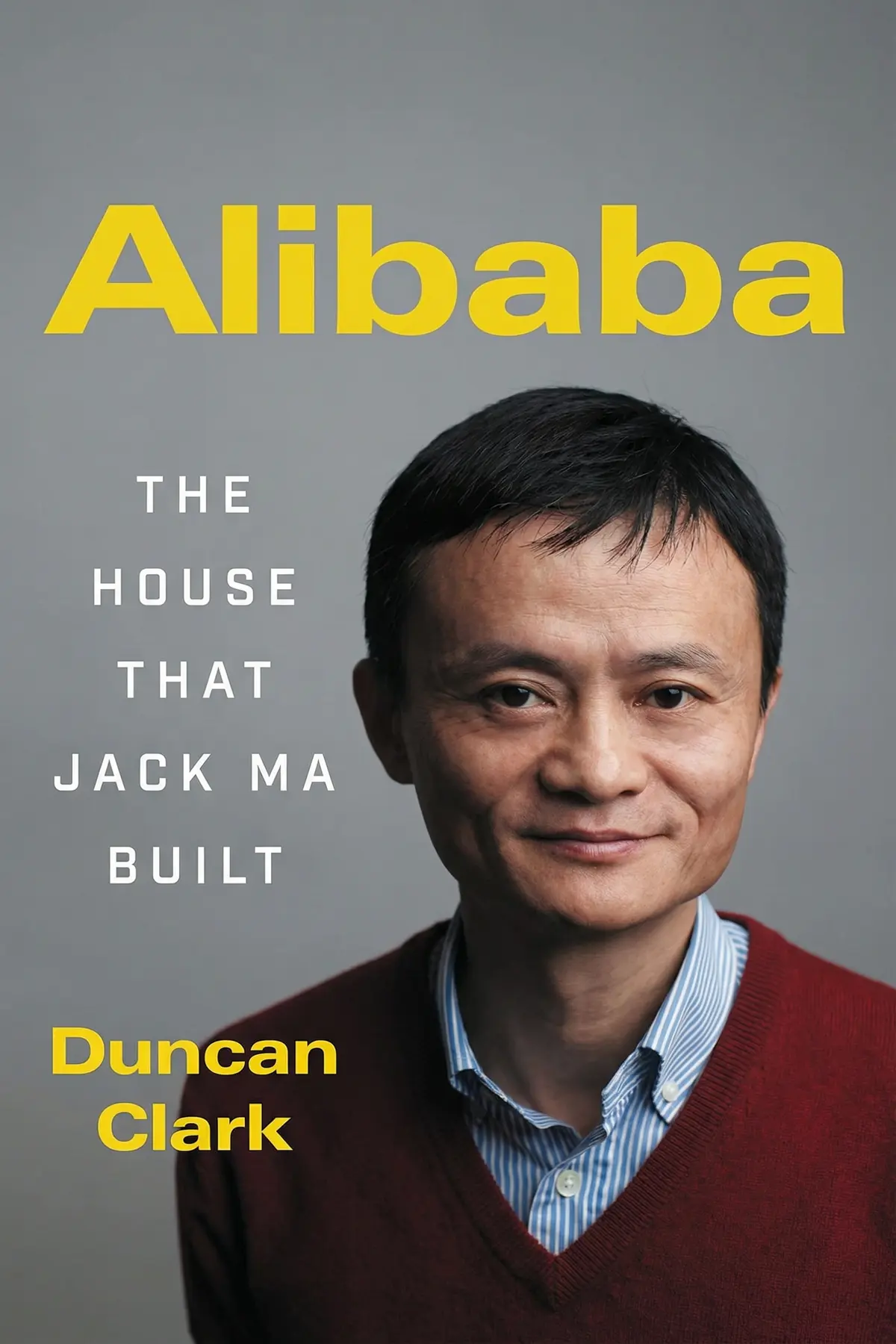
Alibaba: The House That Jack Ma Built
Duncan Clark
Bad Blood: Secrets and Lies in a Silicon Valley Startup
John Carreyrou
AUDIO SUMMARY AVAILABLE
Listen to The Mom Test in 15 minutes
Get the key ideas from The Mom Test by Rob Fitzpatrick, plus 5,000+ more titles in English and Thai.
- 5,000+ titles
- Listen as much as you want
- 7-day free trial
- Cancel anytime







