
16 min 41 sec
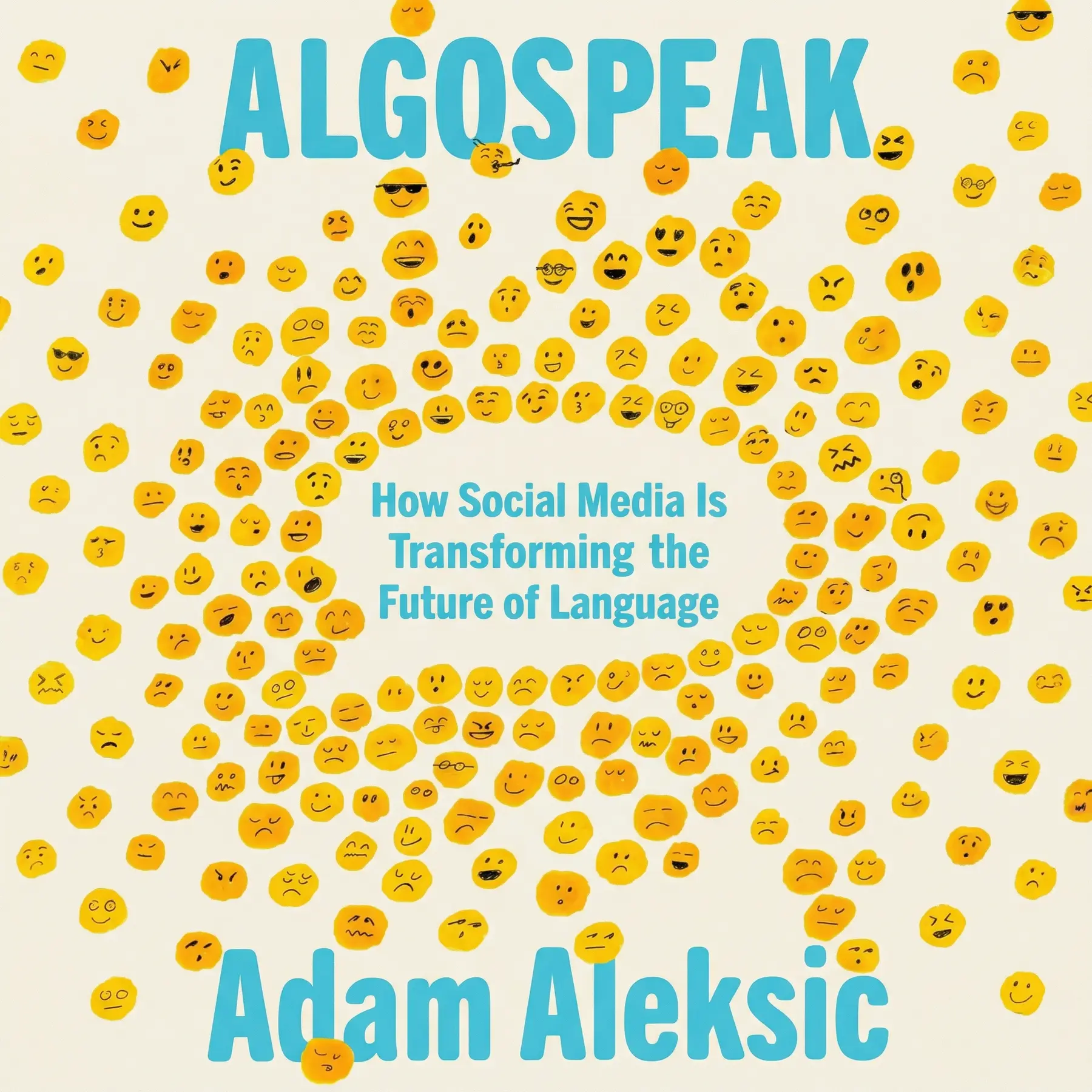
Algospeak: How Social Media Is Transforming the Future of Language
By Adam Aleksic
Algospeak explores how the invisible hands of social media algorithms are fundamentally altering human language, forcing us to adopt new codes and speech patterns to survive in a digital landscape.
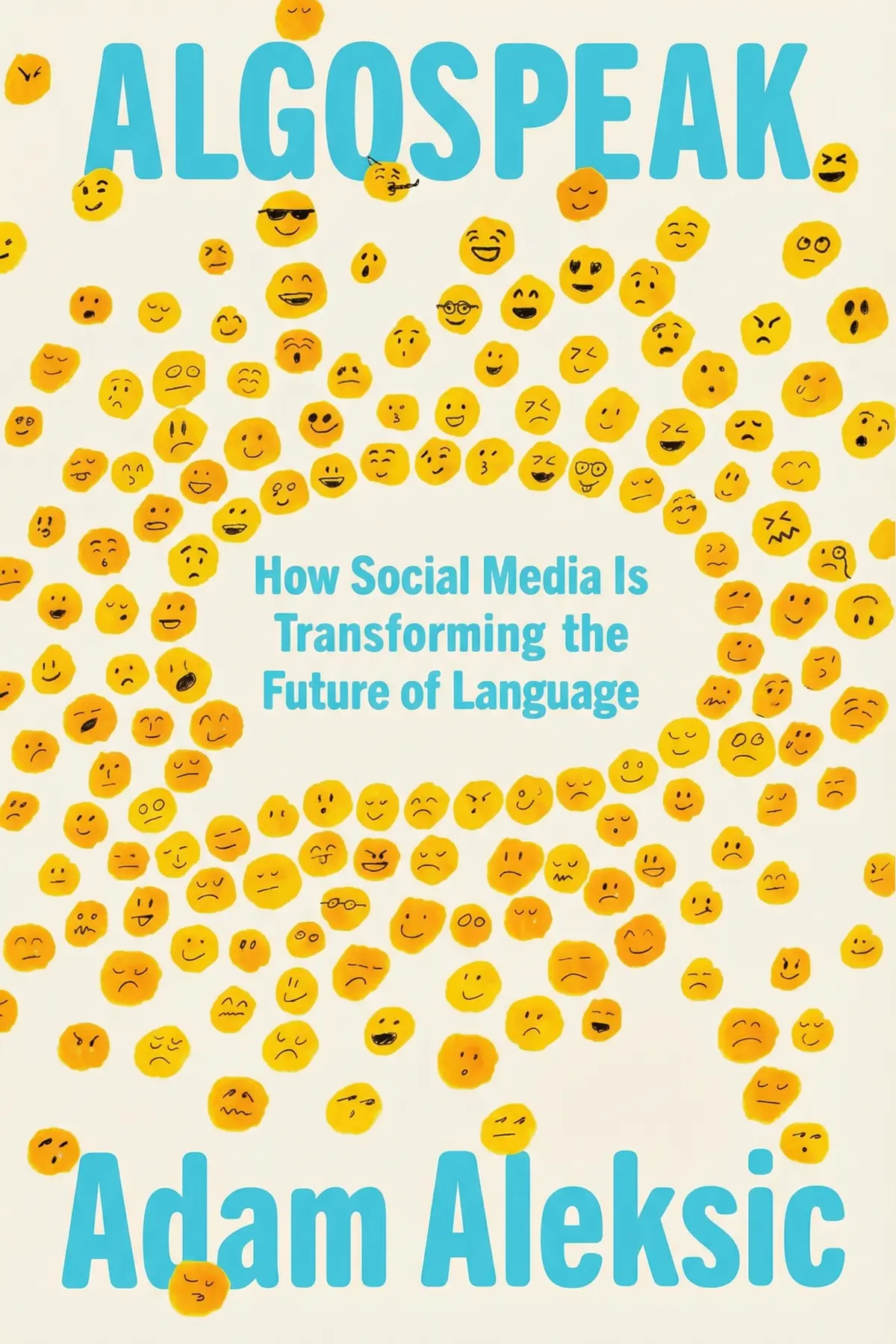
Table of Content
1. Introduction
1 min 41 sec
Step into the digital world, and you’ll notice something strange happening to the way we talk. If you spend time on YouTube, you’ll hear a frantic, breathless delivery where every pause has been surgically removed. Flip over to TikTok, and you’ll encounter a different rhythm entirely—stretched-out vowels and exaggerated inflections designed to hook your attention for just one more second. This isn’t just a coincidence or a passing fad among the youth. What you are hearing is the sound of human beings adapting to machines.
In this exploration of the book Algospeak, we are going to dive deep into the fascinating and sometimes unsettling ways that social media algorithms are rewriting the rules of human communication. We often think of language as something that evolves naturally, through shared culture and human connection. But today, a new force has entered the chat. From the secret keywords we use to dodge automated sensors to the way we structure our very sentences to please a recommendation engine, our speech is being terraformed by technology.
Over the course of this summary, we’ll look at how content moderation creates new, strange vocabularies that eventually leak into the real world. We’ll examine the shift from simple internet forums to the complex, black-box systems that decide what gets seen and what gets buried. Most importantly, we’ll explore what this means for the future of our brains and our global culture. By the end, you’ll see that the words you choose aren’t always entirely your own; they are often the result of a silent negotiation between you and the algorithm.
2. The Leakage of Digital Codes into Physical Reality
2 min 37 sec
Discover how the defensive language of social media creators is escaping the screen and appearing in our classrooms, museums, and daily conversations, often with controversial results.
3. The Strategic Use of Euphemisms and Visual Coded Language
2 min 52 sec
Explore the sophisticated cat-and-mouse game between creators and platforms, where emojis and creative misspellings become the ultimate tools for digital survival.
4. The Great Shift Toward Machine-Learning-Driven Content
2 min 36 sec
Learn why the internet moved from a place of organic community slang to a centralized system where secret formulas dictate what words we use.
5. Language as a Viral Organism in the Digital Age
2 min 48 sec
Consider the provocative idea that our words act like biological viruses, spreading through the population based on their ability to grab attention and survive the digital environment.
6. The Hidden Costs of an Optimized Linguistic Future
2 min 37 sec
Examine the sobering consequences of our algorithm-driven world, from the erosion of our attention spans to the potential extinction of thousands of human languages.
7. Conclusion
1 min 30 sec
In the end, the story of algospeak is the story of how we are negotiating our humanity in a world dominated by code. We’ve seen how the need to survive content moderation has birthed a new, coded vocabulary that is now spilling over into our physical lives. We’ve explored how the shift from organic communities to secret, machine-learning algorithms has changed the very sound of our voices and the structure of our sentences. We’ve even looked at the biological-like spread of digital memes and the heavy price we pay for a system that values engagement above all else.
The throughline of this journey is awareness. The algorithms aren’t going away, and they will likely only become more sophisticated and more integrated into our daily lives. But by recognizing these patterns, we can become more than just ‘hosts’ for the latest viral word-virus. We can be intentional about the language we use, seeking out the nuance that the machines often miss.
Take a moment to listen to the digital world around you. Notice the ‘accents’ of the different platforms. Look for the ‘algospeak’ in your own feed. When you recognize the machine’s influence, you gain the power to resist it. You can choose to speak in a way that prioritizes human connection over algorithmic reach. In a world where every word is being optimized for a click, the most radical thing you can do is speak with honesty, depth, and a voice that is unmistakably your own.
About this book
What is this book about?
Have you ever wondered why creators on TikTok or YouTube sound so distinctive? It isn’t just a trend; it’s a survival mechanism. This exploration of modern linguistics reveals how the algorithms governing our favorite platforms act as silent editors, rewriting our vocabulary and changing how we communicate both online and off. By examining the rise of coded language and the shift from human-driven slang to machine-optimized communication, this summary provides a roadmap for understanding the digital forces at play. It promises to reveal the hidden mechanics of virality and the profound impact that constant engagement optimization has on our culture, our attention spans, and the very future of global language diversity.
Book Information
About the Author
Adam Aleksic
Adam Aleksic is a prominent linguist and content creator widely recognized by his online moniker, the Etymology Nerd. With a massive following of over two million people, his work bridges the gap between academic linguistics and popular culture. He founded the Harvard Undergraduate Linguistics Society and has shared his expertise at renowned institutions including Stanford, Yale, and Georgetown. A TEDx speaker and contributor to major publications like the New York Times and the Guardian, Aleksic is a leading voice on how modern technology influences human speech.
Ratings & Reviews
Ratings at a glance
What people think
Listeners find the book well-researched and informative, with one listener noting how it combines academic studies with TikTok trends. The quality of the writing and general readability are also appreciated, with one listener pointing out the engaging style. Additionally, the conversational tone makes for an enjoyable experience. However, there is mixed feedback regarding the clarity of the language, with some listeners finding it easy to understand while others disagree.
Top reviews
Maria
Ever wonder why everyone on your For You Page sounds exactly the same? Aleksic’s breakdown of the “influencer accent” is absolutely brilliant and worth the price of admission alone. I love how he bridges the gap between stuffy academic papers and the chaotic reality of modern TikTok trends. It’s incredibly readable and flows like a long, fascinating conversation with a friend who just happens to have a Harvard degree in linguistics. The chapters on euphemisms like “seggs” and “corn” really opened my eyes to how much the algorithm dictates our very thoughts. It’s a must-read for anyone who spends more than an hour a day scrolling.
Show moreWyatt
Picking up this book felt like unlocking a secret decoder ring for the modern internet. I’ve been a fan of Aleksic’s work for a while, and seeing him expand his thoughts into a full narrative was a treat. The research is well-integrated with current trends, making it feel prescient and urgent rather than just a dry history of words. I particularly loved the section on "algospeak" and how corporate censorship is inadvertently creating a whole new dialect of euphemisms. Thanks to the publisher for the advanced copy; this is definitely going on my "best of 2025" list for non-fiction.
Show moreVarinee
Adam Aleksic has delivered a total game-changer for anyone working in digital media or just trying to understand their kids. He isn't just complaining about "the kids these days"—he's actually explaining the structural reasons why language is changing so fast. The actionable items included at the end were a great touch; I actually tried one of his tips for navigating social media algorithms and saw a difference in my feed within days! It’s witty, insightful, and doesn’t talk down to the reader. My mind was blown multiple times by the connections he drew between ancient etymology and modern memes.
Show moreMontri
Algospeak is the kind of book that makes you look at every text message and TikTok caption differently. I loved the deep dive into the "influencer accent" and the weird ways we’ve adapted our speech to please the digital gods. The conversational tone made it an incredibly fast read, but the ideas have stayed with me long after I put it down. Even if you aren't a linguistics nerd, the social commentary on how we form identities online is worth it. It’s easily one of the most engaging non-fiction books I’ve read in years. Five stars!
Show moreSamart
After hearing so much hype about @etymologynerd, I finally picked this up and I’m mostly impressed. The way Aleksic traces the appropriation of AAVE into mainstream digital slang is handled with a lot of nuance and care. He doesn’t shy away from the political implications of our vocabulary, which I appreciated. To be fair, the book can feel a bit repetitive when he keeps coming back to the same examples like 'rizz' or 'gyat.' However, the insights into how social media shifts our identities through things like 'cottagecore' were genuinely fascinating. It’s a solid 4 stars for being informative without being boring.
Show morePla
Finally got around to finishing this, and I’m pleasantly surprised by how much I actually learned. Aleksic has a gift for making complex sociolinguistic concepts feel accessible and fun, even if the organization of the book is a little bit messy. Some sections feel like they were pulled straight from a screenplay, but the information about the “millennial pause” and how we use language to bypass filters is top-tier content. Truth is, we are living through a massive shift in how humans communicate, and this book provides a decent roadmap for navigating it. I wish it went a bit deeper into the AI side of things, but it's a great starter.
Show moreNitaya
Not what I expected given the author's social media presence. While I enjoy his short videos, the long-form format seems to struggle here, as the same points about algorithms boosting certain words are repeated almost every single chapter. I stayed for the interesting nuggets about ASL evolution and digital accessibility, but those were few and far between. It’s a very high-level overview that will likely delight people who aren't online much, but for those of us already deep in the trenches of internet culture, it feels a bit basic. It’s fine, just not the deep dive I was craving.
Show moreElise
As someone who is fascinated by the evolution of language, I had high hopes for this analysis. The reality is a bit of a mixed bag. On one hand, the author is clearly passionate and has a deep understanding of how platforms function. On the other hand, the writing feels a bit like a high school essay at times, with broad statements that lack citations or evidence. For example, claiming incels are a 21st-century invention feels historically inaccurate and ignores a lot of social history. It's a breezy, fun read if you don't take it too seriously, but don't expect a scholarly masterpiece.
Show moreRohan
This book feels more like a guide for aspiring TikTokers than a serious work of linguistics. I was expecting a rigorous etymological study, but Aleksic spends far too much time recounting his own viral moments and the stresses of being an influencer. While the conversational tone makes it a quick read, the analysis is incredibly shallow, often citing memes without digging into their actual linguistic roots. He mentions 'delulu' and 'brainrot' but barely scratches the surface of how these terms actually function in broader culture. It’s frustrating because the topic is vital, yet the execution feels like a collection of blog posts stitched together. If you want depth, look elsewhere.
Show moreIce
The chapter on Roman fashion was the first red flag, but the rest of the book didn't improve much. Frankly, calling this a book about linguistics is a stretch when it’s mostly just anecdotal cultural commentary. I found the writing style to be quite choppy, with short, punchy paragraphs that felt like they were written for someone with a thirty-second attention span. He misses the mark on several definitions—like the origin of 'foid' or the meaning of 'aegyo'—which makes it hard to trust the rest of his "expertise." It lacks the intellectual rigor of Gretchen McCulloch’s 'Because Internet' and feels like a rushed attempt to capitalize on a trend.
Show moreReaders also enjoyed
AUDIO SUMMARY AVAILABLE
Listen to Algospeak in 15 minutes
Get the key ideas from Algospeak by Adam Aleksic, plus 5,000+ more titles in English and Thai.
- 5,000+ titles
- Listen as much as you want
- 7-day free trial
- Cancel anytime







