
20 min 11 sec
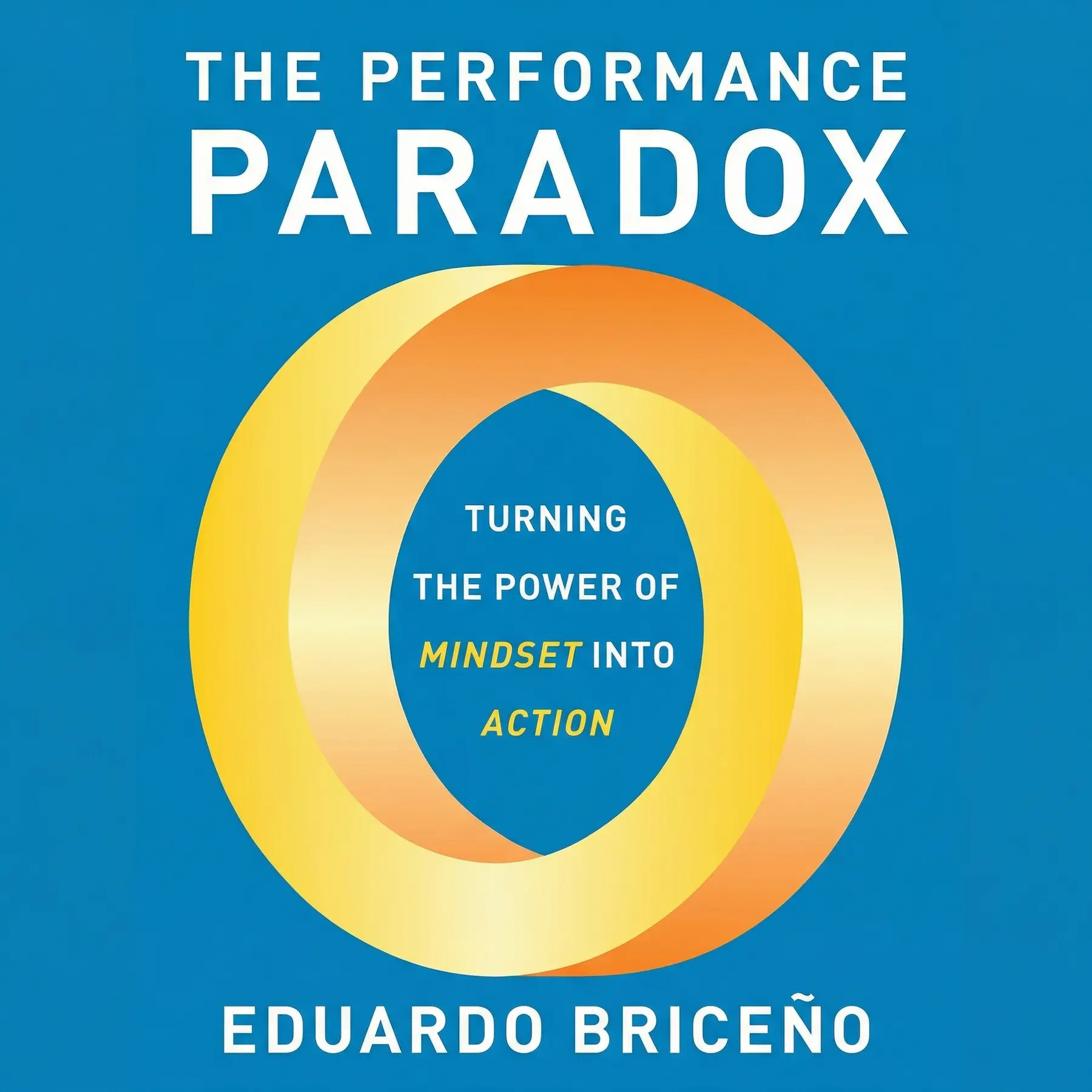
The Performance Paradox: Turning the Power of Mindset Into Action
Explore why tireless effort often leads to stagnation and how integrating a dedicated learning mindset into daily performance can unlock unprecedented personal growth and professional success in a rapidly changing world.
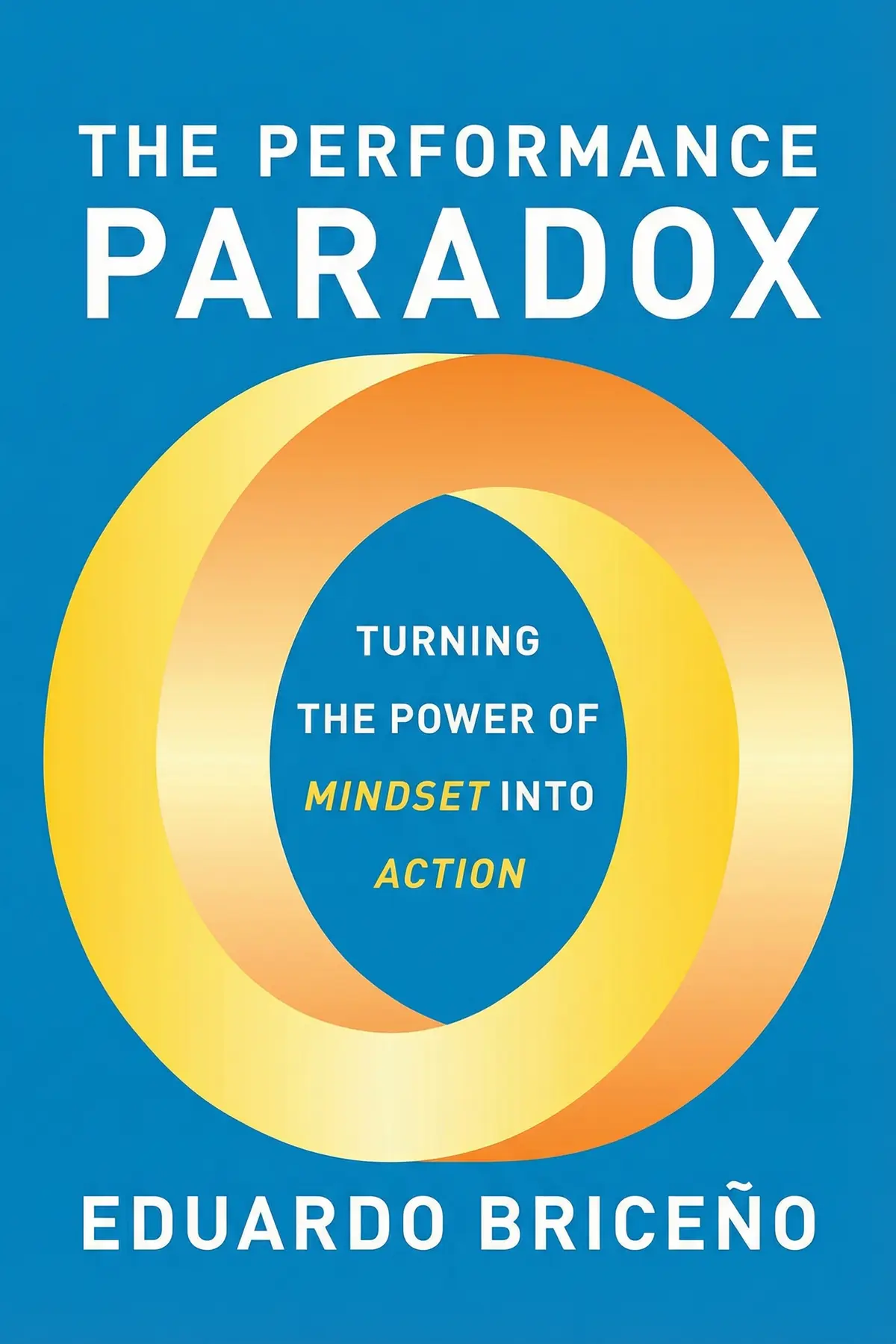
Table of Content
1. Introduction
1 min 40 sec
Have you ever felt like you’re running as fast as you can on a treadmill, putting in incredible hours and exhausting yourself, yet somehow staying in the exact same place professionally? It’s a common frustration in our modern workforce. We are conditioned to believe that the secret to success is simply more: more hours, more effort, more speed, and more efficiency. We push ourselves to perform flawlessly every single day, assuming that this constant exertion will naturally lead to improvement. But here’s the unsettling reality: it often doesn’t. In many cases, the harder we work on the task at hand, the less we actually grow.
This is the core of what we call the performance paradox. It is the counterintuitive idea that focusing solely on high-level execution can actually hinder our long-term progress. When we are 100% focused on getting things right, we leave zero room for the experimentation and reflection required to get things better. We become experts at a static set of skills while the world around us continues to shift. This leads to a state of chronic performance—a cycle where we are busy but stagnant, eventually resulting in burnout and a loss of purpose.
In this summary, we are going to explore a new way to approach your career and your life. We will look at how to break free from this paradox by integrating a learning component into everything you do. This isn’t about working harder; it’s about working smarter by alternating between doing and developing. We’ll examine how to build a growth mindset, how to create environments where mistakes become insights, and how to align your personal identity with continuous evolution. By the end, you’ll see how the throughline of success isn’t just about what you achieve today, but how you prepare yourself for the challenges of tomorrow.
2. Escaping the Trap of Chronic Performance
1 min 56 sec
Discover why your relentless focus on flawless execution might be the very thing stopping you from reaching the next level of your potential.
3. Navigating the Two Zones of Success
2 min 09 sec
Learn to distinguish between the time for execution and the time for improvement to unlock a more effective way to master your craft.
4. Adopting a Growth Mindset for Continuous Change
2 min 06 sec
Explore how your underlying beliefs about talent and intelligence dictate your ability to learn from challenges and setbacks.
5. Integrating Learning into the Flow of Work
2 min 14 sec
Discover how to transform your daily routine into a laboratory for improvement by learning while doing, rather than learning by doing.
6. Transforming Mistakes into Aha-Moments
2 min 07 sec
Shift your perspective on failure and learn how to distinguish between careless errors and the valuable mistakes that lead to breakthroughs.
7. Harnessing the Five Elements of the Growth Propeller
2 min 18 sec
Explore a powerful model for personal evolution that aligns your identity and habits with a community of lifelong learners.
8. Creating an Organization Built for Growth
2 min 04 sec
Move beyond traditional evaluation systems and learn how to build a company culture that rewards risk-taking and ongoing development.
9. Focusing on Clarity and Impact
2 min 08 sec
Discover how setting ‘northstar’ goals and maintaining high-level clarity allows you to pivot and adapt in times of crisis.
10. Conclusion
1 min 29 sec
As we wrap up our journey through the concepts of the performance paradox, it’s worth reflecting on how radically this shifts our view of success. We’ve seen that the traditional path of relentless, 100% performance is a recipe for stagnation. To truly flourish, we must intentionally create space for the Learning Zone in our daily lives. This means embracing a growth mindset, treating mistakes as vital data, and learning while doing rather than just doing for the sake of completion.
We’ve explored how the Growth Propeller can help us align our personal identity and habits with a supportive community, and how organizations can transform their culture from one of fear to one of psychological safety and innovation. The throughline here is clear: in the twenty-first century, the ability to learn and adapt is the most important skill you can possess. The world is changing too fast for any static set of skills to remain relevant for long.
Your next step is to find your own ‘practice court.’ Look at your schedule for the coming week and identify one low-stakes moment where you can step into the Learning Zone. Maybe it’s a small experiment in a meeting, a new way of organizing your tasks, or simply asking for honest feedback on a project you’re working on. By making these small, intentional shifts, you begin to break the paradox. You move away from the treadmill of chronic performance and toward a path of sustainable, meaningful growth. Remember, the goal isn’t just to work harder—it’s to work in a way that allows you to become the best version of yourself, one lesson at a time.
About this book
What is this book about?
The Performance Paradox challenges the conventional wisdom that working harder is the only path to improvement. It reveals a startling truth: when we focus exclusively on performing, we actually stop getting better. This book introduces the concept of balancing two distinct modes of existence—the Performance Zone and the Learning Zone—to ensure that we aren't just executing tasks but also evolving our skills. By shifting our perspective, we can escape the trap of chronic performance that leads to burnout and plateauing. The promise of this guide is a roadmap for transformation, moving from a static mindset to a dynamic one. It provides actionable strategies for individuals to build their personal growth propeller and for organizations to foster cultures of psychological safety and innovation. Through real-world examples ranging from world-class athletes to corporate innovators, it illustrates how to learn while doing, making development a seamless part of the workday rather than an extra burden. Ultimately, it’s about working smarter by making growth the engine of performance.
Book Information
About the Author
Eduardo Briceño
Eduardo Briceño is a keynote speaker and business consultant who specializes in developing programs for learning and high-performance. He is also a member of the Aspen Institute's Global Leadership Network, and his TED Talks, which include “How to Get Better at the Things You Care About,” have been viewed millions of times.
Ratings & Reviews
Ratings at a glance
What people think
Listeners appreciate the way this book leverages the influence of mindset, and one listener notes how it fuses psychological insights with concrete tactics. It presents a more effective framework for enhancing performance, with one listener even calling it "Self-improvement on steroids."
Top reviews
Jirapat
As a long-time fan of Dweck’s research, I found this to be the necessary 'how-to' guide for putting mindset into actual practice. Briceño manages to turn the vague idea of growth into a concrete system using the five elements: identity, purpose, beliefs, habits, and community. Personally, the chapter on 'learning while doing' changed my entire perspective on my weekly meetings. We shouldn't just be performing; we should be experimenting. This is self-improvement on steroids because it doesn't just ask you to think differently, it asks you to structure your environment differently. It’s rare to find a business book that offers such a fresh perspective on why we burn out despite our best efforts.
Show moreGrace
The core concept of 'chronic performance' is a lightbulb moment for anyone stuck on the treadmill of endless busyness. For years, I thought that executing flawlessly was the goal, but this book argues that such a focus actually leads to stagnation and eventual burnout. Briceño’s enthusiasm is infectious throughout the text. I particularly appreciated the focus on community and how our efforts should be aimed at improving the lives of others. When your goals are properly aligned with a broader purpose, the work feels less like a chore and more like a craft. This book may have literally changed my life by giving me permission to step into the Learning Zone at work.
Show moreDimitri
Ever feel like you're working harder than ever but have nothing to show for it but a case of burnout? This book explains exactly why that happens and how to fix it. Briceño blends psychological insights with very practical strategies that you can use immediately. I loved the emphasis on 'aha-moment' mistakes and how they reveal system problems that need fixing. It’s a better approach to performance improvement because it acknowledges that we are human beings who need to evolve, not machines built for constant output. This is a must-read for anyone who wants to achieve sustainable success without losing their mind in the process.
Show moreWoravit
Wow, talk about a timely book for the modern workplace. We are all so obsessed with efficiency that we’ve completely forgotten how to actually get better at what we do. The author’s framework for the 'Performance Zone' versus the 'Learning Zone' is a game-changer. I found the section on the five elements—identity, purpose, beliefs, habits, and community—to be the most profound part of the entire book. It challenges you to develop a growth mindset regardless of where you are in your career path. If you want to break free from the performance paradox, you have to be willing to be a learner again. Highly recommended for teams and individuals alike!
Show moreSatit
Finally got around to reading Briceño’s work after hearing so much about the growth mindset movement. The distinction between the Performance Zone and the Learning Zone is vital for anyone who feels they have plateaued in their career. I often find myself stuck in 'chronic performance,' where I’m just trying to get through the day without making mistakes, but this book taught me that failure can actually be an 'aha-moment' mistake. It isn't just about working harder. The author provides a practical roadmap for integrating learning into the daily grind, which is something I haven't seen elsewhere. While some of the corporate anecdotes felt a bit glossed over and convenient, the overall framework is incredibly solid for professional development.
Show morePooja
Frankly, I wasn't expecting a business book to dive so deeply into the psychological aspects of identity and belief. Most of these titles focus on productivity hacks, but this one looks at the root causes of why we stop growing. The distinction between learning by doing and learning while doing is a subtle but powerful shift. I started applying the reflection strategies with my team last week, and the energy in the room has already improved. The writing can be a bit 'corporate' at times, and some sections feel like they are dragging, but the actionable strategies for the 'Learning Zone' are worth the effort. It’s a solid 4-star read for any leader.
Show moreMeen
Picked this up because I was curious about the specific strategies for breaking free from the cycle of overperformance. To be fair, the author lays everything out in very helpful metaphors and nifty diagrams that make the concepts easy to grasp. However, the proposed paradox isn't really much of a paradox at all. It’s just common sense: you need to practice your skills outside of the main arena to get better. While the advice on creating a 'learning organization' is useful for managers, much of the text felt like it was playing it safe. It’s a decent read for someone who feels stuck, but seasoned professionals might find the insights a bit elementary.
Show moreSomkid
After hearing Briceño speak at a conference, I had high hopes for this volume, but it didn't quite land for me. The idea of 'learning while doing' is a great takeaway, yet the book feels like it could have been an article or a long-form essay. I felt the author attempted to force-fit too many random stories into his framework. Some of the aha-moment mistakes he describes are interesting, but the writing style is just too dry for my taste. It's a useful shift in mindset for those who are obsessed with perfectionism, but be prepared for a lot of repetition. It’s okay, just not the revolutionary text the blurbs suggest.
Show morePop
Not gonna lie, this felt like a keynote speech stretched out into a full-length book. I found the writing to be quite bland and the narrative was so disjointed that I struggled to stay engaged past the halfway mark. He keeps jumping around between various anecdotes that don't always feel like they support the main thesis. It's the typical self-help business book problem: the author repeats the same point over and over again until the page count is high enough. If you’ve read any other popular book on growth mindset, there really isn't much new here. I was hoping for deep insights, but instead, I got a rehash of stories from better books.
Show moreAnucha
Truth is, I stopped reading around page 123. I really wanted to like this because the concept of a performance paradox is interesting, but the execution was just so repetitive. The author seems like a great consultant, but the book lacks the narrative flow needed to keep a reader’s attention for several hundred pages. Every chapter feels like it's trying to redefine the central concept to fit a new scenario, and it ends up losing its impact. Many of the success stories felt forced or overly simplistic, as if the 'Learning Zone' was the only factor in these massive organizational shifts. It’s a waste of space when you say the same thing more than twice in every single chapter.
Show moreReaders also enjoyed
Abundance: The Inner Path to Wealth
Deepak Chopra
60 Seconds & You’re Hired!
Robin Ryan
59 Seconds: Change Your Life in Under a Minute
Richard Wiseman
AUDIO SUMMARY AVAILABLE
Listen to The Performance Paradox in 15 minutes
Get the key ideas from The Performance Paradox by Eduardo Briceño, plus 5,000+ more titles in English and Thai.
- 5,000+ titles
- Listen as much as you want
- 7-day free trial
- Cancel anytime







