

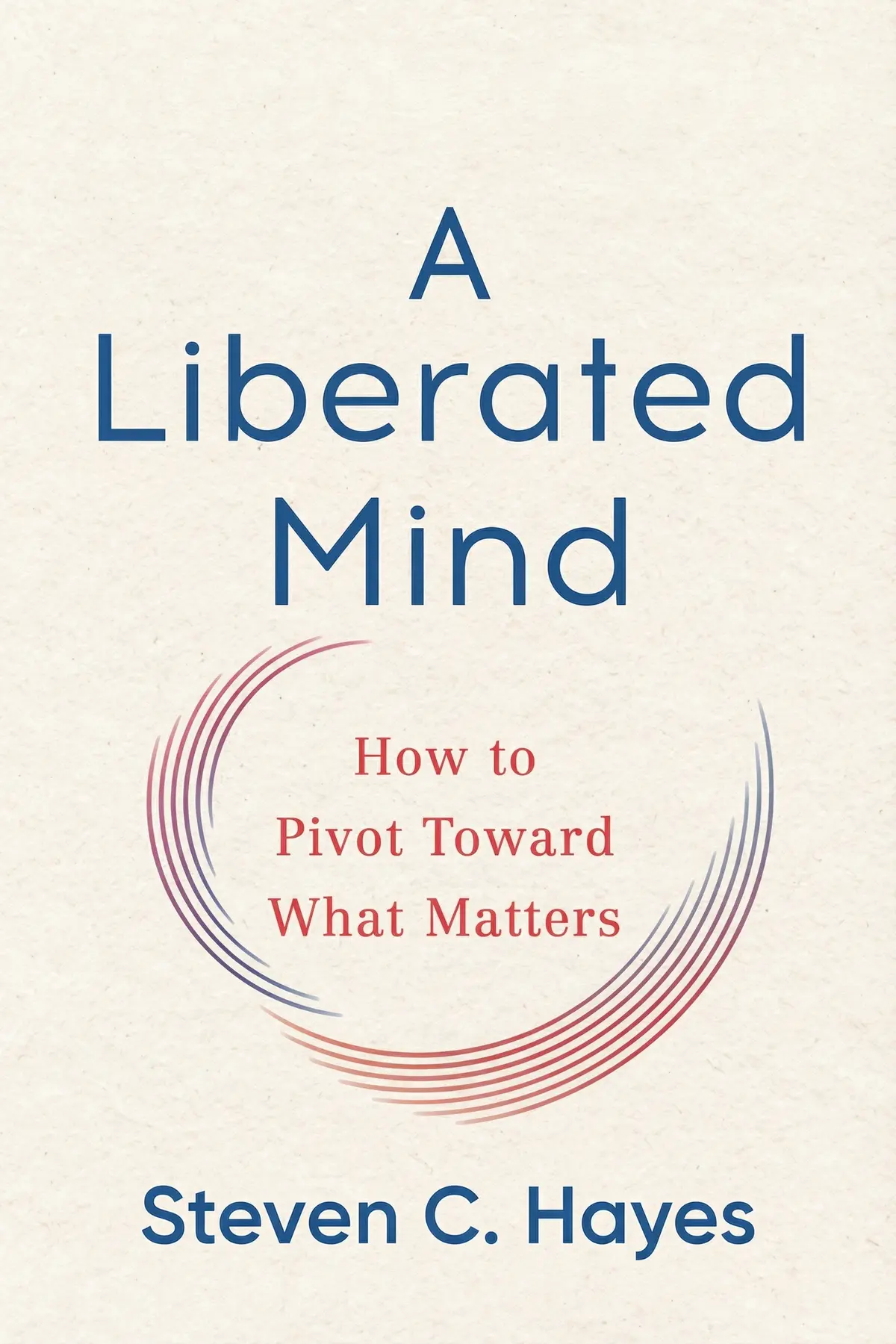
A Liberated Mind: How to Pivot Toward What Matters
Steven C. Hayes
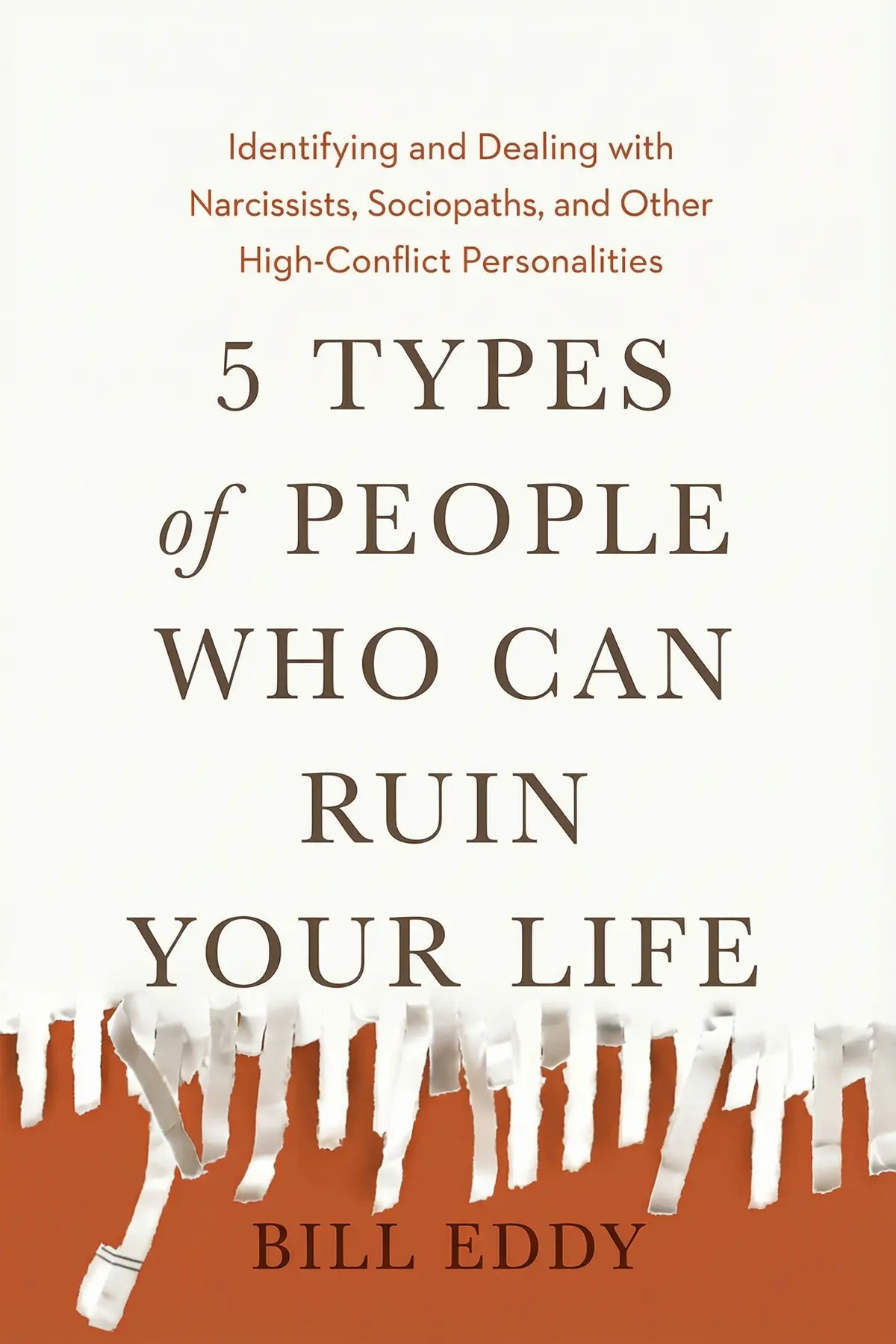
Discover how to identify and protect yourself from five dangerous personality types. This guide provides actionable strategies for managing relationships with narcissists, sociopaths, and other individuals prone to high-conflict behavior.
1 min 50 sec
Most of the people you meet in life are generally decent, well-meaning individuals. Statistical reality suggests that about eighty to ninety percent of our peers are trustworthy and operate with a standard level of empathy and social cooperation. However, there is a small but highly impactful segment of the population that does not play by these social rules. These are the high-conflict personalities, or HCPs. They are not merely difficult or annoying; they are individuals whose internal wiring leads them to escalate drama, manufacture crises, and, in many cases, systematically dismantle the lives of those around them.
What makes these individuals so dangerous is their ability to blend in. They often present themselves as charming, exceptionally talented, or uniquely vulnerable. You might encounter them as an inspiring new boss, a passionate new romantic partner, or a neighbor who seems to share all your values. But beneath that exterior lies a predictable pattern of behavior designed to dominate and destabilize. They are masters of disguise, often hiding their true nature until they have secured a position of influence over you.
In this discussion, we are going to look at the psychological blueprints of the five personality types most likely to cause profound harm. By learning to recognize their patterns early, you can move from a state of confusion and victimhood to one of strategic defense. We will explore how they think, why they target certain people, and, most importantly, how you can set the boundaries necessary to keep your life from being derailed. This isn’t just about labeling people; it’s about equipping you with a survival guide for the modern social world.
2 min 36 sec
High-conflict individuals aren’t just having a bad day; they follow a predictable script of blame and escalation. Learn the four core traits that signal you’re dealing with a dangerous personality.
2 min 34 sec
Narcissists view themselves as superior beings, but their need for dominance can be devastating. Discover the signs of high-conflict narcissism and how to maintain your boundaries.
2 min 41 sec
Borderline personalities often swing between intense affection and sudden rage. Learn why they behave this way and how to protect yourself from their emotional turbulence.
2 min 48 sec
Antisocial personalities, often called sociopaths, lack a moral compass and thrive on manipulation. Understand their predatory tactics and how to break free safely.
2 min 45 sec
Paranoid personalities see threats where none exist, often turning friends into enemies. Learn how to navigate their world of conspiracy and accusation.
2 min 36 sec
Histrionic personalities crave attention at all costs, often manufacturing drama to stay relevant. Discover how to handle their theatrical outbursts and redirect the focus.
1 min 31 sec
Navigating the world of high-conflict personalities is not about changing them; it’s about changing how you respond to them. These five types—narcissists, borderlines, antisocials, paranoids, and histrionics—share a common thread: they lack the self-awareness to see their own role in the chaos they create. Because they are driven by deep-seated psychological patterns, your attempts to argue, reason, or fix them will almost always fail and may even lead to further escalation. The key to your survival is early identification and the implementation of a strategic communication style that emphasizes neutrality, facts, and firm boundaries.
Remember that you are not responsible for their emotions or their behavior. By detaching yourself from their drama and refusing to be their “target of blame,” you regain control of your own life. Whether it’s using a calm, factual tone with a narcissist or a phased withdrawal from a borderline personality, your focus must always be on your own well-being and safety. Armed with the knowledge of these five profiles, you can now move through your professional and personal life with a new sense of clarity, identifying the red flags before they turn into full-blown crises. Protection starts with perception, and now you have the tools to see these individuals for who they truly are.
This exploration focuses on identifying the specific behavioral patterns of high-conflict personalities (HCPs) that can disrupt your interpersonal peace and professional stability. We often mistake these individuals for simply being difficult or having a bad day, but their psychological makeup is fundamentally different, characterized by a persistent need to blame others and a lack of internal restraint. The summary breaks down five distinct profiles—narcissistic, borderline, antisocial, paranoid, and histrionic—to demonstrate how they operate within family structures, workplaces, and romantic relationships. By understanding the internal drivers behind these volatile behaviors, you can stop absorbing the blame for their actions. The guide offers a clear roadmap for communication, boundary setting, and safe disengagement. You will learn how to spot early warning signs, handle aggressive outbursts with composure, and avoid becoming a primary target. Ultimately, the promise is one of self-preservation and mental clarity, providing the tools necessary to maintain your sanity and security when dealing with individuals who tend to create chaos and emotional wreckage wherever they go.
Bill Eddy is a lawyer, therapist, and mediator specializing in high-conflict personalities and conflict resolution. As the co-founder of the High Conflict Institute, he has authored multiple books and developed practical strategies to help individuals and organizations navigate challenging interpersonal dynamics.
Listeners find the content educational and simple to follow, offering thorough details on high-conflict personality types and delivering practical guidance for both private and career settings. The presentation is direct, and listeners value the empathetic tone regarding toxic interactions, with one listener highlighting that the book saved them years of mental struggle.
Finally, a straightforward manual that prioritizes de-escalation over clinical psychoanalysis. Too many self-help texts suggest that you can fix toxic dynamics with empathy or open communication. In reality, attempting to reason with an active HCP often paints a bullseye directly on your back. Eddy gets this completely. His breakdown of the five distinct archetypes is remarkably clear, giving readers the necessary discernment to spot predatory or dramatically erratic habits early. The core takeaway is crystal clear: avoid becoming their Target of Blame, stay calm, and exit stage left quietly. A vital resource for safeguarding your peace of mind.
Show moreEver wonder why modern society suddenly feels so combative and polarized on a daily basis? Toward the final third of the book, Eddy explores the broader cultural mechanisms driving this rise in high-conflict behavior, and it is easily the most compelling part. He outlines how our modern media ecosystem rewards grievance, paranoia, and grandstanding, effectively training audiences to mimic the behaviors of severe personality disorders. Pair that societal analysis with actionable interpersonal techniques like the CARS method, and you have an exceptionally thoughtful read. It helped me reframe not just personal interactions, but also how I process public discourse.
Show moreReading this felt like a massive weight lifting off my shoulders. I spent nearly two years walking on eggshells around a vindictive supervisor, constantly second-guessing my competency while trying to soothe her volatile outbursts. Within two chapters of this book, I had a name for the dynamic and a practical roadmap to extricate myself. The author’s advice on setting firm, unemotional boundaries without sounding accusatory worked like a charm. It stopped the drama in its tracks. Learning how to disengage safely preserved my health and career.
Show moreConsider this essential preventive medicine for adulthood. Most folks wait until they are embroiled in an expensive lawsuit, an ugly smear campaign, or a destroyed business venture before trying to understand manipulative behavior. This book teaches you how to recognize the warning signs long before the house catches fire. It is accessible, concise, and grounded in decades of real-world legal and mediation practice. Personally, I appreciated that Eddy emphasizes staying composed and dignified while maintaining unyielding boundaries against chaos. If you interact with ambitious or combative people, keep this on your desk.
Show morePicked this up after watching a toxic neighbor turn our entire block against each other. What surprised me most was how precisely the author captured the exact dynamic playing out on my street. Seeing the subtle signs of manipulation laid out in plain terms gave me immense clarity on how to disengage safely without escalating tensions. The guidance on dealing with 'negative advocates'—those third parties who get weaponized by the agitator—was particularly illuminating. Gotta say, the middle chapters do become somewhat bloated with repetitive case studies, and some classifications blur together. Nevertheless, the tactical scripts alone made this purchase worthwhile.
Show moreBill Eddy’s dual background as a social worker and family lawyer provides a very distinct, tactical lens. Rather than attempting to reform or psychoanalyze destructive individuals, this book equips readers with pragmatic armor. The focus remains squarely on emotional self-regulation, firm limit-setting, and brief, neutral communication. To be fair, readers seeking a compassionate clinical exploration of personality disorders won't find it here; the text is fundamentally an operational defense manual for potential targets. I knocked off one star purely because the writing style is rather dry, almost reading like legal training modules at points. Still, for anyone facing relentless interpersonal hostility, the tools provided are top-tier.
Show moreWhere was this guide three years ago when my custody battle first exploded? Navigating a high-conflict divorce while protecting young children is an isolating, terrifying ordeal that drains your soul. For months, I believed I was losing my grip on reality because of the constant gaslighting and fabricated legal accusations. Eddy’s clear categorization of high-conflict behavior made me realize I wasn't at fault. His pragmatic rules for keeping correspondence brief, informative, and neutral completely revolutionized how I communicate with opposing counsel. It literally spared me years of agonizing mental struggle. Anyone currently drowning in family court litigation needs to read this immediately.
Show moreAs someone who deals with combative personalities in corporate management, I found Eddy's framework somewhat useful, if flawed. His central concept—identifying High-Conflict Personalities before becoming their primary 'Target of Blame'—is undeniably practical for any modern workplace. In my experience, difficult colleagues often operate on distinct patterns of emotional projection rather than rational disagreement, so having a taxonomy helps. Still, the tone occasionally feels overly litigious. Eddy’s background in high-stakes legal mediation is obvious here; he seems to presume every awkward interaction is one step away from a bitter court hearing. Useful boundaries, certainly, but take the extreme alarmism with a grain of salt.
Show moreThe premise caught my eye during a chaotic family squabble, but the execution wears thin remarkably fast. The initial chapters offer some genuinely fascinating observations regarding personality clashes and defensive routines. Yet, past the hundred-page mark, the text turns into a repetitive cycle of recycled anecdotes and slight variations on the exact same core concept. Frankly, Eddy could have condensed this whole manual into a brisk, punchy twenty-page white paper without losing any critical substance. You get introduced to his trademarked CARS method, and then you watch it applied to scenario after scenario with negligible difference. It is not utterly useless, but you will definitely find yourself skimming entire sections out of sheer boredom.
Show moreTalk about an irresponsible, wildly reductive approach to complex mental health conditions. While I recognize that interpersonal conflict is exhausting, packaging severe psychiatric struggles like Borderline Personality Disorder into a handbook of human boogeymen does real damage. Look, millions of people battling BPD or trauma responses actively fight every day to heal and unlearn survival mechanisms. Labelling them as walking biohazards who exist solely to 'ruin your life' merely fuels cruel social stigma and encourages people to treat struggling human beings like monsters. The author effectively weaponizes pop psychology to justify callous paranoia.
Show moreSteven C. Hayes
Deborah Gruenfeld
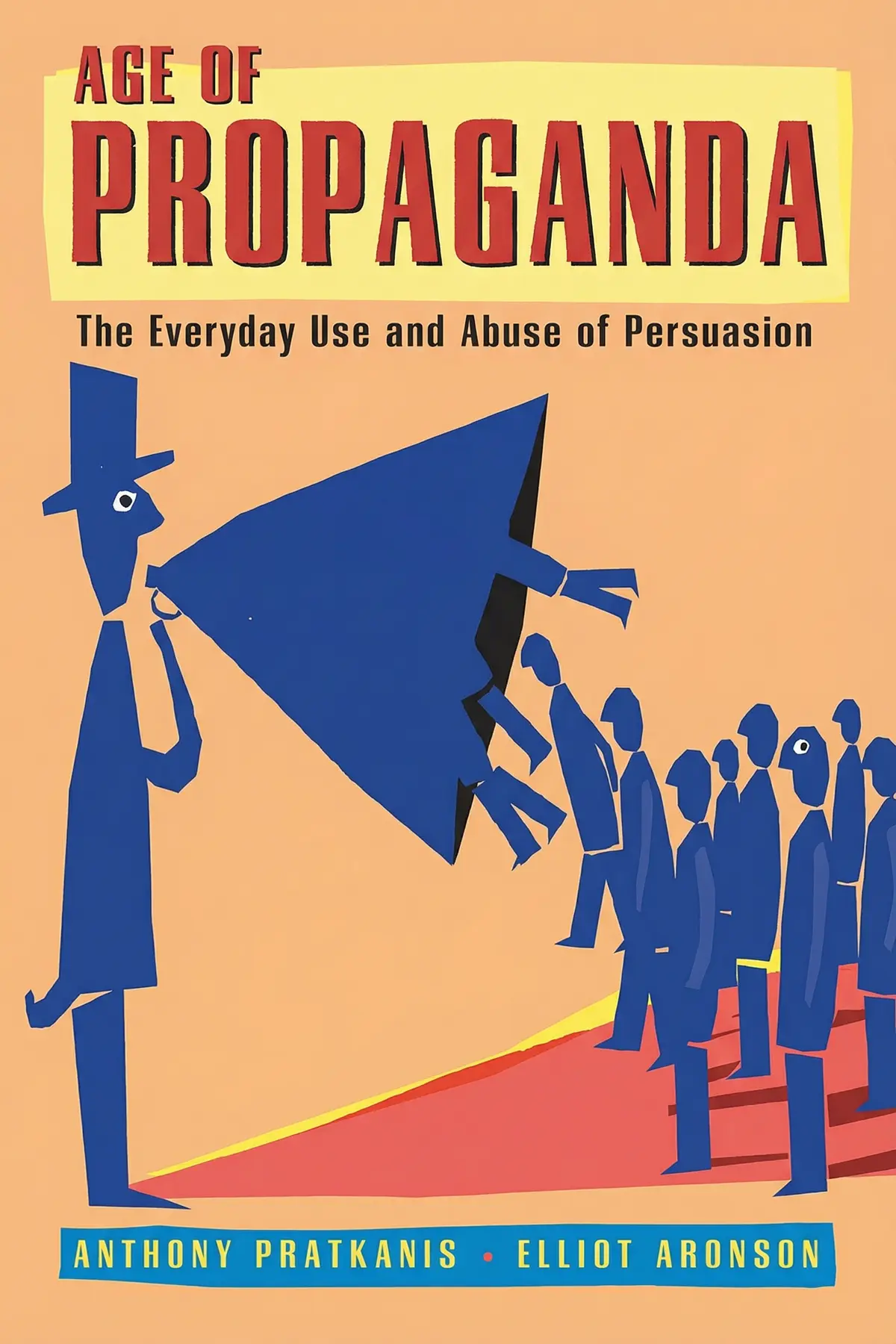
Anthony Pratkanis
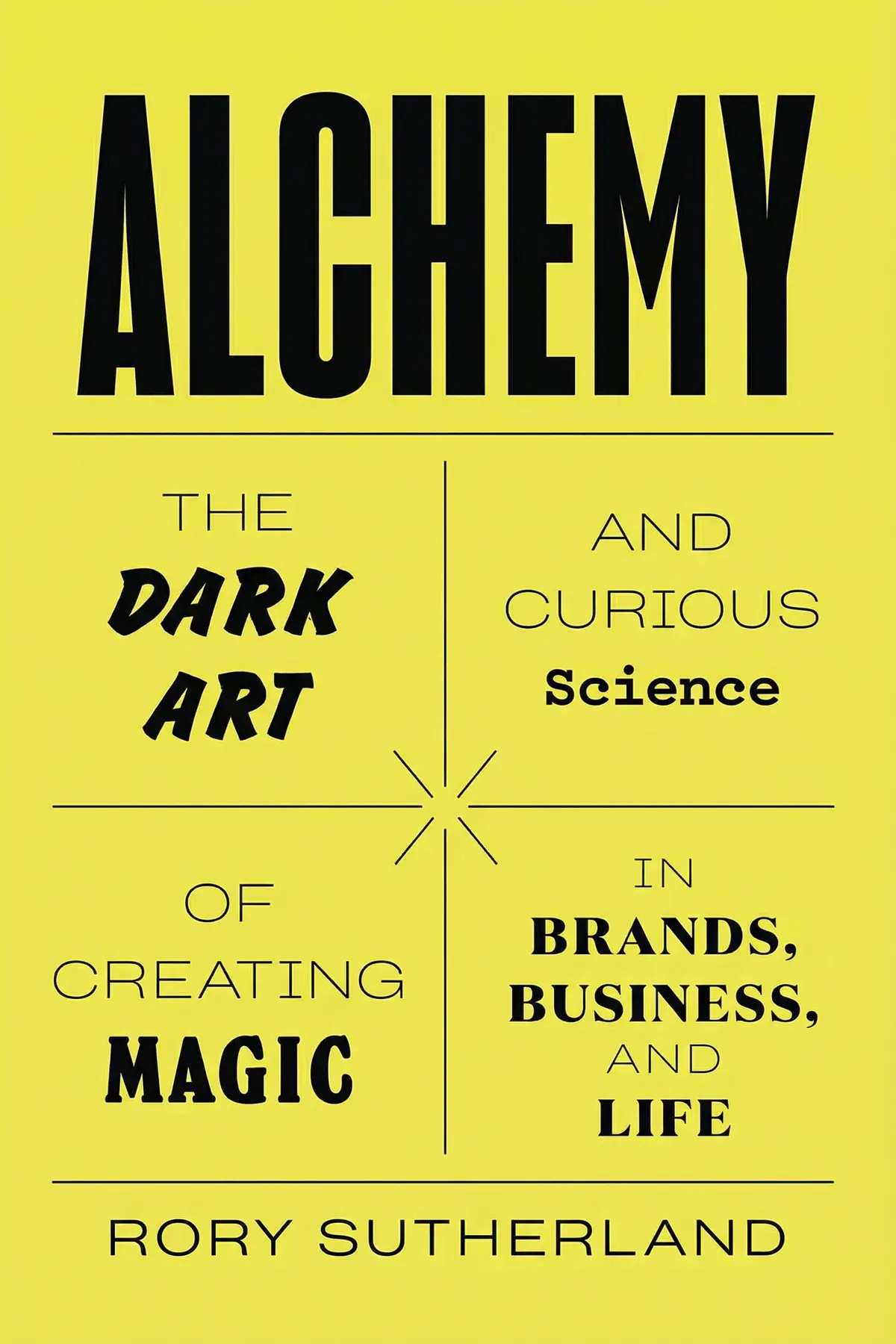
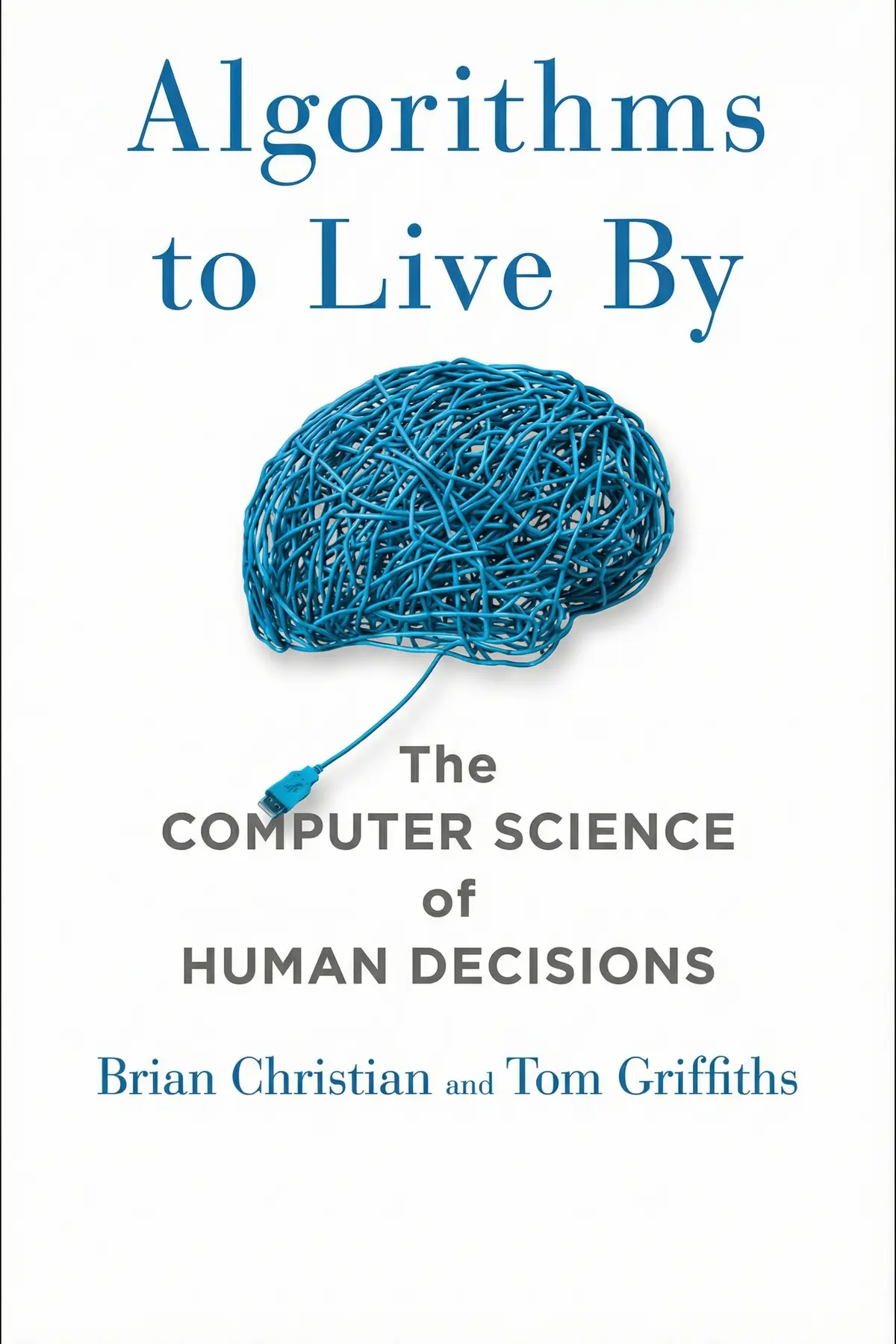
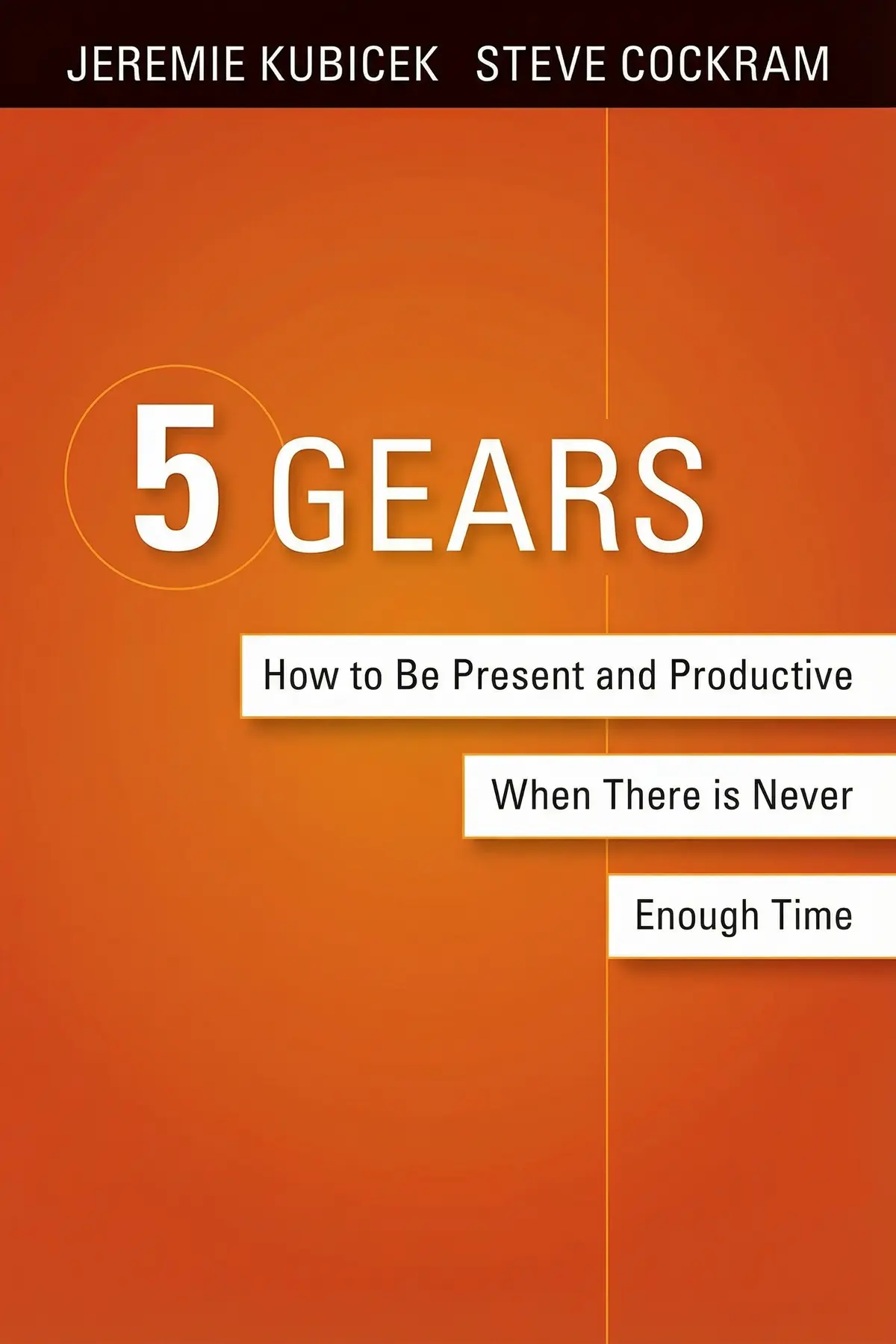

Richard Wiseman
AUDIO SUMMARY AVAILABLE
Get the key ideas from 5 Types of People Who Can Ruin Your Life by Bill Eddy, plus 5,000+ more titles in English and Thai.







