
13 min 31 sec
28-Day FAST Start Day-by-Day: The Ultimate Guide to Starting (or Restarting) Your Intermittent Fasting Lifestyle So It Sticks
By Gin Stephens
Discover a practical, step-by-step roadmap to mastering intermittent fasting. This guide helps you navigate the first month of lifestyle change, focusing on clean fasting, metabolic adaptation, and sustainable daily habits for long-term health.
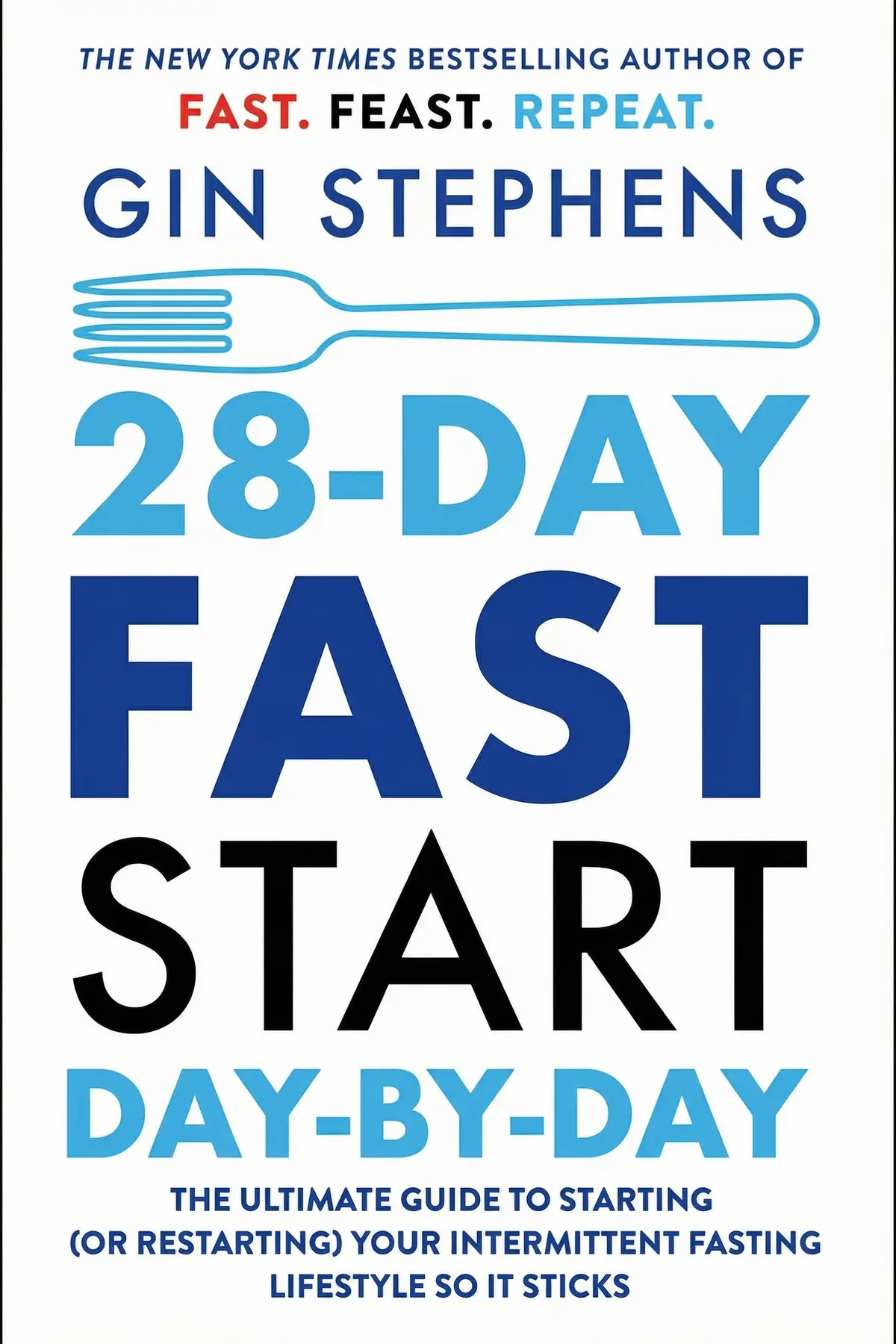
Table of Content
1. Introduction
1 min 45 sec
Every year, a new wave of diet trends crashes onto the shore of public consciousness. We see everything from strict carbohydrate elimination to ancestral eating patterns, all promising that this time, the results will finally stay. Yet, most of us have experienced the same frustrating cycle: a period of intense willpower followed by an inevitable slide back into old habits, often accompanied by the return of any weight we managed to lose. The problem usually isn’t the food itself, but the restrictive nature of these regimens that make them impossible to maintain in the long run.
What if the secret to health and weight management wasn’t about restricting *what* you put on your plate, but rather adjusting *when* you choose to eat? This is the core philosophy behind intermittent fasting, or IF. It is less of a diet and more of a lifestyle shift that aligns with our biological heritage. The goal is to reach a state of metabolic flexibility—a fancy way of saying your body can easily switch between burning the food you just ate and tapping into your stored body fat for energy.
While the concept is simple, the transition can be tricky. Many people start with great intentions but falter because they don’t have a plan for the physical and mental hurdles of the first few weeks. In this summary, we are going to walk through a structured, twenty-eight-day approach designed to help you cross that bridge. We will look at how to protect your fasting window, how to understand the changes happening in your cells, and how to customize the experience so it actually works for your specific life. This journey isn’t just about weight; it’s about reclaiming your metabolic health and building a level of self-trust that makes healthy living feel like second nature. Let’s dive into how you can make this lifestyle stick for good.
2. The Psychological Foundation of the 28-Day Commitment
2 min 16 sec
Success in fasting begins with a firm mental shift and a dedicated trial period to prove the lifestyle’s efficacy to yourself.
3. The Vital Importance of Fasting Clean
2 min 43 sec
Learn why the ‘clean fast’ is the non-negotiable secret to managing hunger and unlocking your body’s fat-burning potential.
4. Navigating the Metabolic Switch and Adaptation
2 min 32 sec
Understand the biological transition from sugar-burning to fat-burning and how to handle the temporary ‘Jell-O’ phase.
5. The Power of Customization and Perspective
2 min 36 sec
Sustainable fasting isn’t a one-size-fits-all rule; it’s a flexible system that you must tweak to fit your unique life and needs.
6. Conclusion
1 min 39 sec
As we wrap up this look at the journey toward an intermittent fasting lifestyle, it’s clear that the path to success is paved with more than just willpower. It requires a fundamental understanding of your body’s internal chemistry and a commitment to protecting your metabolic health through the practice of clean fasting. By following the FAST principles—fasting clean, allowing for adaptation, settling into a rhythm, and tweaking the details—you move away from the ‘diet mentality’ and toward a state of true metabolic flexibility.
Remember that the first twenty-eight days are a period of transition. There will be moments of discomfort as your body learns to flip the switch from burning sugar to burning fat, but this discomfort is temporary and serves as a bridge to a healthier version of yourself. This lifestyle offers more than just the possibility of weight loss; it offers mental clarity, cellular repair through autophagy, and the freedom from being a slave to the next snack or meal.
The beauty of this approach is its simplicity and its resilience. If you have a day where things don’t go as planned, you don’t ‘ruin’ your progress. You simply start your next fast and get back on track. This is your invitation to take control of your health timing, trust the biological processes that have been part of human history for millennia, and discover how much can change in just one month. Your 28-day start is not just a beginning; it is the first step toward a sustainable, vibrant future where you are finally in sync with your body’s natural needs.
About this book
What is this book about?
This summary explores the transformative potential of intermittent fasting as a sustainable lifestyle rather than a temporary diet. It breaks down the technical and psychological hurdles of the first four weeks, offering a structured approach called the FAST Start. You will learn the importance of 'fasting clean'—avoiding even zero-calorie sweeteners to keep insulin low—and how to navigate the physiological transition as your body learns to burn stored fat for fuel. The promise of the book is to provide a day-by-day support system that turns a daunting biological shift into an intuitive, lifelong habit. It explains the science of autophagy and metabolic flexibility while providing practical 'tweaks' to ensure the routine fits your unique life. By focusing on the first 28 days, it aims to build the self-trust and resilience needed to move past early discomfort and reach a state where fasting feels effortless and rewarding.
Book Information
About the Author
Gin Stephens
Gin Stephens is a prominent advocate for the intermittent fasting lifestyle and a New York Times bestselling author, known for her works Fast. Feast. Repeat. and Delay, Don't Deny. After personally adopting intermittent fasting in 2014 and losing significant weight, she dedicated herself to helping others through her website, online support communities, and her highly-rated podcast.
Ratings & Reviews
Ratings at a glance
What people think
Listeners find this book serves as an excellent daily roadmap for launching an intermittent fasting practice, with one listener observing that habit formation takes 28 days. Beyond that, the content delivers a transformative perspective on health and wellness, supporting people as they navigate the psychological, emotional, and bodily facets of embracing a fasting routine. Listeners also value the sequential advice, clear structure, and its role as a partner volume to Fast Feast Repeat, with one listener pointing out how beneficial it is for looking back at prior chapters.
Top reviews
Nuk
Picked this up right after finishing a brutal holiday season, desperate for something that wouldn't feel like another soul-crushing crash diet. This guide turned out to be the exact hand-holding experience I needed. Instead of drowning you in endless metabolic physiology all at once, Gin breaks the adjustment process into bite-sized daily reflections. Four weeks is genuinely the sweet spot to reset old habits. To be fair, you do get the most out of it if you pair it with her deeper work, but waking up each morning with a specific mindset task kept me grounded. The eating window tracking and focus on non-scale victories completely shifted my relationship with the mirror.
Show moreElena
Gin Stephens has mastered the art of making intermittent fasting feel completely manageable. Rather than demanding perfection on day one, she guides you step-by-step through the physiological adaptation phase. The daily inspiration spotlights from real people were a massive motivator whenever late-afternoon doubts crept in. I loved tracking my clean fasts and celebrating NSVs—like clearer skin and stable afternoon energy—instead of obsessing over daily scale fluctuations. By day 28, fasting wasn't a chore anymore; it had naturally settled into an effortless lifestyle rhythm. If you are terrified of feeling hungry or unsure where to begin, this day-by-day companion provides exceptional structure.
Show moreSkylar
As a registered nurse, I rarely bother reviewing diet-adjacent literature because most of it promotes unsustainable metabolic damage. This workbook is a refreshing exception. Gin emphasizes the 'clean fast' with scientific integrity while maintaining an incredibly approachable, encouraging tone. Breaking the initial month into daily bite-sized lessons prevents cognitive overload, allowing patients and everyday readers to process the physical shifts gradually. The focus on habit formation over 28 consecutive days aligns perfectly with behavioral psychology. Yes, it functions best alongside her primary text, but the structured daily accountability here bridges the gap between understanding intermittent fasting theory and executing it in real life.
Show moreA
Talk about a total reset for mind and body! I had attempted time-restricted eating twice before and failed miserably by day four because the mental hurdles felt insurmountable. Gin’s daily guidance dismantled all of that anxiety. Having a retired educator walk you through what to expect each morning demystifies the biological sensations of hunger. She teaches you to observe your body without panicking. The community spotlights added such heart to the process, making me realize that thousands of everyday people have navigated these exact same obstacles. Finishing the 28 days gave me immense pride and genuine food freedom.
Show moreWei
Having stumbled through several failed intermittent fasting attempts in the past, having a day-by-day roadmap was the missing link. You aren't just told to fast; you are taught how to navigate social pressure, handle boredom hunger, and cultivate patience. The daily format removes decision fatigue entirely. I found myself looking forward to opening the journal every morning over black coffee, jotting down my intentions, and checking off another successful window at night. It completely rewired how I view nourishment and hunger. An indispensable companion for anyone ready to ditch traditional dieting for good.
Show moreFort
The reflection prompts at the end of each day made all the difference for me. Changing how often you eat is as much an emotional struggle as a biological one, and having space to unpack cravings before bed kept me from quitting during week two. In my experience, Gin Stephens excels at practical framing; her background in education clearly shapes how she scaffolds the information so readers do not feel overwhelmed. My only critique is that intermittent fasting is definitely not one-size-fits-all, and those with stubborn blood sugar swings might need stricter macronutrient parameters than she suggests here. Still, an undeniably constructive tool for building sustainable habits.
Show moreBo
Grabbed the paperback version on a friend's recommendation, and I'm glad I opted for physical print over digital. This format really requires you to write inside the margins, log your hours, and physically flip back to review earlier mindset notes when motivation flags. Truth is, the middle two weeks can feel slightly repetitive, and anyone expecting brand-new scientific revelations will be underwhelmed. However, the routine check-ins forced me to confront my mindless evening snacking habits. It takes genuine dedication to rewrite decades of food programming, but this guided journal provided the steady rail I needed to hold onto while my body adjusted.
Show moreChloe
Let’s be real: changing your relationship with food is uncomfortable. What makes this particular day-by-day plan work is that it tackles the mental resistance right alongside the physical routine. The morning goal setting and evening mindfulness check-ins keep you engaged without demanding hours of your time. My minor gripe lies in the constant cross-referencing to her catalog; frankly, a few more core scientific summaries within these pages would have made it a stronger standalone volume. Even so, it successfully stripped the intimidation away from intermittent fasting and helped me lock in a consistent eating window that fits my chaotic work schedule.
Show moreGift
Is this helpful? Sure, but it’s essentially an interactive workbook for her earlier title. I wanted a standalone quick-start manual packed with practical meal-timing blueprints, yet I frequently encountered reminders to consult her prior publication for the heavy science. That said, the structured check-ins are neat. Circling pre-written coping strategies when cravings hit was surprisingly grounding on tough evenings. If you lack self-discipline and genuinely need a daily physical checklist to hold yourself accountable, this has value. But if you already read Fast, Feast, Repeat, expect a heavy amount of recycled advice and familiar anecdotes.
Show moreNora
Not what I expected from a standalone release. Look, the book claims to guide beginners, but nearly every entry leans heavily on references to Fast, Feast, Repeat. Why publish what amounts to a supplementary workbook without making that requirement crystal clear on the cover? You are essentially paying for pre-printed journaling forms, circling exercises, and brief cheerleading blurbs. While I appreciate her relatable, retired-teacher voice, you could easily jot down your daily fasting hours in an inexpensive spiral notebook and glean far more comprehensive science from her previous volume. Unless you crave rigid daily fill-in-the-blank accountability, save your money and borrow her main book from the library instead.
Show moreFeatured in
Readers also enjoyed


AUDIO SUMMARY AVAILABLE
Listen to 28-Day FAST Start Day-by-Day in 15 minutes
Get the key ideas from 28-Day FAST Start Day-by-Day by Gin Stephens, plus 5,000+ more titles in English and Thai.
- 5,000+ titles
- Listen as much as you want
- 7-day free trial
- Cancel anytime







