
A Higher Loyalty: Truth, Lies and Leadership
James Comey
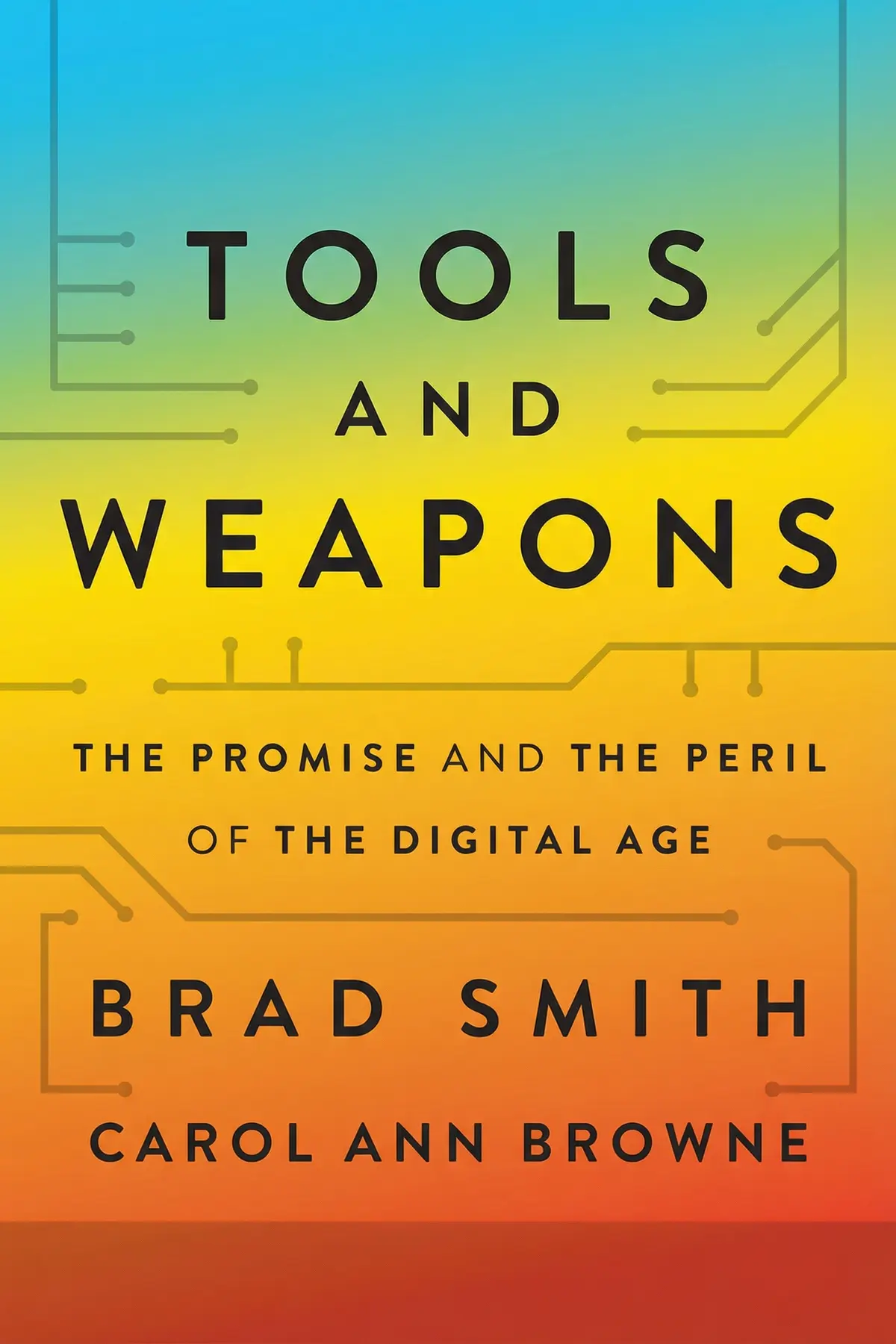
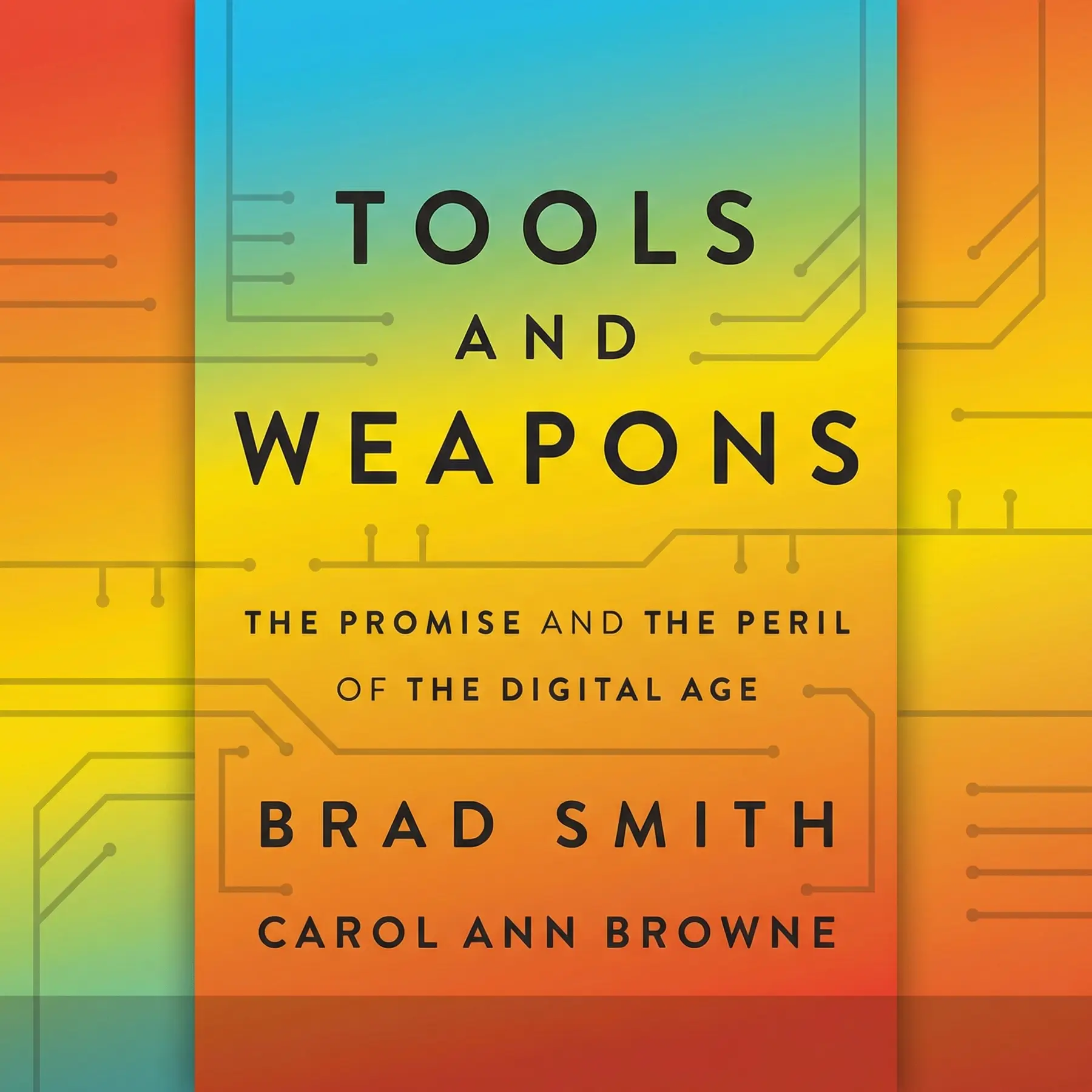
Tools and Weapons explores the dual nature of digital technology. It provides a blueprint for how tech giants and governments must cooperate to ensure innovation protects rather than threatens our global society.
1 min 57 sec
We live in an era where change doesn’t just happen—it accelerates. Every morning, we wake up to a world that is slightly more digitized, more connected, and more complex than the one we left the night before. But as we embrace the convenience of smart devices and the efficiency of global networks, a vital question begins to loom over us: are we in control of these tools, or are they beginning to control us?
In this exploration of the digital landscape, we are guided by Brad Smith and Carol Ann Browne, two insiders at Microsoft who have sat at the front row of the technological revolution. They argue that every major invention in human history has been a double-edged sword. A hammer can build a house, but it can also be used as a weapon. The same is true for the code that runs our world today. We find ourselves at a crossroads where the very innovations meant to liberate us—like the cloud, artificial intelligence, and social media—can also be harnessed to invade our privacy, disrupt our elections, and even paralyze our infrastructure.
The throughline of our journey today is the concept of shared responsibility. The authors suggest that the “move fast and break things” mentality of Silicon Valley is no longer sustainable. As technology becomes the central nervous system of our civilization, the stakes of breaking things are simply too high. We need a new era of collaboration between the tech giants who build these systems and the governments that regulate them.
Throughout this summary, we will look at the physical reality of the data centers that house our lives, the historical battles for privacy that set the stage for modern whistleblowers, and the chilling reality of cyber warfare. We will see how cultural differences shape the way nations view data and why the bias in our machines is really just a reflection of the bias in ourselves. By the end, you’ll see that while the challenges are daunting, the future isn’t written yet. It depends on our ability to turn these powerful weapons back into tools for the common good.
2 min 30 sec
Think the cloud is just an abstract digital space? Discover the massive, fortress-like reality of the data centers that store our collective memories and bank accounts.
2 min 20 sec
The modern debate over government surveillance didn’t start with the internet. Trace the history of privacy from 18th-century rebels to the digital age.
2 min 05 sec
When terrorism strikes, governments demand data. See how tech companies are fighting to balance public safety with the right to keep your information private.
2 min 07 sec
Why is Germany more cautious about data than the US? Explore how a nation’s past can dictate its digital future and policy.
2 min 16 sec
A stolen government hack paralyzed hospitals across the globe. Learn why digital weapons are more dangerous and less predictable than traditional missiles.
2 min 13 sec
From 18th-century diplomats to modern Russian trolls, see how outside forces use communication tools to tear societies apart.
2 min 07 sec
AI isn’t just cold logic; it carries the flaws of its creators. Discover why diversity in tech is the only way to prevent digital discrimination.
2 min 13 sec
Technology can decode the past and protect the planet, but only if we establish a new moral framework for the digital age.
1 min 50 sec
As we conclude our journey through the promise and the peril of the digital age, the central message is clear: technology is not a neutral force that just happens to us. It is a series of choices made by people. From the physical fortresses of the cloud to the invisible algorithms of AI, the digital world is a reflection of our values, our history, and our flaws.
We have seen that the struggle for privacy is an ancient battle that has merely found a new battlefield in the 21st century. We’ve witnessed the devastating potential of cyber warfare and the fragile state of our democracies in the face of disinformation. But we have also seen the incredible potential for tech to preserve our history and protect our planet. The bridge between these two futures—the wonderful and the terrifying—is built on accountability and regulation.
The authors leave us with a call to action. We cannot leave the future of our society solely in the hands of engineers or solely in the hands of politicians. It requires a collective effort. Tech companies must accept that they are no longer just businesses, but guardians of a global infrastructure. Governments must become tech-literate and proactive in their oversight. And as citizens, we must remain vigilant and informed.
The digital age offers us tools that can solve the most pressing challenges of our time, from climate change to disease. But those same tools can become weapons if we are not careful. By demanding transparency, fostering diversity in innovation, and pushing for international standards of digital conduct, we can ensure that the technology of the future remains a servant of humanity, rather than its master. The tools are in our hands; it’s up to us to decide how we use them.
This summary explores the critical intersection of technology, law, and ethics in the twenty-first century. As digital tools become more integrated into our lives, they also become potential weapons in the hands of bad actors or through the negligence of creators. We examine how the physical reality of the cloud differs from its ethereal name and why the fight for privacy is a centuries-old struggle that has only moved into a new arena. You will learn about the challenges tech companies face when caught between government security demands and user trust, as well as the harrowing reality of global cyberattacks that paralyze hospitals. The book also addresses the impact of social media on democracy and the inherent biases that can sneak into artificial intelligence. Ultimately, it offers a vision for the future where technology serves humanity through intelligent regulation and international collaboration, ensuring that the digital age brings more promise than peril.
Brad Smith serves as the president of Microsoft, overseeing the company’s efforts regarding cybersecurity, artificial intelligence, and human rights. He is frequently recognized as a leading voice and representative for the global technology sector. Carol Ann Browne acts as the senior director of communications and external relations at Microsoft. Together, they contribute to the Today in Technology blog, sharing insights on the intersection of innovation and society.
Listeners find the work highly educational, highlighting the impressive mountain of research it contains. They also note the writing is thought-provoking and quite accessible. Nevertheless, opinions regarding the book's value for money are split among listeners.
The chapter on rural broadband alone was worth the cover price, as it highlights a digital crisis often ignored by the urban tech elite. Brad Smith writes with a surprising amount of clarity, breaking down how Microsoft navigated the fallout from the Snowden leaks without getting bogged down in impenetrable legalese. While some might argue the book leans too heavily into corporate defense, the historical parallels he draws are genuinely enlightening for any modern reader. To be fair, you have to read between the lines occasionally to spot the marketing spin, but the wealth of data presented here is undeniable. It feels like a masterclass in how a modern tech giant perceives its global responsibilities in an age of constant surveillance and rapid change. I highly recommend this to anyone who wants to see the 'cockpit' view of global policy.
Show moreWow, what a fascinating dive into the hidden machinery of the digital age and the massive responsibility held by tech leaders today. Brad Smith doesn't just talk about code; he talks about the soul of technology and whether it will ultimately serve as a tool or a weapon. I was particularly impressed by the sections on Chinese and American tensions, which are handled with a surprising amount of nuance and historical context. The book is incredibly readable and moves at a fast pace, never getting stuck in the weeds of technical jargon. I appreciate the transparency regarding past mistakes, even if the current solutions are presented through a slightly rosy lens. This is essential reading for anyone trying to make sense of our hyper-connected world and the giants that run it.
Show morePicked this up because I wanted to understand the intersection of policy and innovation, and it definitely delivered on the research front. The authors clearly spent an enormous amount of time aggregating data on cyberwarfare and the moral dilemmas surrounding artificial intelligence. Frankly, the writing style is more engaging than your typical dry business memoir, which makes it an easy weekend read for anyone interested in current events. I did find the constant 'Microsoft is the hero' narrative a bit exhausting after the first few chapters, but the insights are still valuable for my career. It serves as a solid survey of the tech landscape from the late 2010s without being too technical. If you can ignore the occasional corporate cheerleading, there's a lot to learn here about our future.
Show moreAfter hearing about the tension between government surveillance and user privacy on the news, I was curious about Smith's internal take. This book dives deep into those waters, offering a unique perspective on how massive corporations handle requests for private data from intelligence agencies. The narrative about the international warrant case was particularly gripping and shed light on a side of the legal battle I hadn't fully considered before. Gotta say, the way they link lessons from the industrial revolution to current AI ethics is a provocative touch that kept me turning pages. It’s not perfect, as some sections feel a bit like a PR scrub for the executive team, but the overall breadth of topics is impressive. It’s a necessary read for anyone worried about the future of democracy.
Show moreEver wonder how a company like Microsoft decides which side to take when two governments go to war in cyberspace? This book attempts to answer that by laying out a mountain of research on modern conflict and the erosion of digital borders. The prose is clean and persuasive, though you can definitely feel the influence of a high-level lawyer in every carefully constructed sentence. I found the discussion on the 'Digital Geneva Convention' to be one of the most provocative ideas in the whole text. It’s a bit pricey for what essentially feels like an extended corporate white paper, but the information is current and relevant. Most of the takes are safe, yet they provide a clear roadmap of where Big Tech thinks it is heading.
Show moreFinally got around to reading this after hearing it was better than Satya Nadella’s book, and I have to agree that it’s far more engaging. While Hit Refresh felt like a standard corporate rah-rah session, Tools and Weapons actually grapples with difficult societal questions like inequality and cybercrime. It’s not quite on the level of a narrative masterpiece like Shoe Dog, but it holds its own as a serious policy discussion. Not gonna lie, the pro-Microsoft bias is palpable and you have to filter through some of the self-congratulation to get to the meat. However, the sheer volume of research and the clarity of the arguments make it worth the time. It’s a solid 4-star read for tech enthusiasts and policy wonks alike.
Show moreTruth is, I expected this to be a dry legal tome, but it’s actually a very fluid and provocative look at our digital future. The way Smith and Browne connect the history of the telegraph to current internet regulation shows a deep understanding of technological evolution. I was especially captivated by the stories regarding the battle over facial recognition software and the ethical guardrails that need to be in place. It’s a well-researched book that provides a helpful framework for thinking about the power of the tech industry. Some of the chapters felt a bit like surface-level news summaries, yet they provide a necessary foundation for the broader arguments. It’s a readable, informative, and mostly balanced look at some very complex issues we face today.
Show moreBrad Smith provides a unique perspective from the pinnacle of the tech industry, and while it’s clearly a curated view, it’s still highly valuable. The book covers everything from the moral conundrums of AI to the challenges of bringing broadband to rural communities in America. I found the writing style to be accessible and engaging, making complex geopolitical issues feel manageable for the average reader. Frankly, the mixed reactions on value for money are understandable if you already follow tech policy closely, but for most, this is a great primer. It’s a polished piece of work that highlights the dual nature of our most powerful inventions. I walked away with a much better understanding of the current tech-government landscape and the stakes involved.
Show moreAs someone who works in the software industry, I found most of the information here to be a bit superficial and lacking in granular detail. Smith is a talented writer and clearly knows his stuff, but he often stops just short of giving the kind of deep, specific insights I was craving. The structure is repetitive: present a global crisis, explain the history, and then show how Microsoft is saving the day. Personally, I would have preferred more about the internal disagreements at the company rather than the polished, final stance. To be fair, it’s a great introductory text for someone who doesn't follow tech news daily and wants a mountain of research in one place. It just felt a bit like a very long, high-budget think piece.
Show moreNot what I expected at all, as I was hoping for deep technical insights instead of a glorified press release for Redmond. The 'infomercial' quality that other readers mentioned is unfortunately very real and set my teeth on edge by the halfway point. Every problem the world faces seems to have a convenient solution that involves a Microsoft product or a policy they just happen to support. It’s a very safe, curated version of history that avoids any real risk or admission of significant failure. Look, the prose is fine and the research is there, but I didn't learn anything that I couldn't have found in a Sunday newspaper. It is basically expensive propaganda in book form. Save your money and just read a few HBR articles instead.
Show moreJames Comey


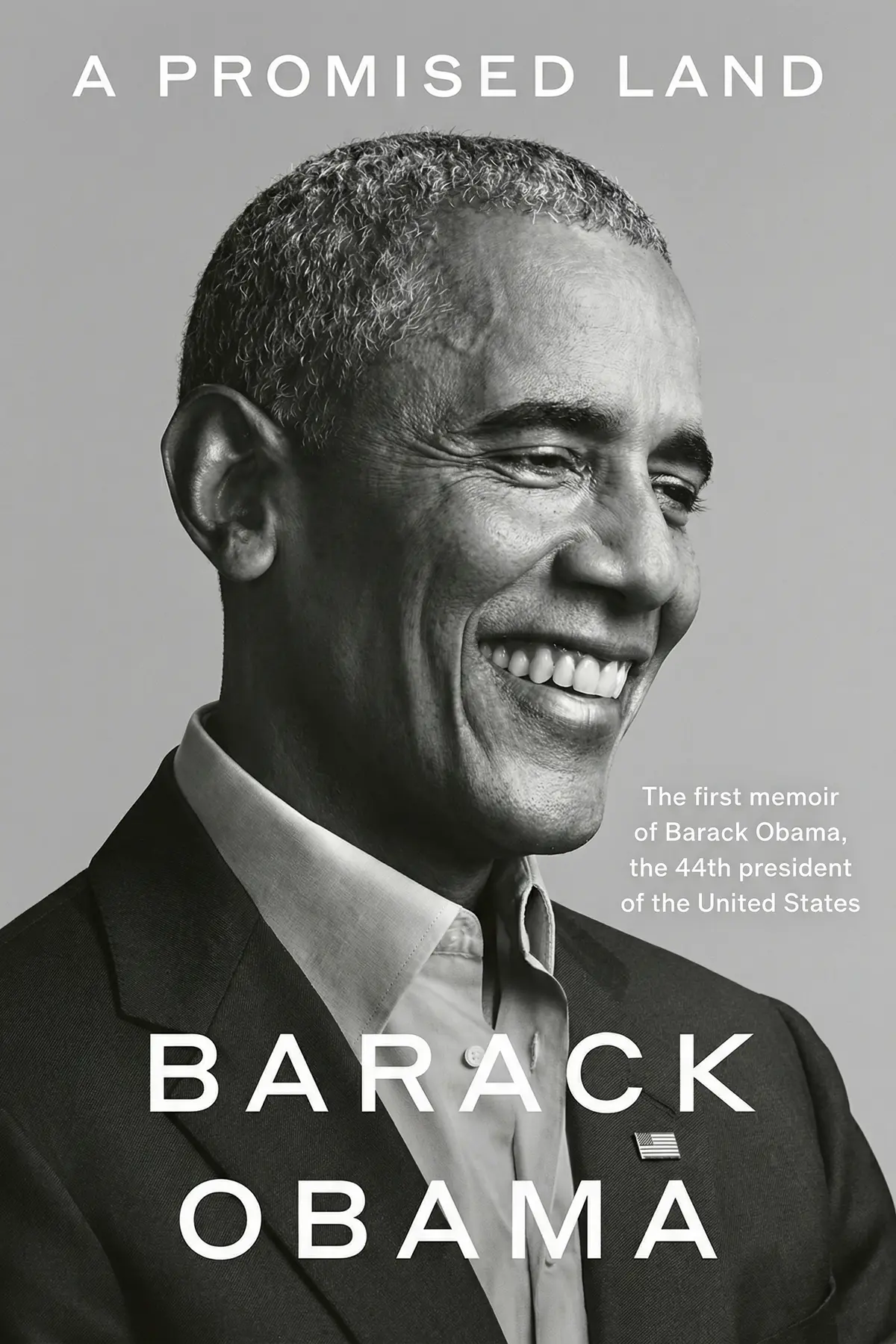
Barack Obama
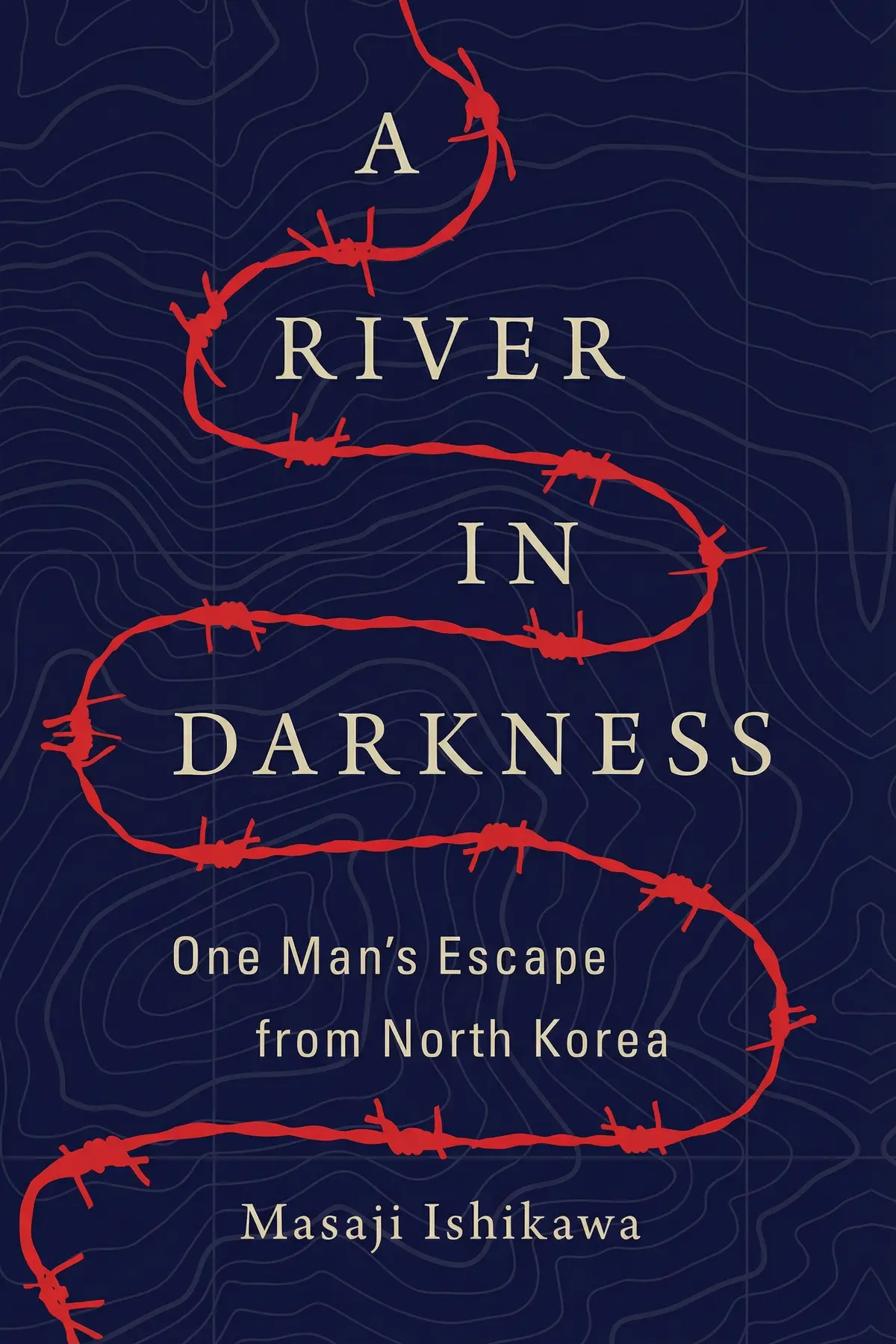
Masaji Ishikawa
John Rawls
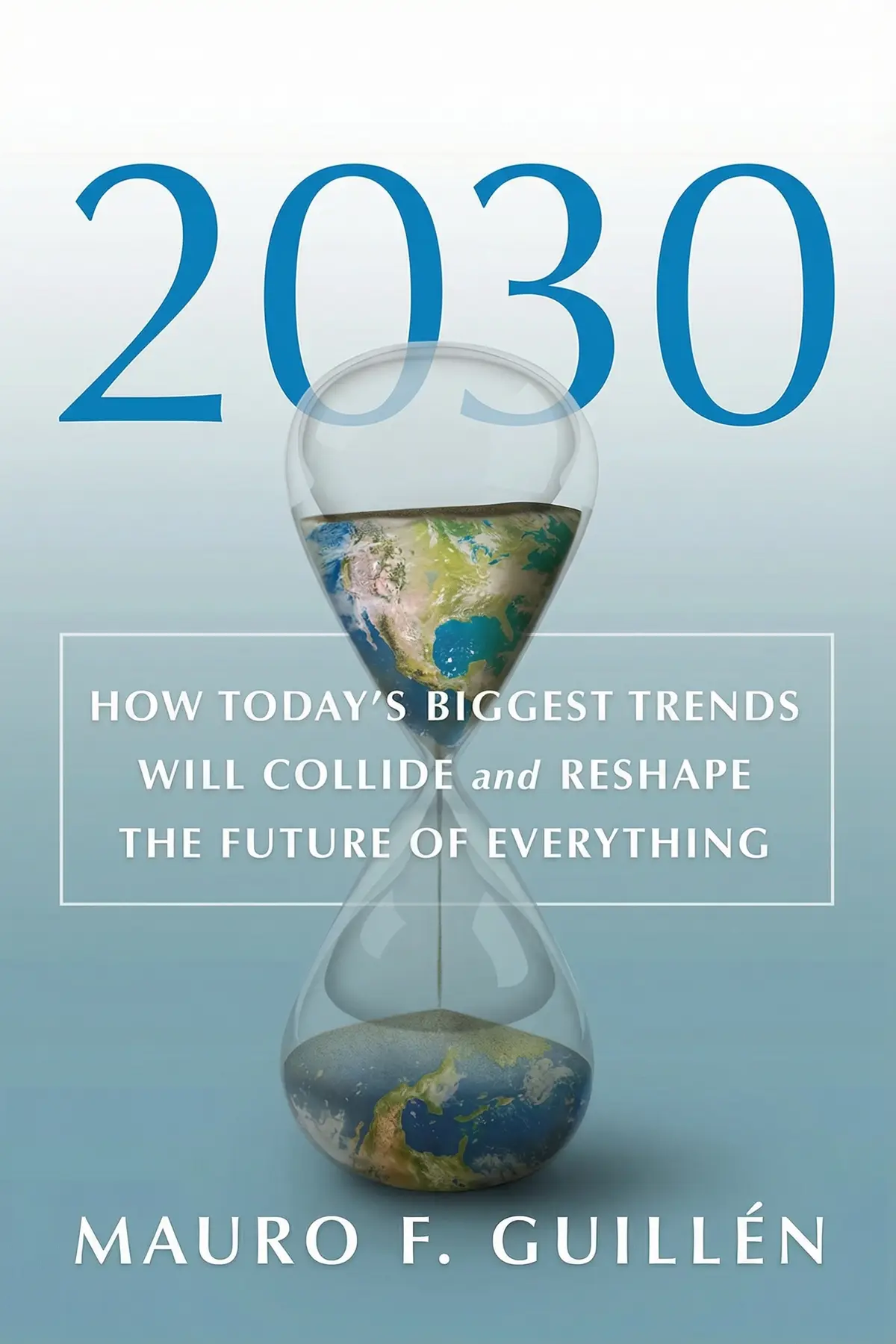

Yuval Noah Harari
AUDIO SUMMARY AVAILABLE
Get the key ideas from Tools and Weapons by Brad Smith, plus 5,000+ more titles in English and Thai.







