
20 min 13 sec
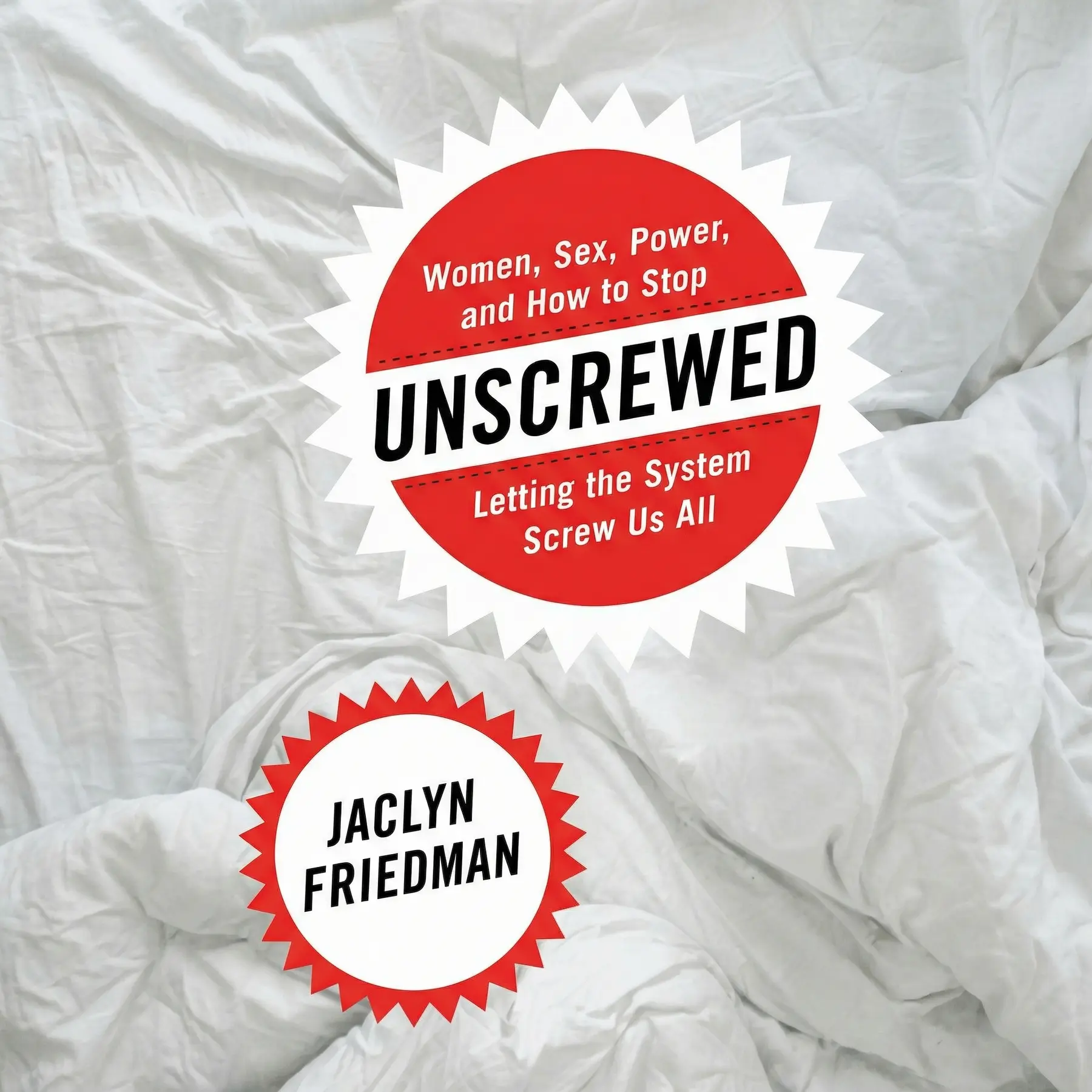
Unscrewed: Women, Sex, Power, and How to Stop Letting the System Screw Us All
This insightful summary explores how systemic sexism and toxic cultural narratives suppress female agency, offering a roadmap for dismantling the patriarchy and building a future defined by true consent and sexual liberation.
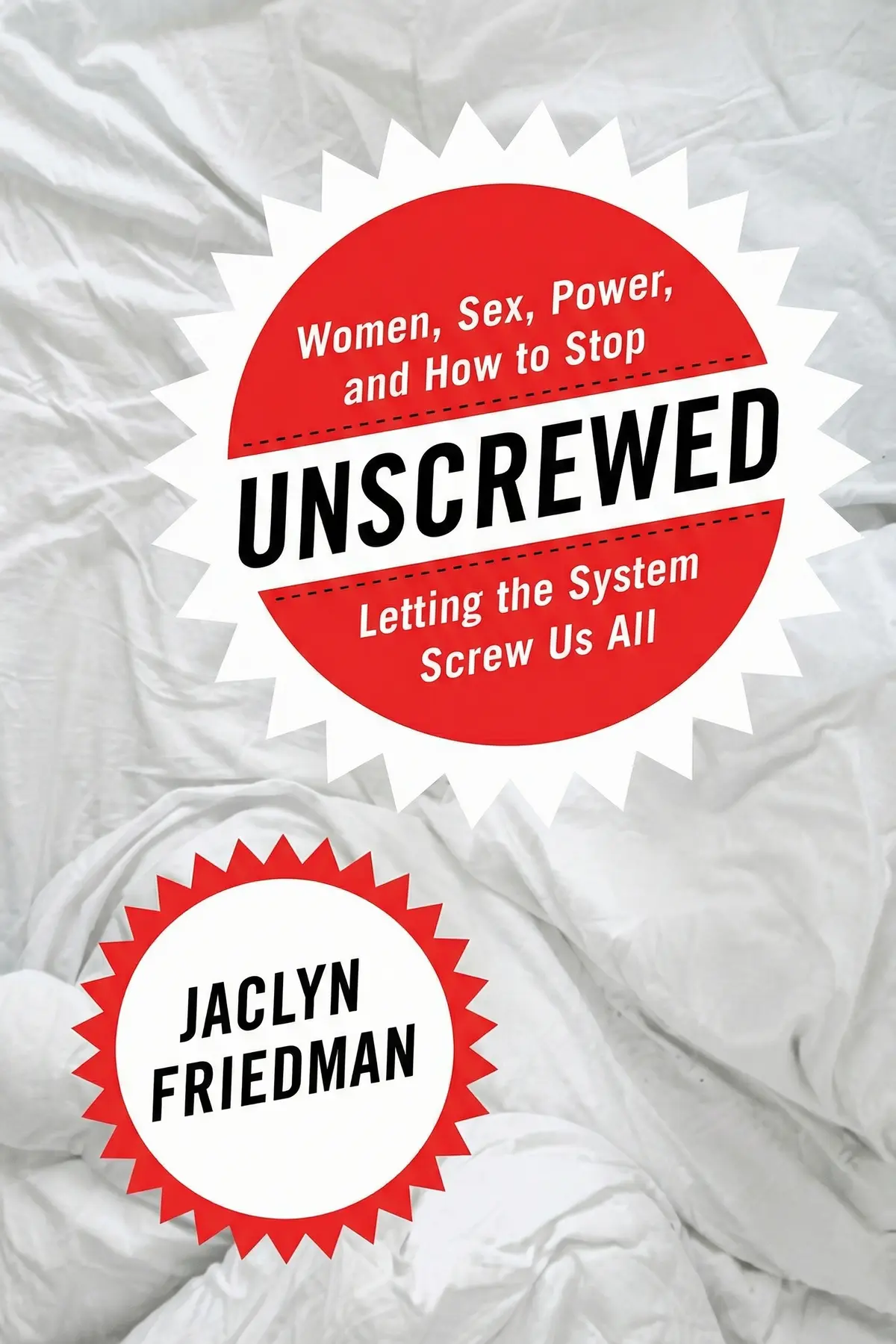
Table of Content
1. Introduction
1 min 46 sec
The modern world often feels like it is on the cusp of a major breakthrough regarding gender equality. We see movements like #metoo dominating the headlines, and there is a growing sense that the old ways of doing things are finally being challenged. However, if we look beneath the surface of these viral moments, we find a much older and more complex problem. Our society is built on a foundation that has spent centuries sexualizing women while simultaneously stripping them of their humanity and their right to self-determination. This is not just a collection of individual bad actors; it is a comprehensive system that influences everything from the laws we pass to the way we teach our children about their own bodies.
To truly move forward, we have to understand that this fight for reproductive rights and bodily autonomy is an uphill climb that requires us to dig deep into the roots of our culture. It involves looking at how we represent women in the media, how we allow religion to dictate public health policy, and how we educate the next generation of men. The goal is nothing less than a complete shift in how we view female sexuality, moving away from shame and toward a framework of pleasure and consent.
In the following discussion, we will explore why the popular versions of empowerment we see in pop culture are often just a facade for the same old power dynamics. We will look at the specific history of how certain political groups have weaponized the issue of abortion to gain power, and we will examine why the way we currently teach sex education in schools is failing everyone. By the end, the path toward a more equitable and just society will become clearer. It is a massive undertaking, but it is one that has been pushed aside for far too long. It is time to look at how the system is designed to hold women back and, more importantly, how we can start to dismantle it.
2. The Intersectional Reality of Oppression
2 min 28 sec
How systemic discrimination and violence disproportionately target minority women through a historical lens of dehumanization and harmful public policies.
3. The Mirage of Fauxpowerment
2 min 21 sec
Examine why modern cultural icons often promote a hollow version of liberation that preserves existing power structures and prioritizes male profit.
4. The Impact of Media Objectification and Shame
2 min 29 sec
How constant sexualization in the media hinders female cognitive performance and creates a double standard for women who reclaim their agency.
5. The Pursuit of Agency and Biological Truth
2 min 31 sec
Explore the disconnect between female biological potential for pleasure and a social system that treats sex as a transaction for male benefit.
6. The Political Weaponization of Reproductive Rights
2 min 14 sec
Tracing the rise of the Religious Right and how a shift from racial issues to abortion has created a modern theocracy in American policy.
7. The Vision of Reproductive Justice
2 min 15 sec
Why true liberation requires a holistic approach that goes beyond abortion to address healthcare, economics, and the dismantling of rape culture.
8. Reforming Education for a Healthier Society
2 min 24 sec
How comprehensive sex education can dismantle toxic masculinity and replace porn-driven narratives with a culture of genuine consent.
9. Conclusion
1 min 45 sec
In the end, the journey toward a truly equitable society requires us to be honest about the deep-seated issues that have held us back for generations. We cannot simply rely on symbolic gestures or superficial messages of empowerment that do nothing to change the underlying power structures. True progress happens when we dismantle the patriarchal system that has commodified female sexuality and replaced it with a framework rooted in bodily autonomy and mutual respect. This means fighting for a world where every woman, regardless of her background or income, has full control over her reproductive health and her sexual life.
We have seen how the religious right has strategically used political power to chip away at these rights, and how the media continues to reinforce harmful stereotypes that hinder female agency. But we have also seen the roadmap for change. By embracing the principles of reproductive justice, we can create a movement that is as diverse and complex as the women it seeks to protect. This involves everything from reforming our schools to provide comprehensive, consent-based education to demanding accountability from our legal and political institutions.
The throughline of all these efforts is the recognition of female humanity. When we stop viewing women as objects to be controlled or saved and start seeing them as individuals with the inherent right to seek pleasure and define their own destinies, the entire society benefits. Toxic masculinity is replaced by healthy relationships, and shame is replaced by understanding. It is a long and difficult path, but by taking the first steps to unscrew the system, we pave the way for a future where everyone is free to live without fear, guilt, or the shadow of systemic oppression. Let this be the start of a new chapter in how we relate to one another, built on the solid ground of equality and justice.
About this book
What is this book about?
This book examines the intricate and often hidden ways that modern society continues to control and dehumanize women through their sexuality. It moves beyond superficial conversations about empowerment to look at the structural forces—from religious lobbying to media representation—that keep a patriarchal system in place. The text argues that the current state of gender relations is not an accident but a result of historical choices and systemic biases that disproportionately harm marginalized communities. By dismantling the myths of fauxpowerment, the book provides a clear-eyed view of what real sexual freedom looks like. It promises to guide the listener through a radical reimagining of reproductive justice, sex education, and the way men and women interact. Ultimately, it is a call to action for anyone ready to replace a culture of shame and objectification with one rooted in genuine pleasure, bodily autonomy, and mutual respect. It challenges us to look deeper at our institutions and ourselves to stop the system from continuing its cycle of inequality.
Book Information
About the Author
Jaclyn Friedman
Jaclyn Friedman is a prominent writer, speaker, and feminist activist focusing on women’s pleasure. She is the co-editor, with Jessica Valenti, of the influential anthology Yes Means Yes, which helped establish the consent standards used on many American college campuses today. Her work centers on redefining sexual power and building a world free from the threat of sexual violence.
Ratings & Reviews
Ratings at a glance
What people think
Listeners find this work highly knowledgeable, with one listener pointing out its use of modern-day cases and actionable guidance. Furthermore, the prose is praised for its analysis of sexual culture, and listeners view the book as essential reading. They also value the treatment of violence against women, as one listener specifically mentions the powerful way this subject is addressed.
Top reviews
Sam
This book is a masterclass in intersectionality, especially regarding the interviews with sex workers and Native activists. Jaclyn Friedman goes way beyond the surface-level "sex is great" discourse to explore the political impact of our personal desires. Personally, I was struck by how she weaves together the stories of diverse people—queer folks, trans individuals, and women of color—to show how the system is designed to fail us. The writing style is biting and witty, making complex sociopolitical theories feel accessible. It’s easily one of the most well-informed books on sexual politics I’ve read in years. We need more writers who are willing to look this closely at the mess we're in.
Show moreThawee
Ever wonder why our collective understanding of sex feels so broken despite being in a "sex-positive" era? Friedman answers this by methodically dismantling the myths we’ve been told about empowerment and consent. I particularly appreciated the sections on healthy masculinity and the dire need for comprehensive sex education that moves past the "genitals and pregnancy" basics. Look, this isn't just a book for women; it’s a manual for anyone who wants to understand the intersection of power and intimacy. The practical advice tucked into the cultural critique makes it more than just a theory book—it’s a call to action. It is honest, brutal, and absolutely necessary for the world we live in today.
Show moreWin
The chapter on how we address violence against women is one of the most powerful things I have read this year. Friedman doesn't pull any punches when she critiques the "sex-is-awesome" cheerleading that often ignores the safety and autonomy of marginalized groups. Frankly, her use of current examples makes the book feel incredibly timely, like she’s speaking directly to the anxieties of right now. I loved how she integrated the voices of people with disabilities and trans folks, even if I wanted a bit more depth in those specific areas. It’s a nuanced, brilliant piece of work that actually challenges the status quo. If you want to understand how sex and power truly intersect, read this immediately.
Show moreFilm
After hearing Jaclyn Friedman speak on a podcast, I knew I needed to read her latest, and it did not disappoint. She provides a rigorous cultural critique of how our sexualities are policed and commodified in ways we don't even realize. What sets this apart is the practical advice; it's not just complaining about the system, it's about "unscrewing" it through awareness and community. The writing is sharp, funny, and deeply empathetic toward anyone who has ever felt "wrong" for their desires. It’s a foundational text for anyone who wants to move beyond superficial feminism. She manages to be intellectual without being inaccessible, which is a rare feat in this genre. I'll be thinking about this for a long time.
Show moreFrida
Wow, this was exactly the kind of radical feminism I needed to read this summer. Jaclyn is essentially a genius at connecting the dots between our most private moments and the massive institutional abuses we see in the headlines. The way she handles the topic of non-consensual sex is both sensitive and structurally focused, providing a much-needed lens for the #MeToo generation. While it's definitely written from a specific viewpoint, the themes are universal and essential for anyone breathing in this culture. It’s an anchor for hope in a pretty dark landscape, and I can't recommend it enough. Friedman has a way of making you see the world's injustices and then giving you the mental tools to start fighting back.
Show morePong
As someone who has followed the #MeToo movement closely, I found Friedman’s breakdown of institutional power dynamics incredibly sharp. She doesn't just talk about sex; she dives into the structural rot that keeps us from achieving actual equality. The storytelling is engaging, though I did find some sections a bit long-winded when they could have been punchier. Truth is, her ability to dissect how we’re sold a version of empowerment that actually serves the male gaze is eye-opening. It's a necessary update to the feminist canon that addresses contemporary hurdles with intellectual rigor and a keen eye for absurdity. While it feels heavily academic at times, the core message remains accessible and deeply urgent for our current culture.
Show moreAkira
Picked this up after a friend recommended it for its take on the #MeToo era, and I was genuinely impressed by the logical consistency throughout. Friedman takes on heavy topics like rape culture and non-consensual behavior without making the reader feel hopeless. As a male reader, I found her perspective crucial, though I think the implementation of her ideas will definitely require a collaborative effort across the gender spectrum. My only real gripe is that the middle section felt slightly exhausting because of the excruciating detail regarding media representation. Still, it’s a beacon for those wanting to fix our dysfunctional culture. Her ability to use current examples to prove her points is truly impressive and keeps the reader grounded.
Show moreNiphon
Truth is, I’ve been looking for a book that tackles the absurdities of modern dating and power dynamics without falling into old clichés. Friedman manages to do this by highlighting how we’ve been fooled into a fake version of sex positivity that still centers the male perspective. The storytelling here is wonderful, especially when she highlights the work of activists on the ground. I would have loved even more focus on the intersection of disability and sexuality, but the breadth of voices she did include was fantastic. It's a solid, intellectual look at why we aren't as "liberated" as we think we are. A few sections felt repetitive, but the overall message is too important to ignore.
Show morePakinee
Not what I expected given the bold title, as I was hoping for more concrete strategies on dismantling these systems rather than just a deep dive into the problems. For those who are already well-versed in feminist theory, a lot of the material about the male gaze and performative sex positivity might feel repetitive. To be fair, her critique of our current cultural dysfunction is incredibly thorough and well-documented. However, after the third chapter on how we're being fooled, I found myself skimming to find the actual "how-to" part. It’s an important read for beginners who are just starting to see the world differently, but it lacked the new insights I was craving.
Show moreSudarat
Finally got around to starting this, but I struggled to stay engaged because the tone felt a bit too academic for my current mood. I agree with the core premise that our Sex-Ed systems are a total failure—mine was basically just one awkward PowerPoint about "relations" and genitals—but the book's pacing is uneven. Not gonna lie, I stopped picking it up for two weeks because the repetitive focus on the "system" felt a bit like preaching to the choir for me. It’s clearly well-informed and an important read for many, but the execution didn't quite land for where I am in my personal journey. I wanted more guidance and fewer statistics.
Show moreReaders also enjoyed

A Biography of Loneliness: The History of an Emotion
Fay Bound Alberti
A Force for Good: The Dalai Lama's Vision for Our World
Daniel Goleman


A Room of One’s Own
Virginia Woolf
Abolish Rent: How Tenants Can End the Housing Crisis
Tracy Rosenthal
Abortion: Our Bodies, Their Lies, and the Truths We Use to
Jessica Valenti

Afropean: Notes From Black Europe
Johny Pitts
AUDIO SUMMARY AVAILABLE
Listen to Unscrewed in 15 minutes
Get the key ideas from Unscrewed by Jaclyn Friedman, plus 5,000+ more titles in English and Thai.
- 5,000+ titles
- Listen as much as you want
- 7-day free trial
- Cancel anytime







