
17 min 09 sec
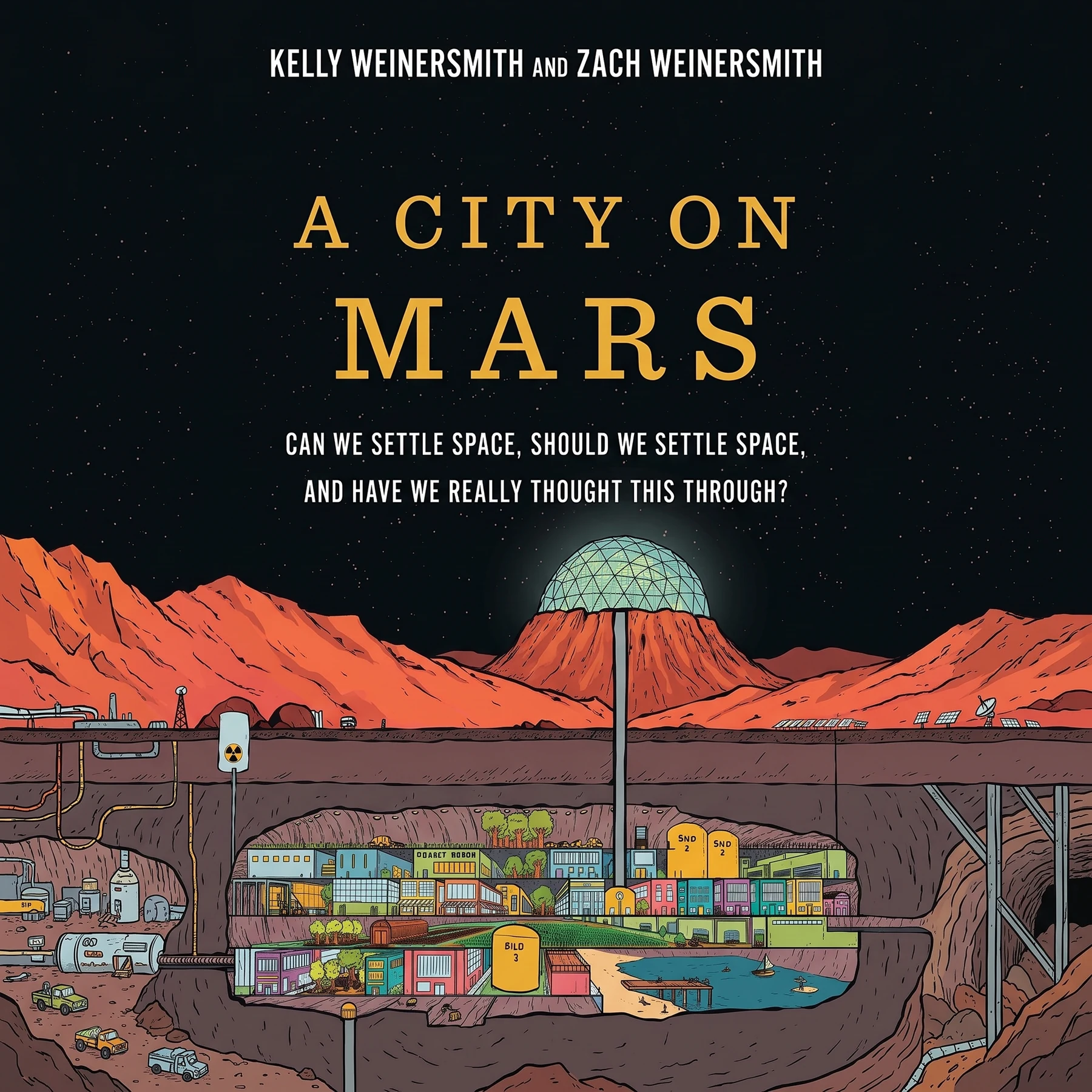
A City on Mars: Can we settle space, should we settle space, and have we really thought this through?
An investigative and humorous look at the realities of space colonization, challenging the popular narrative that moving to Mars or the Moon is a viable or imminent solution for humanity’s problems.
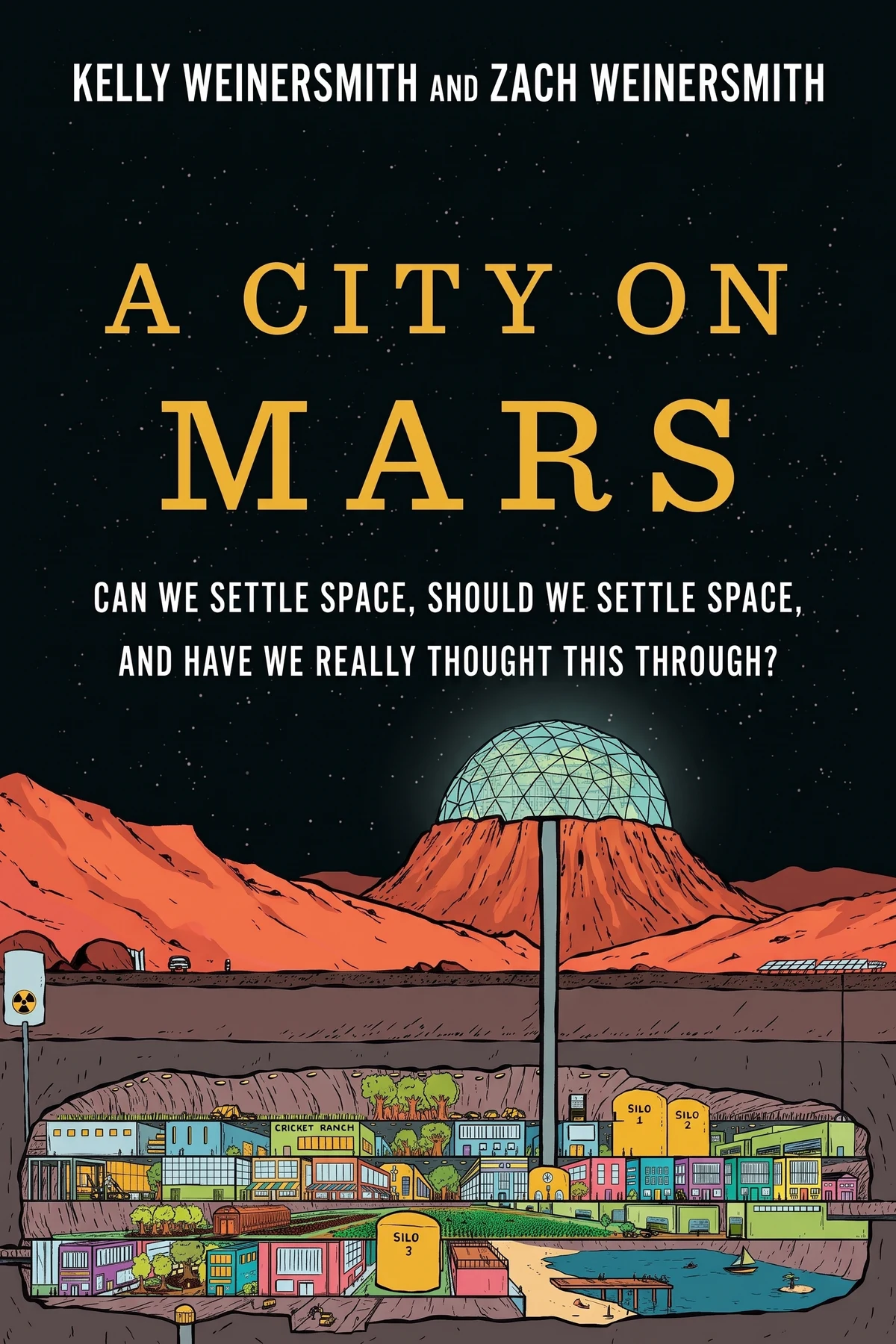
Table of Content
1. Introduction
2 min 07 sec
Lately, it seems like everyone is looking for the exit sign on planet Earth. Between environmental shifts, geopolitical friction, and the general chaos of modern life, the idea of packing a suitcase and heading for the stars has moved from the realm of pulp science fiction into mainstream conversation. We see the sleek rockets, the polished space suits, and the grand promises of billionaire entrepreneurs who tell us that a new life awaits on the Red Planet. It feels like the ultimate ‘Plan B’—a fresh start on a clean slate. But is this vision of a cosmic getaway actually grounded in reality, or are we just projecting our Earthly desires onto a canvas of cold, dead rock?
To understand where we’re really going, we have to move past the glossy promotional videos and look at the actual mechanics of living in a place that actively wants to kill us. Establishing a city on Mars or a base on the Moon isn’t just about building a faster engine; it’s about solving a thousand small, terrifying problems that we often take for granted here at home. We’re talking about everything from how we protect our DNA from cosmic rays to how we manage the waste of a closed-loop society without a forest or an ocean to absorb it.
In this exploration, we’re going to pull back the curtain on the space-settlement hype. We’ll look at why many of our common justifications for going—like getting rich from space gold or ending war—don’t actually hold up under scrutiny. We’ll scout the neighborhood to see if the Moon, Mars, or a giant spinning wheel in the void is actually the best place to call home. Most importantly, we’ll ask the hard questions about the human side of things: the ethics of raising children in a low-gravity environment and the legal nightmare of who actually owns the dirt on another world. This isn’t a journey of pessimistic denial, but rather a necessary reality check for a species that is getting ahead of itself. Before we can live among the stars, we have to understand what it truly means to be a biological creature trapped in the vacuum of space.
2. Challenging the Myths of Space Settlement
2 min 43 sec
Are we heading to space to save the species or just because it sounds exciting? Here, we dismantle the most popular arguments for colonization.
3. Choosing a New Home in a Hostile Neighborhood
2 min 48 sec
If we leave Earth, where do we go? We weigh the pros and cons of the Moon, Mars, and the vacuum in between.
4. The Dirty Business of Space Survival
2 min 49 sec
Living in space isn’t all about looking out of windows; it’s about managing waste and surviving in a windowless bunker.
5. The Ethical Minefield of Space Babies
2 min 28 sec
What happens when we try to raise the first generation of Martians? The biological and ethical hurdles are higher than you think.
6. Laws, Treaties, and the Threat of Star Wars
2 min 26 sec
Space isn’t as lawless as it seems, but the rules we have are old, vague, and potentially dangerous.
7. Conclusion
1 min 48 sec
As we look toward the horizon and the shimmering light of the Red Planet, it’s important to separate the inspiring wonder of exploration from the grueling reality of colonization. Building a city on Mars is a monumental task that we are simply not ready for—not yet. The technological hurdles are massive, the biological risks to the next generation are unknown, and our legal frameworks are dangerously out of date. We are currently in a phase of ‘irrational exuberance,’ fueled by visionary rhetoric and spectacular rocket tests, but the boring, life-sustaining details of soil toxicity and waste management remain largely unsolved.
This doesn’t mean we should stop dreaming or stop exploring. The human drive to see what’s over the next hill is one of our greatest strengths. However, we must approach the stars with a sense of humility. Space is not a backup drive for a broken Earth; it is a laboratory for human endurance and a mirror that reflects our own limitations. Any colony we build will be a fragile extension of our home world, relying on the umbilical cord of Earth’s resources for a very long time.
The most important takeaway is a renewed appreciation for what we have right here. Earth is a miraculous anomaly—a world where the air is free, the soil is full of life, and the gravity is just right. If we spent even a fraction of the energy and money required for a Mars colony on fixing our own environmental and social issues, we might find that we don’t need to leave after all. Our future in the stars may one day be a reality, but that reality will be built on the lessons we learn here at home. Let’s make sure we master the art of living on a planet that loves us before we try to survive on one that doesn’t.
About this book
What is this book about?
This exploration dives deep into the actual logistics of leaving Earth, moving past the flashy headlines of billionaire-led rocket companies to examine the gritty details of survival. It asks whether we are truly ready—biologically, legally, and technologically—to build a civilization on a frozen, irradiated rock. The book promises a reality check for anyone dreaming of a multi-planetary future. By looking at the toxic nature of Martian soil, the terrifying unknowns of pregnancy in low gravity, and the outdated international laws that could spark a lunar war, it provides a sobering yet entertaining perspective. Ultimately, it suggests that while space exploration is a worthy human endeavor, our current fantasies about space settlement may be dangerously premature and ignore the life-support system we already have on Earth.
Book Information
About the Author
Kelly Weinersmith
Kelly Weinersmith is a behavioral ecologist and an adjunct faculty member at Rice University in Houston, Texas. Zach Weinersmith is a prominent American writer and cartoonist, famous for his long-standing webcomic Saturday Morning Breakfast Cereal. Together, this husband-and-wife duo previously co-authored the bestselling book Soonish.
Ratings & Reviews
Ratings at a glance
What people think
Listeners find this work highly educational and supported by top-tier research, while also appreciating the humor woven into its various quips and stories. Additionally, the prose is skillfully composed, offering an experience that is both engaging and mentally stimulating. However, perspectives on space exploration are divided; the content encourages reflection on the realities of colonization, though some describe the outlook as disheartening. There is also mixed feedback regarding the difficulty, as one listener notes it is not too challenging for non-science readers, while others find the material demanding.
Top reviews
Lek
A bucket of ice-cold reality dumped straight onto our collective sci-fi daydreams. Kelly and Zach Weinersmith do something rare in popular science: they dismantle the romantic narrative of near-future space colonies without sounding like joyless scolds. The book walks you through every gruesome logistical hurdle, from the biological nightmare of gestating human fetuses in microgravity to the grim reality of breathing recycled air inside pitch-black lava tubes. Honestly, the chapter exploring hypothetical space cannibalism had me laughing out loud while simultaneously feeling mildly nauseated. Zach’s witty cartoons provide the perfect visual palate cleanser between dense discussions of closed-loop biospheres and the Outer Space Treaty. It turns out that living on Mars wouldn’t be an inspiring frontier adventure; it would be surviving in a freezing, toxic gravel pit governed like a miserable corporate company town. Essential reading for anyone who thinks escaping to the stars is easier than fixing the planet we already have.
Show moreSuthida
The breakdown of why human biology fundamentally rejects space living was equal parts terrifying and deeply fascinating. Everyone loves talking about sleek spaceships and high-tech Martian domes, but nobody stops to think about the horror of razor-sharp regolith or cosmic radiation frying your DNA. Kelly Weinersmith’s scientific background shines brightly here, offering sober clarity where Silicon Valley tech moguls usually offer empty promises. I particularly appreciated the frank exploration of self-sustaining ecosystems and our historic, embarrassing failures to build closed biospheres even right here in Arizona. The writing strikes a brilliant balance between academic rigor and irreverent silliness, complete with ridiculous footnotes that genuinely made me chuckle. Space is not our future backup drive; it is an unforgiving void that wants to crush, freeze, or irradiate squishy humans instantly. This is a brilliant, thought-provoking reality check that every futurist needs on their shelf.
Show moreVarinee
Zach’s trademark SMBC wit paired with Kelly’s meticulous biological expertise makes for an absolute masterclass in science communication. They examine the entire dream of space colonization and systematically reveal just how absurdly underprepared humanity truly is. From the hilarious yet disturbing reality of space cannibalism protocols to the nightmare of raising infants in reduced gravity, every chapter delivers eye-opening insights. What surprised me most was the extensive coverage of legal frameworks; learning how ambiguous property rights could accidentally trigger World War III over a lunar crater was riveting. The book doesn't say we should never explore outer space, but rather that we need to grow up significantly before attempting it. Smart, hilarious, and impeccably researched from beginning to end.
Show moreHenry
Forget the glossy brochures advertising Martian vistas and luxury biodomes; this book is here to remind you that space smells like unwashed gym socks and wants to kill you. The Weinersmiths tackle space expansion not as an inevitable heroic triumph, but as a deeply flawed premise riddled with unaddressed biological, legal, and sociological traps. I loved how fearlessly the authors poked fun at corporate vanity projects while providing serious, peer-reviewed data on radiation sickness, closed-loop farming, and governance. The cartoons scattered throughout are laugh-out-loud funny and help leaven the sobering realization that living off-planet would essentially mean dwelling in cramped, subterranean basements. It completely reframed my perspective on space settlement in the best possible way.
Show morePrinya
Picked this up after seeing a recommendation on Bluesky, expecting a quick romp through rocket science. Instead, I got an unexpectedly thorough education on geopolitics, municipal infrastructure, and why space reproduction is an absolute biomechanical catastrophe. The authors make a compelling case that our grandest obstacles off-Earth aren't just propulsion systems, but human biology and international law. We simply do not understand how partial gravity affects long-term human gestation or child development, which makes permanent settlements ethically dubious right now. To be fair, the extended deep-dive into territorial governance and resource-claim disputes dragged quite a bit during the book's second half. My attention definitely wavered when the discussion shifted from exploding space toilets to dry legal definitions. Still, the charming illustrations and sharp prose keep the heavy topics remarkably accessible.
Show moreKevin
Why is everyone pretending we are five minutes away from building functioning suburbs on Mars? Zach and Kelly Weinersmith cut right through the venture-capital marketing fog to ask the basic, unglamorous questions that nobody else seems willing to address. What happens when your oxygen supplier decides to raise prices? Who owns the only frozen crater containing drinkable water? If a crime happens in a shared habitat, under whose jurisdiction does the offender fall? The authors argue convincingly that humanity lacks the ethical maturity and technological maturity to build off-world societies without reproducing our worst colonial impulses. In my experience with popular science books, authors usually default to breathless cheerleading, so this deeply skeptical perspective was immensely refreshing. Packed with sharp wit and memorable cartoons, this is a phenomenal read.
Show moreNora
Not gonna lie, I was slightly depressed by chapter five after realizing just how utterly uninhabitable our solar system really is. We have all grown up watching sci-fi films depicting sleek space stations and bustling lunar colonies, but the reality is that Mars is an irradiated hellscape with toxic dirt that will ruin your lungs. The Weinersmiths do an exceptional job of explaining complex biological and engineering barriers without ever talking down to the reader. That being said, the extensive middle section covering international space treaties and territorial sovereignty felt a bit sluggish compared to the punchy science chapters. Even so, the authors deliver a desperately needed message: Earth is an astonishing paradise, and throwing trillions of dollars at space escape pods while our own home burns is absolute madness.
Show morePornthip
Call me a romantic, but this book felt like an exhausting buzzkill. While I appreciate the monumental amount of research the authors poured into this volume, their insistence on snarky punchlines wore thin by the third chapter. It reads less like an objective scientific investigation and more like a lengthy podcast script desperate to keep teenagers entertained. The central argument—that settling space right now is foolish, expensive, and legally messy—is hammered into the ground repeatedly across hundreds of pages. You get the point long before you reach the exhaustive chapters parsing archaic maritime law and UN treaties. Look, the scientific warnings about bone density loss and failed closed-loop biospheres are undeniably solid. However, the relentlessly pessimistic perspective completely saps the wonder out of human exploration.
Show moreMax
This book offers a desperately needed reality check, yet it occasionally swerves into exhausting pedantry. There is no denying the depth of scholarship on display; the authors consulted countless specialists and combed through obscure international treaties to construct their arguments. However, their insistence that humanity cannot possibly overcome engineering barriers feels overly fatalistic at points. We went from Kitty Hawk to the Moon landing in sixty-six years, yet the authors treat current low-gravity health risks as practically insurmountable dead ends. The audio version also felt somewhat frantic, as the humorous interjections and footnotes broke up the narrative flow a bit too frequently. Still, if you want a detailed look at the legal and physiological nightmares awaiting future astronauts, it provides plenty of food for thought.
Show moreKasemsan
As an aerospace technician, I went in hoping for rigorous technical solutions, but found an overly cynical pop-culture critique instead. The authors build their entire premise around a strawman argument that private billionaires are somehow on the verge of carelessly launching millions of civilians to Mars tomorrow. To make their case, they repeatedly lean into juvenile jokes and alarmist hypotheticals rather than engaging seriously with emerging engineering milestones. They spend dozens of tedious pages agonizing over international space treaties, treating outdated bureaucratic paperwork as an insurmountable barrier rather than an evolving legal framework. Frankly, dismissing decades of robotic manufacturing advancements and orbital research as futile nonsense felt disingenuous. While the chapters covering radiation shielding and low-gravity muscle atrophy contain valid reminders of human fragility, the overall tone is relentlessly smug. If you want serious astronautics analysis, look elsewhere.
Show moreReaders also enjoyed
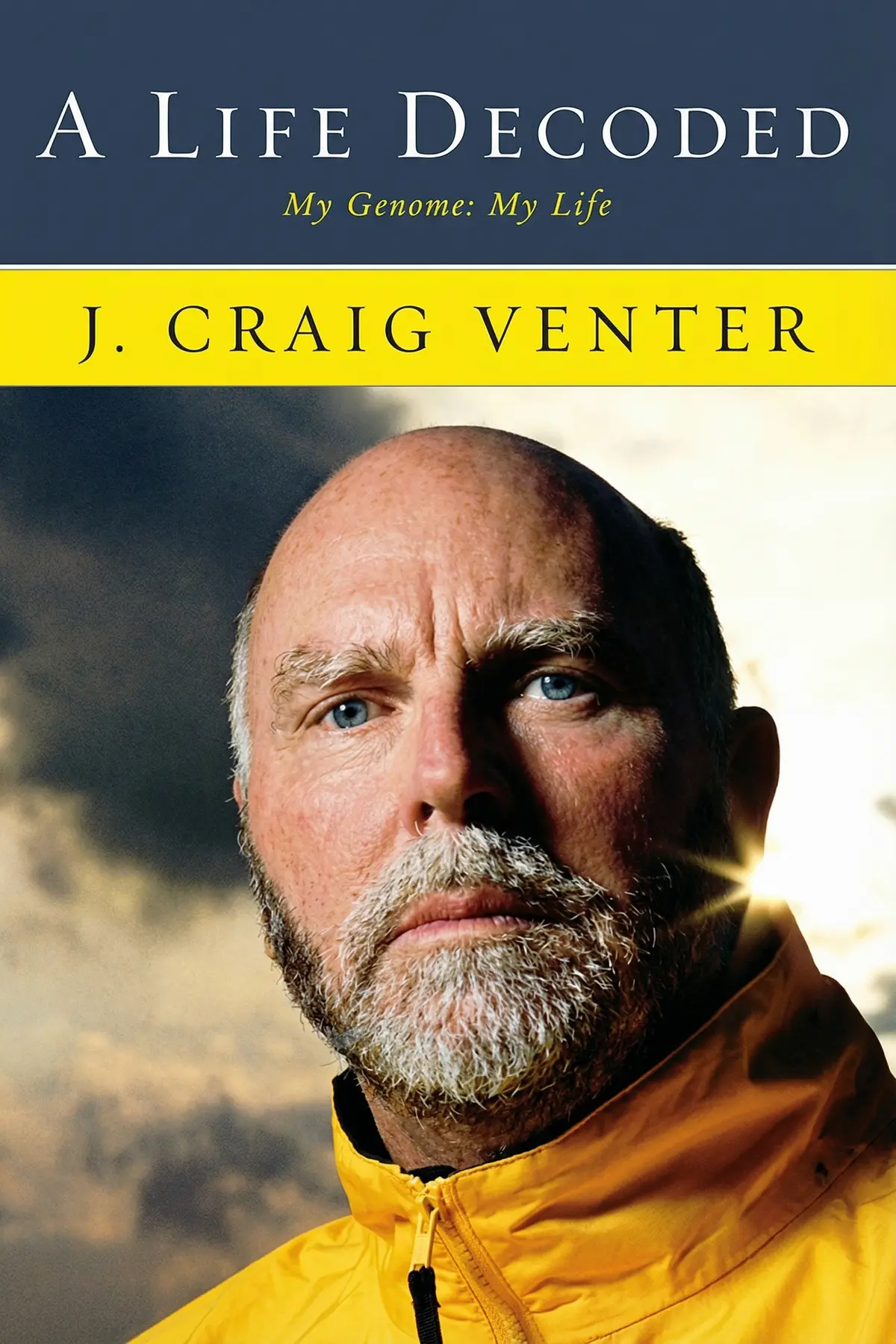
A Life Decoded: My Genome: My Life
J. Craig Venter
A Planet of Viruses
Carl Zimmer
21 Lessons for the 21st Century
Yuval Noah Harari
A Short History of Nearly Everything
Bill Bryson
A Thousand Brains: A New Theory of Intelligence
Jeff Hawkins
AUDIO SUMMARY AVAILABLE
Listen to A City on Mars in 15 minutes
Get the key ideas from A City on Mars by Kelly Weinersmith, plus 5,000+ more titles in English and Thai.
- 5,000+ titles
- Listen as much as you want
- 7-day free trial
- Cancel anytime







