
18 min 53 sec
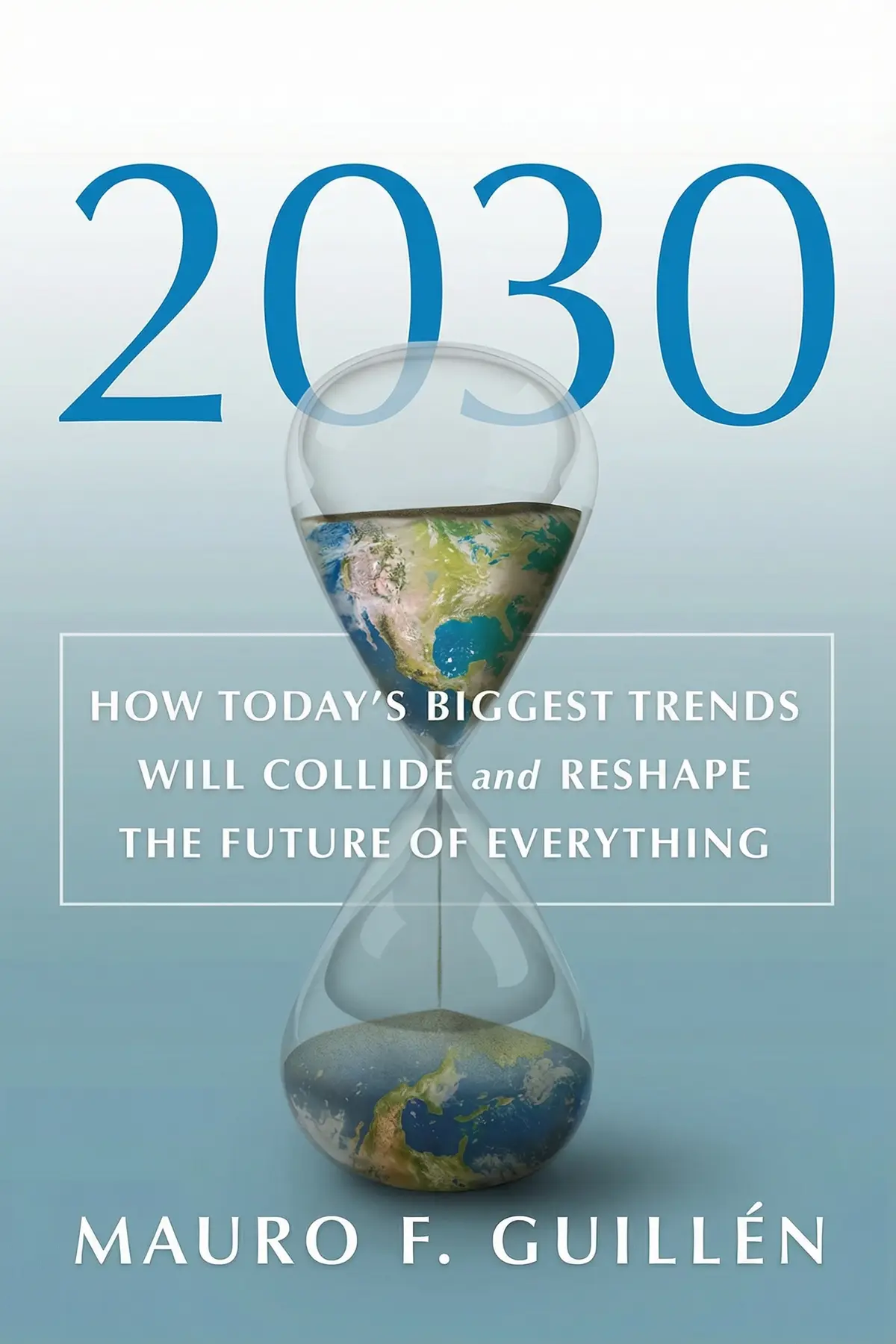
WTF?: What's the Future and Why It's Up to Us
By Tim O’Reilly
Explore how platforms and algorithms are reshaping our world. Tim O’Reilly examines the technological forces driving the future and provides a roadmap for ensuring these innovations serve the common good.
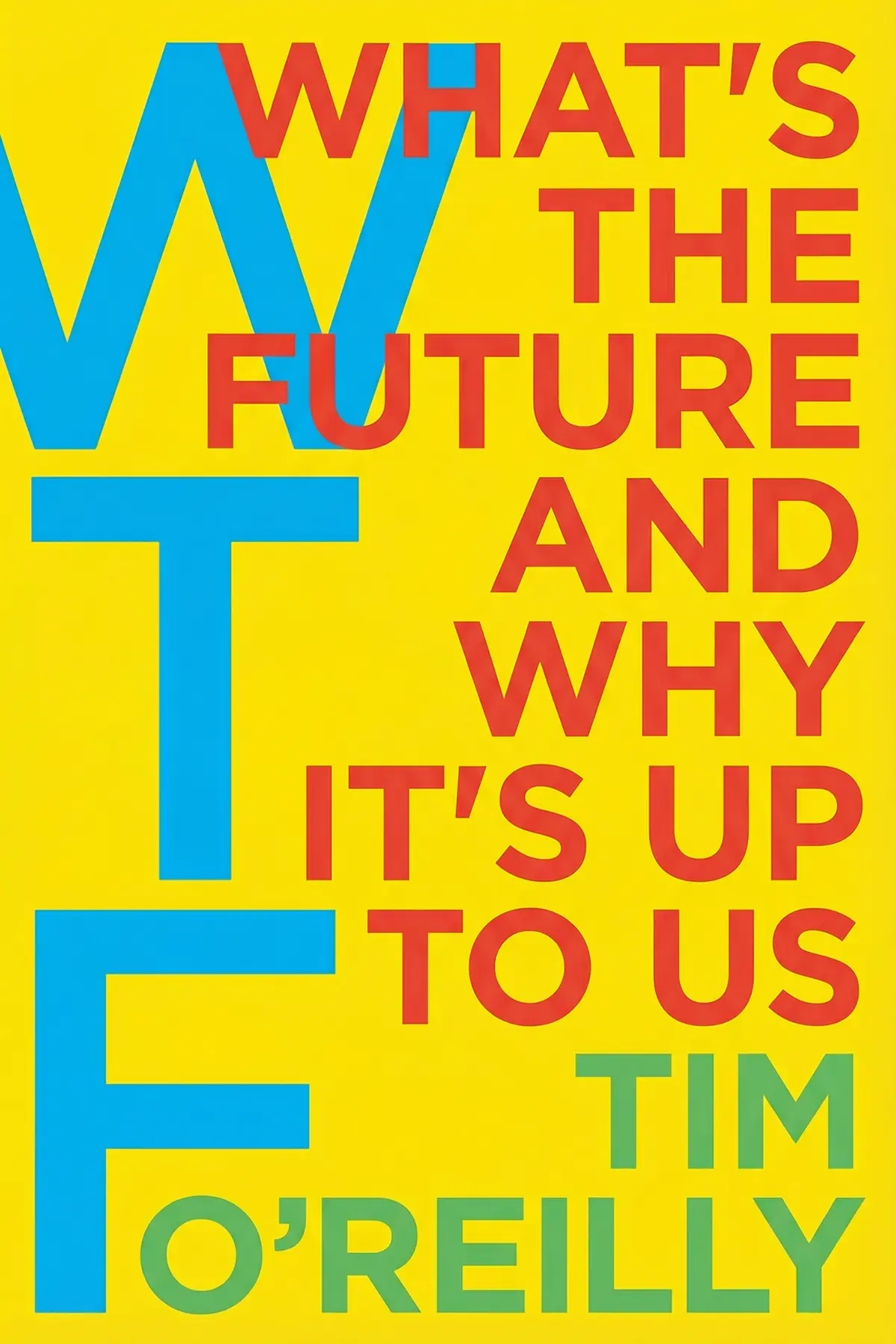
Table of Content
1. Introduction
2 min 03 sec
We have all experienced that specific moment of disorientation. You look at a new piece of technology—perhaps a watch that talks back to you, a car that arrives at the touch of a button, or a computer program that writes poetry—and the only response you can muster is “WTF?” In that acronym, there is a tension. On one hand, there is the “WTF” of pure amazement, the wonder of seeing something that once seemed impossible. On the other hand, there is the “WTF” of dread, the alarm we feel when we realize that the foundations of our world are shifting faster than we can keep up with.
This exploration is about navigating those two extremes. Technology is not an accidental force of nature; it is something we have built. Yet, as our tools become more complex, they can start to feel like they are operating beyond our control. This is especially true of two specific developments: platforms and algorithms. These are the hidden gears of the modern world. They power everything from your social media feed to the global economy.
Our goal today is to pull back the curtain on these systems. We will see how the shift from closed, secret software to open, collaborative platforms changed the rules of business. We will examine how algorithms act like ancient, literal-minded spirits that do exactly what we ask—even if what we ask for has terrible side effects. Most importantly, we will look at how we can stop being passive observers of the future and start being its architects. The throughline here is simple: technology is a tool, and it is up to us to decide what we are going to build with it. We will explore how to move from a state of shock to a state of agency, ensuring that the digital world we are creating is one where humans can still thrive. Whether it is the way we structure our companies or the way we regulate our markets, the future is not a predetermined destination. It is a series of choices. Let’s look at how those choices are being made today.
2. The Shift from Cathedrals to Bazaars
2 min 17 sec
Discover how the move from closed, secretive software systems to open-source collaboration laid the groundwork for the massive digital platforms we use today.
3. Designing Organizations Like Platforms
2 min 14 sec
What if governments and businesses functioned like the App Store? Explore how decentralized, autonomous teams can solve complex problems more effectively than traditional hierarchies.
4. The Algorithm as a Digital Genie
2 min 08 sec
Algorithms are powerful tools, but they can be dangerously literal. Learn why these ‘digital djinns’ require constant human oversight to prevent unintended consequences.
5. When Algorithms Outpace Human Control
2 min 04 sec
In the realms of finance and media, automated systems are already making decisions that have massive real-world impacts, often without anyone realizing it.
6. The Reality of Technological Unemployment
2 min 02 sec
As machines take on more tasks, the nature of work is changing. Explore the rise of the gig economy and what it means for the future of job security.
7. Augmentation Instead of Replacement
2 min 11 sec
Rather than viewing technology as a rival, we should see it as a tool to enhance human capability. Discover the power of ‘augmented’ workers.
8. Rewriting the Rules for a New Era
2 min 07 sec
Old laws don’t always fit new tech. Learn why we need a more dynamic approach to regulation and a shift in our ultimate goals for innovation.
9. Conclusion
1 min 47 sec
As we have seen, the technology of the future is not some distant, alien force; it is built on the foundations we are laying today through platforms and algorithms. We have moved from the closed cathedrals of the past to the open bazaars of the present, and in doing so, we have unlocked a level of innovation that is both exhilarating and terrifying. But the “WTF?” moments we encounter—those flashes of shock and wonder—are a reminder that the story is still being written. The future is up to us, but only if we choose to participate in its creation.
The key is to stop viewing technology as an inevitable tide and start viewing it as a tool that we have the power to direct. This means demanding that our algorithms serve human values rather than just narrow metrics like engagement or profit. It means designing our organizations and governments to be as flexible and collaborative as the platforms we use every day. And it means choosing to augment human potential rather than simply automating it away.
The most important step you can take is to look toward the fringes. Don’t just follow the latest trends; look for the patterns beneath them. Observe where the rules are being broken and where new ways of cooperating are emerging. If you can identify those seeds of the future today, you can help nurture them into something that benefits everyone. Whether you are a developer, a business leader, or simply a concerned citizen, your choices matter. By bringing an ethical mindset and a commitment to the common good to our interactions with technology, we can ensure that when we look at the world of tomorrow, our “WTF?” will be an exclamation of pure delight. The future isn’t something that happens to us—it’s something we do. Let’s make it count.
About this book
What is this book about?
In this deep dive into the digital landscape, we explore the mechanics of the modern economy through the lens of platforms and algorithms. These aren't just technical terms; they are the architectural blueprints for how we work, how we govern, and how we interact with one another. The narrative traces the evolution from closed software systems to the open-source revolution, illustrating how cooperation and transparency paved the way for the giants of today. The promise of this exploration is to move beyond the initial shock of technological change—the "WTF?" moment of bewilderment—and toward a future of "WTF?" moments filled with wonder. By understanding how digital fitness functions and autonomous teams operate, we can begin to address the disruptions of the gig economy and the dangers of runaway financial algorithms. It is a call to action for developers, leaders, and citizens to reclaim the steering wheel of innovation, ensuring that machines augment human potential rather than replace it.
Book Information
About the Author
Tim O’Reilly
Tim O’Reilly is the founder and CEO of O’Reilly Media, a premier technical book publisher dedicated to sharing the latest knowledge and developments in the field. Over the past three decades, he has been a pivotal figure in identifying and shaping the public’s understanding of major technological shifts. He is widely recognized for helping to popularize influential terms such as “open-source software” and “Web 2.0,” cementing his role as a leading voice in the tech community.
Ratings & Reviews
Ratings at a glance
What people think
Listeners find the book to be insightful, with one listener mentioning it offers a personal perspective on tech industry developments, while another characterizes it as a guidebook for our collective future. Furthermore, the writing earns praise for being accessible, containing engaging stories, and maintaining an optimistic spirit. Conversely, the pacing draws a mixed response; one listener feels the style is too boastful, and another finds the content overly idealistic. Finally, the author receives varied critiques, though one listener values their skill in providing competent documentation.
Top reviews
Sudarat
Finally got around to reading this exploration of our digital trajectory, and I found it to be an incredibly necessary manual for the modern era. O’Reilly’s deep roots in the industry provide a perspective you just can’t get from younger analysts who didn't witness the birth of open source. The narrative flow throughout the book is remarkably accessible, blending personal anecdotes with high-level economic theory about how we prioritize shareholder value over societal health. I particularly appreciated the discussion on how algorithms are essentially the new laws of our land. While some might find the historical sections a bit dense, they provide the essential context needed to understand why the 'WTF?' moment is happening now. It’s a hopeful book that doesn’t shy away from the darker realities of our current tech-driven world. Truly, this is a must-read for anyone trying to navigate the next decade of innovation without losing their soul.
Show moreMuk
This isn't just another dry tech business book; it's a call to action for everyone to start working on things that actually matter. O’Reilly argues passionately that we shouldn't use technology to replace people, but rather to give them 'superpowers' to solve the world’s biggest problems. His optimism is infectious, even when he’s describing the potential pitfalls of automation and artificial intelligence. I particularly liked the examples of how user-driven innovation, like hashtags on Twitter, can eventually become core parts of the platform. It’s a book that makes you want to go out and build something meaningful instead of just another app for delivering laundry. The writing is clear and the stories are genuinely engaging, providing a front-row seat to the tech revolution. If you're feeling cynical about the future of the internet, this might be the antidote you need.
Show moreSarawut
What struck me most was the author’s unique perspective on how we've arrived at our current digital crossroads through decades of incremental shifts. This isn't just a memoir; it's an awareness manual that highlights how we've let the financial system stop serving the real economy. O’Reilly’s focus on sharing knowledge instead of hoarding it is a refreshing take in an age of walled gardens and proprietary data. The level of detail here is impressive, likely thanks to a very thorough research staff or a lifetime of meticulous note-taking. While it’s quite a long read at over 400 pages, the chapters are structured well enough that you can jump around to topics that interest you most. It serves as a vital reminder that technology is a tool we choose how to use, not an inevitable force of nature. This is essential reading.
Show moreDome
Wow, what a comprehensive look at how technology is rewriting the rules of our economy and our lives. O'Reilly provides a masterful synthesis of tech history, economic theory, and social commentary that feels both urgent and grounded in reality. The way he connects the dots between the early days of Unix and the current state of on-demand services like Airbnb is nothing short of brilliant. I found the sections on just-in-time learning and the changing nature of education to be particularly inspiring for the next generation. While the book is certainly a tome, the quality of the insights makes every page worth the effort. It challenges you to think about the fitness function of your own life and career in a way few other business books do. This is a rare 5-star book that I’ll be recommending for a long time.
Show moreYam
Ever wonder why certain tech companies feel so predatory despite their slick interfaces? O’Reilly dives deep into the 'fitness functions' of big tech, showing how the metrics we choose ultimately shape the world we live in. I was fascinated by the breakdown of how Google and Facebook optimize for engagement at the cost of truth. However, I did find his glowing descriptions of Jeff Bezos a bit hard to stomach at times, given what we know about warehouse conditions. To be fair, he balances this by critiquing the wider system of venture-backed capitalism that prioritizes quick exits over sustainable growth. The writing style is polished and professional, though it occasionally meanders when he talks about his own influence. Still, the core message about building software that augments humans instead of replacing them is powerful and timely.
Show moreRungrat
As someone who has followed O'Reilly Media for years, I found this to be a competent and thorough documentation of how Silicon Valley lost its way. The shift from 'don't be evil' to 'maximize shareholder value' is tracked with surgical precision throughout these pages. I loved the section on 'algorithmic governance' and the idea that we are essentially training our robot overlords with flawed data. One minor gripe is that the book is quite long and could have been tightened up by about fifty pages. Some of the 'chapter learning' sections felt a bit like blog posts stitched together rather than a cohesive narrative. Nevertheless, the insight into how we can fix our broken economic 'master algorithm' is worth the price of admission alone. It’s a dense read, but one that rewards the patient reader with a much clearer picture of where we are headed.
Show moreJack
Picked this up on a whim after seeing it mentioned in a podcast, and I have to say, it’s a great tour through the technological landscape. O’Reilly has an incredible knack for explaining complex concepts like TCP/IP or algorithmic bias without making the reader feel like an idiot. I particularly enjoyed the section where he takes a scalpel to the world of algorithms and how they drive our decision-making. My only real complaint is the occasional hero-worship of certain tech billionaires who haven't exactly been great for society. It feels like he’s trying to stay in the good graces of his Silicon Valley friends while still trying to play the role of the critical outsider. Despite that tension, the book is incredibly readable and provides a lot of food for thought regarding the future of work.
Show moreChan
Look, I know Tim O’Reilly can come across as a bit of a name-dropper, but the man has actually been in the room for most of these events. If you can get past the occasional ego-trip, there is a wealth of information here about the transition from the old web to the new algorithmic age. He makes a compelling case for why the current focus on 'relevance' in search and social media is insufficient for a healthy society. I was particularly interested in the discussion about how taxpayers funded the research that led to Google, yet the public sees very little of that return. It’s an insightful look at the hidden history of the tech we use every day. The tone is mostly hopeful, which is a nice change of pace from the doom-and-gloom that usually dominates tech journalism.
Show moreTod
To be fair, the first half of this tome is much stronger than the second, which tends to drift into some fairly utopian idealism. I enjoyed the history of the early internet and the explanation of how open source rebranded itself, but the prescriptions for fixing the economy felt a bit disconnected from political reality. He calls for better regulation and a shift in corporate values, which is great, but he doesn't fully grapple with how entrenched interests will fight those changes. The pacing can be a bit slow in the middle, and I found myself skimming some of the more repetitive parts about Uber and Lyft. That said, his points about the 'fitness function' of companies are absolutely brilliant and helped me see my own work in a new light. It's a solid 3-star read that offers value if you're willing to slog through the occasional thought leader fluff.
Show moreIngrid
The author uses the pronoun 'I' far too much for my taste, making it difficult to engage with the actual ideas being presented. It often felt more like a 400-page exercise in name-dropping and self-congratulation than a serious inquiry into the future of technology. Every major milestone in tech history seems to have been something Tim was personally involved in or predicted years in advance. This braggadocious tone is a huge distraction from the few interesting points he makes about algorithmic bias and regulation. Furthermore, the pacing is incredibly inconsistent; he spends way too long on the history of Unix before pivoting to a naive defense of 'disruptive' gig economy companies. Frankly, I expected a more objective analysis from such a respected figure in the industry, but this felt like a vanity project. Save your time and read a more balanced perspective on the digital economy.
Show moreReaders also enjoyed
AUDIO SUMMARY AVAILABLE
Listen to WTF? in 15 minutes
Get the key ideas from WTF? by Tim O’Reilly, plus 5,000+ more titles in English and Thai.
- 5,000+ titles
- Listen as much as you want
- 7-day free trial
- Cancel anytime







