
11 min 51 sec
Battle Hymn of the Tiger Mother
By Amy Chua
Explore the controversial parenting methods of Amy Chua, who argues that unwavering discipline and high expectations are the keys to unlocking a child’s true potential and future success.
Table of Content
1. Introduction
1 min 20 sec
Most modern parents are taught that the best way to raise a child is to nourish their self-esteem, encourage their unique passions, and always be mindful of their feelings. But what if that approach is actually holding children back? In Amy Chua’s memoir, we encounter a very different philosophy. Chua, self-described as a “Tiger Mother,” argues that children possess an incredible capacity for resilience and achievement, provided they are pushed by parents who refuse to accept mediocrity.
This isn’t just a book about getting good grades or practicing an instrument; it’s a deep dive into a cultural mindset that views parenting as a duty to prepare a child for a competitive world. The throughline here is the belief that true self-confidence isn’t something you’re born with or something parents can give through praise. Instead, it’s earned through mastery and hard work. As we explore these ideas, you’ll see the sharp contrasts between Western and Chinese parenting styles and how Chua’s demanding methods played out in her own family. We’ll look at the psychological foundations of the “Tiger Mom” approach, the controversial ways it addresses self-esteem, and why Chua believes this rigorous tradition might be at risk of fading away in the face of Western comforts. Let’s begin by looking at the fundamental divide in how different cultures view a child’s internal strength.
2. Internal Resilience versus Fragile Self-Esteem
1 min 45 sec
How do you respond when your child fails? Discover why some parents believe that protecting a child’s feelings might actually prevent them from developing true inner strength.
3. The Concept of Generational Debt
1 min 52 sec
In some cultures, the relationship between parent and child is seen as a lifelong contract of sacrifice and repayment. Learn how this shapes parental expectations.
4. The Transition from Practice to Passion
1 min 46 sec
Can you force someone to love something? Explore the theory that true enjoyment only comes after the hard work of becoming an expert is complete.
5. Radical Honesty and Unwavering Standards
1 min 52 sec
What happens when you stop sugarcoating the truth? See why blunt feedback and zero-tolerance for ‘B’ grades are staples of the Tiger Mother’s toolkit.
6. The Three-Generation Immigrant Cycle
2 min 02 sec
Success can be its own undoing. Discover why Amy Chua fears that the very success of immigrant parents might lead to the decline of future generations.
7. Conclusion
1 min 14 sec
In the end, Battle Hymn of the Tiger Mother is more than just a list of strict rules; it is a testament to a mother’s belief in the limitless potential of her children. While the methods—the endless practice, the blunt criticisms, and the rejection of typical childhood “fun”—may seem extreme to many, the underlying motivation is a deep, fierce love. Amy Chua’s approach is rooted in the conviction that the greatest gift a parent can give a child is the ability to do something well.
What this really means for all parents, regardless of their cultural background, is a challenge to reconsider our definitions of success and happiness. Are we helping our children by protecting them from every struggle, or are we depriving them of the chance to discover how strong they actually are? The Tiger Mother philosophy suggests that true satisfaction doesn’t come from being told you’re special, but from the hard-earned knowledge that you can tackle the most difficult challenges and come out on top. As you move forward, consider where you might be able to set higher standards—not as a form of control, but as a vote of confidence in the people your children can become. Excellence is a habit, and as Chua demonstrates, it’s one that often starts with a parent who refuses to settle for anything less.
About this book
What is this book about?
Battle Hymn of the Tiger Mother is a provocative look at the clash between Eastern and Western parenting philosophies. Amy Chua shares her experiences raising two daughters using a strict Chinese approach that prioritizes excellence and perseverance over short-term happiness and self-esteem. The book challenges the idea that children should lead their own development, suggesting instead that parents should take an active, authoritative role in shaping their future. Through personal anecdotes and cultural analysis, the book promises to reveal why strictness often leads to achievement. It explores the belief that children are stronger than we give them credit for and that true confidence comes from mastery, not participation trophies. Whether you agree with her methods or find them shocking, the throughline remains clear: high expectations can yield extraordinary results.
Book Information
About the Author
Amy Chua
Amy Chua is the John M. Duff professor of law at Yale Law School. Her book Day of Empire: How Hyperpowers Rise to Global Dominance – and Why They Fall was an acclaimed bestseller. In 2011, she was named one of Time magazine’s 100 most influential people.
Ratings & Reviews
Ratings at a glance
What people think
Listeners find the book a fast-paced and amusing read that provides significant life wisdom and educational theories. They appreciate how the author weaves together dramatic moments and humor, and one listener characterizes it as a self-deprecating chronicle of parenting. Listeners highlight the high quality of the prose, with one specifically pointing out the brisk writing style, and the narrative is lauded for its gentle spirit and positive outcomes. The work draws varied opinions regarding its pacing, with some describing it as provocative while others find it unsettling.
Top reviews
Paisley
Picked this up thinking I’d find a manual for child abuse, but I actually found a deeply self-deprecating and hilarious memoir. To be fair, Amy Chua is an extreme personality, but her writing is so fast-paced and witty that it’s hard to look away. The infamous incident with the rejected birthday cards sounds harsh, yet in the context of the whole book, you see she’s trying to teach them that effort matters more than a three-minute scribble. I loved the way she balanced the drill-sergeant antics with genuine vulnerability, especially when her younger daughter Lulu finally starts to rebel. It’s an entertaining look at a family that is clearly high-functioning, even if their methods are totally alien to most of us. By the time they get to Red Square, you realize this isn't just about music practice; it's about a mother’s intense, if sometimes misguided, love. Definitely a provocative read that makes you question your own educational philosophies.
Show moreMoon
The truth is, most of the people attacking this book haven't actually read it to the final chapter. It is a brilliant, self-aware, and often hilarious account of a mother who realizes she might have pushed too far. I found the 'Tiger Mother' persona to be part of the drama, and Chua’s ability to poke fun at her own obsession makes the book very readable. The sections on piano and violin drills are intense, but they lead to such happy endings when the girls finally master their pieces. It’s a story about the immigrant drive and the desire to give your children the tools to survive in a cut-throat world. Her husband provides a great 'Yin' to her 'Yang,' and the family dynamic is actually quite touching. Frankly, I think we need more of this honesty in parenting books today instead of the usual sugar-coated advice. It’s a quick and entertaining read that I couldn't put down.
Show moreHassan
This book is a total roller coaster that had me laughing one minute and gasping the next. I’ve read a lot of memoirs, but few are this raw about the mistakes we make as parents. Chua is a 'Tiger Mother' in every sense, but she’s also a mother who clearly adores her daughters. The way she describes the hours spent at the piano feels like a battle hymn indeed. Her daughters turned out to be amazing, accomplished young women, which suggests that maybe her 'Gestapo' methods weren't purely destructive. It’s a fast-paced, entertaining, and highly provocative look at what it takes to be the best. I loved the humor she brought to her own failures and the way the book ends on a note of mutual respect. It’s a great read for anyone who wants to think seriously about educational philosophies and the meaning of childhood.
Show moreMalee
As a middle school teacher who sees both over-scheduled 'superkids' and totally checked-out parents, this book struck a massive chord with me. Amy Chua is a polarizing figure, but her argument that 'nothing is fun until you're good at it' is a life lesson that modern education often ignores. Not gonna lie, the practice sessions sounded like a nightmare, especially the midnight drills. However, the writing quality is excellent and the story moves with a surprising amount of humor. I found the contrast between the compliant Sophia and the fighter Lulu to be the most compelling part of the narrative. To be fair, Chua acknowledges her own mistakes toward the end, which makes the book feel more like a journey of growth than a static manifesto. It’s a tenderhearted ending for a story that starts out so aggressively. It’s not a perfect philosophy, but it’s a fascinating perspective on the drive for excellence.
Show moreHom
After hearing the media firestorm, I expected Amy Chua to be a monster, yet her writing is surprisingly witty and human. The book is less a 'how-to' and more of a self-deprecating account of a woman who is obsessed with her children's success. Look, I don't agree with the Gestapo-style discipline, but I found myself laughing at her descriptions of the family dogs and her husband Jed’s 'Nice Daddy' routine. The Greek vacation practice sessions were absolutely over the top, but the narrative is so fast-paced that you just keep turning pages. It reads almost like fiction because the intensity of their daily life is so high. While I think her definition of 'Western parenting' is a bit of a straw man, her point about building true confidence through hard work is valid. It's a provocative read that forced me to look at my own parenting style in a new light.
Show moreVilaiporn
Not what I expected at all! Instead of a cold, calculated guide, I found a chaotic and emotional story about a mother trying her best. To be fair, 'her best' involves a lot of shouting and banning playdates, which I would never do. But her passion for her children's future is undeniable. The chapter where she rejects those 'mediocre' birthday cards was a hard pill to swallow, yet I understood the point she was making about not settling for the bare minimum. The book is very fast-paced and manages to be funny even during the most tense moments. I especially liked the 'Nice Daddy' vs 'Tiger Mother' dynamic; it felt like a real marriage. It’s an entertaining look into a world of high-stakes music competitions and academic pressure. Even if you hate her methods, you can’t deny that the book is well-written and deeply honest.
Show moreSawit
Personally, I found this to be a fascinating study of the immigrant drive and the psychological cost of excellence. Chua doesn't hide her flaws, and her description of the 'vicious circle' of practice is brutally honest. It’s a balanced approach in the sense that she shows the rewards of her method—the beautiful performances and the girls' poise—alongside the crushing pressure. The relationship between Sophia and Lulu is the heart of the book, showing how two different personalities react to the same intense environment. I was particularly struck by the scene in Red Square; it felt like a necessary breaking point for the whole family. The writing is precise and thorough, making it a very quick read. While some parts made me cringey, the overall narrative is tenderhearted. It’s a book that stays with you long after you finish the last page.
Show morePhimwan
Ever wonder where the line is between extreme discipline and total control? This book explores that boundary in a way that is both fascinating and deeply uncomfortable. The writing is incredibly fast-paced, and Chua is undeniably a talented storyteller, even when she’s describing something as mundane as a practice schedule. However, I struggled with her labels of 'Chinese' and 'Western' parents, which felt like massive overgeneralizations. In my experience, parenting is much more nuanced than the binary she presents. While I appreciate the life lessons regarding hard work and resilience, the lack of balance in their lives during the girls' early years was hard to stomach. It’s a provocative memoir that will spark endless debates, but I wouldn't call it a 'primer.' It’s more of a cautionary tale about what happens when you try to force a child to be a perfect version of yourself. A mixed bag, but certainly worth a read for the discussion it generates.
Show moreKet
Gotta say, I found this book to be pretty arrogant and narrow-minded. The constant bragging about Ivy League degrees and Carnegie Hall performances got old very quickly. Personally, I don't see why a child’s worth should be tied entirely to their ability to play the violin perfectly. She presents a very limited view of success, as if being a doctor or a lawyer are the only acceptable paths in life. The way she dismissed her husband’s attempts to let the girls have a social life was frustrating to read. Even though the writing is technically good and the pacing is quick, the underlying message is just too unsettling for me. It feels like she’s training animals rather than raising humans with their own unique personalities. I’m glad Lulu fought back because it proved that kids aren't just puppets for their parents' ambitions.
Show moreSaengdao
Wow, just wow—and not in a good way. I felt unsettled from the first chapter where she starts labeling children as 'garbage' for not being perfect. Frankly, it’s a brag book disguised as a memoir, and the smug tone makes it nearly impossible to empathize with her. How can a father just stand by while his daughters are humiliated over violin posture for hours on end? The way she treats her daughter’s emotional outburst before a funeral was chilling. She calls this 'Chinese parenting,' but as someone from a similar background, her methods feel more like a power trip than a cultural tradition. It’s a repetitive cycle of screaming and practice that left me feeling exhausted rather than inspired. If you value your sanity and believe children should actually have a childhood, skip this one. I am honestly shocked that this is seen as a parenting guide by anyone.
Show moreReaders also enjoyed

A Long Way Gone: Memoirs of a Boy Soldier
Ishmael Beah

All Creatures Great and Small
James Herriot

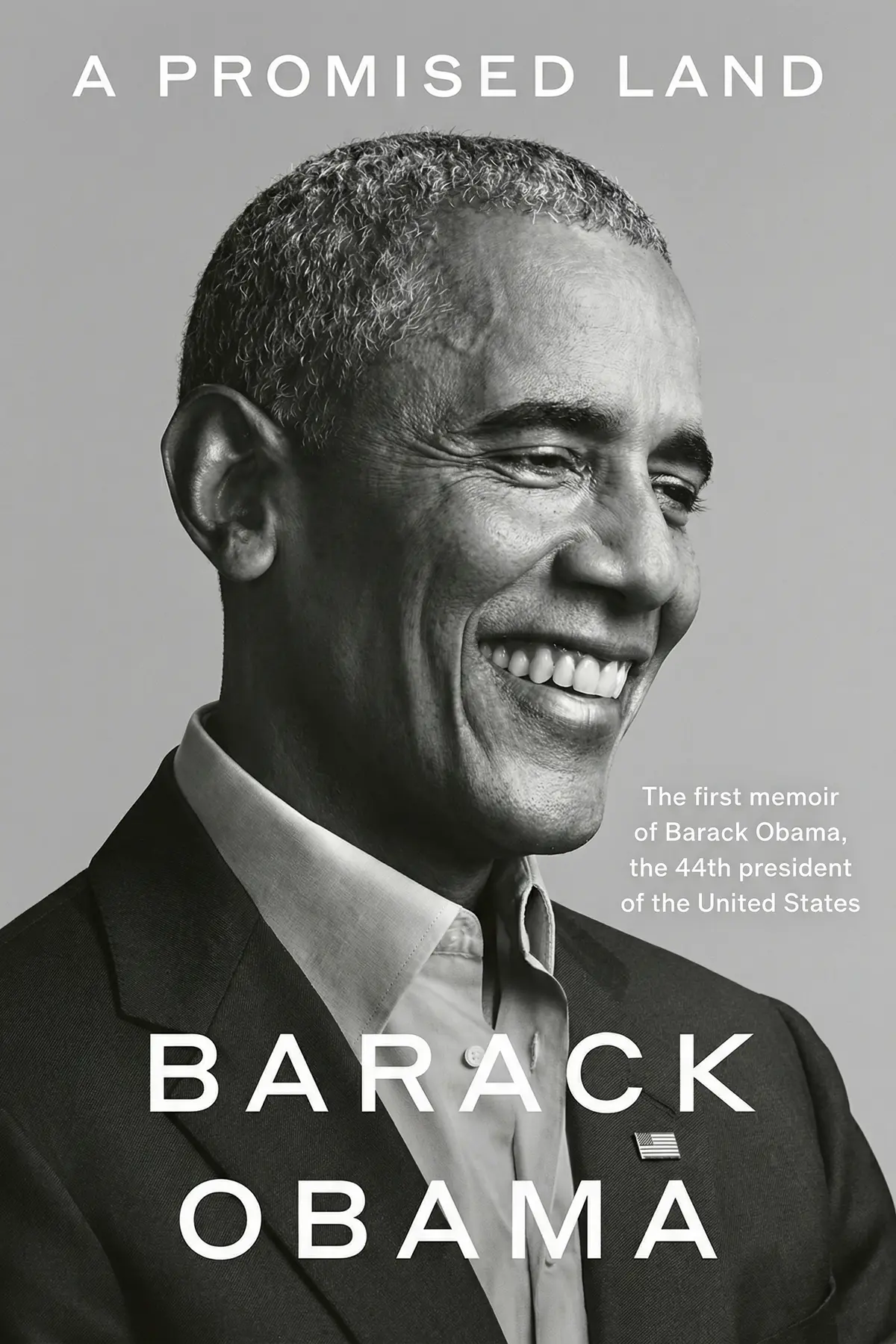
A Promised Land
Barack Obama
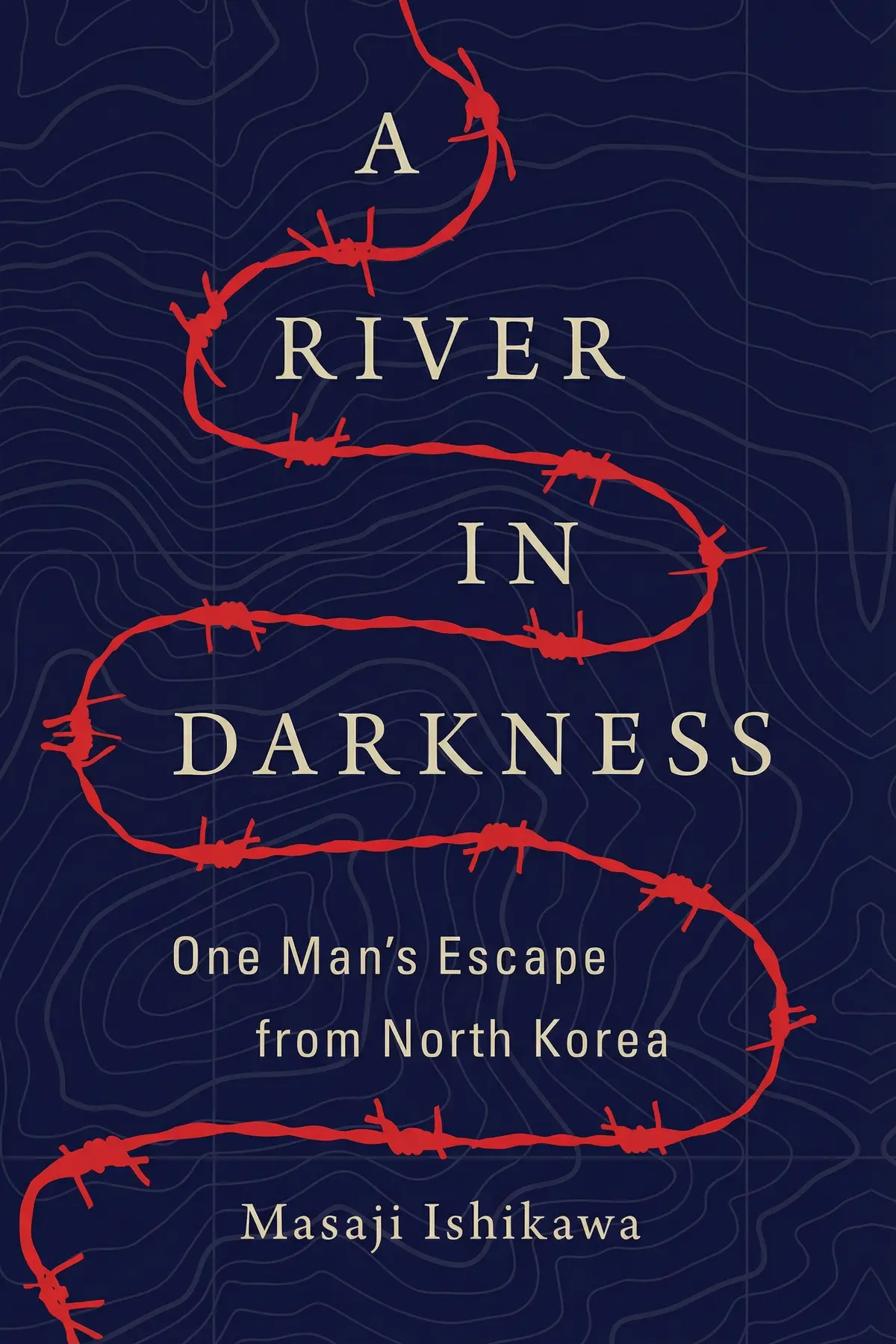
A River in Darkness: One Man’s Escape from North Korea
Masaji Ishikawa
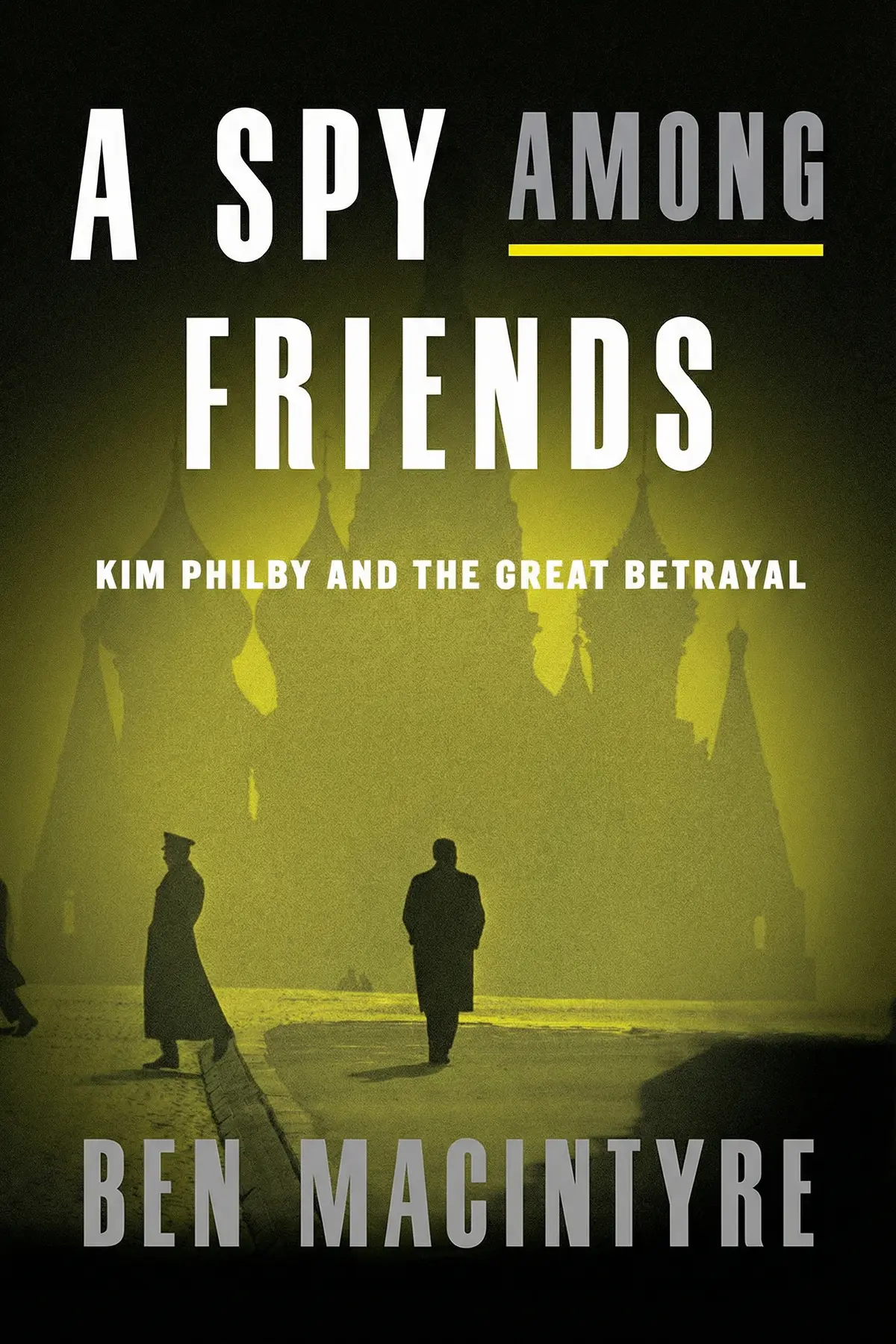
A Spy Among Friends: Philby and the Great Betrayal
Ben Macintyre

A Year in the Life of William Shakespeare: 1599
James Shapiro
AUDIO SUMMARY AVAILABLE
Listen to Battle Hymn of the Tiger Mother in 15 minutes
Get the key ideas from Battle Hymn of the Tiger Mother by Amy Chua, plus 5,000+ more titles in English and Thai.
- 5,000+ titles
- Listen as much as you want
- 7-day free trial
- Cancel anytime







