
18 min 16 sec
Adventures in Human Being: A Grand Tour from the Cranium to the Calcaneum
Adventures in Human Being offers a profound exploration of the human body through the eyes of a physician. It blends medical history, anatomy, and cultural mythology to reveal the complexity of our physical selves.
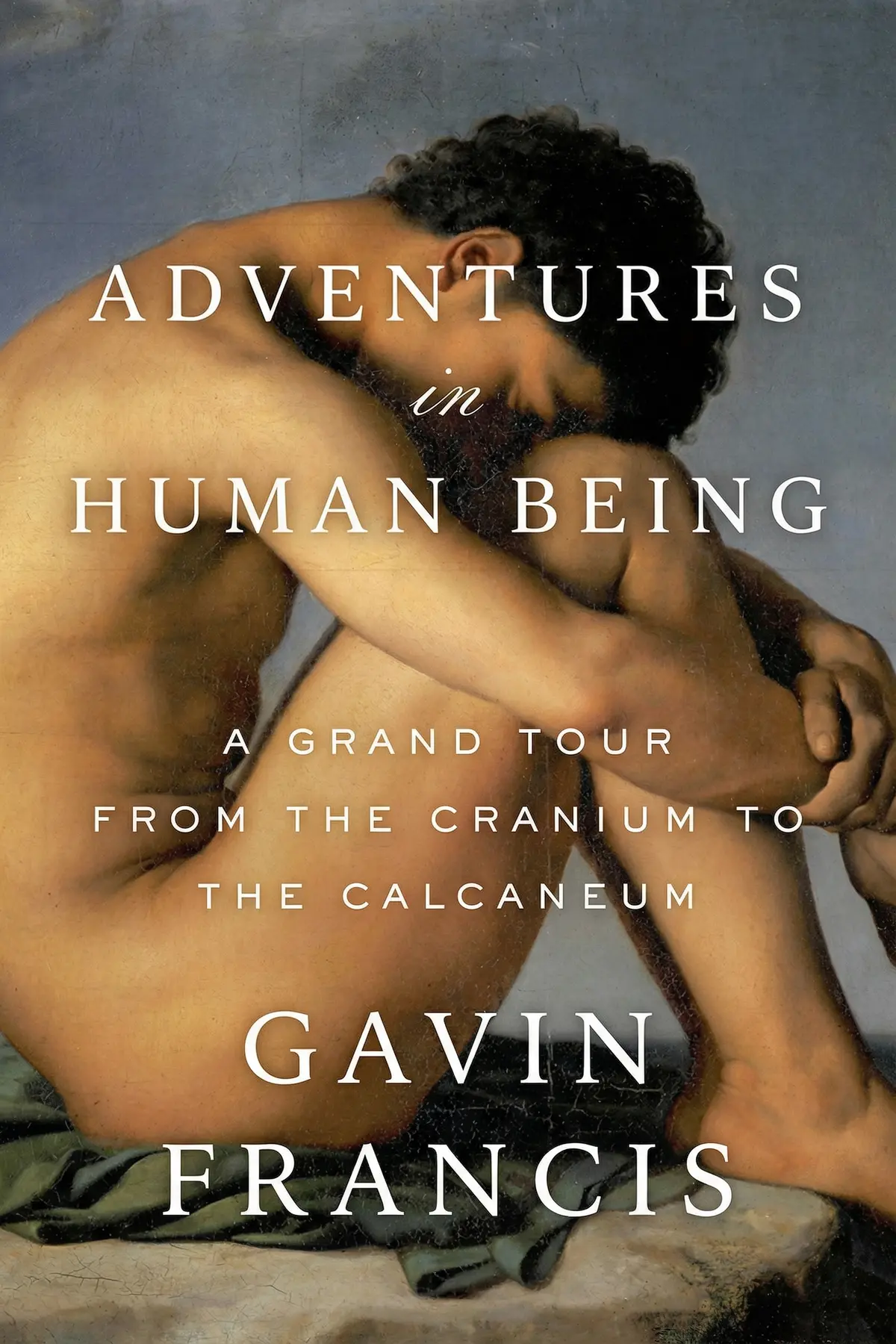
Table of Content
1. Introduction
1 min 26 sec
When we think of exploration, we often imagine vast oceans, distant planets, or dense, untamed jungles. We picture ourselves as pioneers stepping into a world that has never been mapped. But what if the most complex and mysterious territory in the universe was something you carried with you every single day? This is the central premise of our journey today. We are embarking on a grand tour of the human body, not merely as a collection of biological parts, but as a landscape rich with history, culture, and profound beauty.
In this exploration, we will move through the body’s various systems and organs, viewing them through the specialized lens of a physician who has seen the body at its most vulnerable and its most resilient. We aren’t just looking at charts and diagrams; we are looking at the stories written in our flesh and bone. Our throughline today is the search for the ‘most human’ organ—the one part of us that truly defines our species and our individual identities.
As we travel from the surface of the face to the depths of the internal organs and down to the very foundations of our feet, we will see how our anatomy informs our myths, how our history shapes our medicine, and how our physical form dictates the way we interact with the world. Prepare to see yourself in an entirely new light as we begin this deep dive into the extraordinary reality of being human.
2. The Narrative of the Face
2 min 15 sec
Your face is more than just a mirror of your identity; it is a physical map of your life’s most frequent emotions and habits.
3. The Cultural Significance of the Placenta
2 min 14 sec
Though it is the only temporary organ in the human body, the placenta holds a permanent place in global traditions and modern medicine.
4. The Brain's Surprising Malleability
2 min 14 sec
Witnessing the brain during live surgery reveals a level of resilience and adaptability that challenges our understanding of biological limits.
5. The Vitality of the Pulse
2 min 06 sec
The rhythmic beating of the heart is more than a sign of life; it is a physiological necessity for the health of our entire body.
6. Genitals and the Pursuit of Pleasure
2 min 03 sec
Human sexuality is unique because it often exists entirely independently of reproduction, driven by a complex bioelectric surge of pleasure.
7. The Kidney as a Vessel of Altruism
2 min 02 sec
The kidney stands as a powerful symbol of modern medical miracles and the extraordinary capacity for human generosity.
8. The Foot and the Path to Humanity
2 min 15 sec
While we often credit our brains or hands for our success as a species, it was the engineering of our feet that first set us apart.
9. Conclusion
1 min 41 sec
Our tour of the human landscape has brought us from the expressive nuances of the face to the steady, life-giving pulse of the heart, through the resilient corridors of the brain, and down to the foundational engineering of the feet. Along the way, we’ve seen that there is no single organ that can claim the title of ‘most human.’ Instead, our humanity is found in the interplay between our physical parts and the meanings we assign to them. We are a species defined as much by our capacity for altruism—as seen in the gift of a kidney—as we are by our evolutionary history.
The throughline of our exploration is that the body is not merely a biological machine; it is a living vessel of history, culture, and individual experience. Each organ we’ve discussed serves as a bridge between the physical reality of our survival and the metaphysical reality of our lives. The way your face wrinkles with a smile, the way your brain adapts to change, and the way your heart requires a rhythm to thrive are all parts of a larger, beautiful whole.
As you move forward from this summary, take a moment to appreciate the incredible complexity of the skin you live in. The next time you feel your pulse or watch a loved one’s expression change, remember that you are witnessing a grand tour of human existence in real-time. Your body is a map, a history book, and a miracle all at once. By understanding the ‘why’ behind our anatomy, we can learn to live with more intention and wonder, honoring the grand tour that is being a human being.
About this book
What is this book about?
Adventures in Human Being is an evocative journey through the landscape of the human body, led by physician and writer Gavin Francis. Moving from the cranium down to the calcaneum, the narrative explores the intricate systems that sustain us, but it goes far beyond simple biological descriptions. Francis bridges the gap between the clinical and the cultural, examining how our understanding of various organs has been shaped by history, art, and philosophy. The book promises a transformative perspective on the physical form we often take for granted. By investigating the stories behind our anatomy—from the way facial muscles reveal a life’s worth of emotion to the evolutionary significance of the upright foot—it invites readers to see the body as a living record of human experience. It is a celebration of both the resilience of our biological systems and the rich tapestry of myths and traditions that have grown around them over millennia. Ultimately, it seeks to answer what it truly means to exist within a human frame, highlighting the beauty found in both health and pathology.
Book Information
About the Author
Gavin Francis
Gavin Francis is a versatile medical professional with a background spanning pediatrics, surgery, emergency medicine, and neurosurgery. His career has taken him to the far reaches of the globe, including roles as an expedition medic in both the Arctic and Antarctic. Currently, he practices as a family physician in Edinburgh, Scotland, where he lives with his family. Francis is also an accomplished writer, having penned two travelogues based on his polar experiences: True North and Empire Antarctica. The latter was distinguished as the Scottish Book of the Year in 2013.
Ratings & Reviews
Ratings at a glance
What people think
Listeners find the book absorbing and accessible for the general public, featuring high-quality prose and narratives that cover everything from common injuries to rare ailments. They value the depth of expertise presented; one listener highlights the vast scope of medical knowledge, while another points out the intriguing details regarding evolutionary perspectives and history. The author’s sincere tone and narrative style earn praise.
Top reviews
Bond
Ever wonder what really happens when a surgeon opens up a skull? This book is a magnificent journey from head to toe, blending clinical expertise with a surprisingly poetic touch. Dr. Francis shares a fascinating anecdote about a neurosurgeon who compared brain surgery to 'gardening' rather than high-stakes micro-engineering, which totally changed my perspective on the field. The way he weaves together the history of medicine with modern practice is seamless. For instance, I had no idea the liver was the only organ capable of regenerating itself so effectively. It is refreshing to see a doctor who respects the literary roots of his craft, citing the Iliad for its anatomical accuracy while treating his own patients with deep empathy. This isn't just a textbook; it’s a celebration of the human machine in all its messy, fragile glory. Truly one of the best books in this genre I've encountered in years.
Show moreChaiwat
Wow, what a beautiful and sensitive look at what it means to be alive. Dr. Gavin Francis is not just a surgeon; he is a storyteller who sees the poetry in a pulse. The way he connects classical literature—like the injuries in the Iliad—to modern emergency room cases is absolutely brilliant. I found the section on the brain particularly moving, especially his description of the delicate balance between life and death during surgery. He brings a personal touch to every subject, whether he's discussing the regeneration of the liver or the trauma of a broken shoulder. Personally, I think the book is highly entertaining and perfect for anyone who wants to learn surprising facts to share at parties. Did you know people used to think simultaneous orgasms were required for conception? It’s full of little gems like that. It’s a deeply respectful and enlightening journey through the human frame.
Show moreSaowalak
As someone who usually finds science books a bit dense, I was pleasantly surprised by how accessible this was. Gavin Francis has a gift for explaining medical procedures in a way that feels like a conversation rather than a lecture. I loved the head-to-toe format; it felt like a guided tour of a complex museum. The most memorable part for me was the chapter on the liver and its amazing ability to grow back. It’s also fascinating to see how much we owe to military medicine. The author’s background as a GP and ER specialist gives him a wide range of stories to draw from, making the book feel very comprehensive despite its quick pace. Not a single chapter felt like filler. If you have even a passing interest in how your body works, you should definitely pick this up. It’s an engaging, heartfelt, and eye-opening read.
Show moreThanakorn
This book reads like a series of thoughtful, interconnected essays rather than a dry medical manual. Gavin Francis takes the reader through the body's various systems, using patient stories to ground the science. I particularly enjoyed the chapter on the liver and the strange historical beliefs about conception that persisted until the 1700s. While some of the transitions into philosophy felt a little forced, the medical anecdotes were consistently gripping. His respect for military doctors and their trauma-care expertise was an eye-opener for me as a layperson. Not gonna lie, some of the descriptions of injuries—like the motorcyclist with the paralyzed arm—were a bit hard to stomach, but they highlight the complexity of our nerves and bones. It’s a solid, engaging read that makes you appreciate the simple act of breathing or moving your hand. Highly recommended for fans of Atul Gawande or Henry Marsh.
Show moreGabriel
Picked this up during a long flight, and it was the perfect companion. Francis has a way of making complex anatomy feel accessible without ever talking down to the reader. The structure of moving from head to foot works well, giving the book a natural rhythm. I was especially struck by the connection he drew between a simple thorn bush infection and the story of Sleeping Beauty; it’s that kind of literary flair that sets this apart from a standard science book. However, I did feel he painted himself as a bit too much of a 'perfect' doctor at times. Every interaction with a patient seemed to have the textbook perfect response, which felt slightly less authentic than the raw vulnerability you see in books like Do No Harm. Still, the breadth of medical knowledge on display is impressive. It’s a very nice read if you can overlook the occasional clinical detachment.
Show moreBee
After hearing so much about medical memoirs lately, I finally dived into this one. It is a series of essays that manage to be both educational and deeply human. Francis avoids excessive jargon, which I appreciated, focusing instead on how our bodies break and how we try to fix them. The chapter on the wrist and hand was a highlight for me, especially the detailed look at how we've learned to treat trauma through the experience of battlefield medics. To be fair, he does approach the body mostly as a machine, which might feel a bit reductionist to readers looking for a more psychological or spiritual exploration. But for a purely clinical and historical focus, it hits the mark. The writing is smooth and the pace is fast, making it easy to digest in short sittings. It's a fascinating tour of our own internal geography.
Show moreEleni
Gavin Francis takes us on a literal head-to-toe tour that feels part travelogue and part anatomy lesson. He has this wonderful ability to blend personal experience with folk tales and history, like linking a thorn infection to Sleeping Beauty. The book is filled with surprising facts that make you realize how little we actually know about our own bodies. I especially appreciated his insights into the pressure military doctors face and how that translates to civilian care. My only real gripe is that he occasionally comes off as a bit of a know-it-all in his patient interactions, which can be a little annoying. But the writing itself is very smooth and the technical information is kept to a minimum, which keeps the momentum going. It’s an intriguing, sometimes endearing look at the complex machine we inhabit every day. Definitely a good one for the bookshelf.
Show moreNam
To be fair, the anecdotes about patients are the strongest part of this collection. When Francis sticks to the medicine and the concrete cases, the book is quite interesting. However, I found it a bit clunky whenever he tried to be too literary or philosophical. It felt like he was checking boxes rather than offering deep insights. For instance, the section on the 'wink with both eyes' was a bit of an odd metaphor that didn't quite land. Look, it’s a decent book for a plane ride and you will definitely pick up a few novel facts, but it isn't something that will stay with me for a long time. It feels a bit like a high-quality blog series that was bound into a book. It’s informative and readable, but it lacks the 'revelatory' quality of the best medical writing. A middle-of-the-road experience for me.
Show morePreeda
Frankly, I expected more depth regarding the psychological side of healing. While the clinical descriptions are top-notch and the historical trivia is fun, the book treats the body as a series of mechanical parts. Francis is clearly a brilliant doctor, and his expertise in procedures is obvious, but the human element felt a little secondary to the 'facts.' I found myself skimming some of the more technical sections. It reminds me a bit of a more modern version of those old Picador medical anecdote books, but with slightly less enthusiasm. It’s not that it’s a bad book—it’s actually quite well-written—it just didn’t grab me the way I hoped it would. The scenes describing brain surgery were definitely hard to stomach. It’s worth a read for the facts, but don't expect a deeply emotional or life-changing experience.
Show moreSai
The truth is, I found this incredibly dry compared to the works of Gonzalez-Crussi. Where Gonzalez-Crussi made even the most mundane parts of the body sound majestic and philosophical, Francis feels a bit too technical and, frankly, a bit dull. These are recounted chapters with plenty of erudition but none of the wit or charm I was expecting. He covers the body from head to toe, but the facts didn't really stick with me. For example, the section on the eyes and face felt like a series of clinical notes rather than a compelling narrative. I also found his 'hero' persona a bit grating—he never seems to make a misstep or have a moment of doubt. It's an okay resource for basic facts in layman's terms, but it lacks the soul and 'wow' factor that makes a science book truly memorable for me.
Show moreReaders also enjoyed

Alien Earths: The New Science of Planet Hunting in the Cosmos
Lisa Kaltenegger
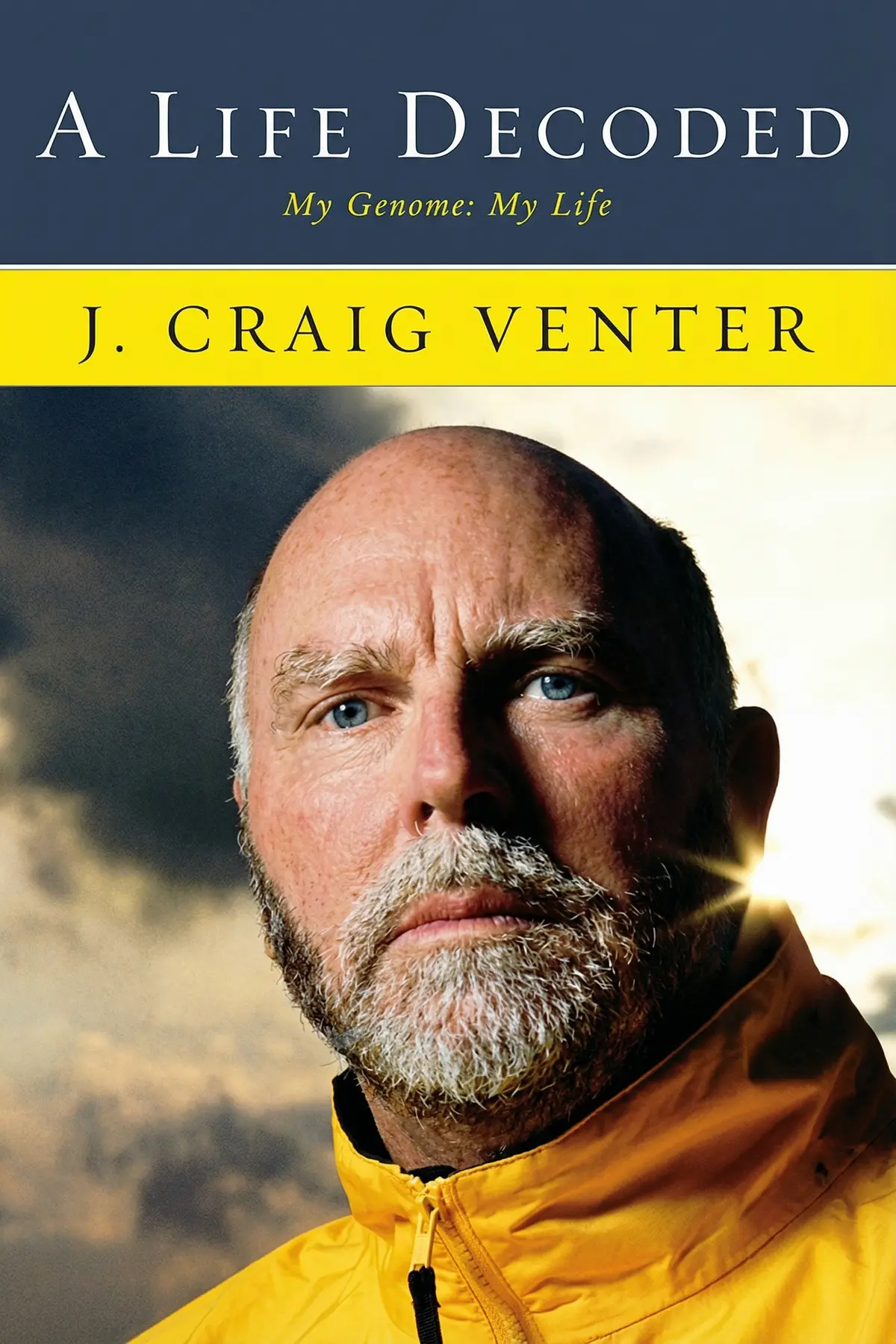
A Life Decoded: My Genome: My Life
J. Craig Venter
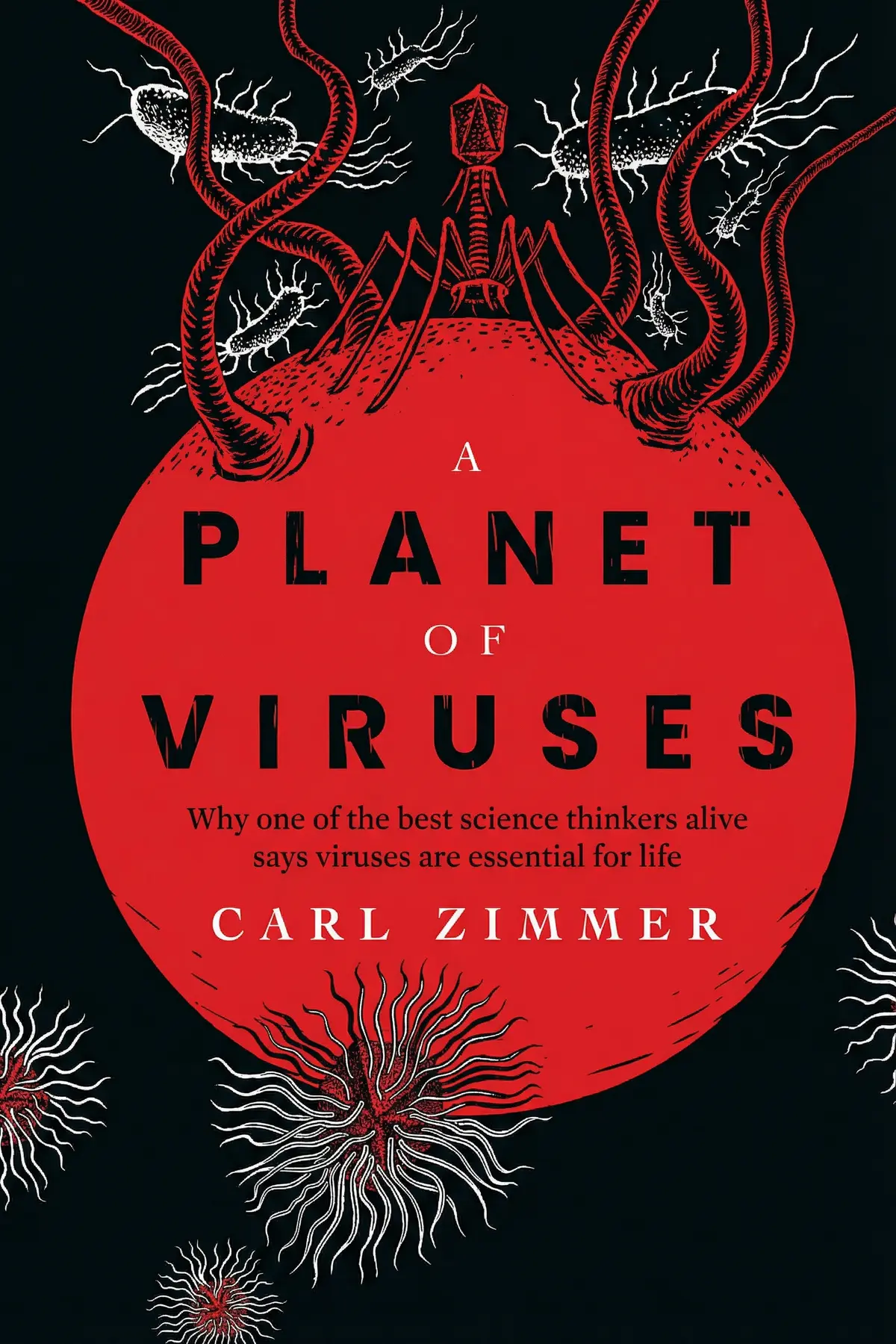
A Planet of Viruses
Carl Zimmer
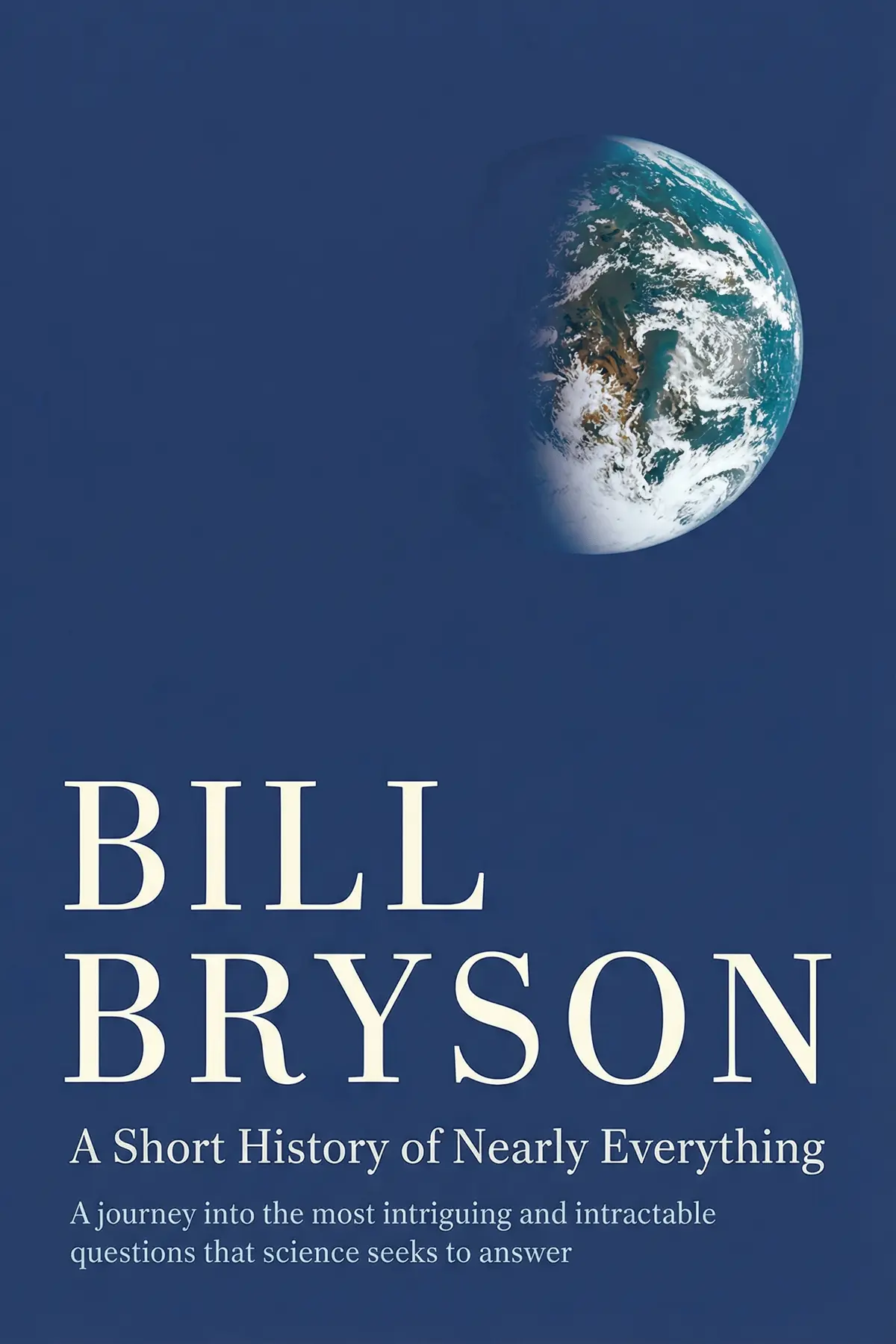
A Short History of Nearly Everything
Bill Bryson
AUDIO SUMMARY AVAILABLE
Listen to Adventures in Human Being in 15 minutes
Get the key ideas from Adventures in Human Being by Gavin Francis, plus 5,000+ more titles in English and Thai.
- 5,000+ titles
- Listen as much as you want
- 7-day free trial
- Cancel anytime







