
18 min 02 sec
Becoming the Boss: New Rules for the Next Generation of Leaders
A modern manual for first-time managers, exploring how to lead digital-native teams, build a personal brand, and master communication in a rapidly evolving, tech-driven professional landscape.
Table of Content
1. Introduction
1 min 41 sec
When we think about leadership, our minds often drift to the legendary figures who defined 20th-century business—the titans of industry who built empires through sheer force of will. While their achievements are certainly worthy of respect, the landscape they navigated has undergone a seismic shift. Today, the world of work is defined by rapid-fire technological change and a workforce that looks and thinks very differently than those of the past. If you are entering the ranks of management now, you are leading the most tech-savvy, self-determined generation in history: the Millennials. This unique group, born between 1980 and 2000, often balances multiple professional interests simultaneously and values autonomy above all else.
In this evolving environment, the old rulebook for being the boss needs a serious update. It is no longer enough to simply hold a title or give orders from the top down. True leadership in the modern era requires a nuanced blend of digital fluency, emotional intelligence, and self-awareness. It’s about understanding that the way we connect, learn, and collaborate is in a state of constant motion. Over the course of this summary, we will explore how to bridge the gap between traditional wisdom and modern necessity. You will discover why the foundation of managing others is actually the ability to manage yourself, why your online presence is just as important as your office presence, and how to communicate with a level of clarity that inspires loyalty rather than confusion. Whether you are stepping into your first supervisory role or looking to refresh your approach for a new generation, these insights will help you navigate the transition from being an individual contributor to becoming a leader people truly want to follow.
2. The Foundation of Self-Leadership
2 min 18 sec
Before you can successfully guide a team, you must master the art of directing your own life and professional habits.
3. Crafting a Distinct Personal Brand
2 min 12 sec
In a crowded job market, your professional identity must be visible, unique, and remarkably consistent to stand out.
4. Mastering the Digital Persona
2 min 08 sec
Your online presence can either bolster your authority or silently undermine your professional reputation.
5. The Art of Leader-Centric Communication
2 min 09 sec
True leadership communication isn’t about being the center of attention; it’s about clarity, empathy, and choosing the right medium.
6. Refining Your Interpersonal Presence
1 min 58 sec
Small habits like remembering names and maintaining eye contact form the backbone of a leader’s credibility.
7. Navigating the Transition to Management
2 min 05 sec
Stepping into a leadership role for the first time requires managing your own insecurities while building early momentum.
8. Strategic Networking for the Next Level
1 min 59 sec
Expanding your reach involves more than just collecting contacts; it’s about ‘networking up’ and seizing unexpected opportunities.
9. Conclusion
1 min 32 sec
As we have seen, becoming an effective boss in today’s world is less about asserting dominance and more about cultivating a sophisticated set of personal and professional habits. The landscape of business is shifting at a relentless pace, driven by technology and the evolving expectations of the Millennial workforce. To thrive as a leader, you must start by leading yourself, building a brand that is both distinct and consistent, and maintaining a digital presence that reflects your professional integrity. Communication is the bridge that connects you to your team, and by focusing on their needs and choosing the right channels for your message, you can build a culture of trust and transparency.
To put these ideas into practice, start by focusing on your daily priorities. When you feel overwhelmed, take fifteen minutes to step back and rank your tasks by their true importance. Sometimes, the most ‘productive’ thing you can do is to let a minor email wait so you can fully focus on a high-stakes meeting. Manage the inevitable stress of management by accepting it rather than fighting it; remember the power of deep, rhythmic breathing to reset your nervous system. Finally, never lose sight of your long-term career dreams. Periodically check in with yourself to ensure your current path aligns with your childhood aspirations. If you find you’ve drifted too far off course, don’t be afraid to make a change. Leadership is a journey, not a destination, and by staying adaptable, curious, and empathetic, you can become the kind of boss who not only achieves results but also inspires the next generation to do the same.
About this book
What is this book about?
Becoming the Boss is a comprehensive roadmap designed for the next generation of leaders who find themselves stepping into management roles within a complex, technology-saturated work environment. It acknowledges that traditional leadership models from the era of industrial titans no longer fully apply to today's agile, Millennial-dominated workforce. The book promises to transform hesitant first-time managers into confident leaders by focusing on self-leadership, digital reputation management, and authentic communication. It provides a toolkit for navigating the nuances of modern networking, personal branding, and the shift from being a peer to being a supervisor, ensuring that new bosses can lead effectively while staying true to their own career aspirations.
Book Information
About the Author
Lindsey Pollak
Lindsey Pollak is an expert in workplace issues and the Millennial generation and has consulted for corporate clients such as LinkedIn, where she now serves as an official ambassador. She wrote Getting from College to Career: Your Essential Guide to Succeeding in the Real World, and her advice has appeared in renowned media outlets such as CNN, The Wall Street Journal and The New York Times.
Ratings & Reviews
Ratings at a glance
What people think
Listeners find the book highly knowledgeable, offering a solid overview of management history and theory. It is seen as particularly helpful for those early in their careers, with one listener mentioning it serves as an excellent gift for recent graduates. Additionally, the prose itself earns praise, as one listener describes the work as well-written.
Top reviews
Montri
Wow, I wish I had this during my first week of management because it would have saved me so much anxiety. The writing is incredibly clear and well-informed, acting as a bridge between college life and the corporate world. Lindsey Pollak manages to distill complex management history into actionable steps that don't feel like a cheesy self-help gimmick. Frankly, the advice on giving and receiving feedback is worth the price of the book alone. It’s the perfect gift for new graduates who are ambitious but perhaps a bit nervous about the transition to a formal leadership role. Everything is organized so logically that it feels like a textbook for your career, only much more engaging and fun to read. Highly recommended for any young worker looking to move up the ladder quickly.
Show moreNum
Picked this up as a graduation gift for my sister and ended up reading the whole thing myself before wrapping it! It is essentially a survival guide for the modern workplace. Pollak is a great writer who knows how to keep things moving without getting bogged down in jargon. The advice on being 'visible' and 'consistent' is something I’ve already started implementing with my own team. Not gonna lie, I was worried it would be full of cheesy platitudes, but it’s actually a very practical synthesis of great ideas from various gurus. The organization is top-notch, making it easy to flip to a specific section when you need advice on something like delegation or meeting prep. It’s a must-read for any young professional who wants to be taken seriously from day one.
Show moreLevi
As someone who just stepped into a team lead role, I found Pollak’s advice to be grounded and immediately applicable. She moves away from high-level academic theory and dives straight into the mechanics of being a supervisor. The section on leveraging LinkedIn to build a professional identity was a standout, though some of the networking tips feel a bit pre-COVID in their execution. To be fair, the core principles of using people’s names and avoiding office gossip are timeless leadership pillars that every young professional should master early on. It lacks a certain 'wow' factor but makes up for it by functioning as a reliable checklist for the day-to-day grind of management. I plan to keep it on my shelf as a quick reference when I'm feeling overwhelmed by delegation tasks or giving feedback.
Show moreRatchada
Lindsey Pollak offers a very digestible synthesis of leadership theory that avoids the fluff found in most business titles. She focuses heavily on the idea of being 'visible, different, and consistent,' which resonated with my own experiences in the tech sector. To be fair, some of the broader generalizations about generations can feel a bit reductive, but her tactical advice on conducting formal meetings is spot on. I appreciated that there was no cheesy shtick involved—just real-world scenarios and clear checklists. Look, you aren't going to find revolutionary psychological breakthroughs here, but you will find a well-written manual for professional maturity. It’s a great refresher for anyone who might have accidentally slipped into bad habits like gossiping or poor delegation. A solid four stars for its organization and practicality.
Show moreAnthony
After hearing several mentors recommend this, I finally picked up a copy to see if it lived up to the hype. It is a very well-written guide that excels at breaking down the 'how-to' of daily leadership tasks. For example, the sections on handling tough questions and managing up were incredibly helpful for my current situation. Personally, I think the author does a great job of making leadership feel attainable rather than some mystical quality you're born with. There are some minor criticisms to be made regarding the dated examples, but the core message about consistency and visibility remains true. It’s a positive and real outlook on the corporate world. Even if you've been in your role for a while, it’s a valuable check-list for staying sharp. I found myself nodding along to most of the advice.
Show moreAroon
This is essentially a manual for professional maturity that focuses on the soft skills often ignored in college. While some of the content is definitely common sense, Pollak presents it in a way that feels fresh and urgent. I particularly liked the emphasis on never gossiping and knowing how to handle those awkward, tough questions that inevitably arise during team meetings. In my experience, these are the exact skills that differentiate a mediocre boss from a great one. The book is well-informed and offers a nice summary of management theory without being dry. To be fair, some chapters are stronger than others, and the 2014 references are a bit of a trip down a weird memory lane. Still, the underlying logic is sound and the checklists are genuinely useful for anyone managing peers.
Show moreJun
Not what I expected from a typical business book, mostly because it felt so approachable and conversational. Lindsey Pollak has a knack for taking broad generalizations about leadership and turning them into small, manageable actions. I loved the focus on the everyday—how to use names effectively and how to build a personal brand by being different. It’s super easy and quick to read, which is perfect for a busy professional. Frankly, I think we often overcomplicate leadership, and this book brings it back to basics in a way that is actually helpful. While it would have been nice to see more updated advice on hybrid work environments, the fundamental advice on becoming a boss remains very strong. It’s an unabashed synthesis of great ideas that works well as a reference.
Show moreCamila
Is this book still relevant in a post-pandemic world? That was the question on my mind throughout the read, and the answer is a bit complicated. On one hand, Pollak’s insights into personal branding and being visible are solid. On the other hand, the 2014 publication date means she couldn't account for the massive shift toward remote work and Zoom culture. The truth is, citing figures like Bill Cosby or Joss Whedon as positive examples feels extremely dated and distracting now. While there is a valuable synthesis of leadership ideas here, a lot of it feels like common sense that you’d pick up in your first year on the job anyway. It’s a decent primer if you’ve never read a single management book, but seasoned pros won’t find much new here.
Show moreKru
The chapter on personal branding is definitely the highlight here, offering a clear framework for anyone trying to stand out in a crowded field. Lindsey Pollak asks a great question: 'Do I want this more than I am afraid of it?' That really stuck with me as I considered my own career trajectory. However, the book does suffer from being a bit too simplistic at times. In my experience, leadership is much messier than these neat checklists suggest. To be fair, it serves as a nice summary of management history, but it lacks the depth needed for navigating complex, modern organizational structures. It’s well-informed but feels more like an introductory course than a masterclass. I’d suggest it for students, but seasoned managers might find it a bit too basic for their needs.
Show morePaisley
Finally got around to reading this, but the cultural references are incredibly jarring and make it hard to take the advice seriously. Using Tulsi Gabbard or Bill Cosby as role models for leadership is a major oversight that hasn't aged well since the book’s release in 2014. Beyond the outdated examples, much of the content felt like broad sweeping generalizations that most people learn through basic office experience. Not gonna lie, I was expecting something a bit more original than 'don't gossip' and 'use people's names.' While the writing quality is decent and the tone is encouraging, it mostly feels like a collection of blog posts stitched together. If you are a brand new intern, you might find a nugget or two here, but for anyone else, it’s mostly just a repeat of things you've heard a thousand times before.
Show more
Readers also enjoyed
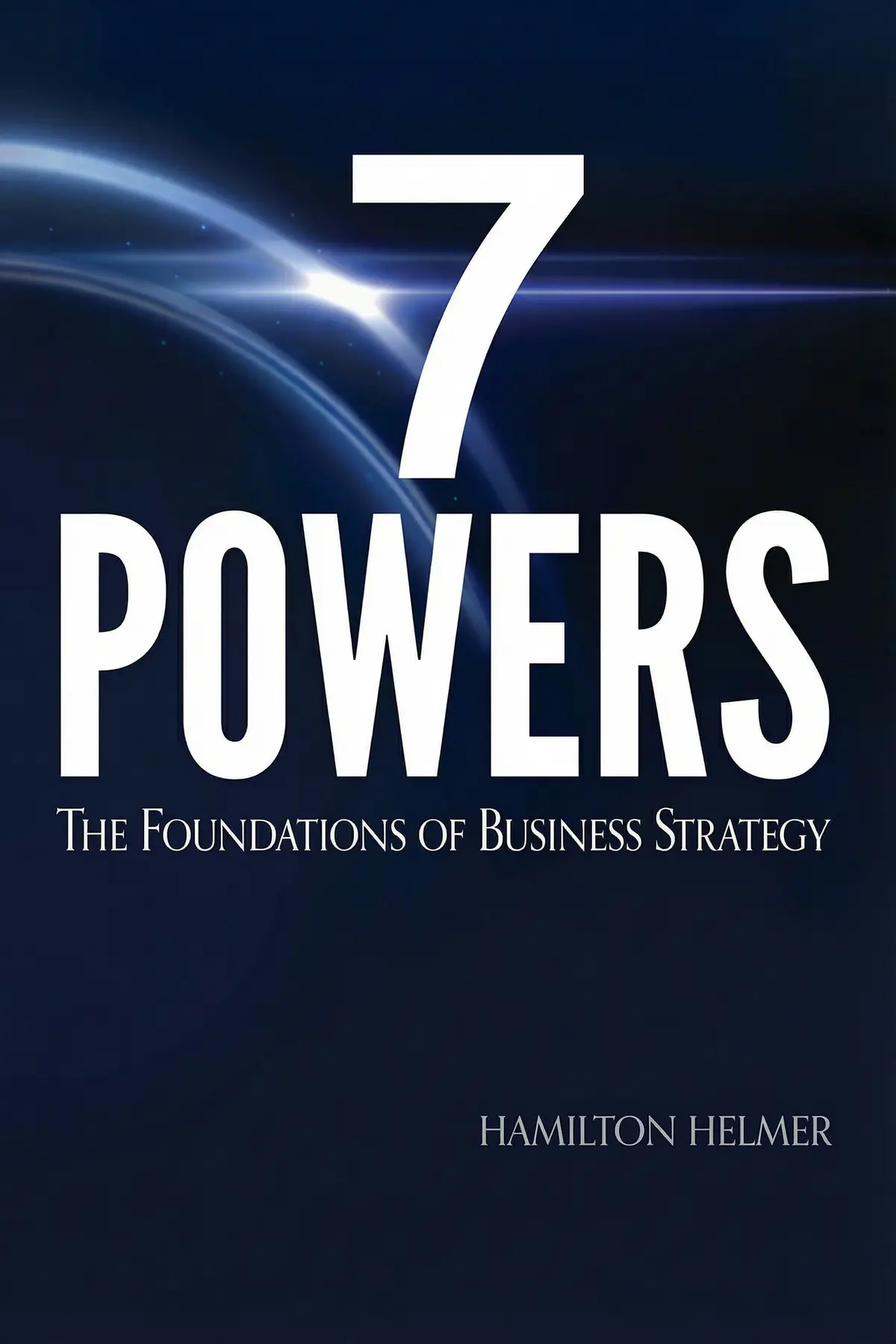
7 Powers: The Foundations of Business Strategy
Hamilton Helmer

A Bigger Prize: How We Can Do Better Than the Competition
Margaret Heffernan
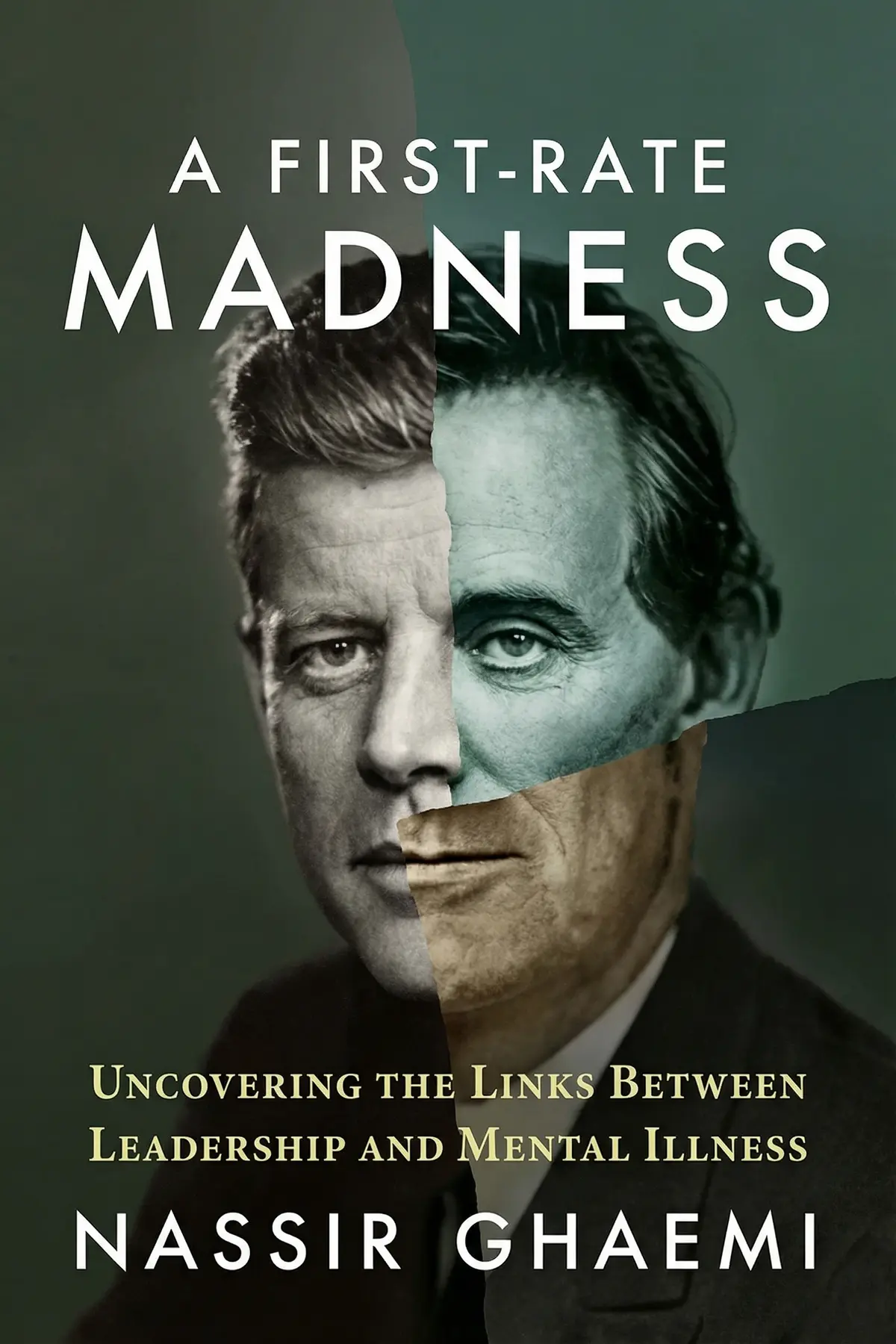

AUDIO SUMMARY AVAILABLE
Listen to Becoming the Boss in 15 minutes
Get the key ideas from Becoming the Boss by Lindsey Pollak, plus 5,000+ more titles in English and Thai.
- 5,000+ titles
- Listen as much as you want
- 7-day free trial
- Cancel anytime







