
16 min
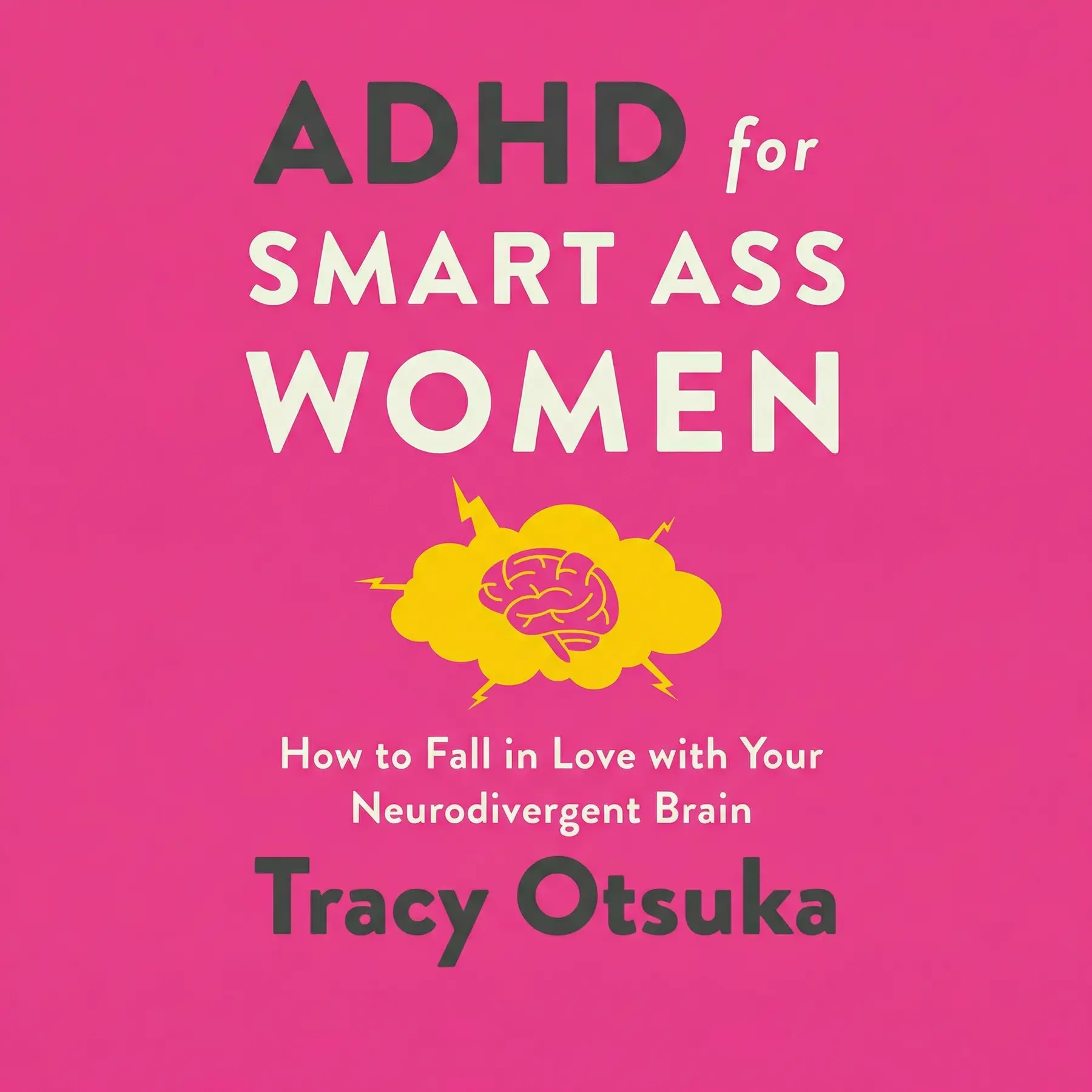
ADHD for Smart Ass Women: How to Fall In Love With Your Neurodivergent Brain
By Tracy Otsuka
Discover how women can transform an ADHD diagnosis from a source of shame into a powerful asset. Learn to navigate executive dysfunction, overthinking, and relationships with science-backed strategies and self-compassion.
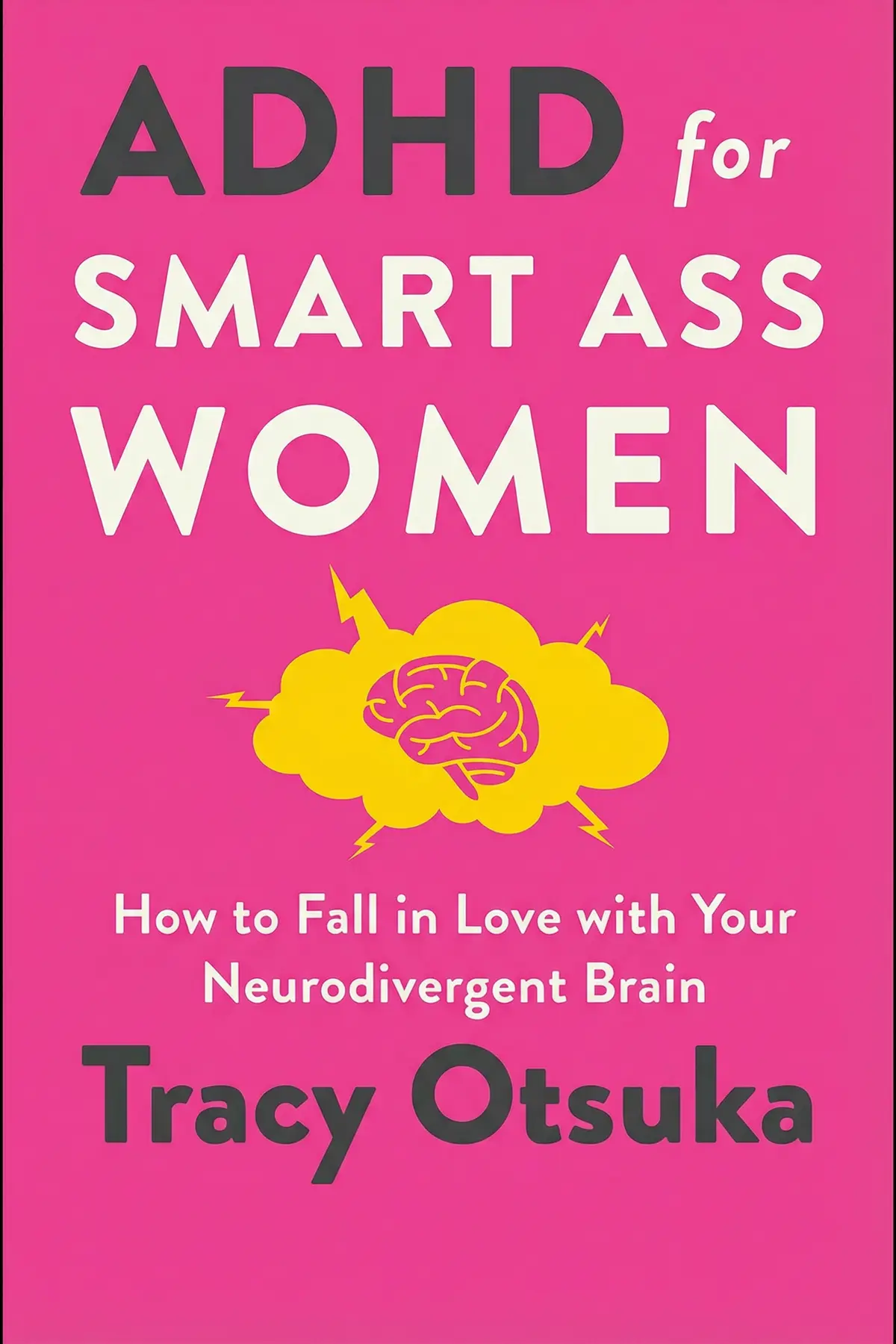
Table of Content
1. Introduction
2 min 00 sec
Think back to your younger self for a moment. Perhaps you were the girl who was always staring out the window, lost in a vivid world of your own making while the teacher droned on about fractions. Or maybe you were the one who couldn’t stop talking, your thoughts racing faster than your words could keep up, earning you labels like ‘flighty’ or ‘disruptive.’ For many women, these weren’t just quirks of personality; they were the first whispers of a brain wired differently.
For a long time, the world looked at ADHD through a very narrow lens—usually focusing on hyperactive young boys. This left millions of women navigating a world that wasn’t designed for them, often without ever knowing why they felt so out of step. They grew up battling a persistent sense of ‘not being enough’ or wondering why ‘simple’ tasks felt like climbing mountains.
Tracy Otsuka experienced this firsthand. It wasn’t until her son received a diagnosis that the pieces of her own life finally clicked into place. Since then, she has dedicated her career as a coach and advocate to helping other women see that their neurodivergence isn’t a brokenness to be fixed, but a unique operating system with its own set of high-performance features.
In this journey through the neurodivergent mind, we are going to move past the stigma. We’ll look at the actual science of why your brain loops on certain thoughts, why your kitchen table becomes a graveyard for unfinished projects, and how your intense emotions are actually a superpower in disguise. The goal here isn’t just to ‘manage’ symptoms—it’s to fall in love with the way your brain works. By the end of this, you’ll have a toolkit for turning chaos into clarity and shame into radical self-acceptance. Let’s start by uncovering why so many women are only now discovering the truth about their brilliant, busy minds.
2. The Hidden Landscape of Female Neurodiversity
2 min 15 sec
Explore why ADHD often remains invisible in women for decades and how the move from external hyperactivity to internal restlessness shapes a woman’s identity.
3. Breaking the Loop of Chronic Overthinking
2 min 30 sec
Understand the neurological battle between the brain’s creative and focused networks, and learn how to physically shift your mind out of an obsessive cycle.
4. The Executive Function Trap and Procrastination
2 min 18 sec
Moving beyond the stigma of laziness, discover why the ADHD brain struggles with routine tasks and how to reframe boredom as a biological hurdle.
5. A Strategic Framework for Taking Action
2 min 30 sec
Learn a practical, four-step method designed specifically for the neurodivergent brain to overcome resistance and complete difficult or mundane tasks.
6. Navigating the Social and Romantic Complexity of ADHD
2 min 26 sec
Discover how ADHD affects interpersonal dynamics, from the ‘parent-child’ trap in marriages to the unique strengths of empathy and spontaneity in friendships.
7. Conclusion
2 min 01 sec
As we wrap up this look into the vibrant and complex world of the neurodivergent female mind, the most important takeaway is this: you are not a project that needs to be fixed. For years, you may have viewed your ADHD as a collection of deficits—things you couldn’t do or ways you didn’t fit in. But as Tracy Otsuka reminds us, once you understand the mechanics of your brain, those ‘deficits’ start looking more like unique specialized skills.
Your creativity, your ability to hyper-focus on things that ignite your soul, and your profound empathy are all tied to the same neurological roots as your tendency to lose your keys or overthink a text message. By applying the strategies we’ve discussed—like using physical anchors to break mental loops, reframing boring tasks through your personal values, and educating your loved ones about your cognitive style—you can start to design a life that actually fits you.
Here is one final, practical tip to help you stay grounded in your daily life: try switching to an analog clock. For many people with ADHD, time is an abstract concept that feels slippery. A digital clock only shows you a single moment, but an analog clock with moving hands allows you to physically see the ‘sweep’ of time. You can visualize how much of an hour has passed and how much is left. This simple visual cue can help bridge the gap between your internal sense of time and the outside world’s schedule.
Embrace your ‘smart ass’ nature. Be the woman who questions the status quo, who thinks outside the lines, and who refuses to be dimmed by outdated expectations. Your neurodivergence is a gift that, when properly understood, can lead to a life of incredible richness and impact. It’s time to stop apologizing for your brain and start marveling at everything it allows you to be. You have the tools, the insight, and the brilliance to move forward with confidence. Go forth and shine.
About this book
What is this book about?
This summary explores the distinct ways Attention Deficit Hyperactivity Disorder manifests in women, often going unnoticed for decades due to outdated medical stereotypes. It provides a deep dive into the neurological reasons behind common struggles like chronic overthinking, emotional overwhelm, and the cycle of procrastination. Readers will learn why the female ADHD experience is frequently internalized and how to move past the resulting low self-esteem. The book offers practical frameworks for managing daily life, including a four-step plan for tackling boring tasks and techniques to ground the mind when it gets stuck in mental loops. Beyond just management, it focuses on the inherent strengths of the neurodivergent brain—such as high empathy, creativity, and intense drive—showing women how to build a life that honors their unique cognitive style. By understanding the brain's Default Mode Network and Task Positive Network, women can learn to pivot from distraction to focus, ultimately fostering better relationships and a more fulfilling professional life.
Book Information
About the Author
Tracy Otsuka
Tracy Otsuka is an attorney and a certified ADHD coach. She is also the creator and host of the widely acclaimed podcast ADHD for Smart Ass Women, where she shares insights and interviews to help neurodivergent women embrace their brilliance.
Ratings & Reviews
Ratings at a glance
What people think
Listeners describe this work as immensely beneficial and accessible, packed with both data-driven research and actionable advice. This guide is uplifting, fostering a sense of self-confidence in those who hear it, and one listener points out that it spans a vast array of subjects. Listeners value the witty and authentic material, with one review emphasizing its exploration of ADHD's intricacies, while another says it helps people navigate the process of defining their core values.
Top reviews
Pooja
This book feels like a giant exhale for every woman who spent decades wondering why she couldn't just "be normal" like everyone else. Tracy Otsuka does a marvelous job of reframing the ADHD narrative from one of constant deficit to one of untapped brilliance and unique strengths. While some might find the "superpower" talk a bit much, for those of us drowning in shame, it is exactly the kind of radical positivity we need. The sections on identifying your core values were particularly enlightening because they help you stop fighting against your own nature. It’s written in a very conversational, humorous style that makes the scientific research feel accessible rather than clinical or overwhelming. I especially appreciated the deep dive into how our brains process dopamine differently than neurotypical people. It’s an empowering read that makes you feel seen and understood for perhaps the first time in your adult life. Truly, this is a gift for the late-diagnosed community.
Show morePrae
Finally, a resource that doesn't treat our brains like they're fundamentally broken or in need of constant fixing by clinical standards. This book is a vibrant celebration of the neurodivergent mind, packed with scientific insights that are explained with a refreshing amount of humor and wit. I loved how the author delved into the complexities of our internal wiring while providing tangible things to try for daily management. It doesn't just focus on the struggles; it highlights the incredible aspects of individuals with ADHD, like our intuition and high-speed creativity. The way she breaks down the different types of therapy and their efficacy was a great primer for anyone just starting their journey. You can tell the author has a generous heart and genuinely wants to help women find their "thing" in life. It’s easy to read and even easier to implement the small hacks she suggests for staying organized and focused. I’ll be recommending this to everyone.
Show moreLincoln
The way Otsuka guides you through identifying your core values is a total game-changer for those of us struggling with decision paralysis. Instead of trying to force ourselves into a neurotypical mold, she encourages us to build a life that actually fits our interests and energy levels. It’s an incredibly empowering shift in perspective that had me nodding along with almost every page. The book is filled with relatable content that makes you realize you aren't just "lazy" or "unmotivated"—you're just wired differently. I found the tips for managing executive dysfunction through music and body doubling to be simple yet effective additions to my routine. The writing is engaging and moves quickly, which is essential for an ADHD audience. Even the more complex scientific bits are broken down into bite-sized, understandable pieces. This book doesn't just offer tips; it offers a whole new way of looking at yourself with kindness.
Show moreMichael
After years of feeling like I was just a "lazy" version of my peers, reading this made me realize that my intuition and creativity are actually my greatest assets. This book is a gift for any woman who has been dismissed by doctors or told she’s just "too much" her whole life. Tracy Otsuka’s writing is fiercely charming. It is filled with an optimism that is honestly infectious. She covers a multitude of topics with enough depth to be useful but enough brevity to keep you from getting bored or distracted. The focus on working with your dopamine-seeking brain rather than fighting it is a life-altering concept that I’ve already started applying to my career. While the anecdotes are personal, they resonate on a universal level for anyone who has ever felt like they were failing at being an adult. It’s humorous, scientifically grounded, and deeply compassionate. If you suspect you have ADHD, do yourself a favor and grab a copy.
Show moreEleanor
Tracy Otsuka brings her signature podcast energy to these pages, blending anecdotal stories with actual strategies that feel manageable for a neurodivergent brain. To be fair, if you are already a devoted listener of her show, you might find some of the material a bit repetitive. However, having all this information organized into a cohesive guide is incredibly useful for quick reference. I found the discussion on Rejection Sensitive Dysphoria (RSD) to be particularly poignant and well-explained, offering language for feelings I've had my entire life but could never name. The humor keeps the pace moving, though the frequent mentions of her Facebook groups and seminars can feel a bit like a sales pitch at times. Despite the heavy self-promotion, the core advice regarding lifestyle tweaks and system-building is genuinely helpful. It’s a solid resource for anyone looking to move past the "broken" label and start working with their brain instead of against it.
Show moreBunyarit
As someone diagnosed late in life during the chaos of perimenopause, the chapter on hormonal shifts was worth the price of the book alone. It is so rare to find ADHD literature that actually addresses the intersection of estrogen levels and cognitive function in such a relatable way. Truth is, the medical establishment often ignores these links, so seeing it laid out here was validating beyond words. The writing is snappy and fast-paced, which is perfect for someone with a short attention span who struggles with dense, academic texts. I did roll my eyes a bit at the suggestion to call customer service for smartwatch help—who actually likes making phone calls?—but the broader advice on using technology as an external brain is sound. While the tone is very "girl-boss" at times, the underlying message of self-acceptance is one that every woman with ADHD needs to hear. It’s a practical, uplifting guide that balances science with real-world application.
Show moreTee
Ever wonder why you can hyper-focus on a new hobby for sixteen hours but can't remember to drink a single glass of water? This book dives deep into those paradoxes with a blend of scientific research and practical tips that actually make sense for our specific brain chemistry. I appreciated that Tracy doesn't just give you a list of "to-dos" but instead helps you understand the "why" behind your behavior patterns. The tone is encouraging and lighthearted, making it an easy read for someone who usually finds self-help books a bit too dry or preachy. There were moments where the privilege was a bit distracting, particularly the anecdotes about expensive diagnostic testing that many of us simply can't access. But if you can look past the "wealthy mom" vibes, there is a lot of compassionate wisdom here. The focus on identifying your unique Brilliance is a much better approach than the traditional "fix your flaws" method.
Show moreKet
Picked this up on a whim after a friend recommended the Facebook group, and I was pleasantly surprised by how much ground it covers. The book manages to touch on everything from finance and food to sleep and relationships without feeling too scattered or disorganized. I especially liked the section on "revenge bedtime procrastination," as it perfectly described a struggle I've had for years but never had a name for. While the author’s personal bias against medication is pretty apparent, she at least acknowledges that many people find it useful even if it didn't work for her. The humor throughout keeps the heavier topics from feeling too depressing, and the actionable advice is easy to start using immediately. My only real gripe is the lack of proper citations for some of the more impressive-sounding statistics she mentions. Still, for a late-diagnosed woman looking for a sense of community and some quick wins, this is a very worthwhile read.
Show moreNora
Look, there are some gold nuggets hidden in here, especially regarding Rejection Sensitive Dysphoria and the way we internalize shame through the years. The concept of "impulse investing" as a pivot from impulse spending was an interesting take, even if it feels a bit unrealistic for those living paycheck to paycheck. However, the book is absolutely saturated with self-promotion for the author’s podcast and various paid programs, which becomes exhausting by the halfway point. It’s also very binary in its approach to gender, completely ignoring the experiences of non-binary or trans individuals who also deal with these missed diagnoses. At times, the "superpower" rhetoric feels like toxic positivity that glosses over the very real, very painful "ADHD tax" we pay every single day. The advice is hit-or-miss; some tips are game-changers, while others—like putting up sticky notes that eventually just blend into the wall—feel like ADHD 101.
Show morePriya
Frankly, I was expecting something a bit more irreverent given the "Smart Ass" title, but it ended up feeling more like a "Lean In" manifesto for the upper class. The author’s suggestions often come from a place of immense privilege that simply doesn't translate to the average woman’s reality. Recommending that readers just "hire a nanny" or "get a house cleaner" to manage their executive dysfunction feels incredibly out of touch and frustrating. I also struggled with the repetitive nature of the exercise chapter, which felt like a long list of things I could have easily Googled in five minutes. There is a strange lack of academic rigor here. She frequently cites "research" without providing specific sources or names of studies, which makes me question the data. The book mentions using AI for outlines, and it shows in the dry, disjointed structure of the later chapters. If you aren't a high-earning professional, you might find yourself feeling more alienated than empowered.
Show moreReaders also enjoyed

Alcoholics Anonymous
Alcoholics Anonymous World Services
A Liberated Mind: How to Pivot Toward What Matters
Steven C. Hayes
ADHD an A-Z: Figuring It Out Step by Step
Leanne Maskell

AUDIO SUMMARY AVAILABLE
Listen to ADHD for Smart Ass Women in 15 minutes
Get the key ideas from ADHD for Smart Ass Women by Tracy Otsuka, plus 5,000+ more titles in English and Thai.
- 5,000+ titles
- Listen as much as you want
- 7-day free trial
- Cancel anytime







