
13 min 28 sec
Buffett’s Early Investments: A new investigation into the decades when Warren Buffett earned his best returns
Explore the formative years of the world’s greatest investor. This summary breaks down Warren Buffett’s early, high-return strategies, from liquidation plays to the discovery of brand moats and durable competitive advantages.
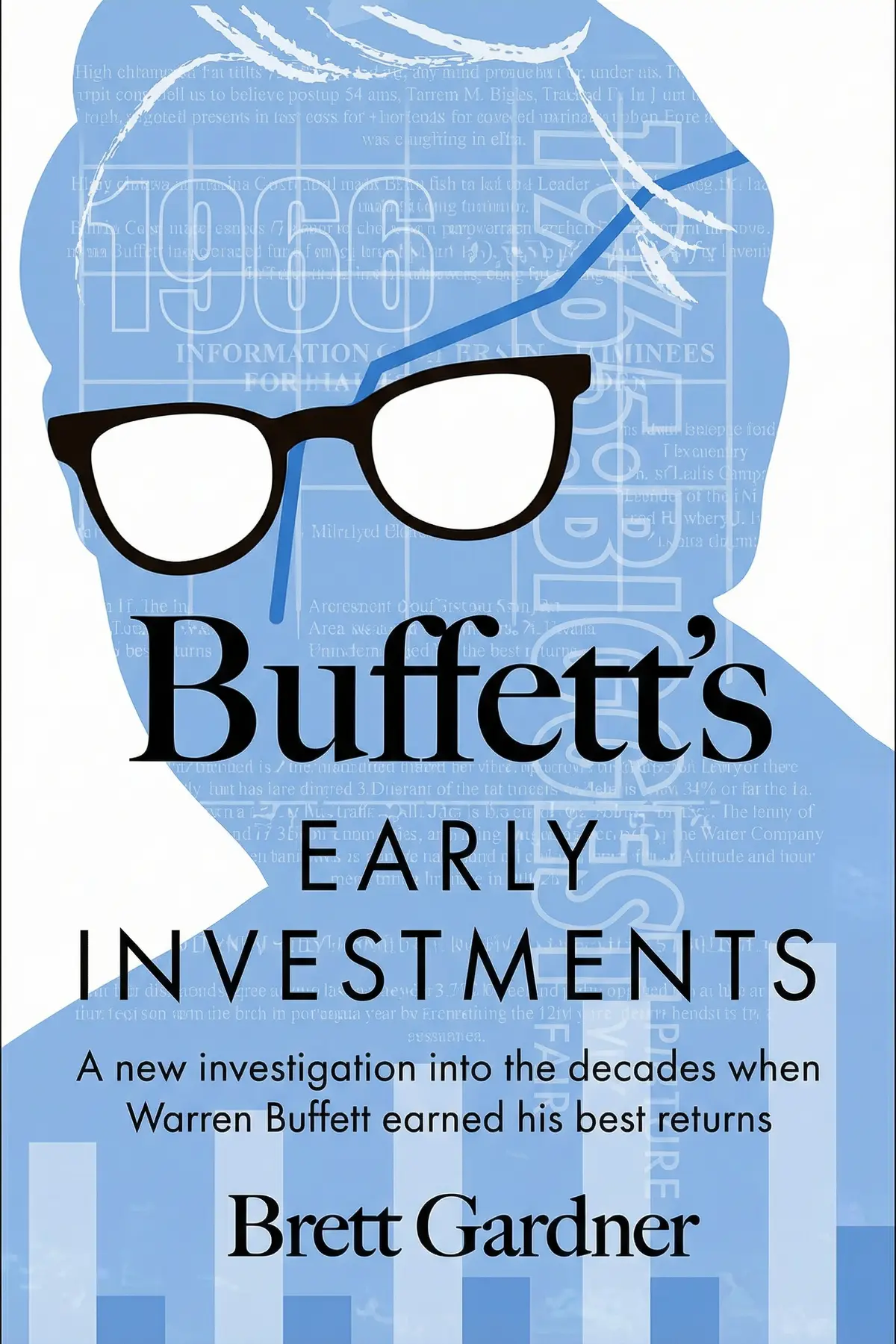
Table of Content
1. Introduction
1 min 32 sec
When we think of Warren Buffett today, we imagine a grandfatherly figure presiding over a massive conglomerate, moving global markets with a single sentence. But there was a time when Buffett was just a young man in Omaha, working out of a small office, hunting for opportunities that everyone else had discarded. In those early decades, his returns weren’t just good; they were astronomical, often far outperforming the percentage gains he achieves today.
The secret to those early years wasn’t just luck. It was a rigorous, almost obsessive application of value investing principles that he adapted and evolved in real-time. This journey takes us back to a period before the ‘Buffett Effect’ existed—a time when he had to rely entirely on his own research and conviction. We are going to look at the formative deals that built his fortune and his reputation.
Through these stories, we see a throughline of intellectual honesty. Buffett wasn’t afraid to look at a dying industry if the price was right, and he wasn’t afraid to bet the farm when he found a ‘sure thing.’ We’ll see how he moved from ‘cigar butt’ investing—finding one last puff of value in a discarded business—to recognizing the massive potential of world-class brands. This evolution is the heart of his story. It’s about how a young analyst learned to see the difference between a company’s stock price and its true intrinsic worth. By the end of this exploration, you’ll understand the methodology that turned a small partnership into the greatest investment vehicle in history. We aren’t just looking at numbers; we are looking at the development of a mindset that changed the financial world forever.
2. The Art of the Cigar Butt
2 min 24 sec
Discover how a young Buffett found immense value in the unlikeliest of places—a declining wooden barrel manufacturer—by focusing on liquid assets over industry trends.
3. Moving from Passive Observer to Active Architect
2 min 03 sec
Learn how Buffett and his mentor transformed a failing coal company into a diversified powerhouse by leveraging tax advantages and smart acquisitions.
4. The Safety of Special Situations
2 min 00 sec
Explore the world of ‘workout’ investments, where Buffett used legal disputes and corporate restructurings to generate profits that didn’t depend on the stock market.
5. Trust as the Ultimate Asset
2 min 08 sec
See how Buffett looked past a massive financial scandal to recognize the enduring power of the American Express brand and its connection with consumers.
6. The Value of an Intellectual Oil Well
2 min 01 sec
Buffett’s investment in Disney reveals his early understanding of intellectual property, though it also provided a lasting lesson on the cost of selling too soon.
7. Conclusion
1 min 20 sec
The journey through Warren Buffett’s early investments reveals a man who was constantly learning and adapting. He started as a technician of the balance sheet, hunting for hidden cash in dying industries. But as he grew, he became a psychologist of the market, learning to value things like brand loyalty, trust, and the enduring power of a good story.
The throughline of these formative years is the courage to be different. Whether he was buying wooden barrel factories or betting on American Express in the middle of a fraud scandal, Buffett consistently moved against the herd. He did his own homework, often literally walking the streets to see how businesses functioned in the real world. He understood that the stock market is there to serve you, not to instruct you.
As you think about your own approach to value, the takeaway is clear: look for the ‘margin of safety.’ Always ensure that you are getting more than you are paying for, whether that’s in physical assets or in the strength of a brand. Don’t be afraid to concentrate your efforts when you find a truly exceptional opportunity, and most importantly, have the patience to let a great business do the hard work for you over time. Buffett’s early career proves that while the tools of finance change, the principles of value are timeless. By looking at the world with the same rigorous honesty that he did in Omaha all those years ago, you can begin to see the opportunities that everyone else is stepping over.
About this book
What is this book about?
Most people know Warren Buffett as the billionaire chairman of Berkshire Hathaway, but his most explosive growth actually occurred decades earlier. Buffett's Early Investments takes a deep dive into the specific deals that shaped his philosophy during the 1950s and 60s. This was an era when Buffett was managing a much smaller pool of capital, allowing him to hunt for massive returns in corners of the market that today’s institutional giants completely ignore. The book promises to move beyond the mythology and examine the cold, hard logic of Buffett’s early trades. You will learn about his transition from a strict Benjamin Graham disciple—hunting for cheap assets—to a visionary who understood the power of intangible brand value. By looking at specific case studies like the American Express scandal and the Disney valuation, the text illustrates how Buffett combined rigorous accounting with a unique ability to read public sentiment. It’s a masterclass in seeing value where the rest of the market sees only crisis or obsolescence.
Book Information
About the Author
Brett Gardner
Brett Gardner is an author and investment analyst who has worked at a range of funds. Buffett’s Early Investments is his first book.
Ratings & Reviews
Ratings at a glance
What people think
Listeners find this title to be an engaging and educational experience, particularly well-suited for those just beginning their investment journey. The work is thoroughly documented; one listener points out how it delivers significant facts throughout every chapter, and another emphasizes its detailed explorations of Buffett’s specific financial ventures. Listeners also value the narrative quality and pacing, with one review describing it as a strong historical account of Buffett's path.
Top reviews
Mattanee
This book offers a refreshing look at the Oracle of Omaha before he was a billionaire. Gardner doesn't just recycle old anecdotes; he digs into the actual numbers of the Greif Bros deal and the Philadelphia and Reading Coal case studies. The level of detail from primary sources found in local libraries is impressive, proving that Buffett’s success was built on a foundation of grueling work rather than luck. While the prose is occasionally dry, the tactical breakdown of 'cigar butt' investing is invaluable for anyone trying to understand deep value. It’s a fascinating window into a 21-year-old with a calculator and a dream.
Show moreLogan
The chapter on Walt Disney Productions was worth the price of the book alone. Most people forget that Buffett once bought 5% of Disney for just $4 million because he saw the value in the theme park rides while others only saw movie risks. Gardner’s ability to reconstruct these old trades using 1960s data is remarkable. You really feel the weight of the decision-making process in every chapter. Frankly, it’s rare to find a book that manages to be this informative while still maintaining a sense of storytelling. This is essential reading for anyone serious about the 'net-net' philosophy.
Show moreAstrid
What emerges from these pages is a portrait of a man driven by extreme curiosity and a refusal to follow the crowd. I loved the 'workout' examples where Gardner illustrates how Buffett used legal battles to find limited-risk opportunities. These weren't just gambles; they were calculated strikes based on months of legwork and observation. The book is meticulously researched—you can tell the author spent hours in archives looking for those 377 footnotes. It’s a must-read for anyone who thinks Buffett just got lucky with a few tech stocks later in life.
Show moreWichai
After hearing so much about the later Berkshire Hathaway years, it was fascinating to finally see the 'general contractor' at work in his youth. Gardner does an excellent job explaining how Benjamin Graham’s influence transitioned into the more concentrated, activist style that defined Buffett's partnership years. The book highlights the importance of special situations, like the British Columbia Power liquidation, which many biographers gloss over. It isn't always a fast read—some of the accounting sections are pretty dense—but the payoff in understanding Buffett's evolution is huge. I’ve definitely gained more respect for his early discipline.
Show morePannipa
Finally got around to reading this, and Gardner really hit it out of the park with the historical context. He makes the 1950s financial world feel accessible, explaining 'net-nets' in a way that actually makes sense to a beginner. The story of Greif Bros and its understated physical goods was a highlight for me. While some might find the detailed look at barrel factories tedious, I think it’s necessary to understand the 'margin of safety' mindset. It’s an informative, well-paced journey through the formative years of the world’s greatest investor. Definitely adding this to my recommended list.
Show moreUraiwan
Ever wonder how a young investor develops the conviction to bet big when everyone else is running for the exits? Brett Gardner paints a vivid picture of the 1964 American Express scandal, showing how Buffett looked past the headlines to the actual brand health. I appreciated how the author balanced the financial data with a narrative pace that keeps you turning pages. Truth be told, I found the early chapters on barrel companies a bit slow, but they set the stage for the bigger plays. It’s a great resource for new investors who want to move beyond simple surface-level analysis.
Show moreArt
As someone who has followed the Oracle for years, I was surprised to find new material here regarding his early activist roles on boards. Gardner captures the exact moment when the 'Cigar Butt' approach started to evolve, largely thanks to the influence of Charlie Munger. The book is short but packed with data, making it a quick read for the level of insight provided. Personally, I would have liked a bit more on his personal life during these years, but as a pure investment history, it’s top-tier. It reminds us that true value often whispers from a dusty balance sheet.
Show moreWachira
Look, most investment books are just fluff, but this one actually presents hard facts and primary documents at every turn. Gardner takes us through five major early plays, showing how Buffett focused on liquid assets and 'culm banks' of coal waste to find hidden value. My favorite part was the discussion on how the American Express crisis proved that public trust is a tangible asset. Some of the sentences are a bit long-winded, and the pacing fluctuates, but the core lessons on downside protection are timeless. It’s a deep dive that requires focus but rewards it generously.
Show moreGift
Not what I expected, as it reads much more like a business history textbook than a modern 'how-to' investment guide. The book is incredibly well-researched with hundreds of footnotes, which I respect, but the deep dives into defunct 1950s businesses like the Philadelphia and Reading Coal and Iron Company can feel like a slog. Gardner provides some great context on the 'workout' situations, yet I wanted more direct commentary on how to apply these lessons in today’s high-tech market. It’s a solid three-star read for the history, but maybe too academic for the average casual reader.
Show moreJoe
Picked this up hoping for a modern analysis of Buffett's mental models, but I was disappointed by the focus on ancient history. The book spends way too much time on the financial structures of businesses that haven't existed for half a century. To be fair, the research is exhaustive, but the lack of 'process' analysis makes it feel like a series of disconnected historical snapshots. I found it very boring to read about wooden barrel manufacturing in the 1950s without any real bridge to contemporary strategy. If you aren't a hardcore history buff, you might want to skip this one.
Show moreFeatured in
Readers also enjoyed
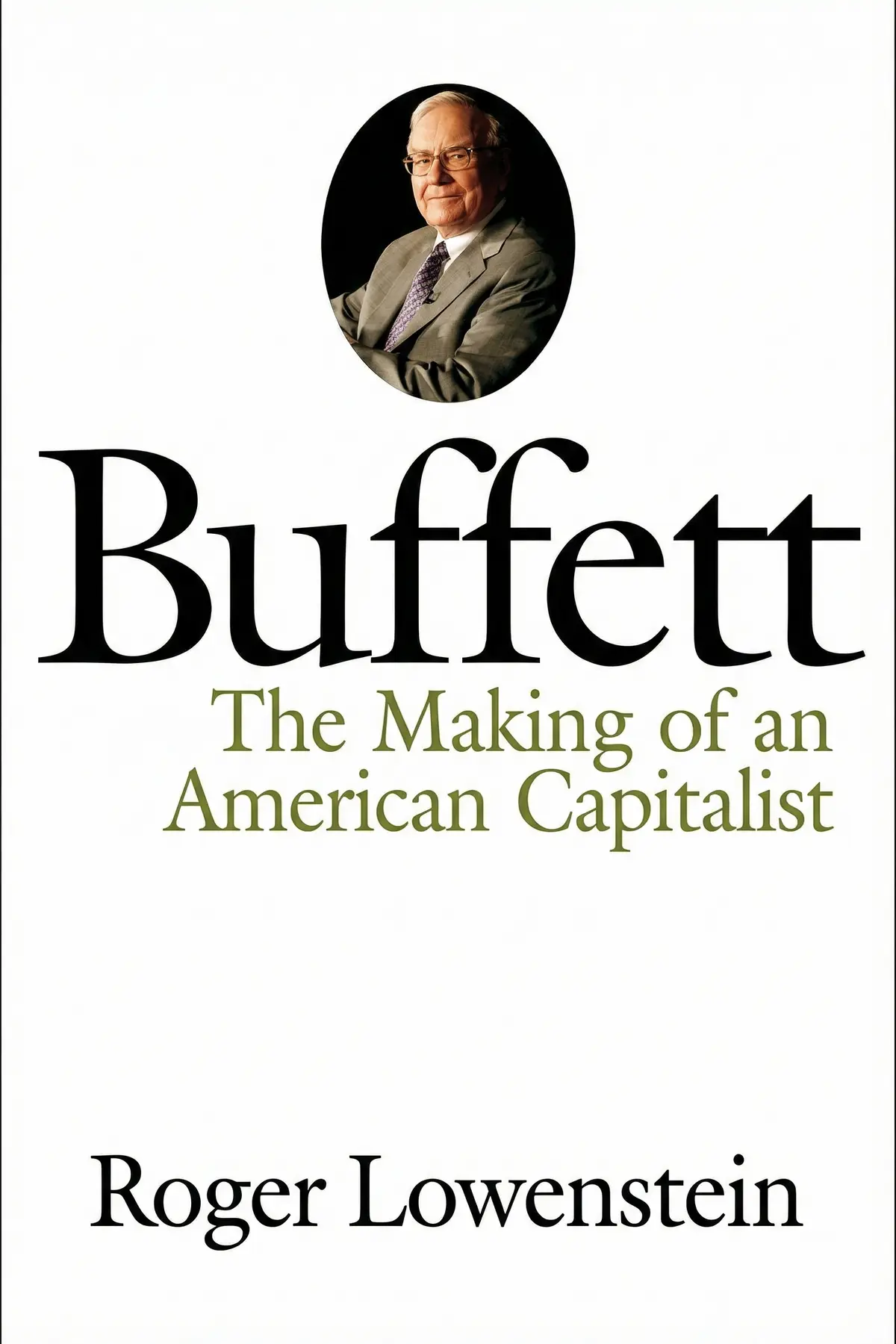
Buffett: The Making of an American Capitalist
Roger Lowenstein

Cashing Out: Win the Wealth Game by Walking Away
Julien Saunders
AUDIO SUMMARY AVAILABLE
Listen to Buffett’s Early Investments in 15 minutes
Get the key ideas from Buffett’s Early Investments by Brett Gardner, plus 5,000+ more titles in English and Thai.
- 5,000+ titles
- Listen as much as you want
- 7-day free trial
- Cancel anytime







