
A Promised Land
Barack Obama
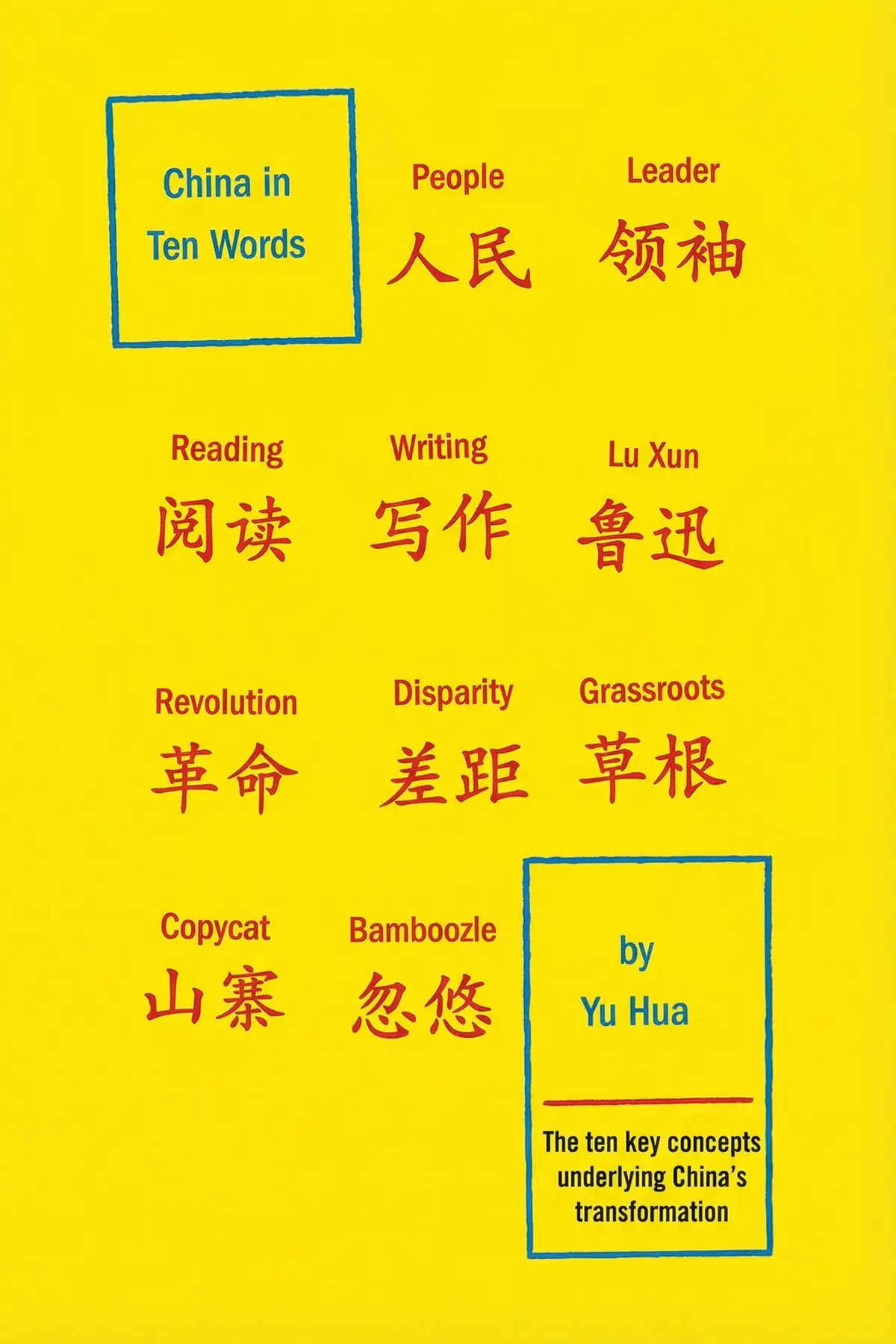
An intimate exploration of China’s social and political evolution through ten evocative words. Yu Hua blends personal memoir with sharp cultural analysis to reveal the tensions of a nation in constant flux.
1 min 29 sec
Language is more than just a tool for communication; it is a map of a culture’s history, its traumas, and its collective aspirations. When we look at a nation as vast and rapidly changing as China, trying to grasp its complexity can feel like an impossible task. How do you reconcile the rigid, ideological landscape of the mid-twentieth century with the glittering, consumer-driven skyscrapers of the modern era?
In this summary, we explore that very question through the eyes of Yu Hua, one of China’s most celebrated writers. Rather than relying on a dry chronological history, Yu Hua offers us ten specific words—concepts that act as windows into the Chinese soul. These words are not just dictionary entries; they are living histories that have shifted and mutated alongside the country itself.
We will journey from the era of Chairman Mao, where every action was dictated by the needs of the collective, to the current moment, where the drive for personal wealth has created a new kind of social instability. We’ll look at the silent disappearance of certain ideals following the events of 1989 and the emergence of a new vocabulary that embraces deception and imitation. This isn’t just a story about politics or economics; it’s a personal account of what it felt like to grow up during a time when the world was being torn down and rebuilt almost overnight. By the end of this exploration, you’ll understand the deep-seated connections between China’s revolutionary past and its high-speed present, seeing how the language of the old guard continues to haunt the markets of the new world.
2 min 53 sec
Explore the rise and fall of a central national concept, from its peak during the Cultural Revolution to its sudden fragmentation after the protests of 1989.
2 min 36 sec
Trace the transformation of authority in China, from the absolute cult of a single leader to the modern, bureaucratic rule of a synchronized committee.
2 min 45 sec
Witness the clandestine world of literature during a time of extreme censorship and the explosive demand for books that followed.
2 min 26 sec
Discover how a young writer began his journey by producing revolutionary propaganda before turning to the dark, violent themes of his youth.
2 min 24 sec
Examine the complex legacy of China’s most famous modern writer and how his work was co-opted by the state before being rediscovered by individuals.
2 min 39 sec
Analyze how the unstable, risk-taking nature of ‘revolution’ continues to drive China’s modern economic and political decisions.
2 min 25 sec
Examine the widening gap between China’s rich and poor, and how this inequality has replaced the relative social parity of the past.
2 min 15 sec
Learn about the ‘grassroots’ tycoons who rose from nothing to build empires, and why their success is often as fragile as it is fast.
2 min 22 sec
Investigate the ‘shanzhai’ phenomenon, where fake and pirated products are seen not as crimes, but as a legitimate form of social rebellion.
2 min 41 sec
See how trickery and exaggeration became a national pastime, turning once-shameful acts of deception into a neutral, even amusing, way of life.
1 min 49 sec
As we look back at these ten words, a vivid and complex picture of China emerges. We see a nation that has moved from the collective fervor of the Mao years to the individualistic, high-speed competition of the present. But through Yu Hua’s eyes, we also see that the past is never truly gone. The revolutionary spirit of the 1960s—with its penchant for exaggeration and its disregard for traditional authority—lives on in the ‘copycat’ markets and the ‘bamboozling’ business deals of today.
The throughline of China’s transformation is a story of resilience and adaptation, but also of profound loss. The word ‘people’ has fragmented, the ‘leader’ has become a bureaucrat, and the relative equality of the past has been replaced by a staggering disparity. Yet, there is an incredible energy in this transformation. The same spirit that allowed students to copy books by hand in the dark now drives ‘grassroots’ entrepreneurs to build global empires from scrap.
The takeaway for us is that to understand China, we must look beyond the headlines of economic growth and political policy. We must listen to the language of its people and the stories they tell about themselves. By understanding words like renmin, geming, and shanzhai, we gain a deeper empathy for a population that has lived through more change in a single lifetime than most nations experience in centuries. The lesson is that even in a world of high-speed change and digital imitation, the human core—with all its hungers, fears, and capacity for deception—remains the true driver of history. As China continues to move forward, its future will be written not just in the balance sheets of its corporations, but in the evolving meaning of the words its people use every day.
China In Ten Words offers an illuminating perspective on the radical transformation of the world’s most populous nation. By examining ten specific linguistic concepts—ranging from the historical weight of revolution to the modern ubiquity of copycat culture—author Yu Hua crafts a narrative that is both deeply personal and broadly sociopolitical. The book serves as a bridge between the ideological fervor of the Cultural Revolution and the hyper-capitalist drive of the twenty-first century. Listeners will gain a nuanced understanding of how concepts like the people and the leader have shifted in meaning, reflecting the changing relationship between the Chinese state and its citizens. Through stories of scarcity, censorship, and the eventual explosion of economic disparity, Yu Hua promises a view of China that moves beyond headlines and statistics. It is an invitation to see the country through the eyes of someone who lived through its most tumultuous decades, providing a rare look at the psychological landscape of a global superpower.
Yu Hua is a highly acclaimed Chinese author recognized for his significant contributions to contemporary literature. His body of work includes four novels, six collections of short stories, and three volumes of essays, which have gained international recognition and been translated into more than 20 languages. Yu Hua's literary excellence was notably honored in 2002 when he became the first Chinese citizen to receive the James Joyce Award. His writing often navigates the complex history and rapid modernization of China with a distinct, personal voice.
Listeners find this work highly insightful, with one listener pointing out how it offers priceless background information. Furthermore, the book provides a meaningful perspective on the core elements of Chinese culture and political and social landscapes through elegant writing and captivating narratives. Listeners also value the author’s voice and see it as an excellent choice for those staying in China; notably, one listener mentioned it can be read over and over without any boredom.
This collection is an absolute masterclass in using personal memory to dissect national identity. Yu Hua takes ten simple concepts—like 'People,' 'Leader,' and 'Copycat'—and weaves them into a vivid tapestry of China’s evolution from the chaos of the Cultural Revolution to the hyper-capitalist frenzy of today. Frankly, his ability to balance tragic historical trauma with a wicked sense of humor is nothing short of brilliant. I was particularly struck by the 'Reading' essay, which details the desperate thirst for literature during an era when books were essentially contraband. The translation by Allan H. Barr is incredibly fluid, never feeling stiff or academic. It provides such priceless background for anyone trying to understand the psychological shifts within the Chinese populace. It’s a gut-wrenching, hilarious, and deeply necessary read that I know I’ll return to again.
Show moreWow. Yu Hua has a way of cutting straight to the bone. This book isn't just a history lesson; it's an intimate look at the scars left by the Cultural Revolution and the 1989 Tiananmen Square protests. He doesn't hold back. The story about his time as a dentist in a small town, pulling teeth all day while dreaming of a different life, was both funny and heartbreaking. He captures the absurdity of the 'Great Leap Forward' through the eyes of a child who didn't know any better. It’s insightful storytelling at its finest. If you’ve ever wondered how China became the economic powerhouse it is today while still grappling with its past, this is the book you need to pick up. Truly unforgettable.
Show moreThe chapter on 'Lu Xun' alone is worth the price of admission. Yu Hua describes how a national literary hero was turned into a weapon of the state, only to be discarded and then rediscovered. It’s a brilliant metaphor for the country itself. This book provides a visceral sense of the fundamental aspects of Chinese life that you simply can't get from news reports. He writes with such grit and authenticity. You can feel the hunger, the fear, and later, the wild, unregulated ambition of the 'new' China. It’s rare to find an author who can be this critical of his own society while clearly still loving the people within it. This is essential reading for anyone who wants to look beneath the surface of the headlines.
Show moreFrankly, this is the most accessible book on modern Chinese history I’ve encountered. Instead of dry dates and names, you get the 'Grassroots' perspective—the stories of ordinary people trying to survive extraordinary times. The contrast between the 'People' as a political concept and the actual individuals Yu Hua grew up with is striking. His memories of being a young boy watching public executions or searching for a single scrap of a forbidden book are haunting. Yet, he manages to inject so much humanity into the narrative. The prose is beautiful and the insights are profound. I finished it in two sittings and immediately felt like I understood the world a little bit better. It’s the kind of book you can read repeatedly without boredom.
Show moreHow do you define a country as massive and contradictory as China? Yu Hua attempts it through these essays, and for the most part, he succeeds beautifully. His prose is deceptively simple, yet it carries an emotional punch that leaves you reeling. I loved the chapters on 'Lu Xun' and 'Writing'; they shed light on how the state co-opts language and how individuals fight to reclaim it. The transition from a society ruled by ideology to one ruled by money is portrayed as a surreal, almost violent shift. My only minor gripe is that the tone can get a little moralistic toward the end, especially when discussing the current economic state. Still, for a non-fiction book, it’s remarkably engaging. It reads like a conversation with a very smart, very tired friend.
Show morePicked this up after hearing it was a great primer for understanding modern Chinese culture, and I wasn't disappointed. The way Yu Hua explains the concept of 'Shanzhai' or the copycat phenomenon is eye-opening. It’s not just about fake iPhones; it’s a whole grassroots philosophy of subverting authority. The book flows perfectly, moving from the grim realities of his youth to the frantic pace of the 21st century. I appreciated the honesty regarding the disparity between the rich and the poor. It’s a sobering look at what has been sacrificed in the name of progress. A few sections felt a bit long-winded, but the strength of the storytelling kept me hooked. It’s a wonderful read for anyone spending time in the region.
Show moreEver wonder how a nation shifts from Maoist fervor to hyper-capitalism in a single generation? This book answers that through the lens of ten words. It’s a fascinating, often tragicomic journey. Yu Hua’s style is blunt and effective; he doesn't sugarcoat the violence of the past or the corruption of the present. I found the 'Disparity' chapter particularly moving, as it highlights the widening gap in a society that was once supposedly classless. The book is short, but it packs a heavy punch. My only complaint is that I wanted more on the current generation’s perspective, as the book focuses heavily on the author's own age group. Nevertheless, it offers a great perspective on the internal logic of a country that often baffles outsiders.
Show moreAs someone who has struggled with dry history books, Yu Hua’s memoir-style approach was a breath of fresh air. He uses the ten words to ground his memories, making the complex political and social dynamics of China feel personal and immediate. The 'Bamboozle' section had me laughing out loud at the sheer absurdity of some of the scams and societal lies he describes. It’s a perfect companion to his fiction, like 'Brothers,' providing the real-life context for his often-exaggerated plots. I did feel that a couple of the essays overlapped a bit too much in their themes, which slowed the momentum toward the end. However, the overall impact is powerful. It’s an intimate, gritty, and soulful look at a nation in constant flux.
Show moreTo be fair, I expected something with the same narrative weight as his novel 'To Live,' but this felt much lighter and more disjointed. The 'Ten Words' structure is a clever hook, but some chapters definitely land better than others. While the autobiographical stories from his childhood are fascinating and provide good perspective on the social dynamics of the Mao era, the later sections on modern 'Copycat' culture felt a bit repetitive. Yu Hua has a tendency to use hyperbole to make his point, and at times it feels like he’s writing specifically for a Western audience that wants to hear a certain type of critique. It’s an okay introduction to the country’s history, but I found myself skimming the parts that felt like recycled social commentary from his previous columns.
Show moreLook, the translation by Allan H. Barr is seamless and the writing is certainly accessible, but I found the content to be a bit of a mixed bag. I picked this up hoping for a deep dive into political theory, but it’s much more of a personal memoir. The anecdotes are colorful, sure. However, the author’s focus on 'Bamboozle' and 'Copycat' felt a little superficial compared to the heavy-hitting early chapters on revolution. To me, it felt like a book written for commercial success rather than a definitive historical text. It's a quick read, but I’m not sure it deserves the glowing 'banned in China' mystique that surrounds it. It’s good for a casual reader, but maybe too anecdotal for someone seeking a rigorous academic analysis.
Show moreBarack Obama
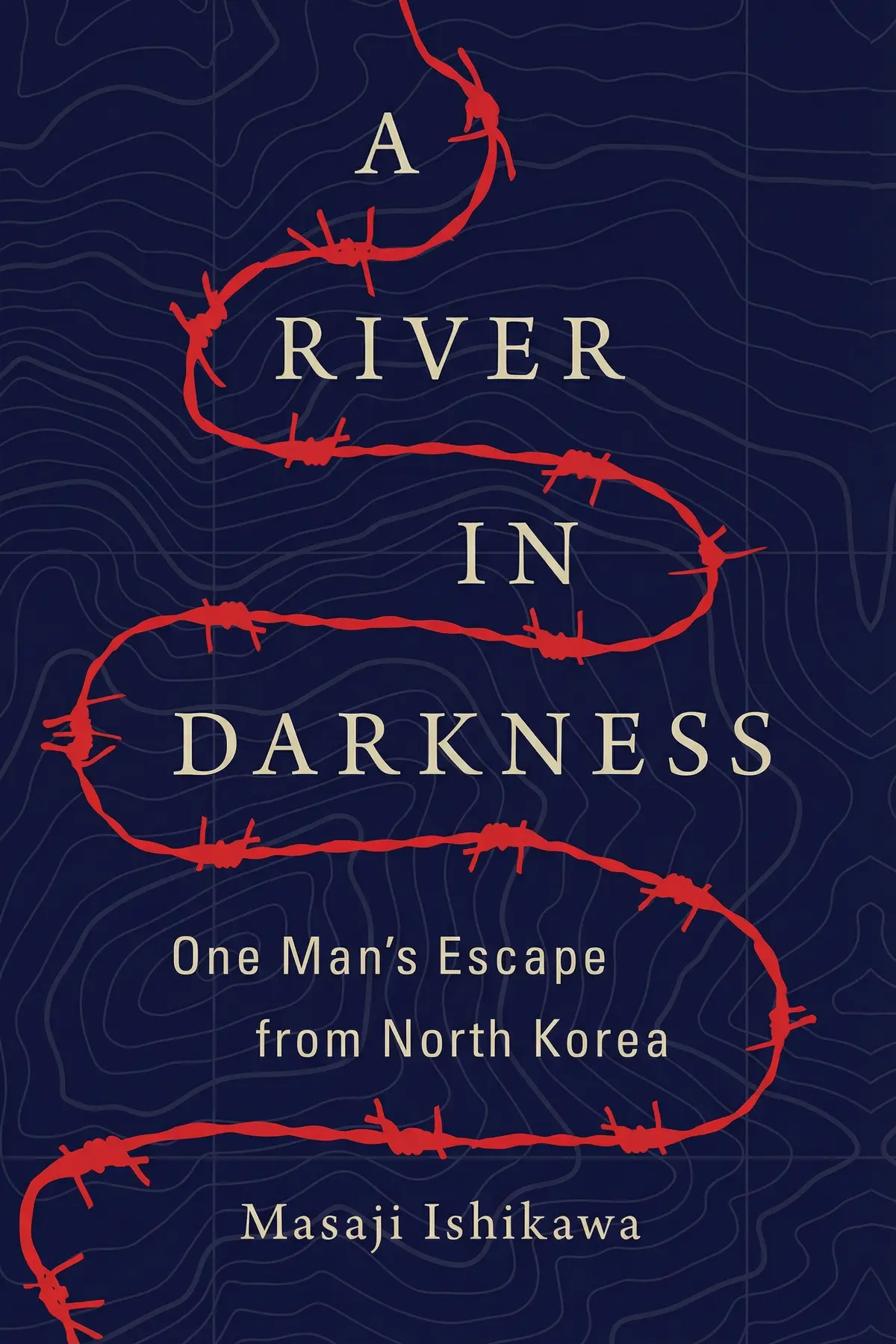
Masaji Ishikawa
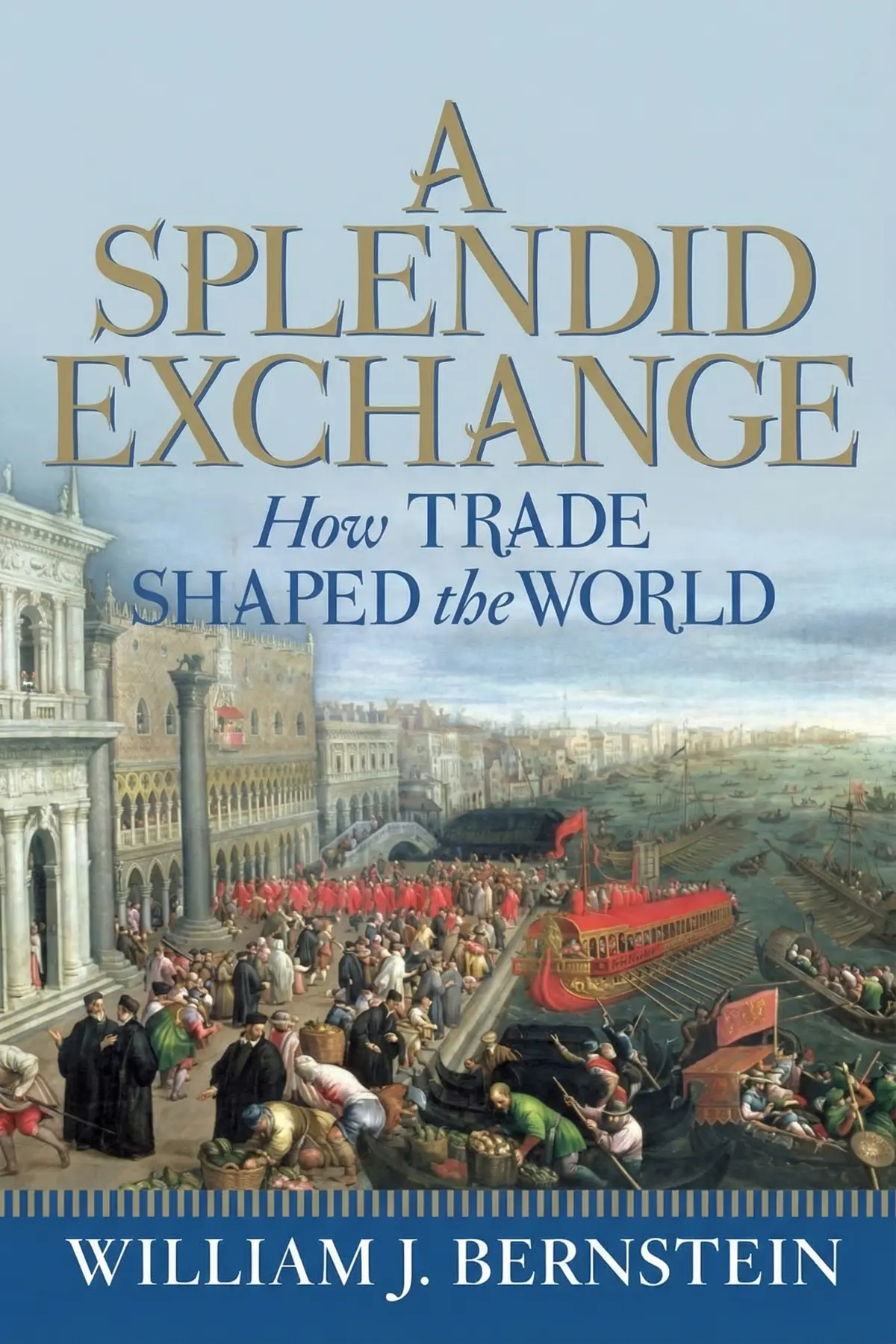
William J. Bernstein
John Rawls
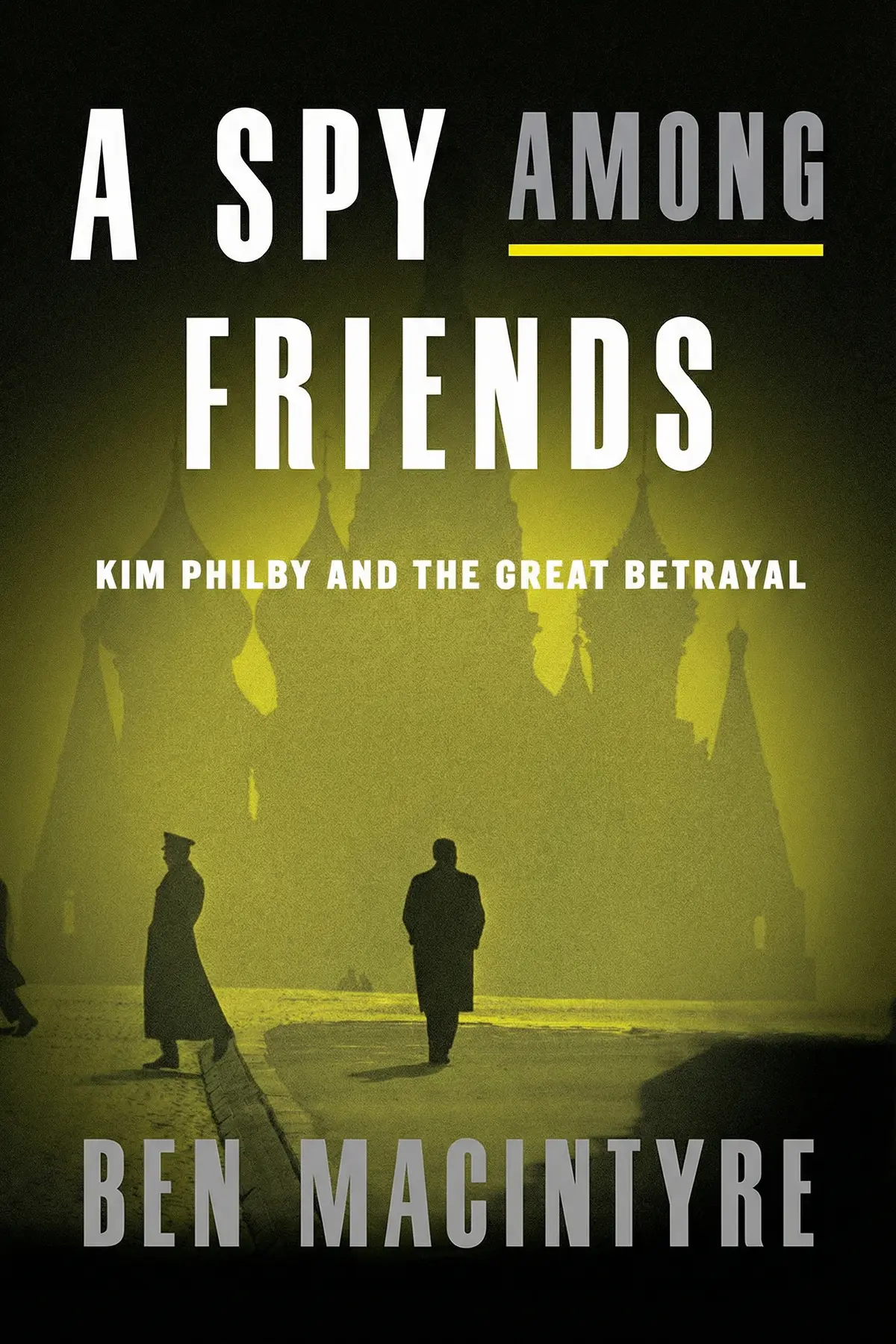
Ben Macintyre
James Shapiro
AUDIO SUMMARY AVAILABLE
Get the key ideas from China In Ten Words by Yu Hua, plus 5,000+ more titles in English and Thai.







