
14 min 11 sec
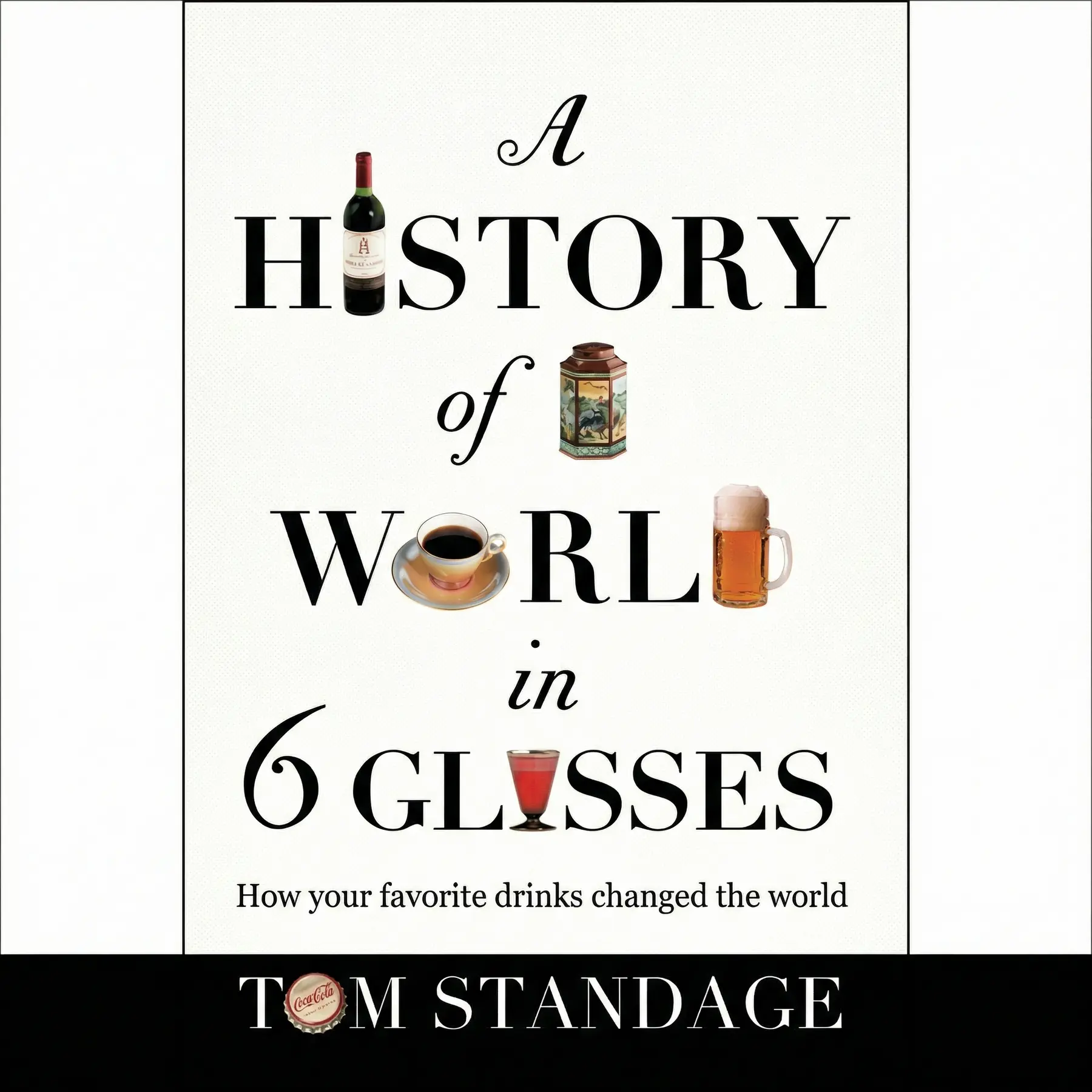
A History of the World in 6 Glasses
By Tom Standage
Explore the fascinating history of humanity through the lens of six iconic beverages. From the dawn of agriculture to the modern era, see how beer, wine, spirits, coffee, tea, and soda shaped our world.
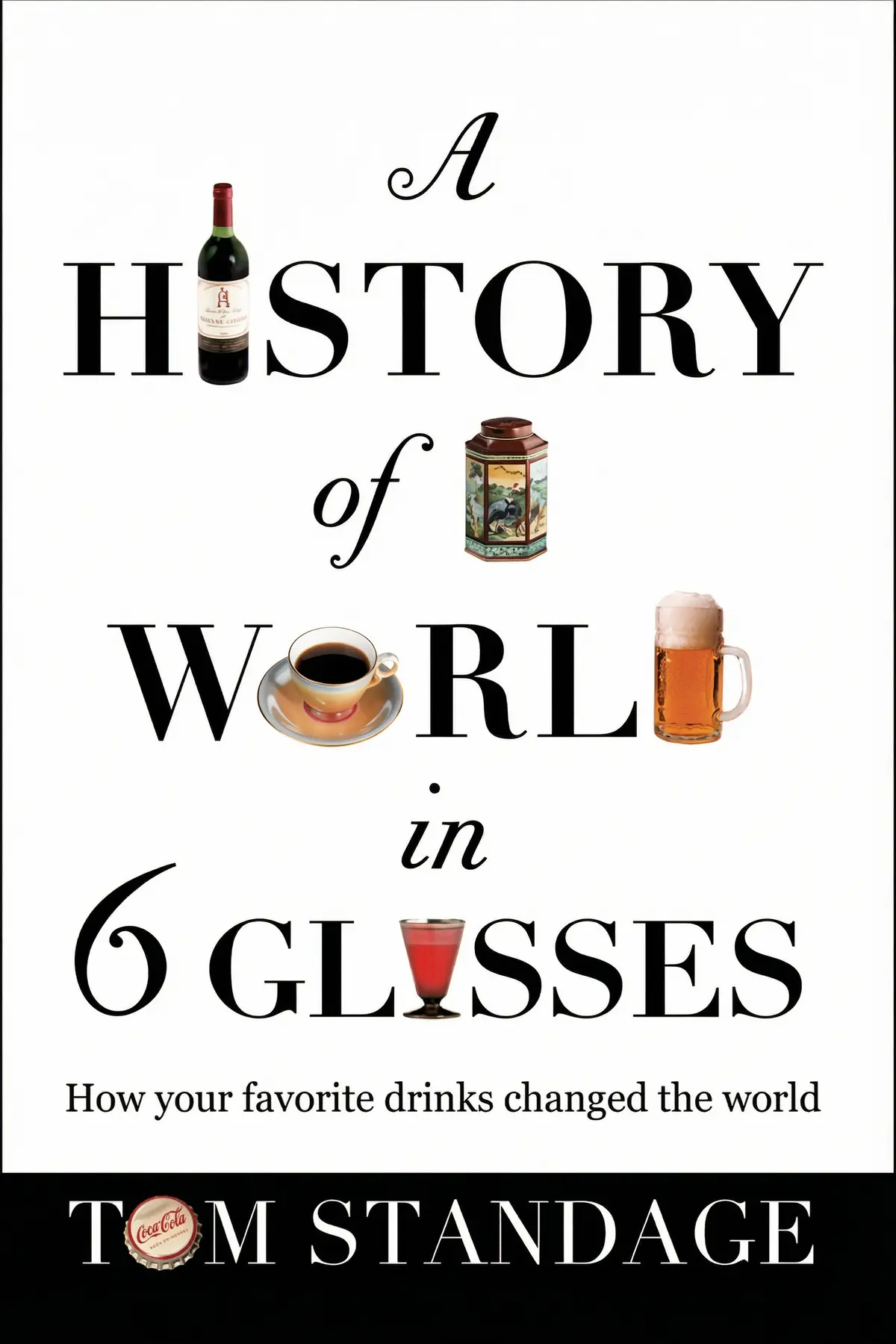
Table of Content
1. Introduction
1 min 28 sec
When we look back at the grand tapestry of human history, we usually focus on great leaders, devastating wars, or massive technological breakthroughs like the steam engine or the printing press. But there is another way to view our shared past—a more fluid, everyday perspective that sits right on your kitchen table. If you look closely at the liquids we have consumed over the millennia, you will see the story of our species unfolding in every sip.
From the very first grain harvests in the Middle East to the bustling soda fountains of twentieth-century America, our choice of beverage has never been accidental. Each of the six drinks we are about to explore represents a turning point in how humans live, work, and interact with one another. They have served as currency, as medicine, as religious symbols, and even as the fuel for revolution.
In this journey, we are going to see how the accidental discovery of beer helped turn hunters into farmers. We will witness how wine became the ultimate status symbol for the thinkers and conquerors of antiquity. We will trace the dark, high-proof history of spirits and their role in the age of exploration, and see how coffee provided the sobering clarity needed for the Scientific Revolution. We will look at how tea built and nearly broke the British Empire, and finally, how a sweet, fizzy soda became the most recognizable symbol of global culture. By the time we are finished, you will never look at your favorite drink the same way again. This is the history of the world, served in six glasses.
2. The Accidental Fermentation That Built Civilization
2 min 05 sec
Discover how a simple, fizzy accident with grain helped transform nomadic hunters into settled farmers, creating the very foundations of human society.
3. Wine and the Social Hierarchy of Antiquity
1 min 59 sec
Learn how wine evolved from an expensive luxury for kings into the intellectual fuel for Greek philosophers and Roman power brokers.
4. Spirits, Sugar, and the Age of Empire
1 min 57 sec
Explore the high-proof history of distillation and how rum became a global currency that fueled both colonization and revolution.
5. The Sobriety of the Coffeehouse
1 min 53 sec
See how the introduction of coffee provided a much-needed wake-up call to a society that had been drinking alcohol since sunrise.
6. Tea and the Global Reach of the British Empire
1 min 42 sec
Follow the journey of tea from a Chinese luxury to a British staple that fueled the Industrial Revolution and shaped global trade.
7. Coca-Cola and the Symbolism of the Modern Era
1 min 56 sec
Witness the rise of the world’s most famous soda and how it became a global icon of American values, capitalism, and the 20th century.
8. Conclusion
1 min 11 sec
As we close our look through these six glasses, it becomes clear that the history of humanity is not just a story of land and kings, but a story of what we have chosen to put in our bodies. Each of these beverages—beer, wine, spirits, coffee, tea, and soda—did far more than just hydrate us. They were the silent partners in our greatest achievements and our darkest chapters.
Beer helped us settle down and invent farming. Wine defined our social classes and fueled our greatest philosophical debates. Spirits drove the age of exploration and the tragic trade that followed. Coffee provided the clarity for the Enlightenment, while tea built the machinery of the industrial age. And finally, Coca-Cola showed us the power of a globalized, consumer-driven world.
The next time you sit down at a cafe, a bar, or your own dinner table, take a moment to look at your drink. Notice the bubbles in your soda, the steam rising from your coffee, or the color of your wine. You aren’t just looking at a refreshment; you are looking at a liquid artifact of human history. The world as we know it was built one sip at a time, and as our tastes continue to evolve, so too will the story of our future. Cheers to that.
About this book
What is this book about?
Have you ever stopped to consider how much of human history is swirling around in your glass? In this sweeping narrative, we dive into the unlikely story of how six specific drinks—beer, wine, spirits, coffee, tea, and Coca-Cola—acted as catalysts for the evolution of civilization. It is not just a book about beverages; it is a journey through the development of technology, social structures, and global trade. The promise of this exploration is a complete shift in perspective. You will see how the discovery of beer nudged nomadic tribes toward farming and how the rise of coffeehouses fueled the fires of the Enlightenment and various revolutions. Each liquid represents a different era of human achievement and conflict, from the status-seeking banquets of the Roman Empire to the industrial power of the British tea trade and the global reach of American capitalism. By the end, you will understand how these drinks did more than quench our thirst—they actively built the foundations of the modern world.
Book Information
About the Author
Tom Standage
Tom Standage is a distinguished English journalist and author known for his ability to connect technology and history in engaging ways. He serves as an editor at The Economist and has contributed to numerous prestigious publications. Standage has authored several books, including the acclaimed work The Victorian Internet, which draws parallels between the telegraph and the modern world wide web.
Ratings & Reviews
Ratings at a glance
What people think
Listeners find the narrative compelling and skillfully written, appreciating how it examines nearly the entirety of global history through the lens of various beverages. The work is lauded for its informative style, and one listener mentions that it offers a novel perspective on historical motivations. Listeners describe it as an exceptional selection for history buffs, with one review highlighting its thorough breakdown of significant drinks throughout time. While some listeners say it is without being boring or long-winded, others find the content repetitive.
Top reviews
Levi
Wow, I will never look at a simple glass of water or a can of soda the same way again. Standage has a masterful way of connecting the mundane to the monumental. His analysis of how Coca-Cola became a symbol of American freedom during the Cold War—to the point where even the Iron Curtain couldn't stop its spread—was fascinating. The book is packed with concrete examples that make the history feel tangible. I loved learning about 'posca,' the vinegar-wine used by Roman soldiers as a portable water-purification tool. It’s these little details that keep you turning the pages. Frankly, it’s one of the most entertaining history books I’ve read in years. If you enjoy learning about the social and political impacts of everyday objects, this is a must-read.
Show moreRatthapong
Finally got around to reading this classic, and it absolutely lives up to the hype. The way Standage organizes history into six distinct beverage-based eras is nothing short of brilliant. It turns what could be a dry subject into a series of interconnected stories about innovation, trade, and culture. I particularly enjoyed the section on the 'Blood of Christ' and how wine propelled the spread of Christianity. The research feels extensive, and the author's ability to flow from one century to the next without losing the reader is impressive. Not gonna lie, I found myself reaching for a different drink to match whichever chapter I was reading. It’s informative, fast-paced, and genuinely thought-provoking. Highly recommended for anyone who loves history but hates boring, long-winded textbooks.
Show moreMuk
The way Standage connects fluids to our very survival and expansion is truly eye-opening. I originally picked this up because a friend mentioned the section on coffee and the Enlightenment, but I found myself equally enthralled by the ancient history of beer in Mesopotamia. It’s fascinating to think that the move from a nomadic lifestyle to a sedentary one was potentially fueled by the desire to grow grain for fermentation. The book is incredibly well-written and flows with an ease that most history texts lack. It doesn’t feel like a chore. I especially liked the epilogue where he looks toward the future, mentioning the search for water on Mars as our next great hurdle. This is a masterful piece of pop-nonfiction that makes history feel alive.
Show moreYuki
Ever wonder how the beverage in your cup actually steered the course of human civilization? Standage offers a compelling answer by tracing the evolution of six iconic drinks from the dawn of agriculture to the modern age. I was particularly captivated by the transition from beer—a communal, egalitarian discovery—to the more hierarchical and elitist wine culture of the Greeks and Romans. The author does a fantastic job explaining how these choices weren't just about taste, but about social status and political power. Some chapters feel more researched than others, and the prose can get slightly repetitive when he tries to hammer home his central thesis. However, the sheer number of interesting factoids makes it a worthwhile read for any history buff. It’s light enough for a vacation read but packs enough intellectual punch to stay with you.
Show moreOscar
Standage takes a refreshing approach to global shifts by focusing on what people were actually drinking during pivotal moments in time. I found the connection between distillation, sugar, and the slave trade to be particularly sobering and well-explained. It’s not just a book about drinks; it’s a book about the economic engines that built the modern world. My only real gripe is that the focus is almost entirely Eurocentric. While he does mention the Arabian origins of chemistry and distillation, the narrative quickly shifts back to how these things benefited the West. Still, the writing is engaging and far from boring. It’s a great example of how you can view the entire world through a very specific, narrow lens and still learn something new.
Show moreIsaiah
Picked this up on a whim and was surprised by how much I learned about the Age of Reason. I always knew coffee houses were important for intellectuals, but Standage really illustrates how the switch from alcohol-soaked lunches to caffeine-fueled discussions literally changed the way people thought. The chapters on tea and the British East India Company were equally eye-opening, showing how a simple leaf could cement the power of an entire empire. To be fair, the book is a bit heavy on the 'great man' theory of history, and it skips over some pretty massive geographical regions. But as an introductory text for someone who wants to see the 'why' behind historical events, it’s a solid choice. It definitely makes you look at your pantry differently.
Show moreSirinat
Assigned this for my AP World History class, and I’ve got to say, it was a bit of a mixed bag. On one hand, the concept is brilliant. Using beer, wine, and coffee to track human progress makes the timeline much easier to digest than a standard textbook. On the other hand, the writing gets incredibly repetitive. Standage has a habit of making a point and then rephrasing it three times in the same chapter. I found the section on spirits and the Atlantic slave trade to be the most impactful, but the book really loses steam by the time it reaches the modern era. The ending felt rushed, randomly jumping to colonization on Mars and bottled water. It’s okay for school, but I wouldn't have picked it up for fun.
Show moreChanida
While the central gimmick is clever, the truth is that the scholarship feels remarkably thin in some chapters. Standage is a great storyteller, but he occasionally prioritizes a neat narrative over messy historical facts. For instance, he credits tea with protecting the English from waterborne diseases during the Industrial Revolution by requiring water to be boiled. That sounds logical, but historical data shows mortality was actually surging at that time, and beer drinkers often fared better during cholera outbreaks because the fermentation process killed pathogens more reliably. This kind of 'cocktail-party' history is fun to read, but it leaves you questioning the validity of his other claims. It’s a breezy read for a Sunday afternoon, but it lacks the depth required for a serious academic study of culinary history.
Show moreTaweesak
Look, it is a fun read, but don't expect a masterpiece. The author covers beer, wine, spirits, coffee, tea, and soda. It's a pop-history staple for a reason: it's accessible. However, it’s frustrating how he discusses beer without mentioning Germany or wine without focusing on France. He chooses specific geographic windows to fit his 'beverage as an epoch' theory, which feels forced. One moment we are in ancient Rome with the soldiers drinking 'posca,' and the next we are in a Barbados rum distillery with very little transition in between. It's an interesting surface-level summary, but history buffs will likely find the lack of nuance irritating. It’s better suited for someone who wants a quick, entertaining overview rather than a deep dive.
Show moreJames
This book should have been titled 'A History of the Western World in 6 Glasses' because it essentially ignores the entire Southern Hemisphere. Standage completely overlooks the rich beverage traditions of South America, Sub-Saharan Africa, and Oceania, choosing instead to focus on a very narrow, colonial perspective. Even the section on tea is viewed almost exclusively through the British lens, ignoring the deep cultural significance of Japanese or Chinese ceremonies. To make matters worse, his treatment of Coca-Cola reads like a corporate PR puff piece. He describes what is essentially a noxious substance as a symbol of 'freedom' while totally ignoring the devastating health effects of mass soda consumption. If you are looking for a comprehensive global history, keep looking. This is a surface-level narrative that skips over too many important gaps to be taken seriously as a scholarly work.
Show moreFeatured in
Readers also enjoyed
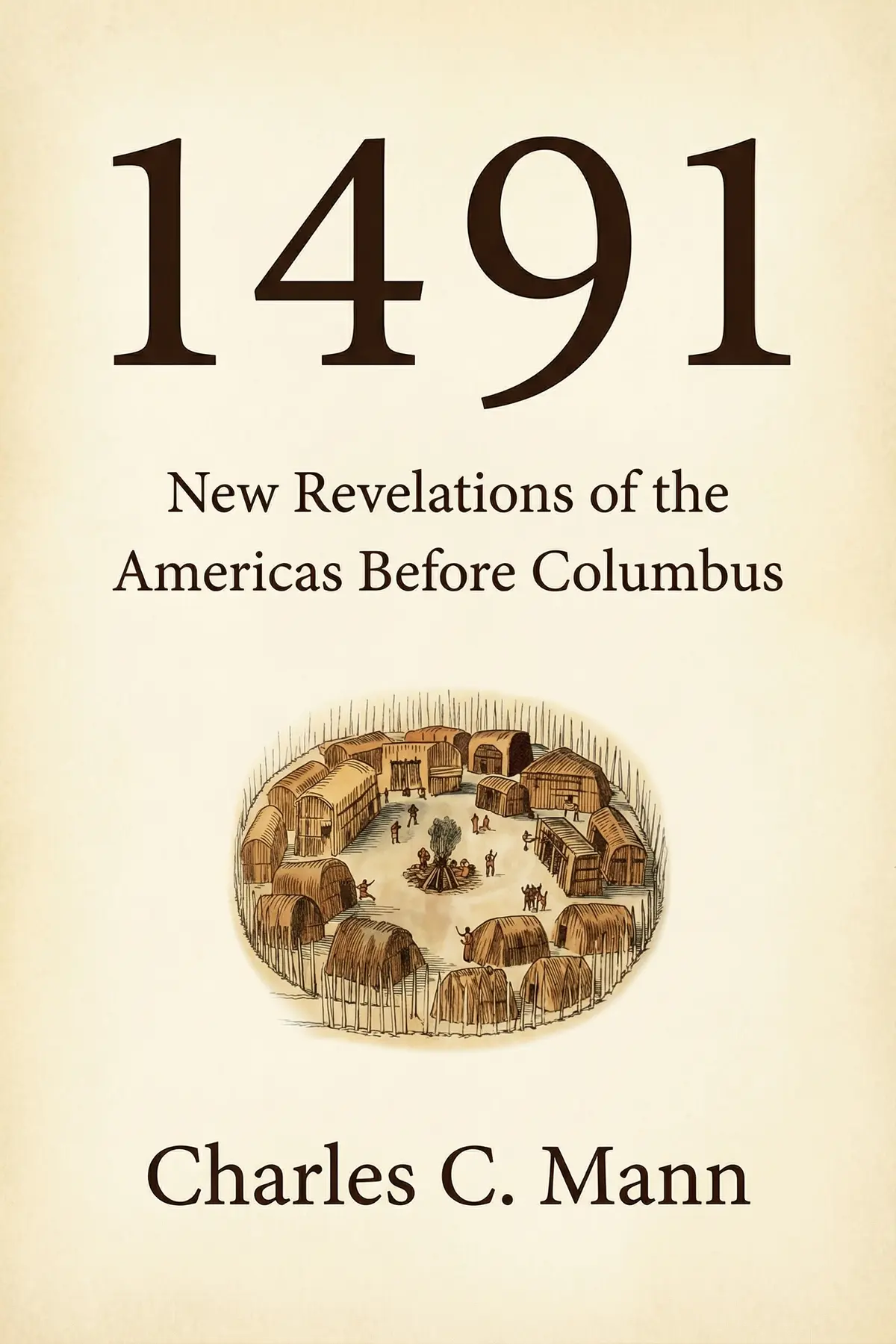
1491: New Revelations of the Americas Before Columbus
Charles C. Mann
Age of Anger: A History of the Present
Pankaj Mishra
1929: Inside the Greatest Crash in Wall Street History--and How It
Andrew Ross Sorkin

Agent Sonya: The Spy Next Door
Ben Macintyre

A Biography of Loneliness: The History of an Emotion
Fay Bound Alberti
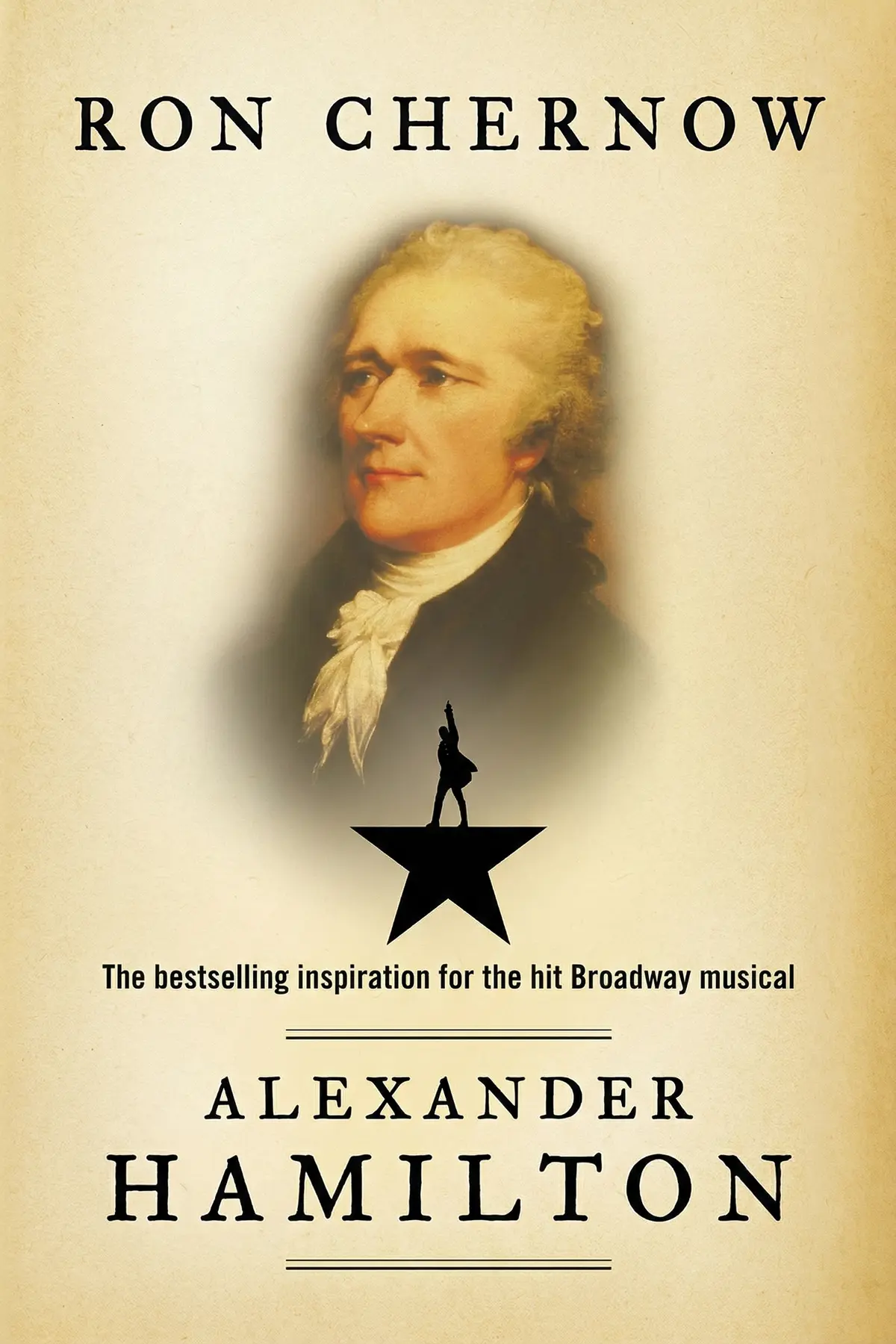
Alexander Hamilton
Ron Chernow
Alexander the Great
Philip Freeman
AUDIO SUMMARY AVAILABLE
Listen to A History of the World in 6 Glasses in 15 minutes
Get the key ideas from A History of the World in 6 Glasses by Tom Standage, plus 5,000+ more titles in English and Thai.
- 5,000+ titles
- Listen as much as you want
- 7-day free trial
- Cancel anytime







