
18 min 37 sec
Clay Water Brick: Finding Inspiration from Entrepreneurs Who Do the Most with the Least
Clay Water Brick explores the transformative power of micro-entrepreneurship, showing how tiny loans and immense resourcefulness allow individuals in the world’s poorest regions to build sustainable businesses and uplift their entire communities.
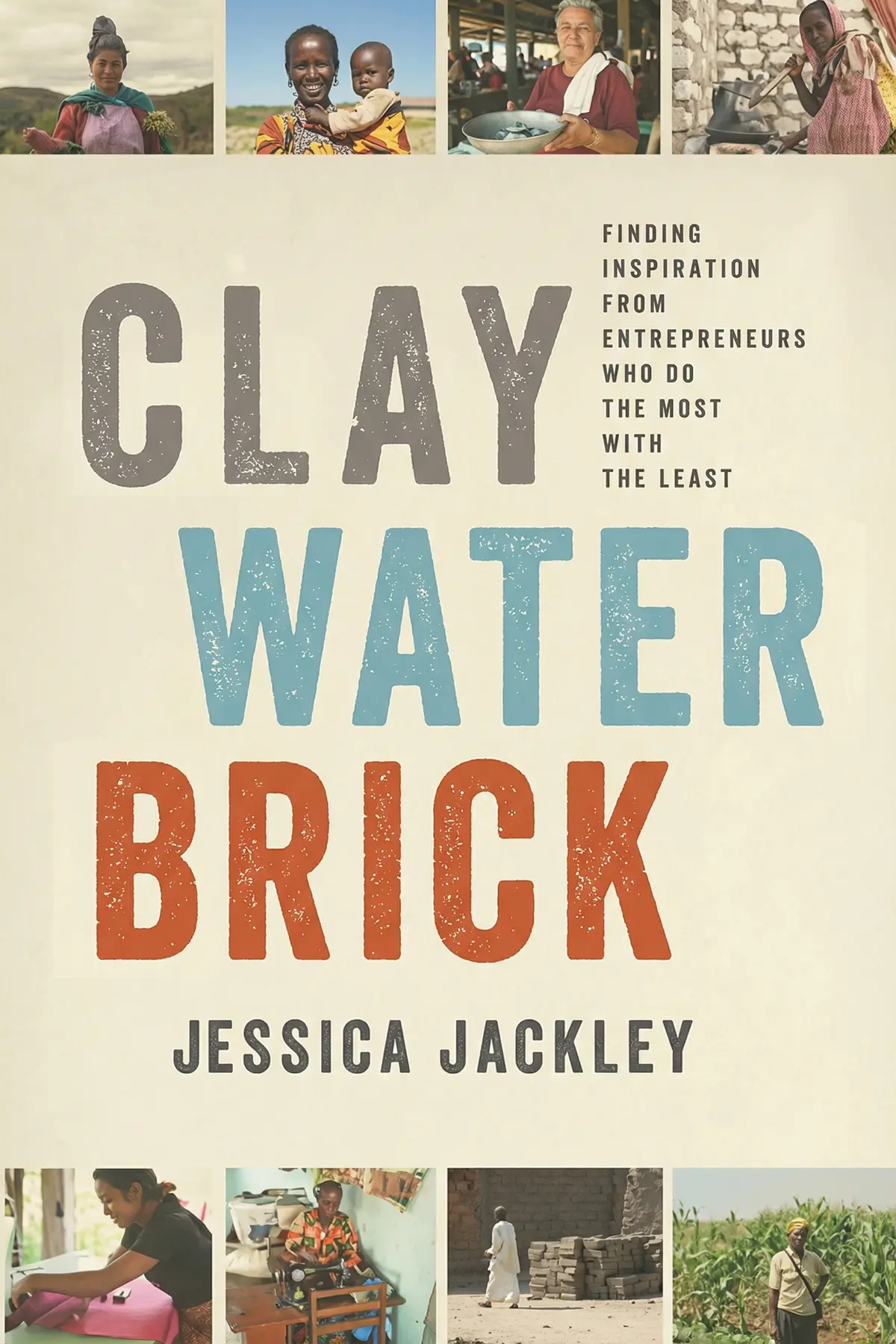
Table of Content
1. Introduction
1 min 40 sec
Think about the last time you saw a commercial for a global charity. You likely saw a famous face standing in a dusty village, surrounded by images of lack and hardship, asking for a small monthly donation. It’s a familiar scene that tugs at our heartstrings and often leads us to pull out our credit cards. But once the transaction is over and the celebrity flies home, what really changes? For many of us, there is a nagging feeling that despite billions of dollars in aid, the fundamental cycle of poverty remains stubbornly in place.
This is where the story of Clay Water Brick begins. It’s not a story about the failure of compassion, but rather a rethink of how that compassion is applied. Jessica Jackley, the visionary behind the micro-lending platform Kiva, spent years on the ground in some of the world’s most impoverished regions. What she discovered was a startling contrast between the way Westerners often view the poor and the reality of who these people actually are. They aren’t just victims waiting for a handout; they are some of the most innovative, hardworking, and resilient entrepreneurs on the planet.
In this summary, we are going to explore a different path out of poverty—one that moves away from the traditional charity model and toward a system of empowerment through microfinance. We will see how a few hundred dollars can change a family’s trajectory forever and why the smallest businesses in the world have the most to teach us about grit and resourcefulness. Through the eyes of entrepreneurs who have built success out of the literal mud, we will learn that the tools to change the world are already in the hands of those who need them most. They just need a bridge to help them reach the other side. This is a journey through the lessons of Kiva, where we see that true progress happens when we stop treating people like problems to be solved and start treating them like partners in a shared global economy.
2. The Limitation of Traditional Charity
2 min 04 sec
Traditional aid models often create a cycle of dependency, but there is a more sustainable way to foster independence by looking at the poor as capable business owners.
3. The Revolution of Microlending
1 min 54 sec
Small loans can have a massive impact, bridging the gap between those with capital and those with the drive to succeed in the developing world.
4. Resourcefulness as the Ultimate Asset
2 min 00 sec
True entrepreneurship isn’t about the resources you have, but about how you use what’s available to you, even if it’s just the dirt beneath your feet.
5. The Power of a Defined Mission
1 min 47 sec
In the chaotic early days of a startup, a clear sense of purpose acts as a compass, preventing you from being pulled off course by distracting opportunities.
6. Radical Transparency as a Trust-Builder
1 min 54 sec
Honesty, especially when things go wrong, is the most effective way to build long-term loyalty with your community and customers.
7. The Necessity of Teamwork and Delegation
2 min 01 sec
Scaling a vision requires letting go of total control and trusting others to bring their unique talents to the table.
8. Innovation Through Constant Refinement
1 min 52 sec
Sustainable success isn’t usually the result of one big idea, but the product of years of trial, error, and incremental improvements.
9. The Strategic Value of Risk
1 min 44 sec
Growth often requires stepping outside of your comfort zone and taking calculated risks that have the potential to change your business’s trajectory.
10. Conclusion
1 min 41 sec
As we look back at the stories of Patrick, Shona, Katherine, and Uncle Clay, a common thread emerges. These are people who didn’t wait for the world to change for them; they took the ‘clay, water, and bricks’ of their own lives and started building something new. Jessica Jackley’s journey with Kiva shows us that the distance between us and those living in poverty is much smaller than we often think. We share the same aspirations, the same entrepreneurial spirit, and the same desire to provide a better future for our families.
The most powerful takeaway from this exploration is that true empowerment comes from connection and trust. When we move away from a model of dependency and toward a model of partnership, everyone wins. The lender gets to be part of a meaningful story, and the borrower gets the capital and the dignity they need to succeed on their own terms. This isn’t just a lesson for those interested in global development; it’s a lesson for all of us. Whether you are starting a massive tech company or just trying to make a difference in your local neighborhood, the principles of resourcefulness, transparency, and mission-driven focus are universal.
If there is one actionable piece of advice to take away, it is this: start where you are. Don’t wait for more resources, more education, or the ‘perfect’ moment. Look at what is in your hands right now. It might just be mud, but with a little water, some heat, and a lot of persistence, you can turn that mud into a foundation for the future. And when you stumble—as you inevitably will—be honest about it. Admit your mistakes, learn your lessons, and keep moving forward. The world doesn’t need more charity; it needs more people who are willing to believe in the potential of others and who have the courage to build something that lasts.
About this book
What is this book about?
Clay Water Brick is an exploration of social entrepreneurship and the revolutionary impact of micro-lending. Jessica Jackley, the co-founder of Kiva, shares her journey from a disillusioned volunteer to a pioneer in the world of microfinance. The book challenges traditional notions of charity, suggesting that the most effective way to combat global poverty isn't through one-way donations, but through empowering local entrepreneurs with the capital they need to realize their own ideas. Through a series of moving and insightful stories, the narrative introduces readers to individuals who have built livelihoods out of literally nothing but the ground beneath their feet. It promises a new perspective on how we view the poor—not as passive recipients of aid, but as motivated, innovative business leaders. By focusing on the principles of resourcefulness, transparency, and community, the book provides a roadmap for anyone looking to make a meaningful social impact while celebrating the resilience of the human spirit.
Book Information
About the Author
Jessica Jackley
Jessica Jackley is a renowned social entrepreneur and the founder of Kiva, the world’s first and largest p2p micro-lending platform. Her career is defined by a commitment to financial inclusion, the sharing economy, and social justice. In addition to her groundbreaking work with Kiva, Jackley has been a key figure in various other social enterprises and holds an MBA from the Stanford Graduate School of Business.
Ratings & Reviews
Ratings at a glance
What people think
Listeners find this book deeply motivating, as it presents authentic entrepreneurial journeys alongside significant life wisdom. The personal account is captivating; one listener specifically points out how the author skillfully weaves touching narratives of business owners into the book. Listeners enjoy the accessible writing and overall style, with one listener commenting on its lighthearted, humorous feel. They appreciate the candid perspective on starting a business, with one review stressing that it is ultimately about building a community.
Top reviews
Komsan
Jessica Jackley’s journey is nothing short of riveting. I found myself deeply moved by how she weaves her personal growth with the grit of entrepreneurs in developing nations. The theme of resourcefulness—doing the most with the least—is a lesson that resonates far beyond the world of finance. Truth is, some stories feel a bit brief, but the overarching message about dignity and human potential is loud and clear. It’s an easy read that manages to be both informative and emotional. If you’ve ever used Kiva, this adds so much context to where those loans actually go and the persistence required to change a life.
Show moreWatcharaporn
Wow. This is the kind of book that makes you want to immediately log onto your computer and start funding loans. Jackley’s perspective on poverty is refreshing because it focuses on strength and agency rather than pity. The way she describes 'clay, water, and brick' as the building blocks of a new life is poetic and grounded. To be fair, the narrative moves fast, but the emotional impact is lasting. It’s a compelling account of how integrity and risk-taking can actually disrupt global poverty. I finished it in two sittings and felt a renewed sense of purpose for my own small business ventures.
Show moreIff
Picked this up on a whim and was surprised by how much it challenged my worldview. It’s an honest, humble account of what it means to truly help people without being patronizing. Jackley’s tone is friendly and engaging, which makes the pages fly by. She manages to thread together various stories of business owners to illustrate that entrepreneurship is a universal language. Not gonna lie, I teared up a few times reading about the self-belief these people have. It’s more than just a business book; it’s a lesson in human connection and the power of giving someone a hand up instead of a handout.
Show moreSamroeng
Finally got around to reading this, and it’s a breath of fresh air for anyone tired of traditional, dry business books. Jackley has a humorous and honest voice that makes the complex world of micro-finance feel accessible to anyone. She doesn't just talk about money; she talks about building a global community based on trust and mutual respect. The chapter on persistence was particularly insightful for my own career path. While a few sections felt a little hurried, the way she threads these poignant stories of business owners throughout the text is masterfully done. It left me feeling empowered and ready to take a risk.
Show moreBun
After hearing so much about Kiva, I was curious to see the woman behind the movement. This book is a beautiful tapestry of stories, showcasing how small businesses can flourish in the world’s poorest countries when given a chance. Jackley’s writing style is accessible and surprisingly humorous at times, making for a very quick read. My only gripe is that the focus shifts quite heavily toward the author’s own autobiography rather than the borrowers themselves. I would have loved more grit and detail about the actual entrepreneurs. Still, it’s an incredibly honest look at what it takes to build a community through social entrepreneurship.
Show moreEli
As a longtime micro-lender, I appreciated getting the 'behind the scenes' story of how this organization came to be. The book is filled with meaningful life lessons about persistence and transparency. Jackley does an excellent job of explaining how she had to unlearn her own biases about poverty to see the potential in others. Some of the entrepreneurs she highlights, like the shaved ice shop owner, provide interesting case studies in community building. While the writing isn't exactly groundbreaking, the sincerity of her mission shines through. It leaves you with the message that anyone can be courageous if they just start with what they have.
Show moreAva
Ever wonder how a simple idea becomes a global movement? This book provides a window into that process, though it leans heavily into the author’s personal narrative. Jackley is a fantastic storyteller when she’s talking about the people she met in Africa, but the transition back to her own life can feel a little jarring. The book is at its best when it highlights how resourcefulness can overcome a lack of capital. It’s an inspiring read for any aspiring entrepreneur, though I do wish the borrower stories had more meat on their bones. Definitely a good addition to any non-profit lover's bookshelf.
Show morePranee
The concept is powerful, but I felt the structure was a bit stilted. Jackley is clearly passionate, yet the book often feels like a long cover letter for her own career. Look, the stories of the entrepreneurs are the best part, but they are sketched so broadly that it’s hard to feel a deep connection to them. I was expecting more of a deep dive into the mechanics of microlending. Instead, it’s a light, inspirational memoir. For the price the publishers are asking, I wanted more substance and fewer personal anecdotes that didn't always seem to lead anywhere specific. It’s worth a skim if you find it at the library.
Show moreDavid
To be fair, the writing style is quite easy to digest, but I found myself fighting through the author's life story to get to the 'nuggets' of information I actually wanted. The entrepreneurs are the stars of the show, yet they feel like supporting characters in Jackley's own drama. I give it three stars because the mission of Kiva is so vital and the advice on risk-taking is solid. However, the price is quite high for a book that feels a bit thin on actual data or detailed case studies. It’s an okay read for inspiration, but don't expect a technical manual on how to start a social enterprise.
Show moreBoss
I really wanted to love this because I’m a huge fan of the Kiva platform, but the execution felt disjointed. It reads more like a self-appreciating autobiography than a guide on social entrepreneurship. Frankly, the author spends so much time on her own life story and her personal feelings that the actual borrowers—the people I actually wanted to learn about—get pushed into the background. They are mentioned in passing, and I never really got a feel for their daily struggles or specific business hurdles. It's a quick read, but for the current price point, I expected a lot more depth and significantly less focus on the 'I' in every sentence.
Show moreReaders also enjoyed
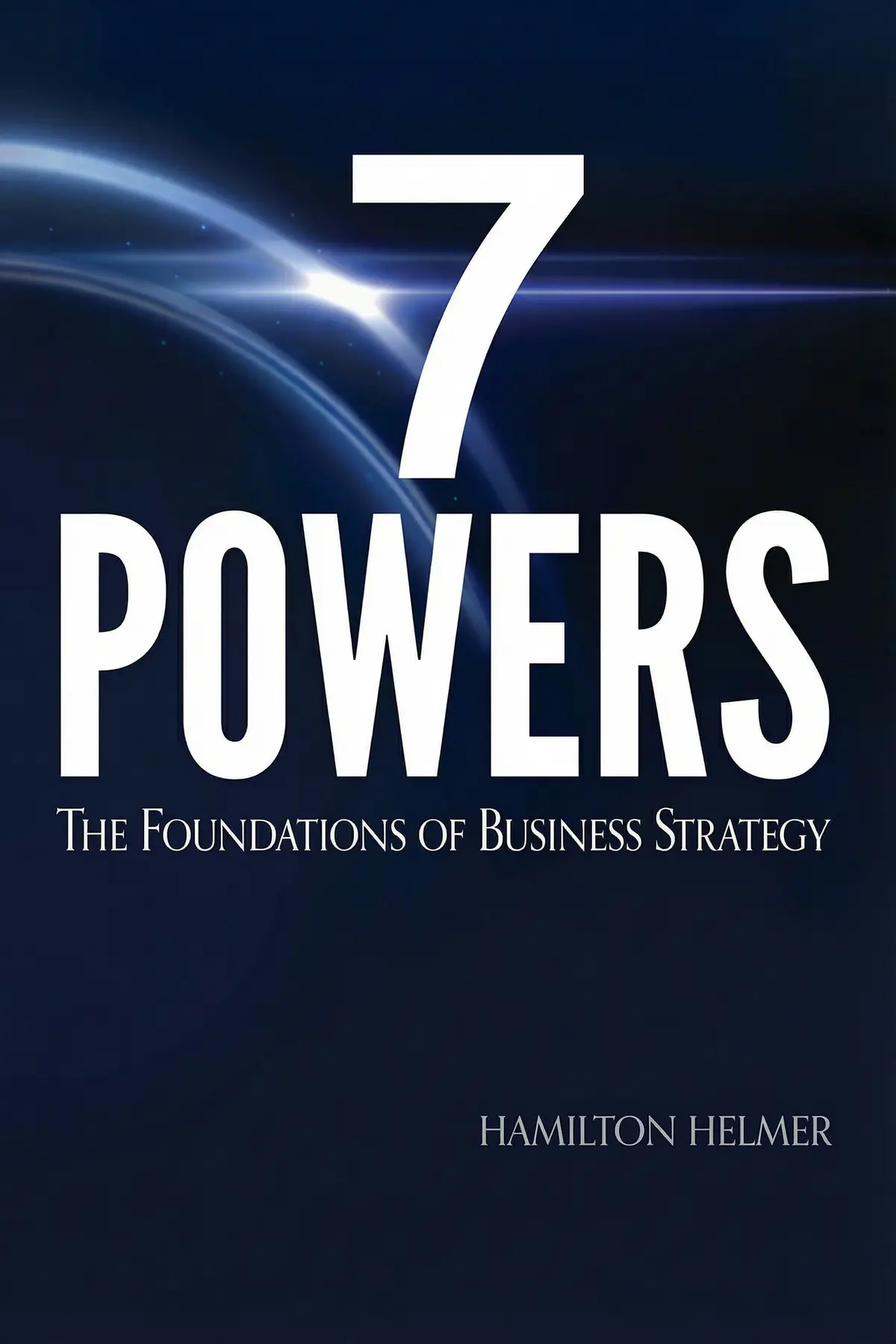
7 Powers: The Foundations of Business Strategy
Hamilton Helmer

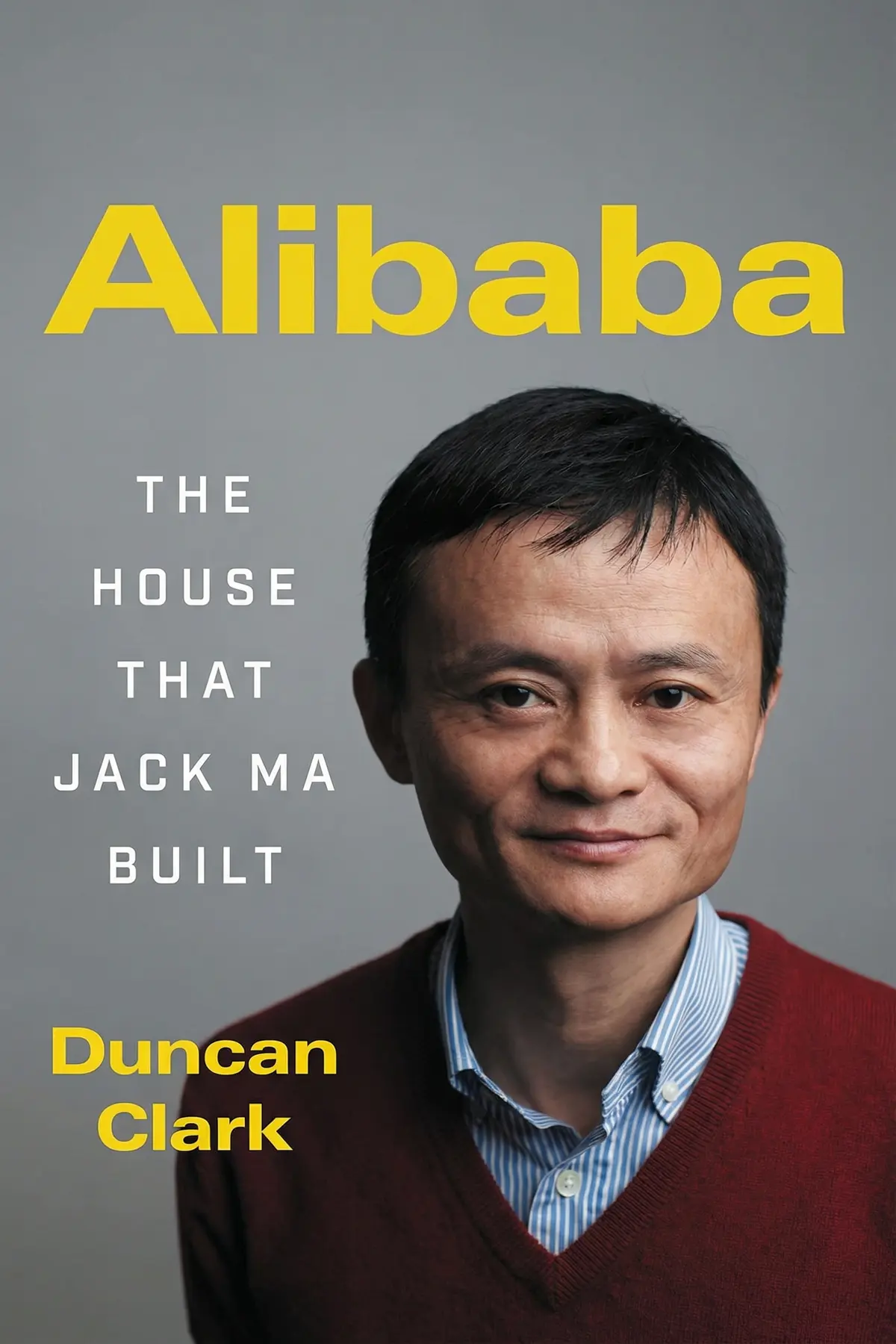
Alibaba: The House That Jack Ma Built
Duncan Clark
AUDIO SUMMARY AVAILABLE
Listen to Clay Water Brick in 15 minutes
Get the key ideas from Clay Water Brick by Jessica Jackley, plus 5,000+ more titles in English and Thai.
- 5,000+ titles
- Listen as much as you want
- 7-day free trial
- Cancel anytime







