
19 min 01 sec
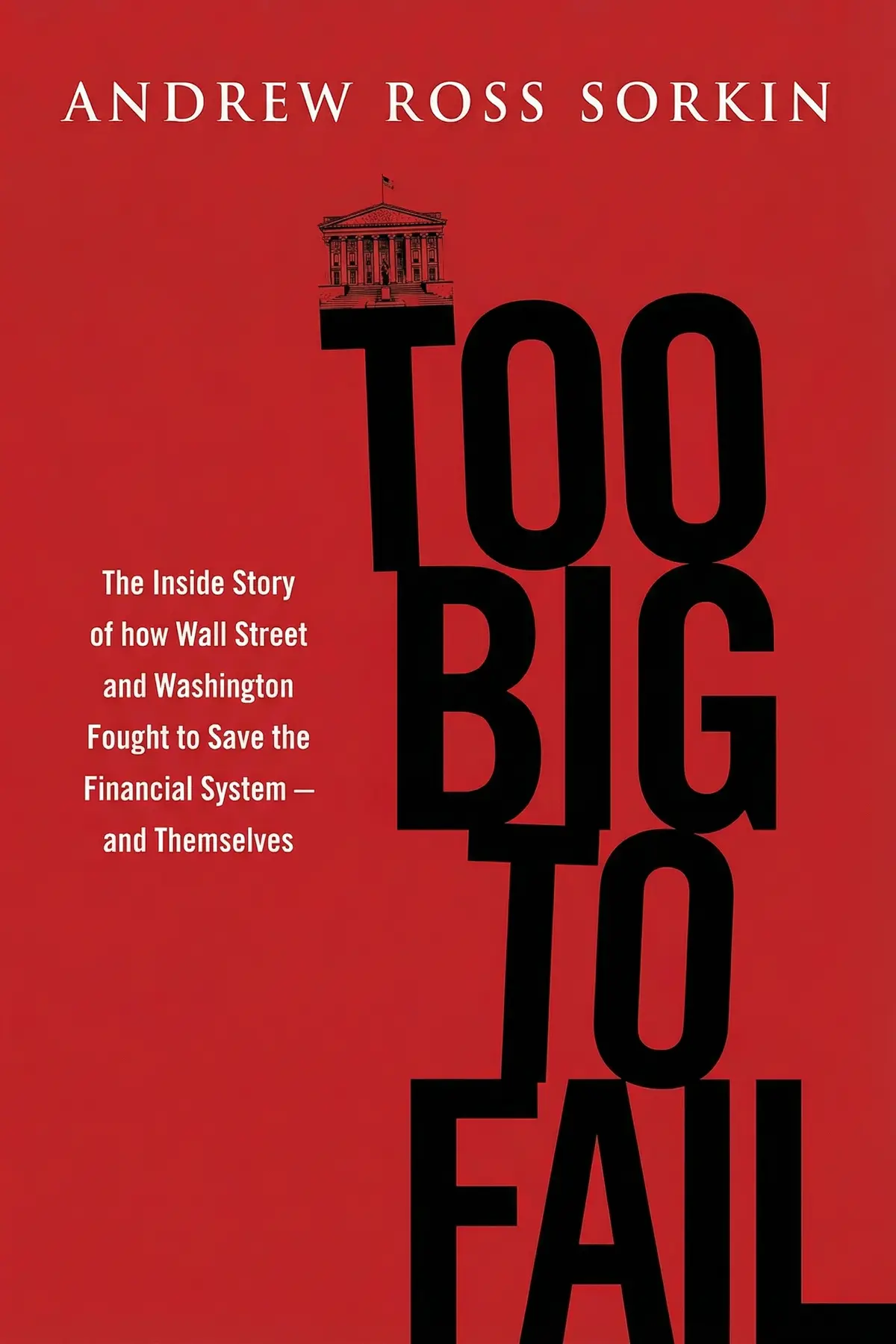
1929: Inside the Greatest Crash in Wall Street History--and How It Shattered a Nation
1929 explores the human hubris and institutional failures behind the legendary stock market crash, revealing how marketing, debt, and poor policy turned a financial correction into the Great Depression.
Table of Content
1. Introduction
2 min 09 sec
The stock market crash of 1929 occupies a legendary space in our history, often reduced to a few flickering black-and-white images in our minds. We think of panicked crowds gathered outside the New York Stock Exchange, newsboys shouting about financial ruin, and the long, somber lines of the Great Depression that followed. There’s a common story we tell ourselves: the bubble burst, the economy died, and the world descended into chaos. But when we look closer, we find that the reality of that era is far more complex and human than the legends suggest.
Andrew Ross Sorkin, who famously chronicled the 2008 financial crisis, realized that while people often compare modern crashes to 1929, they rarely understand the actual events or the people involved. Most history books focus on charts, interest rates, and trade statistics, but they miss the pulse of the era—the ambition, the overconfidence, and the simple human errors that allowed a prosperous nation to walk off a financial cliff. Sorkin’s exploration aims to strip away the myths, such as the widely held belief that the crash itself was the sole cause of the Great Depression or that bankers were jumping from windows in record numbers.
What truly emerges is a story of hubris. It is a story about how a society convinced itself that it had finally solved the problem of poverty and that growth could continue forever without consequence. To understand the crash, we have to go beyond the numbers and look at the cultural shifts that made ordinary Americans believe they could get rich without work. We have to look at how Wall Street transformed from a closed club for the elite into a playground for the masses, fueled by a new and dangerous relationship with debt. Over the next few minutes, we will explore the mechanisms of this collapse, the characters who drove the frenzy, and the policy failures that turned a bad week on the market into a decade of national hardship. This isn’t just a history lesson; it’s a study of the human patterns that continue to shape our financial world today.
2. The End of Economic Gravity
2 min 31 sec
Explore how a decade of unprecedented growth convinced a generation that the old laws of boom and bust no longer applied to the American economy.
3. The Invention of Modern Debt
2 min 26 sec
Discover how borrowing transformed from a moral failing into a middle-class status symbol, fueling a massive wave of stock market speculation.
4. The Gospel of Perpetual Growth
2 min 22 sec
Meet the man who revolutionized banking by treating stocks like household appliances, convincing millions of ordinary citizens to gamble on Wall Street.
5. A Perfect Storm of Cheap Money
2 min 28 sec
See how international interest rate shifts and a decoupling of stock prices from actual production created the conditions for a total market meltdown.
6. Turning a Crash into a Depression
2 min 26 sec
Learn why the initial stock market collapse didn’t have to lead to a decade of suffering and how policy mistakes made the crisis far worse.
7. The Reckoning and Regulation
2 min 32 sec
Follow the investigation that exposed Wall Street’s inner secrets and led to the rules that governed American finance for the next seventy years.
8. Conclusion
2 min 07 sec
As we look back on the events of 1929, the most important takeaway isn’t found in the ticker tape or the interest rate tables. It is found in the way we think about the future. The crash of 1929 serves as a permanent warning about what happens when a society mistakes a temporary boom for a permanent change in the laws of nature. The Roaring Twenties were built on a foundation of genuine progress, but that progress was stretched thin by a collective delusion that risk had been conquered.
We’ve seen how the democratization of credit and the aggressive marketing of Wall Street drew millions of people into a game they didn’t understand. We’ve seen how a global imbalance of money and a domestic addiction to debt created a bubble that was destined to burst. And perhaps most importantly, we’ve seen that the suffering of the Great Depression wasn’t an inevitable consequence of the crash, but the result of policy failures that prioritized gold and abstract economic theories over the basic needs of the people.
The throughline of Andrew Ross Sorkin’s exploration is that markets are human institutions, driven by human emotions. Hubris leads to the bubble, panic leads to the crash, and fear leads to the depression. The regulatory framework built by Ferdinand Pecora and the Roosevelt administration was an attempt to save capitalism from its own worst impulses. When we forget those lessons—when we stop believing that the past can repeat itself—we set the stage for the next cycle of ruin.
The next time you hear a booster promising that we’ve entered a new era of “eternal sunshine,” or you see a market climbing while the underlying economy struggles, remember 1929. The most dangerous words in finance are “this time is different.” By understanding the human drama behind the greatest crash in history, we can hopefully learn to recognize the shadows before the sun goes down again. The best way to protect our future is to keep a clear-eyed view of the mistakes that defined our past.
About this book
What is this book about?
1929 takes listeners behind the ticker tape and into the boardrooms of the Roaring Twenties to explain the most famous financial disaster in history. While many accounts of the era focus on dry economic data, this narrative prioritizes the psychological and cultural shifts that made the crash possible. It traces the journey from a decade of unparalleled optimism to the dark days of the Great Depression, highlighting the individuals who promoted the bubble and the policy failures that followed. The promise of this exploration is a deeper understanding of how market cycles are driven by human emotion as much as math. You will learn how the democratization of credit changed the American psyche and how a lack of government oversight allowed a market correction to spiral into a decade-long economic winter. By looking at the motivations of figures like Charles Mitchell and the investigative prowess of Ferdinand Pecora, this account provides a vivid perspective on why the market collapsed and what it took to eventually rebuild the public's shattered trust in the financial system.
Book Information
About the Author
Andrew Ross Sorkin
Andrew Ross Sorkin is an award-winning journalist at the New York Times and co-anchor of CNBC’s Squawk Box. He is the founder and editor-at-large of DealBook, a leading financial newsletter published by the Times. Sorkin is best known for Too Big to Fail (2009), a bestselling account of the 2008 financial crisis. That book spent more than six months on the New York Times Best Seller list, won the Gerald Loeb Award for Best Business Book, and was adapted into an HBO film nominated for 11 Emmys.
Ratings & Reviews
Ratings at a glance
What people think
Listeners find this book to be a gripping account with a fast-moving narrative that unfolds much like a novel. The prose is exceptionally well-crafted, with one listener emphasizing the author's talent for clarifying intricate events. Additionally, the work delivers absorbing details regarding the 1929 stock market crash and introduces a memorable ensemble of figures. Listeners also value its historical merit, with one review noting how the story examines both financial subjects and human foibles.
Top reviews
Sarawut
Honestly, I wasn't sure if I could handle another book about financial collapses, but Sorkin makes it feel like a high-stakes thriller. It’s written with such a cinematic quality that you forget you’re reading non-fiction. I especially loved the way he handles the characters—they aren't just names on a page, they feel like real, flawed people caught in a storm. The way he structured the chapters by date made the timeline so easy to follow, even for someone who usually finds history books a bit of a slog. It’s a terrifying look at how ego and hubris can wreck a nation. Personally, I think this should be required reading for anyone working in finance today. It’s fast-paced, deeply researched, and incredibly relevant.
Show moreAnawin
Absolutely phenomenal. I read 'Too Big to Fail' years ago and loved it, so I was excited to see Sorkin tackle the 'original' crash. He has this incredible knack for taking complex financial shenanigans and making them feel like a page-turner. What struck me most was how little human nature has changed since 1929. The greed, the blind optimism, the absolute panic—it’s all there. The book doesn't just talk about numbers; it talks about the shattering of the American dream. I finished it in two sittings because the prose is just that engaging. It’s a vivid, scary, and essential piece of history that reads like a novel. Highly recommended for history buffs and novices alike.
Show moreLucas
Five stars for the storytelling alone. Sorkin captures the 'vibe' of the Roaring Twenties and the sudden, chilling transition into the Depression perfectly. I was particularly fascinated by the eyewitness account of Winston Churchill—I had no idea he was actually there watching the market collapse! It’s those kinds of details that make the book feel special. To me, the book is really about irrationality and how quickly people can lose their heads when money is involved. It’s a great reminder that markets aren't these logical, robotic systems; they're driven by people who are often scared and greedy. This is easily one of the best history books I've read this year.
Show moreDaranee
Sorkin does it again. Like he did with the 2008 crisis, he takes a chaotic moment in time and finds the human pulse behind it. The research is clearly meticulous, drawing from private papers and first-hand accounts that I hadn't seen before. It really highlights the arrogance of the era—everyone thought the boom would last forever. It’s a sobering read when you think about our current tech or AI booms; you can see the same patterns repeating themselves. The prose is sharp, the pacing is excellent, and the focus on the actual days of the crash makes it feel incredibly immediate. It's a fantastic, immersive experience that I couldn't put down.
Show moreAndrei
As a fan of Sorkin’s work on 'Billions,' I had high expectations for this. He definitely delivers on the drama and the 'behind-the-scenes' feel of Wall Street. The book does a fantastic job of illustrating the atmosphere of 1929—you can almost hear the stock tickers clattering. I did find the sheer number of people a bit overwhelming at times, though. There’s a list of names at the front, and I’d highly recommend keeping a finger there because you’ll need it! My only real gripe is that I wanted a bit more of the 'why' behind the economic concepts. He mentions speculation a lot, but a deeper dive into the mechanics would have been nice. Still, a very worthwhile and propulsive read.
Show moreEthan
This was a really eye-opening look at the 1929 crash. I liked how Sorkin focused on the 'players' like Charles Mitchell and Carter Glass rather than just dry statistics. It makes the history feel much more personal. I will say, the book’s ending felt a little bit tepid to me. Sorkin seems to suggest that we just need 'humility' to prevent these things, which feels like a bit of a cop-out when you see how much damage these guys did. But maybe that's just my own bias speaking! The writing itself is top-notch, and I appreciated that he didn't constantly hit us over the head with comparisons to today. He lets the history speak for itself, which I really respected.
Show moreDing
I went into this with only a basic understanding of the crash, and I came away feeling much more informed. Sorkin’s journalistic style is very accessible. He avoids the dense jargon that usually makes my eyes glaze over. I especially enjoyed the second half of the book, which deals with the aftermath and the trials. It was interesting to see how the public's trust in capitalism was so fundamentally shaken. I did think some of the characterizations were a bit thin—with so many people to cover, only a few really stand out—but the chronological structure kept the momentum going. It's a solid, well-paced read that manages to make banking feel exciting.
Show moreChee
I’m not a finance person at all, so I was worried this would go over my head. Thankfully, Sorkin writes for the layperson. He explains things like short selling and margin trading in a way that actually makes sense. The book is definitely more about the drama and the personalities than the hard economics, which worked for me. I did find the 'Cast of Characters' at the start to be essential, as there are a ton of bankers and politicians to keep track of. My only reservation is that I felt the author was a bit soft on some of the characters who clearly caused the mess. Still, it’s a compelling and fast-paced narrative that kept me hooked.
Show moreAkosua
A very solid 4 stars. It’s a great 'entry-level' book for anyone interested in the 1929 crash. It doesn't get bogged down in theory, which makes it a quick read. I liked the focus on the human story—how families were affected and how the wealthy tried to save themselves while the public bore the brunt of the losses. Honestly, it made me a bit angry to read about the corruption and the bribes! My only minor issue is that it feels a bit more like a collection of very good anecdotes than a definitive historical analysis. But if you're looking for an entertaining and informative narrative, you can't go wrong with Sorkin.
Show moreUbolrat
I have mixed feelings about this one. On one hand, Sorkin is a master storyteller. The scenes with Winston Churchill and the dinner parties in New York were fascinating and felt very grounded. However, I felt like the book stayed a bit too much on the surface. It’s very 'ground-level,' which is great for pacing, but I occasionally felt lost regarding the bigger macroeconomic picture. It’s a slender volume, and maybe that’s the problem—it tries to cover so much human drama that the actual financial analysis gets squeezed out. If you want a character-driven narrative, you’ll love it. If you’re looking for a deep academic explanation of the Great Depression, this might not be for you.
Show more
Readers also enjoyed
A Year in the Life of William Shakespeare: 1599
James Shapiro
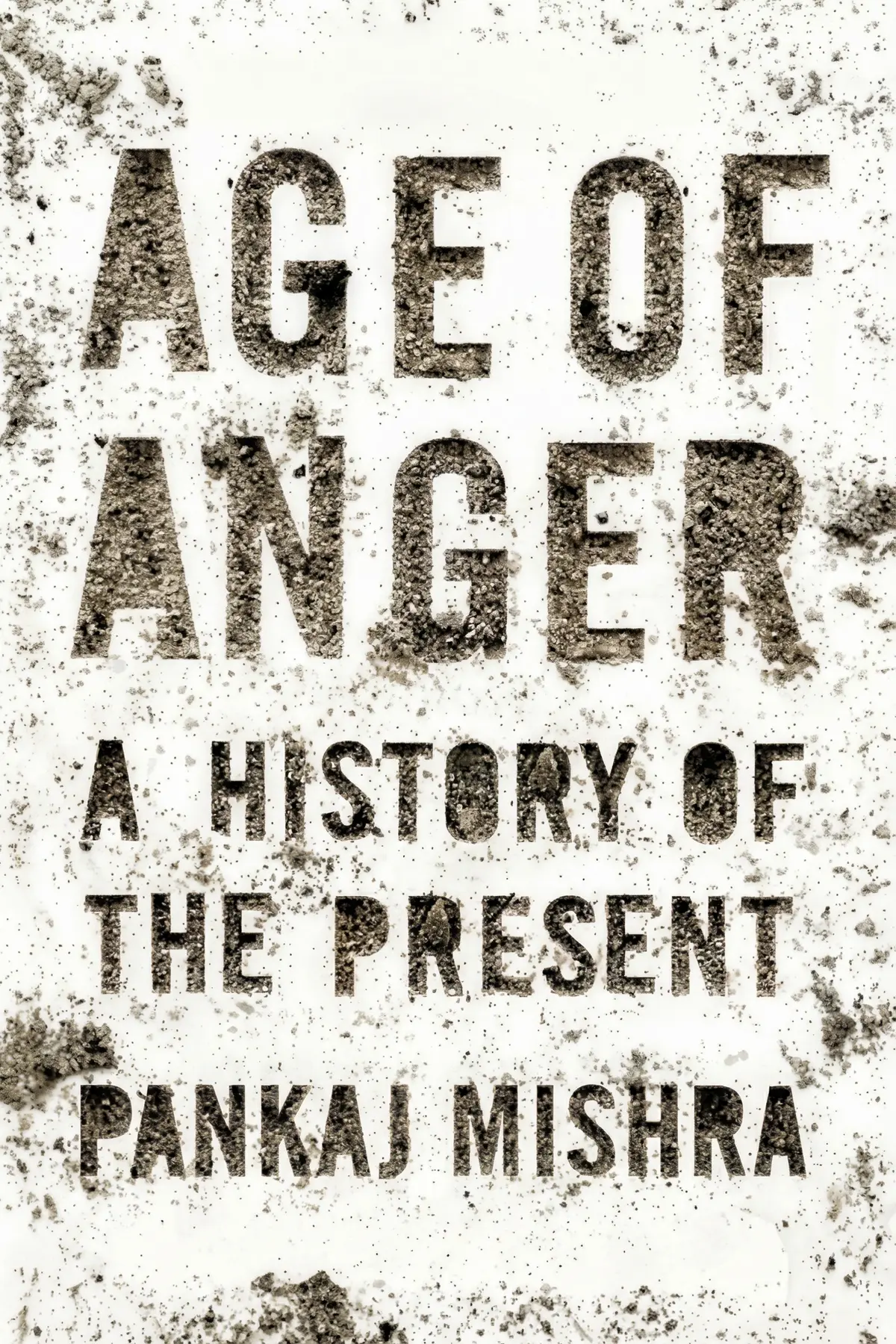
Age of Anger: A History of the Present
Pankaj Mishra
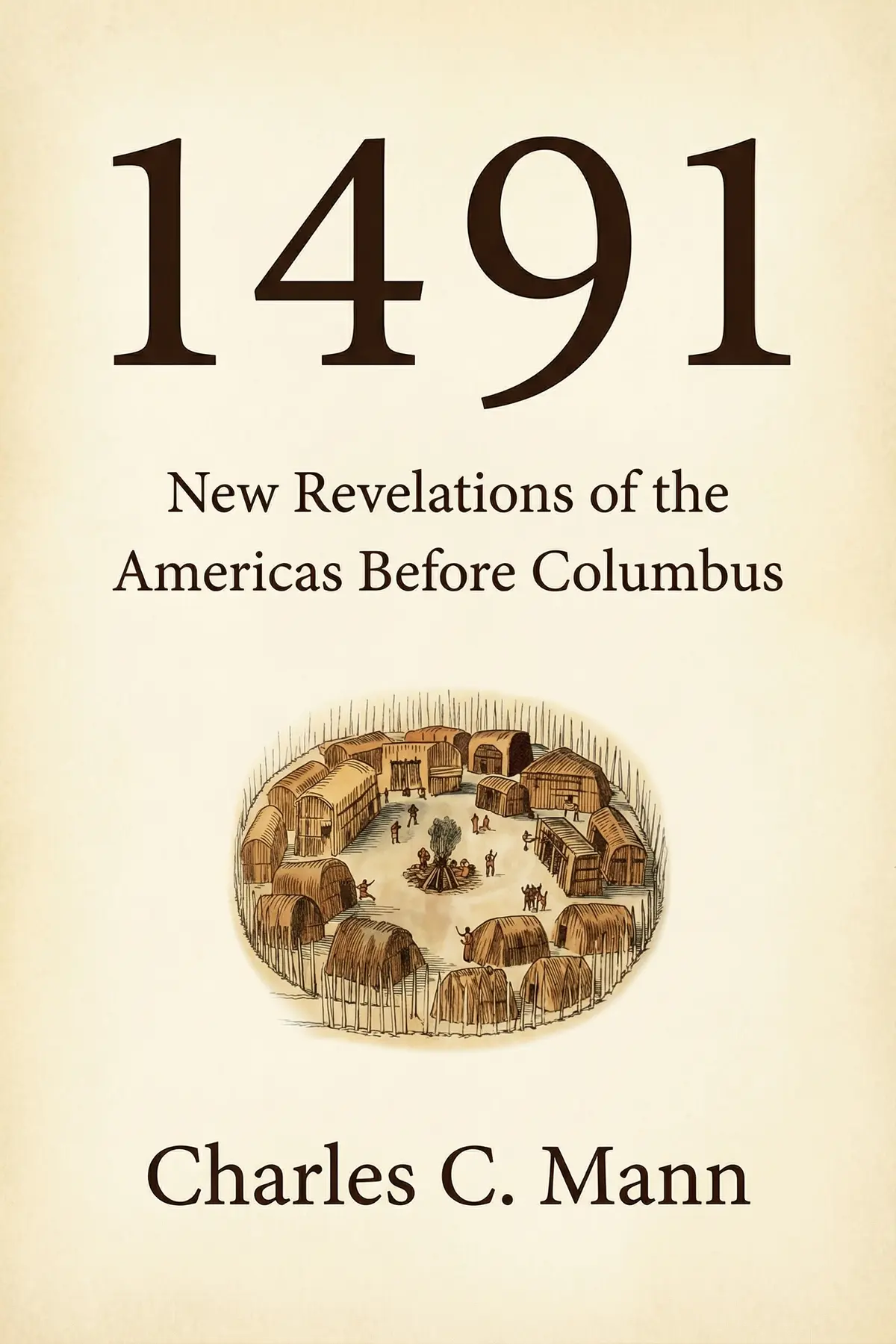
1491: New Revelations of the Americas Before Columbus
Charles C. Mann
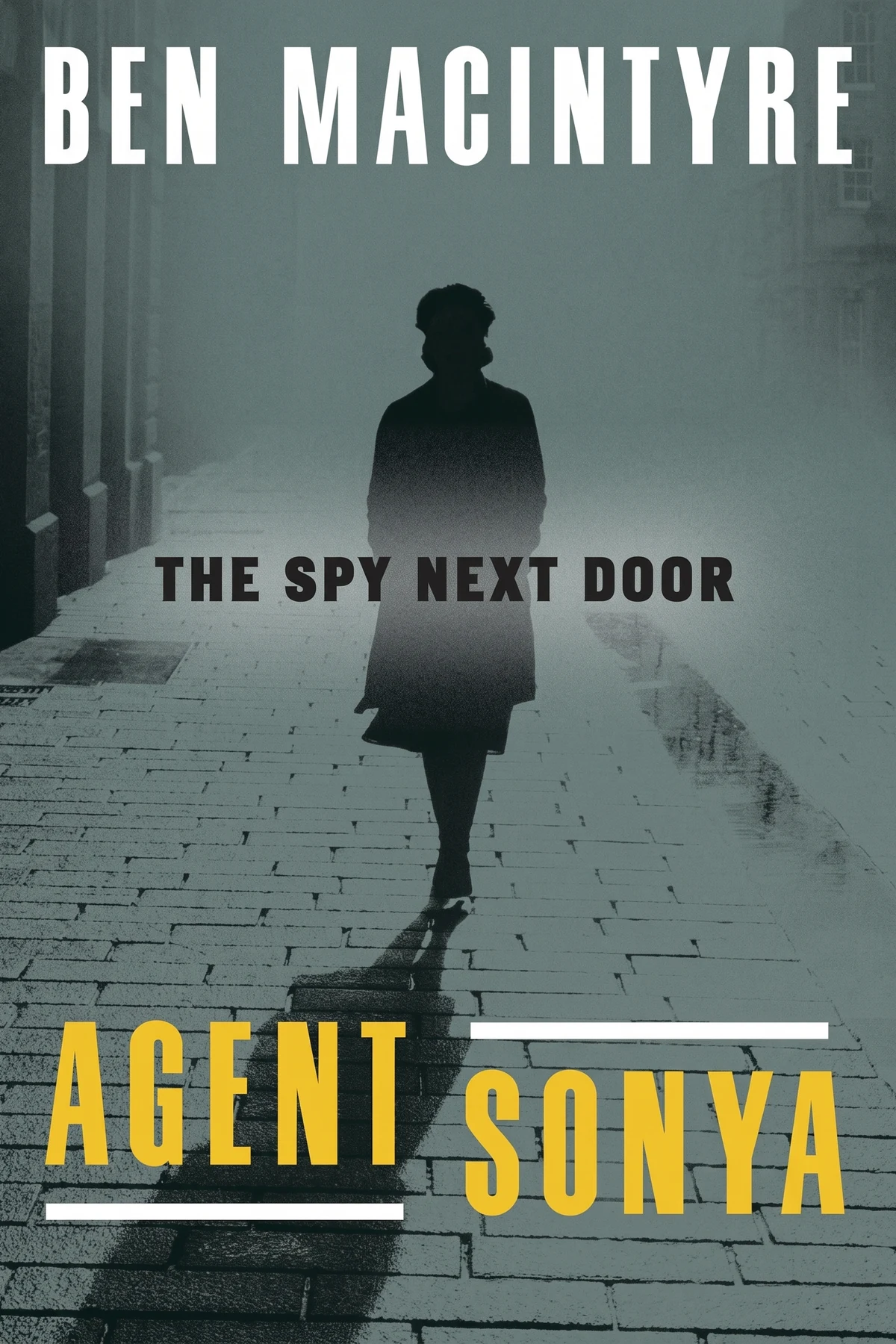
Agent Sonya: The Spy Next Door
Ben Macintyre

A Biography of Loneliness: The History of an Emotion
Fay Bound Alberti
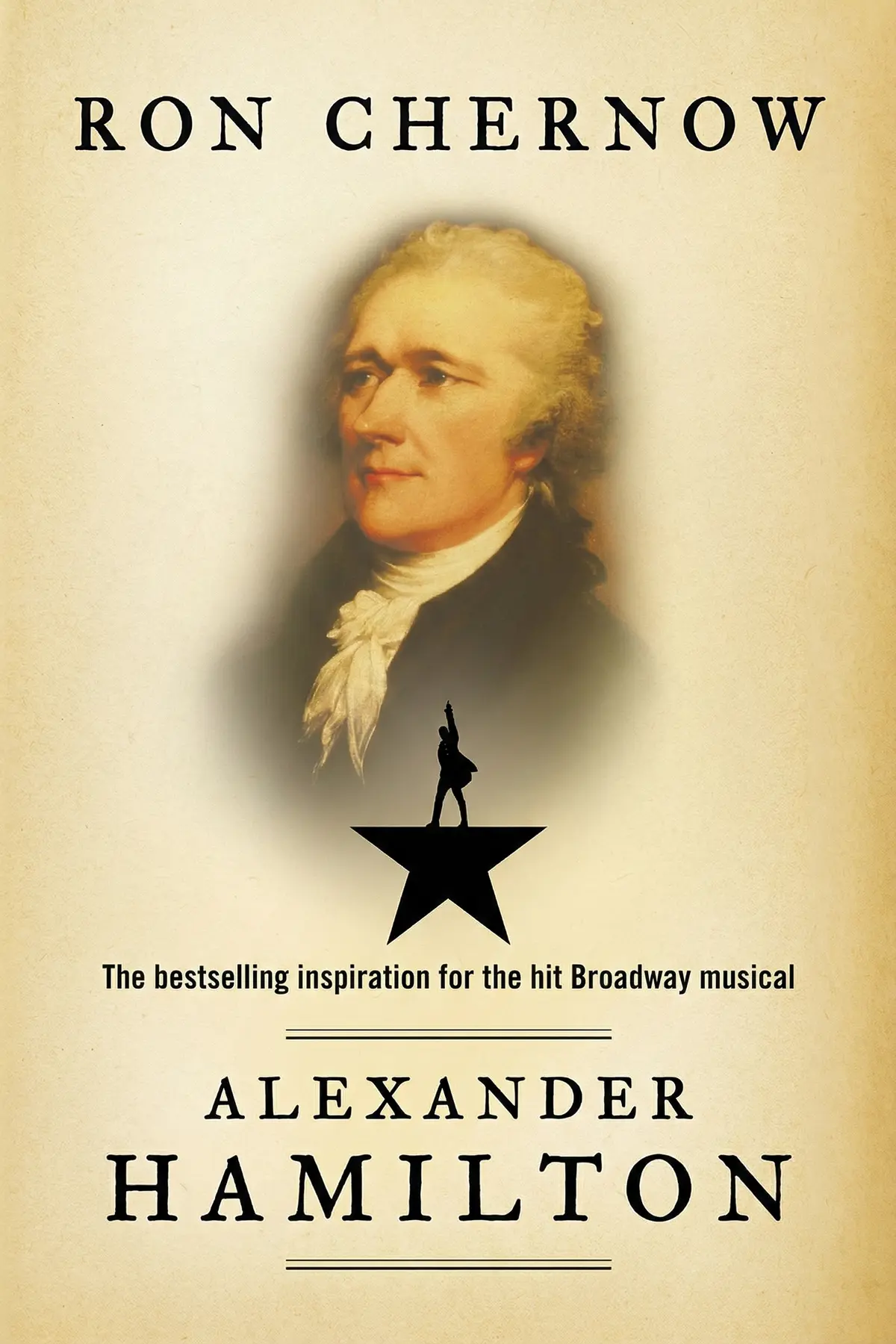
Alexander Hamilton
Ron Chernow
AUDIO SUMMARY AVAILABLE
Listen to 1929 in 15 minutes
Get the key ideas from 1929 by Andrew Ross Sorkin, plus 5,000+ more titles in English and Thai.
- 5,000+ titles
- Listen as much as you want
- 7-day free trial
- Cancel anytime







