

23 min 17 sec
Dear Founder: Letters of Advice for Anyone Who Leads, Manages, or Wants to Start a Business
Dear Founder provides a practical roadmap for entrepreneurs, offering veteran advice on fundraising, team building, and leadership to help new businesses navigate the difficult journey from startup to success.
Table of Content
1. Introduction
1 min 31 sec
In today’s hyper-connected landscape, the barriers to entry for starting a business have never been lower. We live in an era where the tools of global commerce are available to anyone with a laptop and a spark of inspiration. It is, quite literally, a golden age for the solo entrepreneur and the small, agile startup. However, despite this unprecedented access, the vast majority of new ventures do not survive their first few years. They often stumble not because their ideas are flawed, but because the founders lack the foundational habits and strategic foresight required to weather the storm of real-world business.
This is where the collective wisdom of veterans becomes indispensable. When you are on the front lines of a new venture, it is easy to become overwhelmed by the noise of daily operations and lose sight of the bigger picture. Building a successful company is about much more than just having a great product; it’s about leadership, people, and the ability to maintain clarity when things go wrong.
In this summary, we are going to look at the essential field manual for founders. This isn’t just a survival guide designed to keep your head above water; it’s a blueprint for thriving in one of the most competitive and exciting environments imaginable. We will explore the hard truths about commitment, the strategy behind effective fundraising, and why your management style could be your company’s greatest asset—or its biggest liability. By the end, you’ll have a clearer understanding of how to build a team that can solve its own problems, how to handle the pressure of market rivals, and how to ensure you are ready for the long, demanding journey ahead.
2. Establishing a Strong Foundation of Commitment
2 min 39 sec
Before launching your business, you must confront the statistical reality of failure and ensure your personal motivations are strong enough to withstand the coming storms.
3. Raising Capital Through Strategic Partnerships
2 min 20 sec
Fundraising is more than just collecting checks; it’s about finding industry experts who can provide the connections and guidance your company needs to scale.
4. The High Cost of Micromanagement
2 min 47 sec
Learn why hovering over every detail stifles growth and how creating a proactive company culture can lead to unexpected technical breakthroughs.
5. Mastering Delegation with the RACI Model
2 min 50 sec
Delegation is an art that requires a balance of oversight and trust; the RACI framework provides a clear structure to ensure everyone knows their role.
6. A Strategic Approach to Hiring and Firing
2 min 29 sec
Startups cannot afford the ‘dead weight’ that large corporations tolerate; success requires hiring slowly for values and firing quickly for performance.
7. Maintaining Perspective in Times of Stress
2 min 23 sec
Panic is a founder’s greatest enemy; learn to navigate high-pressure situations by recognizing their temporary nature and following a structured crisis plan.
8. Turning Competition into an Opportunity for Growth
2 min 14 sec
A new rival in the market can be intimidating, but it also serves as a catalyst for refining your strategy and forming powerful strategic alliances.
9. Developing a Richter Scale for Crisis Management
2 min 35 sec
Effective crisis response requires an analytical approach to assess the severity of a problem and the speed to act before a minor issue becomes fatal.
10. Conclusion
1 min 29 sec
Building a startup is arguably one of the most difficult professional paths anyone can choose. There is no way to sugarcoat the reality that the hours are long, the stress is constant, and the likelihood of failure is high. But as we’ve explored, success is not a matter of luck; it is a matter of discipline, self-awareness, and the willingness to learn from those who have gone before you.
From the very first day, you must ground your venture in a deep, personal commitment that goes beyond the desire for a paycheck. You must learn to view your investors as partners, your managers as autonomous leaders, and your hiring process as the most important gatekeeping function in your company. By implementing tools like the RACI model and the crisis Richter scale, you can move away from the frantic energy of a ‘newbie’ and start acting with the calculated precision of a veteran.
As a final piece of actionable advice: never settle for being just ‘good.’ It is easy to look at your competition or your previous year’s performance and feel satisfied because you are doing slightly better. But that is the path to mediocrity. Instead, compare yourself to what you could become—to the absolute best version of your vision. Set your sights significantly higher than seems reasonable. Even if you don’t hit every ambitious goal you set, the very act of reaching for them will lift your company to heights that a more conservative approach never could. Stay calm, stay focused, and keep moving forward.
About this book
What is this book about?
The path of an entrepreneur is often paved with unforeseen obstacles and high-stakes decisions. This summary explores the wisdom of seasoned business leaders who have navigated the volatile world of tech giants and startups alike. It addresses the fundamental questions every founder must ask before launching, the nuances of securing the right kind of investment, and the critical importance of fostering a culture of autonomy rather than micromanagement. Listeners will gain insights into effective delegation through structured models, the high cost of keeping underperforming employees, and the psychological resilience required to handle inevitable crises. By focusing on communication, self-awareness, and strategic planning, the book promises to transform the way leaders manage their teams and their time. Whether you are in the early stages of a pitch or managing a growing workforce, these lessons provide the tools necessary to move past common pitfalls and build a company that lasts.
Book Information
About the Author
Maynard Webb
Maynard Webb is an investor, the former COO of eBay and Chairman of the Board of Directors at Yahoo. He specializes in supporting promising startups, and also has his own startup, Everwise, which mentors entrepreneurs. Carlye Adler is a prize-winning journalist who has co-authored numerous books, including the New York Times bestsellers Meditation For Fidgety Skeptics and Startup Land. She is also a regular contributor to magazines such as Business Week and Forbes.

Ratings & Reviews
Ratings at a glance
What people think
Listeners find the book’s guidance exceptionally practical and actionable, with one individual noting that it helps improve their leadership skills. Additionally, the material is easy to digest and listeners consider it a worthwhile investment, with one person highlighting it as a must-read for founders.
Top reviews
Chatri
Finally got around to reading this, and I’m kicking myself for not picking it up sooner. Maynard Webb captures the essence of the entrepreneurial struggle through these short, impactful letters that feel incredibly personal. While some business books get bogged down in dense theory, this one stays remarkably practical and easy to digest. I especially loved the section on boldness versus hubris; it's a fine line that many founders trip over. The advice on focusing extra attention on your top performers rather than just fixing the 'broken' ones was a total game-changer for my management style. It’s the kind of book you keep on your desk to flip through when a specific crisis hits. To be fair, it doesn't solve every technical problem, but as a roadmap for leadership, it's gold.
Show moreRose
This is exactly what every first-time CEO needs on their desk for those lonely days at the top. The structure follows the company lifecycle perfectly, from the initial spark of an idea to the eventual exit or legacy phase. I found the advice on 'finding a busy person and trying to break them' to be a provocative but useful way to think about talent development. It’s refreshing to read something that emphasizes vulnerability and input-seeking over the typical 'hero founder' narrative. Not every chapter hit home for me right now, but I know I'll be revisiting the sections on fundraising and operational excellence as we grow. Webb’s tone is supportive yet firm, like a spiritual uncle who has seen it all. Highly recommend for anyone looking to build a sustainable team culture.
Show moreStella
Wow, I didn't expect to feel so inspired by a business book. Most management texts are dry as toast, but the warmth in these letters really shines through. Webb and Adler have created something that feels like a legacy piece, something you’d hand down to a younger colleague. It covers the conception of an idea all the way to leaving a legacy, which is a perspective often missing from startup literature. The focus on boldness and thoughtful strategy really resonated with my current situation. Frankly, it’s a relief to read something that isn't just about 'growth at all costs.' The emphasis on being a good human while being a great leader is something more founders need to hear. This is a must-read that I'll be gifting to several friends this year.
Show moreRiley
As someone currently navigating the messy middle of a startup, this book feels like having a seasoned mentor on speed dial. The letter format makes it highly actionable, allowing you to jump straight to the topic that’s keeping you up at night. Webb’s background at eBay and LiveOps gives his words a weight that younger 'gurus' just lack. I found the guidelines on sales quotas and team incentives particularly grounded in reality. However, I’ll admit that the brevity can be a double-edged sword. Some complex financial topics are brushed over quickly, leaving you to Google the specifics of liquidation preferences yourself. Despite that, the framework for scaling a company from conception to legacy is solid. It’s a fast read that helps you up your leadership game without wasting your time.
Show moreSaengdao
After hearing several mentors recommend this, I used it as a supplemental guide alongside The Hard Thing About Hard Things. While Horowitz gives you the raw war stories, Webb offers a more organized, systematic approach to the various stages of growth. Each letter is brief, which is perfect for a busy founder who only has ten minutes between meetings. I particularly liked the meditation on scheduling time for 'Important but Not Urgent' tasks like vision-casting and blogging. It’s easy to let those slide when you’re firefighting every day. Look, it’s not a comprehensive textbook on business law or finance. If you're looking for that, look elsewhere. But if you want a practical guide on how to lead people and manage your own psychology during the startup journey, this is a very worthy addition to your shelf.
Show moreMint
Maynard Webb brings a lot of credibility to the table here, and it shows in his focus on operational excellence. This isn't just a book about 'hustle'—it’s about the systems required to scale a real business. The advice is extremely easy to read, and the variety of topics covered is impressive, ranging from hiring co-founders to dealing with poor performers. I appreciate how he slips in wisdom about investing in your best people rather than obsessing over the bottom 10%. My only minor criticism is that some letters feel a bit repetitive in their encouragement. Still, the practical takeaways outweigh the fluff. It helped me rethink our current hiring strategy and how we communicate our long-term vision to the team. Definitely worth reading if you’re in a leadership role.
Show moreChatchai
The letter format is a neat idea, but it often feels more like a gimmick than a functional choice. While I appreciate the 'Dear Founder' approach, it sometimes limits the depth of the advice provided. For instance, Webb mentions the importance of understanding cap tables and pro rata rights but never actually explains how they work in practice. It’s a bit like a doctor telling you to 'stay healthy' without giving you a prescription. That being said, the sections on identifying product-market fit were helpful for framing our current challenges. Truth is, it’s a decent reference manual for high-level concepts, but don't expect a deep dive into the technical weeds of venture deals. It’s more about the 'what' and 'why' rather than the specific 'how' for several key milestones.
Show moreLayla
Ever wonder what a seasoned pro would say if you had five minutes of their time? That’s basically what this book is—sixty different five-minute conversations. It’s a good reference for when you’re in a pickle and need a quick perspective shift. However, it’s definitely not meant to be read cover-to-cover; the repetitive 'All the best' signatures start to grate after a while. Personally, I found the advice a bit too high-level at times. It’s great for inspiration, but less so for implementation. For example, the section on fundraising gives you the 'vibe' you should project but skips the nitty-gritty of term sheets. It’s a solid 3-star book that serves its purpose as a quick-start guide, though it shouldn't be the only business book you ever read.
Show moreNim
To be fair, it's a decent reference guide even if it's not a cover-to-cover read. I found myself skipping the letters that didn't apply to my current stage, which is exactly how the authors suggest using it. The writing style is very accessible, and the tone is encouraging without being overly sugary. I did find the physical production of the book a bit odd, though. There's a lot of 'padding' with the layout that makes it look thicker than it actually is. In terms of content, it’s a bit of a mixed bag. Some letters offer profound insights into human behavior, while others just state the obvious in a slightly different way. It’s a helpful tool to have on the shelf for situational advice, but don't expect it to be a revolutionary manifesto.
Show moreHarper
I wanted to like this more, but the layout felt like a high school essay project trying to meet a page count. The font is huge, the margins are massive, and the 'letters' are often just two or three pages of common-sense platitudes. If you’ve read any other management books like High Output Management, you might find this content a bit superficial. Telling a founder they need to 'avoid nasty surprises' or 'focus on what's important' isn't exactly a revelation; it's just basic common sense. There is so much fluff here that the actual substance could have been a long-form blog post. Not gonna lie, it’s frustrating to pay for a full-sized book that is mostly white space. It might be okay for a complete novice who has never managed a single person before, but it lacked the grit I expected.
Show moreReaders also enjoyed

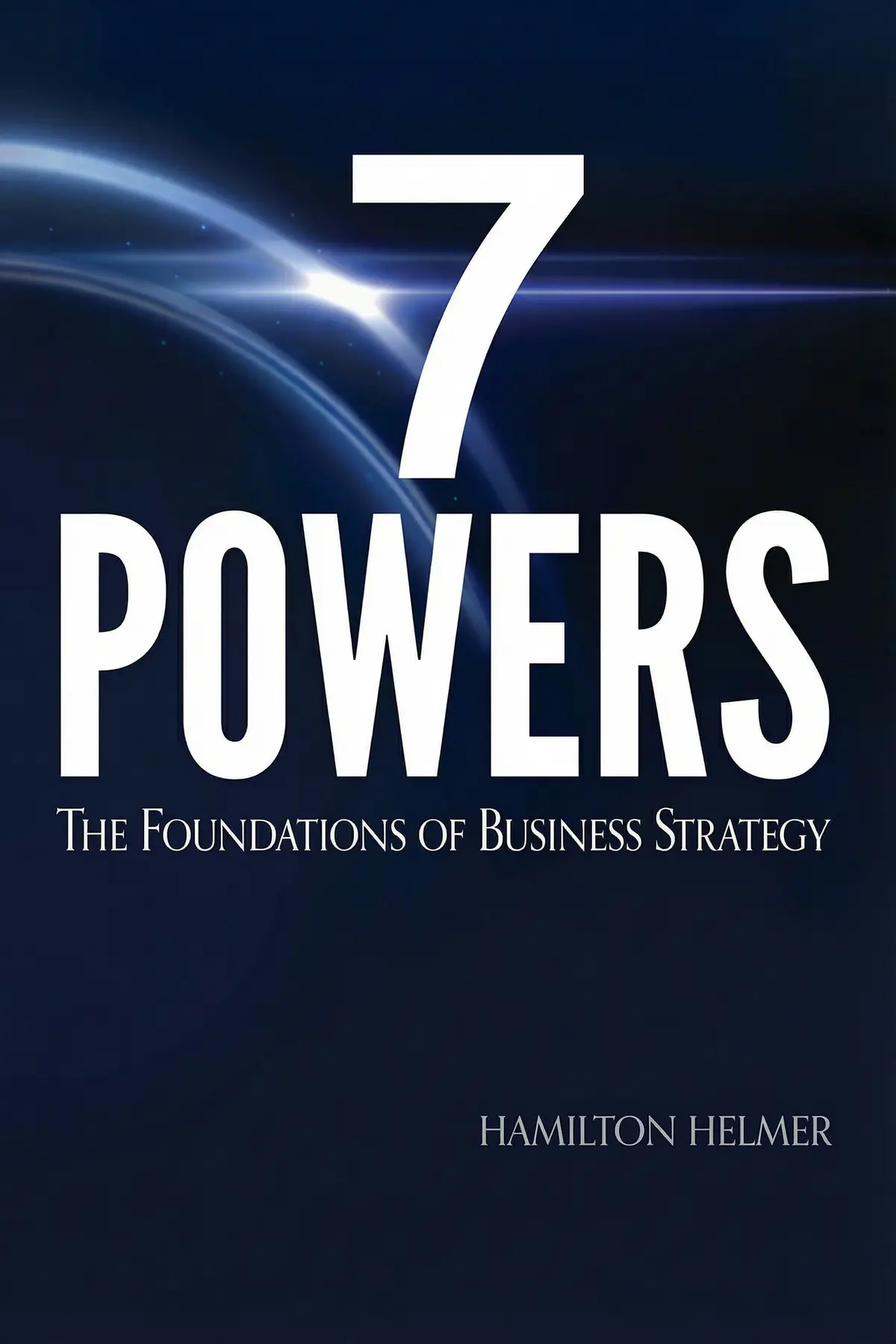
7 Powers: The Foundations of Business Strategy
Hamilton Helmer

Alibaba: The House That Jack Ma Built
Duncan Clark

A Bigger Prize: How We Can Do Better Than the Competition
Margaret Heffernan
AUDIO SUMMARY AVAILABLE
Listen to Dear Founder in 15 minutes
Get the key ideas from Dear Founder by Maynard Webb, plus 5,000+ more titles in English and Thai.
- 5,000+ titles
- Listen as much as you want
- 7-day free trial
- Cancel anytime







