AI 2041: Ten Visions for Our Future
Kai-Fu Lee
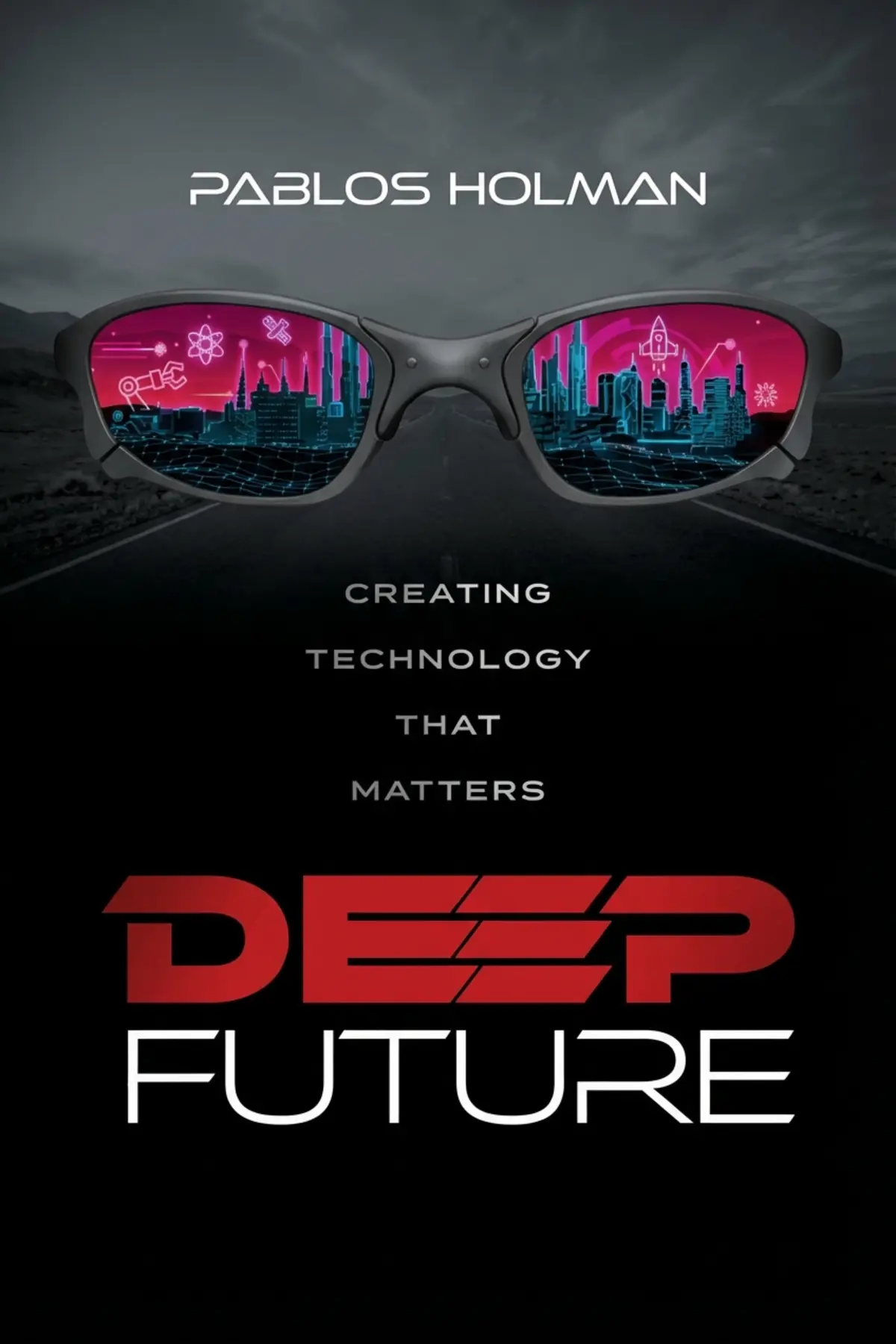
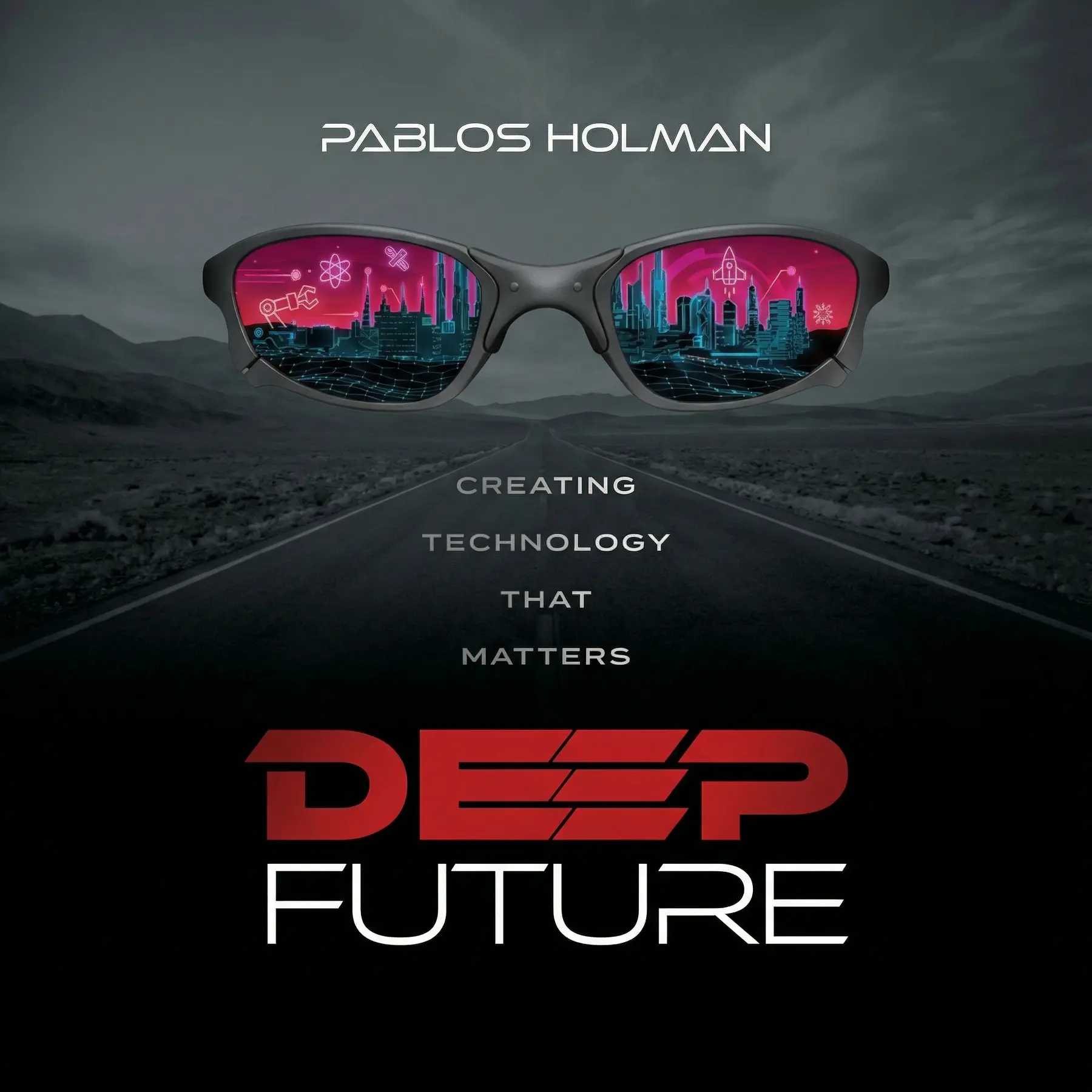
Deep Future explores how humanity can pivot from superficial software gadgets to profound scientific breakthroughs, addressing existential global threats through the strategic application of revolutionary, physical technologies like nuclear energy and biotechnology.
1 min 40 sec
Imagine for a moment the sheer amount of genius and engineering power currently being funneled into making sure you click on a specific digital advertisement or spend five more minutes scrolling through a social media feed. In the grand timeline of human progress, we have reached a strange plateau. We carry devices in our pockets that possess more computing power than the systems that put people on the moon, yet we still struggle with the most basic requirements of a thriving species: clean air, abundant energy, and sustainable food.
This discrepancy is what technologist and inventor Pablos Holman explores. He points out that while the tech industry has been focused on what he calls shallow tech—the software and services that optimize our existing lives—we have largely ignored the physical reality of our world. We have become masters of the virtual realm while leaving our physical foundations to stagnate. But there is a shift occurring. We are entering the era of Deep Tech.
Deep Tech isn’t just about making things faster or more convenient. It’s about returning to the laboratory and the workshop to solve problems that software alone cannot fix. It’s about looking at the existential threats facing our planet and realizing that the solutions won’t come from a new app, but from a fundamental restructuring of how we interact with the physical world. In the following segments, we’ll dive into the specific technologies that are poised to redefine our future, from the way we power our cities to the way we treat our own bodies at the genetic level. This is a journey into the deep future, where the goal isn’t just disruption for the sake of profit, but innovation for the sake of survival.
2 min 23 sec
Discover why the next great technological leap requires us to move beyond digital conveniences and master the physical building blocks of our reality through five transformative pillars.
2 min 03 sec
Explore the immense challenges and rewards of hardware innovation, and how autonomous technologies could clean up the world’s most polluting industrial sectors.
2 min 02 sec
Learn how advanced nuclear technology could solve the energy crisis by turning hazardous waste into decades of clean, sustainable power.
1 min 57 sec
Discover how we can revolutionize the global food system by eliminating the inefficiency of shipping water and using digital precision to create fresh ingredients.
1 min 57 sec
See how ancient Roman secrets are being combined with modern science to create buildings and roads that can repair their own cracks.
2 min 01 sec
Explore the frontier of medicine where DNA is treated like software and the nervous system is tuned like an instrument to fight disease.
1 min 23 sec
As we look toward the horizon, it’s clear that the ‘shallow tech’ era of apps and social media has been merely a prologue. The real work of the 21st century lies in the deep future—a world where we apply our greatest intellectual resources to the physical challenges that define our existence. Pablos Holman reminds us that we have the tools, the science, and the ingenuity to solve the energy crisis, to fix our broken food systems, and to conquer the diseases that have plagued us for millennia.
The throughline of all these innovations is a move away from the virtual and a return to the physical. It requires a different kind of courage—the willingness to fail at hardware, to challenge long-standing regulations, and to invest in ideas that might take decades to reach their full potential. But the alternative is to continue optimizing a digital world while the physical one crumbles around us.
The takeaway is simple but profound: technology matters most when it interacts with the real world. Whether it’s nuclear waste being turned into power or concrete that heals its own wounds, the future is being built by those who aren’t afraid to get their hands dirty with the building blocks of reality. As you move forward, consider how you can shift your focus from the temporary convenience of bits to the lasting impact of atoms. The deep future is waiting, and it’s being built one breakthrough at a time.
Deep Future addresses the growing gap between our digital sophistication and our physical stagnation. While the last few decades have seen a massive explosion in software and mobile applications, the foundational systems of our civilization—energy production, global logistics, construction, and food systems—have largely relied on outdated, inefficient methods. This book serves as a manifesto for the next era of innovation, which the author calls Deep Tech. By moving beyond the comfort zone of apps and ad-optimization, Pablos Holman invites us to explore how we can manipulate atoms as effectively as we manipulate bits. The promise is a world where we solve climate change with advanced nuclear reactors, feed the planet by rethinking the molecular structure of food, and build infrastructure that heals itself. It is a visionary look at how humanity can harness the fundamental laws of physics and biology to create a sustainable and thriving future for everyone.
Pablos Holman is a hacker, inventor, and technology futurist who has worked on breakthrough projects ranging from cryptocurrency in the 1990s to building spaceships at Blue Origin. He is currently Managing Partner at Deep Future, a venture capital firm investing in technologies to solve the world's biggest problems.
Listeners find the book both educational and stimulating, with one listener emphasizing its skill at simplifying intricate subjects. They value the mission-oriented perspective on innovation, where one listener points out the emphasis on advancements outside of standard software and the blend of creative concepts with practical illustrations. Listeners characterize the work as accessible, humorous, and captivating, calling it a superb essential read.
Picked this up because I was tired of hearing about the next social media app, and Holman didn’t disappoint. He draws a sharp line between the 'shallow tech' of the last twenty years and the 'deep tech' we actually need to survive. Personally, I found the section on materials science fascinating, especially the idea that we can engineer substances nature never intended. It’s a fast-paced, funny, and incredibly informative read that makes complex quantum computing feel like a dinner table conversation. My only minor gripe is that it occasionally glosses over the massive political resistance these technologies face. Still, the optimism is infectious. We’ve spent too long optimizing ad clicks; it's time to start optimizing atoms.
Show moreWow, this is the first time in years I've felt genuine hope for our planetary trajectory. Holman presents a blueprint for using biotechnology to program cells just like software, which blew my mind. Truth is, we are often told that the future is bleak, but this book argues that we simply haven't been applying our best minds to the right problems. The discussion on self-healing concrete and 3D food printing showed me that the 'Deep Future' isn't just a fantasy; it's already being built in labs around the world. Every entrepreneur should read this to understand where the real value lies. It is a refreshing and uplifting look at innovation that actually matters.
Show moreDeep Future is a masterclass in making the impossible seem inevitable if we just shift our capital and attention. Holman, a hacker-turned-inventor, brings a unique 'what if' energy to topics like quantum computing and material science. I loved how he framed the human genome as a codebase that we are finally learning to debug. The book is incredibly easy to understand, even when he’s diving into the strange physics of nanotechnology. It is a purpose-driven manifesto that challenges us to build things that actually matter for the next century. This is easily one of the most thought-provoking books on my shelf this year. Truly a fantastic must-read.
Show moreAfter hearing Pablos speak on a podcast, I expected a series of wild ideas, but this book is surprisingly grounded in physics and engineering. He takes massive existential threats like climate change and breaks them down into engineering problems we can actually solve. The idea of using bacteria to consume plastics or growing animal-free meat in labs isn't just sci-fi anymore; it's the inevitable result of the 'Deep Tech' revolution. Holman’s writing is punchy and accessible. He manages to explain the vagus nerve and quantum states without losing the reader. It’s an essential read for anyone who wants to see technology do more than just increase advertising income.
Show moreThe chapter on self-healing concrete alone changed how I look at my city's infrastructure. Holman has this incredible ability to take a 'boring' material and turn it into a symbol of a sustainable future. Deep Future isn't just about cool gadgets; it's about the ethos of intentional innovation and long-term vision. The book asks a fundamental question: what kind of world do we want to build? From vaccine discovery through protein folding to carbon-negative construction, the answers are all here. It's a fantastic, must-read for anyone tired of the status quo. The future isn't just happening to us; we have the tools to engineer it if we dare.
Show moreAs someone who works in software development, this book was a bit of a reality check. Frankly, Holman is right: we’ve been playing in a sandbox of bits while the real world—energy, food, and climate—is starving for innovation. To be fair, his vision for traveling-wave reactors using nuclear waste is brilliant, but he makes the transition sound a little easier than it will likely be in practice. The writing is engaging and lacks the dry, academic tone you might expect from a book about nanotechnology and molecular modeling. I appreciated the mix of historical context and futuristic forecasting. It’s a necessary wake-up call for the Silicon Valley elite.
Show moreEver wonder why we haven't solved the energy crisis despite having the physics for it for decades? Holman tackles this head-on, particularly through his advocacy for advanced nuclear power and the irony of our rejection of energy-dense fuels. In my experience, most books on tech are either too dense or too fluffy, but this one hits the sweet spot. It's funny, daring, and packed with examples of innovations that could revolutionize global trade and health. I did find the pacing a bit uneven toward the end, and some of the AI predictions felt slightly optimistic given current hardware constraints. Regardless, the call to action for 'Deep Tech' is one that every innovator needs to hear.
Show moreFinally got around to finishing Holman’s manifesto and I’m mostly impressed, though I wish there was more detail on the regulatory hurdles for these solutions. The way he explains the shift from repurposing existing tools to creating entirely new capabilities is the best I've seen. He makes a compelling case for why hardware is the true frontier of innovation. The chapters on carbon-neutral shipping and revitalized infrastructure were highlights for me. Gotta say, it’s refreshing to read a tech book that doesn't mention 'disruption' every five seconds. A solid 4 stars for providing a visionary and practical guide to our possible future through science.
Show moreNot what I expected from a 'hacker,' but that’s exactly why it works. Instead of talking about breaking into systems, Holman talks about building them at the atomic level. It’s a very comprehensive look at how materials science serves as the canvas for every other breakthrough mentioned. Personally, I found his critique of our current 'app economy' to be the most satisfying part. We've wasted so much talent on trivial conveniences while our core infrastructure rots. While some of the solutions, like 3D printed food, felt a bit far-fetched for immediate global adoption, the underlying philosophy is sound. A very informative and dynamic read for the tech-curious.
Show moreThe core premise that we need to stop building 'frivolous' apps and focus on atoms is powerful, but Holman's delivery can feel a bit dismissive of the software foundations that make deep tech possible. Look, I get the frustration with another delivery app. However, the hardware-first approach he champions carries astronomical risks that he sometimes brushes aside with a 'just build it' attitude. I found the sections on global shipping and hurricane suppression fascinating, if a bit speculative. It's an important perspective, but the techno-optimism felt a bit blind to the socio-economic barriers that often stall these massive projects. Good, but proceed with a healthy dose of skepticism regarding the timelines.
Show moreAUDIO SUMMARY AVAILABLE
Get the key ideas from Deep Future by Pablos Holman, plus 5,000+ more titles in English and Thai.