
16 min 41 sec
Finish Big: How Great Entrepreneurs Exit Their Companies on Top
Finish Big provides a comprehensive roadmap for entrepreneurs looking to exit their companies gracefully, ensuring their hard work results in a lasting legacy and personal fulfillment rather than chaos or regret.
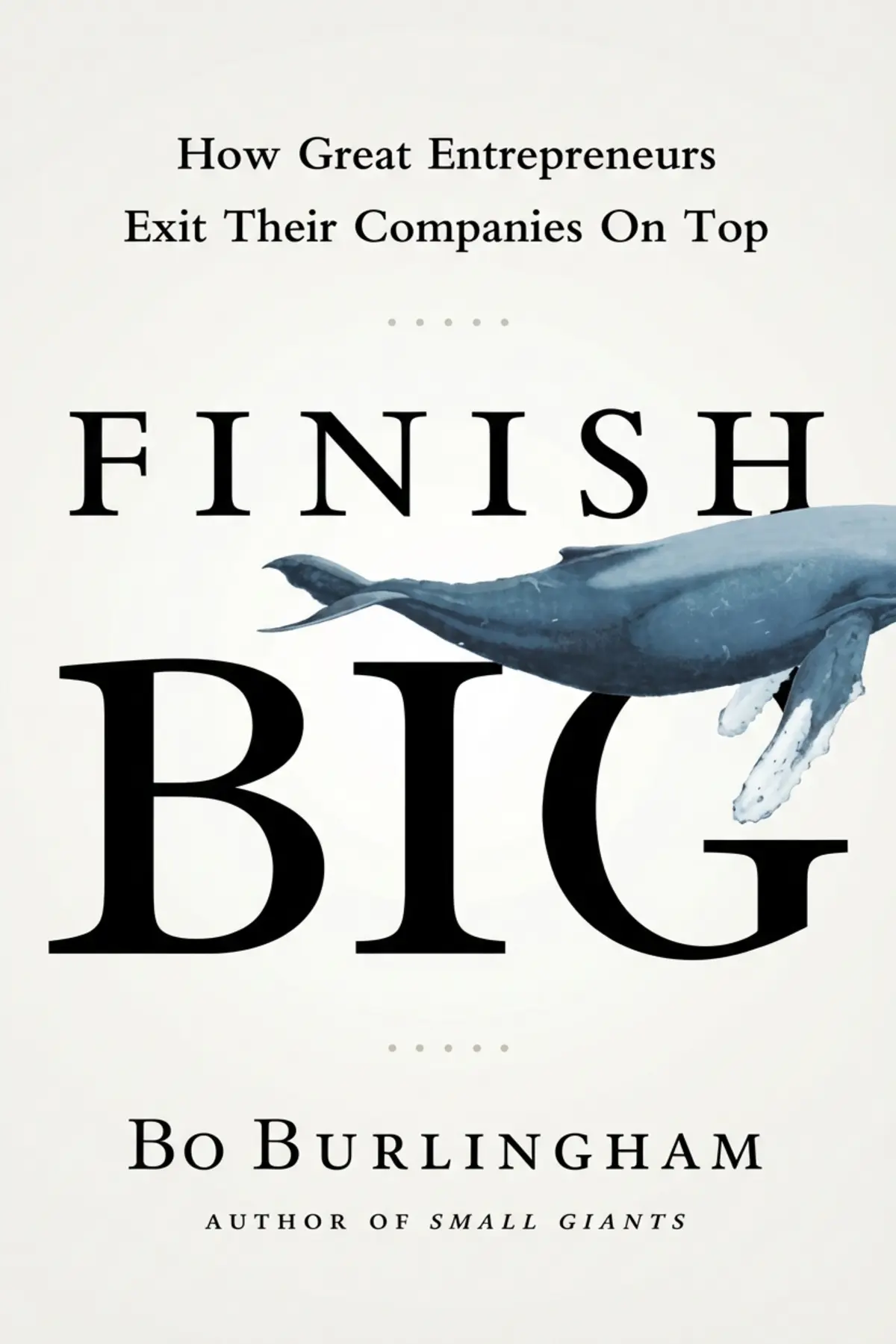
Table of Content
1. Introduction
1 min 35 sec
Every entrepreneur understands the thrill of the start. There is an undeniable energy in the early days of a company—the late nights, the first sale, the scaling of a team. But there is another side to the entrepreneurial journey that often gets ignored until it’s far too late: the finish. The reality is that eventually, every owner will leave their business. Whether it’s through a sale, a hand-off to a family member, or a total liquidation, the exit is inevitable. The question isn’t whether you will leave, but how you will leave.
In Finish Big, Bo Burlingham explores the art of the exit. He suggests that leaving a company isn’t just a legal transaction or a final paycheck; it is a complex transition that requires years of foresight. If you don’t plan for it, you risk not only the financial health of your organization but your own personal happiness and the legacy you’ve spent decades building. Most founders think they are too busy with the day-to-day operations to worry about a distant departure, but that mindset is exactly what leads to the chaotic, unsatisfying exits we see so often in the corporate world.
This summary will walk you through the essential steps to ensure that when your time comes to step away, you do so on a high note. We will look at why you need to start thinking about your exit right now, how to make your company function without you, and how to choose the right path among the many exit options available. By the end, you’ll see that a great exit is the final, most important test of your leadership. It’s about more than money; it’s about making your departure a life-enhancing move that honors everything you’ve created.
2. Preparation and Self-Reflection
2 min 32 sec
Leaving a company starts long before the deal is signed. Discover why entrepreneurs must separate their personal identity from their business to ensure a successful transition.
3. Building an Autonomous Organization
2 min 15 sec
A company that depends on its owner is a company that cannot be sold. Learn the importance of delegating power to ensure long-term survival.
4. Navigating the Four Phases of Exit
2 min 23 sec
The journey to a successful departure involves more than just signing a contract. Explore the four distinct stages that lead to a clean break.
5. Exploring Your Options: Sale vs. Liquidation
2 min 12 sec
Not every business is destined for a multi-million dollar sale. Realize when liquidation might actually be the smarter, more profitable path.
6. Optimizing Your Business for the Market
2 min 09 sec
To get the best price for your company, you have to think like a buyer. Discover how to tailor your operations to maximize appeal.
7. Legacy, Culture, and the Successor's Role
2 min 04 sec
Money is only one part of a great exit. Learn why finding a buyer who shares your values is the key to preserving the soul of your company.
8. Conclusion
1 min 31 sec
Exiting your company is perhaps the most significant business decision you will ever make. It is the culmination of years of risk, hard work, and dedication. As we have seen through the insights in Finish Big, a successful departure is not a matter of luck; it is a matter of rigorous, long-term planning. It requires you to look beyond the daily fire-fighting of management and start seeing your business as a separate entity—an asset that must be polished, strengthened, and eventually handed over.
The throughline of a ‘Big Finish’ is the balance between financial wisdom and emotional intelligence. You must be strategic enough to build an autonomous organization that doesn’t rely on your presence, yet self-aware enough to know what you want your life to look like once the transition is complete. Whether you choose to sell to a strategic buyer, hand the reins to a successor who shares your values, or liquidate and move on, the key is to do so with intention.
As an immediate next step, take a moment to look at your company through the eyes of a stranger. If you were to walk away tomorrow, what would break? Start identifying those points of failure and begin the process of empowering your team to handle them. Tweak your operations to suit the kind of buyer you might one day want to attract. By starting this process now—even if you don’t plan to leave for another decade—you are ensuring that your exit will be a positive, life-enhancing milestone rather than a period of chaos. When you plan your exit well, you don’t just leave a company; you finish big, leaving a legacy that remains strong long after you’ve moved on to your next adventure.
About this book
What is this book about?
For many entrepreneurs, the act of building a business is the focus of a lifetime, yet the act of leaving it is often treated as an afterthought. Finish Big addresses this critical gap, offering a strategic guide for founders who want to exit on their own terms. It explores why some exits lead to liberation and wealth while others result in heartbreak and financial loss. The book promises to transform the way you view your company—moving from seeing it as a job or an extension of yourself to viewing it as a valuable product in its own right. By focusing on preparation, organizational autonomy, and the emotional complexities of succession, Bo Burlingham shows how a well-planned departure can be the ultimate business success, benefiting the owner, the employees, and the company's future.
Book Information
About the Author
Bo Burlingham
Bo Burlingham is a distinguished business journalist and author who has served as the editor of Inc. magazine. He has dedicated much of his career to studying the internal dynamics of successful companies. In addition to Finish Big, he has authored several influential books including Small Giants, Street Smarts, and The Great Game of Business.
Ratings & Reviews
Ratings at a glance
What people think
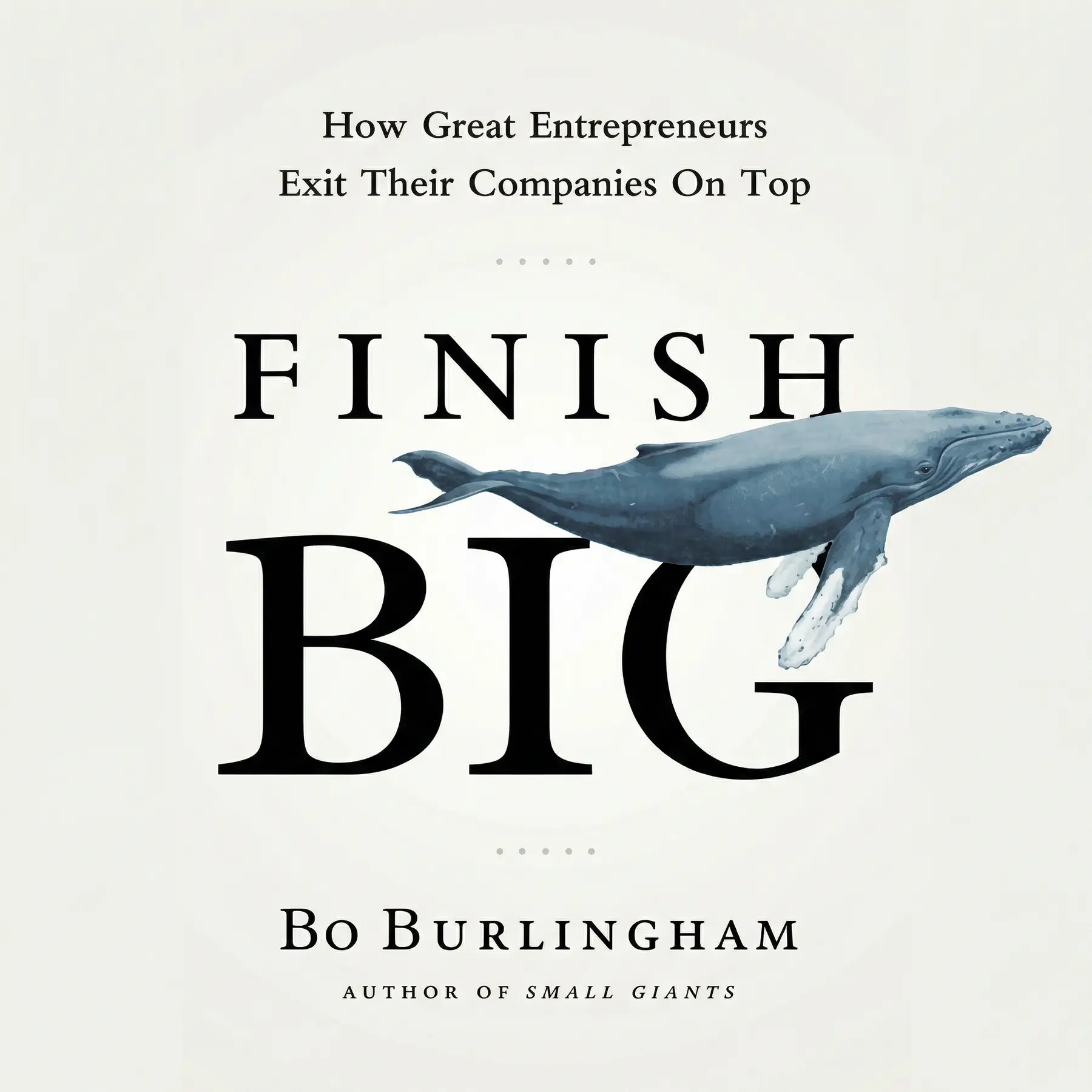
Listeners find this book an engaging read that provides useful assets and deep questions for entrepreneurs. It is packed with authentic stories, and listeners appreciate that the tips and lessons are simple to implement. They value the emotional depth, with one listener mentioning how it helps them address emotional issues with clarity.
Top reviews
Pranee
Finally finished this deep dive into the exit process, and it really shifts your perspective on what success actually looks like. Burlingham argues that a 'big finish' isn't just about the check you cash, but about how your team and legacy fare after you walk away. I found the four elements of a good exit—specifically the sense of accomplishment and peace with the transition—to be incredibly profound for any founder. Truth is, we spend so much time building the 'baby' that we forget to plan for its adulthood without us. This book provides a necessary framework for thinking about succession years before you think you’re ready to leave. Highly recommended for those who want to preserve their company culture while moving on to their next purpose.
Show moreLucas
I wish I had been given a copy of this a decade ago when my first company was just finding its feet. We often think of exiting as a single event, but Burlingham reframes it as a multi-stage phase involving exploration, strategy, and eventually transition. The focus on treatng employees fairly and ensuring they are taken care of post-sale really resonated with my own values. It’s not just about the money; it’s about the peace of mind that comes from knowing you didn't burn bridges on your way out. Not gonna lie, the sections on recurring revenue and unique value propositions are absolute must-reads for anyone looking to increase their firm's valuation. This is essential reading for the long-term strategist.
Show moreBoy
It's rare to find a business book that focuses on the 'end-up' phase rather than just the startup hustle. Burlingham has collected a fascinating array of stories that serve as both inspiration and a warning for founders. The distinction between a 'happy' exit and one that leaves the owner hollow is clearly drawn through the four stages of exit. I particularly liked the focus on the management team; it’s a reminder that a company’s value is often tied to the people who stay behind. This book isn't just for those about to retire—it's for anyone who wants to build a business that has value beyond their own daily involvement. A true masterpiece on the philosophy of entrepreneurship.
Show moreSawit
Gotta say, the stories about owners losing their sense of purpose after the sale were a massive wake-up call for me. We often focus so much on the financial performance and the growth potential that we ignore the 'fairness' aspect of the deal. Burlingham reminds us that if our employees and investors aren't treated well, the exit will feel like a failure regardless of the price tag. The book is easy to read and the lessons are incredibly easy to apply to any business model. It’s about more than just 'finishing big'; it’s about finishing with your integrity and sanity intact. If you own a business, you need to read this at least five years before you plan to leave. It's that important.
Show moreLook
Bo Burlingham tackles the psychological side of business ownership with a clarity that is rare in most dry financial guides. He highlights how crucial it is to have a vision for your life after the sale, or you risk losing your entire sense of identity once the desk is cleared. In my experience, the 'sellability factors' mentioned—like reducing overdependence on a single customer—are principles every owner should implement today, even if they never plan to sell. The book is less about the technical 'how-to' and more about the 'why' and the 'what then.' Some of the stories dragged on, but the core message about self-knowledge and purpose is worth the cover price for any serious entrepreneur.
Show moreNathan
The chapter on 'how much is enough' really hit home for me as I navigate my own mid-sized company's future. It’s easy to get caught up in the growth trap without realizing that you are becoming tethered to a desk you no longer want to sit at. Burlingham does an excellent job of highlighting the eight characteristics of well-prepared sellers, especially the need for a vision of succession. I appreciated the focus on emotional wellbeing, though I'll admit some of the case studies felt repetitive after a while. Still, the advice on management team strength and cash flow is sound. It’s a great companion to more technical books, filling in the human gaps that spreadsheets usually ignore.
Show moreGin
As a business owner, you spend all your time building something, but very little time thinking about the door. This book is a rare 'end-up' resource that fills a massive gap in the market. The author’s points about the change in the nature of questions an owner faces after a sale were particularly insightful. You go from being the person with all the answers to someone managing assets in a completely different world. To be honest, I found the section on different types of recurring revenue to be one of the most practical parts of the text. It makes you realize that building a sellable company is just good business, regardless of your intent to exit. Solid four stars.
Show moreOn
While the writing style is a bit anecdotal, the lessons on sellability factors are pure gold for anyone looking to scale. Burlingham emphasizes that the CEO should never lead the exit, which is a counterintuitive but vital piece of advice for those of us used to micromanaging everything. Personally, I was struck by the stories of owners who struggled to find purpose after their exit because they hadn't planned for the 'what's next.' It forces you to ask uncomfortable questions about your motivations. My only gripe is that the book can feel a bit disorganized, jumping between different company sizes and industries without a clear thread. However, the emotional clarity it provides regarding the 'baby' metaphor is undeniable.
Show moreTaw
Ever wonder why some founders seem miserable after making millions in a sale? This book explores that paradox through a series of detailed case studies, though the sheer volume of stories felt a bit all over the place at times. While the emotional aspects of post-exit life are touched upon with great care, I felt the 'how' was buried under too much chronological fluff. I missed a more direct, step-by-step roadmap for the actual execution phase. To be fair, the insights on recurring revenue models and management strength are solid, but you have to dig through a lot of anecdotes to find the actionable nuggets. It’s a decent read for the mindset shift, but maybe not the tactical manual I was hoping for.
Show moreKanchana
Look, I wanted a tactical manual on how to structure a deal, but this is basically just a collection of rambling anecdotes. Burlingham spends way too much time on chronological sets of events that don't actually offer a roadmap for the 'how' of exiting. Frankly, the title is a bit declarative given that the content is mostly cautionary tales about people who were unhappy after they sold. If you are looking for specific legal or financial steps, you should probably look elsewhere because this is primarily a book about feelings. It’s okay if you want to reflect on identity, but it’s not the practical business guide I expected. Too much storytelling and not enough data-driven strategy for my taste.
Show moreFeatured in
Readers also enjoyed
7 Powers: The Foundations of Business Strategy
Hamilton Helmer
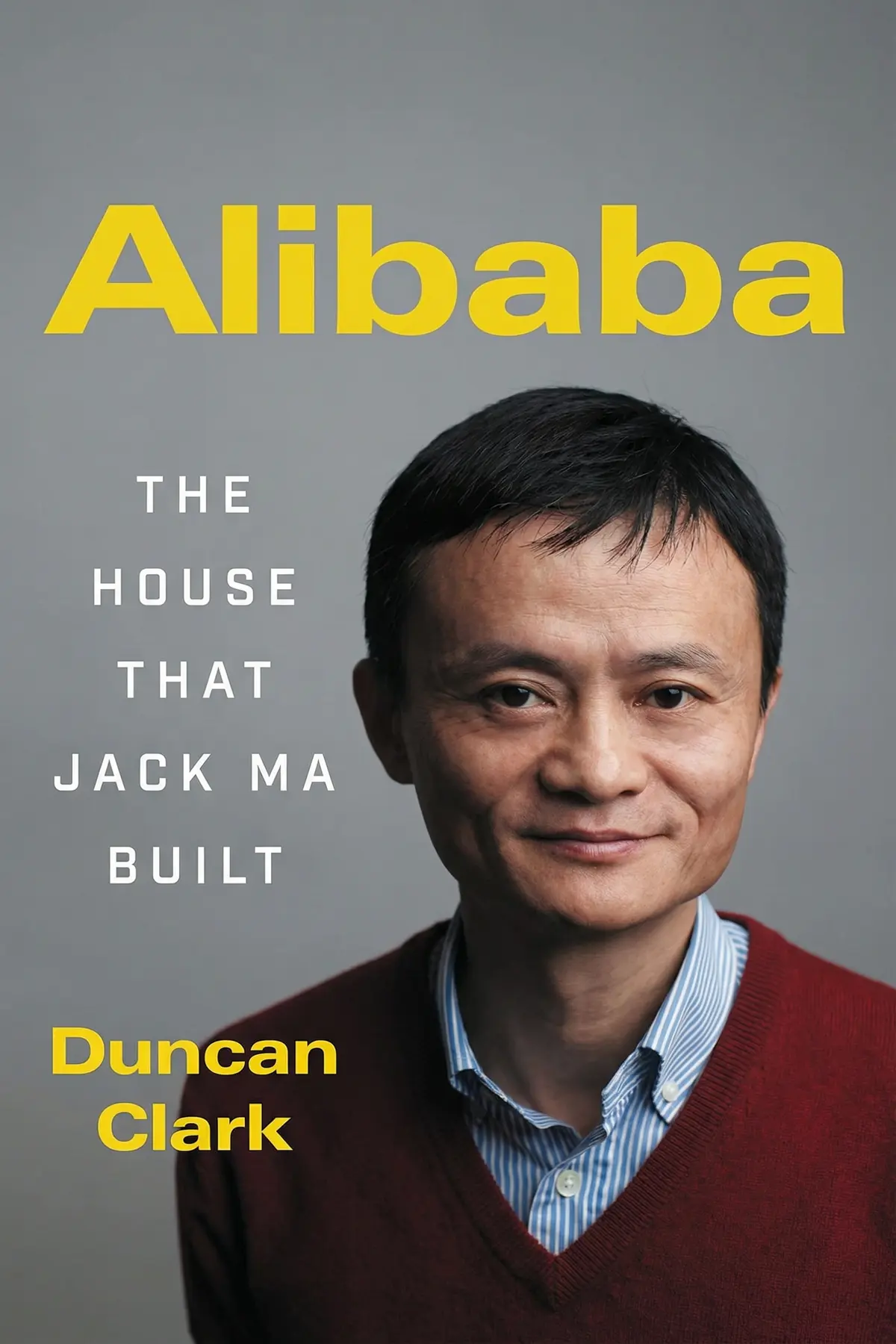
Alibaba: The House That Jack Ma Built
Duncan Clark
Bad Blood: Secrets and Lies in a Silicon Valley Startup
John Carreyrou
AUDIO SUMMARY AVAILABLE
Listen to Finish Big in 15 minutes
Get the key ideas from Finish Big by Bo Burlingham, plus 5,000+ more titles in English and Thai.
- 5,000+ titles
- Listen as much as you want
- 7-day free trial
- Cancel anytime







