
21 min
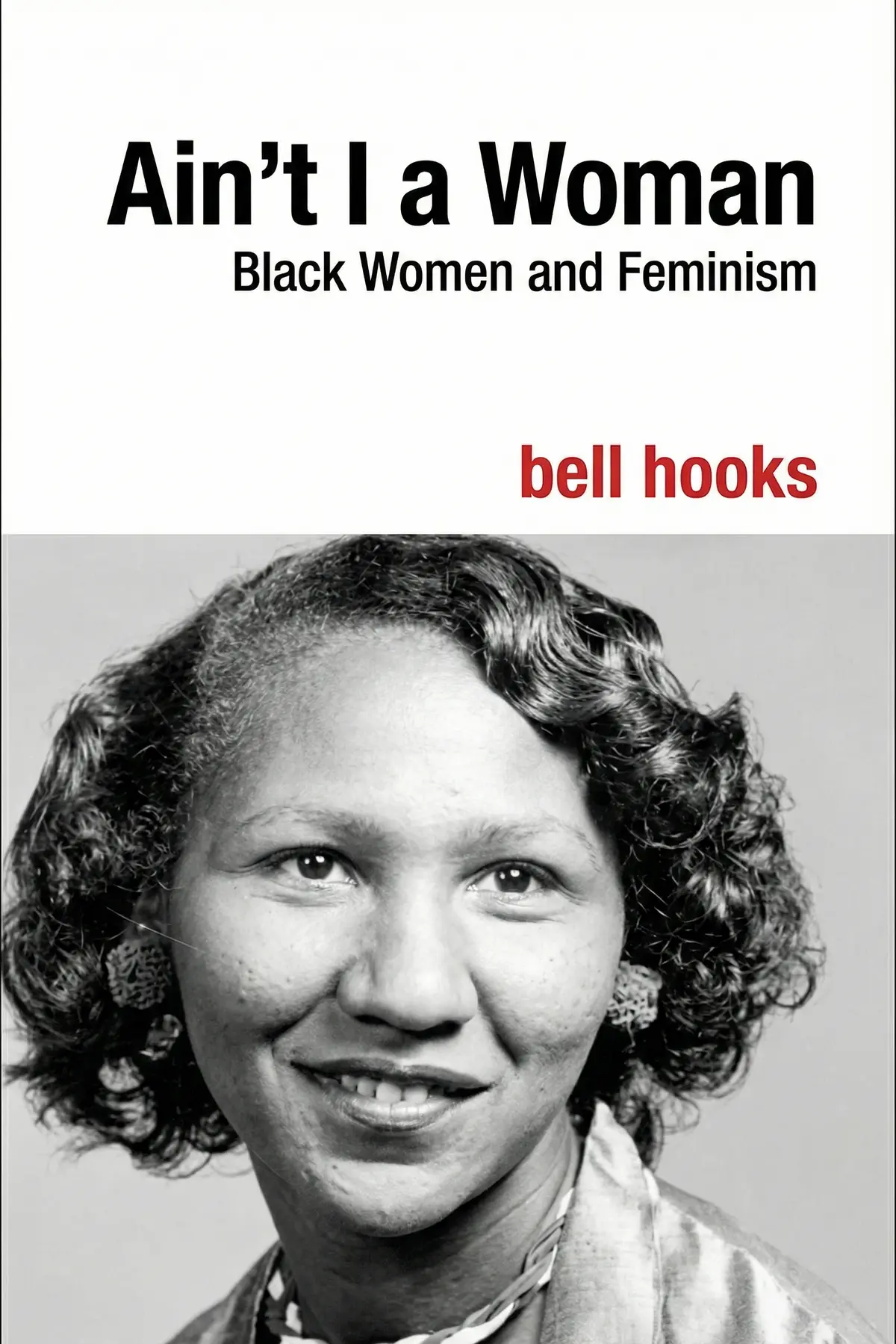
Gang Leader For A Day: A Rogue Sociologist Takes to the Streets
An immersive look at life inside Chicago’s Robert Taylor Homes, exploring the complex social structures, shadow economies, and the unexpected intersection of academic research and gang leadership.
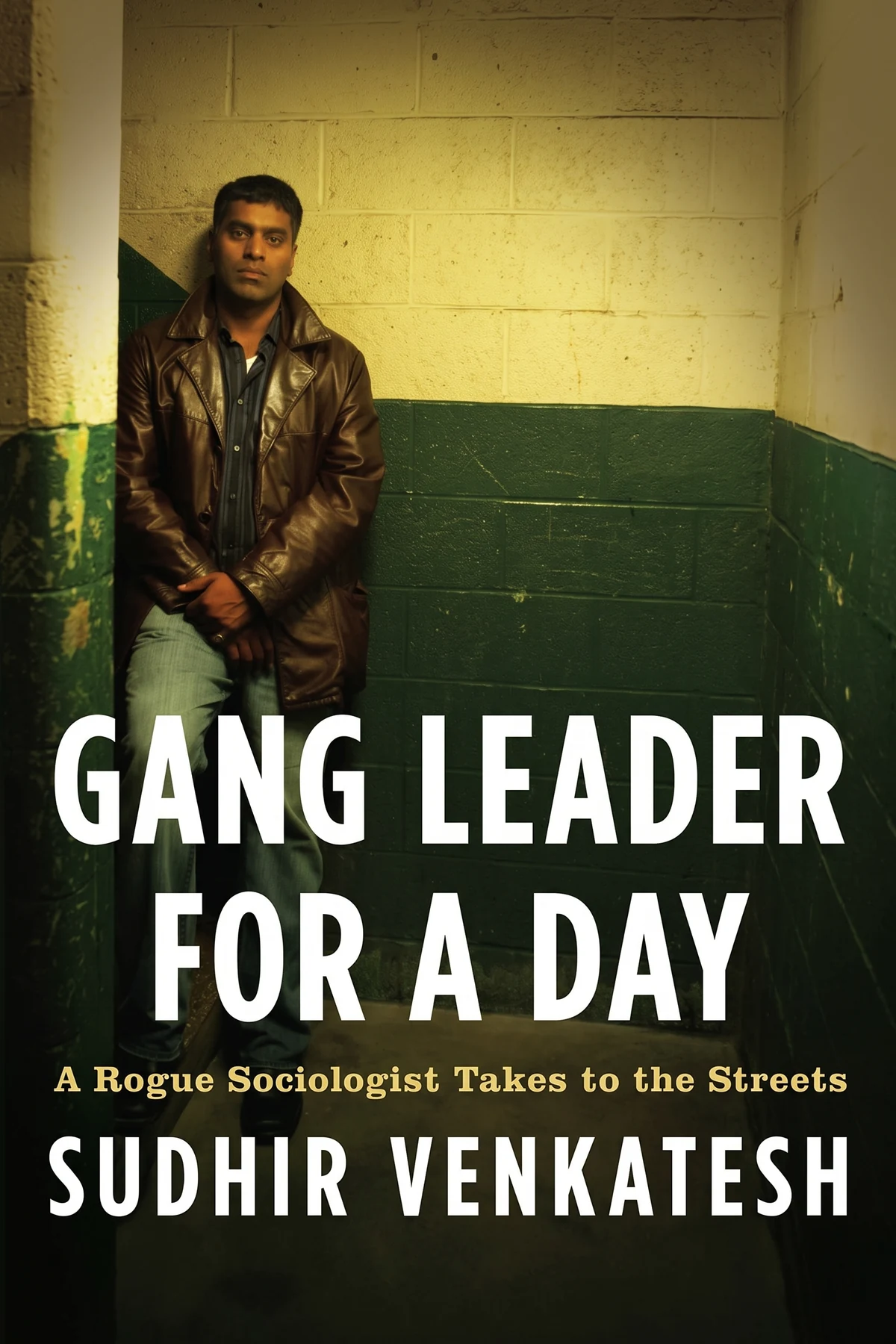
Table of Content
1. Introduction
1 min 48 sec
In the early 1960s, the Robert Taylor Homes in Chicago were heralded as a triumph of modern public housing. Consisting of nearly thirty massive high-rises, the complex was designed to provide safe, affordable shelter for thousands of families. But by the time the late twentieth century arrived, the utopian dream had transformed into a harsh, neglected reality. The high-rises had become symbols of systemic failure, where the elevators rarely worked, the stairwells were dark, and the sound of gunfire was as common as the wind. Yet, inside these crumbling walls, a vibrant and complex society thrived, governed by rules that the outside world rarely understood.
This is where we meet Sudhir Venkatesh, a young sociology student who decided that questionnaires and statistics weren’t enough to capture the truth of this environment. He chose to step inside the projects, a move that eventually led him into the inner circle of the Black Kings, a gang that dominated the area’s drug trade. What he discovered was far more nuanced than a simple tale of crime and poverty. He found a world where the line between legal and illegal was constantly blurred, and where every resident had to become a master of survival.
In this summary, we will explore the throughline of Venkatesh’s experience: the idea that when formal systems like the government and the police fail a community, informal systems—no matter how flawed or dangerous—will inevitably rise to take their place. We will look at how the gang functioned like a corporation, how the residents built their own economy from the ground up, and how the researcher himself was forced to confront the moral cost of his observations. By the end, you’ll see the Robert Taylor Homes not just as a place of despair, but as a site of incredible, if desperate, human agency.
2. The Thriving Underground Economy
2 min 30 sec
Think the 96 percent unemployment rate tells the whole story? Look closer at the secret markets and side hustles that keep the community afloat.
3. A Society Without Public Services
2 min 25 sec
Discover why calling 911 was often the last thing a resident would do, and how the community filled the void left by the police.
4. The Gang as a Corporate Structure
2 min 34 sec
Step inside the boardroom of the Black Kings to see how drug dealing mirrors the world of high-stakes corporate management.
5. The Paradox of the Gang as a Provider
2 min 24 sec
The Black Kings weren’t just selling drugs; they were also funding youth centers and walking grandmothers to the store. Explore this moral maze.
6. The Dark Reality of Life Under the Kings
2 min 26 sec
Beyond the charity lay a brutal system of extortion and addiction that trapped even the most vulnerable residents.
7. The Burden of Local Leadership
2 min 31 sec
What happens when a sociologist is given the keys to the kingdom? Sudhir’s experience as a leader for a day reveals the impossible choices of the projects.
8. The Ethical Tightrope of a Rogue Sociologist
2 min 40 sec
When research turns into friendship, where does the truth end and loyalty begin? Explore the moral crisis of the man behind the notebook.
9. Conclusion
1 min 42 sec
The story of the Robert Taylor Homes, as told through Sudhir Venkatesh’s eyes, is ultimately a story about what happens when a society is left to fend for itself. We’ve seen how 4,000 apartments became a laboratory for an alternative way of living—one where the gang leader is the CEO, the building manager is the grandmother and the judge, and every resident is an entrepreneur of necessity. The throughline of this journey is the resilience of human social structures; even in the most neglected environments, people will build systems of order, economy, and community.
But we must also acknowledge the cost. The order provided by the Black Kings was a violent one, and the self-reliance of the residents was a burden they shouldn’t have had to carry alone. Venkatesh’s experience teaches us that poverty is not just a lack of money, but a lack of access to the formal institutions that provide safety and justice. When those institutions disappear, the shadow world that rises to fill the void is complex, often brutal, and deeply human.
As you reflect on this summary, consider the ‘informal’ systems in your own life or community. While they may not be as extreme as those in the Robert Taylor Homes, they are a reminder that the official version of how the world works is rarely the whole story. The most important takeaway is to look beyond the surface level of statistics and headlines. Behind every ‘unemployed’ label or ‘crime’ report is a person navigating a complex web of survival. By understanding the inner workings of these communities, we can begin to see the true face of poverty and the incredible strength it takes to endure it.
About this book
What is this book about?
This summary dives deep into the high-rise landscape of the Robert Taylor Homes, one of Chicago’s most notorious public housing projects. It follows the journey of Sudhir Venkatesh, a sociology student who moved beyond the ivory tower to live among the residents, eventually befriending a high-ranking gang leader named JT. The narrative challenges traditional views of poverty by revealing a highly organized underground economy where survival depends on ingenuity and unconventional alliances. Through Venkatesh’s eyes, you will witness the intricate ways in which a criminal organization like the Black Kings functioned as both a source of violence and a provider of social services in a community largely abandoned by the state. The book offers a sobering promise: to show the reality of life in the inner city through the lenses of economics, power, and human connection, while questioning the ethics of the very research that brings these stories to light.
Book Information
About the Author
Sudhir Venkatesh
Sudhir Venkatesh is an esteemed sociology professor at Columbia University. His academic work focuses primarily on the social dynamics within public housing communities. Beyond his teaching, he is a frequent contributor to major publications, having written for The New York Times, the Chicago Tribune, and The Washington Post.
Ratings & Reviews
Ratings at a glance
What people think
Listeners find this work to be an engaging and accessible story that offers a deep perspective on Chicago's gang culture. The prose is skillfully written, and listeners value how the account helps them understand the realities of a different culture. It effectively portrays life in Chicago, and one listener mentions that the story evokes emotions of compassion. Listeners commend the book's genuine quality, with one review highlighting its complex representation of the Black Kings gang.
Top reviews
Ray
Sudhir Venkatesh provides a jarringly intimate look into a world most of us only see in sensationalized news clips. This isn't just a dry academic study of urban poverty in Chicago; it’s a living, breathing story of survival and complex social hierarchies within the Robert Taylor Homes. Watching his relationship with J.T. evolve from hostage-taker to reluctant mentor was absolutely riveting. I was struck by how the gang filled a void left by the government, providing a strange kind of order where the state failed. The writing is incredibly accessible, moving with the pace of a thriller rather than a dissertation. While some might question his methods, the insights into the underground economy are invaluable for understanding modern inequality. It’s a powerful, humanizing account that forced me to confront my own biases about life in the projects.
Show moreTar
Wow, I wasn't prepared for the emotional weight this story carried by the final page. You go into it expecting a gritty crime exposé, but you end up with a heartbreaking portrait of a community abandoned by every official system. The chapter where Venkatesh actually tries to lead the gang for a day reveals more about the logistical nightmare of poverty than any chart or graph ever could. It made me feel a deep sense of compassion for the residents who had to navigate the whims of both the police and the gang leaders daily. Truth is, J.T. is a charismatic yet terrifying figure whose quest for legitimacy mirrors the corporate world in ways that are deeply unsettling. This book doesn't offer easy solutions, but it certainly forces you to look at the "underclass" with fresh eyes.
Show moreEye
After hearing about that crack-cocaine study in Freakonomics, I knew I had to read the full account of Venkatesh's time in Chicago. It’s a compelling narrative that moves at a cracking pace, making it hard to put down once you start. The way he describes the internal economics of the Black Kings—from the foot soldiers to the regional bosses—is genuinely eye-opening. You start to see the gang not just as a criminal enterprise, but as a distorted version of a social safety net for an ignored population. Look, the author definitely crosses some lines, and his betrayal of the local "hustlers" was hard to stomach. However, the level of access he gained is unprecedented, and the stories he tells are too important to ignore. It’s a raw, messy, and necessary look at the failures of public housing.
Show moreTern
Few books manage to humanize people on the fringes of society as effectively as this one does. Sudhir doesn't just observe the Black Kings; he shows us the fathers, sons, and entrepreneurs hidden beneath the labels of "thug" or "dealer." The intricate relationship between the gang and the tenant leaders shows a level of social complexity that most outsiders would never even guess exists. I loved how the book explored the mundane aspects of gang life, like the paperwork and the constant negotiations with the Chicago Housing Authority. It’s a vivid, gritty, and ultimately tragic account of a world that has since been literally torn down. Not gonna lie, I stayed up way too late finishing this because the tension in some of those scenes is palpable. It is an absolute must-read for anyone interested in urban sociology.
Show morePridi
Finally got around to reading this, and it totally lived up to the hype as a captivating and gritty piece of nonfiction. The way Venkatesh peels back the layers of the Robert Taylor Homes reveals a community that is incredibly resilient despite being systematically failed by every level of government. It’s not just about drugs and violence; it’s about the "hustle" that everyone from the preachers to the grandmothers has to maintain just to survive. J.T. is one of the most complex "villains" I’ve ever encountered in literature, precisely because he doesn't see himself as one. The book captures the specific atmosphere of Chicago in that era perfectly. In my experience, few books can bridge the gap between academic research and popular storytelling this well. It left me with a much deeper, more compassionate understanding of the cycle of poverty.
Show moreMattanee
The ethical gymnastics in this book are enough to make any traditional researcher squirm, yet that's exactly why it works. Venkatesh isn’t some distant observer; he’s right there in the stairwells, getting his hands dirty and sometimes making terrible choices. I found the sections on Ms. Bailey particularly enlightening because they showed how power is brokered through community services and "street taxes." To be fair, the author’s naivety in the early chapters is almost painful to read, but it serves as a baseline for his transformation. He captures the nuanced reality of the Black Kings without falling into the trap of purely demonizing or glorifying them. My only real gripe is that he occasionally centers himself too much in the narrative. Still, the peek into how drug gangs actually function as a corporate hierarchy is fascinating.
Show moreAroha
Picked this up on a whim and was immediately sucked into the strange, dangerous world of 1990s Chicago public housing. The book is written in a very accessible, first-person style that makes you feel like you're right there in the stairwell with Sudhir. It’s amazing how he managed to survive those first few encounters, let alone stay for nearly a decade. While he definitely comes across as naive—sometimes dangerously so—it makes his journey feel more authentic to the reader. You’re learning the rules of the project right alongside him. There’s a lot of dark humor in the interactions between him and J.T., which balances out the more harrowing moments of violence. It’s not a perfect academic work, but as a narrative of a subculture, it is brilliant and stays with you long after you finish it.
Show morePisit
It’s a fascinating glimpse into the Robert Taylor Homes, but I left the book feeling more than a little conflicted about the narrator. On one hand, the stories about the underground economy and the "building mothers" like Ms. Bailey provide a perspective you won't find in any textbook. On the other hand, Venkatesh’s constant self-reflection often feels like a shield to protect himself from the reality of his own exploitation of these people. He’s essentially using their trauma and their illegal activities to build a high-flying academic career. Personally, I found the "gang leader for a day" stunt to be the weakest part of the book because it felt so staged. It’s worth reading for the sheer uniqueness of the access, but take the author’s "rogue" persona with a massive grain of salt. The writing is good, but the ethics are murky.
Show moreSaranya
Venkatesh writes with a style that is undeniably accessible, turning what could have been a dry study into a fast-paced memoir. However, I struggled with how much he seemed to idolize J.T. throughout the years they spent together. It felt like his desire to be "accepted" by the gang clouded his objectivity as a researcher. He mentions his own moral quandaries frequently, but he never really changes his behavior, which makes the soul-searching feel a bit performative. The insights into how the gang manages the building's social services were the highlight for me. Still, the book lacks the rigorous analysis I was hoping for after seeing it cited in so many other places. It’s an interesting story about a grad student's experience, but maybe not the definitive sociological text it claims to be.
Show moreNoah
I can't believe this passed as serious sociology at a prestigious institution like the University of Chicago. Venkatesh presents himself as this "rogue" hero, but mostly he just seems like an incredibly dense graduate student who lucked into a dangerous situation. His lack of common sense is staggering, especially when he’s shocked to find out that a violent drug gang actually engages in—wait for it—violence. He spends so much time agonizing over his own feelings and his weird bromance with J.T. that the actual residents of the housing project feel like background characters. Frankly, his "leadership" for a day felt like a hollow gimmick designed more for a future movie deal than for any actual academic insight. If you want a real look at poverty, read something by someone who doesn't treat it like a thrill-seeking adventure.
Show moreReaders also enjoyed

All About Love: New Visions
bell hooks


A Biography of Loneliness: The History of an Emotion
Fay Bound Alberti

A Force for Good: The Dalai Lama's Vision for Our World
Daniel Goleman

A Room of One’s Own
Virginia Woolf
Abolish Rent: How Tenants Can End the Housing Crisis
Tracy Rosenthal
Abortion: Our Bodies, Their Lies, and the Truths We Use to
Jessica Valenti
AUDIO SUMMARY AVAILABLE
Listen to Gang Leader For A Day in 15 minutes
Get the key ideas from Gang Leader For A Day by Sudhir Venkatesh, plus 5,000+ more titles in English and Thai.
- 5,000+ titles
- Listen as much as you want
- 7-day free trial
- Cancel anytime







