

A Bigger Prize: How We Can Do Better Than the Competition
Margaret Heffernan
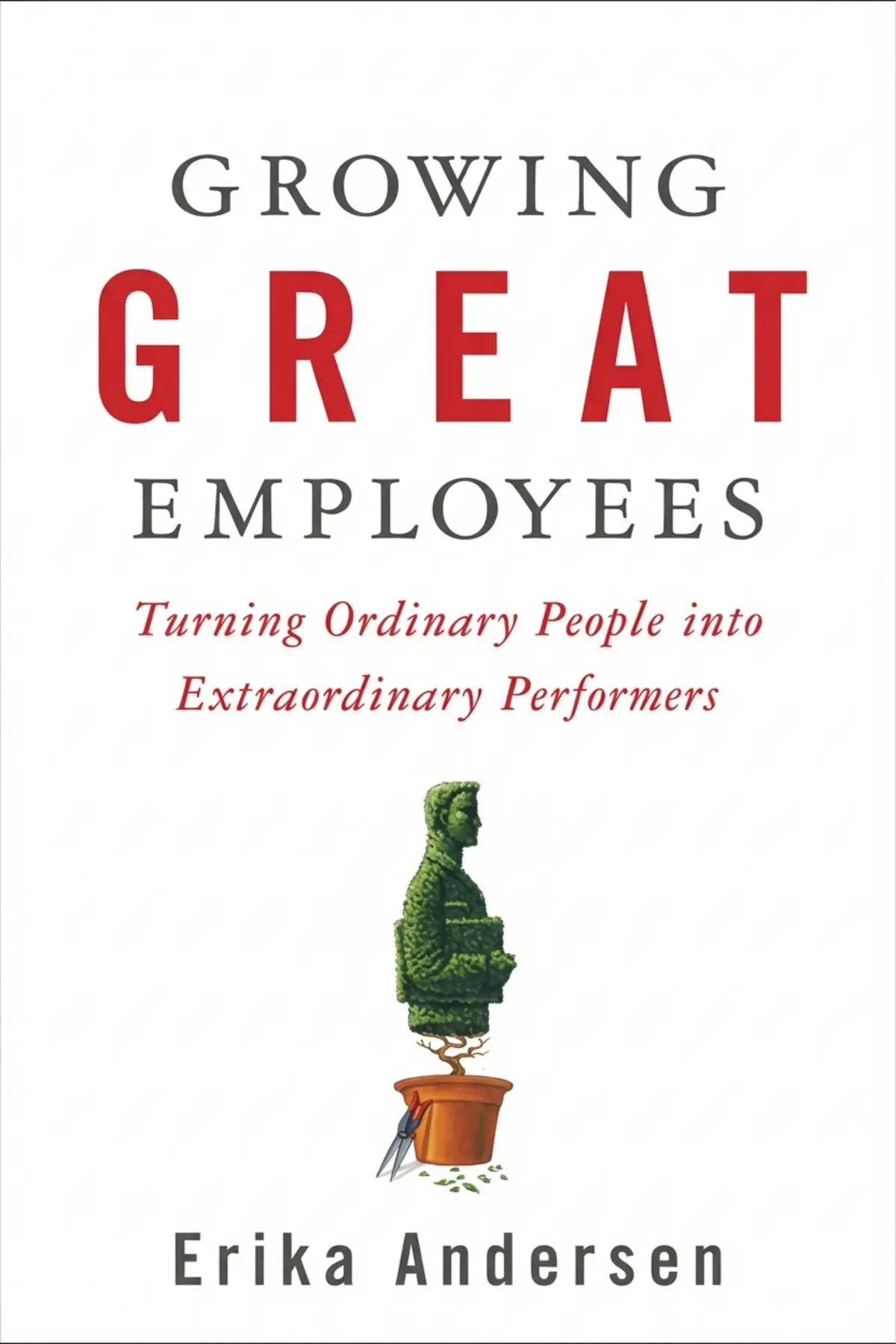
Erika Andersen’s guide provides managers with a gardening-inspired framework for employee development. By focusing on culture, listening, and coaching, leaders can transform average contributors into high-performing assets for their organization.
1 min 33 sec
For millennia, the act of gardening has been a cornerstone of human development. From the earliest civilizations that rose from the fertile silt of river valleys to the modern enthusiast tending to a backyard plot, the practice of cultivation is deeply embedded in our collective psyche. We understand that plants do not simply grow by accident; they require a specific set of conditions, a watchful eye, and a steady hand. Interestingly, these very same principles can be applied to the world of management. If you think of your office as a garden and your staff as the living, growing things within it, your role shifts from a mere supervisor to a master gardener.
In this exploration of Erika Andersen’s insights, we will look at how to turn ordinary people into extraordinary performers. The central throughline is simple but profound: greatness is not just something you find in people; it is something you grow. By following the rules of cultivation, you can take a delicate or struggling worker and help them develop the strength of a sturdy tree, providing your organization with stability and a fruitful harvest for years to come.
Over the course of this summary, we will explore why modern employees are no longer satisfied with just a paycheck, and why they now expect to be nurtured and challenged. We will discover the importance of “listening as soil preparation” and learn how to use scenario-based interviewing to cut through the smoke and mirrors of traditional hiring. Ultimately, we will see that management is an art form that requires patience, skill, and occasionally, the difficult decision to prune away what is no longer serving the garden’s health.
1 min 43 sec
Imagine trying to grow a desert cactus in a frozen tundra. Success in management starts with matching the unique needs of an individual to their workplace surroundings.
1 min 41 sec
Before you can plant anything new, you must ensure the ground is fertile. In the workplace, this means creating a culture defined by open communication and active listening.
1 min 35 sec
Resumes can be misleading, and interviews are often filled with exaggerations. Learn how to see a candidate’s true skills by putting them into real-world situations.
1 min 36 sec
When an employee fails, a manager’s first instinct is often to take over. However, true growth happens when you trade control for coaching.
1 min 36 sec
High-performing teams don’t run on vague expectations. They require specific performance agreements and corrective feedback to stay on track.
1 min 34 sec
A garden flourishes when it expands. Learn how to use delegation to help your best employees bloom into leaders themselves.
1 min 41 sec
Not every plant will thrive, and some can even threaten the health of the entire garden. Sometimes, the kindest thing a manager can do is let someone go.
1 min 03 sec
The journey of transforming ordinary people into extraordinary performers is not a sprint; it is a season of cultivation. By adopting the perspective of a master gardener, you move away from the outdated model of command-and-control and toward a more sustainable and humane form of leadership. You have seen that growth begins with the soil of a listening culture and the climate of a supportive environment. You have learned how to select the right seeds through scenario-based interviewing and how to nurture them through the mindset of a coach.
Effective management requires the discipline to set clear stakes with performance agreements and the courage to prune when a fit isn’t right. The ultimate goal is to create a self-sustaining ecosystem where every individual is given the opportunity to bloom, and where the collective harvest is greater than the sum of its parts. As you return to your own professional garden, remember that your primary job is to provide the conditions for success. If you tend to your people with skill and patience, they will not only meet your expectations—they will exceed them, growing into the sturdy, fruitful leaders your organization needs to thrive in the long term.
Growing Great Employees explores the parallel between horticulture and human resource management. It suggests that leadership is not about commanding or controlling, but about cultivating the right environment for growth. The book begins by examining the shift in modern employee expectations, noting that today’s workforce seeks more than a paycheck; they seek personal development and purpose. From there, the author outlines a practical system for hiring, training, and maintaining a high-functioning team. You will learn why traditional interviews often fail and how scenario-based questioning can reveal a candidate’s true nature. The text also delves into the "coach’s mindset," teaching managers how to step back and allow for learning through mistakes rather than micromanaging every slip-up. Finally, the book addresses the difficult but necessary task of pruning—removing individuals who are not a fit for the team. The promise is clear: by treating your department like a garden and your employees like precious saplings, you can create a sustainable culture of excellence and mutual respect.
Erika Andersen is the CEO and a founding partner of Proteus International, a specialized coaching consultancy. Her work focuses on advising top-tier executives on leadership and management strategies. Beyond her consultancy, Andersen is a recognized international speaker and has contributed her expertise to major publications, including Fortune magazine and the New York Times.
Listeners find the work successful for enhancing staff growth. Even so, the suggestions draw conflicting reviews, with some praising their utility while others believe the material provides minimal direction.
Finally got around to finishing this management guide, and I’m kicking myself for not picking it up years ago when I first transitioned into a leadership role. Erika Andersen provides a robust framework that covers the essential responsibilities a manager faces daily while offering principles that actually make the work feel manageable. I particularly appreciated the emphasis on listening—truly listening—as the foundational step for developing any team member's potential. To be fair, business books can often feel like a chore, but the organization here allows you to grasp the core concepts through quick chapter intros and helpful summaries at the end. It is a comprehensive resource for anyone who wants to move beyond just supervising and start actually cultivating a high-performing environment. This is exactly the kind of material I wish was standard issue for every new hire in my department.
Show moreThis book changed how I view my one-on-ones by shifting the focus from 'fixing' people to 'tending' to their environment and growth. Not gonna lie, I was skeptical about the gardening theme at first, but it really helps visualize the patience and skill required to lead a diverse group of individuals. The author breaks down complex relationship dynamics into easy-to-understand concepts that you can start practicing with your team the very next morning. I especially liked the emphasis on creating a culture of growth where productivity spreads naturally rather than being forced through rigid, top-down mandates. It’s an amazing guide for those who feel like the 'human' side of human resources is often overlooked in traditional business education. I plan on keeping this on my desk as a frequent reference whenever I feel my team is losing its traction.
Show moreDirect and actionable, this manual provides exactly what new supervisors need: a roadmap for building a functional and thriving workplace culture. I wish I had read this a decade ago because it would have saved me from making so many common mistakes regarding how I communicated with my direct reports. The focus on listening and providing the right 'nutrients' for growth is a refreshing departure from the usual command-and-control style of leadership. In truth, the book is incredibly well-organized, making it easy to find specific advice on hiring or development whenever a specific challenge arises. Even the more basic concepts are presented with a level of clarity that makes them feel fresh and newly relevant to today's workplace. If you care about the people you manage, you owe it to them—and yourself—to read this book and apply its principles.
Show moreThe gardening metaphor is laid on thick throughout these pages, yet it actually serves as a surprisingly effective framework for understanding human potential in the office. While the constant references to soil and pruning can get a bit tedious after a few chapters, the underlying logic is incredibly sound and easy to apply. Frankly, the hiring advice alone is worth the price of admission, even if I personally would have preferred a deeper dive into long-term retention strategies. I love how the book is structured for the busy professional; you can skim a chapter in minutes and still walk away with a functional tool. It’s a pragmatic read that acknowledges that relationship-oriented work is what prevents friction and keeps a team moving forward. Not quite a management bible, but a very solid addition to my shelf.
Show moreEver wonder why some teams flourish while others seem to wither under the exact same corporate conditions? Andersen argues that the difference lies in the manager's ability to consciously tend to their staff like a skilled gardener would tend to a prized landscape. Personally, I found the focus on active listening to be the most profound part of the book, as it’s a skill that is frequently talked about but rarely practiced with this much intentionality. The chapters are designed for efficiency, allowing you to grab the 'a-ha' moments quickly without getting bogged down in unnecessary fluff or academic jargon. My only quibble is that I wanted more on managing difficult personalities and less on the initial recruitment process, though the hiring tips provided are quite practical. It’s a helpful guide that reminds us that people are the primary drivers of productivity.
Show moreAfter hearing several colleagues recommend Erika Andersen’s approach, I decided to see if her 'listening' technique lived up to the hype. The book is incredibly easy to absorb, largely because the author uses a layout that respects the reader's time by including summaries and clear headings. In my experience, most management books are about 200 pages too long, but this one hits the sweet spot of being informative without being dense. You can realistically read and internalize the core message in an afternoon and begin implementing the frameworks immediately. While some might find the gardening metaphor a bit cheesy, it provides a consistent visual language for the entire lifecycle of an employee. It’s a very pragmatic look at how to reduce workplace friction by focusing on the underlying health of your professional relationships.
Show moreNot what I expected from a standard business text, mostly because the author prioritizes soft skills and human connection over spreadsheets and rigid KPIs. The book treats management as an art form that requires constant practice and a willingness to adapt to the specific needs of each individual on your team. I appreciated the interesting notes and the set of tips provided at the end of each section, which made the concepts feel much more actionable. Even if you don't agree with every single point, the shift in perspective regarding how we 'grow' our talent is worth the read. There is a lot of useful information here regarding how to foster a positive atmosphere that actually encourages people to do their best work. It’s a solid 4-star read that offers plenty of food for thought for any modern leader.
Show moreGotta say, the way Andersen organized her chapters—starting with a summary and ending with key takeaways—makes this the ultimate reference for busy professionals. You don't have to slog through every page to get the 'a-ha' moments, though reading the whole thing definitely provides a more holistic understanding of her gardening philosophy. While some of the advice on managing people felt a bit light compared to the extensive sections on hiring, the overall message is one that every manager needs to hear. It’s all about the skill involved in formalizing your relationships so that you get the right traction with your team. This isn't just a self-improvement book; it's a practical guide for anyone who feels that the human element of their job is getting in the way of productivity. It’s a quick, helpful read that provides plenty of value.
Show moreAs someone who has navigated corporate leadership for over a decade, I found the advice here to be a bit hit-or-miss depending on your specific experience level. The truth is that many of these concepts are very basic, making it a great introductory text but perhaps a bit light for seasoned executives looking for advanced strategy. I did find the sections on formalizing and practicing soft skills to be useful, as those are the areas where most of us experience the most slippage. However, the gardening theme felt a bit forced at times and occasionally distracted from the more serious business applications being discussed. It’s a quick four-hour read that offers a decent shift in perspective, but don't expect a radical paradigmatic shift if you've already read the classics in this genre. It's a pragmatic tool, nothing more and nothing less.
Show moreLook, I understand the appeal of an accessible business book, but this felt more like a collection of common-sense observations than a revolutionary management system. The gardening analogy is pushed so hard on every single page that it becomes an exhausting distraction from the actual advice being offered. While the information on hiring is objectively good, I found the rest of the book to be a bit too elementary for anyone who has spent more than a year in a supervisory position. To be fair, the skimmable layout is a nice touch for those who lack the time for deep reading, but the content itself lacks the grit I was hoping for. If you are looking for a deep dive into complex organizational psychology, you might find this a bit too simplistic for your needs. It’s okay for a quick overview, but it didn't offer the guidance I required.
Show moreMargaret Heffernan

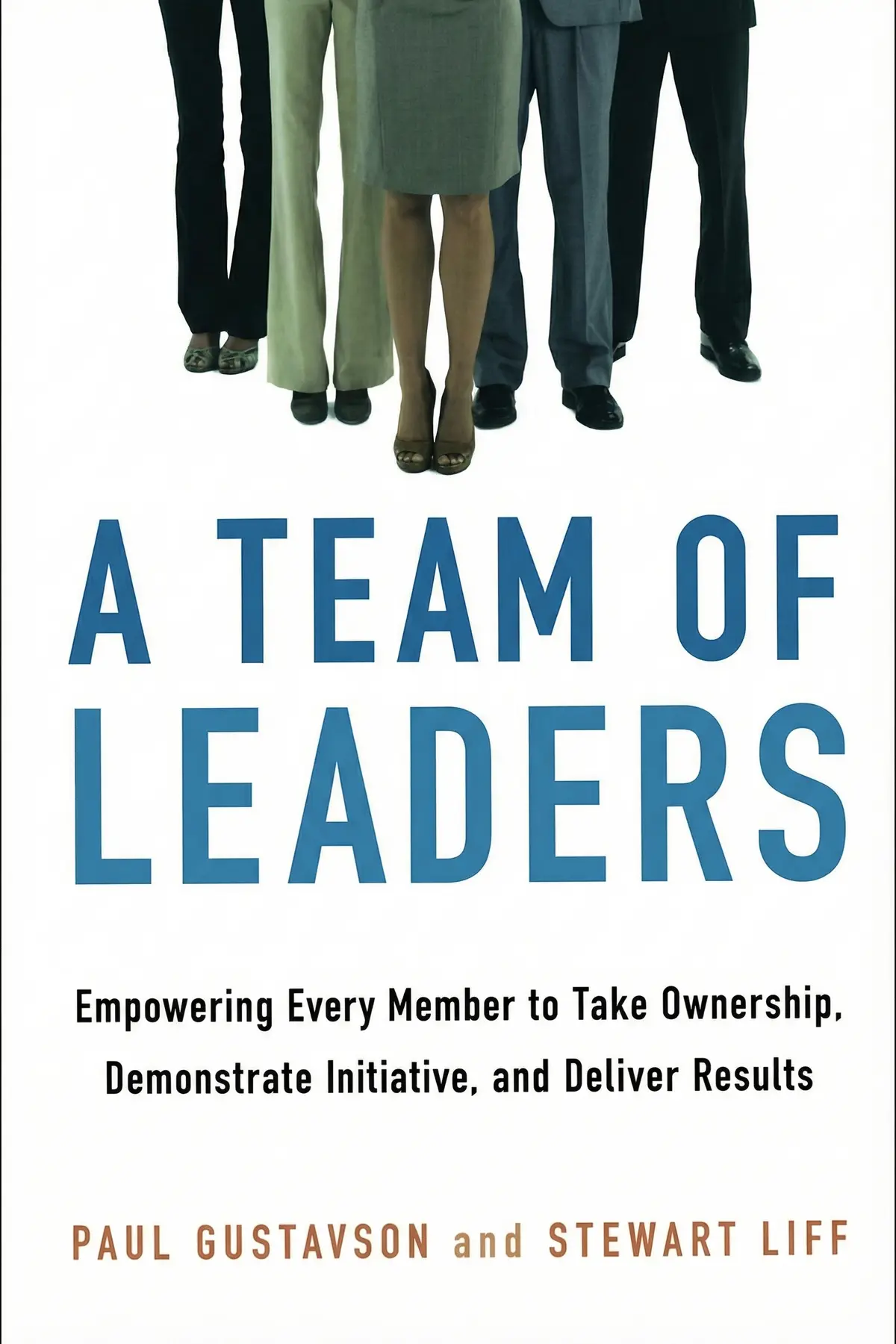
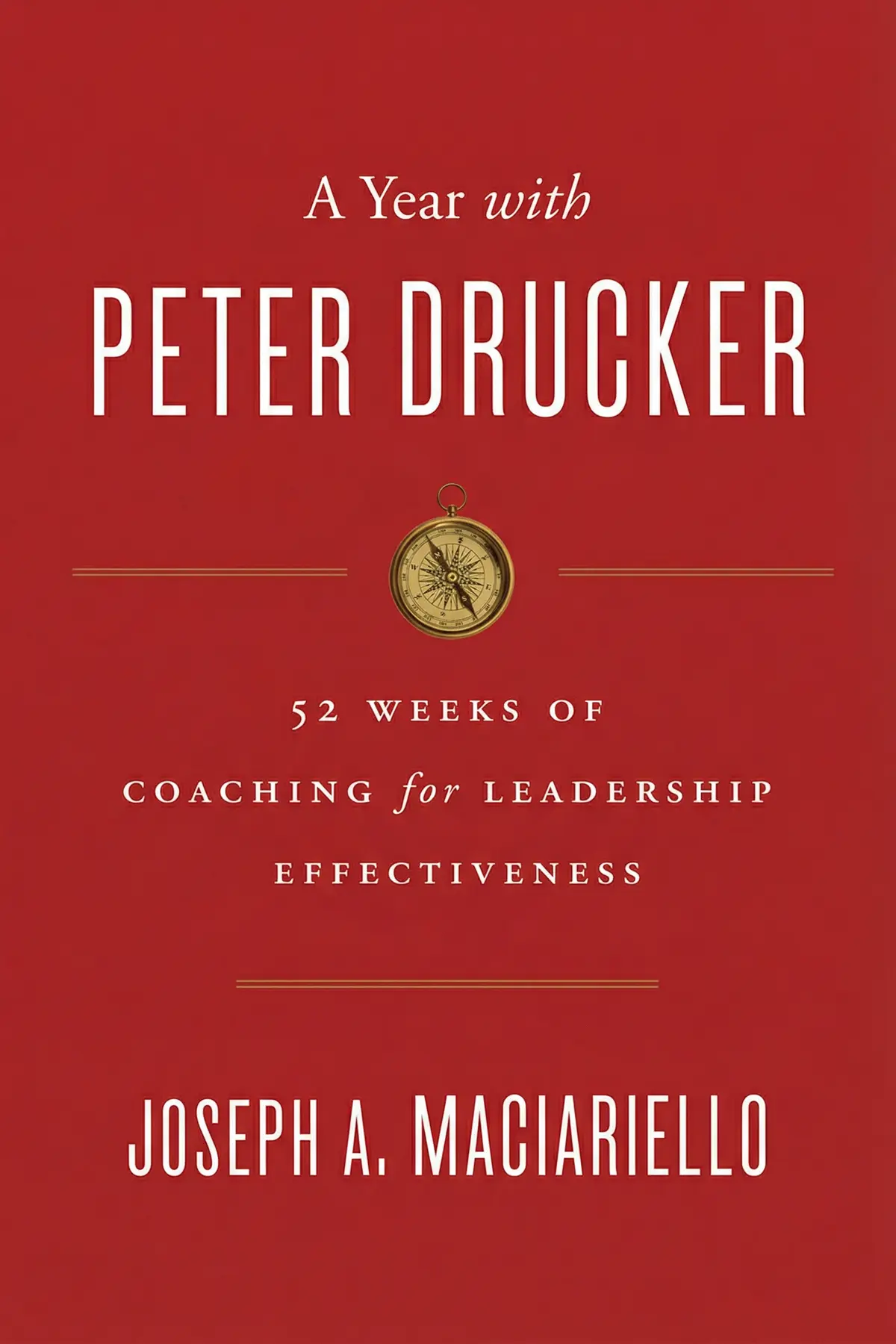
Joseph A. Maciariello


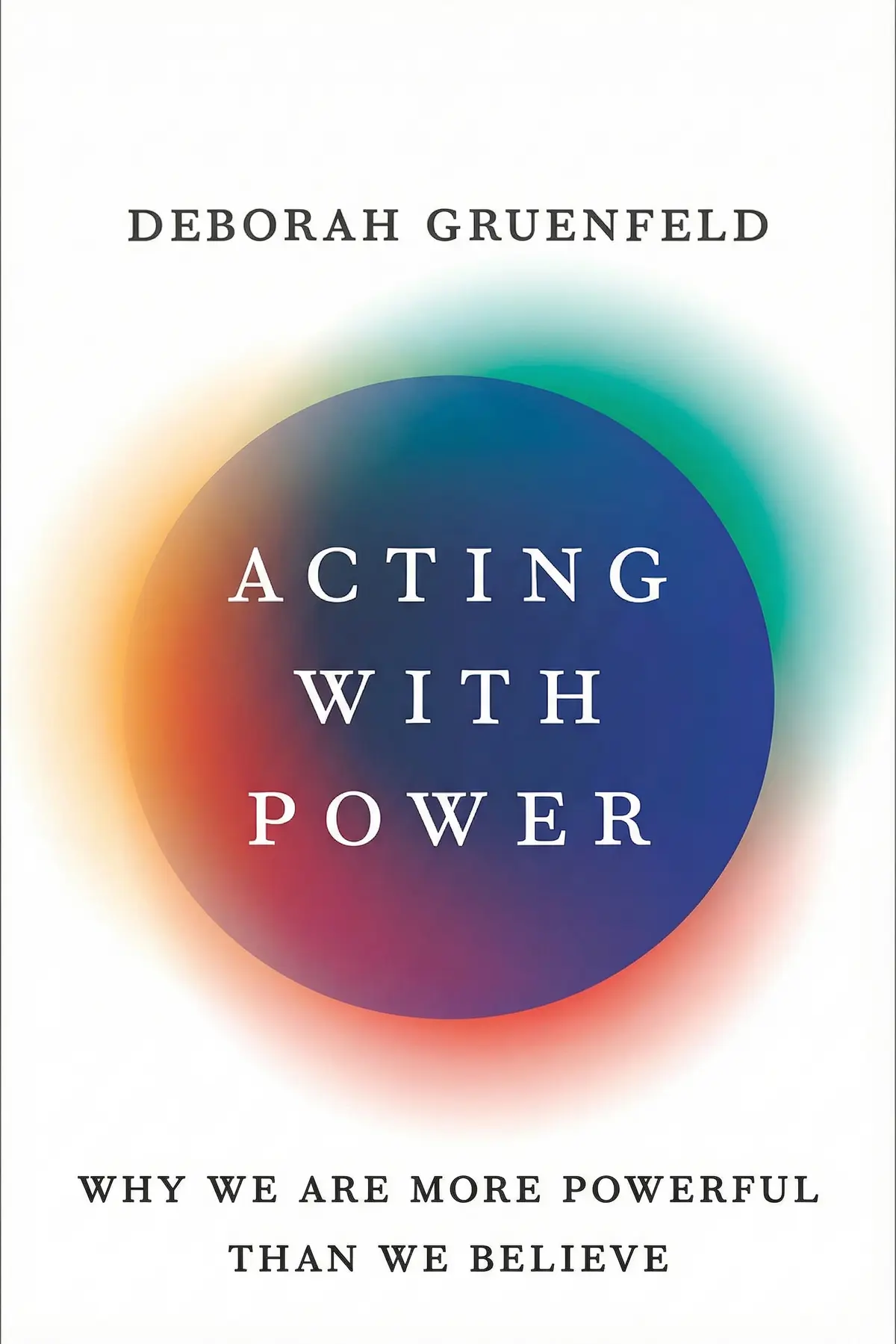
Deborah Gruenfeld
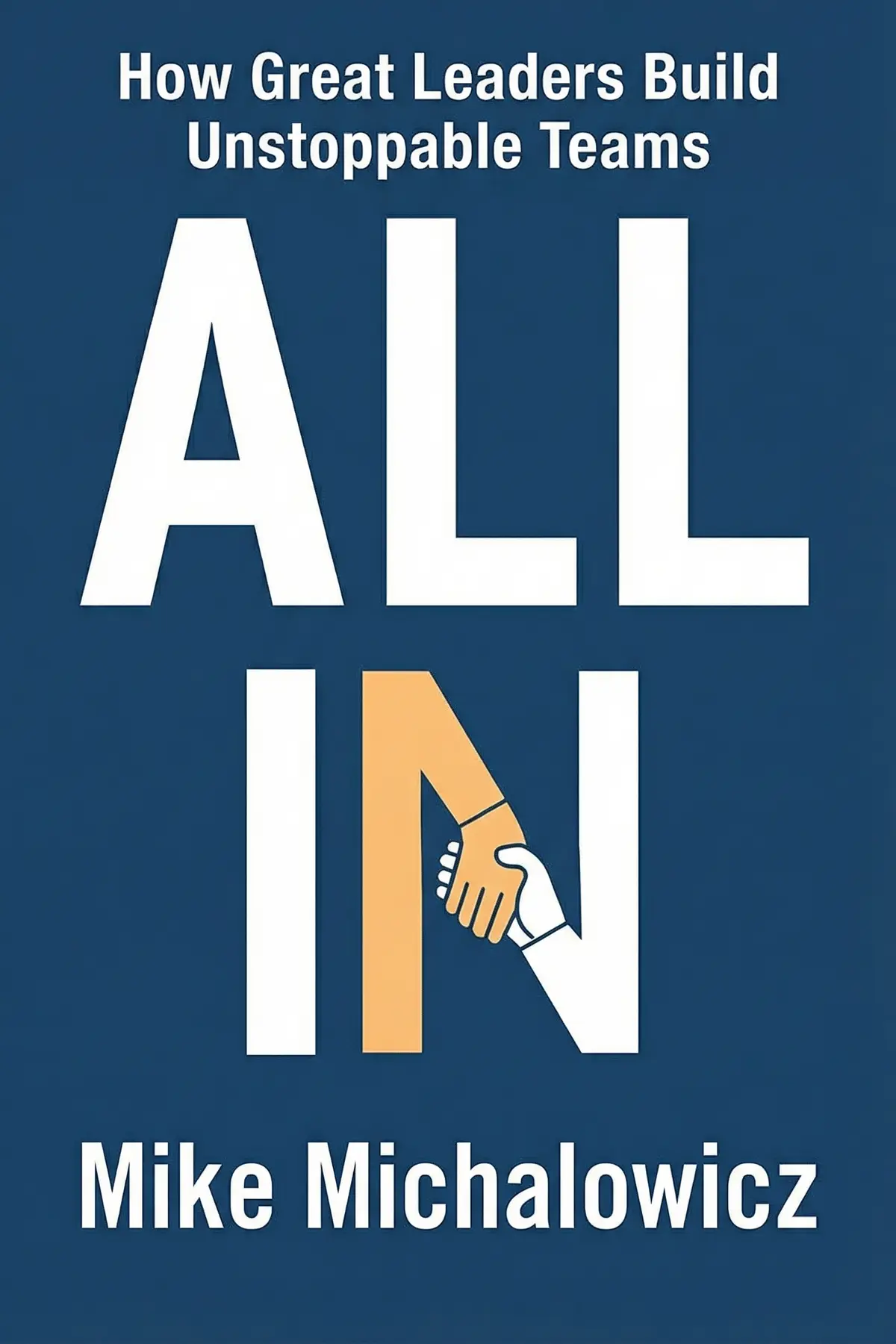
Mike Michalowicz
AUDIO SUMMARY AVAILABLE
Get the key ideas from Growing Great Employees by Erika Andersen, plus 5,000+ more titles in English and Thai.







